A multi-location restaurant group can lose more time fixing a mismatched reorder than it spent approving the original purchase. A strong restaurant groups Recycled Poly Mailers reorder checklist keeps that from happening by tying size, film, print, carton pack, ship-to details, and approval files to one repeatable buying record.
The problems tend to be small on paper and irritating in practice. One location gets the old black logo version while another receives the newer white logo version. A carton label says 10 x 13 inches, but the usable space is tight after the seal strip. A buyer approves “same as last time,” then discovers the last run had two sizes and a recycled-content blend that was never documented clearly.
Restaurant Groups Recycled Poly Mailers Reorder Checklist
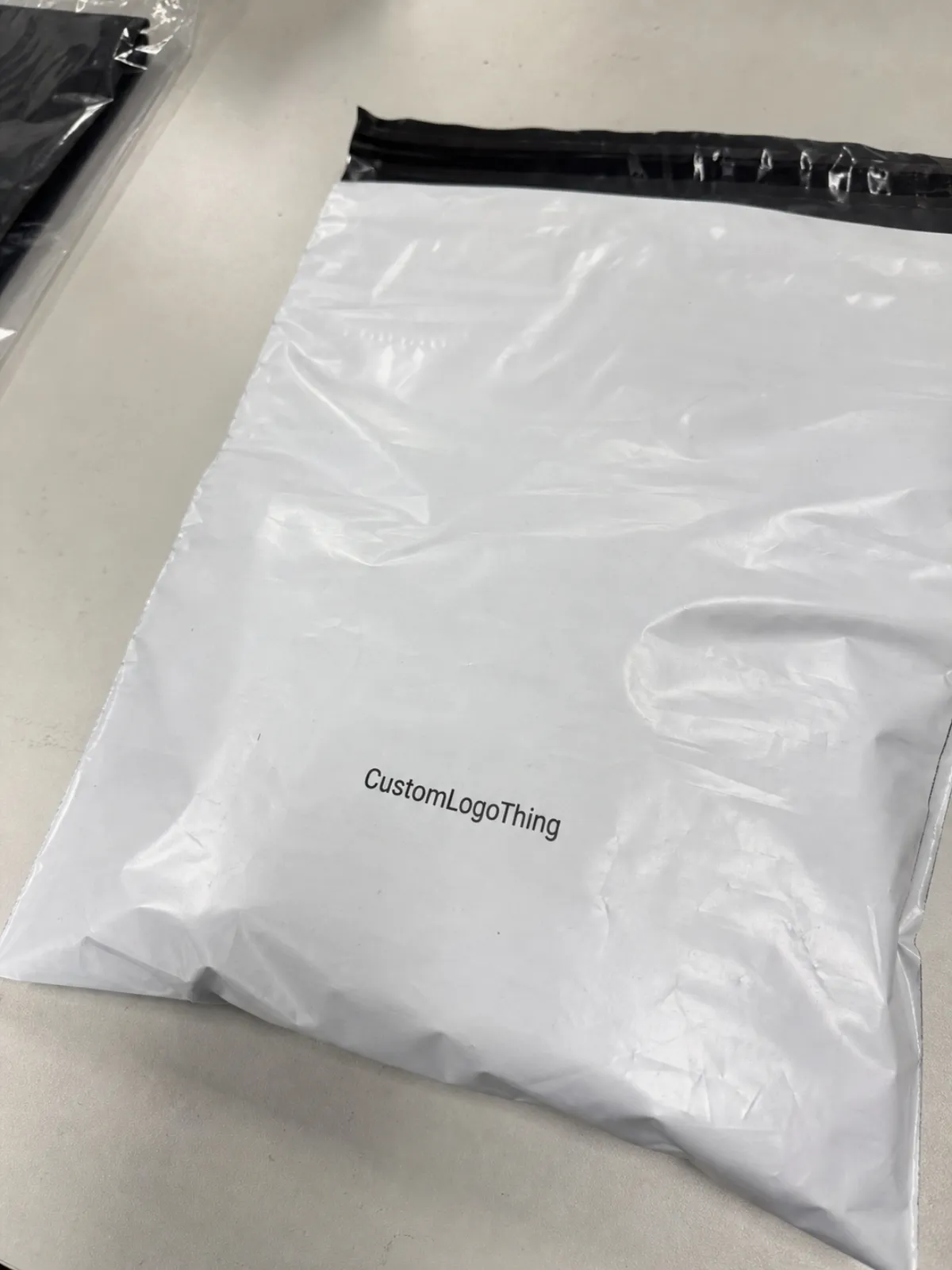
Restaurant groups use Recycled Poly Mailers for more than one purpose. They may carry branded retail goods, staff apparel, shelf-stable takeout kits, printed menus, loyalty gifts, event materials, or catering-related supplies. That spread of use is exactly why the reorder process needs discipline. A mailer that works well for a folded T-shirt may be too light for a boxed condiment kit, and a mailer designed around a merchandise drop may not feed cleanly into a back-of-house packing station.
The point of a restaurant groups Recycled Poly Mailers reorder checklist is control, not paperwork for its own sake. A repeat order should confirm the current SKU, lock the artwork, verify recycled-content claims, and make sure every receiving site gets the same mailer in the same carton format. If the order ships to one distribution hub, the receiving team needs pallet and carton data. If the order ships directly to 12, 40, or 100 restaurant locations, the ship-to file needs to be checked like a production document, not treated as a casual spreadsheet.
Repeatability matters because restaurant operations are built around motions that staff can perform quickly. Open mailer. Insert product. Peel strip. Seal. Stage for pickup. If the gauge changes, the closure strip moves, or the bag no longer stands up enough during filling, pack-out slows. If the print shifts enough that the logo looks off-center, the customer may not know the technical reason, but they will notice the brand feels less consistent at delivery.
Practical rule: if a mailer is used by more than one location, the reorder file should be specific enough that a new buyer can place the order without guessing at size, print, recycled content, carton pack, or delivery instructions.
At Custom Logo Things, buyers can start with Custom Poly Mailers for branded mailing options, then tighten the repeat order around the exact pack-out requirement. The payoff is fewer surprises, cleaner handoffs between operations and purchasing, and a faster path from quote request to proof approval.
Mailer details that keep pack-out fast and branding consistent
A Recycled Poly Mailer reorder should start with performance, not decoration. Branding matters, but the film has to carry the load first. Most restaurant group mailers fall into a practical range of roughly 2.0 to 3.0 mil film thickness, depending on contents, recycled resin blend, and puncture resistance needs. Lighter mailers can work for menus, soft goods, and paper-based inserts. Denser kits or boxed retail items usually need a stronger film, better seal integrity, or a larger format that avoids overstuffing.
Recycled-content film blends vary. Some use post-consumer recycled content, some use post-industrial recycled content, and some use a mixed approach depending on availability and color target. Darker or opaque films can hide contents better and often support cleaner brand contrast. Lighter films may show product shadowing if opacity is too low. That matters for restaurant groups shipping merchandise, gift cards, or promotional kits where privacy and presentation both count.
Closure style is another repeat-order detail worth locking. A permanent peel-and-seal strip is common for outbound shipments. A dual-seal mailer can support returns, which may be useful for branded merchandise or apparel programs. Seal width, adhesive strength, release liner quality, and placement all affect packing speed. A narrow strip that curls or tears in a busy packing area creates frustration fast.
Printing should be treated as part of the operating spec. A simple one-color logo is often the best choice for recurring restaurant reorders because it controls cost, reduces color variation, and keeps lead time more predictable. A fuller brand treatment can make sense for special campaigns, but higher ink coverage can affect cost, print tolerance, and sometimes surface feel. Leave room for barcodes, shipping labels, and internal stickers. A good layout keeps the logo visible after the carrier label goes on.
- Light retail goods: often work well in 2.0 to 2.5 mil mailers if edges are soft and the fit is not tight.
- Apparel or uniforms: may benefit from dual-seal closures if returns or exchanges are part of the process.
- Printed menus and flat inserts: need flat-size control so corners do not curl or crease during insertion.
- Promotional kits: often need higher puncture resistance, especially if they include small boxed items.
One common mistake is approving the mailer that looks branded in a flat proof, then forgetting that restaurant teams pack under time pressure. The better reorder is the one that still behaves well after 500 repetitive fills, seals, label applications, and handoffs.
Dimensions, gauges, and print specs to lock before reordering
Before approving a reorder, confirm the numbers that drive fit and performance. Flat size is the outside measurement before filling. Usable interior space is what the team can actually pack after accounting for side seals, bottom seal, closure area, and product thickness. Those two numbers are not identical, and treating them as identical is a common cause of tight packing.
A proper spec record should include flat width, flat length, lip size, seal width, film gauge, recycled-content target, color, opacity, closure type, print position, and carton count. If the previous order had multiple sizes, name each size clearly. “Small,” “medium,” and “large” are not enough. Use a SKU-style description such as RPM-1013-BLK-2.5MIL-1C or another internal code that ties the item to the approved artwork and material record.
Small measurement drift matters more than many buyers expect. A 10 x 13 inch mailer and a 10.5 x 13 inch mailer may sound interchangeable, but that half inch can determine whether a folded hoodie slides in cleanly or needs to be compressed. Film thickness has the same issue. Moving from 2.5 mil to 2.0 mil may reduce cost, but it can change hand feel, opacity, and puncture resistance. Moving thicker can improve durability but may increase unit price and carton cube.
| Spec to confirm | Typical detail to record | Why it affects the reorder |
|---|---|---|
| Flat size | Example: 10 x 13 inches or 12 x 15.5 inches | Controls fit, label space, and carton count |
| Film thickness | Commonly 2.0, 2.5, or 3.0 mil | Changes puncture resistance, opacity, feel, and cost |
| Closure | Permanent peel-and-seal or dual-seal | Affects returns, packing speed, and tamper evidence |
| One-color, two-color, or higher coverage | Drives setup, repeat consistency, and visual brand match | |
| Carton pack | Example: 500 or 1,000 pieces per carton | Impacts receiving count, storage space, and freight handling |
Artwork needs the same review. Capture the final dieline, the approved proof, Pantone targets where applicable, print tolerance, and the exact placement from edges or seal areas. For flexible packaging, slight print movement is normal, so buyers should understand the tolerance range before judging a reorder. If brand color is critical, state the Pantone target or acceptable visual standard instead of relying on “match previous order” alone.
Keep the last approved sample with the reorder record. A physical sample is still one of the best quality references, especially for feel, opacity, and seal behavior. Pair it with the final digital proof and the reorder SKU, and the next buyer does not have to reopen the full design conversation.
How cost, MOQ, and quote structure change on repeat orders
Repeat orders can cost less than first runs, but not automatically. The main cost drivers are recycled resin content, film thickness, order quantity, print complexity, number of colors, carton pack, freight plan, and whether the order is a true repeat. A true repeat uses the same size, same artwork, same material target, and same finishing details. A “repeat with small changes” is often a new production setup in disguise.
For custom printed recycled poly mailers, rough pricing can vary widely, but buyers often see unit costs in a range such as $0.18 to $0.45 per piece for mid-sized custom runs, depending on quantity, gauge, recycled content, ink coverage, and freight. Very small custom runs can price higher. Larger wholesale-style orders can bring the unit cost down, but they also require more storage and better inventory planning.
MOQ, or minimum order quantity, deserves careful attention. A higher MOQ can reduce unit cost because setup time, film conversion, printing, and packing are spread across more pieces. Still, a restaurant group should not order 50,000 mailers just because the unit price looks attractive if locations only consume 4,000 per quarter and storage space is tight. Poly mailers are not fragile like glass, but cartons still take up space, and overstocked branded packaging can become waste if the logo, menu program, or fulfillment model changes.
Separate product cost from delivered cost. Freight, split shipments, liftgate needs, inside delivery, residential-style locations, and rush production can shift the final quote more than the base film price. If the group has a hub or commissary that can receive pallets, consolidating there may cut handling costs. If direct-to-location delivery is required, the ship-to list should be quoted clearly by zone or line item.
| Reorder choice | Cost effect | Best use case |
|---|---|---|
| True repeat, unchanged artwork | Usually lowest setup friction and most predictable quote | Steady replenishment for established packaging programs |
| Same size, new print | May add proofing, plate, or setup charges | Seasonal branding, limited promotions, merchandise drops |
| New size, same print style | May change film usage, carton pack, and production setup | New product kits or denser pack-outs |
| Higher recycled-content target | Can affect resin sourcing, color, opacity, and price | Procurement programs with documented sustainability targets |
| Split shipment to many locations | Raises freight coordination and handling cost | Groups without central warehousing or hub receiving |
Useful savings levers are usually practical rather than dramatic: keep artwork unchanged, consolidate ship-to points, use standard carton packs, approve proofs quickly, and align reorders to a known replenishment cycle. Buyers ordering across brands or regions may also want to review Wholesale Programs so repeated packaging purchases are planned around usage instead of emergency requests.
Production steps and lead time from proof to delivery
A clean reorder follows a predictable path: confirm the spec, approve the artwork, issue the production file, schedule the run, convert the film into mailers, inspect finished goods, pack cartons, label cartons, and book shipment to the correct hub or locations. That sequence is straightforward, but every handoff needs a clear owner.
Lead times depend on order size, material availability, print requirements, and freight plan. A true repeat with unchanged files may move faster because the supplier can work from the prior approved spec. A reasonable production window might be around 12 to 20 business days after proof approval for many Custom Printed Poly mailer orders, although this depends on quantity, film, print, and current production load. Add time if sampling is required, if artwork needs correction, or if the recycled-content target changes and must be confirmed before production.
Delays usually appear in four places. First, artwork approval stalls because a logo file is low resolution or the restaurant group has multiple brand teams reviewing the proof. Second, the buyer requests “same as last time” but the supplier needs to know which last order, which location, and which version. Third, the ship-to list is incomplete or includes locations that cannot receive cartons during normal carrier hours. Fourth, purchasing approval comes after the quoted production slot has moved.
Testing requirements may also affect timing. Poly mailers used for lightweight parcel shipment are often evaluated through practical drop, puncture, seal, and transit handling checks. For formal distribution testing, organizations may reference protocols from ISTA, especially where parcel durability and shipping performance need to be documented. Not every restaurant mailer program needs formal ISTA testing, but the mindset is useful: package performance should be checked against real handling, not just flat appearance.
Receiving windows deserve more respect than they usually get. If the mailers arrive at a busy restaurant during lunch service, the cartons become an operational problem. If they arrive at a hub without clear labels, the warehouse team may not know which brand, region, or location they support. Good carton labels should include SKU, size, quantity per carton, purchase order number if needed, and any location allocation instructions.
- Confirm: size, gauge, recycled content, print, carton pack, quantity, and ship-to details.
- Proof: review layout, logo placement, color target, barcode space, and seal-strip clearance.
- Produce: print, convert, seal, count, carton, and label the finished mailers.
- Inspect: check dimensions, print, seals, carton counts, and order identity.
- Ship: route to the hub, warehouse, or restaurant locations with documented delivery instructions.
A good restaurant groups recycled poly mailers reorder checklist makes lead time visible before the purchase order is issued. That helps operations decide whether to place a standard replenishment order or approve a rush with full understanding of the cost.
How to choose a supplier for multi-location reorder consistency
A supplier’s sales pitch matters less than the habits behind the order. Restaurant groups need stable communication, documented specs, repeatable print quality, and careful version control. If a buyer reorders months later from a different office or under a different user profile, the supplier should still be able to connect that request to the approved SKU, artwork, and prior production notes.
Accidental substitutions are one of the quiet risks in repeat packaging. A supplier may offer a similar film, a slightly different closure, or a near-match color because the original material is tight. Sometimes that is acceptable. Sometimes it is not. The key is disclosure before production. If the recycled resin content, opacity, film color, gauge, or seal strip changes, the buyer should approve that change in writing.
Quality control should be plain and specific. Ask how carton counts are verified. Ask whether finished mailers are checked for flat size and seal placement. Ask how print is inspected against the approved proof. For multi-location programs, ask how cartons are labeled so receiving teams can separate inventory by brand, region, or store group without opening boxes.
Sustainability documentation should also be practical. Procurement teams may need recycled-content statements, material declarations, or basic packaging records that can be filed internally. The U.S. Environmental Protection Agency offers general recycling and waste-reduction guidance, but supplier documentation is still needed for the actual product being purchased. Claims should be clear enough that the purchasing file shows what was ordered, not just a broad sustainability phrase.
From a buyer’s point of view, the best supplier is the one who makes the next reorder boring in the right way. Same approved file. Same spec. Same carton format. Same delivery assumptions, unless someone formally changes them. Custom Logo Things supports buyers across Custom Packaging Products, so the conversation can stay focused on the packaging program rather than restarting from scratch each time.
- Documented order history: prior specs, proofs, quantities, and ship-to records are easy to retrieve.
- Revision control: artwork and size changes are named, dated in the file record, and approved before production.
- Clear QC checkpoints: dimensions, print, seals, counts, and labels are checked before shipment.
- Practical sustainability support: recycled-content documentation is available without repeated chasing.
- Multi-location discipline: ship-to lists and carton labels are treated as order-critical details.
Next steps for a clean reorder and faster approval
Before requesting a quote, pull the last approved sample, final artwork file, prior purchase order, quantity history, current inventory count, ship-to list, and target delivery date. That small preparation step can remove days of back-and-forth. It also protects against spec drift, which is the slow creep of “almost the same” packaging becoming functionally different over several reorders.
Run a quick internal check with operations and procurement. Does the next run need to match the old mailer exactly? Has the fulfillment team started packing heavier kits? Did the brand team change logo rules? Are restaurants asking for smaller carton packs because storage is limited? A 15-minute check before quoting is better than a production change after proof approval.
Ask for a reorder-ready quote. The quote should show line-item pricing, MOQ, quantity breaks if available, lead time from proof approval, freight assumptions, ship-to details, setup or plate charges, and any sample requirements. Unit price is useful, but total landed cost is the number that actually affects the budget. For a restaurant group, total landed cost includes delivered packaging, receiving effort, storage fit, and the cost of avoiding interruptions.
Use the checklist as the approval document:
- Approved SKU and product name
- Flat size and usable interior target
- Film gauge, color, opacity, and recycled-content target
- Closure style and seal placement
- Artwork file, proof version, logo placement, and color target
- Order quantity, MOQ, and carton pack
- Ship-to list, delivery windows, and receiving labels
- Lead time, freight assumptions, and total landed cost
- QC expectations for dimensions, print, seals, and carton counts
If questions remain, the FAQ can help with common ordering details, but the fastest path is to organize the reorder file before asking for pricing. A well-built restaurant groups recycled poly mailers reorder checklist lets purchasing move directly into quote review, proof signoff, and scheduled replenishment without reopening decisions that were already settled.
FAQ
How do restaurant groups standardize recycled poly mailer reorders across locations?
Use one approved SKU, one artwork file, and one reorder record that includes flat size, usable interior space, gauge, closure style, recycled-content target, carton pack, and ship-to list. Keep the last approved physical sample and final proof attached to the purchasing file so each location reorders the same spec rather than a similar-looking substitute.
What minimums should I expect for recycled poly mailers on repeat orders?
MOQ usually depends on film spec, print complexity, order size, and whether the run is a stock size or custom printed format. Higher quantities often lower unit cost, but the right reorder quantity should still match storage capacity, usage rate, and the chance that branding or fulfillment needs may change before the inventory is consumed.
How do recycled poly mailer lead times change with artwork or size changes?
A true repeat order with unchanged artwork is usually faster than a run with new dimensions, revised logo placement, new print colors, or a different recycled-content requirement. Any change that affects proofing, setup, material sourcing, or production scheduling can add time before shipping, so those changes should be identified before the quote is approved.
What specs should be confirmed before reordering recycled poly mailers?
Confirm flat size, usable interior space, film thickness, seal strength, closure type, opacity, print placement, color target, carton quantity, and pallet or parcel shipping needs. Also verify ship-to locations, delivery windows, purchase order references, and any carton labeling requirements for receiving teams.
How can a restaurant group cut freight and storage costs on mailer reorders?
Consolidate ship-to destinations where possible, align orders to a regular replenishment cycle, and avoid rush production unless the timing truly requires it. Standard carton packs, unchanged artwork, accurate forecasts, and larger but less frequent orders can reduce handling friction, although the best quantity still depends on available storage and actual location-level consumption.

