Candle Brands Soft Touch Poly Mailers Material Choice: What Actually Matters
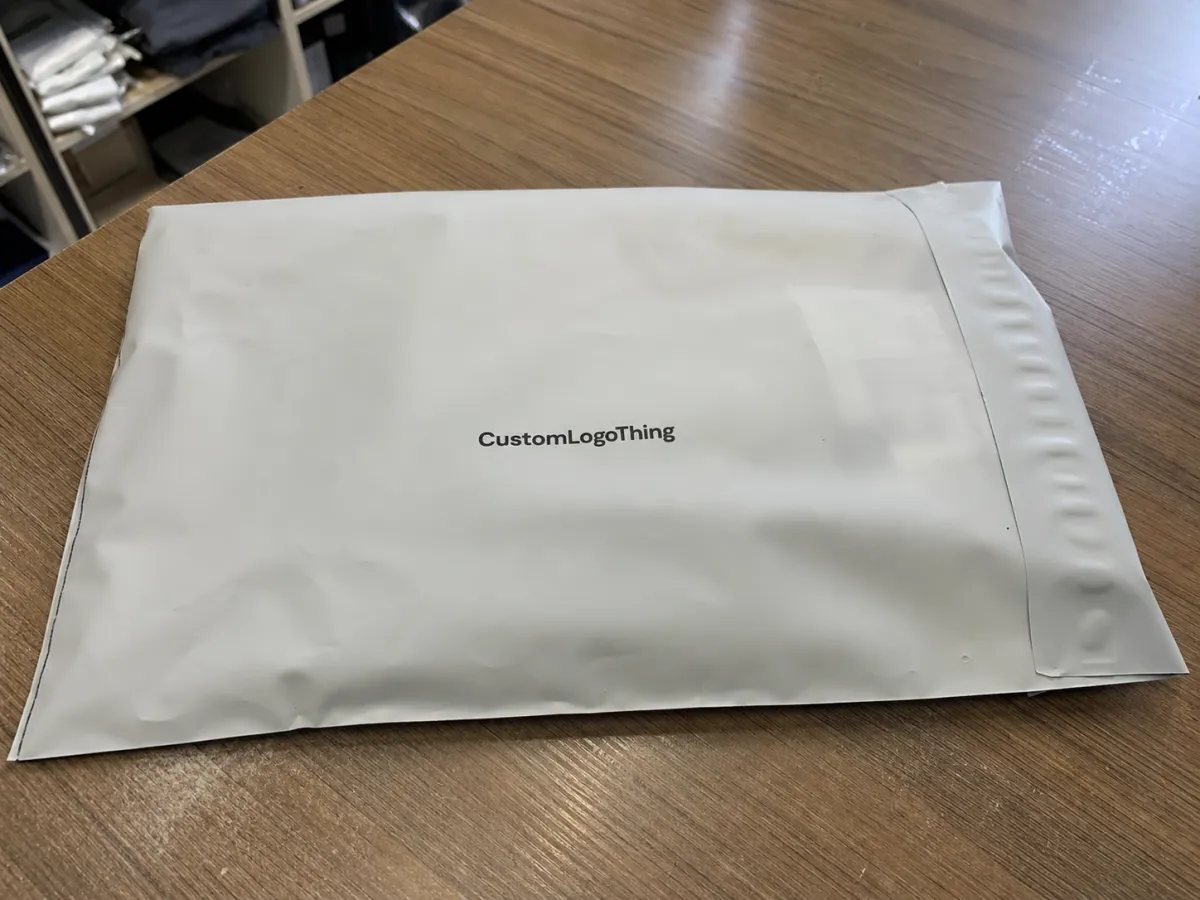
Candle brands Soft Touch Poly Mailers material choice is not just a design decision. A premium candle can lose its careful, giftable feeling quickly if the outer mailer arrives scuffed, wrinkled, greasy-looking, split at the corner, or carrying a strong plastic odor. The bag may be the outermost packaging layer, but it still shapes the first impression before the customer sees the candle box or smells the fragrance.
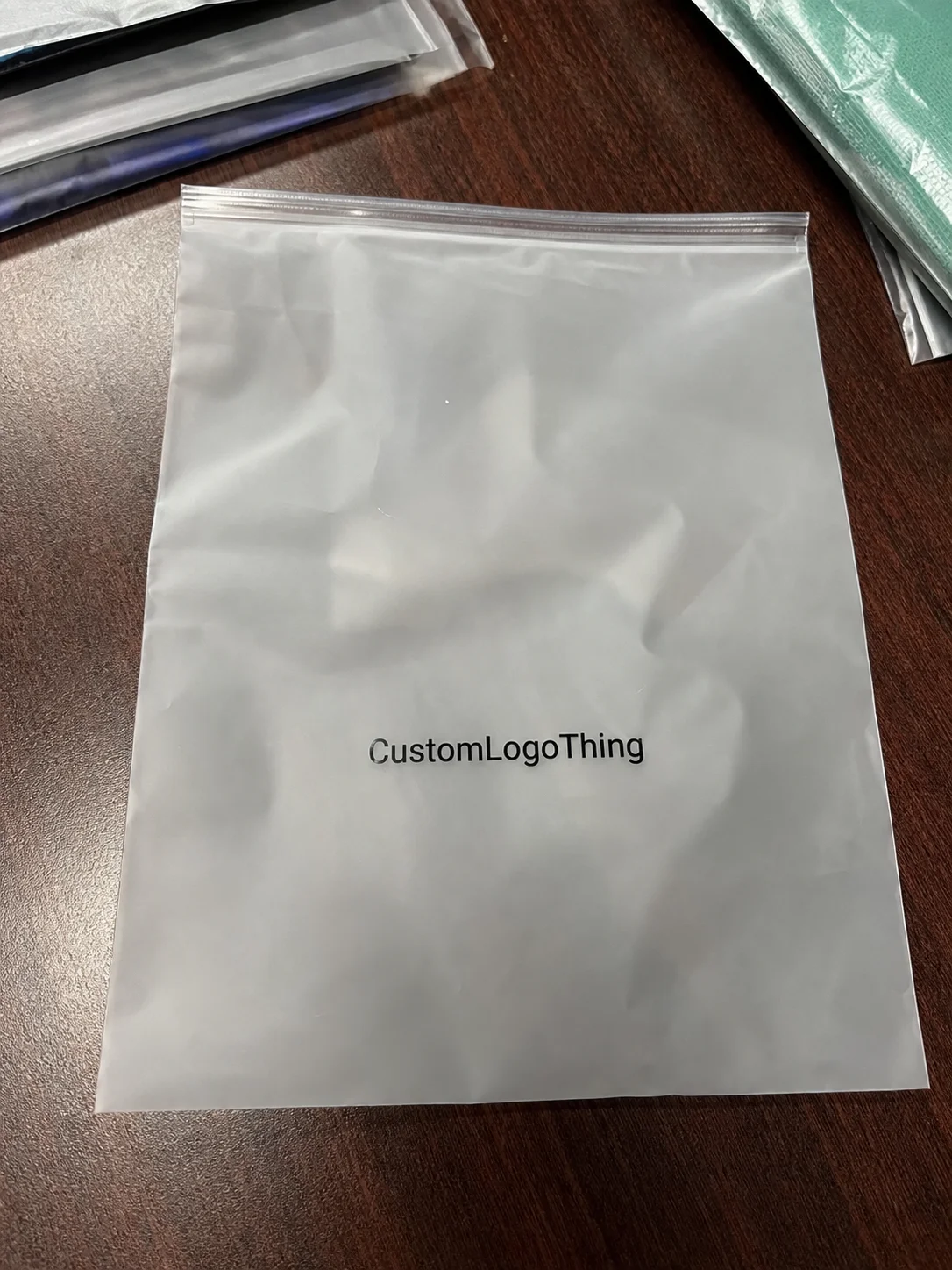
Soft Touch Poly Mailers are flexible mailing bags made with polyethylene film and a matte, velvety surface finish. Compared with standard glossy poly mailers, they have lower shine, a softer grip, and a more refined look in photos and in hand. That matters for candles because candles are heavy for their size, often packed in glass, frequently bought as gifts, and closely tied to scent, mood, and presentation.
The mailer has a real job, but it is not a substitute for structure. It can protect against moisture, dust, light rubbing, and normal shipping grime. It can also improve the unboxing moment. It cannot replace a rigid candle box, molded insert, corrugated pad, honeycomb wrap, bubble cushioning, or another internal protection system around a glass jar. If a glass candle ships loose in a soft mailer, the failure is not simply the mailer. The whole packaging plan is underbuilt.
For buyers, the practical decision comes down to film thickness, finish type, opacity, seal strength, print method, sustainability claims, minimum order quantity, and cost. A soft finish is not magic; it is a material specification with tradeoffs. The richer the surface feels, the more carefully you need to check scuffing, production minimums, print behavior, and unit price before approving a bulk order.
How Soft Touch Poly Mailer Materials Work for Candle Shipping
Most soft touch mailers begin with polyethylene film, usually LDPE, HDPE, or a blend. The soft touch effect may come from a matte additive, surface treatment, coating, or laminated layer, depending on the supplier’s production setup. That construction affects hand feel, scuff resistance, print behavior, recyclability, odor, and price.
LDPE is common because it is flexible, soft in the hand, and forgiving around boxed products. For candle brands, that flexibility helps when mailing a single boxed candle or a small bundle with cushioning. HDPE blends can add stiffness and durability, though the bag may feel crisper rather than plush. Recycled-content PE can reduce virgin plastic use, but it may introduce more variation in color, odor, minimums, and cost. Ask whether the recycled material is post-consumer content or post-industrial scrap. They are not the same claim, and they should not be described as if they are.
Thickness is usually measured in mils, where 1 mil equals 0.001 inch. Many custom poly mailers sit around 2.5 to 4 mil. Apparel brands can often use thinner film because the packed product is light, soft, and low risk. Candle brands should be more cautious. Boxed candles create hard corners, dense pressure points, and more puncture risk during parcel handling. A 10 oz glass candle in a rigid retail carton behaves very differently from a folded cotton t-shirt.
Surface feel is the selling point, and also one of the main variables to test. Soft touch creates a powdery matte grip that photographs well and feels more premium than a shiny mailer. The downside is visibility. Matte and velvety surfaces can show rub marks more clearly than glossy plastic, especially in black, charcoal, navy, forest green, deep brown, and other dark solid colors. If your brand depends on a flawless dark mailer, test scuffing under rough handling before approving production.
Opacity deserves the same attention. White film can look clean but may reveal product silhouettes if the film is thin or the contents are dark. Black, charcoal, cream, and coextruded films can hide contents better, which improves the reveal and may reduce casual visibility in transit. Closure options are usually permanent adhesive strips, with double adhesive strips available for returns or gift exchanges. Double strips cost more, but they can make sense for subscriptions, holiday gift sets, or any program where customers may send an item back in the same mailer.
Practical rule: the soft touch mailer is the outer layer. The candle box and cushioning do the impact work. Treat the mailer as presentation plus weather resistance, not glass insurance.
Fragrance transfer needs a practical mention. Strongly scented candles should be sealed inside their product packaging, shrink band, tin, box, or protective wrap. Poly helps contain the shipment, but it is not a laboratory-grade aroma barrier. If the outside of the mailer smells strongly of fragrance before the customer opens it, the unboxing can feel messy instead of polished.
Key Specs to Compare Before You Pick a Matte Mailer Film
The smartest candle brands Soft Touch Poly Mailers material choice starts with specifications, not mood boards. Matte black with a small gold logo may look expensive on a screen, but the bag still has to survive bins, belts, trucks, rain, hot vans, cold storage rooms, compression, and rushed handling. Transit is not gentle.
Start with film thickness. Think in ranges rather than chasing one universal number. A 2.5 mil mailer may work for wax melts, refill pouches, a small tin candle in a snug inner carton, or a light sample kit. Boxed glass candles, two-pack sets, and gift bundles often perform better closer to 3 to 4 mil, depending on dimensions and corner pressure. Thicker film usually improves puncture resistance, but it also increases unit cost, carton space, and inbound freight.
Puncture resistance and tear resistance are related, but not identical. Puncture resistance helps against sharp box corners, firm inserts, and concentrated weight. Tear resistance helps if the bag catches on a conveyor edge or gets pulled during sorting. A bag that feels luxurious but splits at a corner is just an expensive customer service problem waiting to happen.
Coefficient of friction sounds like a lab phrase because it is. In plain language, it describes how slippery or grippy the surface is. Some soft touch finishes feel excellent in hand but drag against shipping bins or neighboring parcels. More drag can mean more rub marks. Glossy bags often slide better. Soft Matte Bags often look better. That is the tradeoff, and it is why a desk review is not enough.
Size selection is another place where packaging gets weaker than it needs to be. Choose mailer dimensions based on the fully packed candle box or bundle, not the jar alone. Add room for cushioning, packing slip, care card, and any kraft wrap or tissue. Do not oversize wildly. Too much empty bag creates wrinkles, weakens the presentation, and allows the product to shift in transit.
| Spec | Common Range or Option | Why Candle Brands Should Care |
|---|---|---|
| Film thickness | 2.5 to 4 mil | Higher thickness helps with hard corners, dense boxes, and bundle weight. |
| Material base | LDPE, HDPE blend, recycled-content PE | Changes flexibility, stiffness, odor, recycled content, and price. |
| Opacity | White, black, charcoal, cream, coextruded | Controls product visibility and supports a cleaner reveal. |
| Print method | 1-color, 2-color, full coverage | Simple logos usually cost less and tend to hide wear better. |
| Seal type | Single adhesive or double adhesive | Double adhesive helps returns but adds cost and production complexity. |
Print compatibility is worth testing before production artwork is treated as final. Simple one- or two-color logos are usually safer on soft touch than tiny gradients, hairline type, or heavy ink floods. Large flat ink areas can reveal fingerprints, rub marks, and small inconsistencies. A logo that looks elegant at 4 inches wide may look weak at 1.25 inches wide on textured matte film, so review a proof at actual size.
Seal strength matters more with candles than with apparel because dense packages push against the adhesive during handling. If a two-candle bundle is forced into a tight mailer, the seal can fail under pressure even if the adhesive itself is acceptable. Storage temperature also matters. Warehouses and delivery trucks can get hot, and heat may affect adhesive behavior or cause surface blocking if cartons are stored poorly. Keep unused mailers boxed, clean, dry, and away from direct heat.
Cost, Pricing, and MOQ Tradeoffs for Custom Soft Touch Mailers
Price is driven by material thickness, bag size, print coverage, ink count, finish type, order quantity, adhesive style, recycled content, and freight. No supplier has one universal price that fits every candle brand. If a quote appears before anyone asks about size, thickness, quantity, artwork, and delivery location, it is only a rough guess.
Small custom runs usually have higher unit costs because setup, plates or tooling, proofing, and production handling are spread across fewer bags. Larger orders reduce unit cost but increase cash tied up in inventory. For many Custom Soft Touch poly mailers, useful quote breaks include 1,000, 2,500, 5,000, and 10,000 pieces. Asking for the same specification at several quantities shows the real cost curve and makes the tradeoff easier to read.
As a planning range, small custom soft touch mailer runs can land around $0.35 to $0.85 per unit depending on size and print. Mid-volume runs around 5,000 pieces may fall closer to $0.18 to $0.40 per unit for common sizes and simpler printing. Larger runs can go lower, especially with one-color artwork and standard dimensions. These are not guaranteed prices. Film costs, freight, ink coverage, recycled-content requirements, and specialty finishes can move the numbers quickly.
MOQ is often higher for soft touch custom work than for plain stock mailers because the film and finish need production setup. A stock glossy mailer may be available in cartons of 100 or 500. A custom soft touch mailer may start at 1,000 to 5,000 pieces depending on supplier, color, print method, and whether recycled-content film is involved. Custom color matching can push minimums higher.
Check these cost levers first:
- Use a standard size instead of custom dimensions if the fit is still clean.
- Choose one-color printing before moving into full-coverage artwork.
- Use a single adhesive strip unless returns are part of the customer flow.
- Pick standard black, white, charcoal, or cream before custom-tinted film.
- Keep artwork bold so it prints cleanly on a matte surface.
Do not cut the wrong corners. Thickness, seal quality, and sizing affect delivery performance. Saving $0.04 per bag does not help if replacements cost $12 to $25 each after breakage, leakage, or open seals. Candle brands can simplify elsewhere. Use a seasonal sticker inside the package, add a printed care card, or reserve soft touch mailers for gift orders, subscription shipments, or premium collections instead of every SKU.
Freight and storage belong in the budget too. Thicker mailers take more carton space, weigh more, and may cost more to ship inbound. If you order 10,000 large mailers, confirm that you have clean, dry storage with enough room to keep cartons upright and protected. A crushed carton of scuffed matte mailers is not discounted packaging. It is damaged inventory.
Process and Timeline: From Sample Bag to Delivered Order
The buying process is straightforward on paper: define the candle pack size, choose material thickness, select mailer dimensions, confirm finish and color, prepare artwork, request a quote, review samples or proofs, approve production, inspect quality, and ship. The problems usually appear because brands skip the first step. Measure the packed product, not the candle jar.
Use length, width, height, and total packed weight after internal packaging is added. Include the product box, corrugated insert, honeycomb paper, kraft wrap, wick trimmer, matchbox, care card, discount card, and any seasonal insert. A candle jar that measures 3.5 inches wide can become a packed unit closer to 5 by 5 by 6 inches. That changes the mailer size immediately.
Testing should be boring, physical, and done with the real pack. Put the boxed candle and cushioning into a sample mailer. Seal it. Shake it. Stack a few pounds on it. Press the corners. Drop it from a low practical height onto a clean surface. Check for corner stress, stretched film, whitening, print scuffs, seal lift, and ugly wrinkles. If the candle box corners push aggressively into the film, go thicker, resize the bag, or improve the inner pack.
Artwork proofing deserves patience. Matte film can reduce contrast, especially with soft neutrals, pale metallic effects, and thin typography. Fine lines may need to be thickened. Small legal marks, QR codes, return labels, and barcodes need enough quiet space. A soft touch mailer can look beautiful and still fail operationally if the shipping label does not stick cleanly or covers the main logo.
Samples come in two useful types. Blank material samples show feel, opacity, thickness, odor, and surface scuff behavior. Printed samples show color, ink density, registration, logo sharpness, and rub visibility. If timing or budget only allows one, start with blank material samples and a digital proof, but understand the limitation. Color on screen is not color on matte plastic.
Typical timelines vary. A simple custom poly mailer order may take about 12 to 20 business days from proof approval for production, plus freight. Sampling, recycled-content film sourcing, special colors, proof revisions, peak season scheduling, and quality checks can add time. For larger runs or specialty finishes, planning 4 to 8 weeks from spec discussion to delivered inventory is more realistic. Holiday launches, fall scent drops, and subscription box deadlines punish late artwork quickly.
Before approving a bulk shipment, check size tolerance, seal placement, adhesive performance, print registration, color consistency, odor, surface scuffing, carton labeling, and count per carton. For shipping performance, it may also be useful to review testing concepts from the International Safe Transit Association, especially if your candles ship through parcel networks at volume.
Common Material Mistakes Candle Brands Make With Poly Mailers
A lot of packaging mistakes look small before production and expensive afterward. The most common one is using a soft touch mailer as the only protection for glass. Do not do that. Poly mailers do not replace a rigid box and cushioning. Glass needs structure, spacing, and impact control.
The second mistake is choosing the thinnest film because it looks fine on a desk. Transit is not a desk. It is belts, bins, trucks, rain, compression, and people moving too fast. For boxed glass candles or dense bundles, start closer to the higher end of the 2.5 to 4 mil range and test down only if the package performs well.
Oversizing is another classic problem. Too much empty space creates wrinkles, weak presentation, and movement inside the package. If the candle shifts, the corners hit the film repeatedly. That is how you get stretched corners, scuffed surfaces, and seals under stress. A snug fit with enough room for cushioning usually looks better and performs better.
Dark soft touch mailers look premium, but they can show scuffing. Black, charcoal, deep brown, and forest green surfaces may reveal rub marks more than cream or light gray. That does not make dark mailers a bad choice. It means the actual finish needs to be tested under rough handling before thousands are produced.
Huge ink coverage is another risk. Large flood prints can highlight scratches, fingerprints, dust, and slight production inconsistencies. If your logo system allows it, a bold centered logo on colored film often gives a cleaner premium effect than printing the entire bag with a heavy ink layer. Less can look more expensive, especially on matte materials.
Opacity gets ignored until the first shipment arrives. If customers can see the candle box through the mailer, the premium reveal is weakened. Request opacity samples with your actual product inside. Hold the packed mailer under bright light and check whether text, color blocks, or silhouettes show through.
Adhesive strength needs a live pack test, especially for two-candle bundles, discovery sets, and gift kits. A weak seal can open under pressure if the product is too tight or too heavy for the mailer size. Double adhesive strips help with returns, but the outbound seal still has to hold during sorting and delivery.
Sustainability claims are another area where brands get careless. Recycled content, recyclability, compostability, and biodegradable packaging are not interchangeable. If the bag is PE, say PE. If it contains 30% post-consumer recycled content, say that and keep documentation. The EPA’s recycling resources are a useful reference for keeping claims grounded, especially because local recycling access varies.
If your brand also uses paperboard candle cartons, inserts, or sleeves, ask about FSC certified paper options separately from the poly mailer conversation. FSC certified paperboard and PE mailers are different material systems with different claims. Mixing them into one vague environmental statement creates confusion and can make otherwise good packaging look careless.
Build a Mailer Spec That Protects the Candle and the Brand
A good soft touch mailer decision starts with a written specification. Not a screenshot. Not a mood board. A specification. It should define the product, protection needs, material, size, finish, artwork, quantity, and testing plan.
- List the exact products going into the mailer. Include single candles, two-pack sets, tin candles, wax melts, refill pouches, wick trimmers, matchboxes, care cards, inserts, and subscription items.
- Measure the final packed unit. Add internal cushioning first, then measure length, width, height, and total weight. Use that number to choose the mailer size.
- Choose a starting material spec. For many boxed candle shipments, a higher-mil LDPE or LDPE blend with a soft touch matte finish is a practical starting point.
- Rank your brand priorities. Feel, durability, recycled content, opacity, low cost, color accuracy, and fast turnaround cannot all be maximized at once.
- Request quotes at several quantity breaks. Ask for 1,000, 2,500, 5,000, and 10,000 pieces using the same specs so the comparison is clean.
- Order material samples before production. Test seal strength, scuffing, opacity, odor, and fit with real products.
- Approve artwork carefully. Check logo size, contrast, shipping label placement, barcode needs, return-label compatibility, and print tolerance.
If you are still comparing formats, review Custom Poly Mailers to see how mailer options fit different shipping needs. For a broader packaging mix, Custom Packaging Products can help you think through boxes, mailers, inserts, and branded extras together instead of treating each piece as a separate island. If you want examples of how brands structure packaging decisions, the Case Studies page is useful for seeing practical tradeoffs.
The cleanest approach is to build the package from the inside out. Protect the candle first. Make it feel premium second. Then tune the cost so it works at your order volume. The smartest candle brands soft touch poly mailers material choice is the one that balances feel, protection, Cost, and Production reality without asking the outer bag to do a rigid box’s job.
FAQ
What is the best soft touch poly mailer material choice for candle brands?
For most boxed candles, a thicker LDPE or LDPE-blend soft touch mailer is a practical starting point because it offers flexibility, puncture resistance, and a premium matte feel. Use the mailer as the outer layer only; glass candles still need a rigid box and internal cushioning. Test the exact candle pack before ordering bulk because weight, corners, and box size change the material requirement.
Are soft touch poly mailers safe for scented candles?
Yes, they are commonly used as an outer shipping mailer, but the candle should be sealed or boxed first. Strong fragrance oils can transfer scent if the product is not properly contained, so do not rely on the mailer as the only odor barrier. Ask for low-odor material samples if fragrance presentation is important to the unboxing experience.
What thickness should candle brands choose for custom poly mailers?
Many candle shipments perform better in the 2.5 to 4 mil range, depending on product weight, box corners, and mailer size. Go thicker for boxed glass candles, bundles, gift sets, or subscription packs. Do a corner stress test with the packed product to confirm the film does not stretch, tear, or show weak spots.
Do soft touch poly mailers cost more than regular glossy mailers?
Usually yes, because the finish, material handling, and custom production requirements add cost. Unit cost depends on size, thickness, quantity, print coverage, ink colors, adhesive style, and recycled content. To control cost, use standard sizes, simple logo printing, one adhesive strip, and quote multiple quantity breaks.
Can candle brands use recycled soft touch poly mailers?
Yes, recycled-content PE options may be available, but minimums, color consistency, odor, and pricing can differ from virgin plastic. Confirm the percentage of recycled content and whether it is post-consumer or post-industrial material. Keep sustainability claims specific and accurate; recycled content does not automatically mean compostable or curbside recyclable everywhere.