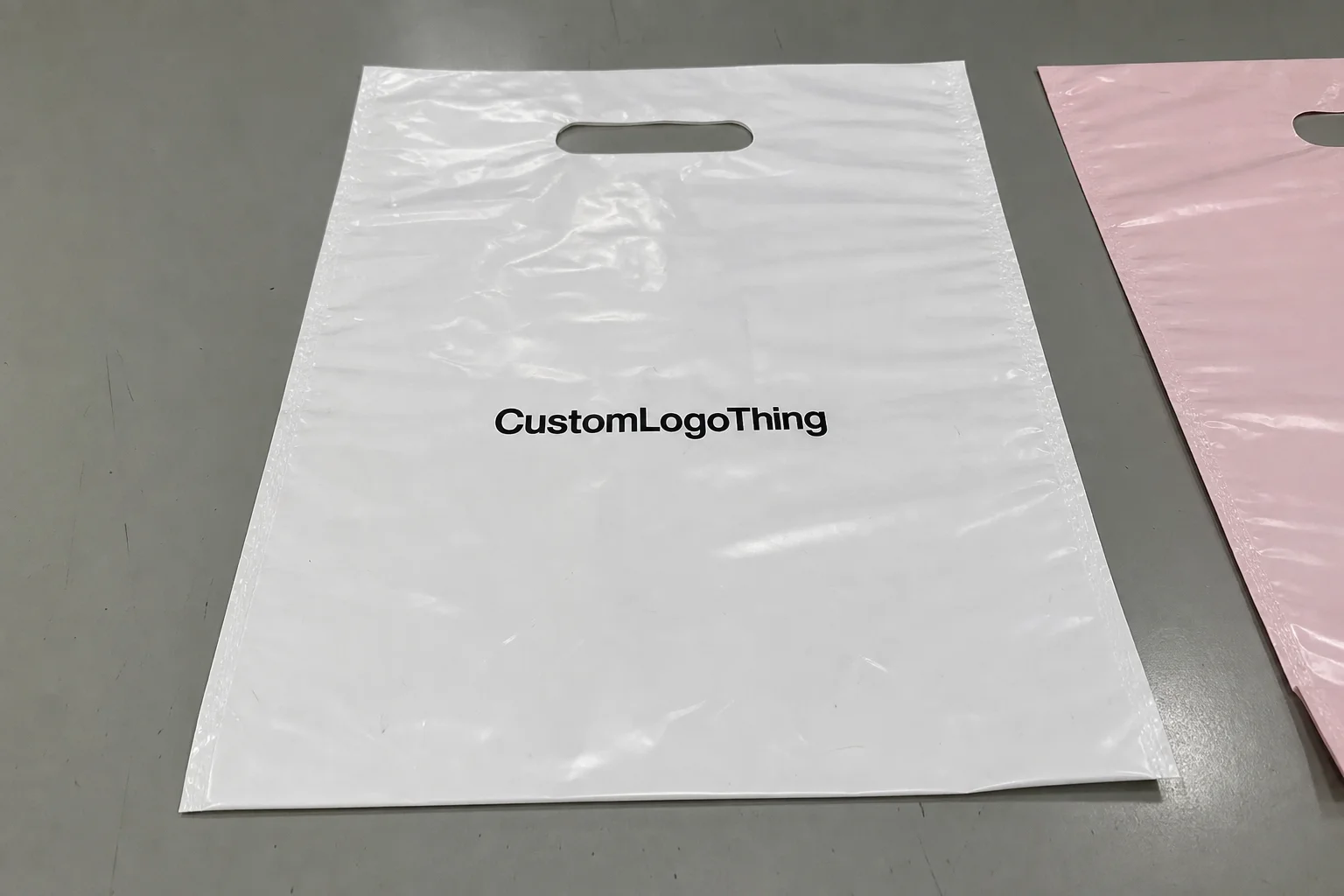
The Clear Garment Bags Sample Approval guide for ecommerce teams starts with a simple rule: the first physical sample tells you more than a spec sheet, photo, or quote ever can. A bag may look premium online and still show haze, weak seams, static cling, or awkward hanger placement once it is loaded with a real shirt, dress, or coat.
Sample approval is where appearance, packing speed, warehouse handling, and customer presentation meet the same product. If the bag is going to fail, it usually fails here, before a bulk order locks in cost and lead time.
What Sample Approval Reveals Before You Place a Bulk Order
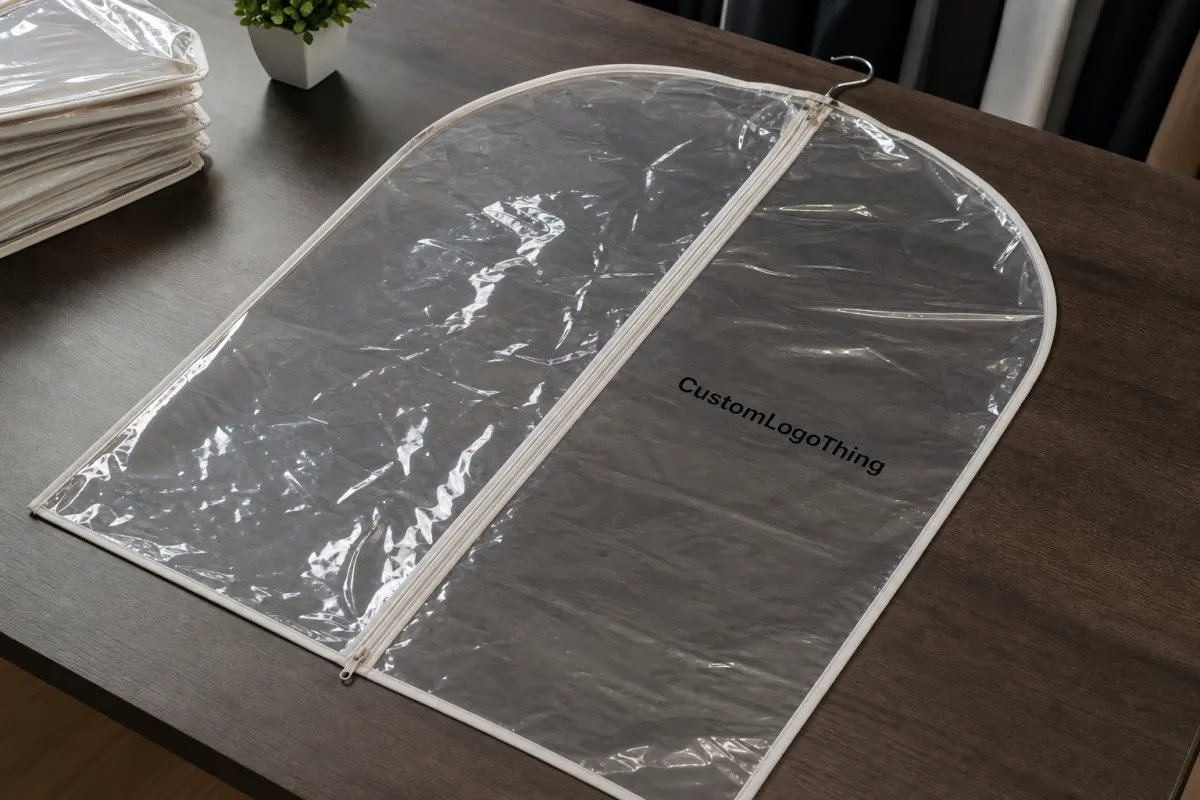
Most ecommerce teams begin with clarity, but a useful review covers the whole experience. A clear garment bag can look sharp in a render and still feel flimsy in hand, hard to open at the packing station, or too slippery for operators moving fast on a line. The sample is the first chance to judge the material as it behaves, not just as it appears.
Small defects matter. Slight cloudiness in the film. A hanger hole that sits too low. Side seams that bow instead of lying flat. A closure strip that works once and then loses strength. These are the issues that create rework later. A sample approval process keeps the review grounded in use, not opinion.
From a buyer's point of view, the real question is not "Does it look good?" It is "Does it fit the product, protect the product, and keep the warehouse moving?" If the answer is yes on all three, the sample is probably worth advancing.
Judge the sample the way the warehouse will: with a garment in hand, limited time, and no appetite for rework.
Specs That Determine Clarity, Fit, and Hang Performance
Clarity starts with the film itself. Resin blend, gauge, and finish all affect how the bag reads under warehouse lighting and in product photos. For clear polyethylene garment bags, teams often compare film in the 40 to 60 micron range, or roughly 1.5 to 2.5 mil, depending on garment weight and the stiffness they want. Thicker is not always better. Too much thickness can make folding harder and add cost without improving the customer experience.
Fit matters just as much. Check packed garment length, shoulder width, hanger-hook clearance, and any gusset depth needed for bulkier items. If the bag is too short, the hem bunches. If it is too narrow, the zipper or flap fights the garment. If the opening is too tight, packers slow down and the line feels it immediately. Define acceptable tolerances before the factory starts cutting material.
Closure behavior deserves a separate check. Some programs use a resealable strip, some use a zipper, some use a flap, and some use a simple open top for storage. For shipping or extended warehousing, confirm whether a suffocation warning is required in your market and how it will be printed or attached. Hanger holes, venting, and reinforcement around stress points should match the actual use case, not a past program that only looks similar.
- Film clarity: check haze, gloss, and any color cast under daylight and warehouse light.
- Fit: confirm garment length, shoulder width, and hook clearance.
- Closure: test resealable strips, zippers, or flaps at speed, not just once by hand.
- Construction: inspect seams, weld lines, and reinforcement around the hanger opening.
Sample Approval Process and Timeline for Ecommerce Teams
The cleanest approval process starts before the sample arrives. Ask for the spec sheet first. Confirm dimensions, material, print placement, closure style, and any warning text, then request the sample only after the team has aligned internally. That small bit of discipline saves time later, especially if merchandising, operations, and brand all need sign-off.
The review path should stay simple: request, receive, inspect, annotate, approve, or revise. Stock samples usually move faster than custom pre-production samples. Fully printed or custom-sized samples often need extra time for setup, material sourcing, and a second pass. Plan for at least one revision cycle, because the first sample often exposes one issue nobody expected.
Who should approve it? More than one person. Merchandising can judge presentation. Operations can judge line efficiency. Brand can judge appearance. Fulfillment can judge how the bag behaves in the carton and on the shelf. If photography, warehouse setup, or a launch email depends on the final package, set deadlines early so the sample does not sit in an inbox for days.
For timelines, stock clear bags can often be sampled in about 3 to 7 business days if the size is standard. Custom sizes or print changes usually take longer, commonly 1 to 3 weeks depending on tooling, material availability, and factory queue. Add another few days if the sample needs to travel internationally or if a revision is required.
If sustainability claims matter, document them early. Ask whether the film contains recycled content, whether the packaging can be reduced, and whether any inserts or hang tags need certification support. For standards context, the Forest Stewardship Council is useful for paper components, while ISTA test methods help teams think through transit stress. Packaging specifications should be checked against the product and lane, not against a generic promise of durability.
Cost, Pricing, MOQ, and Quote Drivers to Review
Price is driven by a short list of variables: material weight, bag size, print coverage, closure type, reinforcement, and carton configuration. A plain stock-size clear bag may price very differently from a custom printed version with a zipper, extra hanger reinforcement, and special folding. That is why a sample should never be reviewed apart from the quote. If the approved sample looks right but the economics do not fit the business model, the project still needs work.
Separate sample charges from production pricing. It is normal to pay for tooling, plate setup, or custom pattern work on the sample run, and freight can change landed cost quickly if the bags are bulky. MOQ matters because low trial quantities help validation, but they do not always reveal the true economics at scale. Pricing at multiple volume tiers is more useful than a single number.
Typical market signals help teams stay realistic. A simple stock clear bag may land in the low tens of cents per unit at scale, while a custom bag with print, reinforcement, or a zipper can move into the higher tens of cents or more, depending on volume and region. Samples themselves may be inexpensive, but the setup work behind them rarely is.
| Order type | Typical use | What to watch | Pricing signal |
|---|---|---|---|
| Stock sample | Quick fit check | Fast turnaround, limited customization | Lowest sample charge, freight still applies |
| Custom pre-production sample | Exact approval reference | Material, size, and closure match the final build | Higher setup cost, better decision value |
| Bulk production quote | Final buying decision | MOQ, print coverage, and carton pack-out | Unit cost drops as volume rises |
If a small design change adds several cents per unit, that becomes real money across a larger program. Teams often save more by simplifying one closure feature than by chasing a tiny rate reduction. The best quote review is not about finding the cheapest line item; it is about understanding what the approved sample will cost to reproduce.
How to Test Real-World Use on the Packing Line
Test the sample on real garments and real packing equipment, not on a desk. A bag that looks fine in a product room can snag on a folding station, tear when an operator opens it quickly, or build static that makes fabric cling to the film. Put it through the same motions the warehouse will use: fold, insert, close, stack, carton, and ship.
Check seal strength by opening and closing the bag more than once. Look for edge curl, weak welds, and any stretch that changes the fit after handling. Photograph the sample in daylight and warehouse light so clarity, legibility, and shelf presentation can be compared from the customer-facing side. If there is print on the bag, verify that the logo does not distort when the bag is hung or filled.
Transit matters too. Moisture resistance, carton pack-out, and how the bag behaves after vibration all matter if products are shipped to fulfillment centers or moved between nodes. The sample should match the real packing condition as closely as possible. The question is not whether it passes a tabletop review. The question is whether it holds up where it will actually be used.
If the bag saves three seconds per pack, the line feels it. If it adds three seconds, the line feels that too.
Common Mistakes That Delay Bag Approval
One of the biggest delays is approving from a mockup instead of a physical sample. Mockups hide stiffness, opacity, seam shape, and closure feel, which means the first real sample can reopen decisions that should have been settled earlier. Another common problem is vague feedback. "Make it cleaner" sounds useful, but it does not tell the supplier whether the issue is haze, print placement, or a seam that needs to move.
Teams also lose time when they do not define acceptable variation. If one reviewer wants crystal-clear film and another accepts a slight haze, the sample will bounce around until someone sets the standard. This is where a Clear Garment Bags sample approval guide for ecommerce teams helps most: dimensions, film appearance, closure force, seam tolerance, and cosmetic variation should all be written down.
Skipping warehouse input is another easy mistake. A bag can fit the garment and still be annoying to pack because the opening is too stiff or the fold pattern does not sit well in a carton. That kind of issue does not show up in a marketing review, but it shows up fast on a production line.
One more trap is comparing the sample against memory rather than a retained reference. Human recall is poor once revisions start. Keep the approved sample, keep the marked-up sample, and keep the spec sheet with both. That reduces arguments and makes the next reorder much easier.
Expert Tips for Faster, Cleaner Sign-Off
Use one approval sheet and keep it disciplined. List dimensions, material, closure type, photos, tolerances, pass or fail notes, and the name of the signer. When everyone works from the same sheet, the discussion stays focused and the supplier gets actionable feedback instead of a stack of mixed comments.
Only request a revision when the issue is measurable. If the hanger hole needs to move up 10 mm, say that. If the film should move from a slightly hazy blend to a clearer one, say that too. Small wording changes can trigger a new sample cycle, which slows launches more than most teams expect.
Keep the first and second samples side by side. That makes it easier to judge whether clarity improved, whether seams got cleaner, or whether the closure feel changed in a good or bad way. It also helps if someone joins the review late, because the comparison tells the story fast.
Set a deadline for the decision and define the outcome. Approval, conditional approval, and reject should mean something specific. Conditional approval can work well if the fix is minor and documented, but it should not become a vague middle state that lets production drift.
Next Steps After the Sample Gets Approved
Once the sample passes, lock the final spec in writing. Record the film gauge, size, closure, print details, carton count, and any special packing notes so the production order matches the approved sample instead of a memory of it. If the project needs a golden sample or pre-production sample, identify that now, not after the factory has already started the run.
Share the approved sample with sourcing, quality, and warehouse teams so everyone uses the same reference. That small step prevents confusion later, especially when a different department receives the production shipment and compares it against a standard that was never documented. In practical terms, the approved sample becomes the control point for purchasing, inspection, and packing.
Used well, this process reduces surprises, cuts revision loops, and improves the odds that the final bag looks as good on the shelf as it did in the sample room. The payoff is less rework, steadier line performance, and a package the customer does not have to think twice about.
How many clear garment bag samples should ecommerce teams request?
Request at least two if you need to compare size, closure, or print placement, and keep one as the retained reference. If you sell multiple garment lengths or pack styles, ask for one sample per size so fit is checked on the real product, not on a guess. It also helps to keep one approved sample in the office and one in the warehouse so sourcing and operations are using the same standard.
What should be checked first during sample approval?
Start with fit on the actual garment, because size and hanger clearance determine whether the rest of the bag matters. Then inspect closure behavior and clarity, then look at seal quality, film feel, and any print or warning placement. If one of those fails, note it immediately before spending time on smaller cosmetic details.
How does sample lead time affect launch planning?
Stock samples can arrive quickly, but custom printed or custom sized samples need more time for materials, setup, and review. Add buffer for one revision cycle, because the first sample often reveals a change in size, closure, or finish. Build the packaging timeline around photography, warehouse onboarding, and launch milestones, not just the factory promise.
Why does MOQ matter when approving samples?
MOQ changes the pricing picture, because low trial quantities help validation but do not always show the final unit cost. Ask for pricing at multiple volume levels so the team knows what the bag will cost when the order scales. If the approved sample only works at a high MOQ, that should be clear before anyone signs off.
What documents should stay with the approved sample?
Keep the signed spec sheet, sample photos, tolerance notes, and revision comments with the approved physical sample. Store a digital copy in shared folders for sourcing, quality, and operations so everyone references the same version. Add supplier acknowledgment in writing so the approved standard is documented before production starts.