Clear Zipper Bags for Apparel Brands MOQ Cost Guide
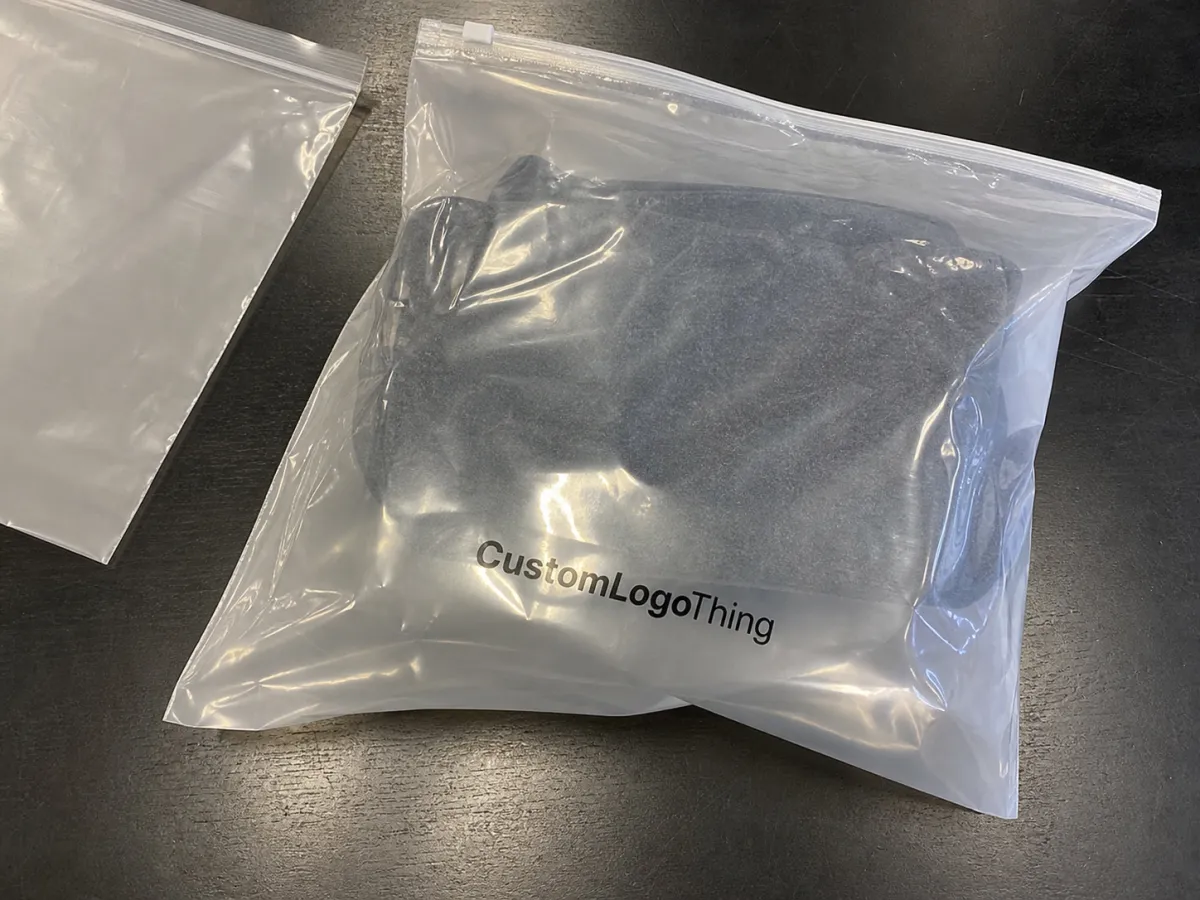
A $40 garment can lose perceived value quickly if the first thing a customer touches is cloudy, thin, scratched, or poorly sealed packaging. That is why a practical clear zipper Bags for Apparel brands moq cost guide matters. The bag is not just a wrapper. It affects product presentation, packing speed, inventory visibility, return handling, and shipping protection at the same time.
Apparel packaging has to perform in three places: the packing table, the warehouse shelf, and the customer’s hands. If the bag is hard to fill, the labor cost rises. If it hides the SKU, warehouse accuracy suffers. If the zipper pops open in transit, the garment arrives looking handled before anyone has even tried it on. Those are small failures, but they compound across hundreds or thousands of units.
Clear Zipper Bags stay popular because they solve several ordinary problems without adding much weight or complexity. Staff can see the garment and size quickly. Customers can inspect color and fabric without opening the pack. Dust, abrasion, and loose handling damage are reduced. Returns can be placed back into the same bag if the closure holds up. For many apparel programs, a resealable zipper also feels more intentional than a plain poly sleeve, especially for items that customers may store or repack after purchase.
Compared with rigid boxes, layered tissue wrap, or purely decorative packaging, Clear Zipper Bags usually win on operating cost. They are light, compact, easy to standardize, and quick to pack once the size is correct. A single well-chosen format may cover folded tees, leggings, swimwear, infantwear, socks, or sample kits with only minor size changes. The right quote, though, still depends on film type, thickness, dimensions, zipper construction, printing method, order quantity, compliance text, packing method, and freight. A vague request for “clear bags” almost always produces a vague price.
What Apparel Buyers Actually Get With Clear Zipper Bags
At base, these are transparent resealable plastic bags made for folded garments, accessories, retail packs, sample sets, returns, and warehouse storage. The commercial value is direct: the product stays visible, the item stays cleaner, and the pack can be opened and closed without destroying the packaging.
The same format works across a wide spread of apparel categories. T-shirts, socks, leggings, swimwear, underwear, scarves, infantwear, uniforms, promotional merchandise, subscription apparel, and multipacks can all use clear zipper packaging if the bag is matched to the folded size and handling environment. A light sock pouch does not need the same film gauge as a bulky hoodie pack. A premium knit may need a smoother, clearer film than a high-volume basics program. Buyers sometimes miss that distinction and either overpay for material they do not need or underspec a bag that makes the product feel cheaper than it is.
Most brands also use the bag as a small operating tool. A clear face lets teams identify color, cut, and size quickly. Barcode labels can be placed in a consistent scan zone. Size stickers, return labels, care inserts, and hang tags are easier to control when the bag has enough surface area and does not wrinkle heavily around the garment. If the zipper closes repeatedly without splitting the side seam, packing staff can correct a label or add an insert without wasting a bag.
Common features include press-to-close zippers, slider zippers, adhesive tamper seals, hang holes, vent holes, reinforced seals, frosted panels, and printed warning text. Branding can be modest and still effective: a logo, recycling mark, size grid, QR code, care instruction, or short return message may be enough. The cost difference between a plain bag and a branded bag is not always about supplier margin. It often comes from plate charges, ink coverage, setup time, print registration tolerance, and whether the film can handle the requested artwork cleanly.
"The bag is doing retail work, warehouse work, and shipping work at the same time. That is why the spec matters."
For buyers comparing suppliers, the best conversation is functional rather than decorative. The bag should protect the garment, help staff move faster, keep inventory readable, survive normal handling, and support the brand presentation without creating unnecessary cost. That is the useful brief.
Material, Size, and Print Specifications That Change the Quote
Material choice is one of the largest price drivers. Common options include LDPE, HDPE, CPP, and BOPP, along with recycled-content blends and biodegradable or compostable alternatives where they are available and appropriate. Some brands choose frosted or matte finishes to soften the look while keeping the garment visible. Each material has a different balance of clarity, feel, stiffness, seal behavior, print performance, and cost.
LDPE is widely used because it is flexible, familiar, and usually cost-efficient for everyday apparel packing. HDPE tends to feel crisper and can work where a thinner, less stretchy structure is acceptable. CPP and BOPP may be chosen for better clarity, stiffness, or a cleaner retail feel, but the best fit depends on the garment and the converting process. Recycled-content blends can support sustainability goals, though consistency, certification, minimums, and clarity may vary by supplier and market conditions.
Thickness is usually discussed in gauge, mil, or micron terms, but buyers should translate those numbers into performance. A lighter film lowers unit cost and carton weight, yet it may wrinkle more, tear more easily, or feel flimsy around higher-priced apparel. A heavier film costs more per piece, but it can improve rigidity, clarity, zipper support, and perceived value. There is no universal “best” thickness. Lightweight basics, accessories, and temporary warehouse storage may be fine in thinner film. Premium garments, bulky pieces, subscription kits, or retail display packs usually deserve a stronger structure.
Size should be set by the folded garment, not by a generic product category. Measure folded width, height, and depth allowance, then add room for zipper clearance and easy loading. A tight bag slows the packing line and strains the closure. An oversized bag wastes resin, increases freight volume, and lets the product slide around until it looks untidy on arrival. For soft apparel, that extra empty space can also create more wrinkles in the garment itself.
A useful sizing test is simple: fold the garment the way production or fulfillment will actually fold it, place it in a blank sample, close the zipper without forcing the contents down, then shake or handle the pack as it would move through a carton. If the zipper bows, the corners stretch, or the garment presses hard against the seal, the bag is too small or too light. If the garment drops to the bottom and leaves a large empty header, the bag is too large unless that header is needed for hanging or labeling.
Print method changes the quote as much as material does. One-color flexographic printing is often the economical route for logo runs. Multi-color print improves brand presence but adds setup, plate, registration, and waste considerations. Digital printing can help with shorter custom batches if a supplier offers it, although the unit economics are not always better at scale. A more useful question than “Can you print it?” is “What does this print area and color count cost at each quantity tier?”
Buyers should also specify print position, ink color reference, zipper tolerance, side seam strength, bottom seal integrity, venting, barcode readability, and carton packing quantity. These details sound minor until the first production lot arrives with a logo too close to the zipper or a barcode placed where the film wrinkles. Good artwork is not enough; the artwork has to work on a flexible bag that will be filled, squeezed, packed, stacked, and scanned.
- LDPE: flexible, common, and usually cost-efficient for everyday apparel packing.
- HDPE: crisper feel with lower stretch, often suitable where a thinner structure is acceptable.
- CPP or BOPP: often chosen for clarity or stiffness, with different converting and pricing implications.
- Recycled-content blends: useful for sustainability goals, though availability, documentation, and visual consistency vary.
For broader packaging context, the ISTA testing framework and the EPA recycling guidance are helpful reference points. They do not replace a supplier specification, but they keep discussions grounded in performance, transport handling, and end-of-life expectations.
MOQ, Unit Cost, and Pricing Variables to Check Before Ordering
MOQ is not just a sales hurdle. It reflects machine setup, material roll usage, print plates, ink changes, inspection, waste allowance, packing labor, and the time required to validate the run. If a supplier has to stop a line, load film, set up print, adjust a zipper profile, check registration, and pack cartons, that cost has to be recovered somewhere. Usually it is spread across the order quantity.
Plain stock-size bags generally support lower minimums than fully custom Printed Zipper Bags. Once artwork, plate creation, special sizing, and logo placement enter the project, the economics shift. The bag may still be inexpensive in absolute terms, but setup fees become a larger share of the total order. That is why a custom order at 2,000 pieces can feel disproportionately expensive, while the same bag at 25,000 pieces looks far more reasonable on a per-unit basis.
For planning purposes, buyers often see plain stock options priced in the low cents per piece, while custom printed apparel zipper bags can move from several cents to much higher depending on size, thickness, print, and freight. Heavy-gauge bags, special finishes, unusually large dimensions, recycled-content requirements, and low-volume custom printing all raise the number. A supplier can quote accurately only after seeing dimensions, material preference, artwork, and quantity.
Ask for tiered pricing instead of one number. A quote at 5,000, 10,000, 25,000, and 50,000 units makes the price curve visible. It also shows whether the supplier’s process is efficient at scale or whether a low opening price is being offset elsewhere. The best buying decision is rarely the smallest possible order or the largest possible order. It is the point where unit cost, cash outlay, storage space, freight, and expected sell-through make sense together.
| Option | Typical MOQ | Unit Cost Trend | Best Fit |
|---|---|---|---|
| Plain stock clear zipper bags | Lower to moderate | Lowest | Standard garments, fast replenishment, low branding need |
| Custom printed one-color bags | Moderate | Moderate | Retail basics, logo visibility, controlled bulk pricing |
| Heavy-gauge or premium finish bags | Moderate to high | Higher | Premium apparel, thicker garments, elevated presentation |
| Short-run digital custom bags | Lower than plate-based print in some cases | Higher per piece | Launches, limited editions, test programs, sample packs |
Landed cost matters more than the headline unit price. A larger bag uses more resin, occupies more carton space, and can increase dimensional freight. A heavy-gauge bag may protect the garment better, but if the product is a low-margin basic that ships in high volume, the added weight and storage cost may not be justified. On the other hand, saving a fraction of a cent on a weak zipper can create repacking labor, returns issues, and customer complaints that cost far more than the original savings.
Separate the cost lines when reviewing quotes. Look for unit price, plate or setup charges, sample charges, freight, duties if applicable, carton quantity, overrun or underrun terms, and payment timing. Also ask whether the quoted material is exactly the same as the sample. Substitutions are not always malicious; sometimes film availability changes. Still, a buyer should know before production starts if the approved feel or clarity may shift.
Production Steps, Lead Time, and Approval Timeline
The standard process is fairly consistent: confirm specifications, review artwork, prepare the dieline or proof, approve material and print details, produce the bags, inspect, pack, and ship. Projects usually slow down before production, not during it. A missing vector logo, a vague size note, an unconfirmed warning label, or an unclear zipper requirement can cost several days before a machine is scheduled.
Before the production clock starts, most suppliers need quote approval, a deposit or purchase order, final artwork, size confirmation, and proof sign-off. If any of those items are open, the schedule can slip quietly. Packaging treated as a late-stage purchase often becomes the bottleneck that holds finished garments in limbo. Packaging planned alongside the product launch gives the buyer more time to sample, compare tiers, approve artwork, and choose freight without panic.
Lead time depends on whether the bags are stock or custom, whether film must be procured, whether print plates are required, how many colors are involved, how complex the finish is, and which shipping method is selected. Stock unprinted bags may move quickly. A custom printed zipper bag with a special finish, multi-color logo, and compliance text needs more time for proofing, setup, production, curing or handling, inspection, and final packing. Seasonal production peaks can add pressure, especially before major retail drops or holiday fulfillment periods.
Sampling deserves a place in the timeline. A digital proof confirms layout, text, and logo placement. A blank size sample confirms fit. A pre-production sample, where available, confirms structure, finish, print position, and zipper behavior. Existing samples in a similar material can also help buyers compare clarity and hand feel before committing to a custom run. Each sample type answers a different question, so it helps to be clear about what is being approved.
Fit checks are especially valuable for bulky apparel, multipacks, and garments with structured details such as pads, thick waistbands, hoods, embroidery, or hardware. A bag that fits one folded sample in an office may struggle in a real packing environment if operators fold slightly differently or if garments vary by size. For size runs, test the largest garment first. If the largest size fits comfortably without making the smaller sizes look lost, the bag may be workable across the line. If not, two bag sizes may be cheaper than one oversized compromise.
For launches, influencer mailers, retail drops, wholesale shipments, or seasonal inventory pushes, build in buffer time. Finished apparel waiting on packaging is a common and expensive problem. The bag looks secondary until cartons cannot close, warehouse teams cannot label consistently, or a retailer rejects a pack because required text is missing.
If supplier context is useful, the Case Studies page shows how specs, finishes, and production choices affect buying decisions, while the FAQ can help clear up process questions before artwork is sent.
Quality Checks That Separate Reliable Packaging From Expensive Rework
Quality control for clear zipper bags should cover zipper alignment, closure strength, seal strength, film clarity, film thickness, dimensions, print registration, color accuracy, carton count, and packing condition. That list may sound basic, but those are the points where avoidable losses appear. A sample can look fine on a desk and still fail if the production zipper drifts, the bottom seal is weak, or the bag mouth does not open cleanly during packing.
For apparel, the garment should slide in without snagging. The zipper should close repeatedly without separating from the side seams. The film should not have heavy haze, grit, blocking, strong odor, or inconsistent thickness. If the bag uses vent holes, they should release trapped air without creating a tear point. If the package needs a hang hole, the header area should be strong enough for the expected display or storage use.
Print needs its own checks. Logos should be aligned with the filled bag, not just with the flat empty bag. Warning text, suffocation notices, recycling marks, and material identifiers should be legible where required. Barcode and QR code placement should be tested after filling because glossy film, wrinkles, and curved surfaces can interfere with scanning. A barcode that scans perfectly on an empty sample may fail once the garment presses against the film.
The gap between a controlled specification and a bargain specification can be small on paper and large in use. Saving a fraction of a cent per bag feels efficient until warehouse staff starts double-bagging items, taping closures, rejecting cartons, or slowing down because the zipper is difficult to align. That hidden labor belongs in the real cost per piece. Packaging that forces staff to improvise is not actually cheap.
Compliance also deserves early attention. Depending on the market, apparel packaging may require suffocation warnings, recycling marks, material declarations, country-specific language, retailer-specific labels, or documentation tied to environmental claims. Claims involving recycled content, compostability, biodegradability, or paper-based components should be supported by supplier documentation rather than marketing language alone. The FSC site is a useful reference for paper-based packaging claims, though supplier paperwork is still the document that matters for a specific order.
For clear zipper bags, reliable sourcing is less about dramatic promises and more about careful specification review, proof confirmation, production coordination, and transparent quoting around material and print choices. A supplier earns confidence by asking practical questions early: What garment size is largest? Where will the barcode sit? Is a warning label required? Will the bag be reused for returns? Does the brand need recycled-content documentation? Those questions prevent mistakes that are much harder to fix after production.
Next Steps: Build a Quote-Ready Bag Brief
The fastest way to get a useful quote is to send the information a production team needs from the start. Include the garment type, folded dimensions, quantity target, preferred material, thickness preference, zipper style, print color count, logo file, required warning text, delivery address, and deadline. If the bag must meet marketplace, retailer, or internal compliance rules, include those requirements with the first request.
If you are replacing an existing supplier, send a current bag sample or a photo set with measurements. Measure width, height, lip or header area, zipper position, film thickness if known, print area, and carton pack quantity. That baseline helps a new supplier understand what you are trying to match or improve. If you are packaging a new garment silhouette, ask for a fit sample before approving the full run. This matters most for bulky apparel, multipacks, premium items, and anything where presentation carries real commercial weight.
Ask for tiered pricing even if your planned quantity seems fixed. Bulk pricing may justify a slightly larger run, but only if the bigger order fits storage space, cash flow, and sell-through. Compare unit cost, setup charges, freight, carton volume, inventory risk, and the cost of running out too soon. A smart order is not simply the cheapest order; it is the one that supports the apparel program without creating waste somewhere else.
A useful rule: if the packaging spec is not clear enough for a press operator or converting team to run from it, it is not clear enough for a reliable quote. Tightening the brief saves time on both sides. It also makes supplier comparisons fair, because everyone is pricing the same bag rather than interpreting an incomplete request differently.
For apparel brands, the path is straightforward: define the bag well, compare quantity tiers, test the folded garment, confirm artwork and compliance text, and review landed cost instead of unit price alone. That is how clear zipper packaging becomes a practical part of the product system rather than a last-minute expense.
What is the typical MOQ for custom clear zipper bags for apparel brands?
MOQ depends on size, material, printing, and whether the bag is stock or fully custom. Plain or stock-size clear zipper bags often start lower than custom printed bags. Logo printing, special sizing, heavy film, or unusual finishes usually raise the minimum because setup costs need to be spread across the run.
How much do clear zipper apparel bags cost per unit?
Unit cost is driven by dimensions, film thickness, zipper style, print colors, print coverage, quantity, cartons, and freight. Plain stock bags are usually the lowest-cost option, while custom printed, heavy-gauge, or premium-finish bags cost more. Compare landed cost, including setup, sampling, and shipping, rather than judging only the per-piece number.
What thickness should apparel brands choose for clear zipper bags?
Lightweight apparel and budget programs can often use thinner film, while premium garments usually benefit from heavier, clearer material. Bulky garments, repeated handling, retail display, or return reuse may require stronger seams and a more substantial zipper area. The safest approach is to test the folded garment in a sample bag before approving production.
Can clear zipper bags be printed with a logo, barcode, or QR code?
Yes. Custom printing can include logos, care messaging, size marks, recycling icons, barcodes, QR codes, and warning text. Barcode and QR code placement should be tested after the bag is filled because glossy or wrinkled film can affect scanning. Artwork format, color count, print area, and registration tolerance all affect cost.
How long does production take for custom zipper bags for clothing?
Timeline depends on proof approval, material availability, print requirements, sampling, production schedule, inspection, and shipping method. Stock or unprinted bags usually move faster than fully custom printed bags. Share launch dates early so production and freight timing can be planned realistically.


