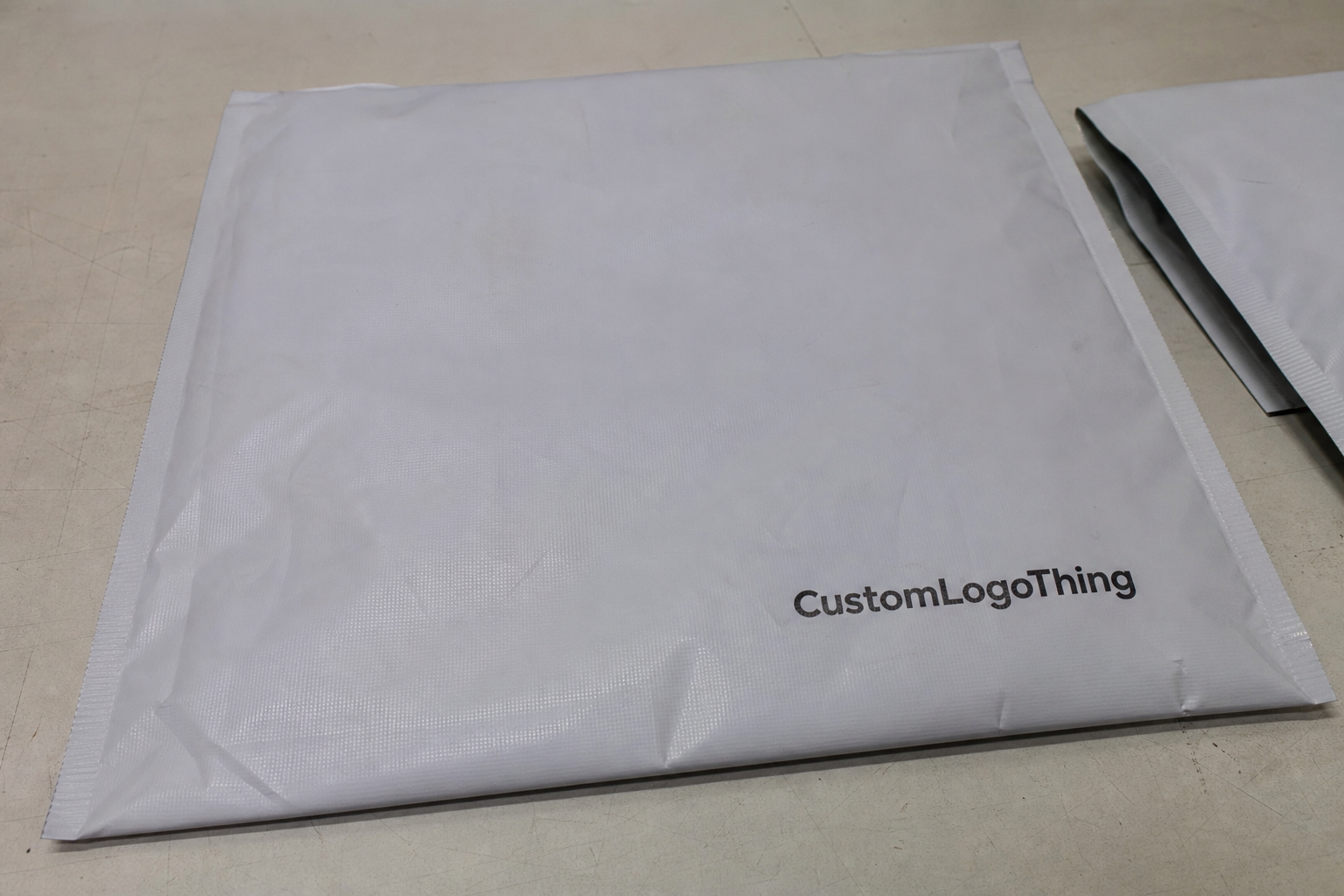
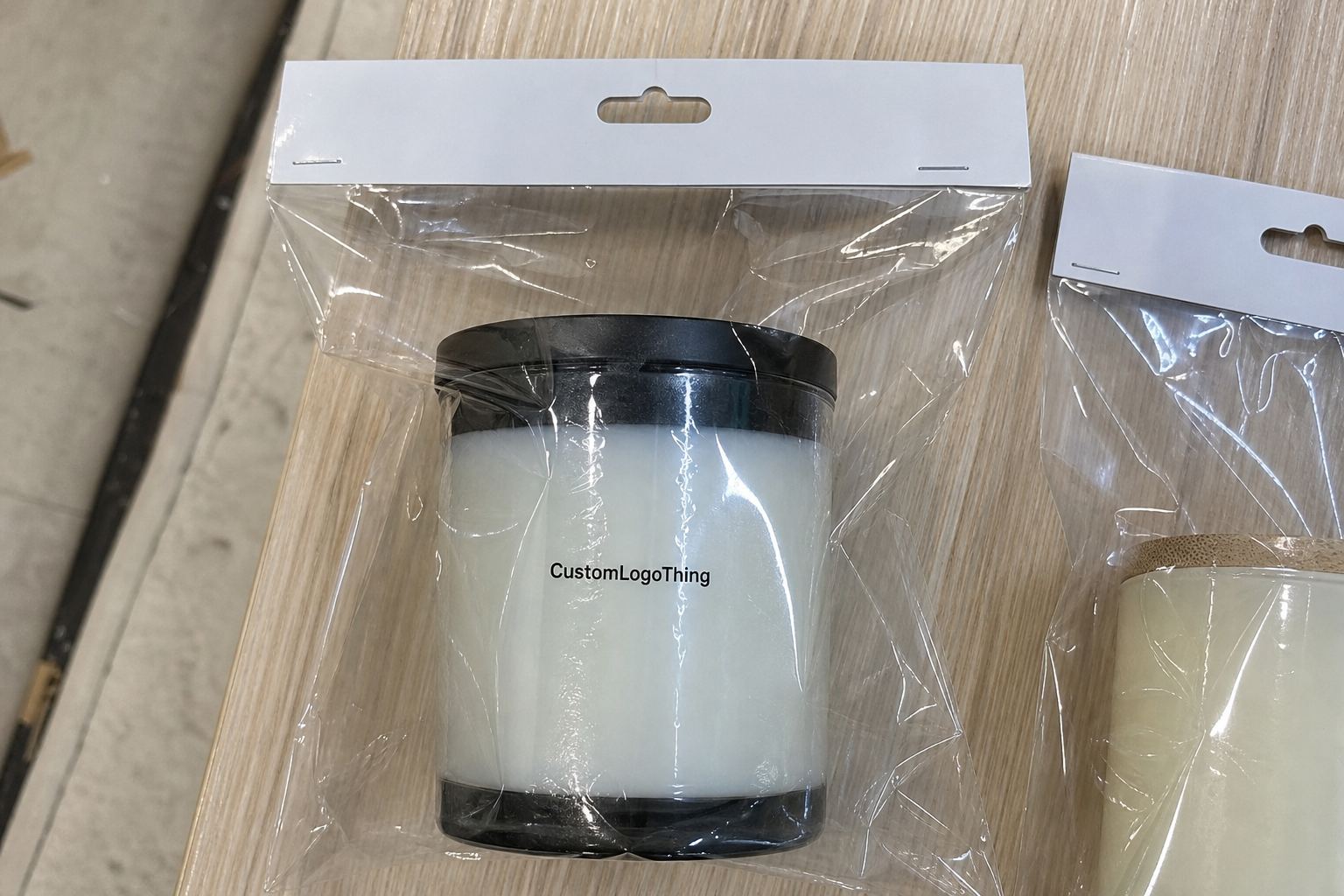
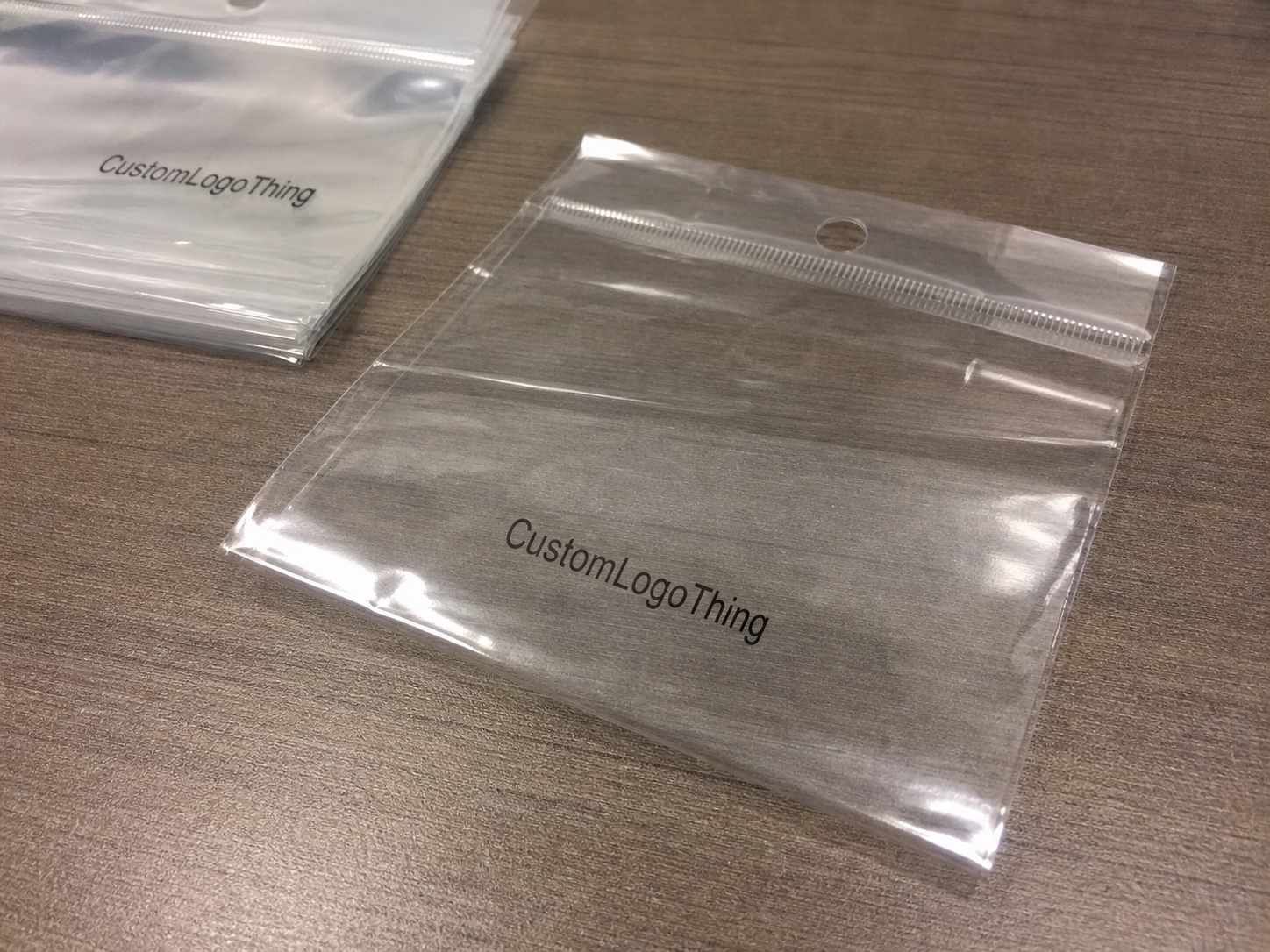
The least glamorous part of an apparel order is often the first thing a customer touches. That small sleeve, bag, or protector can shape the whole impression of the garment before the fabric is even unfolded. A useful pe garment Bags for Apparel Brands material choice guide has to account for more than appearance; it needs to cover handling, storage, packing speed, transit damage, and the way a package reads in the hand.
A shirt can be finished beautifully. A dress can be steamed and folded with care. Yet if it arrives in a cloudy bag that wrinkles badly, splits at the seam, or looks too flimsy for the product inside, the package quietly lowers the perceived value of the whole order. That effect is subtle, but it is real, and buyers see it quickly once they have compared enough samples.
What material choice changes in PE garment bags
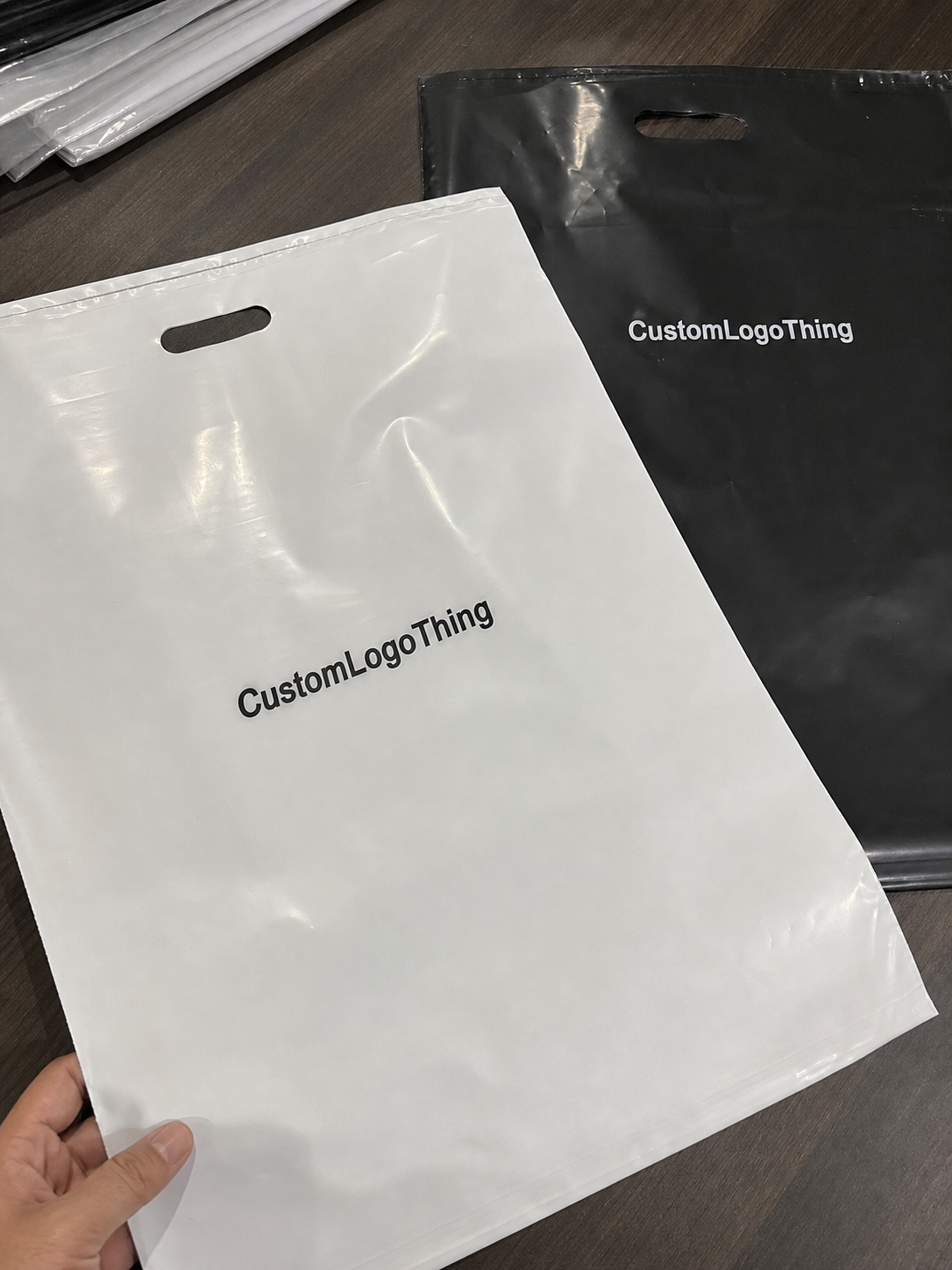
PE Garment Bags are made from polyethylene film and are used to protect apparel from dust, light moisture, scuffing, and handling damage. They can be built for folded garments, hanging garments, retail distribution, warehouse storage, and returns. Some are plain. Others carry a logo, size mark, barcode, warning text, or recycling note.
The material family sounds straightforward, but the behavior is not. LDPE, or low-density polyethylene, is softer, more flexible, and usually clearer. It tends to feel smoother in the hand and is often the better fit when presentation matters. HDPE, or high-density polyethylene, is stiffer and more crinkly. It can be used at a thinner gauge and still feel structured, though it is usually less clear and more utilitarian. Blended PE films sit between those two ends, using LDPE, LLDPE, HDPE, recycled PE, or additives to adjust slip, stiffness, clarity, puncture resistance, and price.
That difference matters because the same garment can read as premium or disposable depending on what surrounds it. A 35-micron LDPE sleeve around a silk blouse sends a different signal than a 20-micron HDPE bag around the same item. One feels like a retail-ready package. The other feels like a warehouse layer. Neither is automatically wrong. The mistake is treating them as interchangeable because both can be described as “poly bags.”
For brands, the bag is doing several jobs at once. It keeps dust off dark fabrics, reduces scuffing on delicate surfaces, limits light moisture during carton transit, helps pick-and-pack teams identify SKUs more quickly, and gives the customer a cleaner first look. For a component that may cost only a few cents per unit in volume, that is a lot of work to ask from a single piece of film.
Practical rule: choose the bag for the journey, not just the resin name. A PE garment bag behaves differently in packing, carton compression, warehouse storage, retail display, and customer unboxing.
That is the heart of any solid pe garment Bags for Apparel brands material choice guide. The real decision is not “plastic or no plastic.” It is whether the film type, thickness, finish, and format fit the garment’s risk profile and the brand’s margin.
How PE film behaves in packing, storage, and display
Polyethylene looks passive on a spec sheet, but on a packing line it has a personality. It stretches, clings, slips, seals, wrinkles, and tears in different ways depending on its grade and thickness. Those details determine whether a packer can move quickly or spends the afternoon fighting static, sticking, or misalignment.
LDPE generally stretches more and handles impact well. That helps when a garment is inserted slightly off-center or when cartons shift in transit. HDPE is crisper and louder, with a sharper crinkle. It can work well for commodity items, but it may feel less refined unless the brand wants a deliberately minimal, utilitarian look.
Thickness matters, but not by itself. A 25-micron LDPE film can feel softer and more premium than a thinner HDPE film, while a 50-micron bag may be unnecessary for a lightweight tee if the garment has no sharp trims and the shipping route is short. In many apparel programs, film sits somewhere around 25 to 60 microns. Lightweight basics tend to use the lower end. Outerwear, embellished garments, and repeated handling usually push the spec upward.
Common apparel categories often call for different behavior:
- Folded tees and basics: usually do fine in 25 to 35 micron PE when the main role is dust protection.
- Knitwear: often benefits from more space, a softer film, or venting so trapped air does not make carton packing awkward.
- Suits and formalwear: need clear, smooth film and dependable seals because presentation and crease control matter.
- Outerwear: often needs thicker film, larger dimensions, and better puncture resistance around zippers, snaps, and drawcord hardware.
- Returns: need a format that survives opening, inspection, and re-bagging without turning into scrap after one use.
Finish changes perception too. High-clarity glossy film shows the garment directly, which can be ideal for retail display. It also shows wrinkles, lint, folded care labels, and tiny scuffs with equal honesty. Frosted PE softens those distractions and can make a package look more controlled even if the garment inside is not perfectly flat. The tradeoff is reduced visibility.
Static and slip create their own problems. Thin, high-slip films can move beautifully in packing, then shift inside cartons. Low-slip films can stack better, but they may feel sticky on the line. Add humidity changes, carton pressure, and printed ink coverage, and a bag that behaved well in a sample review can act very differently in a 5,000-piece run.
That is why the bag cannot be judged by appearance alone. The same garment may look more expensive or more disposable depending on clarity, fit, structure, and finish. A useful guide has to discuss behavior, not just resin type.
What separates a good spec from a cheap one
A good spec protects the garment without forcing the buyer to pay for performance they do not need. A cheap spec is different. It may look fine on a quote and still fail through weak seals, poor fit, low clarity, scuffed film, or awkward handling on the packing line.
The first variable to lock down is thickness, usually discussed in microns or mils. One mil is about 25.4 microns. Many apparel programs use roughly 1 to 2.5 mil film, depending on garment weight and handling. From there, the differences start to matter in practical ways.
- Clarity: high clarity supports retail display and fast warehouse identification, but it also reveals wrinkles and internal labels.
- Seal strength: side seals and bottom seals should tolerate insertion, carton pressure, and handling. Weak seals are a fast route to rework.
- Slip: the surface coefficient affects packing speed, carton stacking, and whether bags feel sticky or too slick.
- Surface finish: glossy, matte, frosted, and lightly textured surfaces all change the way a bag reads in hand.
- Recycled content: post-consumer or post-industrial recycled PE can reduce virgin resin use, but it may alter clarity, odor, and batch consistency.
Garment type should drive the spec. A lightweight knit rarely needs heavy film unless the brand wants a more substantial feel. Embellished pieces with beads, sequins, metal trim, or sharp zipper pulls need more puncture resistance and stronger seams. Bulkier seasonal items need more room, sometimes a gusset, and often venting so trapped air does not make the bag hard to pack into corrugated cartons.
Sustainability claims need precision. Many PE garment bags are recyclable only where local film collection exists, and that availability varies by region. The EPA’s recycling guidance makes clear that acceptance depends on the local program. Store-drop film recycling may exist in some markets; in others, it will not. Brands should avoid making consumer-facing claims that imply a recycling route where none is practical.
“Recyclable” is a narrow statement unless collection and processing are realistic for the target market. “Made with 30% post-consumer waste” is more specific and easier to verify. “Biodegradable packaging” is a different claim entirely and should not be used for standard PE unless the material is genuinely tested for that claim and the disposal environment supports it. Paper inserts, kraft belly bands, and corrugated mailers can support a wider packaging strategy, but they do not replace the dust and moisture protection of PE on their own.
| Priority | Typical PE direction | Good fit | Watch-out |
|---|---|---|---|
| Presentation | High-clarity LDPE, 35 to 50 microns, clean print | Premium tees, dresses, suits, retail-ready apparel | Shows wrinkles, lint, and internal labels clearly |
| Protection | Stronger blend, 45 to 70 microns, reinforced seal if needed | Outerwear, hardware, embellished garments | Higher resin cost and more carton bulk |
| Cost control | Standard LDPE or HDPE blend, 25 to 35 microns, minimal print | Basics, short-stay storage, high-volume e-commerce | May feel commodity-grade on premium apparel |
| Sustainability messaging | Recycled PE content with a verified percentage | Brands with measurable packaging goals | Clarity and color consistency may vary by batch |
The simplest decision frame is this: choose presentation for higher-price apparel and retail display, protection for risky garments and long transit, and cost control for high-volume basics. A balanced spec usually beats the thickest or clearest film.
How custom PE garment bags get made
Custom PE garment bags usually begin with a brief, not with artwork. A supplier needs the garment type, folded or hanging dimensions, target film thickness, bag style, closure preference, print position, quantity, shipping destination, and any compliance text. If the bag needs a suffocation warning, barcode area, recycling label, or multiple size variants, those details should be settled before the first proof.
A normal workflow looks like this:
- Specification: confirm garment dimensions, fold method, bag opening direction, flap or adhesive closure, vent holes, and any hanger opening.
- Material selection: choose LDPE, HDPE, a blend, recycled-content PE, thickness, finish, and slip level.
- Artwork setup: prepare logo files, warning text, size marks, and placement drawings.
- Proofing: review the digital proof, layout scale, and technical notes.
- Sampling or pre-production check: confirm fit, clarity, seal strength, opening feel, and packing behavior.
- Production: extrude or source film, print if required, convert into bags, seal, cut, punch vents, and pack into cartons.
- Freight coordination: verify carton markings and ship by courier, air, sea, or truck depending on volume and urgency.
Time usually disappears in the proof stage. A logo supplied as a low-resolution file can add days. A recycled-content request may need extra material confirmation. A nonstandard frosted finish, unusual gusset, or large hanging format may call for a test run. Approval delays are less visible but just as costly; packaging often misses a launch window because someone sat on a proof.
For a simple printed PE bag, a realistic production window after approval is often around 10 to 18 business days, depending on quantity and factory schedule. More complex custom formats can need 20 to 35 business days, especially when sampling, specialty film, or multiple SKU versions are involved. Freight can add a few days domestically or several weeks internationally. Those are working ranges, not promises.
Testing should not be skipped for high-risk garments. A quick fit check with the real folded item can show whether the bag is 10 mm too narrow, whether the flap catches on a tag, or whether vent holes are needed to release trapped air. For transit-heavy programs, some buyers also borrow from broader packaging test methods such as ISTA. Even when the bag is the focus, the carton, garment, and inner pack still act as one system.
What drives unit cost
PE garment bag pricing is shaped by resin, thickness, bag size, print coverage, order quantity, closure style, and conversion complexity. Buyers often focus on the logo because it is visible, but material weight usually moves the cost more than the graphic.
For planning, a small custom printed PE garment bag for folded basics might land around $0.04 to $0.10 per unit at higher volumes, assuming standard film, a simple one-color print, and a common size. A larger or heavier branded bag for outerwear may sit closer to $0.12 to $0.28 per unit, especially with thicker film, frosted finish, adhesive closure, or lower quantities. Very small runs can go beyond those ranges because setup and handling are spread across fewer bags.
MOQ matters because film conversion only becomes efficient when the machine run is long enough to absorb setup. A 2,000-piece order with three sizes and two print versions can cost more per unit than a 10,000-piece order with one size and one print. The design may look simple. The production math is not.
Plain stock bags are cheaper and faster. They are useful for samples, wholesale prep, or internal warehouse handling. Branded custom bags cost more, but they can improve retail presentation, reduce labeling confusion, and make an e-commerce order feel more intentional. The real question is where branding pays back. A $15 tee does not need the same packaging spec as a $240 sweater.
There are real savings that do not destroy performance:
- Use one common bag size for nearby garment sizes if the fit still looks controlled.
- Trim print coverage before reducing film strength if transit damage is the larger risk.
- Use frosted film to hide minor internal wrinkles instead of moving to heavier clear film.
- Order seasonally planned quantities instead of repeated emergency small batches.
- Keep artwork to one or two colors if the bag is mainly protective rather than promotional.
Quote comparisons need discipline. Every supplier should be pricing the same spec, or the exercise turns into noise. “Clear poly garment bag with logo” is not a spec. It is the start of one.
| Quote detail | Why it changes price | What to ask for |
|---|---|---|
| Film type | LDPE, HDPE, blends, and recycled content carry different material costs | Exact film family and recycled percentage, if any |
| Thickness | More microns usually means more resin per bag | Micron or mil measurement with tolerance |
| Bag dimensions | Larger bags consume more film and carton space | Width, length, flap, gusset, and opening direction |
| Printing | Ink coverage, colors, plates, and registration add cost | Print colors, coverage area, placement, and file format |
| Closure | Adhesive strips, resealable tape, or hanger holes add conversion steps | Closure type and whether it must support returns |
| Quantity | Setup costs spread over more or fewer units | Price breaks at 5,000, 10,000, 25,000, and 50,000 pieces |
If you want a useful benchmark, ask for two specs: the minimum acceptable protective version and the best presentation version. The gap between them often tells the real story. Sometimes it is a cent and a half. Sometimes it is eight cents. Across 50,000 units, that difference stops being theoretical.
Common spec mistakes apparel brands make
The first mistake is overspecifying thickness for everything. A 60-micron bag may be justified for a coat with metal hardware. It is usually too much for a folded cotton tee that travels in a properly filled corrugated carton. Extra thickness adds resin cost, storage volume, and bulk in packing.
The second mistake is chasing the clearest film available. Clarity is attractive, especially for retail or wholesale presentation. But high clarity does not guarantee scuff resistance, strong seals, good slip, or durability through transit. A beautiful bag that splits at the side seam is not a premium package. It is rework with a shine.
Vague briefs are another expensive problem. If a supplier does not know the garment’s folded dimensions, packing method, closure preference, print requirements, and target quantity, they will quote assumptions. Then the buyer compares assumptions from three suppliers and picks the lowest number. That is how a brand ends up with a bag that matches the quote and misses the product.
Storage gets underestimated too. A bag that is 30 mm too long may not sound serious until it creates sloppy folds, larger carton voids, and slower packing. A film with too much cling can slow workers who need to open hundreds of bags per hour. A flimsy bag can collapse during insertion, forcing two hands where one should be enough. Small friction becomes labor cost.
Another common oversight is ignoring the rest of the package system. The PE bag sits inside something else, usually a shipper, carton, mailer, tote, or retail carton. Paper inserts, hang tags, and mailers can support the brand story, but they can also create abrasion, dust, or moisture interactions if they are never tested together. Packaging rarely behaves as isolated parts.
Returns are easy to forget until they become expensive. If a customer opens the bag once and the adhesive strip fails, the garment may come back loose in a mailer. That changes inspection speed, resale quality, and customer support handling. For categories with high return rates, a resealable closure can be more useful than another 10 microns of film.
A practical pe garment bags for apparel brands material choice guide should make one point clear: the best spec is not the most expensive one. It is the one that removes the right risks without adding unnecessary weight, cost, or delay.
How to narrow the right spec
Start with an audit. List the garment types you actually ship, not the ones you may ship later. Separate folded tees, knits, dresses, denim, outerwear, embellished pieces, hanging garments, and return-prone items. Note their folded dimensions, average unit value, trim risk, and expected time in storage. A $38 sweatshirt and a $380 jacket should not share the same risk model.
Next, define the display standard. Should the customer see the garment clearly through the bag, or is a frosted presentation acceptable? Does the bag need to look polished in an unboxing video, or is it mainly a warehouse layer removed before retail display? Over-designing hidden packaging burns margin quickly.
Then choose the minimum spec that still protects the product. Minimum does not mean cheap. It means fit for purpose. For some basics programs, that may be a 30-micron clear LDPE bag with one-color print and a standard adhesive flap. For outerwear, it may be a 55-micron blended PE bag with better puncture resistance, venting, and a larger gusset. For a sustainability-led brand, it may be a recycled-content PE bag with a verified percentage and careful on-pack recycling language.
Request two or three sample configurations before committing. Compare them side by side with real garments inside. Check clarity, stiffness, opening speed, flap alignment, seal strength, scuffing, and how they stack in cartons. If possible, run a small packing trial of 50 to 100 units. That little test can expose issues a single hand sample will never show.
A useful supplier brief should include:
- Garment type and folded or hanging dimensions
- Bag width, length, flap, gusset, hanger opening, and venting needs
- Preferred material, thickness, clarity, finish, and recycled-content target
- Print colors, logo placement, warning text, and artwork file format
- Closure style, resealability needs, and return handling expectations
- Order quantity, expected reorder volume, timeline, and shipping destination
- Any carton packing constraints or retail display requirements
The most useful decision rule is plain: choose the material that balances appearance, protection, cost, and lead time for the SKU mix you actually ship. Not the thickest film. Not the cheapest bag. Not the prettiest sample under office lights. The right answer is the bag that holds up under packing-line pressure, carton compression, warehouse storage, and customer unboxing.
FAQs
What PE garment bag thickness is best for apparel brands?
Lighter film, often around 25 to 35 microns, can work well for folded tees, basics, and short-stay retail packaging. Move up in thickness for outerwear, embellished garments, heavier knits, or shipments that need extra puncture resistance. The best thickness depends on garment weight, trim risk, carton packing, and how many times the item will be handled.
Are PE garment bags recyclable for apparel packaging programs?
Many PE bags are recyclable where local plastic film collection exists, but acceptance varies by region. Brands should verify the actual recycling route before printing environmental claims. If using recycled materials or post-consumer waste content, state the verified percentage clearly and avoid implying that every customer can recycle the bag curbside.
How do I choose between clear and frosted PE garment bags?
Clear film shows the garment more directly and often feels more retail-friendly, especially for color, print, or fabric visibility. Frosted film can hide minor wrinkling, internal labels, and packing imperfections while still looking clean and modern. For premium basics, frosted PE can sometimes look more controlled than ultra-clear film.
What affects PE garment bag MOQ and unit cost the most?
Size, thickness, printing, recycled-content requirements, closure style, and custom features usually affect cost more than the basic bag shape alone. Higher quantities usually lower unit cost because setup, artwork handling, and material purchasing are spread across more pieces. Ask for price breaks at several quantities before locking the order.
How long does a custom PE garment bag order usually take?
Timing depends on sampling, artwork approval, material availability, production queue, and whether the bag spec is standard or custom. Simple printed orders may move in roughly 10 to 18 business days after proof approval, while branded, recycled-content, frosted, gusseted, or nonstandard formats can require 20 to 35 business days before freight. Build in approval time so packaging does not delay the apparel launch.