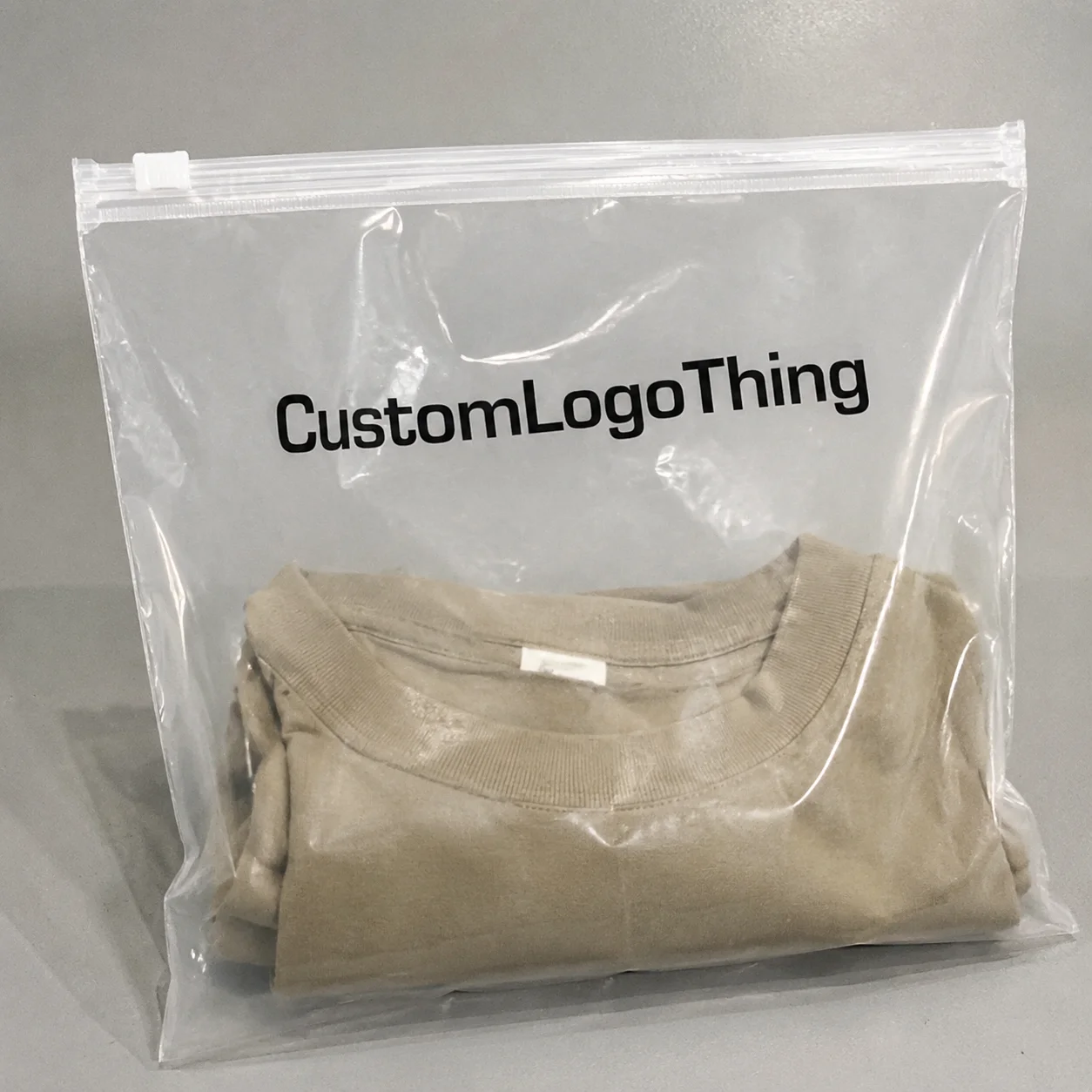
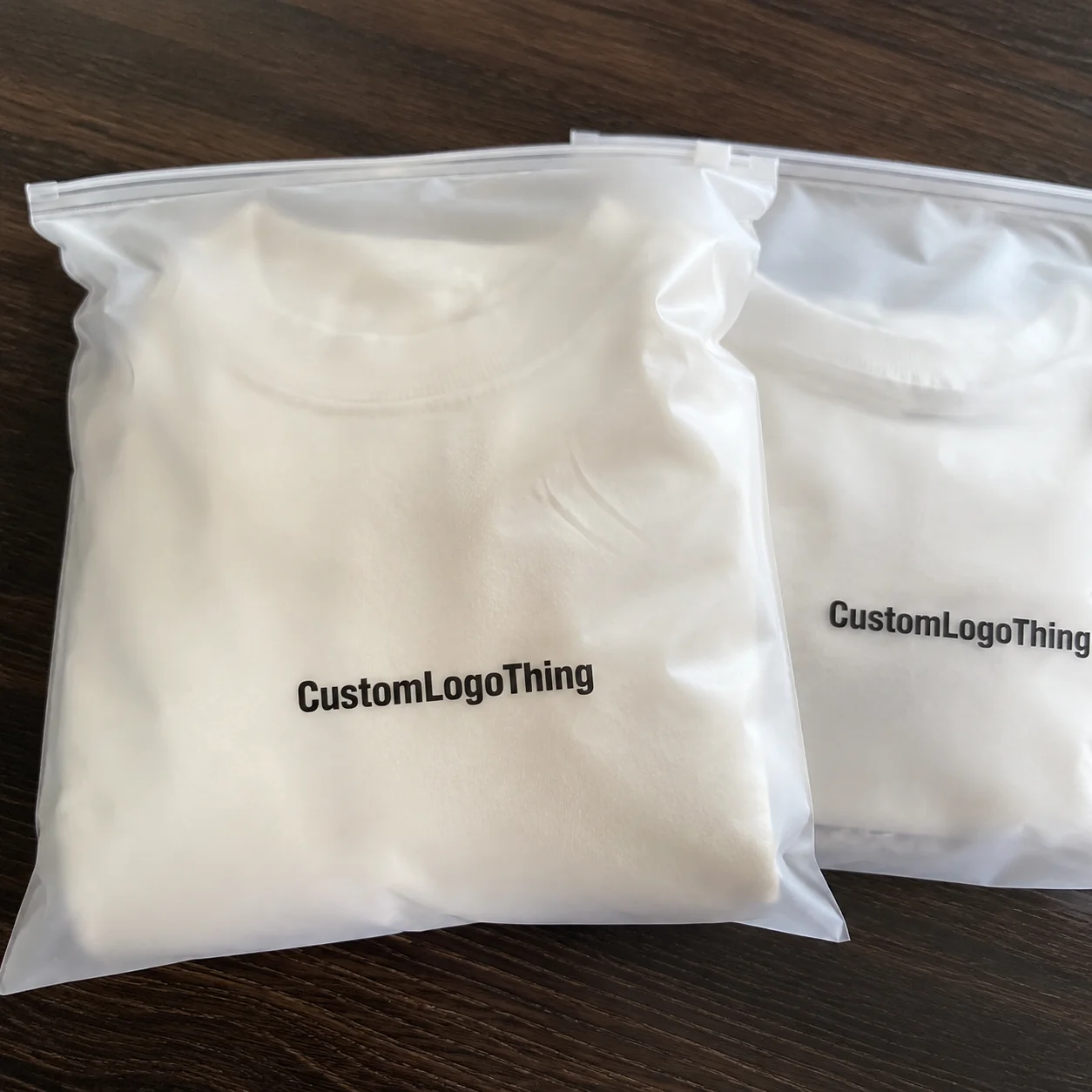
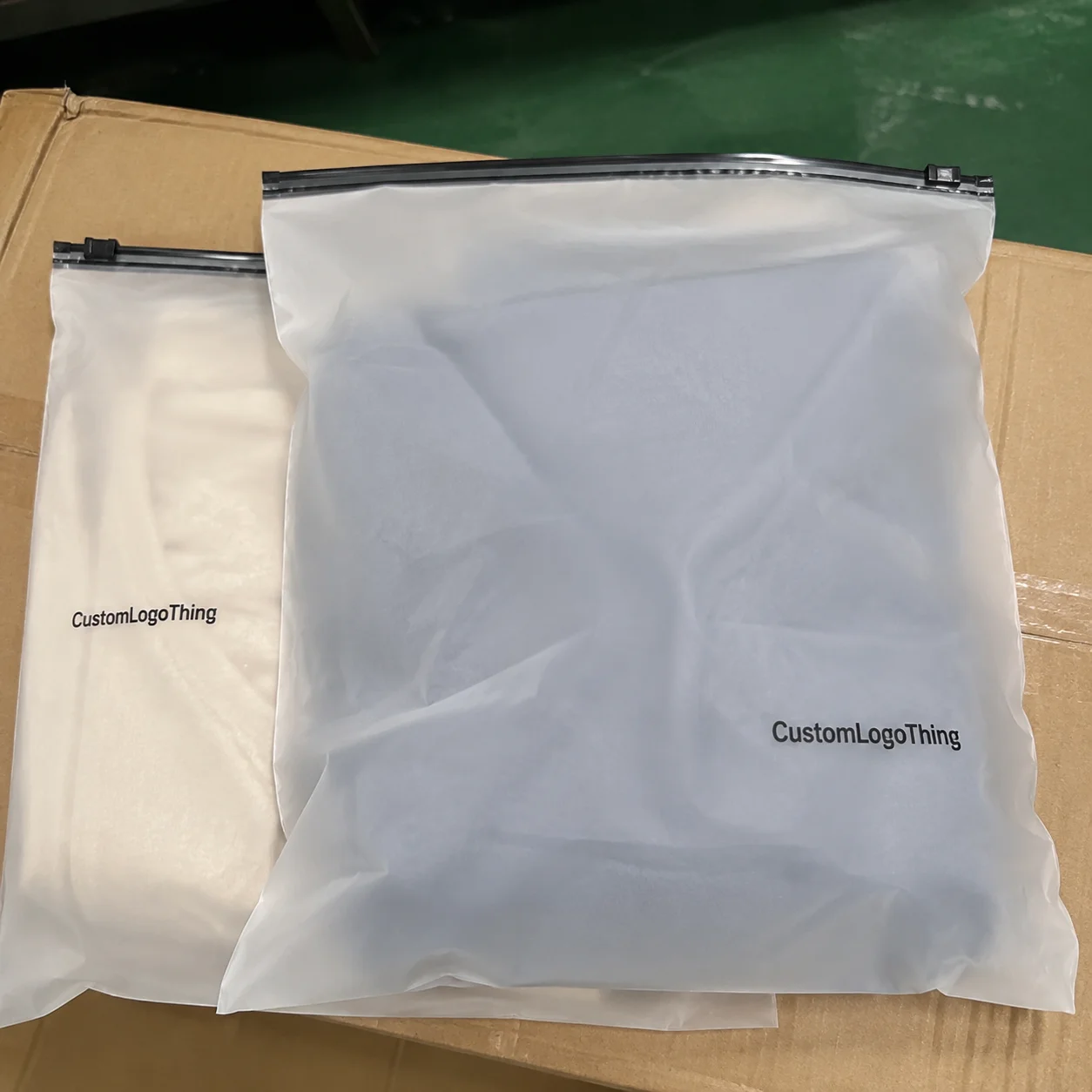
Bakery packaging gets judged before the first bite. Businesses requesting a printed Clear Zipper Bags quote for bakery products are usually trying to solve three practical problems at once: make the product visible, present the brand cleanly, and use food-safe packaging that can handle filling, storage, delivery, and shelf display without looking tired by the time a customer picks it up.
That balance matters because baked goods sell through the eyes first. A cookie with visible chocolate chunks, a granola mix with clean ingredient separation, or a biscotti pair with crisp edges can communicate quality faster than a paragraph of copy. Clear Zipper Bags give buyers that immediate inspection point: texture, color, size, and freshness cues are all right there.
The Bakery Shelf Problem Clear Zipper Bags Solve
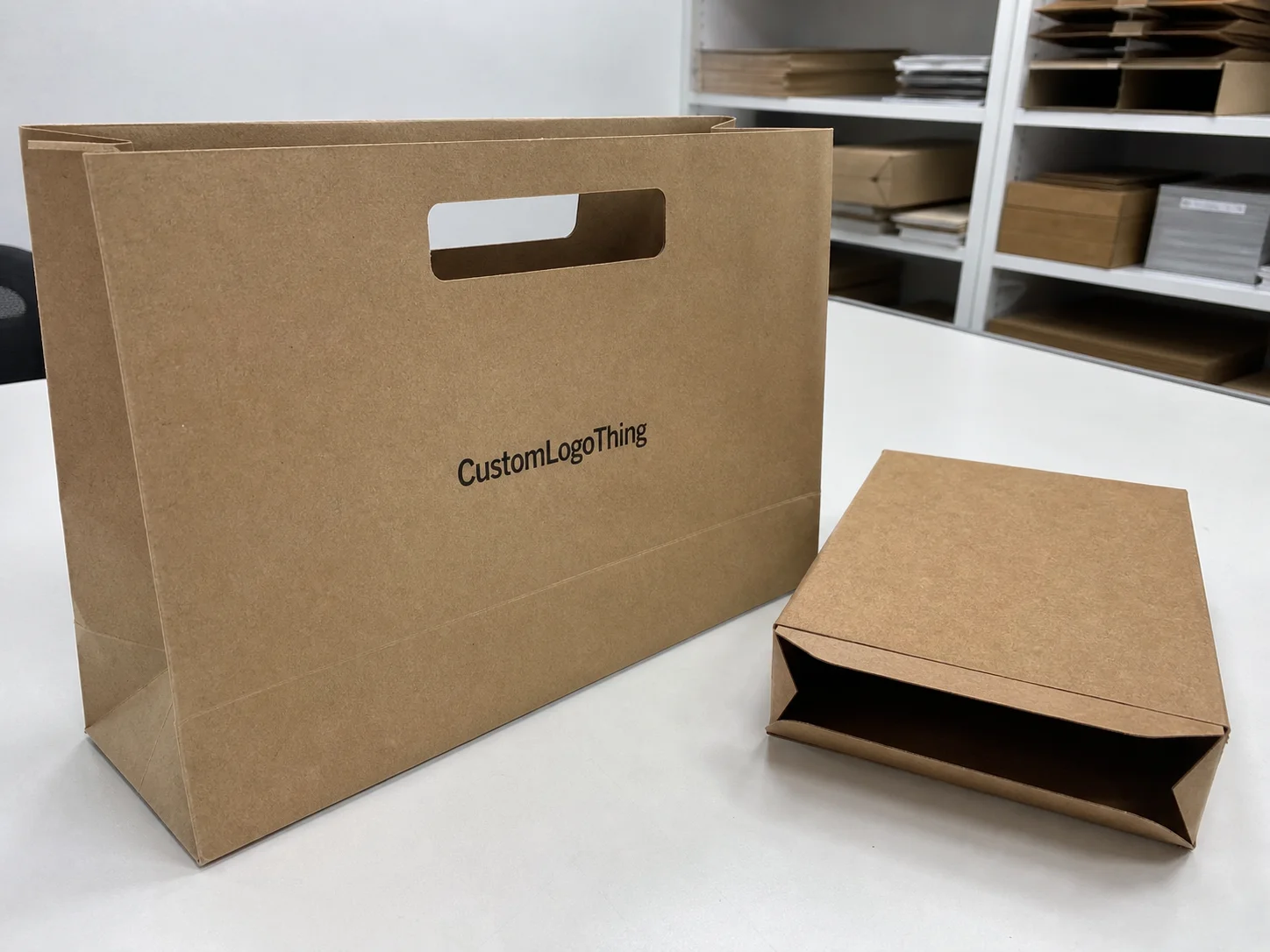
Most bakery packaging has one quiet job: reduce doubt. If a customer cannot see the product, the package has to work harder through graphics, claims, certifications, and brand familiarity. Clear Zipper Bags take a more direct route by letting the product do part of the selling.
That is why resealable clear zipper bags are common for cookies, granola, biscotti, snack cakes, crackers, candy, trail mixes, and dry bakery add-ons. They are especially useful for multi-serving formats from roughly 2 oz to 16 oz, where the buyer may open the bag several times before finishing the product.
Compared with rigid boxes, tins, and paper pouches, flexible clear bags are lighter and usually easier to store. A case of flat or gusseted bags can take a fraction of the space needed for assembled cartons. Freight may also be lower because film packaging adds limited dimensional weight, although custom film, specialty zippers, wide print coverage, and short runs can narrow or eliminate that advantage.
The zipper matters more than many first-time buyers expect. A press-to-close feature can increase perceived value because the package remains useful after opening. For granola, cookie assortments, crackers, and dessert toppings, that small functional detail reduces the need for a clip, jar, or secondary container at home.
Packaging buyer reality: if the bakery item is attractive, dry, and portioned for more than one serving, clear zipper packaging often sells the product and the convenience in the same glance.
From a purchasing point of view, the value is practical rather than decorative: visible product quality, controlled portion packaging, repeatable sizing, custom branding, and easier inventory planning. A well-defined bag spec can also reduce variation during hand packing or semi-automatic filling, which matters when staff are packing hundreds or thousands of units per week.
The caveat is simple. Clear film does not hide broken corners, excess crumb, inconsistent icing, or product oil that migrates to the package surface. If the product is visually inconsistent, a clear bag may expose that inconsistency rather than solve it. For many bakeries, that is still useful information because the package forces product, fill weight, and handling practices to line up before launch.
Printed Clear Zipper Bags Quote for Bakery Buyers
A Printed Clear Zipper Bags Quote for bakery buyers should do more than show a unit price. A usable quote should define finished bag size, material structure, thickness, zipper type, print method, color count, artwork handling, proofing, shipping terms, carton quantities, and estimated lead time. If those details are missing, the quote is closer to a budget guess than a production plan.
There is a real difference between an early estimate and a production-ready quote. An estimate may be based on “about 6 inches wide” or “for 8 oz cookies,” which can help with rough budgeting. A production quote needs usable artwork, finished dimensions, quantity, packaging purpose, and ship-to location because those inputs affect film usage, print setup, carton count, and freight.
Common bakery buying scenarios tend to fall into five groups:
- First private-label launch: small to mid-size quantities, often with uncertainty around final fit, label copy, and barcode placement.
- Seasonal cookie line: deadline-sensitive work that needs proof approval well before holiday production begins.
- Wholesale bakery replenishment: repeat orders where unit cost, inventory timing, and reorder accuracy carry more weight.
- Farmers market packaging: smaller runs, simple branding, strong product visibility, and fast manual filling.
- Subscription box inserts: strict outer carton fit, portion control, and scuff resistance during shipment.
Clear bag quotes differ from opaque pouch pricing because transparency changes the artwork strategy. If a logo sits directly over a dark brownie bite or cinnamon granola, the ink may disappear unless white ink is printed beneath it. That extra white layer can affect cost, proofing, and print planning. It also affects brand appearance. A white-backed logo on clear film looks more solid; an unbacked logo can look intentionally translucent, but only if the artwork was designed that way.
Ask for unit pricing at multiple quantities. Three tiers usually reveal the economics quickly: launch quantity, reorder quantity, and wholesale quantity. A simple stock-size custom print may price very differently at 1,000, 5,000, and 10,000 pieces. Larger quantities usually lower unit cost, but they also increase cash tied up in packaging inventory and take up more storage space.
Buyers should also state how the bags will be merchandised and handled. Will they stand upright? Lay flat? Hang from a peg? Fit into corrugated shipping cartons? A peg hole, bottom gusset, wide header, or special case pack can change the structure. So can a requirement for cartons packed 250, 500, or 1,000 bags per case.
If the product, approximate size range, print colors, and launch timing are already known, Custom Logo Things can use those details to prepare a clearer printed clear zipper bags quote for bakery packaging through the Contact Us page.
Bag Materials, Zippers, and Print Details That Matter
The film choice is not just a cosmetic decision. It influences clarity, stiffness, seal strength, puncture resistance, print behavior, and food-contact suitability. Common clear zipper bakery bag materials include LDPE, CPP, BOPP laminations, PET-based structures, and food-contact-safe film combinations. Each behaves differently on a packing table and on a shelf.
LDPE is flexible and familiar. CPP can provide good clarity and seal performance. BOPP is often chosen for crisp presentation and stiffness. PET-based laminations may improve structure and surface print quality. For bakery products with higher aroma, grease, or moisture concerns, a supplier may recommend a laminated structure rather than a simple mono-layer bag.
Film thickness should be treated in practical terms. A thinner gauge can work for lightweight samples, single cookies, or short-term promotional packaging. Heavier film improves hand feel, puncture resistance, and shelf presence. Many bakery zipper bags land somewhere around 2 mil to 5 mil in perceived thickness depending on the structure, but direct comparisons can be misleading because laminated films and single-layer films do not feel the same at equal gauge.
Zipper selection deserves the same attention. Standard press-to-close zippers are common for cookies and granola. Wide-track zippers can feel more premium and are easier for some customers to align. Repeated-use resealable styles are better for products expected to be opened daily, such as breakfast granola or snack crackers.
Print design has to work with the product behind it. A fully clear bag can look clean, but it may leave nutrition facts, barcodes, and ingredient panels hard to read. A clear window with printed panels gives more control. Another practical option is a logo strip across the top or bottom, leaving the center open for product visibility.
For artwork, keep these zones deliberate:
- Logo area: often needs white ink underprint for readable color.
- Barcode zone: should be placed on a flat, low-distortion area with enough quiet space.
- Ingredient and nutrition panel: must remain legible after filling and sealing.
- Lot code area: should be reserved for inkjet, thermal transfer, sticker, or hand-applied coding.
- Zipper and seal zones: avoid critical text near the zipper track, top seal, side seal, or bottom crimp.
Bakery-specific risks are often small but costly. Grease can stain some films or labels. Crumbs can collect near the zipper and make the closure feel less clean. High-clarity films can scuff during packing. Some films slightly distort the view of detailed cookies or iced pieces. These issues rarely show up on a PDF proof, which is why physical samples are worth requesting for new products.
Quality control should include more than a quick look at the printed logo. Check zipper alignment, open-and-close feel, side seal strength, print registration, barcode scan quality, odor, scuffing, and whether the filled bag still presents the product attractively. If the bag will be heat sealed above the zipper, confirm the seal area is wide enough for the equipment and operator speed you actually use.
For broader packaging testing context, many buyers reference distribution test methods from ISTA, especially if bakery packs ship through parcel or subscription channels. For paper-based secondary packaging claims, buyers may also review sourcing standards through FSC.
Size, Capacity, and Specification Checklist
Weight alone is a weak sizing tool. Two 4 oz cookie products can need very different bag footprints if one is made of small crisp bites and the other is four oversized sandwich cookies. Product dimensions, air gaps, stack height, and breakage risk matter just as much as net weight.
A practical sizing process starts with the actual product. Measure width, height, depth, and the intended pack pattern. Flat-packed biscotti pairs may need a narrow, tall bag. Granola needs fill volume and headspace. A cookie assortment may need a wider pouch with enough room to prevent edge damage. Breadsticks may require a long, narrow zipper bag with strong side seals.
Use this specification checklist before requesting bakery bag pricing:
- Finished bag width and height
- Bottom gusset depth, if the bag needs to stand
- Zipper position and space above the zipper
- Header space for branding or hang display
- Hang hole requirement, such as round hole or sombrero slot
- Venting needs, if trapped air affects packing
- Film thickness or desired hand feel
- Print area, clear window area, and label panel location
- Carton packing preference for storage and fulfillment
Testing fill volume is not optional for irregular bakery products. Cookies settle. Granola shifts. Crackers break if packed too tightly. Snack cakes can scuff. Leave enough space above the product for the zipper to close without forcing contents downward. A bag that looks efficient on a spec sheet can become frustrating on a packing table if employees need to shake, squeeze, or re-stack every unit.
Here are useful starting formats, not fixed rules:
| Bakery Application | Common Bag Style | Typical Spec Concern | Buyer Watchout |
|---|---|---|---|
| Biscotti pairs | Small flat clear zipper bag | Length, crumb control, top seal space | Sharp edges can puncture thin film |
| Granola | Medium stand-up or lay-flat zipper bag | Fill volume, zipper strength, shelf stance | Dense products can change landed freight weight |
| Cookie assortments | Wide clear pouch with printed brand panel | Footprint, breakage protection, product display | Oversized cookies need more headspace than expected |
| Breadstick packs | Narrow clear zipper bag | Seal strength, length tolerance, scuffing | Long products can stress side seals during packing |
For new bakery product lines, request pre-production samples or size dummies. Even unprinted film samples can show whether the bag fills cleanly, closes without strain, and fits your shipping carton. For a printed launch, that early check can prevent expensive rework after artwork is already approved.
Cost, MOQ, and Unit Pricing Variables
Pricing for printed clear zipper bags is driven by film type, bag dimensions, thickness, print coverage, color count, quantity, tooling, and shipping location. The lowest unit price on a quote is not always the lowest total cost. Freight, storage, waste, and delayed launches can erase a small per-bag saving.
MOQ depends heavily on print method and bag construction. Digital printing may support lower quantities for simpler programs, sometimes starting in the low thousands depending on size and supplier setup. Larger production methods often reduce unit cost but require higher minimums and more inventory planning. Custom-size bags, specialty films, special zipper tracks, and unique hang holes can raise the minimum.
Setup costs vary. Some jobs may include artwork cleanup, digital proofing, sampling, plates, cylinders, or die features. If a bag is printed with flexographic or rotogravure methods, setup economics can favor larger runs. If the job is digitally printed on a stock structure, setup may be lower, but the unit cost may stay higher at volume.
Transparent bags can also affect cost because of white ink. A bakery logo printed in red, navy, black, or metallic-inspired color may need a white underlayer to stay readable against cookies or granola. A nutrition panel may require an opaque white block. That extra coverage can change both pricing and lead time.
Typical budget ranges vary too widely to quote responsibly without specs, but buyers often see meaningful differences across quantities. A simple stock-size clear zipper bag with one- or two-color branding may price very differently from a custom laminated stand-up pouch with full-panel print and white ink. For planning, request three tiers: launch quantity, reorder quantity, and high-volume wholesale quantity.
| Pricing Variable | Lower-Cost Direction | Higher-Cost Direction | Why It Matters |
|---|---|---|---|
| Bag size | Standard stock dimensions | Custom width, height, or gusset | Film usage, tooling, and waste change quickly |
| Print coverage | Logo strip or small brand panel | Heavy coverage with white ink backing | More ink and proofing control are required |
| Quantity | Higher reorder volume | Small launch run | Setup cost spreads across more or fewer bags |
| Material | Common clear food-contact film | Special barrier, premium clarity, or laminated film | Material cost and availability affect lead time |
| Freight | Consolidated cartons, planned delivery | Rush freight or split shipments | Landed cost can move more than unit price suggests |
Here is what many buyers get wrong: they compare unit cost before defining the job. A $0.22 bag and a $0.31 bag may not be comparable if one includes white ink, proofing, and landed freight while the other excludes setup and shipping. Ask for landed cost. Ask how many cartons will ship. Ask whether overruns or underruns are possible.
Also ask what is included in the proofing stage. A digital proof may confirm artwork position, copy, barcode placement, and white ink areas, but it will not always confirm final film stiffness or product fit. A physical sample can slow the schedule, yet for a new bag size or high-visibility retail launch, it may be cheaper than discovering the issue after production.
If your team is comparing suppliers, send the same spec to each one. Better yet, send Custom Logo Things your desired dimensions, artwork, quantity tiers, and ship-to ZIP code through Contact Us so your bakery bag pricing is based on the same assumptions from the start.
Process and Timeline From Artwork to Delivery
The standard process has a clear sequence: quote request, specification review, artwork check, digital or physical proof, approval, production scheduling, manufacturing, quality inspection, packing, and shipping. Skip one step and the risk usually moves downstream, where mistakes cost more.
Several issues slow timelines. Incomplete dimensions are common. So are low-resolution logos, missing nutrition panels, unclear barcode placement, late ingredient changes, custom material requests, and delivery instructions that arrive after production is already scheduled. A supplier can quote faster when the job is defined in one clean package.
Proofing deserves more attention than it gets. On clear zipper bags, buyers should check logo color, white ink placement, zipper position, trim lines, transparent zones, barcode readability, and legal copy positioning. If the product behind the clear film is dark, busy, or highly textured, ask whether the proof reflects that background. A clean PDF on a white screen can flatter artwork that will be printed over brown cookies or mixed granola.
Timeline categories vary by construction. Stock-size custom print usually moves faster than custom-size production. Digital print may shorten early-stage setup for lower quantities. Specialty films, nonstandard zippers, physical sampling, and imported materials add time. Many straightforward custom printed packaging jobs move in measured business-day blocks rather than overnight cycles: artwork review, proof approval, production queue, manufacturing, inspection, and transit.
For bakery launches, packaging should be planned before product photography, wholesale presentations, subscription box packing dates, or holiday production peaks. A bag delay can block photography. A barcode placement error can block retail intake. A poor fit can slow every packing shift.
Repeat buyers have an advantage. Keep approved dielines, print files, color targets, previous quote numbers, and reorder quantities on file. Reorders are faster when the supplier does not have to rebuild the job from memory. That also reduces the chance of accidental changes in zipper placement, logo size, or bag gauge.
Practical reorder rule: if the first run worked, preserve the spec. Improve only what you can measure, such as fill speed, breakage rate, shelf fit, or landed cost.
Action Steps Before You Request Bakery Bag Pricing
A precise quote starts with precise inputs. You do not need to know every film term, but you do need to describe the product and business requirement clearly. That is the difference between a useful printed clear zipper bags quote for bakery packaging and a loose estimate that changes later.
Prepare this pre-quote checklist:
- Product type, such as cookies, granola, biscotti, crackers, or snack mix
- Net weight per bag, plus actual product dimensions
- Desired bag width, height, and gusset if known
- First-run quantity and estimated annual quantity
- Preferred print colors and whether white ink may be needed
- Logo files, preferably vector artwork such as AI, EPS, or editable PDF
- Ingredient panel, nutrition facts, barcode, and claims copy if applicable
- Ship-to ZIP code or delivery region
- Target in-hand date, not just launch date
If size is uncertain, photograph the product next to a ruler. Better still, send product dimensions or a sample. A cookie that measures 3.75 inches across on paper may need more than 4 inches of internal bag width once stacking tolerance, crumb protection, and filling speed are considered.
Identify the sales channel before comparing quotes. Retail shelves need clean front-facing graphics, barcode reliability, and case-pack consistency. Farmers markets may prioritize hand-fill speed and strong visual product appeal. Wholesale cases need repeatable count and carton fit. Ecommerce shipments require scuff control and enough durability to handle vibration, compression, and temperature swings during transit.
Also decide what you are optimizing for. A premium shelf look may justify heavier film, white ink, and a wider zipper. The lowest launch cost may favor a standard-size clear bag with simple logo printing. The best reorder economics may point toward larger quantity tiers and tighter inventory planning. None of those goals is wrong. Mixing them in one quote request, however, creates confusion.
Custom Logo Things can help translate those commercial goals into packaging specs that a production team can quote. Send artwork, sizing notes, quantity targets, and deadline details through Contact Us. With those inputs, the team can provide a precise bakery zipper bag quote instead of a broad estimate that has to be corrected later.
Frequently Asked Questions
What details do I need for a printed clear zipper bags quote for bakery products?
Provide bag size, product type, net weight, quantity, film preference, thickness, zipper style, artwork files, print colors, delivery address, and target delivery date. If you are unsure about size, send product dimensions or a sample photo with a ruler so the quote can be based on realistic fit rather than a weight-only estimate.
What is the MOQ for custom printed clear zipper bakery bags?
MOQ depends on bag size, print method, material, and whether the bag is a stock format or fully custom construction. Lower quantities may be possible for simpler print jobs, while larger runs usually provide better unit pricing because setup costs are spread across more bags.
Can clear zipper bags be used for cookies, granola, and other bakery items?
Yes. They are commonly used for dry bakery products such as cookies, biscotti, granola, crackers, snack mixes, and candy-coated bakery items. For greasy, moist, frozen, or high-barrier requirements, the material structure should be reviewed before ordering so clarity, seal performance, and shelf life expectations are aligned.
How long does production take for printed clear bakery zipper bags?
Timing depends on artwork readiness, proof approval, quantity, print method, material availability, and shipping distance. Stock-size bags with approved artwork are typically faster than custom-size bags or specialty film requests. Last-minute artwork edits, missing legal copy, or unclear delivery requirements can add avoidable delays.
How can I lower the unit cost on printed clear zipper bags for bakery packaging?
Use standard sizes when possible, simplify print coverage, confirm artwork before proofing, and request tiered pricing at multiple quantities. Ordering larger runs can reduce unit cost, but buyers should balance savings against storage space, cash flow, and product launch risk. For the most accurate comparison, request landed pricing that includes freight and any setup-related charges.