Coffee roaster trucker caps Bulk Order Planning goes better when the cap is treated as a merch item with real production variables, not just a blank canvas for a logo. The front panel, mesh back, closure, and decoration method all affect wearability, shelf appeal, and the final landed cost.
For roasters, cafes, and beverage brands, the goal is usually simple: get a cap that looks right next to the beans, wears well enough to stay in rotation, and fits the budget for resale or giveaway use. The fastest way to a clean order is to decide the cap style, decoration, quantity, and deadline before you ask for pricing.
Coffee roaster trucker caps bulk order planning: what buyers miss
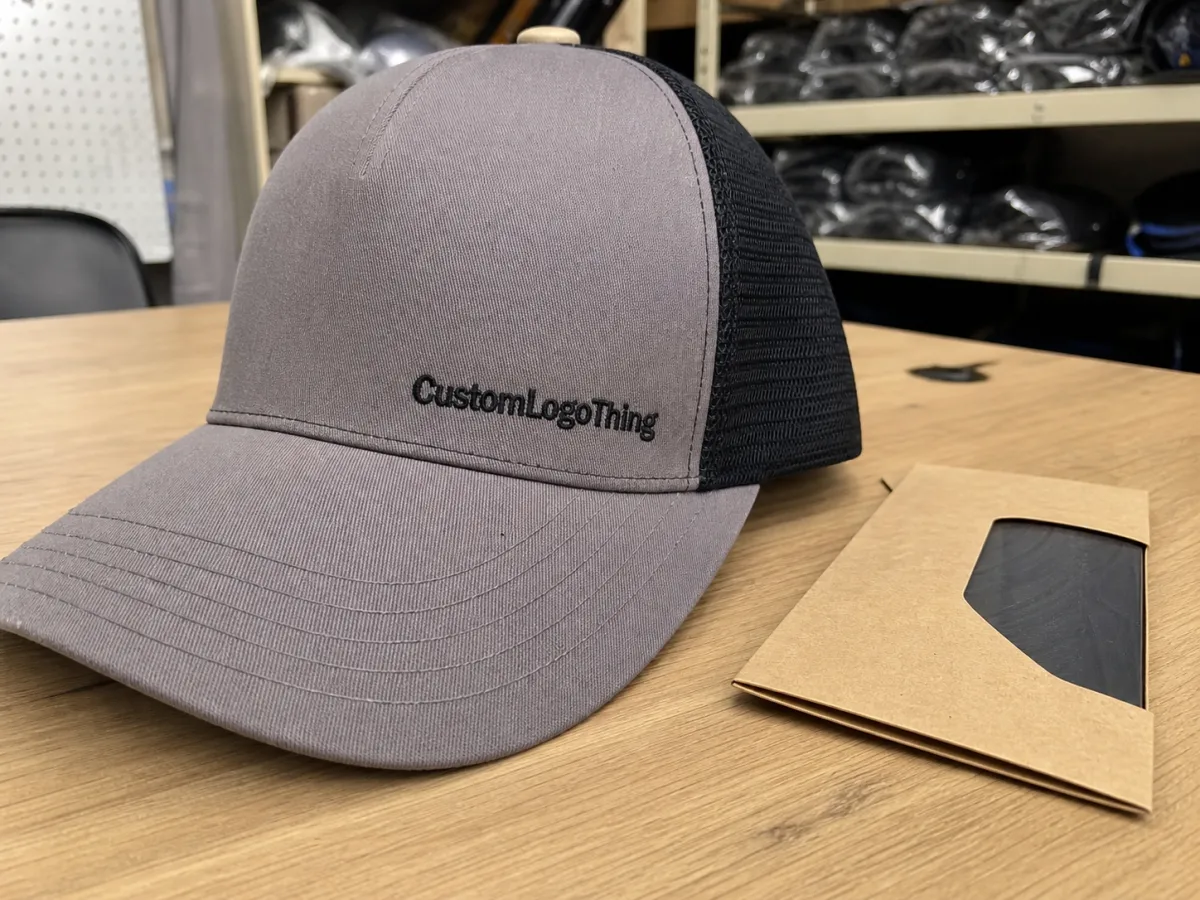
Most cap orders start with the logo and stop there. That is where mistakes happen. A trucker cap has to hold its shape, fit comfortably, and look good after repeated use. If the front panel collapses, the mesh feels rough, or the closure is awkward, the cap stops being something people wear and becomes inventory.
That matters for coffee brands because a cap is often sold beside bags, shirts, aprons, and other branded goods. If it wears well, it becomes a walking piece of brand exposure. If it feels cheap, the merchandising value drops fast. For that reason, the best orders are usually the ones that settle the core spec early and avoid last-minute changes.
Before requesting a quote, lock in the details that change both cost and look:
- Profile: mid-profile feels more familiar for retail; high-profile reads more classic and bold.
- Front panel: structured fronts support embroidery and patches better than soft panels.
- Mesh color: black mesh feels rugged, while matched mesh can look cleaner and more branded.
- Closure: snapback, Velcro, and buckle closures affect fit, comfort, and price.
- Decoration: embroidery, woven patches, leather patches, and PVC patches all produce different results.
It also helps to define the intended use. A cap meant for retail shelf display should be evaluated differently from a cap meant for staff uniforms or event giveaways. Retail merchandise usually needs a cleaner finish and more deliberate decoration. Staff caps can prioritize comfort and durability. Giveaway caps can lean on a lower unit cost, but they still need enough structure to look intentional.
The other mistake is overcomplicating the first order. If the cap color, decoration, and packaging all change at once, the quote gets harder to compare and production risk rises. Keep the first run focused enough to judge the market response clearly.
Mesh-back cap details that change fit, feel, and sell-through
A standard trucker cap usually combines a structured or semi-structured front, a breathable mesh back, and an adjustable closure. That base formula is simple, but the small decisions determine how the cap wears and how it sells. A structured front gives the decoration a flatter surface. An unstructured front feels softer but can look less polished. Foam fronts are common in classic promo caps, while cotton twill fronts often feel more retail-ready.
Crown height is one of the most visible choices. A taller crown creates more room for the logo and gives the cap a traditional trucker shape. A lower crown sits closer to the head and can appeal to buyers who prefer a less pronounced fit. Brim shape matters too. A flatter bill reads more modern, while a pre-curved bill feels ready to wear right away.
Comfort details are worth checking because they affect sell-through. A decent sweatband can reduce scratchiness. A smooth closure avoids irritation at the back of the head. Mesh texture also changes perception: coarse mesh feels more classic and workwear-oriented, while finer mesh can make the cap feel cleaner for specialty retail.
- Structured front: better for embroidery and patch placement.
- Unstructured front: softer feel, but less support for detailed artwork.
- Foam front: lighter and usually lower cost.
- Cotton twill front: a more durable hand feel with a better retail impression.
- Snapback closure: the most familiar fit for broad market use.
Brand fit should follow the coffee business it represents. A roaster with a workwear aesthetic may want dark mesh and a bold patch. A specialty cafe may prefer a narrower color palette, tighter stitching, and a smaller woven label. If the cap will sit next to bags and apparel on a merch table, it should feel like part of the same product family.
Decoration specs to lock before you request a quote
Decoration is where a cap starts to look deliberate or rushed. The safest way to approach it is to decide what the artwork needs to do on a curved front panel before you compare prices. A bold wordmark usually works well with embroidery. A more detailed crest or illustration often performs better as a woven patch. Leather and PVC patches can add a stronger retail feel when the brand wants more texture.
Embroidery is a strong choice for simple logos, short text, and shapes with clean edges. It is durable, familiar, and generally performs well on trucker fronts. Patches are useful when the artwork needs more detail or when the brand wants a more premium finish. Screen print can work on some caps, but it is less common unless the design is very simple and the panel construction supports it.
Clear artwork specs speed up quoting and reduce revisions. Confirm logo size, placement, thread colors, patch shape, and whether the cap needs one decoration location or more than one. A supplier can price more accurately when they know whether the mark is 2.5 inches wide or 3.25 inches wide, and whether it sits centered or slightly raised.
| Decoration method | Best use | Typical buyer upside | Watch-out |
|---|---|---|---|
| Embroidery | Bold logos, short text, durable merch | Strong wear life and familiar retail look | Fine lines and tiny text can fill in |
| Woven patch | Detailed artwork and crisp edges | Good detail on a small cap front | Needs a clean patch shape and approval |
| Leather or PVC patch | Premium retail feel and texture | Creates a stronger shelf presence | Can add cost and setup time |
| Screen print | Simple artwork on suitable panels | Can be cost-effective for basic graphics | Less depth and durability than embroidery |
Artwork complexity is a hidden cost driver. Thin lines, gradients, and small text often need simplification so the logo reads well on a cap. That is not a compromise so much as production discipline. On a curved front panel, the best artwork is the version that still reads clearly from a few feet away.
If your cap order is part of a larger merch program, Wholesale Programs can help frame the order alongside tees, tote bags, and aprons. Keep decoration style consistent if the cap needs to sit inside a broader retail set.
Pricing, MOQ, and unit cost drivers to compare
Bulk pricing usually falls into tiers. As quantity rises, setup costs spread out and unit cost drops. A simple embroidered cap may sit around $3.50-$6.50 per unit at higher volume, while a more customized cap with a premium patch, special labeling, or extra packaging can land in the $6.50-$10.00 range or higher. Lower quantities can cost more because setup is carried by fewer pieces.
MOQ, or minimum order quantity, is one of the most important numbers in cap sourcing. A supplier may quote one price at 100 pieces, another at 300, and a better rate at 500 or more. That does not mean the biggest run is the right one. If the design is new, the channel is still being tested, or the colors are not settled, a smaller first order is often the safer choice.
The main cost drivers are usually straightforward:
- Decoration complexity: stitch count, patch type, and number of colors.
- Base cap quality: fabric weight, sweatband quality, and closure hardware.
- Custom labeling: woven labels, seam labels, or private-label marks.
- Packaging add-ons: polybags, hang tags, sticker seals, or custom cartons.
- Rush timing: short schedules usually reduce room for revision and can raise cost.
Compare landed cost, not just the quote on the cap itself. Sample charges, freight, carton fees, and rush fees can change the real total quickly. Buyers planning for resale usually need to know the true cost per unit after shipping and receiving, not just the factory number.
For packaging and shipping standards, the Sustainable Packaging Coalition at packaging.org is a useful reference if the caps will be bundled with boxed merch or retail sets. If the order includes kitting or mail-ready packaging, that layer should be priced early.
Process and timeline: from art approval to shipment
A clean cap order usually follows a predictable path: inquiry, quote, artwork proof, sample or pre-production approval, mass production, inspection, and shipment. The buyers who avoid trouble are the ones who treat each stage as a checkpoint instead of a formality. A quick proof approval can save time, but it should not happen before the decoration details are actually confirmed.
For simple trucker cap orders, a 12-15 business day production window after proof approval is a common reference point, though the actual schedule depends on quantity, decoration method, and factory workload. Patch-heavy designs, multiple cap colors, and custom packaging can add time. Freight time sits on top of production time, so the in-hand date should always be the starting point.
A practical timeline looks like this:
- Set the in-hand date first.
- Allow time for proof review and revisions.
- Build in sample approval if the artwork is complex.
- Add shipping time after production, especially for split deliveries.
- Leave a buffer for receiving, relabeling, or kitting with other items.
If the order is going to multiple stores or event locations, confirm split shipments early. That affects carton labeling and freight. If the caps are being bundled with bags, apparel, or box sets, the packaging plan should be fixed before production starts, not after the caps are already made. For shipping structure and handling expectations, ISTA is a useful authority to review.
Air freight can rescue a deadline, but it raises cost quickly. Ocean freight or ground freight usually makes more sense for deeper runs when the calendar has room. The right choice depends on quantity, margin, and how much delay risk the launch can absorb.
Supplier checks that separate smooth runs from rework
Price matters, but proofing and communication matter just as much. A supplier that explains inclusions clearly and documents the order well can prevent expensive mistakes. The weak quotes are often the ones that sound cheap at first and then become costly after revisions, freight, or rework.
Ask how proofs are handled. Good suppliers send mockups that show placement, size, and color expectations clearly. If the artwork is complicated or the order is tied to a launch, request a physical sample or a pre-production photo before mass production begins. That checkpoint is usually cheaper than correcting hundreds of caps later.
Quality control on caps is not complicated, but it needs to be consistent. Check stitch density, patch alignment, color consistency, closure function, and carton packing. Loose threads stand out more on dark caps. Small shade differences show more clearly on light caps. These details affect how the product reads on a shelf and how often it gets worn.
- Proof clarity: placement and color callouts should be easy to read.
- Material consistency: front panel and mesh should match across the run.
- Sampling discipline: complex art deserves one more approval step.
- Packing method: carton counts and protection should be confirmed.
- Communication cadence: the supplier should answer changes before production, not after.
If you want a quick reference for common order questions, the FAQ page is a good place to start before sending a quote request. Better questions usually lead to faster, cleaner answers.
Next steps to start your bulk cap order the right way
When you are ready to move, gather the basics first: logo files, preferred cap colors, target quantity, decoration method, and the in-hand date. Once those five pieces are clear, the quote conversation gets more useful and the chance of revisions drops. That is the core of coffee roaster trucker caps Bulk Order Planning: keep the order simple enough to price accurately, but specific enough to protect the brand.
Choose one primary cap style before asking for comparisons. If you request too many variations at once, the quotes become harder to interpret and less useful for budget planning. A clean apples-to-apples comparison usually gives a better answer than a wide mix of styles.
Then decide whether the first order should test one colorway or a small split. If the caps are going straight to a merch table or retail shelf, a single-color run often keeps inventory simpler. If you already know two colorways sell, a split run can broaden appeal without adding too much complexity, as long as the quantities are confirmed early.
One final check: make sure the logo still reads well on a curved cap front. Artwork that works on a flat screen does not always work on a hat. Review the mockup on a real cap silhouette before production starts, not just on a flat layout.
If you want the lowest-risk path, use the order framework above, compare the full landed cost, and confirm the timeline before approving production. Done well, the cap fits the brand, holds up in use, and arrives when it still matters.
How many coffee roaster trucker caps should I order for a first run?
Start with the quantity that matches your sales channel, not the lowest possible MOQ. If the design is new, a smaller test run is usually safer, especially when you are still judging fit, color, and logo placement. If the caps are tied to a launch or event, add a buffer for replacements and a little extra sell-through.
What decoration method works best for coffee roaster trucker caps in bulk?
Embroidery is the most durable choice for simple logos and bold text. Patches work well when the artwork has more detail or when you want a more tactile retail look. The best method is the one that fits the cap material, the logo complexity, and the shelf presence you want.
How does MOQ affect coffee roaster trucker caps bulk order planning?
MOQ is the minimum number of caps the factory will produce at the quoted price. A higher MOQ often lowers the unit cost, but it also increases the cash tied up in inventory. If you are testing a new merch line, ask for quotes at several quantity tiers so you can see where the best break point sits.
What lead time should I expect for custom trucker caps?
Lead time depends on artwork approval, decoration type, quantity, and shipping method. Simple designs usually move faster than patch-heavy or highly customized caps. Build extra time into the schedule if the caps must arrive before a show, opening, or seasonal promotion.
Can I mix colors or back closures in one coffee roaster cap order?
Sometimes, but mixed styles can change the quote and add complexity to production. Color or closure splits are easier when the supplier confirms the quantity breakdown before sampling begins. Ask for pricing by colorway if you want flexibility without losing control of unit cost.


