Supplement embroidered beanies bulk order planning starts with the blank
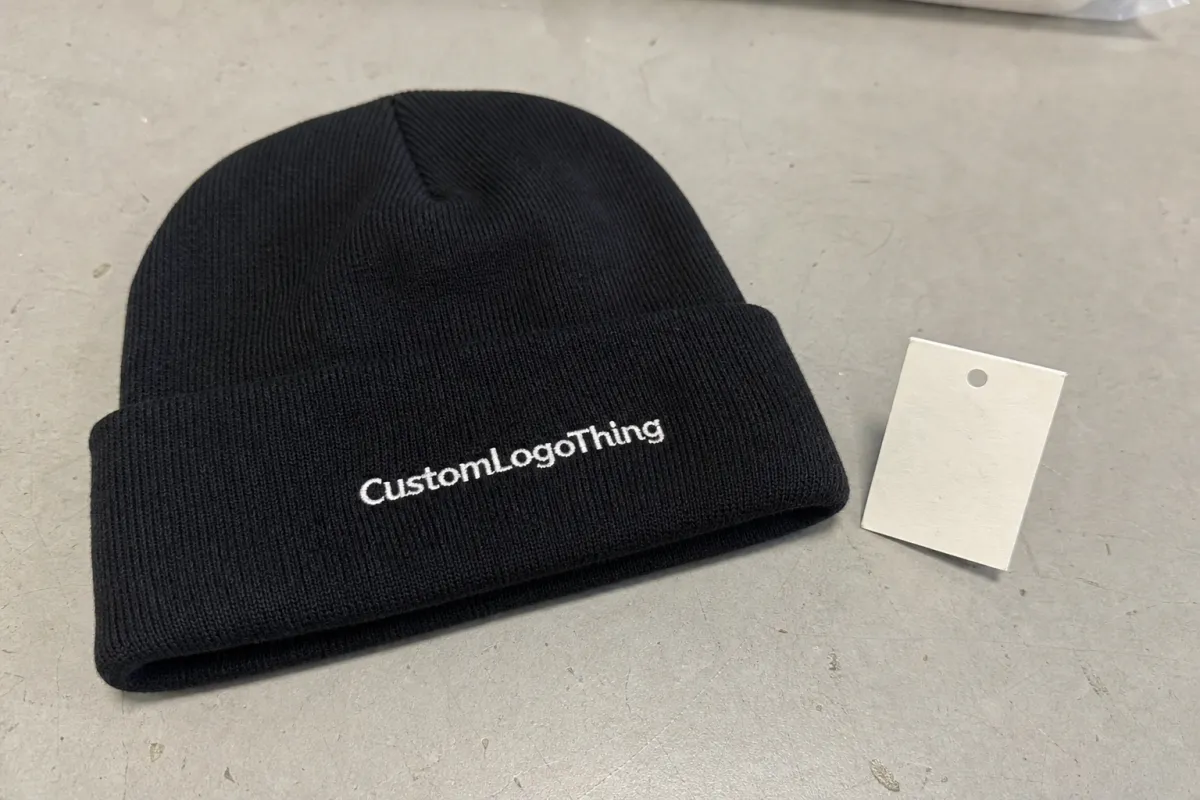
In supplement Embroidered Beanies Bulk Order Planning, the blank beanie usually matters more than the logo. A tight rib knit, a cuff that holds shape, and a stable fabric surface will make the embroidery look cleaner and reduce surprises in production. The same art file can look sharp on one blank and distorted on another, so the first decision should be the beanie style, not the decoration.
For supplement brands, beanies tend to support cold-weather campaigns, retail bundles, athlete kits, and customer retention mailers. They work well because they are useful, easy to size, and more likely to stay in circulation than a low-value giveaway. If the goal is brand recall, the item should feel worth keeping. That starts with selecting a blank that can carry the logo clearly and survive repeated wear.
Buyers usually need to lock four basics before quoting: color, cuff depth, knit type, and logo placement. A cuffed beanie gives embroidery a predictable landing zone. A slouch style looks more relaxed, but it can shift the logo off center once worn. Dark colors can feel more premium, while heathered neutrals often fit a lifestyle look. Each choice affects stitch clarity, thread behavior, and unit cost.
If your team already manages packaging or inserts with approved specs, use the same discipline here. Save the blank code, the color reference, and the final artwork version so the apparel order does not start from scratch. That makes reorders easier and avoids the usual back-and-forth over what was approved the first time.
The practical goal is simple: choose a blank that looks good after it is worn, folded, and handled. A beanie is not just a photo prop. It is a cold-weather item that needs to keep its shape and keep the logo readable.
What separates a durable embroidered beanie from a cheap giveaway
Durability starts with knit structure. Rib knit usually stretches and recovers better, which helps when the same size must fit many people. Jersey knit can feel smoother, but it may show embroidery tension more easily. Cuffed styles give the cleanest decoration area. Slouch styles offer a softer look, but they are less controlled for logo placement.
Material choice changes both comfort and price. Acrylic is still common because it is warm, affordable, and easy to produce in volume. Recycled acrylic or polyester blends can support a sustainability message when the rest of the program uses documented materials. Wool blends feel more premium, but they usually cost more and can change care expectations. Buyers should match the fabric to the campaign, not just the mockup.
Look for signs that the decoration will hold up in use:
- Heavier warmth usually means a denser knit and less drape.
- Softer hand feel can mean less structure for embroidery.
- Thicker yarn may hide stitches better but reduce logo sharpness.
- Light colors photograph well but show dirt faster in field use.
That is why the cheapest option is not always the best value. A giveaway can look fine on screen and still fail in person if the yarn relaxes, the logo curves, or the cuff shifts. The right blank protects the logo, and that protects the campaign.
Stitch count, yarn choice, and placement specs buyers should lock
Specs are where orders either stay controlled or start drifting. The first number to settle is logo size. Most beanie embroidery works best within a compact footprint, often around 2 to 3.5 inches wide, though the exact limit depends on knit type and art detail. Thin lettering or tight spacing may need to be reduced to stay readable in thread.
Stitch count affects both cost and clarity. A simple logo may sit around 4,000 to 6,000 stitches. More detail, more thread colors, or a larger placement can push that higher. More stitches do not automatically mean better quality; they often mean more machine time and a greater chance the art should be simplified. Clean shapes usually outperform tiny elements on stretch fabric.
Thread color matching matters more than most buyers expect. Supplement brands often keep strict color rules across packaging, digital assets, inserts, and apparel. If the thread is only close, the mismatch can stand out in photos and in mixed merch kits. Ask for the thread system or color reference used and save it with the spec sheet so future runs stay consistent.
Artwork prep should be treated as production prep. Vector files are best, and small text, thin lines, and tight internal spaces should be simplified before proofing. If a detail would be hard to read from a few feet away in thread, it is probably too delicate for embroidery. For beanies, clarity usually matters more than perfect fidelity to the original logo.
Before sign-off, buyers should approve the following:
- Blank color and style
- Logo placement with exact position on cuff or body
- Thread colors and acceptable match tolerance
- Backing type or support method for the embroidery
- Sample expectation, whether digital proof, sew-out, or both
- Placement tolerance so repeat orders stay consistent
A clean spec sheet prevents a common problem: the same logo gets reproduced later with a slightly different placement or scale. That changes the stitch count, the look, and sometimes the price. A small shift can matter a lot once it is multiplied across hundreds or thousands of units.
Bulk pricing, MOQ, and quote variables that shape unit cost
Supplement embroidered Beanies Bulk Order Planning gets easier when the pricing logic is visible. The biggest drivers are quantity, blank quality, stitch count, thread color count, and whether the order uses standard or premium materials. MOQ exists because setup time has a cost. Digitizing, thread setup, and approvals happen whether the order is for 100 units or 1,000.
Unit cost usually falls as quantity rises. A 250-piece run may carry a noticeably higher per-unit price than a 1,000-piece run, even when the decoration looks similar. As a working range, a standard acrylic cuffed beanie might land around $4.25-$7.50 at moderate volume, while a premium blend, more stitches, or custom packaging can move it into the $6.50-$10.00+ range. Those numbers are only useful when the spec is actually the same.
Most quote gaps come from different assumptions. One supplier may include a standard blank, one thread color, and carton-packed delivery. Another may include premium yarn, extra revisions, folded polybagging, and split shipment. The mockup can look identical while the quote is not. Buyers should compare quotes line by line and keep every assumption in writing.
Here is a simple comparison:
| Option | Typical Price Impact | Best Fit |
|---|---|---|
| Standard acrylic cuffed beanie | Lowest base cost; efficient for large runs | Event merch, first-time tests, broad distribution |
| Thicker rib knit or premium blend | Moderate uplift for better hand feel and durability | Retention gifts, retail-style drops, higher-value bundles |
| Multiple thread colors or larger logo | Higher setup and stitch time; can raise unit cost quickly | Complex branding, multi-color identity marks |
| Custom packaging or labeled polybag | Adds labor and materials, plus possible kitting cost | Wholesale programs, retail-ready presentation, DTC fulfillment |
If budget is the priority, start with the blank, set the quantity band, and then work outward. That usually produces a cleaner quote than starting with a decorative concept and trying to fit the numbers later. For teams that manage broader merchandise programs, the same purchasing logic that supports Wholesale Programs also applies here: define the spec, then ask for the price.
Rush fees, split shipments, extra proof rounds, and special bagging can erase savings quickly. A precise spec sheet is what keeps the order from drifting into a different price tier.
Order process and production timeline from proof to delivery
The cleanest orders follow a predictable path: inquiry, spec confirmation, digital proof, sample or sew-out review, production, quality check, and shipping. The biggest schedule risk is usually not machine time; it is decision time. Slow approvals stretch the calendar more than production does.
Lead times depend on quantity and complexity. A straightforward run with approved artwork may move through proofing in a few business days and production in roughly 12-15 business days after sign-off. Larger runs, dense stitching, winter demand, or custom packaging can push that longer. Freight adds another layer, so the in-hands date should be planned as a chain of steps, not a single promise.
Planning backward from the delivery target helps avoid missed dates. If a launch needs the beanies on a specific Monday, final approval should happen early enough to absorb revisions, transit, and receiving time. The common mistake is approving artwork late in the week and assuming production starts immediately. In practice, the clock starts only after the proof is signed off and the specs are locked.
- Day 1-2: Inquiry, quantity band, blank choice, artwork files
- Day 3-4: Digital proof returned with placement and thread notes
- Day 5: Buyer approval or one revision round
- Day 6-18: Production and in-line checks
- Day 19-22: Packing, freight booking, and transit
That is only a planning frame. Smaller orders can move faster, and complex orders can move slower. Good suppliers also document packing method and carton labeling, especially if the order feeds retail, sample, and warehouse channels. Clear carton IDs and correct counts prevent downstream rework.
Seasonality matters too. Beanie demand spikes when weather changes, holiday kits ship, and winter promotions stack up. If your order lands in that window, the same production slot can tighten quickly. Planning ahead does not guarantee speed, but it does reduce the risk of losing the preferred blank or packaging format.
Why packaging-focused suppliers reduce rework on repeat merch orders
A packaging-focused supplier usually handles repeat business with more discipline. That shows up in file naming, version control, order history, and the way specs are recorded after approval. For supplement brands, that matters because the merch order often sits next to labels, inserts, cartons, and other controlled packaging pieces.
The difference is operational. A general merch vendor may focus mainly on decoration. A packaging-oriented partner tends to think about the order as part of a supply chain, which means clearer artwork handoff, better carton labeling, more accurate inventory counts, and fewer surprises when the beanies are reordered later.
Repeat orders expose weak systems fast. If the thread colors were never documented, the next run can drift. If the blank code was not saved, the replacement can feel different. If carton counts were not recorded, fulfillment gets messy. Buyers who keep one approved spec sheet, one proof file, and one final quote make future reorders much easier.
That structure matters most on the second order. The first run can survive a few manual fixes. The reorder is where missing documentation becomes expensive. If a supplier can quote from the same approved information without asking for the logo file again or guessing the carton count, that usually signals a more stable process.
For supplement teams, keeping merch and packaging records close together reduces friction. When the decoration order can be traced like a packaging spec, the next campaign becomes easier to buy, easier to approve, and easier to replenish.
Next steps for faster approval, cleaner reorders, and on-time delivery
If you want the fastest path through supplement embroidered beanies Bulk Order Planning, start with the decisions that change the quote most. Confirm the quantity band, choose the blank, gather vector artwork, and write down the in-hands date before asking for pricing. That reduces most of the back-and-forth that slows an order.
Then bundle the inputs into one message. Include the beanie style, color preference, logo size, thread colors, placement, packaging needs, and shipping destination. If you want a sample or sew-out, say so immediately. If you need split shipping, list the addresses. Every missing detail creates a delay later.
For reorders, keep the approved spec sheet, thread references, and final proof in one place. Save the blank code, carton count, placement notes, and packing format. That way the next order begins with a known baseline instead of a search through old emails. Most teams are surprised by how much time that saves.
Good planning does not mean overbuilding the process. It means reducing the number of unknowns before production starts. Once the blank, artwork, and delivery window are locked, the rest is mostly execution.
How do I start supplement embroidered beanies bulk order planning?
Start with quantity, blank style, and embroidery placement so the quote reflects the real build, not a generic mockup. Send vector artwork, target colors, and your in-hands date with the first request to reduce proof delays. Ask for MOQ, lead time, and sample options up front so you can compare suppliers on the same basis.
What affects embroidered beanie pricing the most?
Quantity, blank quality, stitch count, and thread color count usually have the biggest impact on unit cost. Rush timelines, special packaging, and split shipping can raise the final price even when the design is simple. The cleanest quotes are based on the same spec sheet, because small differences in setup create large price gaps.
What embroidery specs should I approve before production?
Confirm logo size, placement, thread colors, backing, and any minimum line thickness limits before sign-off. Ask whether the supplier will provide a digital proof, sew-out, or sample so you know what approval means. Document acceptable placement tolerance so repeated orders stay consistent.
How long does a bulk embroidered beanie order usually take?
Artwork-ready orders can move quickly through proofing, often within a few business days depending on revisions. Production time varies by quantity and stitch complexity, so ask for a realistic lead time before you commit. Always add shipping time separately so the delivery date matches your event, launch, or promotion.
What is the best reorder strategy for supplement beanies?
Keep the approved artwork, blank code, thread colors, and size counts in one place for easy repeat ordering. Reorder before stock runs low so you can preserve the same blank and avoid substitute materials. Use the previous spec sheet as the baseline for future quotes to keep quality and price stable.

