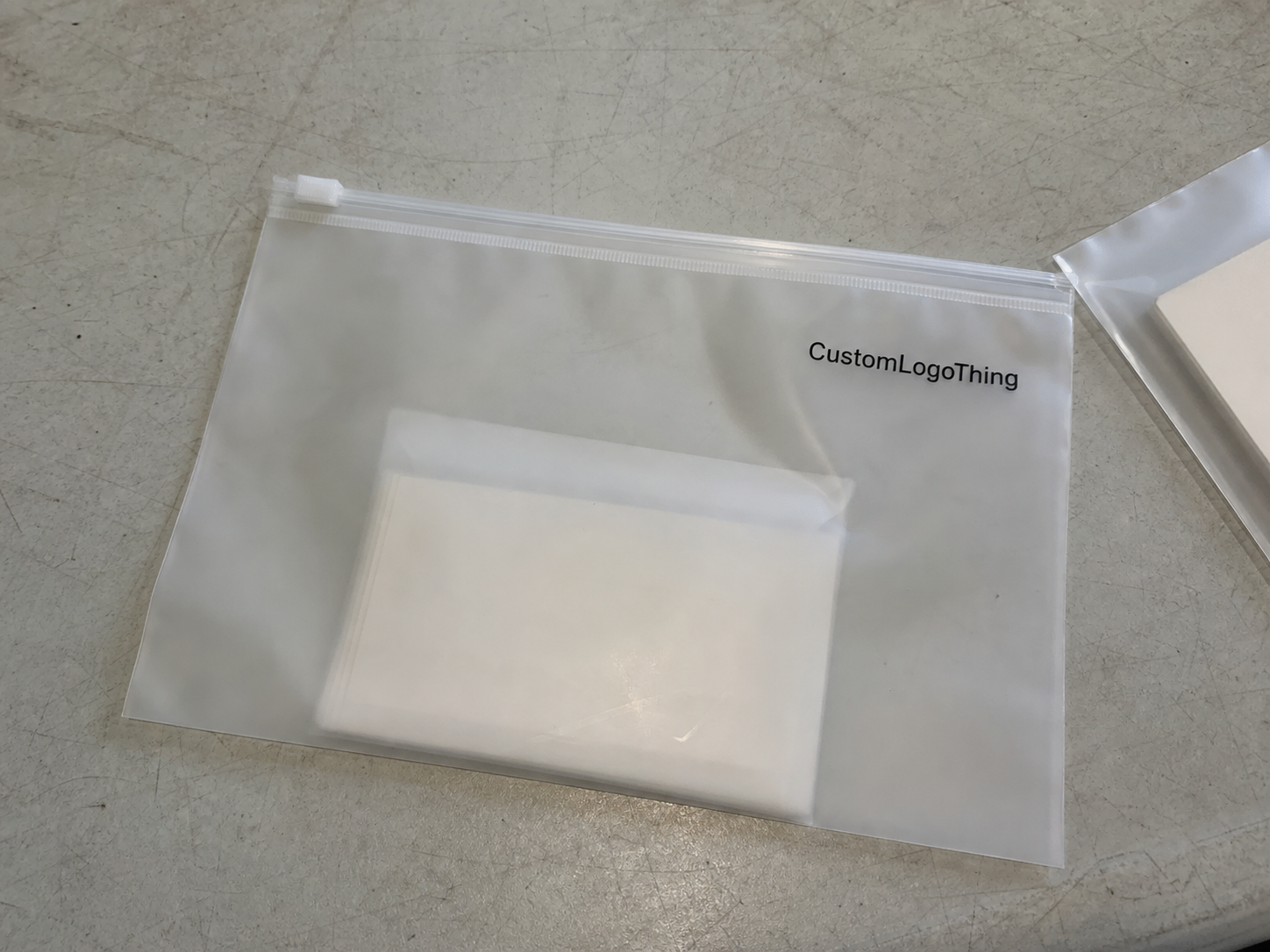
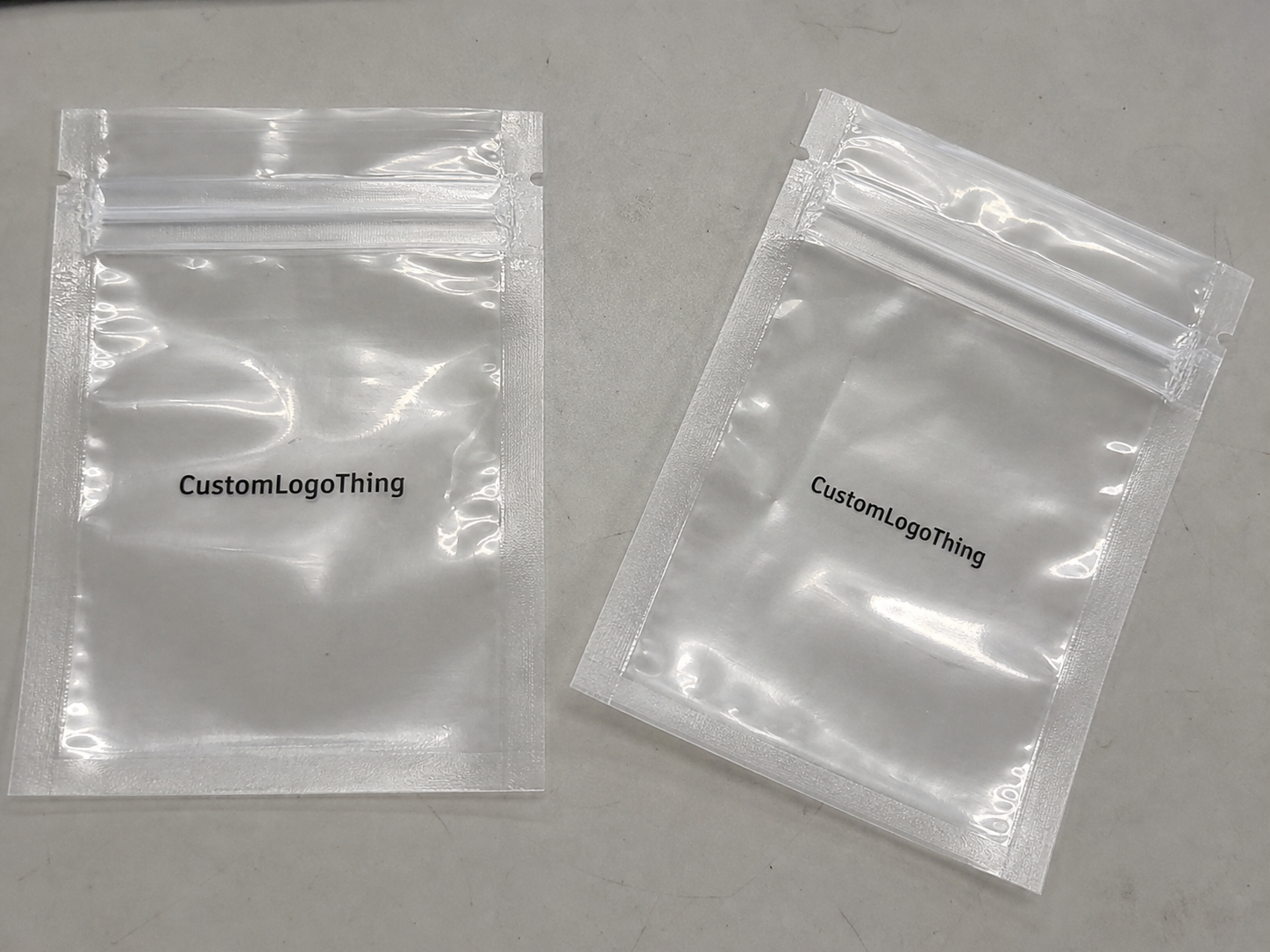
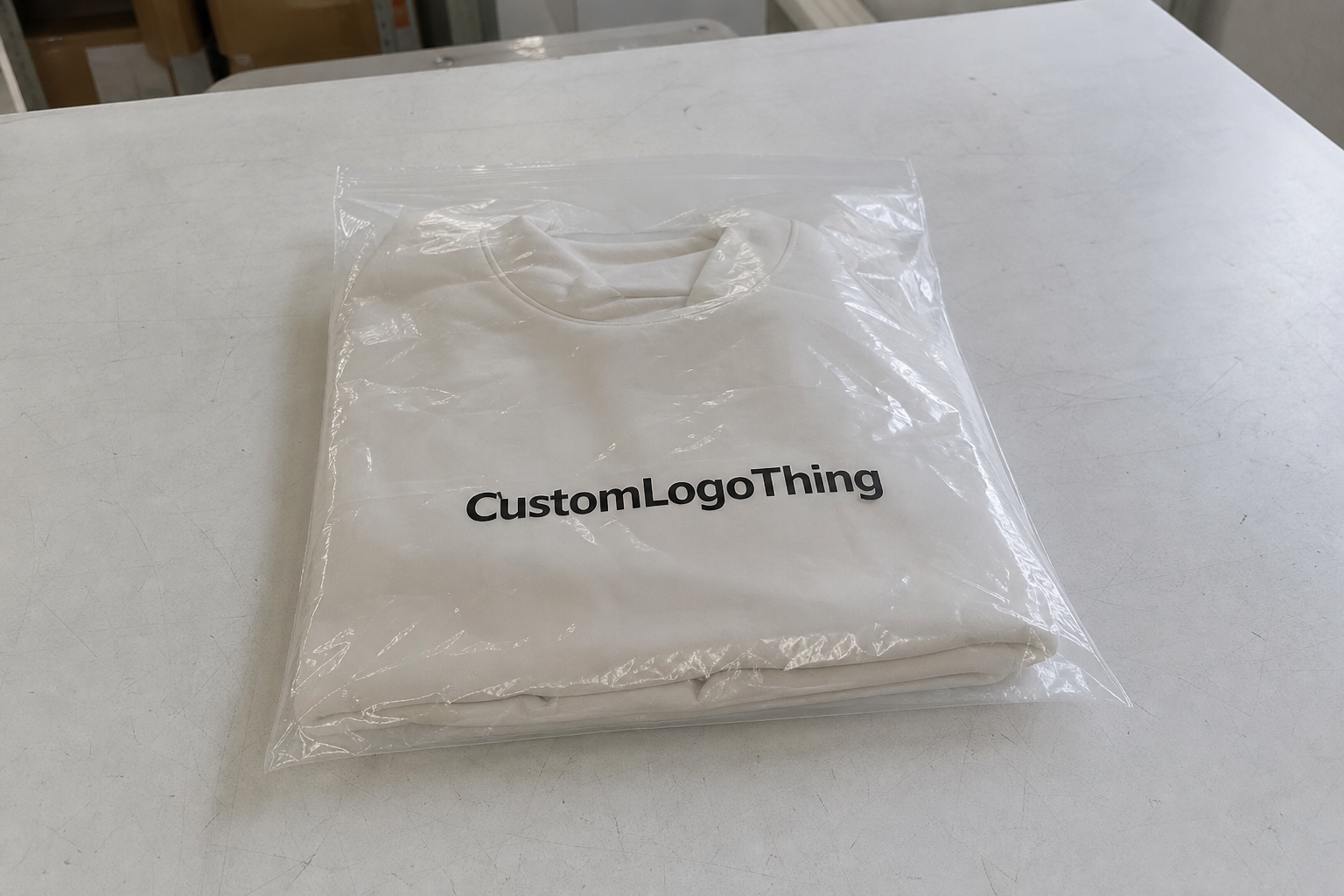
Put two clear coffee sample bags side by side on a retail counter and they may look almost identical for the first five minutes. Give them a few days of handling, light exposure, and zipper use, though, and the difference starts to show: one stays bright and tight, while the other scuffs, fogs, shows oil marks, or loses that clean reseal feel. That is why a clear resealable Poly Bags for Coffee brands material comparison matters for roasters, coffee subscription teams, sample-pack programs, event giveaways, and retail-ready coffee lines that need visibility without treating the bag like an afterthought.
Clear Resealable Poly Bags for Coffee Brands Material Comparison
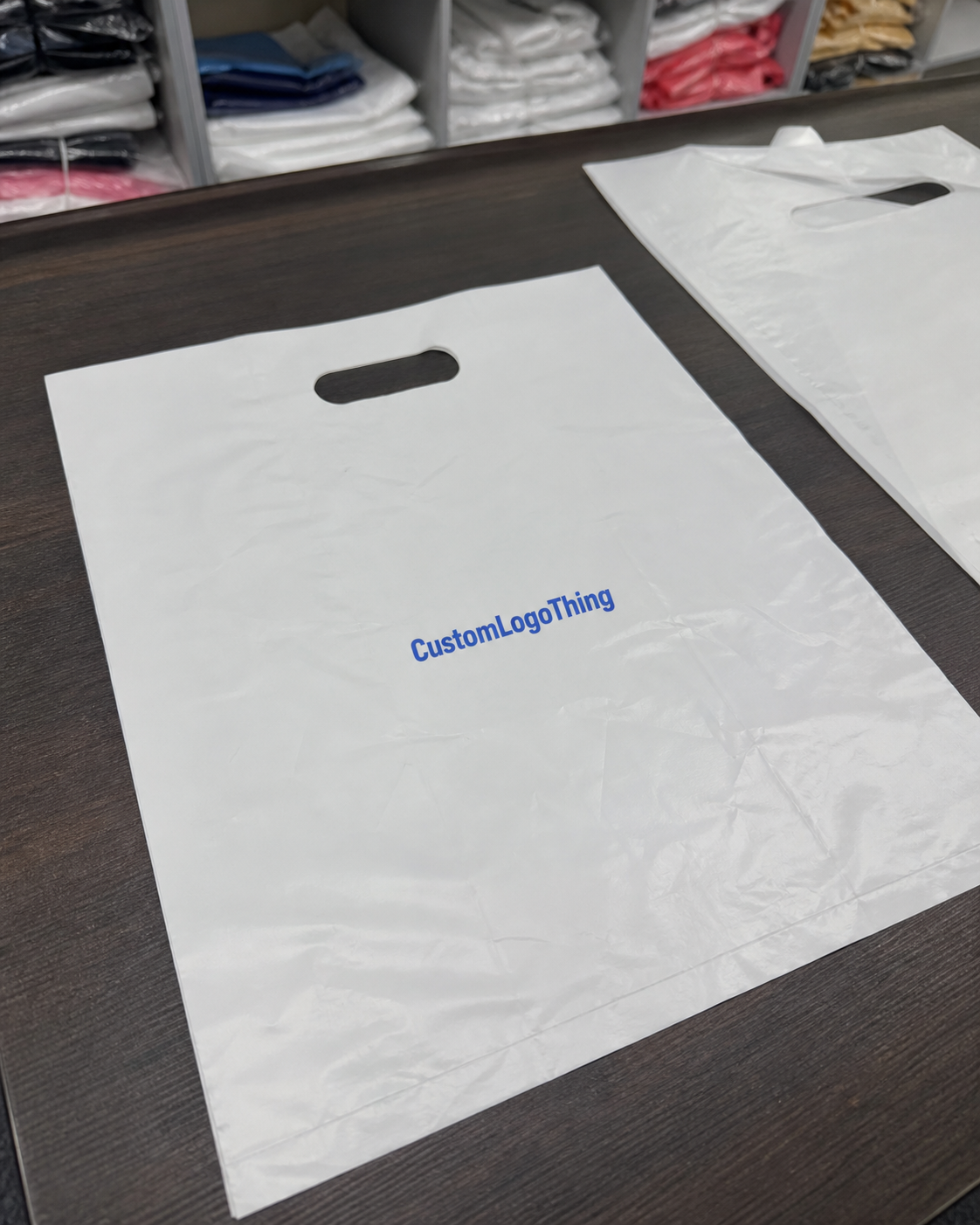
Clear resealable poly bags are flexible plastic bags made from films such as LDPE, LLDPE, PP, CPP, BOPP, PET laminations, or blended structures. Most are finished with a press-to-close zipper, bottom seal, side seals, a header area, a hang hole, or a tear notch depending on how the bag will be filled and displayed. The simple version looks like a clear pouch with a zipper. The better-specified version is a package with a known film structure, seal design, zipper profile, food-contact documentation, and a realistic shelf-life target.
Clear bags are not only about showing the coffee. They change how shoppers judge roast color, grind consistency, label quality, freshness cues, and the overall cleanliness of the pack. A beautiful light roast can look premium through a crisp, low-haze film. A dark oily roast can look less appealing if the bag starts showing smears or if the label adhesive telegraphs through the film. That is not a design problem alone; it is a material choice problem.
Clear resealable bags make the most sense for single-serve samples, portioned beans, trial packs, subscription inserts, tasting kits, event giveaways, inner bags, and short-run retail tests. They can also work for smaller retail packs when turnover is fast and the coffee has been matched to the right barrier structure. For a long ambient shelf life, especially with ground coffee, the conversation needs to get more technical than “clear bag, zipper, done.”
Whole-bean and ground coffee behave differently inside packaging. Whole beans create pressure points and can push into the side seals or corners during shipping. Ground coffee exposes far more surface area, releases aroma faster, and can dust into zipper tracks during filling. A useful clear resealable Poly Bags for Coffee brands material comparison should separate those two use cases before anyone talks about print colors, case pack, or unit price.
How Clear Poly Film, Zippers, and Seals Protect Coffee
The basic job of the bag structure is practical: hold the product, resist puncture from bean edges, keep the zipper aligned, present the coffee clearly, and provide enough oxygen and moisture resistance for the intended sales window. A 1 oz sample used within two weeks has different needs than an 8 oz retail pouch expected to sit in a warehouse, ship in a corrugated cardboard case, and spend another month near a shop window.
Monolayer poly films, such as LDPE or LLDPE, are flexible, economical, and forgiving on heat seals. They are often a good fit for samples, inner packs, and short-term use. Laminated films combine layers, often with a clear outer layer for gloss, stiffness, print quality, or barrier, and an inner PE layer for sealability and zipper attachment. PET/PE and BOPP/PE are common examples because the outer web gives presentation value while the inner web does the hard work at the seal jaw.
Zipper tracks look simple, but mechanically they ask a lot from the film. The zipper profile must be wide enough to open and reclose cleanly, the seal area above and below the zipper needs enough strength, and the opening width must suit the fill method. If a consumer has to pinch too hard, or if the film above the zipper tears after two openings, the package feels cheap even if the coffee is excellent.
Seal integrity deserves real attention. Side seals, bottom seals, and top seals must handle product weight, shipping vibration, retail handling, and repeated flexing. A 2 oz whole-bean sample may be easy. A larger bag with dense beans and a narrow bottom seal can fail faster than expected if it is tossed into a mailer or stacked under heavier items. Some brands also pair coffee samples with kraft paper inserts or cards, which can rub against the film during transit.
Coffee is sensitive to oxygen, moisture, aroma loss, and oil migration. A clear utility bag may be fine for a short promotion, but it should not be expected to perform like a foil coffee pouch with a high-barrier layer and degassing valve. If the coffee needs long ambient shelf life, gas release control, or strong aroma retention, ask for barrier data and filled-sample testing instead of choosing only by thickness.
Practical rule: choose the bag around the use window first. A clear pouch for a weekend tasting kit and a clear retail pouch for several months of distribution are not the same packaging problem.
Material Options: PE, PP, BOPP, PET, and Laminated Structures
LDPE and LLDPE are the workhorses. They are soft, flexible, cost-friendly, and generally strong at the seal. LLDPE often improves puncture resistance and toughness, which helps with whole beans that press into the film during shipping. For many coffee sample bags, a moderate-gauge PE blend can be sensible, especially if the pack is labeled rather than printed and the product turns quickly.
PP and CPP can offer a clearer, crisper hand feel than standard PE in many applications. They can look cleaner on shelf, especially for small packs where the consumer is judging the coffee visually. The tradeoff is that PP-based structures can behave differently at the seal and may not flex as softly as PE. The right answer depends on bag size, zipper type, and how the pack is handled after filling.
BOPP is known for high clarity and gloss. It can make a coffee sample look polished, especially with a well-designed pressure-sensitive label or reverse print. In zipper bags, BOPP is often part of a laminate rather than the only layer, because the package still needs a heat-sealable inner layer. A BOPP/PE structure can give a sharp retail appearance without moving into a fully opaque coffee pouch format.
PET brings stiffness, dimensional stability, and excellent print performance. A PET/PE clear laminate usually feels more premium than a basic poly bag, and it tends to hold graphics and bag shape better. PET also helps when artwork has fine type, small certification marks, or a barcode that needs dependable contrast. The inner PE layer still matters because that is where the zipper and heat seals live.
Gauge is where many buyers get tripped up. Thicker is not automatically better. A well-chosen laminate can outperform a thicker commodity film in clarity, stiffness, print appearance, and barrier behavior. Mil thickness matters, yes, but so do film recipe, resin blend, orientation, sealant layer, zipper compatibility, and the size of the filled pack. A serious clear resealable poly bags for coffee brands material comparison should look at structure first and gauge second.
| Use Case | Likely Structure | Typical Strength | Watchouts |
|---|---|---|---|
| Economy coffee samples | LDPE or LLDPE zipper bag | Low entry cost, flexible, good sealability | Lower stiffness and limited barrier for longer storage |
| Short-term subscription inserts | LLDPE blend or PP/PE | Decent clarity and toughness for small fills | Test zipper tracks for ground coffee dust |
| Premium clear retail packs | BOPP/PE or PET/PE laminate | Gloss, stiffness, stronger print presentation | Higher MOQ and more setup cost |
| Higher-barrier clear packaging | Specialty laminate with barrier coating or layer | Better aroma and moisture control | Requires closer shelf-life review and supplier data |
Brands using recycled materials, post-consumer waste, or biodegradable packaging language should be careful with claims. Flexible film regulations and recycling access vary by region, and compostable or bio-based materials do not automatically solve coffee barrier needs. For broader packaging and sustainability context, the EPA recycling resources are a useful starting point.
Key Specs to Compare Before Choosing a Coffee Bag
A good quote starts with specs, not adjectives. Buyers should compare material structure, thickness, clarity, haze level, zipper type, outside dimensions, usable fill space, seal width, bottom configuration, hang hole, venting needs, and print or label method. If you only ask for “a clear resealable bag for coffee,” you may receive a bag that looks right empty and disappoints once filled.
Oxygen and moisture barrier need plain-English treatment. Roasted coffee can stale even when a zipper looks closed because oxygen can pass through the film over time, aroma compounds can escape, and moisture changes can dull flavor. Clear films usually give less light protection than metallized or opaque pouches, so display conditions matter. A bag sitting under bright retail lighting for six weeks faces a different risk than a sample shipped directly to a subscriber.
Aroma retention and oil resistance are especially relevant for dark roasts, flavored coffees, and ground coffee. Oils can create visible marks, and strong fragrances can migrate more aggressively through basic films. If the coffee is vanilla, hazelnut, or spice flavored, ask whether the film and zipper have been considered for aroma carryover and storage. Not every case is severe, but ignoring it is how brands end up with cartons that smell like the product before the consumer opens a single bag.
Food-contact compliance should be confirmed in writing. The film, zipper, inks, coatings, and adhesives should be suitable for the intended food-contact use. For custom-printed laminates, ask how the ink is positioned. Reverse printing behind the outer film can protect graphics from scuffing and help keep inks away from the product side, but the full structure still needs documentation from the supplier.
Print choices carry cost and visual tradeoffs. Pressure-sensitive labels are flexible, fast, and practical for launch quantities. Direct surface print can look clean but may scuff depending on ink system and handling. Reverse print on laminates usually gives a more polished finish and better rub resistance, but it tends to raise setup cost and MOQ. Clear-label effects can look sharp, but only if white ink, opacity, barcode contrast, and roast-date areas are planned carefully.
For brands comparing bags alongside boxes, mailers, or retail kits, it helps to review the broader packaging set, not just the coffee bag in isolation. Custom Logo Things’ Custom Packaging Products page is a practical place to think through how flexible bags, labels, inserts, and shipping materials work together.
Always test the filled bag. Empty samples lie. Beans create pressure points, ground coffee settles into corners, and zipper tracks can collect dust during filling. A filled test should include packing, labeling, boxing, shipping, opening, reclosing, and a short observation period under typical display light.
Cost, Pricing, MOQ, and Quote Factors for Clear Resealable Bags
Pricing is driven by material structure, film gauge, bag size, zipper style, print method, order quantity, tooling, plates or cylinders, packing method, freight, and specialty features. Stock clear resealable bags with labels are usually the lowest entry point. Custom-size plain bags sit in the middle. Custom-printed laminated zipper bags carry higher setup and minimum order requirements because the converter has to run film, manage waste, set up print, and convert the finished web.
For planning purposes, small stock bags with a separate label might land around $0.08-$0.22 per unit at modest quantities, depending on size and label coverage. A custom-size plain zipper bag may fall around $0.12-$0.35 per unit once volume improves. Custom-printed laminated Clear Zipper Bags can move into the $0.25-$0.70+ range for smaller commercial runs, with lower unit costs at higher volumes but higher upfront commitments. These are broad planning ranges, not promises, because resin pricing, freight, print coverage, and bag dimensions move the number quickly.
MOQ is not arbitrary. Printed film and custom laminates usually require more material commitment than off-the-shelf bags because rolls need to be sourced or produced, the press must be set up, lamination may need cure time, and converting equipment creates startup waste. A 2-color print on a stock-size structure is a different job than a custom PET/PE laminate with full-coverage graphics and a specialty zipper.
Unit cost also needs to be compared with total landed cost. A cheaper bag can become expensive if it scuffs, leaks aroma, fails at the zipper, requires a second label, needs repacking, or causes product complaints. I would rather see a brand pay a few cents more for a structure that survives the real workflow than save money on a bag that looks tired before the coffee is tasted.
| Bag Path | Typical Entry Cost | Speed | Best Fit |
|---|---|---|---|
| Stock clear zipper bag plus label | Lowest setup, often $0.08-$0.22 per small bag before fulfillment variables | Often fastest if inventory is available | Samples, events, launch testing, short runs |
| Custom-size plain clear bag | Moderate setup and MOQ | Medium, depending on film and converting schedule | Brands needing a better fit without printed film |
| Custom-printed laminated zipper bag | Higher setup, plates or cylinders, larger material commitment | Longer due to print, lamination, converting, QC | Retail-ready presentation and repeat programs |
Prepare quote details before asking for pricing: outside dimensions, usable fill space, target fill weight, whole bean or ground format, desired shelf life, zipper type, print colors, annual volume, launch date, fulfillment method, and carton packing preference. Hidden cost areas include artwork revisions, proofing, sample freight, overrun or underrun tolerances, expedited production, special cartons, and freight class. Asking for two or three material options usually helps: a value structure, a balanced structure, and a premium presentation structure.
Production Steps, Timeline, and Lead Time Planning
The normal path is straightforward on paper: define the use case, select material, confirm dimensions, review artwork or label area, sample the structure, approve proof, produce, convert, inspect, pack, and ship. In practice, the first run always deserves a little breathing room because a bag that measures correctly flat may need a small tweak once actual coffee is filled and stacked.
Stock bags with labels can often move much faster than custom printed or laminated bags because the film, zipper format, and bag dimensions already exist. If labels are ready and inventory is on hand, a simple program may move in days rather than weeks. Custom production takes longer because of film sourcing, print setup, lamination cure time where applicable, zipper insertion, bag converting, quality checks, and scheduling around machine capacity. A realistic custom lead time may be 15-30 business days after proof approval for many programs, with more time needed for specialty materials or larger printed runs.
Filling trials are not optional for coffee. Whole beans can press into corners and seals. Dark oily roasts can mark the film. Ground coffee can dust into zipper tracks and make the closure feel gritty. If the bag will be heat sealed above the zipper, test the exact seal temperature, dwell time, and pressure with filled bags, not just empty film. A 3/8 inch seal width may be fine for one format and marginal for another.
Artwork timing matters because clear packaging changes the background behind the graphics. White ink may be needed behind logos or barcodes. Label opacity can make or break readability. Roast-date space, lot-code area, net weight, origin copy, and legal text need to sit where the consumer can read them even if the visible beans are dark or uneven. If your coffee packaging program also includes shipping components, reviewing Custom Poly Mailers can help align the inner bag with the outer transit pack.
- Send product weight, bean or grind format, and target outside dimensions.
- Request at least two material recommendations with zipper and seal details.
- Test filled samples through filling, labeling, packing, shipping, opening, and reclosing.
- Approve artwork only after checking barcode contrast and roast-date placement.
- Confirm production quantity, overrun tolerance, carton pack, and freight method.
- Set reorder points based on actual sales velocity and production lead time.
Launch calendars should be built around packaging lead time, not the reverse. Add time for first-run sampling, freight, artwork corrections, and dimension tweaks. The International Safe Transit Association is also a helpful reference point for thinking about distribution testing, especially if your coffee packs ship inside mixed kits or subscription boxes.
Common Mistakes and Next Steps Before You Order
The most common mistake is choosing the clearest or cheapest bag without matching it to freshness, zipper durability, filling method, and expected shelf life. Clear film can sell the product beautifully, but visibility does not replace barrier performance. If the coffee is expected to sit for an extended period, especially ground coffee, ask direct questions about oxygen transmission, moisture vapor transmission, and aroma retention.
Another mistake is relying only on mil thickness. I see buyers compare 2 mil, 3 mil, and 4 mil as if the number tells the whole story. It does not. A laminate with a crisp outer web and a proper sealant layer may present better, seal better, and protect better than a thicker commodity film. Film recipe and construction matter.
Sizing mistakes are just as common. Bags can be too narrow for scooping, too tall for the fill weight, too tight around whole beans, or too short above the zipper for easy opening. For small coffee samples, even 1/4 inch of extra headspace can change how easy the pack is to fill and close. For retail packs, the bottom configuration and usable fill space should be confirmed with the exact target weight, not estimated from a flat drawing.
Label and print errors show up quickly on clear bags. A barcode placed over a dark roast background may scan poorly. Transparent labels may disappear in the wrong area. A beautiful front label can still fail if there is no practical roast-date or lot-code area. FSC certified kraft paper cards, recycled paper inserts, and corrugated cardboard shipper displays can support the brand story, but they need to be coordinated with the bag so the full kit looks intentional.
Before ordering, choose the coffee format, define the sales channel, estimate shelf-life needs, collect filled product dimensions, decide between stock and custom, and request samples of at least two material structures. If your team wants examples of how packaging choices work across different product types, the Custom Logo Things Case Studies section can help frame the discussion before final specs are locked.
Run one bag through the real workflow: fill it, seal it if needed, label it, box it, ship it, open it, reclose it, and let it sit under retail light for a short observation period. That simple test catches many issues before a purchase order is placed. A clear resealable poly bags for coffee brands material comparison should end with a physical sample in hand, a filled-bag test, and a quote based on the real launch volume, not a guess made from an empty pouch.
Frequently Asked Questions
What is the best clear resealable poly bag material for coffee brands?
For short-term samples or event packs, LDPE or LLDPE can be practical and economical. For a more polished retail look, BOPP/PE or PET/PE laminations usually offer better clarity, stiffness, and print presentation. For longer shelf life, ask specifically about oxygen and moisture barrier rather than assuming any clear poly bag will protect coffee like a foil pouch.
Are clear resealable coffee bags good for whole bean and ground coffee?
They can work for both, but ground coffee generally needs more careful barrier review because it loses aroma faster. Whole beans may create more puncture and pressure points, so seal strength and film toughness matter. The best choice depends on shelf-life target, roast level, package size, and whether the bag is a primary retail pack or a short-term sample.
How thick should clear resealable poly bags be for coffee samples?
Many coffee sample bags fall in a moderate gauge range, but the right thickness depends on bag size, bean shape, fill weight, and zipper style. Do not choose by mil thickness alone; film blend, lamination, seal width, and zipper attachment can matter more than a small thickness difference. Filled sample testing is the safest way to confirm whether the bag resists puncture, looks clean, and recloses properly.
Do clear resealable poly bags need a degassing valve for coffee?
Freshly roasted coffee releases carbon dioxide, so valve needs depend on how soon after roasting the coffee is packed and how long it will sit. Small samples, rested coffee, and short-turn promotional packs may not need a valve, but larger retail packs often require a closer packaging review. If the bag swells, stresses the zipper, or distorts after filling, the roast timing or package structure may need adjustment.
What information is needed to quote clear resealable coffee bags accurately?
Provide the target fill weight, whole bean or ground format, outside bag dimensions, desired clear area, zipper preference, and expected shelf life. Include artwork plans, label method, print colors, barcode needs, roast-date area, launch quantity, reorder volume, and delivery deadline. If possible, share a filled sample or product dimensions so the supplier can recommend a material and size that fits the real coffee, not just a drawing.