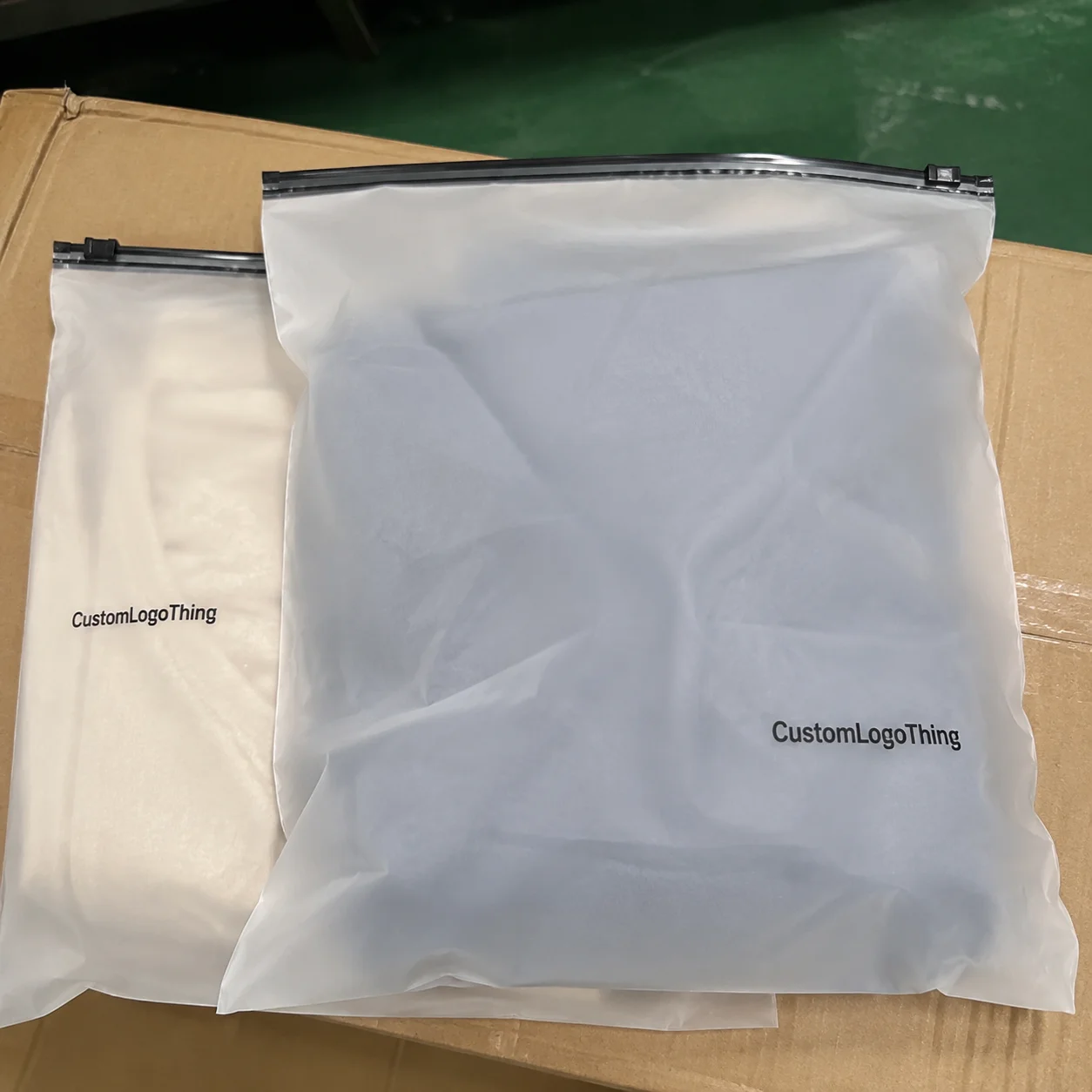
Clear Zipper Bags Lead Time and MOQ: What Buyers Need
Clear Zipper Bags usually move faster than printed packaging, but speed still depends on the spec, the inventory position, and how tightly the buyer defines the job. If you are comparing clear zipper bags Lead Time and MOQ, the real question is not just how cheap the bag is. It is whether the format can support the launch date, the fill method, and the order volume without creating avoidable revisions.
That is why clear bags stay popular for product samples, test markets, fast replenishment, and simple retail packs. The product is visible, the approval cycle is shorter, and the buyer can often skip the most time-consuming print-related steps. When the package is meant to contain, protect, and display the product rather than carry a large branding system, a plain clear zipper bag is often the most practical route.
There is also a planning advantage. A clear format makes it easier to validate size, fill appearance, and shelf fit before committing to a more complex printed structure. For teams that are still adjusting product dimensions or working through seasonal demand, that flexibility has real value. It reduces the chance of sitting on the wrong spec because the first round of packaging was treated as final too early.
Why Clear Zipper Bags Speed Up Small-Batch Packaging
The biggest reason Clear Zipper Bags move quickly is simple: there is less to approve. No artwork layout. No color matching. No plates or print proof cycles. That removes several points where a job can pause while someone reviews a file, changes a logo, or asks for one more revision.
For buyers, that often translates into a cleaner sourcing process. A standard clear bag with a known zipper style and a stable size can be quoted, scheduled, and produced with fewer handoffs than a decorated pouch. If the supplier already runs the material and conversion pattern, the order may only need a short confirmation before it enters the queue.
Visibility is not just a merchandising benefit. Warehouse teams can verify contents faster, receiving staff can catch damaged product sooner, and fulfillment lines can sort units without opening every pack. That kind of operational clarity matters when labor is tight or the item is moving in high mix, low volume runs.
Clear bags are especially useful for starter programs, market tests, and urgent replenishment when the product itself is the main selling point. If the item already has strong shape, color, or texture, a transparent bag lets that work do the heavy lifting. Later, if the program earns a broader launch, the team can decide whether a printed bag is worth the added cost and time.
There is a practical buyer habit worth keeping in mind. Many packaging teams use clear pouches as an in-between stage: product approved, packaging still flexible. That approach keeps the order moving while the brand finalizes graphics, promotional copy, or retail rules. It is a sensible way to avoid overcommitting before the product and channel are settled.
For a general packaging reference on materials and terminology, the [Packaging Industry resource library](https://www.packaging.org/) is a useful starting point. It will not replace supplier confirmation, but it helps keep the conversation grounded in standard industry language.
“If the product looks correct through the film and the spec is stable, a plain clear bag usually gets you to market with less friction than a custom print program.”
Clear Zipper Bags Lead Time and MOQ Basics
Clear zipper bags lead time and MOQ are linked more tightly than many buyers expect. Lead time is not only the time spent converting film into bags. It also includes material sourcing, slotting the job into production, sealing, inspection, packing, and the freight window needed to move the cartons out of the plant.
MOQ is the minimum order quantity the supplier will accept for a given build. A stock clear bag often carries a lower MOQ because the dimensions and cutting pattern already exist. Once the buyer asks for a custom size, a different zipper style, or a modified seal structure, the MOQ usually rises because setup time and starting waste are spread across fewer pieces.
That is the basic economics of conversion work. A small run can be accepted, but the per-unit cost rises because the supplier still needs to pay for changeover, quality checks, packing labor, and material handling. Rush jobs also carry a premium because they interrupt an existing schedule.
For plain stock clear bags, a practical lead time often falls around 5 to 10 business days after confirmation, assuming the size and film are already available. Custom dimensions or specialty closures often move into the 10 to 18 business day range. Printed programs usually take longer once proofing, approval, and any plate or prepress steps are included. Those are working ranges, not guarantees; actual timing depends on inventory, complexity, and freight planning.
It helps to separate production time from transit time. Buyers sometimes miss a launch window because they budget only for the factory run and forget customs clearance, domestic transfer, or warehouse receiving. If the shipment has to land on a fixed retail date, ask for both numbers at the quote stage.
When a shipment will be handled through a distribution center or moved across multiple legs, packaging validation matters too. Distribution testing can reveal whether the bag and outer pack are likely to survive the trip. ISTA publishes widely used methods that many packaging teams reference when they need a common test framework: [ISTA](https://ista.org).
One more point worth stating plainly: if the spec is not locked, the timeline is not real. A quote can look solid on paper and still fall apart if the buyer changes the bag size, zipper type, or label requirement after approval. In practice, the fastest jobs are usually the ones with the fewest open questions.
Materials, Sizes, and Closure Options That Shape the Build
Most clear zipper bags are built from LDPE, CPP, or a laminated structure, and each one brings a different balance of clarity, stiffness, and cost. LDPE is common for flexible, forgiving bags that need good seal behavior and easy handling. CPP usually has a cleaner, crisper feel with stronger gloss. Laminated film can add performance or a more finished appearance, but it almost always pushes price and lead time upward.
Film thickness has just as much influence as resin type. A 2 to 3 mil bag is often enough for samples, accessories, and light components. A 4 to 6 mil structure feels more substantial, holds shape better on shelf, and tends to tolerate repeated opening and closing with less distortion. If puncture resistance matters, the thicker gauge is usually easier to defend even if it adds a little cost.
Size should be driven by the product, not by a rough estimate. A bag that is too tight can stress the zipper and make filling awkward. A bag that is too large wastes film and creates a loose, underfilled look. Gussets help when volume is the problem, while seal geometry affects flatness and stackability. If the bag will hang on a display, a euro hole or punch hole should be confirmed early because it changes the conversion step.
The closure choice also changes the build. Standard press-to-close zippers are the most economical. Slider zippers improve convenience, but they generally raise cost and can push the MOQ higher. Child-resistant closures, double-track zippers, tear notches, and tamper-evident features all add complexity. None of those options is impossible, but each one needs to be reflected in the quote so the buyer is not comparing mismatched products.
Before approving the spec, buyers should be clear about the use case:
- Does the bag need barrier performance, or is it mainly for containment and display?
- Will the product sit in dry storage, warm storage, or refrigerated conditions?
- Does the bag need to support food contact, retail presentation, or both?
If the order involves food, supplements, or direct consumer contact, the supplier should be able to explain the intended material use clearly and without hand-waving. If the program is tied to recycled content, disposal claims, or sustainability language, the EPA’s consumer recycling guidance is a practical reference point: [EPA recycling information](https://www.epa.gov/recycle).
Pricing Drivers, MOQ Tiers, and Unit Cost Breakpoints
The quote for clear zipper bags is shaped by a short list of variables: finished dimensions, film gauge, zipper type, seal design, any printing or labeling, and the way the bags are packed for shipment. Even a small spec change can move price more than a buyer expects, especially at lower quantities where setup charges are spread across fewer units.
For stock clear bags, the best unit price usually appears when the order matches an existing conversion pattern. Once the build becomes custom, the economics change. A new size may require tooling or a different cutting layout. A specialty zipper can add sourcing complexity. If the order is printed, the buyer may see extra charges for prepress, plates, proofing, or artwork handling.
Quantity has a strong effect on unit cost. A run of 1,000 pieces often carries a very different price structure from 10,000 or 25,000 because the fixed costs do not scale linearly. Still, volume is not free. Ordering too much too early can create storage issues if the product is still changing or demand is not proven.
Buyers often compare options like this:
| Option | Typical MOQ | Typical Lead Time | Relative Unit Cost | Best Use Case |
|---|---|---|---|---|
| Stock clear zipper bag | 500 to 1,000 units | 5 to 10 business days | Lowest | Samples, fast replenishment, test markets |
| Custom size, plain clear | 3,000 to 5,000 units | 10 to 18 business days | Moderate | Stable SKU, better fit, unprinted branded look |
| Printed clear zipper bag | 5,000 to 10,000 units | 15 to 25 business days | Highest at low volume | Retail branding, long-running programs, shelf differentiation |
Those ranges are directional. A supplier with inventory in hand can beat them. A specialty zipper, food-contact requirement, or complex pack-out can move them the other way. That is why the quote has to separate material cost, setup charges, and any special handling. If one supplier includes freight and another does not, the comparison is not useful.
A clean quote should state the MOQ, lead time, material spec, zipper style, bag size, and whether tooling or print setup applies. Without those details, the lowest number can be misleading. Buyers often discover the real cost only after they ask for cartons, labeling, or delivery to a specific warehouse.
Production Process and Timeline From Quote to Shipment
A sensible order starts with a specification review. The supplier needs the finished width and length, thickness, zipper style, gusset if there is one, seal type, pack count per carton, and artwork status if printing is involved. If those pieces are unclear, the order can still be quoted, but the schedule will be fragile.
Once the quote is approved, material reservation comes next. Standard film that is already available is the fastest path. Nonstandard gauge or a specialty laminate can slow the job because the Right Roll Stock has to be allocated or produced. This is one reason clear zipper bags lead time and MOQ should be discussed together. The material choice affects both.
After materials are secured, conversion begins. The film is cut, sealed, and fitted with the zipper component or closure system. A careful plant checks alignment, seal strength, zipper function, and dimensional consistency before cartons are closed. Good inspection also catches pinholes, contamination in the seal area, and other defects that are easy to overlook until the product is already packed.
Common delays are usually simple. Missing dimensions. Slow approval of artwork or product samples. A late change to the zipper style. An unclear shipping date that leaves no room to book freight. Most schedule problems are not mysterious factory issues; they are specification or approval issues that were never settled early enough.
For recurring programs, the best safeguard is to lock one version of the spec and keep changes out of the production window. That sounds basic, but it is the difference between a controlled reorder and a job that keeps bouncing between versions. Once the bag format is proven, a clear spec sheet saves time every time the order comes back.
Transportation planning matters as well. Carton count, pallet size, outer pack strength, and warehouse handling should all be reviewed before release if the order is moving by ocean, mixed freight, or a multi-stop domestic route. If the product needs to survive a drop or vibration environment, ask whether the supplier has an internal test method or can align with a known distribution standard.
What Buyers Should Expect From a Reliable Supplier
A reliable supplier does not guess. It asks for the facts before it quotes. That means confirming the bag dimensions, zipper style, intended product, storage environment, and any food-contact or retail requirements before promising a price or a ship date. If those basics are missing, the quote may look attractive and still fail in production.
The best suppliers are direct about constraints. If the MOQ has to be higher than expected, they say so. If the lead time depends on a material that is not in stock, they say that too. Buyers are usually working against launch dates, seasonal windows, and purchase order deadlines, so vague answers create more risk than they remove.
Sampling and reorders deserve the same attention as first-time production. A supplier should explain whether a sample is a fit check, a preproduction sample, or a reference sample, and whether it affects the schedule. For a repeat program, it should also be clear how the prior spec is reopened, what version is considered current, and whether any older artwork needs to be retired.
There are a few signs that separate a dependable packaging partner from one that is simply fast to quote:
- It separates base price, setup charges, and freight instead of folding everything into one number.
- It confirms size, film, zipper, and pack-out details before production starts.
- It warns early if MOQ or lead time needs to change.
- It gives status updates that reflect the actual production stage.
Good packaging is managed, not guessed. That is especially true for clear zipper bags. The format looks simple, but the real risk sits in the details: the film gauge, the seal integrity, the zipper function, and the timing of every approval.
Next Steps to Get a Clean Quote and Faster Release
To get a clean quote, send the basics first: finished size, film preference, zipper style, quantity, print needs, and target delivery date. That gives the supplier enough information to price the job without guessing and helps keep the lead time honest from the start.
If you already have artwork, include it. If the product is currently packed in another bag, include the dimensions and photos. If the bags are for food, retail display, industrial parts, or sample distribution, say so clearly. The more the supplier understands the end use, the less likely the order is to wander into revisions later.
A strong request for quote should also cover:
- Whether the order is a one-time launch or a recurring replenishment program.
- Whether the bag must meet a food-safe or retail-facing requirement.
- Whether barcode, label, or carton marking instructions apply.
- Whether the date is driven by shelf launch, warehouse intake, or customer delivery.
Before release, confirm four items in writing: lead time, MOQ, unit cost, and assumptions. If there are setup fees, tooling costs, or special packing requirements, ask for them as separate lines. That is the easiest way to see the true cost per piece and avoid a surprise later.
For many programs, the cleanest path is to start with a stock size, validate the fit and handling, then move to custom dimensions only if the business case holds up. That sequence usually keeps risk lower while preserving margin. It also makes the next reorder easier to manage, which is where a well-run clear bag program often starts paying back the most.
What affects clear zipper bags lead time and MOQ the most?
Bag size, film availability, zipper style, and whether the order is plain or printed have the biggest effect. Custom dimensions and special features usually raise the MOQ and extend the schedule because they require more setup. Freight timing and approval delays can matter almost as much as the production run itself.
Can I lower the MOQ for clear zipper bags with a stock size?
Yes. Stock sizes usually offer the lowest entry point because they reduce conversion setup and material waste. Plain clear bags are often easier to buy in smaller runs than custom-sized or printed versions. If the target size is flexible, ask whether a standard bag can be used with minor dimensional adjustment.
How does printing change pricing and lead time for clear zipper bags?
Printing adds proofing, setup, and often plate charges, which increases both cost and schedule. More colors, larger coverage, and tighter registration needs usually raise the unit price further. If timing matters most, a plain clear bag or a minimal print layout is usually the faster choice.
What should I approve before production starts?
Confirm the exact size, film thickness, zipper type, intended use, artwork placement if any, carton pack count, and shipping terms. Make sure the supplier has written confirmation of MOQ, lead time, and any assumptions behind the quote. A clear approval set prevents most production disputes.
When should I reorder clear zipper bags to avoid a stockout?
Reorder early enough to cover production, inspection, and freight, not just the factory run. Keep a buffer for seasonal congestion, customs, and any small spec changes that might come up. For recurring programs, base the reorder point on actual monthly usage and the supplier’s stated timeline.
For buyers who want a stable supply plan, the practical approach is straightforward: lock the spec early, ask for a quote that shows the assumptions, and plan the reorder before the shelf runs dry. That is the easiest way to keep clear zipper bags lead time and moq under control without paying for avoidable rush work, excess setup, or late changes.