For a home fragrance brand, a home fragrance Woven Label Beanies unit cost review is less about hunting the cheapest knit and more about choosing a spec that looks retail-ready the moment it lands in a gift set, seasonal sampler pack, or point-of-sale display. A woven label can lift perceived value faster than extra yarn weight or loud decoration. The trick is simple: pay for the details customers actually see, and stop paying for the ones they do not.
That matters because beanies in fragrance launches are rarely standalone fashion items. They sit beside candles, room sprays, diffusers, gift boxes, and holiday bundles. The beanie has to feel intentional, the logo has to read clearly, and the order has to fit the launch calendar without creating a mess in the pricing. If the spec is loose, the quote gets loose too.
Home Fragrance Woven Label Beanies Unit Cost Review: where the real savings start
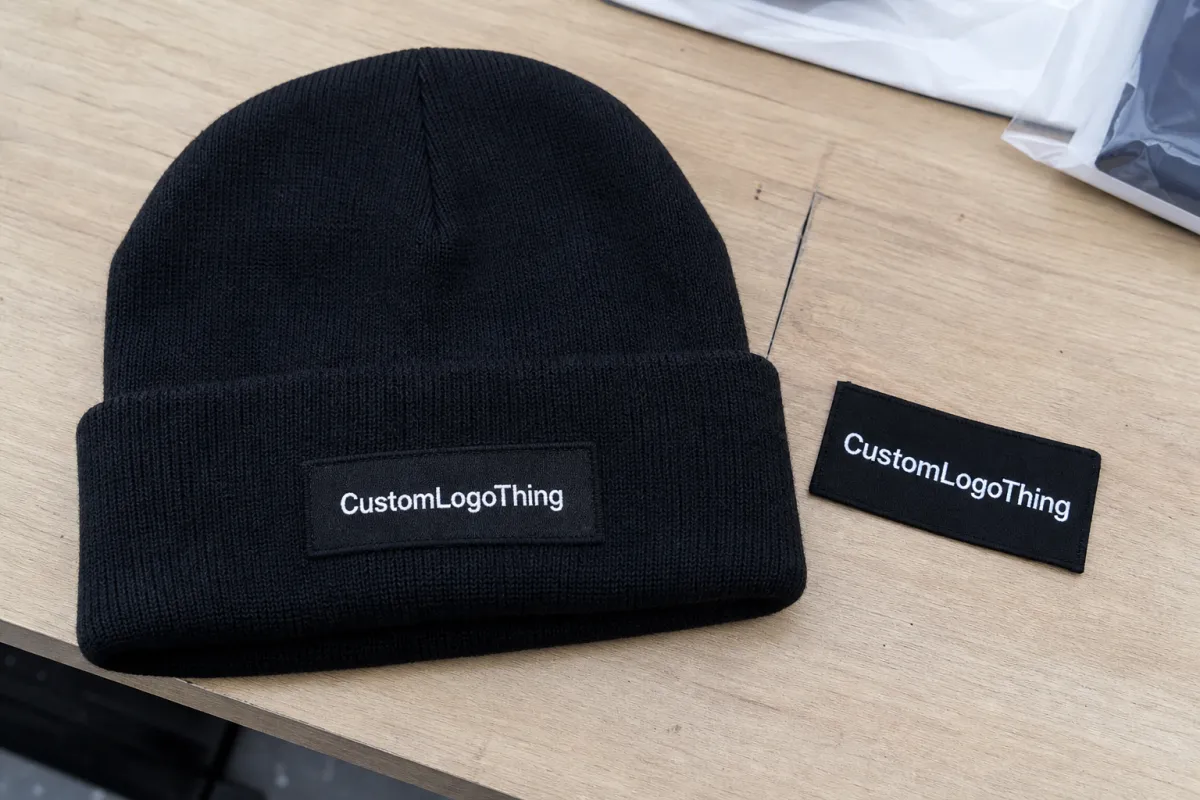
The first savings come from clarity. Lock the knit structure, label size, color count, and packing method before asking for final numbers, and the quote usually tightens up fast. Factories price uncertainty. Give them guesses and they build in a cushion. Give them a complete brief and the number gets more honest.
For branded beanies tied to a home fragrance launch, buyers usually sit in one of three lanes: a trade-show sampler, a seasonal retail gift set, or a counter add-on meant to carry the brand story in a small space. In each case, a woven label tends to do more work than a printed patch because it keeps the face clean and the branding readable without making the product look overdesigned. That matters more than people admit.
Price moves quickly when the order stays stable. A late change in label width, a new thread color, or a different fold requirement can create new setup charges, extra sample rounds, or repacking labor. The cheapest quote on paper can become the most expensive order if the spec keeps drifting.
Typical pricing for a simple acrylic beanie with one woven label often starts around $2.20-$3.60 per piece at lower runs and can drop to $1.15-$1.85 per piece at higher quantities, depending on knit density, label complexity, and packaging. Those are practical ranges, not promises. They are still useful because they stop a buyer from walking into the first quote with unrealistic expectations.
"A clean woven label usually sells the brand better than extra decoration. If the garment feels deliberate, the whole gift set feels more expensive, even when the fabric cost stays controlled."
The buying logic behind a good home fragrance woven label beanies unit cost review is not subtle. Spend where the customer sees it. Trim where the customer does not. Keep the spec steady long enough for the price to settle into something usable.
Beanie construction details that change hand feel and shelf appeal
Rib knit, cuff height, crown shaping, and stretch recovery all change how a beanie behaves on the shelf and on the head. A tighter rib usually gives better structure and helps the woven label sit flat. A looser knit can feel softer, but it may also look less controlled under retail lighting. Those differences show up fast in a carton, even faster on a display hook.
For home fragrance promotions, the beanie is often judged in the same glance as the outer box or bottle label. That means the hand feel should support the brand story instead of fighting it. A smoother gauge can look polished. A dense rib knit can hold its shape better during shipping and display. There is no universal winner. There is only the right match for the product mix and the packaging program.
Woven label placement matters more than buyers expect. Front cuff placement gives the clearest brand read and usually the strongest visibility in retail photos. Side placement is quieter and can feel more premium, but it has to be planned carefully so the logo does not disappear once the beanie is folded. Front placement often needs more attention during sewing and alignment, though that extra care is usually worth it when the label is the main branding element.
Fit is another practical point. Adult unisex beanies are often sold as one size, but crown depth and cuff proportion still need to feel deliberate. Too loose and the beanie reads generic. Too tight and it stops feeling like a giftable accessory. The strongest sample is the one that looks correct folded in a carton and on a head form. If it only works in one of those states, it is not finished yet.
Details like yarn ply, rib gauge, and cuff depth do not sound glamorous, but they affect retail perception and return rates. If the beanie collapses too much after unpacking, it looks inexpensive. If the crown stands too tall or the cuff twists, the product looks off. That is the difference between a decent promo item and something a buyer can actually place beside a fragrance line with confidence.
For teams comparing labels, trims, and finish options, reviewing woven trim choices on the Custom Labels & Tags page can help align the garment spec before asking for a quote. That small check often saves a round of corrections later.
Material specs and decoration rules to lock before quoting
The fastest way to protect cost per piece is to approve the exact spec before asking for final numbers. That means shell composition, cuff style, label dimensions, weave density, color count, and whether the artwork is one-sided or two-sided. If those details move after quoting, the price usually moves with them. Sometimes the lead time does too.
Most beanie programs for fragrance launches use acrylic or an acrylic blend because it balances softness, warmth, and cost control. If the goal is a more elevated retail feel, a wool blend or heavier gauge may be worth the added cost. The buyer should expect that choice to affect not just price, but also hand feel, label behavior, and occasionally lead time. Natural fibers can look richer, but they can also be less forgiving in production and packaging.
Color matching can help a lot, but it needs realistic expectations. Yarn dye lots, label thread limitations, and loom-based weave constraints do not behave like a digital print file. Pantone references are useful. Physical approval is better. If color matters to the brand presentation, a strike-off or sample review is worth the extra step.
Packaging changes the bill faster than people think. Care labels, hang tags, individual polybags, tissue wrap, folded presentation, or barcode stickers each add work to the packing line. For gift sets, a clean fold and a consistent insert can matter more than one more decoration on the garment itself. Buyers often want everything to feel premium, but premium is usually a consequence of discipline, not decoration count.
When the label is part of a broader brand system, keep the decoration language consistent across products. A woven label on the beanie should feel related to the carton, insert card, and outer sleeve. If the accessory looks like it came from a different launch, the whole set feels weaker. That mismatch is easy to miss in a mockup and hard to excuse once the product is packed.
Here is the short version of what should be locked before quoting:
- Shell composition: acrylic, acrylic-blend, wool blend, or another defined knit
- Label spec: dimensions, weave density, fold style, and placement
- Brand colors: Pantone reference, thread color, and acceptable tolerance
- Packaging method: loose pack, folded pack, polybag, or retail-ready finish
- Artwork format: final vector file, no placeholder text, no missing approvals
The more complete the brief, the fewer surprises in setup, sampling, and packaging. That is not a marketing line. It is how production math works.
For compliance-sensitive programs, transit testing can also matter. If the beanies ship with rigid inserts, display cartons, or fragile fragrance components in the same case pack, packaging teams may want to reference transit test standards from ISTA so the shipment is validated for the route it will actually take.
Unit cost, pricing, and MOQ levers that move the final quote
Quantity is usually the biggest driver of price because setup is spread across more units. A run of 300 pieces can feel expensive on a per-piece basis, while 1,000 or 3,000 pieces can unlock much better pricing if the design stays fixed. That said, the lowest MOQ is not always the smartest order size if sell-through is uncertain or if the launch is still being tested.
Buyers sometimes compare quotes without separating unit cost from landed cost. That creates confusion because freight, duties, domestic delivery, and local handling can add a meaningful amount to the final bill. A quote that looks lower on paper may be higher once the boxes arrive at the warehouse. The number on the screen is not the number that matters.
Setup charges and sample fees deserve attention too. Woven labels usually require artwork review, weaving setup, and in some cases a strike-off or pre-production sample. Those charges may be small next to a bulk run, but they matter when you are comparing suppliers or calculating margin on a seasonal item. Small programs feel those charges harder because there is less volume to absorb them.
| Order style | Typical unit cost | Best use | Cost drivers |
|---|---|---|---|
| Basic acrylic beanie, single woven label | $2.20-$3.60 | Sampler packs and entry-level retail add-ons | Standard knit, one label, simple packing |
| Heavier rib knit, refined woven label, folded presentation | $2.80-$4.80 | Gift sets and premium shelf display | Tighter knit, better finishing, more packing labor |
| Higher-volume run with reduced color count | $1.15-$2.10 | Large retail programs and repeat launches | More quantity, fewer revisions, less setup spread per piece |
Notice what is missing from that table: promises. A serious quote should show what is included and what is not. If a supplier will not separate sample cost, setup, freight, and bulk production, the comparison is not clear enough for a buyer to act on. That kind of vague pricing usually comes back as a problem later.
Minimum order quantities also shape the decision. A low MOQ helps when a collection is new or seasonal demand is uncertain. A higher MOQ can make more sense when the accessory is part of a repeated holiday set or a year-round promotion. The right answer depends on sell-through, storage space, and whether the beanie is a main item or a support piece inside a larger bundle.
For some programs, color count is the quiet cost driver. A label with too many thread colors can push the weave setup upward and make matching harder. The same is true for a knit pattern that tries to do too much in one piece. Clean, restrained graphics usually print less well on paper, but they often weave better in the real world.
That is the practical side of pricing: the best quote is not simply the lowest line item. It is the one that matches the expected sell-through, the carton count, and the reality of the supply chain.
Production steps, proofing, and turnaround expectations
The production path is usually straightforward, but every stage has a reason. Artwork intake comes first, then digital mockup, then strike-off or sample approval if needed, then bulk knit, label attachment, inspection, and packing. If one step is rushed or skipped, the rest of the schedule often gets harder to control. The problem may not show immediately. It usually shows during packing or final inspection.
The slowest part is often approval, not knitting. A factory can usually move efficiently once the spec is fixed, but color matching, label placement, and fold presentation may need another round if the buyer wants to refine the mockup. That is normal. It is also why realistic lead times should always include time for sign-off rather than pretending the first proof will be perfect.
For many beanie programs, 12-15 business days after final approval is a useful planning target for a standard run. More complex orders or larger quantities can need longer. If the order includes special packaging, mixed sizes, or a custom folded presentation, the schedule can stretch again. Buyers tend to forget that packing work is still production work.
Proof review should focus on the details that affect retail appearance:
- Logo scale: is the woven mark readable at shelf distance?
- Label contrast: does the brand stand out from the knit?
- Stitch direction: does the construction hold the cuff cleanly?
- Fold appearance: does the beanie still look deliberate in pack?
- Carton count: are the pieces packed to the right quantity for the launch?
One decision owner can save a surprising amount of time. When three people are making artwork calls in separate email threads, the project tends to drift. When one person signs off on the sample and the packing spec, the slot holds better and the ship date becomes easier to trust. Production likes decisive answers. So does the schedule.
For sustainability-minded gift programs, paper inserts, hang tags, or outer cards may need to align with FSC expectations. If that matters to your packaging program, the certification language on FSC is worth reviewing before you order printed extras.
Turnaround improves when the buyer treats approval as part of the order, not an afterthought. That is the simplest way to keep a woven-label beanie program moving without avoidable delays.
How branded beanie orders stay on spec and on schedule
Reliable production starts with clear communication, but it does not end there. A supplier should be able to explain tradeoffs before the order is placed: what happens if you reduce the label size, how color count changes the price, whether a fold style adds labor, and where the real risks sit in the timeline. If the answer is vague, the order will probably become vague later.
Quality control should be visible, not implied. For beanies, that usually means checking label alignment, stitch consistency, seam strength, fold accuracy, and pack count before cartons leave the floor. If any of those checks are weak, the order may still ship on time, but the buyer ends up doing the inspection work after delivery. That is a bad trade.
The cheapest quote is not always the cheapest order. A slightly cleaner initial number can turn into rework, resampling, or replacement units if the supplier cannot hold the spec. A more disciplined quote, even if it looks a little higher, often protects margin better because the final product actually matches the approved sample. Buyers who have been burned before usually learn that lesson once.
That matters in home fragrance because the customer reads the beanie as part of the brand experience. The jar, the carton, the insert card, and the garment all speak at the same time. If one piece looks careless, the whole set feels less valuable. That is not a theory. It is how retail presentation works.
When buyers compare packaging-grade finishing, I usually suggest asking for the label options, the fold method, and the carton plan in the same conversation. That is where the line between a promotional item and a retail-ready accessory becomes clear. If the supplier cannot describe those pieces without hedging, the quote is not ready yet.
Good ordering habits save money:
- Approve the final artwork before asking for bulk production numbers
- Confirm label placement and size on the first proof
- Ask for separate sample, setup, and freight lines
- Match the carton count to the real launch quantity
- Keep one person responsible for the final sign-off
That is the standard to aim for on any branded garment order: a clean spec, clear proofing, and predictable packing so the buyer knows what is arriving and when.
How to request a quote that gets usable numbers fast
If you want a useful quote, send the supplier everything they need in one pass. Artwork, target quantity, label size, preferred placement, color references, and packaging goals should all be in the first message. That keeps the answer grounded in reality instead of giving you a number built on guesswork. It also reduces the back-and-forth that slows down seasonal programs.
Ask for a line-by-line breakdown of cost per piece, setup fees, sample cost, and freight. If the supplier can separate those numbers cleanly, comparison shopping becomes much easier and you can see where one offer is actually stronger than another. The breakdown also exposes hidden assumptions before they become invoice surprises.
It helps to give the supplier the dates that matter. Tell them the expected approval date, the first production run date, and the in-hand date you need. Those three points anchor the schedule and make the lead time conversation more accurate. Without them, every estimate is just a soft guess.
Here is the practical quote checklist I recommend:
- Final logo file in vector format
- Target quantity and acceptable MOQ
- Label size, placement, and weave style
- Color references for both knit and trim
- Packaging method and carton count
- Desired approval date and delivery window
If your brand uses coordinated tags, keep the accessory spec aligned with the garment spec and review the woven label plan through Custom Labels & Tags before you lock the order. That small step often prevents mismatched finishing later, and mismatched finishing is one of those problems that becomes obvious only after the product is packed.
Use this home fragrance woven label beanies Unit Cost Review as a comparison tool, not a shopping slogan. Compare like for like, keep the spec tight, and approve the version that matches the retail goal, the budget, and the launch schedule.
What affects home fragrance woven label beanies unit cost the most?
Order quantity usually has the biggest impact because setup gets spread across more pieces. Label complexity, color count, knit density, and packaging style can raise the per-piece price, and freight plus sample or revision fees should always be included when you compare quotes.
What details should I send for a woven label beanie quote?
Send artwork, logo size, label placement, target color references, estimated quantity, preferred packaging, and any retail presentation requirements. If the beanie needs to match a home fragrance line, include the packaging colors too so the quote reflects the actual brand system.
How long does production usually take after approval?
Timeline depends on approval speed, material availability, and order size. Proofing and sample approval often take longer than the bulk knit itself, so a clear spec and fast sign-off are still the best ways to protect the schedule.
Is there a typical MOQ for custom woven label beanies?
MOQ varies by factory, decoration method, and yarn choice. Lower quantities are possible, but the unit cost usually rises as the run gets smaller, so it is smarter to ask for a quote at your real target quantity instead of guessing.
Can I match my home fragrance brand colors on beanies?
Yes, but color matching depends on the yarn and label materials selected. Pantone references help, but the final result still needs approval on a physical sample or strike-off, and that is why a home fragrance woven label beanies Unit Cost Review should leave room for one proofing round when color accuracy matters.


