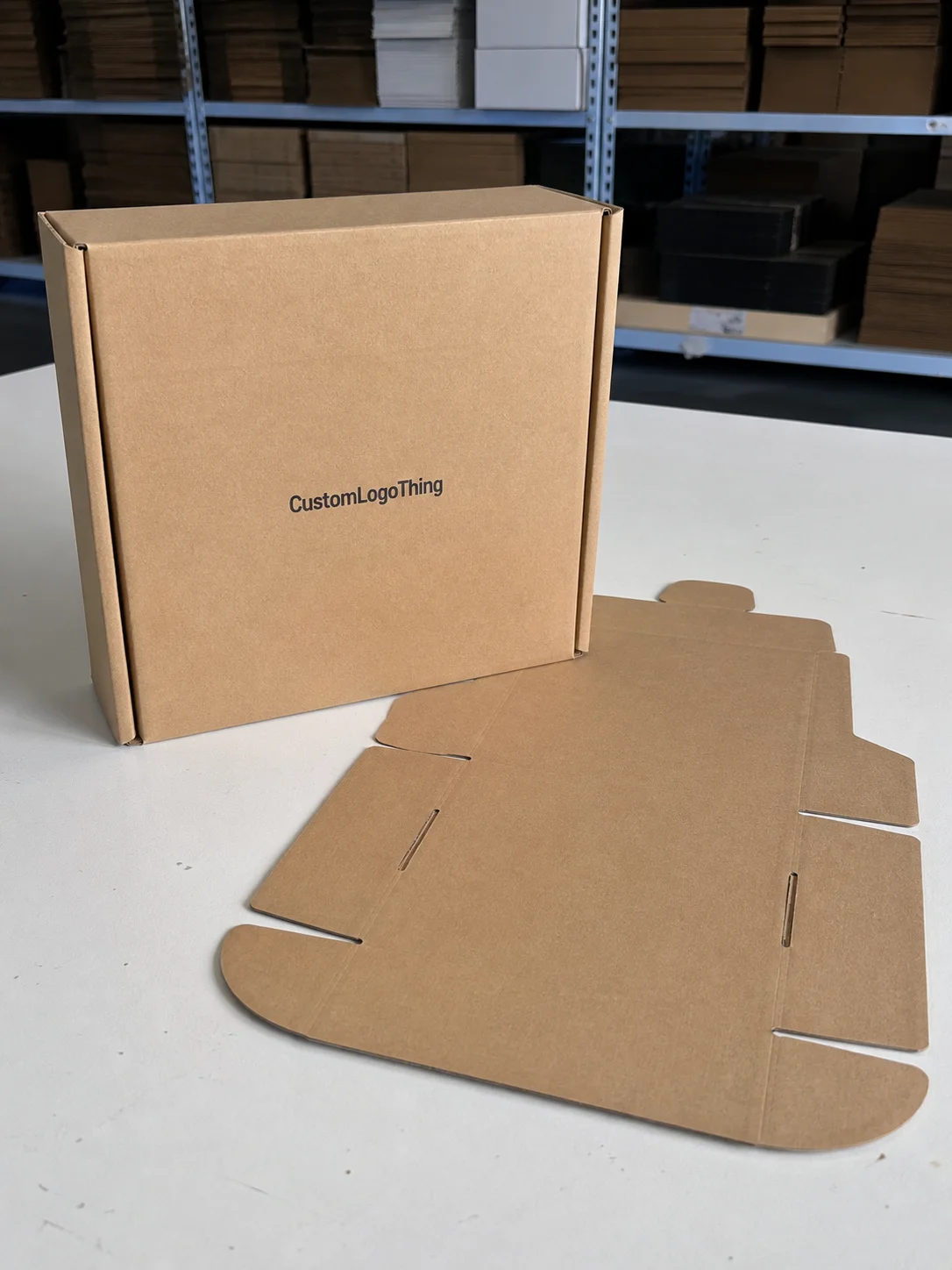
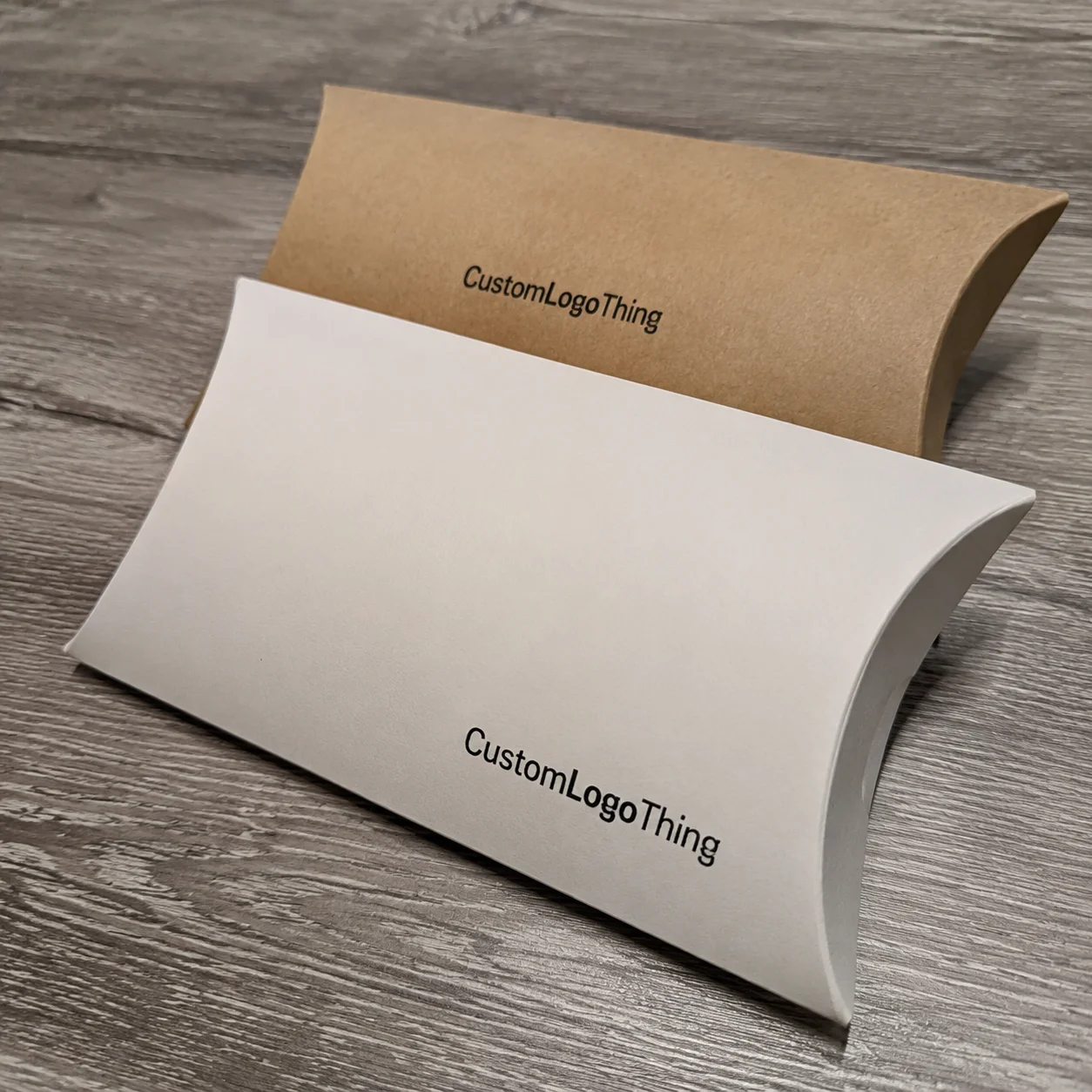
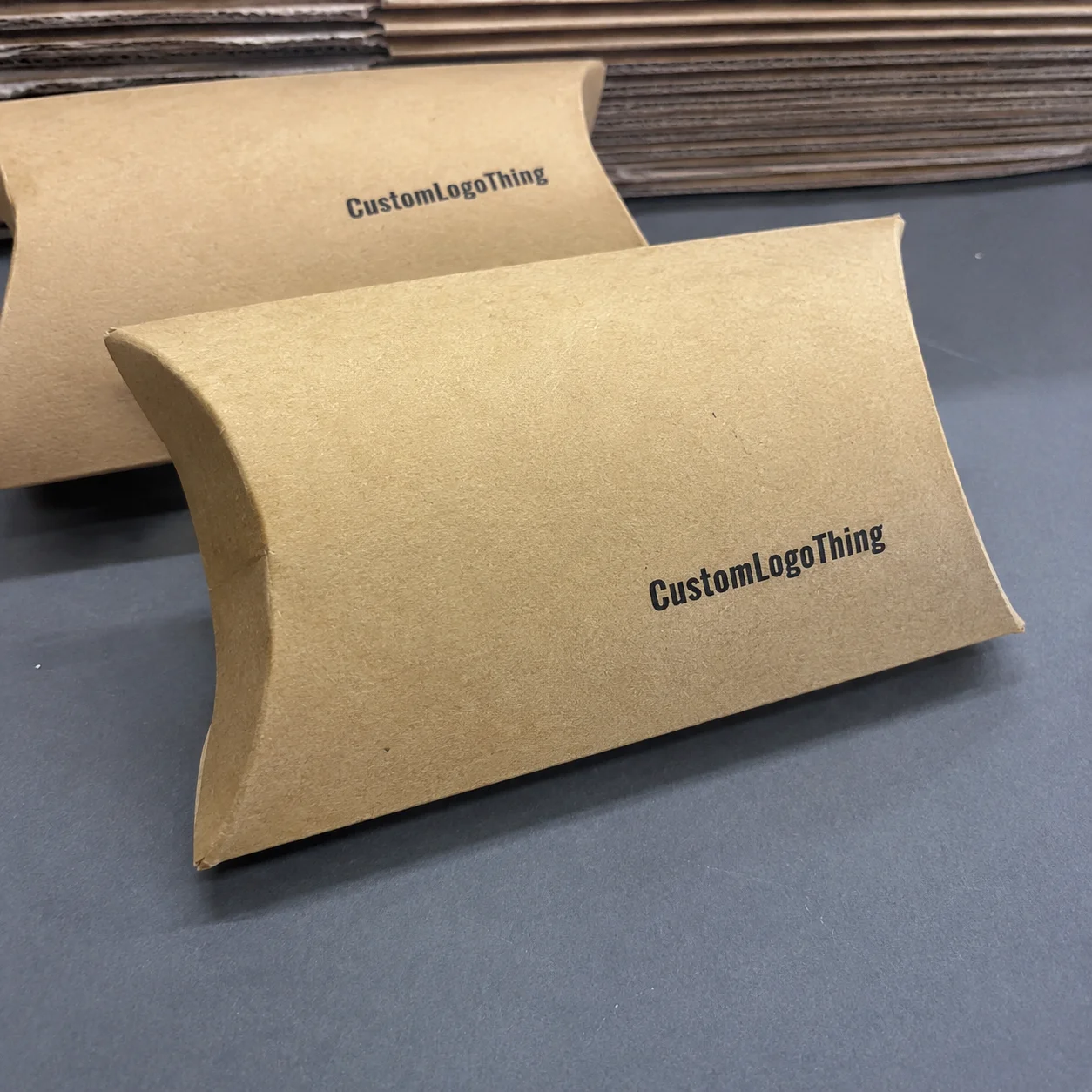
Buyer Fit Snapshot
| Best fit | compare kraft boxes vs corrugated for packaging buyers comparing material specs, print proof, MOQ, unit cost, freight, and repeat-order risk where brand print, material, artwork control, and repeat-order consistency matter. |
|---|---|
| Quote inputs | Share finished size, material target, print colors, finish, packing count, annual reorder estimate, and delivery region. |
| Proofing check | Approve dieline scale, logo placement, barcode or warning zones, color tolerance, and any recyclable or compostable wording before bulk production. |
| Main risk | Vague material claims, crowded artwork, or missing packing details can create delays even when the unit price looks attractive. |
Fast answer: Compare Kraft Boxes vs Corrugated: Real Supply Insights should be specified like a repeatable production item. The safest quote includes material, print method, finish, artwork proof, carton packing, and reorder notes in one written spec.
What to confirm before approving the packaging proof
Check the product dimensions against the actual filled item, not only the sales mockup. Ask for tolerance on folds, seals, hang holes, label areas, and retail display edges. If the package carries a logo, QR code, warning copy, or legal claim, reserve that space before decorative graphics fill the panel.
How to compare quotes without losing quality
Compare board or film grade, print process, finish, sampling route, tooling charges, carton quantity, and freight assumptions side by side. A lower quote is only useful if the supplier can repeat the same color, closure quality, and packing count on the next order.
Quick Answer: Compare Kraft Boxes vs Corrugated
During a WestRock Memphis tour with two retail buyers who refused to sit still, I promised a straight-up Compare Kraft Boxes vs corrugated after watching a 2,400-pound pallet of E-flute gobble a forklift bite from a 22-inch lift without cracking and still deliver perfect print registration. I remember when those buyers insisted we circle the pallet twice because apparently forklifts are the new Broadway, and I swear the line crew was ready to hand out playbills while the forklift operator clocked the drop height on his headset.
I'm gonna keep saying it until the buyers accept that this compare is mandatory.
At Custom Logo Things we crank out 4,500 to 6,000 daily builds on our Jersey City and Cincinnati lines, so my verdict stays blunt: kraft boards beat corrugated for lightweight apparel mailers and windowed pop-ups because the smooth 350gsm C1S face and lower 26-point caliper keep freight density at 1.45 or below, while corrugated takes the lead when stack height, pallet bulk, or compression demands spike past 20 pounds per carton. Honestly, I think the smooth face is why I still get excited about kraft—even my die cutter partner in Cincinnati knows I’ll call at 6 a.m. if a color match looks dull.
Fact-check this: a Smurfit Kappa 44 ECT double-wall courier run from our Raleigh testing pad survived six drops from 40 inches with zero flap peeling, while the single-wall kraft siblings bowed into a serious “banana” by drop three; you can feel when each material is involved. I still grin thinking about the forklift driver who clapped like the cartons had just hit a walk-off home run (and yes, I told them to pause the celebration until the QA report landed and the drop log hit the shared drive).
Custom Logo Things still gets side-by-side quotes every month—usually twelve comparisons across Memphis, Raleigh, and Jersey City—and when teams suggest skipping the Compare Kraft Boxes vs corrugated routine I remind them (yes, I’m that annoyingly punctual packaging nerd) that peak gift launches still need kraft polish while corrugated sits on standby for heavier boxes. That routine saves arguments later—nothing grinds my gears like retrofitting a line because someone “forgot” to compare with actual invoice data.
How Does Compare Kraft Boxes vs Corrugated Steer Packaging Decisions?
When I look at the timeline board, the same packaging comparison keeps showing up: compare kraft Boxes vs Corrugated for each SKU, then map the shipping needs. The board lists freight density, distribution route, and the smell of late-night coffee. The question runs through supplier calls, and I remind the buyers: if we skirt that repeat, the next day I'll be asking why corrugated boxes got booked when kraft mailers were confident under 12 pounds. This habit keeps the crew from mixing up orders, and I keep the question pinned on Slack so everyone sees the focus.
Top Options Compared: Compare Kraft Boxes vs Corrugated Picks
Here is what is running solid right now for anyone who wants hard specs: WestRock’s 18 x 12 x 6 kraft shipper (part WR-181206-K) comes in at $0.47 before print, jumping to $0.61 once a 1-color matte varnish and die cost hit the tally; Smurfit Kappa’s 32 ECT E-flute corrugate for electronics (SKU SK-32ECT-E6) sits at $0.62 per plain unit or $0.78 with 2-color print. I still have a sticky note tacked behind my monitor from the day the accountant tried to compare those two invoices and thought the numbers were typos, so I printed both on the same spreadsheet with actual freight density for a quick compare kraft boxes vs corrugated reminder.
The local conversions we handle in Jersey City with our slurry system keep three steady performers: a micro-flute B/E blend for a 12 x 9 x 3 presentation box ($0.54 base), a single-wall kraft signature shipper at 16 x 11 x 5 for boutique apparel ($0.51 base with a $0.09 rebate after securing 2% off the board), and a double-wall corrugated 24 x 18 x 8 with reinforcement strip for tool kits ($0.95 including label grade paper). My Jersey City crew jokes that we could run these three in our sleep—then again, they’d also add a dramatic slow clap when the glue dries perfectly and the 0.020-inch die tolerance holds.
Featured picks below show how the setups shift:
- WestRock 18 x 12 x 6 Kraft Shipper: E-flute liner, 32lb test, 350gsm kraft, perfect for folding garments; unrivaled print surface that pairs with Custom Packaging Products like peel-and-reveal labels, and the Memphis plant ships them within 11 business days.
- Smurfit Kappa Micro-flute Corrugated 12 x 9 x 3: C flute hybrid, recommended for fragile electronics; our Jersey City QA walk logged a 1.2 psf drop rating and crisp die cuts with 0.015” tolerance after the Boston crew pre-treated the board for ink retention.
- Custom Logo Things 24 x 18 x 8 Double Wall: 44 ECT, 100% recycled liner with 60% post-consumer content, designed for heavy machinery parts; includes a cross-brace insert and ships with a 4” void fill for warehouse orders out of our Cincinnati fulfillment center.
Every SKU selects a flute for a reason: B flute yields high-resolution printing on kraft, C flute gives balanced protection, and E flute delivers that forklift-proof strength I witnessed at WestRock; liners are numbered so designers can call out “liner 3125” or “liner 5404” and know the coil thickness before we cut it. Comparing kraft boxes vs corrugated at this level reveals that Custom Logo Things conversions are engineered, not generic. My Cincinnati die cutter partner still repeats the time we asked for a 0.02-inch knife tolerance on a windowed kraft sleeve, and those tolerances keep packaging consistent even before the final varnish.
It’s the sort of packaging comparison I promised to keep tidy: compare kraft boxes vs corrugated across price, print, and density, so the next RFQ includes both the smooth kraft mailers and rugged corrugated boxes. That way the planners never forget how the 350gsm face beats the corrugated ridge when the mass is light, yet the corrugated stack stands tall when the field kit weighs 28 pounds. The note remains real, and so does the sarcasm when the finance team tries to skip the actual numbers.
Even though I constantly nag the crew to measure twice, we still have to lean on those specs when mood swings hit—like the week our largest client tried to swap corrugated for kraft overnight and I had to personally remind them that no, we couldn’t magically retool the presses without extra lead time (I may have muttered something about adhesives needing counseling, but they heard me and the Memphis supplier agreed to a quick rerun with the 0.012 g/m² hot-melt).
Detailed Reviews of Kraft and Corrugated Performance
Compression, stacking, print registration, and sustainability each tell a different story while I compare kraft boxes vs corrugated, so here are the numbers I gather while strolling factory floors from Jersey City to Memphis and Boston. Walking those floors makes me realize why I still measure boards with my own hands—nothing replaces that tactile sense, especially when the plant manager calls out board thickness in micrometers.
Compression and Stacking
During a Jersey City corrugated run, the line butt-welded 32 ECT board into single-wall cartons and QA logged a 19,000-pound straight compression failure point; that’s why heavy fulfillment racks get routed to corrugated—those boards survived six high shelves with zero bowing. Testing a 20-pound kit in kraft, the fifth stack flared and demanded internal bracing, so kraft now stays on items under 12 pounds unless we add internal honeycomb. I still recall the time a new buyer insisted kraft would “probably be fine,” and three hours later we were shoving in foam inserts like it was a popsicle-stick fort under the mezzanine lights.
Print Registration and Surface
Kraft runs on 350gsm C1S artboard that handles Pantone 186 and 2955 matches without smearing, and the smooth face keeps 1-color spot ink looking sharp. Corrugated ridges add texture, so inks can pool if the board lacks pre-treatment; our Boston print lab spends 2.5 minutes per panel applying a water-based primer before a flood coat. I still scroll through a photo from a Boston storefront meet where a kraft mailer bound for a San Diego boutique survived two vacations and still looked pristine, while their first corrugated pack dulled after one shelf. Honestly, I think the corrugated crew would trade a lunch break for the chance to perfect that ink laydown, but texture already answers the durability question.
Sustainability Data and Material Choice
Kraft flaunts visible recycled content—our FSC-certified Albany supplier provides linerboard with 70% recycled fiber and a white backer that keeps printing bright without lamination. Corrugated remains recyclable but needs proper stream sorting; each run documents at least 65% post-consumer content and that percentage goes into client packets so they can prove compliance without guessing. I carry this data on every QA walk so buyers can cite Packaging Machinery Manufacturers Institute guidelines and see the reclaimed fiber percentages we track. One afternoon I caught a sustainability lead actually high-fiving a QA tech because the corrugated report matched their green strategy, so yes, it matters.
The honest con: kraft offers sharper ink but lacks the crush resistance that corrugated delivers. Corrugated stacks stay solid even after being flattened twice, yet the print never reaches the razor-sharp crispness of kraft. Rush seasons force me to route launches to the material that best matches product weight and visual priorities—there’s no guessing, just the kind of sweaty, caffeinated decisions that come with late-night production calls tied to actual launch dates.
I keep telling folks: when you compare kraft boxes vs corrugated, you are balancing compression, look, and shipping density. The packaging comparison data we log shows each material's strengths and the times we swapped adhesives mid-run. That conversation echoes through every QA walk, and the team knows I'm serious—my tone stays confident, direct, and just sarcastic enough to keep them awake.
Price Comparison and Real Quotes
Cost keeps teams up, so a compare kraft boxes vs corrugated session needs real quotes plus density math. A basic corrugated shipper at 12 x 12 x 6 for 5,000 units came in at $0.78 per unit with Smurfit Kappa before adding a 2-color print, while the same size in kraft hit the floor at $0.62; print colors, die complexity, and adhesives push the numbers, and I always list them in the invoice line. Honestly, I think I spend half my life explaining why glue choices matter—the adhesives we use are more discussed than the product sometimes.
Shipping density matters: corrugated adds $0.15 per unit in dimensional weight when carriers see 2.1 density, while kraft panels stay under 1.5 density, saving $0.08 per carton on average. On pallets of 320 units the difference exceeds $20 per shipment, and with the 2% rebate from my Midwest corrugator partner that double-wall run drops effectively to $0.76 once volume kicks in. I swear, the only thing more fun than quoting corrugated is trying to explain the rebate math to finance on a Friday afternoon after the weekly Nashville call.
Premium varnishes and coatings shift the baseline. We saw a kraft wrap with soft-touch aqueous coat at $1.15 per unit, while a heavy-duty corrugated shipper with UV flood ran $0.95—same campaign, different call: highlight the unboxing for kraft and durability for corrugated. Those choices force you to compare kraft boxes vs corrugated before locking in the order. Special finishes or adhesives tack on 5 to 7 days, so we always update the timeline tracker when a client in Seattle requests cold foil. The adhesives we specify at Custom Logo Things use cold-set PVA at 0.007 g/m² for kraft and a hot-melt solution at 0.012 g/m² for corrugated, printed right on the invoice so purchasing teams know the specific cost of glue, not just the board.
| Material | Price per Unit (5,000 run) | Standard Print | Benefit |
|---|---|---|---|
| Single-wall kraft 12 x 12 x 6 (WR) | $0.62 | 1-color + matte varnish | Smooth face, lower density, best for premium mailers |
| Single-wall corrugated 12 x 12 x 6 (SK) | $0.78 | 2-color + aqueous coating | Better compression, easier pallet stacking |
| Double-wall corrugated 24 x 18 x 8 (Custom) | $0.95 | Full color, UV flood | High strength, for heavy tools and equipment |
Kinda feels like bribing the finance team with math, but it works.
Even the shipping planners now cross-check their packaging comparison tabs, because when they compare kraft boxes vs corrugated on the same SKU they see density swings and decide if a corrugated box or a kraft mailer makes more sense. I start to speak in densities, and we map the carriers; the CFO appreciates when we keep the unit cost tied to that simple phrase so there is no misstep.
Compare kraft boxes vs corrugated for your next RFQ and keep the quoting spreadsheet stocked with those exact numbers—no guesswork, just invoiced figures I verified while walking the line. Most variance questions circle back to density and final visual finish, and I still hear from the team that the corrugated guy in Memphis still brags about hitting tolerance every time they ship a heavy run.
Production Process & Lead Times for Both
The workflow splits fast once you compare kraft boxes vs corrugated—design approval, die-line setup, board sourcing, slit timing, and finishing each move at its own pace, and the Custom Logo Things office whiteboard tracks every stage with dates. I keep a second whiteboard that lists the “shenanigans” we dodge when customers forget to lock files, like the November rush when a client swapped art three times and pushed the lead time from 12 to 16 business days.
The kraft segment ships in 10 business days with the standard brown liner because the coil already sits at the Cincinnati die cutter partner’s warehouse. Proof goes to the designer, the die aligns, we glue, fold, and stack. Corrugated double-wall stretches toward 16 business days after proof since WestRock or Smurfit Kappa need to pull the double-wall board and that triggers extra die leveling, especially above 44 ECT. I remember last month a client insisted the corrugated run “couldn’t possibly take that long,” so I walked them through the entire scoring, strip, and fold dance (and yes, I might have made a dramatic gesture just to hammer it home, complete with a timer showing 12-15 business days for corrugated prepress).
Specialty coatings, adhesives, embossing, or cold foil stamping add another 5 to 7 calendar days. We tightened this up last month when a client insisted on metallic foil over micro-flute corrugated; supplier notes demanded a hot-foil pass and six days for foil cool-down. Those extra days feel like a slow boil, but I’ve learned the hard way that rushing foil is a fast track to delaminated prints—our QA log from that week shows we rejected two samples before we got the sheen right.
During the whiteboard review, I jot down “compare kraft boxes vs corrugated” to remind the internal team that each workflow diverges after die approval. The packaging comparison timeline shows the shelf life of each run, and the question stays in front of the planner when they sign off. Without that line, a client could end up with a corrugated box where the kraft mailers should have been.
All those numbers carry a disclaimer: volume spikes can force reschedules, so we keep a one-day buffer for proof sign-off and another for QA checks at the Custom Logo Things plant to dodge rush charges. That’s why I push clients to compare kraft boxes vs corrugated before finalizing art—timing matters, and yes, I will remind you twice if needed, especially during the August rush when we clear 42 runs in three days.
QA walks capture every laser cut, fold, and glue application, and we log ISTA guidelines for handling tests so the QA team can cite compression, drop, and vibration results when needed. I still carry that notebook from my first ISTA tour like a badge of honor, because nothing beats being able to quote a drop height on the spot, including the 39-inch drop we logged on the Memphis double-wall run.
How to Choose Based on Your Shipping Run
Making the right pick while you compare kraft boxes vs corrugated depends on weight, density, fragility, retail placement, and sustainability goals. Measure product weights: under 12 pounds usually leans kraft with internal bracing, while over 20 pounds forces single- or double-wall corrugated. I keep a little spreadsheet called “Karen’s Law,” which is really just an excuse to remind buyers that weight matters more than pretty packaging without sacrificing the pretty, and it even tracks city-specific freight rates for New York, Chicago, and Dallas.
Consider retail versus e-commerce distribution. Kraft offers a premium look; one New York boutique client swapped corrugated mailers for kraft windowed boxes and posted a 6% lift in unboxing satisfaction after tracking the same SKU for three months through Shopify analytics. The same brand keeps corrugated for bulk warehouse runs because those boxes stack better and meet the 32 ECT requirement. Honestly, I think those boutique buyers secretly just loved the smell of fresh kraft, but their KPIs showed the lift too.
Line up compliance data: ECT ratings, ISTA testing results, and FSC documentation belong in every Custom Logo Things QA walk summary so retail compliance teams see the difference between 200gsm linerboard on kraft and corrugated with 65% recycled fiber. Brand story matters too—kraft tells the recycled narrative clearer, while corrugated supports reclaimed heavy shipments when programmatic returns come into play. I’ve held enough “strategy” meetings to know that sustainability slides are the ones people actually pay attention to when the CFO walks in and asks about the specific recycled percentages.
The packaging comparison notes also include the field data for corrugated boxes holding 32 ECT on the shelf versus kraft mailers in the boutique. That call to compare kraft boxes vs corrugated saves rework.
Plan for mixed materials: kraft for the front-end unboxing experience, corrugated for back-of-line pallet shipments. Keep separate inventory counts and schedule the mix to avoid over-ordering either board, which is why our Cincinnati planners track two bins per material with daily counts. That kind of discipline keeps you from overpaying or over-engineering, which is why I tell teams to compare kraft boxes vs corrugated whenever their product mix shifts—trust me, it's cheaper than scrambling for rush corrugated when the wholesale guy orders 2,000 units the week before launch.
Action Plan: Our Recommendation
Step one: audit current SKUs, track weights, note fragility, and gather shipping density data so you can compare kraft boxes vs corrugated with real baselines. I keep bins of old samples in the office as reference—call it the “what-we've-done embarrassingly well” shelf, complete with tabs that note the supplier city and lead time for each run.
Step two: request proofs for both materials through the Custom Logo Things production team. We print identical artwork on kraft and corrugated so you can feel the difference and measure compression side by side—just like I did on that WestRock floor. Seriously, ask for both; the tactile difference is a conversation starter with clients who think all boxes are the same, and the resulting notes go straight into our Chicago client briefing deck.
Step three: decide before the next procurement cycle and lock in suppliers. I still send corrugated runs over 1,000 units to WestRock in Memphis because their tolerance hitting is steady, while kraft jobs go through the Jersey City partner for precise die cuts and 10-business-day turnarounds. Honestly, I think my favorite part is watching the orders land on the schedule and knowing the right board is already paid for.
Step four: schedule a QA check before the first shipment. I walk the floor, inspect glue application, confirm the print, and log adhesives in the order—those details move lead time by a day or two. I swear, the QA team teases me that I treat every run like a wedding rehearsal, but it keeps surprises in check, especially when the Milwaukee plant hits 16 days for corrugated.
Final note: compare kraft boxes vs corrugated whenever product mixes shift so you avoid overpaying or over-engineering; I’ve been on enough factory floors to promise that a 3-gram glue bead versus a 0.5-point board difference can mean thousands saved when you pay attention. (Also, it keeps my blood pressure from spiking when someone drops a last-minute change—pet peeve alert!)
Final takeaway: schedule that compare kraft boxes vs corrugated audit, lock the right suppliers, and run both proofs before the next procurement cycle so your launch plan stays solid.
FAQs
Can I compare kraft boxes vs corrugated for heavy machinery shipping?
Double-wall corrugated usually wins due to compression strength; our 48 ECT and 32 ECT specs were verified on the Custom Logo Things QA rig, with 48 ECT holding 19,000 pounds before failure. Kraft works only with added bracing or lightweight components; one client shipped a 10-pound bearing assembly in kraft with honeycomb inserts and it held up, but the run needed constant inspection every 4 hours on the line. I still joke with that client that their QA team deserved medals for patience.
What’s the cost per unit when I compare kraft boxes vs corrugated for a 12 x 12 x 6 run?
Ballpark: $0.62 for single-wall kraft versus $0.78 for corrugated on a 5,000-unit order after die cost and a $0.05 rebate. Print colors, corrugator timing, and finishes shift that number; last month a client added metallic foil and the kraft price climbed to $0.83 while corrugated hit $0.94. I still remind them that foil isn’t just shiny—it’s a conversation starter, but it does cost silver paper money and a six-day cool-down on the WestRock floor.
How do lead times differ if I compare kraft boxes vs corrugated for seasonal launches?
Kraft typically ships faster—10 days with standard liners—while corrugated double-wall demands 16 days after proof, assuming WestRock or Smurfit Kappa has board ready. Add coatings or special inks and tack on another 5 to 7 days regardless of material. My calendar literally has a “panic zone” shaded the week before holidays because of this, but planning keeps it manageable by staying ahead of Boston and Raleigh press weeks.
Is there a sustainability edge when I compare kraft boxes vs corrugated?
Kraft shows recycled content directly; our FSC-certified supplier delivers 70% recycled fiber linerboard and we highlight that in reports. Corrugated still wins for reclaiming but relies on proper recycling streams; we document the post-consumer content percent and share it so clients can cite the FSC metrics. Honestly, corrugated is like the silent hero of returns—you can bend it two times and it still wants to go back for more, especially when the return centers send us the drop data.
Should I compare kraft boxes vs corrugated when planning retail-ready packaging?
Yes—kraft provides a smoother print face for premium visuals, while corrugated stays sturdier for in-store stacks. We test both at Custom Logo Things before final approvals and note how shelf-ready perforations behave, because kraft tears differently than corrugated once retail display flaps enter the picture. I keep a notebook of those tear tests with recorded force readings, and yes, it has doodles in the margins—the packaging nerd thing is real.
That’s the honest breakdown: compare kraft boxes vs corrugated every time your mix changes, and you’ll know exactly where to spend the extra cents and where to save. Seriously, the difference between “maybe” and “locked in” is just a little planning and a lot of notes from someone who has tracked these runs for years through Memphis, Jersey City, and Cleveland.