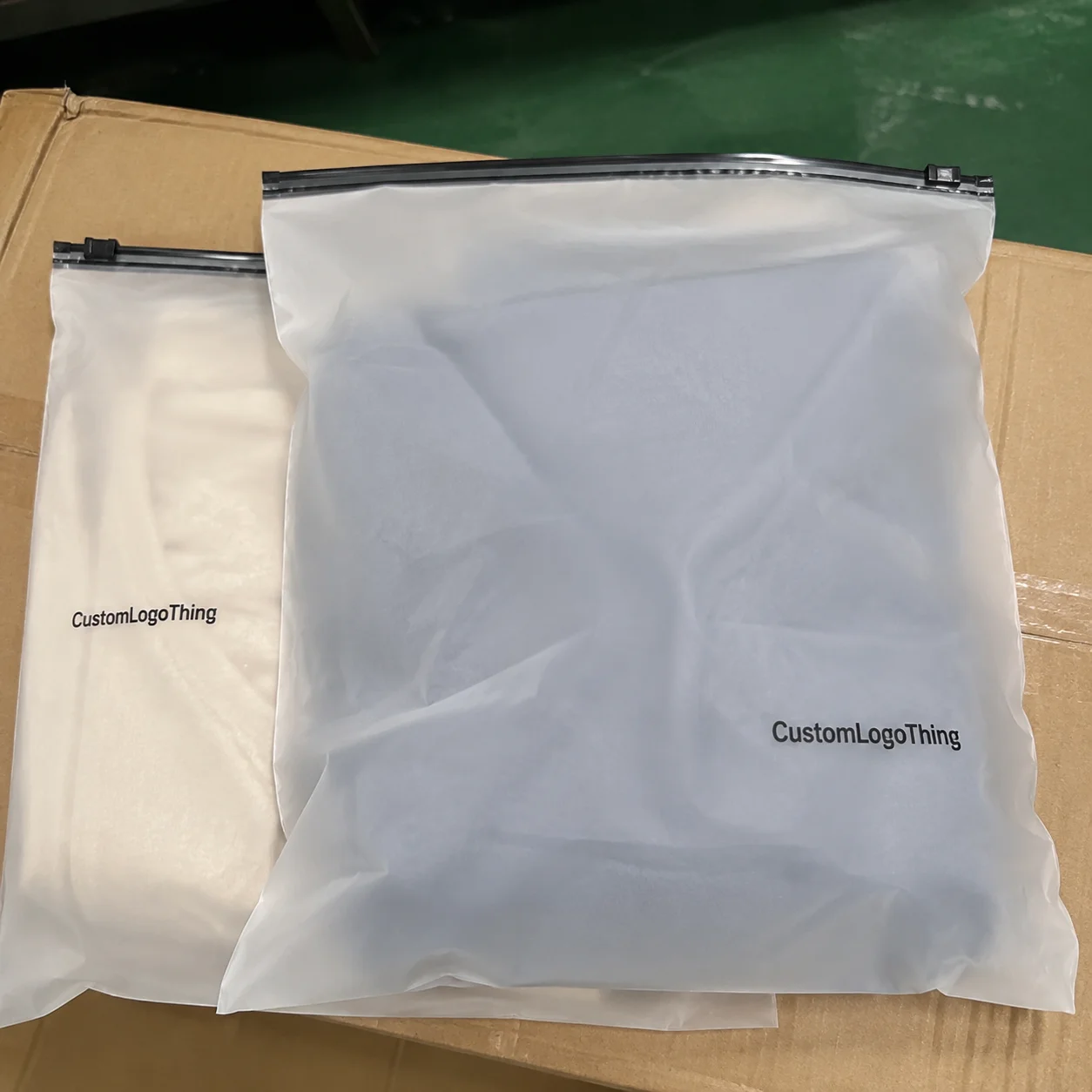
Why Garment Bag Material Changes the Whole Unit
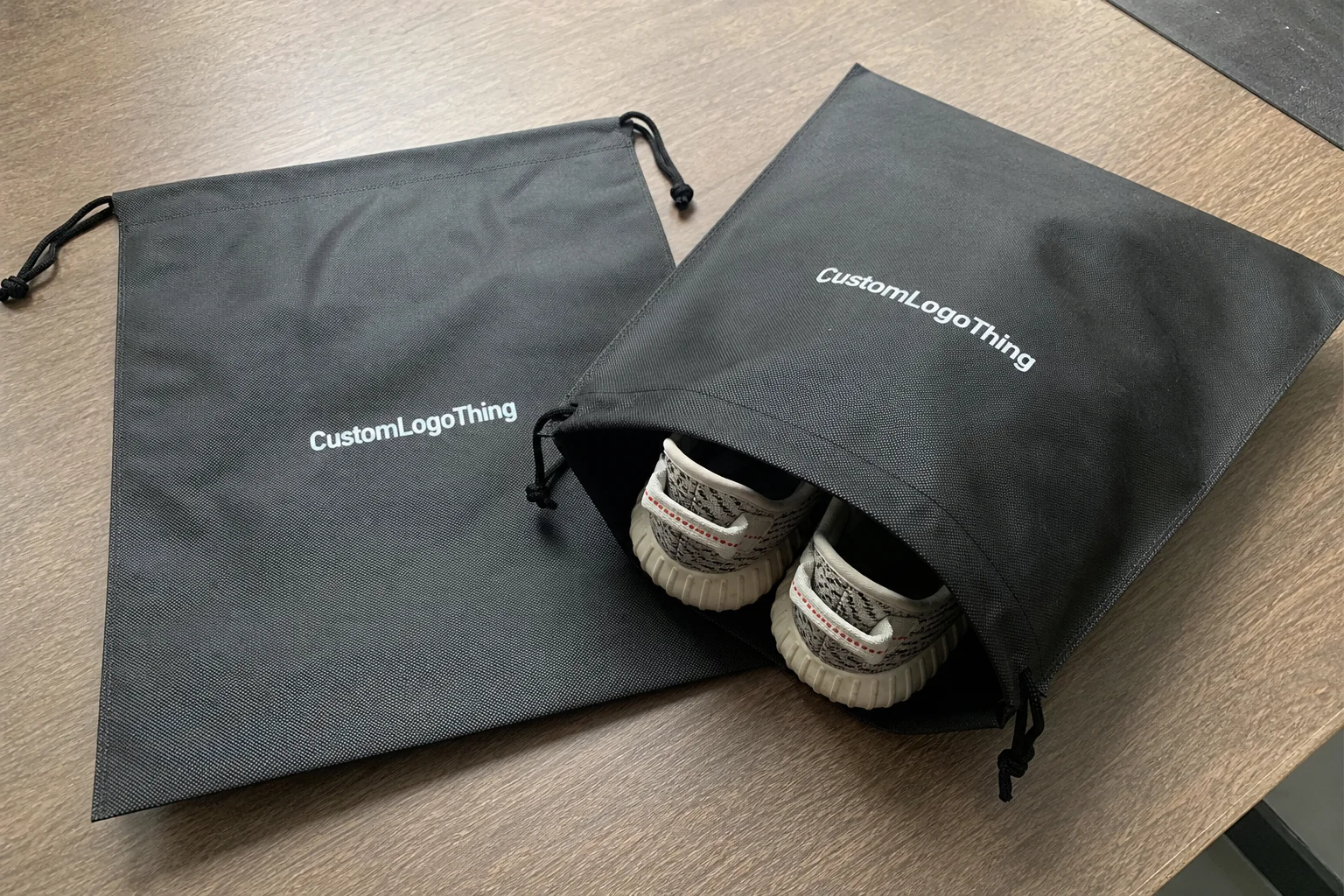
Two garment bags can look almost identical in a product photo. One cracks near the zipper fold after one shipment. The other survives closet storage, showroom handling, and retail handoff without looking exhausted. That difference rarely comes from one spec alone.
A PVC Zipper Garment Bags unit material comparison guide should compare the full working unit: body material, zipper tape, zipper pull, edge binding, hanger opening, seams, gusset, logo decoration, reinforcement, and carton packing. Treating the bag as “plastic plus zipper” is how buyers end up with weak bags that technically match the quote.
A 0.12 mm clear PVC bag with a light zipper is not the same product as a 0.20 mm frosted PVC bag with reinforced shoulders and fabric binding. Both may be sold as PVC Zipper Garment Bags. Fine. That description is still too vague to buy from.
PVC stays popular because it offers clarity, structure, water resistance, and a retail-ready surface for suits, gowns, uniforms, costumes, and sales samples. It also works with common branding methods such as one-color screen printing, printed inserts, sewn labels, and some heat-transfer applications, depending on film finish and ink compatibility.
The trap is thinking the decision is only about plastic thickness. It is not. Buyers are deciding how the bag will hang, fold, ship, protect, open, close, and present the garment. Dry-cleaner pickup, bridal storage, trade show samples, rental programs, travel protection, and premium branded covers do not need the same construction.
Packaging floor rule: if the bag will be handled more than three or four times, judge the zipper, seams, and hanger opening as seriously as the body material.
How PVC Zipper Garment Bags Work as a Packaging System
PVC zipper garment bags usually start as film cut to size, then paired with zipper tape and finished by stitching, heat sealing, or a mix of both. The design may include shaped shoulders, a hanger slit, a reinforced top panel, side gusset, handles, piping, or a folded bottom. Every added feature costs something. Some of them also prevent the failures buyers complain about later.
The zipper is not a decoration. A smooth coil zipper makes repeated access easier, reduces snagging on delicate fabrics, and gives the bag a better hand-feel. A weak zipper can make decent PVC feel cheap in five seconds. For custom bags, buyers often specify zipper tape color, pull size, pull shape, and whether the zipper runs full length, half length, or around a shoulder curve.
Clear PVC works well for visibility. Retail racks, rental programs, sample rooms, and backstage wardrobe teams need fast garment identification. Frosted PVC hides light scuffing and gives a softer branded look. Tinted PVC can support brand color or privacy. Opaque PVC makes sense when presentation matters more than seeing the garment inside.
Thickness terms cause plenty of confusion because suppliers may quote millimeters, microns, mil, or gauge. As a working reference, light garment protection may use PVC around 0.10–0.12 mm. Mid-weight retail or showroom bags often sit around 0.14–0.18 mm. Heavier reusable units may move closer to 0.20 mm or above. The number helps, but it does not tell the whole story. Plasticizer level, film softness, lamination, and storage temperature all affect stiffness.
Seams deserve more attention than they usually get. Stitched seams can look tailored, especially with fabric binding or contrast piping. Heat-sealed seams create a cleaner plastic edge. Stitches puncture film, so stitch density and reinforcement matter. Heat sealing depends on film compatibility, pressure, dwell time, and operator control. Neither method wins automatically.
Logo placement can stay simple or move the bag into a more branded format. Common options include one-color screen printing on the front panel, printed cards inserted behind clear PVC, woven labels sewn into binding, heat-transfer marks on compatible surfaces, or debossed patches attached to fabric trims. The best choice is the one that matches the garment’s real handling path, not the fanciest option on the sample board.
Material Comparison: PVC, PEVA, Non-Woven, and Canvas
PVC is the usual starting point when buyers want clarity, shape, moisture resistance, and strong shelf presentation. It can look polished with a simple logo and lets staff or customers identify garments quickly. The tradeoff: PVC can feel less flexible in cold conditions, and some retailers or brand policies prefer PVC-free packaging.
PEVA is softer and lighter. It is often positioned as a PVC-free alternative for storage bags, light-duty covers, and programs where the buyer wants less rigid plastic. PEVA can perform well for dust protection, but it may not deliver the same crisp structure as thicker PVC, especially for longer bags carrying gowns, coats, or structured uniforms.
Non-woven polypropylene is economical, breathable, and common for suits, uniforms, dresses, and promotional garment covers. Typical weights often range from about 60 gsm to 100 gsm, with heavier weights feeling more substantial. It is not transparent unless a window is added, and it does not resist water like PVC. Still, it can be the right cost-control choice for one-time handoff or light reuse.
Canvas and cotton blends push the bag into a premium reusable category. They are breathable, attractive, and well suited for luxury wardrobe storage or branded presentation. Costs rise quickly because fabric weight, stitching labor, handles, labels, and finishing all add up. Untreated canvas offers less moisture protection than PVC, but it often wins on long-term brand feel.
Hybrid construction is often the smarter middle ground. A clear PVC window with a non-woven back balances visibility and breathability. A PVC front with fabric binding improves edge finish. Reinforced zipper zones can improve durability without upgrading the entire body material. Real specs rarely live in neat categories, no matter how much comparison tables pretend they do.
| Material | Clarity | Durability | Breathability | Print Options | Retail Appearance | Approximate Cost Tier |
|---|---|---|---|---|---|---|
| PVC | High in clear grades | Medium to high, based on thickness | Low unless vented | Screen print, insert, label, patch | Strong and structured | Mid to upper-mid |
| PEVA | Medium, often softer looking | Light to medium | Low to medium | Simple print and labels | Clean but less rigid | Mid |
| Non-woven polypropylene | Low unless windowed | Light to medium | High | Screen print, heat transfer, labels | Practical and promotional | Low to mid |
| Canvas or cotton blend | None unless windowed | High for reuse | High | Embroidery, print, woven label, patch | Premium and reusable | Upper |
No material wins every category. Bridal gowns often need length, structure, and room for volume. Suits need neat hanging protection and a zipper that opens without fuss. Uniform programs usually need cost control and repeatable sizing. Sales samples need repeated access, scuff resistance, and a bag that still looks acceptable after being packed and unpacked many times.
Key Specs That Affect Durability, Feel, and Fit
Start with size. Width, length, gusset depth, hanger opening, and zipper length should be planned around the garment, not copied from a generic template. A suit jacket may work in a 24-inch wide bag. A gown with shoulder structure, beadwork, or a train may need extra width, a longer body, and a bottom gusset.
Thickness is the spec buyers ask about first, but it is not the only durability factor. A thinner film with smart reinforcement can outperform a thicker film with a poor zipper start. Request physical samples or reference bags whenever possible because numbers alone do not show stiffness, fold memory, odor, clarity, or how the bag behaves after being carton-packed for 20 to 40 days.
Zipper style changes daily use. Coil zippers are common because they are flexible and cost-effective. Molded zippers feel chunkier and can suit heavier reusable bags, but they may be overbuilt for light garment covers. Pull size matters too. A small pull may look neat, yet a larger pull is easier for retail staff, rental teams, or showroom users opening bags all day.
Reinforcement points usually include the hanger opening, shoulder corners, zipper start, bottom fold, handle attachment, and any area where garment weight rests. Extra binding, a doubled top panel, or a small reinforcement patch can prevent early tearing. For long bags, the bottom fold needs attention because it often gets crushed during shipping and storage.
Ventilation is a real spec, not an afterthought. PVC protects well from dust and light moisture, but long-term storage of delicate fabrics may require air holes, breathable panels, or a different material. PEVA, non-woven, or canvas may be better for wardrobe storage where airflow matters more than water resistance. For sustainability claims, ask for material documentation rather than accepting broad words like “eco.” The EPA recycling resources give useful context on how material recovery varies by location.
Branding affects production control. One-color logos are usually the most cost-efficient. Large solid ink areas, metallic inks, tight registration, fine serif text, or multi-color artwork may require extra sampling. Packing specs matter too: individual polybags, flat packing, folded packing, carton quantity, inner protection, and outer corrugated strength can change freight cost and crease risk.
Cost, Pricing, MOQ, and Unit Cost Tradeoffs
Unit cost is shaped by material type, thickness, bag size, zipper grade, construction method, logo complexity, packing style, order quantity, and inspection requirements. A responsible quote should describe the full specification, not just say “PVC garment bag.” That phrase is barely a starting point.
MOQ means minimum order quantity. Lower quantities may be possible, but setup, material purchasing, print screens, artwork preparation, sample time, and labor are spread across fewer units. For a basic custom non-woven garment bag, a 1,000-piece order may be workable. For custom PVC thickness, special zipper color, or multi-color printing, expect higher minimums or a visible per-piece increase.
For planning, basic non-woven garment bags often sit around $0.80–$1.80 per unit in larger quantities, depending on size and print. PEVA and thin PVC may land around $1.20–$3.00. Thicker PVC, reinforced hybrid units, and detailed branded bags can move into the $2.50–$5.50 range. Canvas or premium reusable garment covers may run higher, especially with embroidery, heavy fabric, pockets, handles, or custom labels. These are planning ranges, not guaranteed pricing. Freight, duty, exchange rates, packaging method, and order details can move the number fast.
Larger bags cost more than buyers expect. Long garment bags use more body material, need longer zippers, occupy more carton space, and can increase dimensional freight. A gown bag that looks only 30 percent larger on paper can cost much more once zipper length, reinforced shoulders, folded packing, and carton volume are included.
Logo choices drive cost as well. One-position, one-color printing is usually the cleanest path. Full-panel artwork, multiple print locations, special inks, close color matching, or artwork that crosses seams adds complexity. For color-critical work, provide Pantone references and approve a printed sample before bulk production.
The hidden cost is under-specifying. Saving $0.20 per unit does not help if the bag tears at the hanger slit, fogs badly, cracks at a fold, or makes a premium garment feel low value. Ask for good, better, and premium quote levels. Then compare the real tradeoffs: material gauge, zipper grade, reinforcement, packing method, and lead time.
Process and Timeline from Sample to Bulk Production
A clean buying process starts with garment type, target material, dimensions, artwork, pricing, sample review, production approval, inspection, and shipping. Skip one step and the risk moves downstream, usually into delays, remake costs, or a bag that does not fit comfortably.
The first technical document should be a specification sheet. Include material, thickness, color or clarity, zipper type, finished size, print location, print size, color standard, seam construction, packing method, carton details, order quantity, and shipping destination. It does not need to be pretty. It needs to be specific.
Sampling confirms what a photo cannot show: hand-feel, zipper operation, logo scale, seam finish, clarity, stiffness, and whether the garment actually fits. A pre-production sample is especially useful for bridal, costume, uniform, and showroom sample programs where fit and handling are non-negotiable.
Artwork approval can drag if files are incomplete. Send vector artwork, usually AI, EPS, or editable PDF. Include Pantone references, exact print size, placement measurement from top or centerline, and whether the logo should face outward on the hanger. A simple marked layout prevents plenty of production confusion.
Lead time depends on material availability, custom color matching, zipper sourcing, print complexity, sample revisions, order quantity, and seasonal capacity. A common custom path might take 5–10 business days for sampling after artwork and specs are clear, then 15–30 business days for production after approval, with shipping added separately. Air shipment may take days. Ocean freight may take several weeks. Rush work can force compromises: stock zipper colors, standard material thickness, simplified artwork, or fewer sample rounds.
Before requesting a quote, prepare garment dimensions, intended use, quantity, delivery date, logo file, shipping destination, and target budget. Approval time deserves its own line on the schedule because the slowest step is often not production. It is waiting for design, merchandising, purchasing, or leadership to sign off.
For heavier garments or e-commerce fulfillment programs, transport testing deserves attention. Buyers can review resources from ISTA, especially if cartons, hangers, and garment bags must survive parcel movement as a combined packout.
Common Mistakes When Comparing Garment Bag Materials
The first mistake is comparing only the material name. One PVC bag can feel thin and disposable, while another feels structured and retail-ready. Thickness, plasticizer level, zipper tape, seam method, binding, and packing all influence the finished unit.
The second mistake is ignoring zipper quality. A weak zipper becomes the first failure point in repeated use, and it changes perceived value immediately. If the zipper waves, catches, splits, or feels undersized, the body material cannot rescue the bag.
Undersized bags create another headache. Buyers measure the garment flat and forget shoulder volume, hanger angle, layered pieces, embellishments, trains, or the space needed to remove the garment without snagging. Add a gusset when volume matters. Add length when the garment should hang naturally instead of bunching at the bottom.
Overbuilding wastes budget. A thick premium PVC unit for a one-time retail handoff may be unnecessary when lighter PEVA or non-woven material would perform well enough. Underbuilding causes the opposite problem: cheap bags for gowns, traveling uniforms, or repeatedly handled samples can lead to tearing, scuffed presentation, and a poor brand impression.
Skipping samples is risky. Photos rarely show stiffness, zipper feel, seam finish, odor, fogginess, cold-fold behavior, or how the bag looks after being folded into a carton. If budget allows, request one sample close to target cost and one upgraded sample. The difference is easier to judge by hand than by spreadsheet.
Compliance and market preferences also matter. Some buyers need PVC-free materials, recycled content, post-consumer waste documentation, FSC certified paper inserts, kraft paper belly bands, or clearer recycling guidance. Others explore biodegradable packaging for adjacent retail items, although garment bags need careful performance review before any claim is made. Document the final approved spec so reorders match the original thickness, zipper color, logo size, carton count, and packing method.
Actionable Next Steps Before You Request Samples
Start by writing one plain use-case statement: retail handoff, travel protection, wardrobe storage, sample transport, rental return, trade show display, or luxury presentation. That single sentence keeps the specification honest. A bag for one-time pickup should not be built like a travel case, and a sample bag opened 50 times should not be priced like disposable packaging.
- Identify the garment category and measure the largest item, not the average item.
- Record width, length, gusset depth, hanger opening, zipper length, and any shoulder or bottom volume.
- Decide whether visibility, breathability, water resistance, or premium feel matters most.
- Choose a target material tier: non-woven, PEVA, PVC, hybrid, or canvas.
- Prepare vector artwork and define logo size, color, and placement.
- Set a realistic unit cost range and ask for pricing at two or three quantities.
Ask suppliers specific questions. What is the material thickness? What zipper type is included? Are seams stitched, sealed, or both? Is the hanger opening reinforced? How are the bags packed? What MOQ applies to this exact spec? What production lead time begins after sample approval? What freight assumptions are included?
Request two sample paths if stakeholders need to compare feel: one near the target budget and one upgraded version with heavier material, better zipper, or added reinforcement. That small sampling cost can prevent a bulk order that looks good on paper but feels wrong in the hand.
The practical goal is simple: turn vague material preferences into a clear, sample-ready specification. Once the material, zipper, seam, reinforcement, size, artwork, packing, and approval timeline are written down, the quote gets cleaner and the finished bag has a better chance of doing its job.
FAQs
What is a PVC zipper garment bag unit material comparison guide used for?
A pvc zipper Garment Bags Unit material comparison guide helps buyers compare the complete garment bag unit, including material, zipper, seams, thickness, branding, packing, durability, and cost. It is most useful before sampling because it turns broad preferences like clear, strong, or premium into measurable specifications.
Is PVC better than PEVA for custom zipper garment bags?
PVC is often better for clarity, structure, water resistance, and polished retail presentation. PEVA may be better when a PVC-free, softer, lighter material is preferred for storage or lighter-duty use. The right choice depends on garment weight, handling frequency, brand requirements, budget, and sustainability preferences.
What thickness should I choose for PVC zipper garment bags?
Choose thickness based on use. Lighter gauges can work for simple dust protection, while thicker PVC is better for retail presentation, samples, travel, or repeated handling. Do not rely on gauge numbers alone; request a physical sample to evaluate stiffness, fold behavior, clarity, odor, and zipper balance.
How does MOQ affect the unit cost of custom garment bags?
Higher quantities usually lower unit cost because setup, sourcing, printing, and production labor are spread across more bags. Low MOQ orders may still be possible, but the per-piece price can rise sharply, especially with custom sizes, premium zippers, special material, or multi-color printing.
How long does custom PVC zipper garment bag production take?
The timeline depends on sample approval, material availability, artwork complexity, order quantity, zipper sourcing, packing requirements, and shipping method. Sampling and approval often take longer than buyers expect, especially if the first sample needs size, logo, or material changes.