Custom Plastic Garment Bags Unit Cost for Tea Buyers
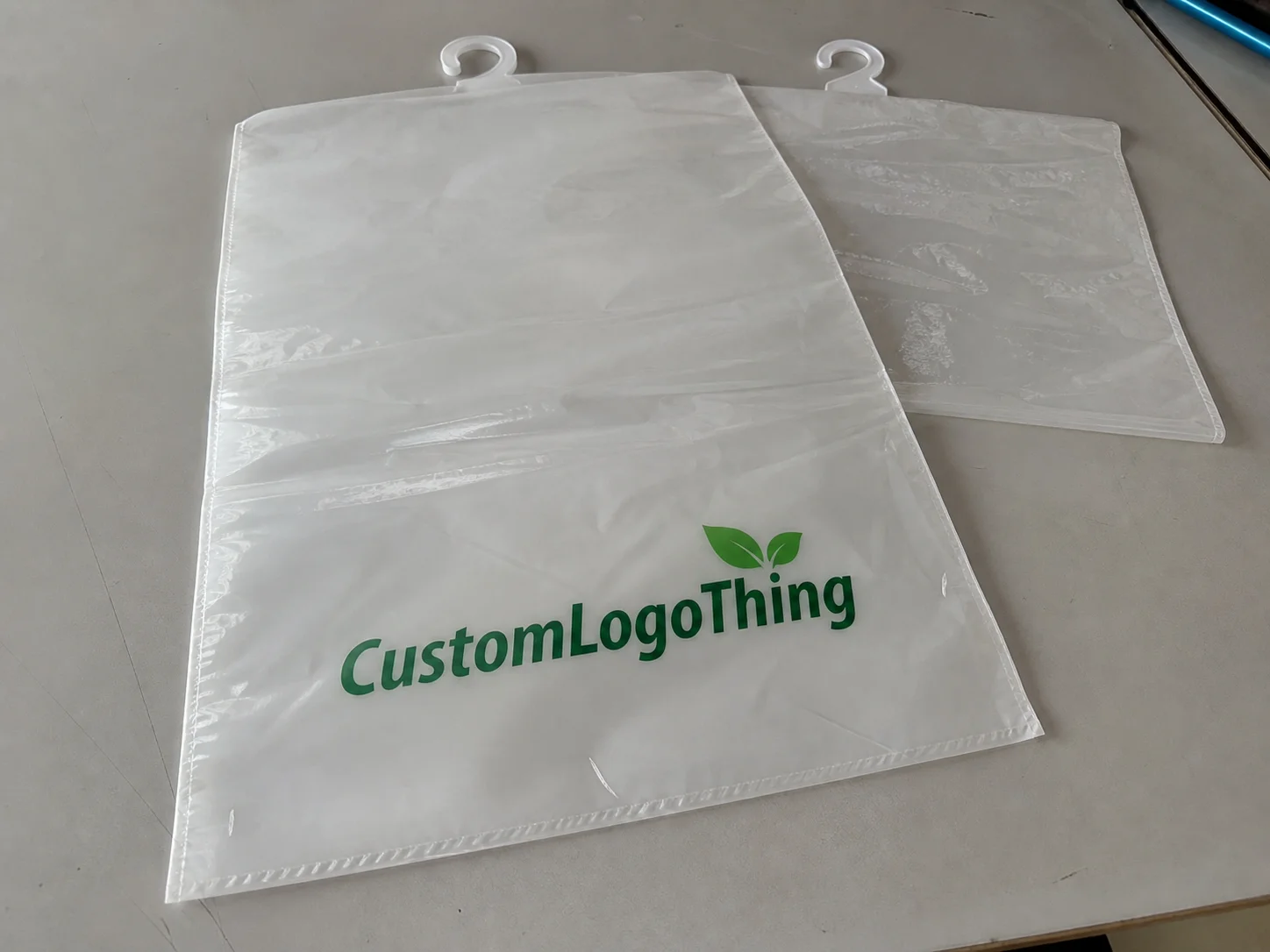
A plastic sleeve can look simple on the buying desk, then become surprisingly technical once the quote is built. For a tea brand asking about Custom Plastic Garment Bags unit cost for tea, the real question is not only “what does one bag cost?” It is how the bag protects the product, how it presents on shelf or in fulfillment, and what the landed price looks like after film, printing, packing, and freight are included.
Garment-style plastic bags are often used as secondary packaging for boxed tea, tins, sachet cartons, sampler bundles, and gift sets. They may act as a dust cover, a branded presentation sleeve, a promotional multipack bag, or a retail-ready outer wrap. The first technical distinction is whether the tea is already sealed inside an approved primary package. A bag that covers a sealed carton or tin follows a different specification path than a bag that touches loose tea, exposed sachets, or any surface intended for direct food contact.
Useful pricing starts with clear specifications: finished size, film type, gauge, print colors, closure style, quantity, carton packing, and delivery location. A hang hole, euro slot, suffocation warning, barcode window, reinforced handle, gusset, resealable flap, air hole, or perforation can all affect tooling, production speed, inspection time, and waste allowance. None of these features are unusual, but they must be identified before the unit price means much.
Practical buying rule: quote the bag around the job it has to perform, not around the lowest possible film weight. A bag that tears during packing or looks cloudy on shelf rarely stays cheap after rework, delays, and presentation problems are counted.
Custom Logo Things helps buyers turn those details into a production-ready packaging specification. For one tea product, that may mean a light polyethylene sleeve with one-color branding and a simple adhesive flap. For another, it may mean clearer film, a wider flap, a stronger gauge, or a gusseted construction because the product is a rigid gift set with corners that put pressure on the seals. The goal is not to overbuild the bag. The goal is to match the bag to the way the product is packed, handled, displayed, and reordered.
Material Choices That Affect Strength, Clarity, and Shelf Feel
Film choice drives performance, appearance, and cost. LDPE, HDPE, CPP, OPP, and blended polyethylene structures each have their own feel, clarity, stiffness, seal behavior, and price profile. Two bags with the same flat dimensions can behave very differently on a packing table, so the quote should identify the material rather than describing the bag only as “clear plastic.”
LDPE is common for soft, flexible bags with good puncture resistance. It works well for boxed tea, sachet bundles, and promotional kits that need forgiving film around corners. Typical gauges for this style may fall around 1.5 to 3 mil, depending on bag size, product weight, and handling requirements. Increasing gauge can improve durability and shelf feel, but it also adds resin weight, carton bulk, and freight volume.
HDPE has a crisper feel and can perform well at thinner gauges for economical protection. It can be a sensible choice for warehouse packing, temporary handling, or low-cost outer coverage where crystal clarity is less important than coverage and speed. Buyers should still confirm the hand feel and sound of the film, because a bag that works well for back-of-house protection may not have the right retail character for a premium tea gift set.
OPP and CPP are often considered when the bag needs a cleaner, glossier, more transparent look. If the tea is packed in a decorative carton, seasonal box, or rigid tin set, a clear outer bag can protect the package from dust, handling marks, and light moisture exposure while still letting the customer see the artwork. OPP tends to feel stiffer and sharper. CPP has a softer cast-film character and can be useful where flexibility or sealing behavior matters.
Food contact should be handled plainly. If the bag touches loose tea, unwrapped sachets, or any direct food-contact surface, the film, inks, adhesives, and manufacturing process must be reviewed for that use. If the bag is only secondary packaging over a sealed pouch, tin, or carton, the compliance scope may be different. The safest instruction is also the simplest one: tell the manufacturer exactly how the bag will touch the product.
Optional features add function, but each one changes production. Resealable adhesive flaps require adhesive selection and flap alignment. Die-cut handles and hanger holes require punching. Bottom gussets and side gussets increase film usage and change conversion setup. Air holes, wicketing, perforation, euro slots, and reinforced areas can affect tooling, machine speed, inspection time, and scrap rates.
Sustainability claims need careful handling. Downgauged films, right-sized dimensions, mono-material polyethylene structures, and recyclable film options may reduce material use, but the claim has to match the selected material and the recycling reality in the selling region. Buyers can review broader guidance from the EPA Sustainable Materials Management program and confirm local labeling rules before printing recycling marks or environmental language on the bag.
Bag Specifications to Confirm Before Requesting a Quote
A clean specification saves time. Before requesting pricing, prepare the finished bag width, finished length, flap length, gusset depth if needed, film gauge, material type, print colors, artwork placement, closure style, and packing quantity per carton. If you already buy Custom Packaging Products such as sleeves, cartons, mailers, or custom printed boxes, use those measurements as the starting point for the outer bag.
Measure the tea product at its largest points. For a box, capture width, height, and depth. For a tin, measure the widest diameter or rectangular footprint, including lids, rolled edges, or raised surfaces. For sachet bundles, measure both the compressed bundle and the relaxed bundle, since flexible products often shift shape during packing. Gift sets need extra attention because ribbons, belly bands, display windows, outer lids, and inserts can add small thickness changes that matter once the bag is sealed.
Build in room for loading. A bag that is too tight can slow packing from a steady hand operation into a fight with static, coated cartons, and sharp corners. For many rigid tea cartons, buyers allow modest clearance on width and length, then add enough flap length for the closure. The right allowance depends on product thickness, film stiffness, closure type, and whether the product is loaded by hand, with a simple jig, or through semi-automatic equipment.
Gauge selection is both a cost decision and a presentation decision. Lighter films can reduce unit cost, carton weight, and resin use, but they may wrinkle more easily, show stress marks, or tear around rigid carton edges. Heavier films can feel more substantial and survive additional handling, though they increase material cost and freight volume. Many buyers try to solve a tight-fit problem by increasing gauge, but a better bag size often fixes the issue at lower cost.
Print specifications deserve the same clarity as physical dimensions. State whether the bag needs one-color logo printing, two- or three-color branding, flood coverage, transparent windows, matte appearance, gloss appearance, or tight registration across panels. Keep logos away from seal areas, fold lines, gussets, and handle punches unless the artwork has been checked against the dieline. A small print-safe margin can prevent normal production movement from becoming a visible defect.
- Barcode zone: confirm scan area, contrast, quiet zone, and whether the barcode sits on the tea carton or the outer bag.
- Warning zone: suffocation warnings may be required depending on bag size, sales channel, and region.
- Label zone: leave space for SKU labels, lot stickers, country-of-origin marks, or fulfillment labels.
- Recycling mark: print only claims that match the actual film structure and local guidance.
Photos are useful because measurements alone can miss loading direction. Send front, side, and top views of the tea package, plus a photo showing how the product will be inserted. Loading direction can change finished length, flap position, hole placement, warning copy orientation, and logo placement.
Unit Cost, MOQ, and Pricing Variables to Watch
Unit cost is usually shaped by raw film weight, finished bag size, gauge, print method, color count, finishing features, and total order quantity. Freight belongs in the calculation as well. Plastic bags are light, but larger garment-style formats can become bulky, especially when thicker gauges, gussets, protective carton packing, or retail-quality print surfaces are involved.
MOQ means Minimum Order Quantity. It exists because film sourcing or extrusion, print setup, ink preparation, plates or cylinders, machine setup, first-piece checks, quality inspection, and packing time all carry fixed costs. Those costs have to be spread across enough bags for the run to make commercial sense, which is why a small order can have a high per-piece price even when the bag itself uses very little material.
Price breaks generally improve as quantity rises. A practical MOQ may be right for a launch, while a mid-volume reorder can lower per-piece pricing if storage space and cash flow allow. Larger production runs spread setup time across more units, but they also create inventory risk. Tea packaging can change by flavor, season, regulatory copy, promotional channel, or retail account, so buying too much of the wrong printed bag can erase the savings quickly.
| Specification Choice | Typical Cost Effect | Best Use Case | Watch Point |
|---|---|---|---|
| Clear LDPE bag, one-color logo, adhesive flap | Lower setup and material cost than complex printed structures | Boxed tea, sachet cartons, fulfillment protection | Check gauge around sharp carton corners |
| HDPE protective sleeve with simple print | Often economical for lightweight coverage | Bulk handling, warehouse packing, promotional bundles | May feel less premium than glossy retail film |
| OPP or CPP clear retail bag | Can price higher depending on clarity, size, and sealing needs | Gift sets, decorative tea boxes, visible product packaging | Confirm stiffness, seal style, and crack resistance |
| Gusseted bag with handle or hanger slot | Higher due to added film, tooling, and conversion steps | Retail display, multi-pack tea sets, heavier bundles | Validate hole strength and logo position |
A plain clear bag with one-color branding and a resealable flap will usually price lower than a gusseted, multi-color, heavy-gauge bag with a die-cut handle, hanger slot, and strict artwork registration. That does not make the simpler bag the right choice every time. It means the buying team should compare specifications side by side, using the same dimensions, quantity assumptions, delivery point, and packing expectations.
For a useful Custom Plastic Garment Bags Unit cost for tea comparison, ask for two or three quote tiers: a launch MOQ, a mid-volume reorder quantity, and a larger production run. Include delivery location and desired in-hand date. Factory unit price without freight can look attractive, but landed unit cost is the number purchasing, operations, and sales teams can actually plan around.
Production Process and Lead Time from Artwork to Delivery
A good production path is orderly. It usually begins with specification review, then quote confirmation, artwork check, dieline or print layout approval, material confirmation, proofing if needed, scheduling, printing, bag conversion, quality control, packing, and shipment. Each step exists to catch small assumptions before they become production problems.
Artwork should be supplied as vector files for logos and line art whenever possible. Pantone or CMYK color targets need to be named before production files are released. Barcode placement should be checked for scan direction, contrast, and quiet zone. If the design includes a transparent window, confirm whether that window is truly unprinted film or simply a clear area inside a printed layout.
Proofing has levels. A digital proof verifies layout, spelling, logo position, warning copy, and panel orientation. A physical sample or pre-production proof can confirm film feel, finished size, closure behavior, print appearance, and loading fit. Sampling may add time, but it can be worthwhile for premium tea gift sets, rigid tins, and retail packaging where the outer presentation has a direct effect on perceived value.
The manufacturing route depends on the chosen structure. Film may be extruded or sourced to specification, printed through the selected method, dried or cured as required, then converted through sealing, cutting, perforating, punching, flap forming, wicketing, or carton packing. If the bag includes an adhesive flap, handle hole, air hole, or euro slot, those features must line up with the final dieline and the way the tea package enters the bag.
Lead time depends on artwork readiness, material availability, print complexity, sampling, production queue, inspection requirements, and shipping method. Standard film with simple one-color printing typically moves faster than specialty film, custom tint, high print coverage, or complex finishing. Changes after plate making, cylinder preparation, or production scheduling can add cost and push the ship date, so final approval should be treated as a real production release.
Buyers coordinating custom printed boxes, inserts, labels, or other Custom Packaging Products should align those schedules early. A plastic outer bag that arrives two weeks after the cartons can hold up a launch, while bags that arrive too early may sit in storage and collect dust before the primary packaging is ready.
Quality Checks That Protect Tea Presentation and Reorders
Quality control matters even when the plastic bag is secondary packaging. Scuffed film, weak seals, misregistered logos, cloudy panels, crushed cartons, or inconsistent flap placement can make a premium tea product look careless before the customer opens it. Presentation is part of the value of branded packaging, especially for giftable tea formats.
Practical inspection points include finished width, finished length, flap length, gauge, seal strength, flap alignment, print color, ink adhesion, logo position, hole placement, carton count, and cleanliness of packed bags. For repeat runs, the approved sample, dieline, material note, and tolerance record should stay tied to the reorder file.
Seal strength deserves careful attention. A bag should survive packing, shipping, and handling, but it also needs to open smoothly enough for staff to load tea boxes without fighting static, tight tolerances, or uneven cut edges. If the seal is too weak, corners may burst. If the opening is too narrow or the film is too clingy, labor time rises. On a run of 10,000 bags, a few extra seconds per load becomes a real operational cost.
Print durability also matters. Rub resistance, ink coverage, drying or curing time, and artwork position near folds or stress points can affect how the bag looks after handling. Heavy logo coverage placed near a seal or bend may show wear faster than a cleaner design with more breathing room. For distribution testing and packaged-product handling, buyers can review protocols published by ISTA, then decide whether formal testing is needed for their channel.
Reorder protection is part of professional packaging control. Approved specifications, artwork files, material notes, packing methods, and acceptable tolerances should be documented so the next order matches the first as closely as production allows. Resin lots, ink batches, humidity, and machine conditions can create slight variation, but a controlled specification keeps those differences within a practical range.
Custom Logo Things approaches this type of product packaging with a commercial mindset. The purpose is not to add unnecessary features. It is to lock in the dimensions, film, print, closure, and packing format that make the bag repeatable, good-looking, and sensible to buy again.
Next Steps to Get an Accurate Custom Bag Quote
Start with the product. Measure the tea box, tin, sachet bundle, or gift set at the widest, tallest, and deepest points. Decide whether the bag touches food directly or only covers sealed packaging. Choose the preferred finish, gather artwork files, and note whether the bag needs barcode visibility, hanger holes, warning text, a resealable flap, air holes, or a handle.
Then prepare order assumptions. Quantity, delivery location, desired in-hand date, carton packing preference, retail display requirements, and distribution channel all affect the quote. A bag for a local tasting-room gift set may not need the same structure as a bag built for national retail handling, wholesale distribution, or e-commerce fulfillment.
Send photos from the front, side, and top. Thickness and loading direction often matter as much as flat width and length. If the product has a sleeve, lid, ribbon, rigid edge, display window, or uneven profile, include that detail. Better input produces a better recommendation and reduces the chance of sampling delays.
Ask for quote options that compare material gauge, print color count, and quantity tiers. That makes the tradeoffs visible: lighter film, fewer colors, a simpler closure, larger MOQ, more efficient carton packing, or a better-sized bag. Guessing at cost reductions usually wastes time because the highest-cost feature is not always the most obvious one.
Custom Logo Things can return a recommended bag size, material suggestion, print method guidance, MOQ, estimated production timeline, and unit pricing based on the confirmed specification. If your tea line also needs cartons, inserts, labels, or coordinated Custom Packaging Products, keeping those pieces under one packaging discussion can make artwork control and reorder planning cleaner.
For a reliable Custom Plastic Garment Bags unit cost for tea, share dimensions, quantity, artwork, delivery location, and packaging purpose. The quote should reflect the bag your product actually needs, not a generic plastic sleeve that happens to be close in size.
FAQ
What affects custom plastic garment bag unit cost for tea packaging the most?
The biggest drivers are bag size, film gauge, material type, print color count, closure style, finishing features, order quantity, and freight volume. A simple clear polyethylene bag with one-color printing usually costs less than a heavy-gauge, gusseted, multi-color bag with handle punches or specialty closures. For the most accurate comparison, request pricing at multiple quantity tiers using the same size, material, artwork, and delivery assumptions.
Can custom plastic garment bags be used directly for loose tea?
Only if the material, inks, adhesives, and construction are specified and approved for direct food contact. Many garment-style plastic bags for tea are used as secondary packaging over sealed pouches, tins, cartons, or gift sets instead of touching the tea directly. Tell the manufacturer exactly how the bag will be used so the correct material and compliance path can be reviewed before production.
What MOQ should I expect for printed plastic garment bags for tea products?
MOQ depends on film type, size, print method, color count, and finishing requirements because setup costs must be spread across the production run. Standard materials and simple printing usually allow more practical MOQs than specialty film, custom colors, or complex multi-color artwork. Ask for MOQ plus one or two larger price breaks so purchasing can compare cash flow, storage space, and per-unit savings.
How should I measure tea boxes or gift sets for custom garment-style bags?
Measure the product width, height, and depth at the largest points, including any lid, sleeve, ribbon, window, or outer retail carton. Add enough clearance for loading, flap sealing, and product thickness so the bag does not tear or distort the printed logo. Photos and a physical sample help confirm fit, especially for rigid tins, multi-pack bundles, or gift sets with uneven profiles.
How long does production take after approving a custom plastic bag quote?
Timeline depends on artwork readiness, proofing needs, material availability, print complexity, production queue, quality checks, and shipping method. Digital proof approval is usually faster than physical sampling, but a sample may be worthwhile when size, film feel, or retail presentation is critical. To avoid delays, approve the final dieline, color targets, warning text, barcode placement, quantity, and delivery details before production is scheduled.


