Why PVC Zipper Garment Bag Lead Time Planning Matters
The garments are finished. Hangtags are approved. The warehouse has labor booked for Tuesday. Then the clear PVC zipper garment bags arrive one week late, and the ship window falls apart. That is why Get PVC Zipper Garment Bags lead time planning needs to start earlier than most apparel teams prefer.
Packaging usually has a shorter production cycle than apparel. That makes it feel easy. It is not always easy. A two-day artwork delay can become a seven-day delivery problem if it misses a print slot, a carton consolidation date, a courier pickup, or a vessel cutoff.
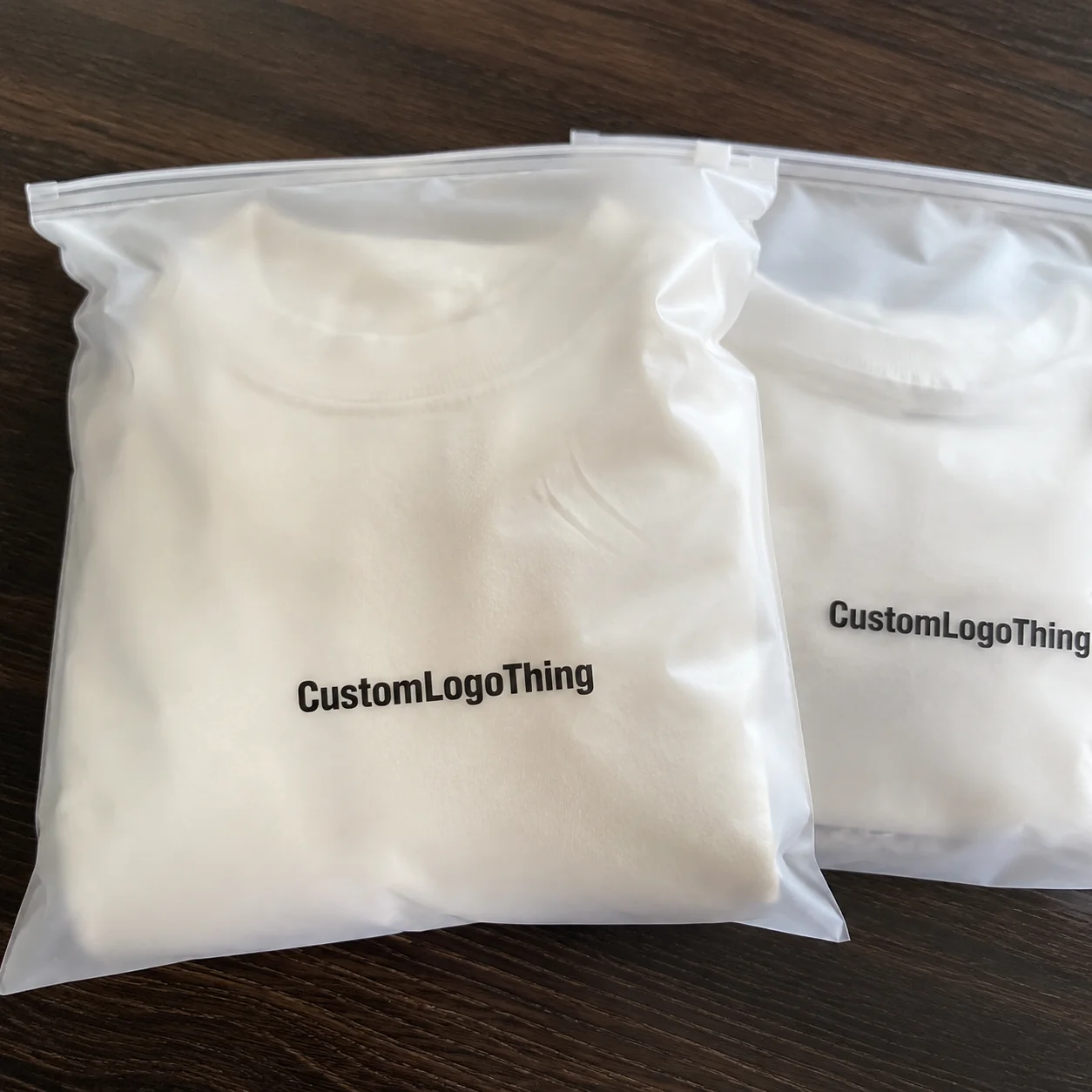
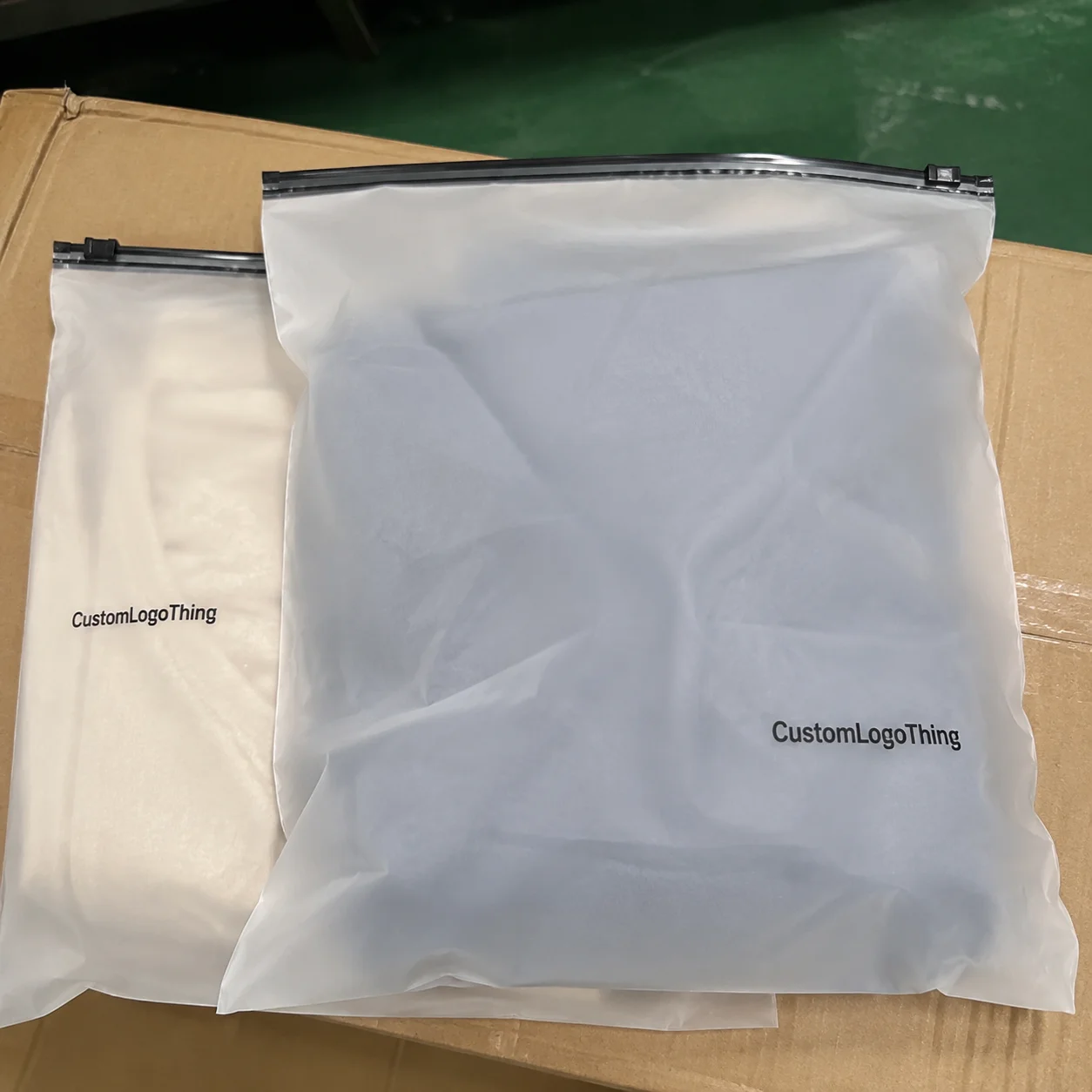
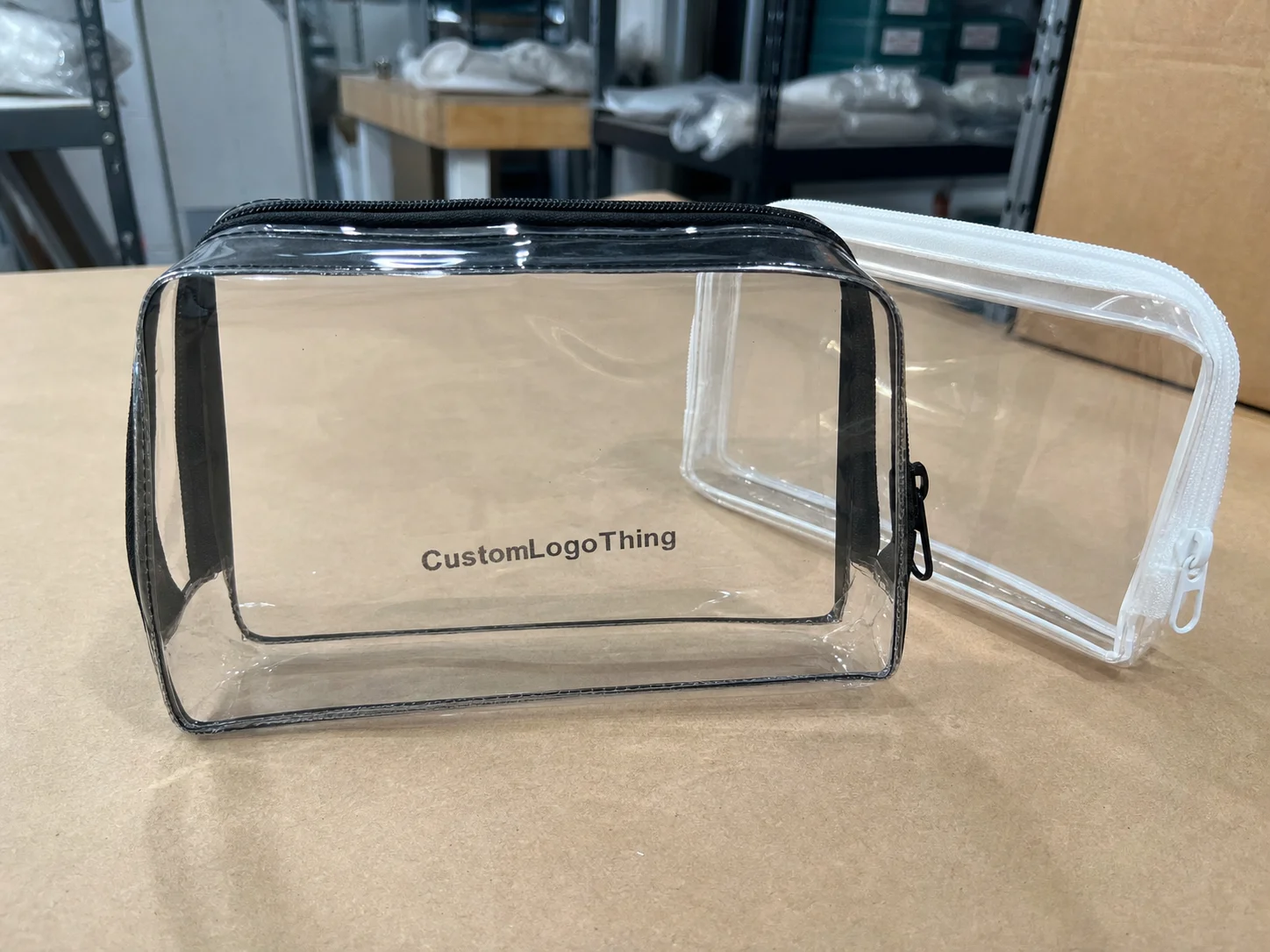
PVC Zipper Garment bags are transparent or frosted protective bags used for suits, dresses, uniforms, costumes, retail samples, hospitality apparel, dry-cleaning presentation, and warehouse storage. Buyers use them because they protect garments from dust, improve visibility, resist light moisture exposure, allow barcode scanning or label access, and keep handling cleaner through fulfillment.
The bag is rarely the most expensive item in the program. Operationally, it can still control release. A garment without its assigned protective packaging may not be a finished unit for receiving, retail, storage, or customer delivery. Annoying? Yes. Also true.
Lead time is not just the production quote from the factory. It is a chain of decisions: material sourcing, thickness selection, zipper color, slider availability, artwork review, proof approval, cutting, printing, sewing or heat sealing, inspection, carton labeling, and freight. Each step looks small until one person waits three days to approve a logo size.
Planning takeaway: Treat custom garment packaging like a launch-critical component. If the bag affects receiving, retail display, barcode scanning, storage, or customer presentation, it belongs on the production calendar.
How PVC Zipper Garment Bag Production Actually Moves
A typical PVC garment bag order moves through inquiry, specification review, quote, artwork check, proofing or sampling, material preparation, cutting, printing, sewing or heat sealing, zipper installation, quality control, packing, and dispatch. None of that is exotic. The risk sits in the approvals.
Stock-style bags with minor customization move fastest. Think standard suit bag dimensions, clear PVC in a common thickness, black or white zipper, and a one-color logo. Fully custom bags take longer because the supplier has to confirm size, gusset depth, hanger opening, zipper style, reinforced trim, snap closure, card pocket, print location, and packing format.
Thickness matters more than buyers expect. Lighter PVC gauges are easier to cut, stack, fold, and pack. Heavier clear PVC can look more premium, but it may require slower handling to avoid creasing, seam stress, pressure marks, or uneven folding. A 0.10 mm to 0.15 mm bag may work for short-term apparel protection. A 0.20 mm to 0.30 mm bag is often chosen for reusable garment storage, sample transport, showroom handling, or higher-value uniforms. Those ranges are not rules carved into stone. Bag size and use case still matter.
Printing adds a second schedule. A one-color screen-printed logo may add only a few working days for artwork review and screen setup. Multi-color logos, large ink panels, tight Pantone matching, metallic effects, insert cards, or printed labels need more proofing and drying control. Clean vector artwork keeps the order moving. A low-resolution PNG pulled from a sales deck does the opposite. Somehow that file is always named “final_logo_final2.png.”
Zippers can slow the order too. Nylon coils, plastic sliders, metal-look pulls, colored pulls, pull tabs, and end stops may come from a separate inventory stream. If the desired zipper color is not stocked, the sourcing window belongs in the timeline before anyone promises a delivery date.
A realistic small-to-medium custom order might run like this: one to two working days for spec confirmation, three to five working days for proofing, seven to fourteen working days for production depending on quantity and customization, then freight time. Larger orders, unusual materials, special trim, or inspection requirements push the schedule longer. The fastest orders are not always the simplest products. They are the orders with complete specs, clean artwork, realistic quantities, and quick approval loops.
Specs That Change Turnaround Quickly
Buyers often ask for lead time before defining the bag. Factories cannot calculate timing from the product name alone. A “clear garment bag with zipper” can mean a thin disposable cover, a retail-ready branded bag, or a heavy-duty reusable carrier with trim, pockets, and reinforced seams.
Start with size. Length, width, gusset depth, hanger opening, folded size, and garment capacity all matter. A gown bag needs different dimensions from a uniform shirt bag. A bag designed for one pressed blazer behaves differently from a bag holding a jacket, trousers, shirt, and accessories. Even 25 mm of extra gusset can change material yield, packing method, carton volume, and freight exposure.
Material decisions create timing branches. Clear PVC is common because it gives visibility and structure. Frosted PVC softens the presentation. Colored trim may require extra sourcing. Reinforced seams add durability. Non-woven backing can make the bag feel more textile-like. PEVA alternatives are sometimes considered by buyers looking for a different material profile, although appearance, flexibility, performance, and recycling realities vary by region. For broader packaging and materials management context, the U.S. EPA’s sustainable materials resources are a useful starting point: epa.gov/smm.
Thickness and finish affect cost, handling, freight, and packing density. Heavier bags may look better in a showroom, but they increase carton weight and dimensional shipping risk. A 5,000-piece order of long garment bags can move from manageable cartons to bulky freight fast. Factory unit price is only one number. Landed cost is the one that tends to bite.
Print placement needs real-world thinking. A logo centered on a flat PDF may look too low after a garment is hanging inside. Print near seams or zippers can distort. Large ink coverage can affect drying time and consistency. Tight registration across multiple colors adds inspection pressure. If barcode labels must be scanned through the bag, confirm the location with the garment inside, not on an empty template.
Functional add-ons deserve the same scrutiny. Pockets, card holders, hook holes, handles, snaps, piping, bottom gussets, breathable vents, and inner supports all change labor and QC. Warehouse storage may prioritize durability, label access, and carton efficiency. Retail presentation may prioritize clarity, seam neatness, and logo position. Same product family. Different job.
A one-page specification sheet solves half the confusion. Include dimensions, material, thickness, zipper color, print method, logo size, packing instructions, barcode needs, carton labeling, and delivery deadline. Suppliers give better answers when they are not guessing. Revolutionary concept, apparently.
Cost, MOQ, and Quote Details That Affect Timing
Pricing and lead time are linked. Lower unit cost often depends on batch size, material yield, print setup efficiency, and freight consolidation. A cheap per-bag quote can become expensive if the shipment misses the apparel delivery window and has to move by urgent air freight.
Common cost drivers include bag dimensions, PVC thickness, zipper type, printing method, number of print colors, order quantity, accessories, packing format, and shipping mode. For a simple custom logo PVC zipper garment bag, broad planning prices may run from about $0.45 to $1.80 per piece depending on size, thickness, quantity, and print coverage. Larger suit or gown bags, reinforced seams, custom trim, heavy-gauge PVC, or multi-color branding can run higher. These are planning ranges, not universal quotes.
MOQ is practical, not mysterious. Low minimums may be possible for stock-like bags using standard sizes, available PVC, and common zippers. Custom sizes, colored zippers, special trim, thick PVC, or specialty printing can raise the minimum because the supplier needs enough volume to justify material setup, cutting patterns, screens, and labor scheduling.
Setup costs may include artwork preparation, print screens, cutting dies, sampling, and color matching. Some charges are one-time costs. Others are spread across larger quantities. That is why tiered quotes help. A 1,000-piece price can look high, while 5,000 pieces may reduce the unit cost enough to justify a larger buy if storage space and reorder demand are stable.
| Order Choice | Typical Timing Impact | Cost Impact | Planning Watchout |
|---|---|---|---|
| Standard size, one-color logo | Usually fastest after proof approval | Lower setup complexity | Confirm logo scale on actual bag dimensions |
| Custom size with gusset | Adds spec review and cutting setup | Higher material and labor cost | Check garment fill depth before approving |
| Colored zipper or trim | May require separate sourcing | Can raise MOQ | Ask whether the exact color is stocked |
| Multi-color or large print | Adds proofing and print control time | Higher screen or setup charges | Provide vector art and Pantone references |
| Expedited air shipment | Reduces transit time | Often sharply higher due to dimensional weight | Calculate landed cost, not just freight speed |
Freight deserves more attention than it usually gets because garment bags are bulky for their value. A low factory price may lose its advantage once dimensional weight is applied. Ask for carton dimensions, carton weight, pieces per carton, shipping mode, and estimated transit time before comparing quotes. For transport testing expectations, especially if cartons must survive parcel networks or rough distribution handling, the International Safe Transit Association is a useful reference: ista.org.
Rush fees usually come from real constraints: overtime labor, priority material sourcing, split shipments, expedited courier, or resequenced production. Ask suppliers for quote validity dates, sample charges, production lead time after approval, estimated transit time, carton dimensions, payment milestones, and the earliest safe ship date. That wording matters. “Fastest possible” invites optimism. “Earliest safe ship date” forces a more useful answer.
Step-by-Step Timeline for Ordering Without Delays
Good planning starts backward from the real deadline: apparel launch date, store delivery date, trade show opening, warehouse packing appointment, or customer ship window. “ASAP” is not a planning date. It is a flare shot into the sky.
- Confirm garment dimensions. Decide whether the bags need to hold hanging garments, folded apparel, samples, retail sets, uniforms, or multi-piece kits. Measure the garment after finishing when possible, not only from the tech pack.
- Choose core specifications. Lock material, thickness, zipper type, print area, logo colors, hanger opening, gusset, and functional features before asking for a final quote.
- Submit a complete artwork package. Include vector logo files, Pantone references, barcode placement needs, copy, orientation, and packing instructions in one file set.
- Review the proof carefully. Digital proofs are fast, but check logo scale, zipper direction, seam position, hanger hole placement, spelling, and barcode clearance. If the bag is retail-facing, scale matters as much as color.
- Lock quantity and payment terms. Suppliers usually book material and production time after approvals and commercial terms are settled.
- Plan inspection and freight early. Decide whether you need production photos, a final random inspection, carton labels, pallet requirements, courier shipment, air freight, or ocean freight.
- Build a buffer. Allow time for approval delays, holidays, port congestion, customs checks, receiving appointments, or internal warehouse bottlenecks.
A workable rule: start packaging earlier than feels necessary, especially if garments and bags come from different suppliers. If apparel is produced in one facility and packaging is produced elsewhere, the handoff can create hidden transit days before the customer shipment even begins.
For domestic rush orders using standard specs, some suppliers may quote under two weeks after proof approval. For overseas custom bags with printing, a safer planning window may be four to eight weeks including proofing and freight. That range can stretch during peak season, before major holidays, or when material availability is tight. The honest answer beats the optimistic answer every time.
Common Mistakes That Push Custom Bag Orders Late
The most common mistake is treating “production time” as “delivery time.” A quote that says “production: 12 days” does not mean the bags arrive in 12 days. Proofing, payment confirmation, inspection, export handling, freight, customs, and warehouse receiving sit outside that number unless the supplier clearly says otherwise.
Incomplete specs slow everything. Missing thickness, zipper color, artwork size, bag orientation, hanger opening, packing method, or shipping address can trigger three or four clarification rounds. Each round may only take a few hours internally, but across time zones and approval chains it can burn two full working days.
Artwork is another trap. A logo that looks balanced on a PDF may look oversized on a narrow garment bag or too low once the garment hangs inside. Physical scale is unforgiving. If a pre-production sample is not possible, request a photo mockup with a ruler, bag outline, and logo dimensions stated in millimeters.
Changing quantity after proof approval can push the order back. Material planning, carton counts, print setup, production slots, and pricing may all need recalculation. A change from 3,000 to 6,000 pieces is not just “more of the same” if the supplier has already reserved material or booked labor.
Do not assume clear PVC is one universal material. Clarity, softness, odor, flexibility, cold-crack behavior, and surface finish can vary by formulation. A bag used for back-of-house warehouse storage may tolerate a different feel from a bag presented to a bridal customer, costume buyer, or luxury uniform account.
Freight mistakes are painfully common: choosing air freight too late, forgetting dimensional weight, missing customs paperwork, or shipping to a warehouse that requires appointment delivery. One carton labeling error can park goods at receiving while the launch team wonders why “delivered” does not mean “available.”
The quieter mistake is scattered communication. One person approves artwork, another changes zipper color, a third updates the shipping address, and nobody updates the master spec. Most late packaging orders do not fail at the sewing table. They fail in the handoff between decision-makers.
What to Prepare Before You Place an Order
Before contacting suppliers, gather the details that let them quote responsibly. You do not need a 40-page technical file. You do need a clean order file that removes guesswork.
- Garment measurements: length, shoulder width, folded size, thickness when filled, and whether one bag holds one item or a set.
- Target delivery date: the required in-hand date, not only the customer launch date.
- Estimated quantity: current order volume plus likely reorder volume if this is a recurring program.
- Desired construction: PVC thickness, clear or frosted finish, zipper preference, gusset, hanger hole, pockets, trim, or handles.
- Artwork files: vector logo, Pantone colors, print size, placement, barcode needs, and any printed copy.
- Shipping destination: warehouse address, receiving rules, carton labels, pallet requirements, and appointment restrictions.
Create a reverse calendar from the required in-hand date. Separate checkpoints for quote approval, proof approval, production, QC, freight booking, customs if relevant, and warehouse receipt. If one checkpoint slips, you can see the consequence before the whole schedule breaks.
Ask suppliers three direct questions: what can delay this order, what decisions are needed before production starts, and what is the earliest safe ship date after approval? Those questions reveal more than “how fast can you do it?” because they push the timeline into real production steps.
If physical sampling threatens the deadline, request detailed photos or a short video of the finished sample with measurements visible. Still, physical samples are worth the time for premium retail bags, unusual thicknesses, new zipper styles, heavy-gauge PVC, or first-time branding programs. A three-day sample delay can prevent a 5,000-piece mistake.
Compare suppliers on responsiveness and specification discipline, not only price. The cheapest quote can become the expensive option if vague proofs, slow replies, or soft freight assumptions cause the apparel launch to slip. Experienced packaging buyers tend to buy certainty, not just units.
In practical terms, Get PVC Zipper Garment Bags Lead Time Planning is about protecting the apparel launch. Finalize specs, clean up artwork, confirm quantity tiers, approve timeline assumptions, and choose a freight strategy before the garments are waiting on the rack.
FAQ
How early should I start PVC zipper garment bag lead time planning?
Start as soon as garment dimensions and branding are stable, ideally before final apparel production is complete. Allow time for quoting, artwork checks, proof approval, material sourcing, production, inspection, and freight. Add more buffer for custom sizes, printed logos, colored zippers, overseas freight, or peak-season ordering.
What information do suppliers need to quote PVC zipper garment bags accurately?
Provide bag size, thickness, quantity, zipper style, print colors, logo files, add-ons, packing method, destination, and required delivery date. Share the garment type and whether it will hang, fold, ship, or be stored long term. Ask for production lead time after proof approval, not just a broad estimated delivery date.
Does printing a logo increase the lead time for PVC garment bags?
Yes. Printing can add time for artwork review, color matching, screen setup, sample approval, drying, and quality checks. Single-color logos usually move faster than multi-color, full-coverage, metallic, or tightly registered prints. Clean vector artwork and Pantone references reduce back-and-forth delays.
What is the fastest way to reduce lead time on custom PVC zipper bags?
Use standard sizes, common PVC thicknesses, available zipper colors, and simple one-color branding. Approve digital proofs quickly and avoid changing quantity, artwork, or trim after production is scheduled. Split shipping can help urgent partial quantities, but it usually raises freight cost.
How do cost and MOQ affect get pvc zipper garment bags lead time planning?
Higher quantities can lower unit cost but may require more production time, more material planning, and larger freight bookings. Low MOQs may be faster for simple stock-like bags, while custom trim, special zippers, or unusual sizes can raise minimums. Compare landed cost, MOQ, setup fees, rush charges, and transit time together before choosing a supplier.