Buyer Fit Snapshot
| Best fit | Compostable Ecommerce Mailer Boxes projects where brand print, material claims, artwork control, MOQ, and repeat-order consistency need to be specified before quoting. |
|---|---|
| Quote inputs | Share finished size, material target, print colors, finish, packing count, annual reorder estimate, ship-to region, and any compliance wording. |
| Proofing check | Approve dieline scale, logo placement, barcode or warning zones, color tolerance, closure strength, and carton packing before bulk production. |
| Main risk | Vague material claims, crowded artwork, missing packing details, or unclear freight terms can make a low unit price expensive after revisions. |
Fast answer: Compostable Ecommerce Mailer Boxes: Benefits, Costs, Fit should be specified like a repeatable production item. The safest quote records material, print method, finish, artwork proof, packing count, and reorder notes in one written spec.
Production checks before approval
Compare the actual filled-product size with the drawing, then confirm tolerance on folds, seals, hang holes, label areas, and retail display edges. Reserve space for logos, QR codes, warning copy, and material claims before decorative graphics fill the panel.
Quote comparison points
Review material grade, print process, finish, sampling route, tooling charges, carton quantity, and freight assumptions side by side. A quote is only useful when the supplier can repeat the same color, closure quality, and packing count on the next order.
Compostable Ecommerce Mailer Boxes: Benefits, Costs, Fit
Compostable ecommerce mailer boxes solve a packaging problem that sounds simple until you run a real fulfillment operation: brands want less waste, a cleaner opening experience, and disposal instructions customers can actually follow. I have watched otherwise strong packaging programs stumble on one small detail, like a pressure-sensitive label or a glossy finish that did not belong in the same disposal stream as the box. That is usually where the claim stops being persuasive and starts becoming confusing. The best compostable ecommerce mailer boxes do three things at once. They protect the product, support the brand story, and survive the abuse of stacked pallets, conveyor belts, and parcel transit without turning into a costly do-over.
Compostable Ecommerce Mailer Boxes: Why They Stand Out
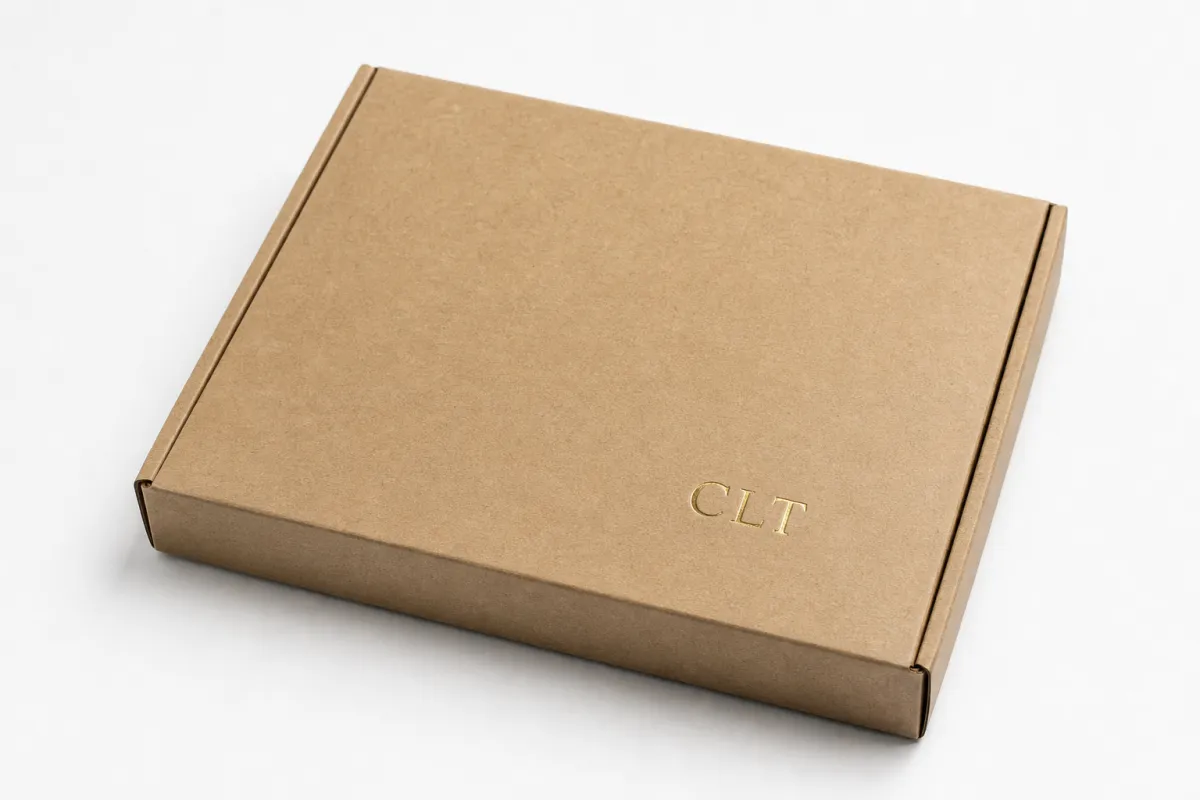
Compostable ecommerce mailer boxes sit in a useful middle lane for brands that want a lower-impact package without giving up shape, print quality, or product protection. Most are built from fiber-based board such as paperboard or corrugated fiberboard, then paired with compostable or compost-compatible inks, coatings, and adhesives so the package can follow a defined end-of-life path. That sounds tidy on paper. In practice, the details are where the story gets tested. A box can be made from paper fiber and still fail the claim if the tape, liner, closure strip, or decorative finish belongs somewhere else.
That distinction matters because compostable, recyclable, recycled-content, and biodegradable are not interchangeable. Recyclable packaging is meant to re-enter a recycling stream. Recycled-content packaging begins with recovered fiber or another recovered input. Biodegradable packaging may break down over time, but the timeline and conditions are often vague enough to be almost useless in a customer-facing claim. Compostable packaging is expected to break down into water, carbon dioxide, and biomass under specified conditions, usually tied to industrial composting or a recognized home-compost standard. Those words carry different obligations, and brands that blur them end up with muddy disposal instructions and a weaker sustainability case.
Ecommerce packaging also does more work than its weight suggests. It is the first physical touchpoint a customer gets after clicking buy. If the box feels deliberate, the brand looks intentional. If it feels wasteful, the customer notices that too. Compostable ecommerce mailer boxes can reduce packaging excess, support a cleaner unboxing moment, and make a lower-waste shipping model easier to explain. But a package still has to protect the item inside. A beautiful box that crushes in transit is just expensive waste with good copy.
The right decision usually starts with the product, not the claim. A subscription apparel brand, a skincare label, and a candle maker face very different shipping risks. One may need a light mailer-style box, another a reinforced tuck design, and another an insert to keep glass from moving. I have seen teams save weeks by asking one blunt question up front: what is the product doing inside the box during transit? That answer tends to be more useful than a mood board. Build from the SKU outward, and the packaging usually lands in the right place.
Trust matters here, and not in a vague branding sense. If a compostable claim is going to appear on the carton, the whole system should be built around disposal reality. Plastic tape, foil stamping, synthetic windows, and mixed-material add-ons can weaken the claim quickly. Compostable ecommerce mailer boxes stand out because they can balance values and function, but that balance only holds if the construction is honest and the language is precise.
How Compostable Ecommerce Mailer Boxes Work
The construction of compostable ecommerce mailer boxes is where the promise either holds together or falls apart. At the center is the board: often kraft paperboard, corrugated fiberboard, or a specialty fiber structure sized for the product weight and the abuse it will face in transit. On top of that base, the manufacturer may use compostable inks, water-based or compost-compatible adhesives, and a coating that manages scuffing, print sharpness, or moisture resistance without adding a noncompostable layer. Each piece matters because the end-of-life claim is only as strong as the weakest component.
Industrial composting and home composting are not the same thing, and compostable ecommerce mailer boxes need to be evaluated against the correct one. Industrial composting facilities usually run at higher, more controlled temperatures with aeration and moisture management that help certified materials break down within a predictable window. Home composting is slower, less controlled, and often cooler, so only some materials belong there. A supplier may say a material is compostable, but the buyer still needs to confirm whether that means industrial composting, home composting, or a narrower certification tied to a specific standard. Depending on the material mix and region, certifications such as ASTM D6868, EN 13432, or TÜV OK compost can be relevant. The EPA also publishes practical public guidance on composting systems and organics handling here: EPA composting guidance.
Structure matters just as much as material. A good mailer box must resist edge crush, keep its panels stiff, and prevent the product from shifting around inside. Light goods may only need a self-locking style. Heavier ecommerce items usually need a stronger board grade, a reinforced tuck, or an internal pad. Fragile products such as glass, ceramics, or small multi-part kits often benefit from die-cut supports or a paper-based insert so the contents do not rattle and chip. Real shipping performance comes down to load path, compression, and vibration, not whether the sample looks neat on a desk.
A compostable claim is only as good as the weakest component in the pack. If the box is compostable but the tape, label, or decorative finish is not, the whole system can become harder to dispose of correctly.
Small details can quietly break the story. Plastic tape is the obvious offender, but there are less obvious ones too: metallic inks, pressure-sensitive labels with the wrong face stock, PET window patches, and coatings that resist water but do not belong in a composting stream. Closure design matters as well. A box that needs a synthetic adhesive strip for return closure may still be useful, but that choice changes the disposal claim. The goal is not to reject every add-on. The goal is to make sure the add-on belongs in the same sustainability system.
If you want a stronger reference point for shipping validation, the International Safe Transit Association publishes testing standards and guidance that help teams think through compression, drop, and vibration risk. Their site is a practical place to start: ISTA packaging testing resources. That kind of testing matters because compostable ecommerce mailer boxes often carry a dual burden: they have to look good and survive the trip.
Compostable ecommerce mailer boxes work best when the material stack is simple, the print system is selected with care, and the closure system is reviewed before production begins. That is the difference between a package that merely sounds sustainable and one that actually supports a lower-waste shipping model.
Compostable Ecommerce Mailer Boxes Cost, MOQ, and Quote Factors
Pricing for compostable ecommerce mailer boxes comes down to a few practical variables, and most of them are easy to spot once you know where to look. Board grade usually leads the list. A heavier corrugated structure or premium paperboard costs more than a lighter stock, especially if the box has to hold weight or resist crushing. Size follows close behind. A larger box uses more material, increases freight exposure, and may need a stronger construction to keep performance stable. Print coverage matters too, because full-wrap graphics, multiple ink stations, or specialty brand treatments add setup and production costs.
Minimum order quantity, or MOQ, shapes unit price in a very direct way. A run of 500 boxes almost always costs more per unit than 5,000 or 10,000 because setup, cutting, and print preparation are spread across fewer pieces. When a project moves from a stock size to a custom dieline, tooling and sample stages can add real cost as well. If the job also needs inserts, special windows, or custom structural features, the price moves again. That is normal. Packaging built around a specific product tends to ask more of the budget than a box pulled from an off-the-shelf size.
Here is a simple view of how the buying choice can shift the economics of compostable ecommerce mailer boxes:
| Option | Typical MOQ | Typical Unit Cost Range | Best Fit | Key Tradeoff |
|---|---|---|---|---|
| Stock-size kraft mailer | 250 to 1,000 | $0.55 to $1.10 | Simple SKUs, fast launch needs | Limited fit and fewer branding options |
| Custom-size compostable mailer box | 1,000 to 5,000 | $0.85 to $1.85 | Products with tighter dimensional control | Higher setup and sampling effort |
| Custom printed, certified structure | 3,000 to 10,000 | $1.20 to $2.75 | Brand-led unboxing and stricter claim review | More specification work before approval |
Those numbers are starting points, not a promise. Freight, print coverage, and certification requirements can push the quote in either direction. A simple one-color logo on a kraft surface is a very different job from a full-wrap art box with fine type and disposal instructions. Sampling is another line item buyers sometimes underestimate. A well-run prototype stage can save money later, especially when the product is expensive or fragile. A couple of sample rounds cost less than a pallet of boxes that miss the fit or fail to support the claim.
Hidden costs often show up after the first quote. Plates or tooling may be included in one bid and separate in another. Freight can be significant if the box is large but light, because dimensional weight starts to matter. If the artwork changes after approval, even a small change can trigger a revised proof or a delayed print slot. If the preferred board is unavailable, a substitution can change both price and performance. The cleanest way to avoid surprises is to ask for a quote breakdown that shows material, printing, tooling, sampling, freight, and any claim-related documentation.
Quote requests work best when they are specific. At minimum, include product dimensions, target pack-out weight, printing method, expected quantity, fulfillment method, and any end-of-life claim that must appear on the carton. If the box must meet FSC chain-of-custody requirements, ask for that up front. If you want to keep the claim simple, say so. If you need proof that the box is compostable under a defined standard, request that language before the artwork is locked. For broader packaging sourcing, many teams also compare the rest of their lineup with Custom Packaging Products and, for lighter soft-goods shipments, may still keep Custom Poly Mailers in the mix for the right SKU.
Process, Timeline, and Lead Time for Compostable Ecommerce Mailer Boxes
The timeline for compostable ecommerce mailer boxes is easier to manage when the project is broken into steps instead of treated as one giant production event. A useful sequence starts with discovery and specifications, moves into dieline selection or custom structural design, then artwork, sampling, approval, production, and final shipping. Each step creates its own chance for delay, and the biggest mistake is waiting to make decisions until every department is ready. Packaging production moves best when product, marketing, and operations are working from the same spec sheet.
For straightforward projects, a typical schedule can run about 12 to 18 business days from final proof approval to ship, depending on the plant, material availability, and print method. A more complex run, especially one that needs a new dieline, structural testing, special coating review, or certification verification, can stretch beyond that. If the box is being launched for a seasonal drop or a product release date, plan backward from the ship-to-warehouse date rather than the launch date itself. That extra buffer matters because a delay in packaging usually becomes a delay in fulfillment.
Late artwork changes are one of the most common reasons compostable ecommerce mailer boxes slip. Incomplete dieline comments, vague color approvals, or a missing answer on whether the disposal message should say compostable, industrial compostable, or something more conservative can slow things down just as much as a tooling issue. Material substitutions also affect the schedule when the preferred board is unavailable. If a supplier has to swap to a different liner or coating, the team may need a new sample or a revised approval. None of that is unusual. It is the reality of matching a claim-based package to the production line.
I once watched a skincare launch lose nearly a week because the team could not agree on whether the box copy should say “compostable where accepted” or simply “compostable.” That small wording debate ended up mattering more than the artwork palette. It is a good reminder that packaging timelines are rarely held up by one dramatic event. They usually slip through a chain of tiny decisions that nobody wants to own.
It helps to think of the project as a series of decisions that lock the schedule. Once the box size is confirmed, changing it later means new tooling or a new cutting layout. Once the artwork is signed off, changing print coverage can affect ink laydown, drying time, or proof color. Once a sustainability claim is written into the carton copy, changing it can trigger legal or compliance review. Compostable ecommerce mailer boxes should be treated like any other controlled packaging launch: clear ownership, clear deadlines, and no assumptions.
Here is a simple planning framework that keeps the process moving:
- Lock the product dimensions and weight first.
- Choose the structural style that supports the shipping risk.
- Confirm the end-of-life claim before artwork is finalized.
- Request a pre-production sample or printed proof if the job is brand-sensitive.
- Build a buffer for freight, approval changes, and busy-season production lines.
Structural testing is the best insurance policy. A design that survives a desk review may still fail after repeated drops, stack pressure, or humidity exposure. That is why teams should compare samples with the actual product inside, not just an empty shell. Fragile or valuable items deserve more than one pack-out test. Small changes in insert thickness, board stiffness, or closure pressure can change the result. In a real fulfillment setting, those details separate a neat opening experience from a damaged return.
Key Factors to Evaluate Before You Order
Before ordering compostable ecommerce mailer boxes, start with product protection. That sounds obvious, yet it is where many projects go off course. Weight, fragility, surface finish, and movement inside the box all matter. A ceramic item needs a different internal lock than a soft textile set. A 2-pound box of skincare has a different compression profile from a 12-ounce accessory kit. If moisture exposure is possible, the coating or board choice has to reflect that reality. A shipping box is not just a brand canvas; it is a working structure.
Print and branding come next. Compostable ecommerce mailer boxes can look beautiful with a clean kraft finish, one or two ink colors, and sharp line art. They can also support more elaborate branding if the material and print system are chosen carefully. The real question is whether the selected surface reproduces the logo cleanly without forcing a noncompostable finish into the design. If the brand depends on a rich matte look, ask whether that finish is compatible with the compostability claim. If not, simplify the design and let the structure do the talking.
Proof points deserve the same attention. Certifications, material disclosures, and disposal guidance are not decoration. They support the claim. FSC certification can help with fiber sourcing transparency, while compostability language should be tied to a recognized standard or tested claim wherever possible. If a supplier cannot explain what the box is made from, how it should be disposed of, and which components are part of the claim, that is a warning sign. Packaging teams do not need slogans. They need traceable material facts.
The Environmental Protection Agency has a straightforward public resource on composting and organics management that can help teams think more clearly about disposal language and local infrastructure: EPA composting and organics resource. That matters because compostable ecommerce mailer boxes do not live in a vacuum. They end up in a specific city, county, or municipal system, and the disposal story should match what is actually available to the customer.
One more question deserves a hard look: is a mailer box the right format for every SKU? Sometimes the answer is yes. Sometimes another paper-based structure, or even a lighter mailer, makes more sense. For apparel, accessories, and small kits, compostable ecommerce mailer boxes can be a strong fit because they create a polished arrival moment and protect the product without excess filler. For very light items or highly compressible goods, a different structure may reduce material use and shipping cost. The better the SKU-specific thinking, the better the packaging result.
Use this quick checklist before ordering:
- Confirm product dimensions, weight, and breakability.
- Review how the box will be packed on the fulfillment line.
- Check whether the print finish still supports the compostable claim.
- Verify what happens to tape, labels, and inserts.
- Ask for certification details in writing.
- Test the box with actual goods, not just a sample insert.
The checklist stays short on purpose. Compostable ecommerce mailer boxes work best when the team makes a few disciplined choices early and avoids chasing a perfect-looking sample that fails once it enters the shipping stream.
Common Mistakes with Compostable Ecommerce Mailer Boxes
The first mistake is treating every green-sounding term as if it means the same thing. It does not. Compostable ecommerce mailer boxes are not automatically recyclable, and recyclable boxes are not automatically compostable. A box can be made with recycled fiber and still need a separate claim about how it breaks down. A box can be recyclable in theory but fail to fit the local recycling stream because of contamination, coatings, or mixed components. Clear language matters because the wrong claim can confuse buyers and create compliance risk.
Poor sizing comes next. Oversized compostable ecommerce mailer boxes waste fiber, increase shipping volume, and let the product move around inside the carton. Too much empty space invites damage, and too much board adds cost without adding value. In the plant, a box that is only a little too large can also slow packing because the team has to add void fill or adjust the pack-out method. The best size is usually the smallest one that still supports the product and the required protection.
Closures and add-ons cause plenty of trouble too. A box may be compostable in the main body, but if the brand uses plastic tape, a synthetic return strip, a noncompostable label, or a glittery promo insert, the overall claim starts to weaken. The same holds for inserts that are made from a different material and never reviewed against the disposal story. The outer carton gets the attention, yet the support materials are where a lot of packaging claims quietly fail.
Skipping real-world shipping tests is another expensive mistake. A sample that looks elegant on a table can still fail under compression, impact, or humidity. If the boxes will travel through parcel networks, they should be tested like parcel packaging, not like display packaging. The product should be packed the same way it will be packed in the warehouse. The test should include real inserts, real labels, and real closure methods. If the package survives a pretty sample review but fails when stacked, dropped, or bumped in transit, the specification needs work before the purchase order goes out.
Overpromising in the copy creates its own problems. Saying a package is compostable without explaining the conditions, certification, or component scope can confuse customers fast. A better approach is plain language: what the box is made from, which components belong to the claim, and how the customer should dispose of it. Honest wording builds trust. Vague wording does not.
Some teams also overlook how packaging choices affect the carbon footprint of the shipment. A heavier structure may protect better, but it also adds material and transport mass. A very light box may lower material use but increase damage and returns. The right answer depends on the product, the route, and the expected handling abuse. Compostable ecommerce mailer boxes should be selected with both the sustainability goal and the shipping result in mind.
Expert Tips and Next Steps for Compostable Ecommerce Mailer Boxes
If you are seriously considering compostable ecommerce mailer boxes, start with a pilot run. A sample pack or short production test tells you far more than a rendered mockup ever will. You can check fit, print quality, stackability, fold behavior, and disposal messaging in one pass. If the item is fragile, do a few test shipments with the same pack-out your warehouse will use. That is the clearest way to see whether the structure supports the real shipping flow or just looks good in a presentation.
Ask the supplier for a full material breakdown. Not just the box board, but the coating, ink, adhesive, tape recommendation, label stock, and any insert material. If the supplier can document those parts clearly, you are in a much better position to judge whether the claim is credible. If they cannot, the risk usually rises. Compostable ecommerce mailer boxes should come with facts, not marketing fog.
A simple internal review sheet helps too. Keep it short so the team actually uses it. A practical version can include three columns: sustainability, cost, and shipping performance. Under sustainability, list the claim language, certifications, and disposal instructions. Under cost, list unit price, MOQ, freight, and sample cost. Under shipping performance, list fit, compression, and return rate risk. That format is easy to compare across options and gives decision-makers a clearer view of the tradeoffs.
For some brands, compostable ecommerce mailer boxes are the right answer for the whole line. For others, they fit only a premium SKU or a flagship subscription set. There is no rule that every package must use the same structure. The smarter move is to match the box to the product and the customer expectation. A carefully chosen package often does more for brand trust than a grand sustainability claim that is difficult to support.
If you are still comparing formats, do not stop at one structure. Look at the rest of the packaging system too. A company that ships mixed product types may benefit from using one compostable box for heavier, presentation-driven items and another format for lighter goods. That is where the broader packaging catalog can be useful, especially when paired with Custom Packaging Products for structural flexibility or Custom Poly Mailers for items that do not need a rigid carton. The aim is not to force every product into the same package. The aim is to Choose the Right package with the least waste and the least risk.
Here is the simplest path forward: audit your current specs, request one or two sample structures, ask for a quote with exact quantities and print details, and compare the options against your product protection, branding, and disposal needs. If the box performs well and the claim is clean, compostable ecommerce mailer boxes can be a strong fit for a modern ecommerce operation. If the test results point somewhere else, that answer is useful too. A good packaging decision is not about sounding sustainable. It is about choosing the structure That Actually Works.
Frequently Asked Questions
Are compostable ecommerce mailer boxes strong enough for shipping fragile products?
Yes, when the board thickness, box geometry, and any inserts are chosen for the product weight and breakability. A real shipping test matters more than a visual sample, so check drop, compression, and vibration performance with actual goods inside. A brittle item needs more than a pretty carton; it needs a structure that keeps movement under control.
Do compostable ecommerce mailer boxes require industrial composting?
Many compostable claims depend on industrial composting conditions, but the exact answer depends on the materials and certifications used. Confirm whether the box is meant for home compost, industrial compost, or only specific municipal systems before making disposal claims. If the local compost stream does not accept the format, the claim should be written more cautiously.
What affects compostable ecommerce mailer boxes pricing the most?
The biggest pricing drivers are material choice, box size, print coverage, quantity, and whether the design uses custom tooling. Sampling, freight, and post-approval changes can also raise the real project cost, so ask for a full quote breakdown. A quote that hides freight or tooling is not a bargain; it is just incomplete.
Can compostable ecommerce mailer boxes be custom printed without losing the compostable claim?
Yes, custom printing is possible, but the inks, coatings, and finishes must be chosen carefully so they do not compromise the claim. Ask for a printed sample and a written material specification before approving the final run. If the design calls for a dramatic finish that conflicts with the disposal story, simplify the artwork instead of forcing the finish.
How do I know if a supplier is offering true compostable ecommerce mailer boxes?
Request the full construction details, certification information, and disposal guidance instead of relying on broad marketing language. Also confirm the secondary components, such as tape, labels, and inserts, because the whole system has to match the claim. If the supplier cannot explain what happens to each part of the package, keep asking questions.
Compostable ecommerce mailer boxes can be a smart packaging choice when the board, coating, print system, and closure details all point in the same direction. The best results come from honest specs, real shipping tests, and a clear disposal message. Start with the product, verify the material stack, and lock the claim only after the structure survives the trip. That is what turns compostable ecommerce mailer boxes from a nice idea into a package that supports the product, the brand, and the customer experience.


