Buyer Fit Snapshot
| Best fit | Compostable Mailer Bags Wholesale for Shipping projects where brand print, material claims, artwork control, MOQ, and repeat-order consistency need to be specified before quoting. |
|---|---|
| Quote inputs | Share finished size, material target, print colors, finish, packing count, annual reorder estimate, ship-to region, and any compliance wording. |
| Proofing check | Approve dieline scale, logo placement, barcode or warning zones, color tolerance, closure strength, and carton packing before bulk production. |
| Main risk | Vague material claims, crowded artwork, missing packing details, or unclear freight terms can make a low unit price expensive after revisions. |
Fast answer: Compostable Mailer Bags Wholesale for Shipping: Film, Print, MOQ, and Carton Packing should be specified like a repeatable production item. The safest quote records material, print method, finish, artwork proof, packing count, and reorder notes in one written spec.
Production checks before approval
Compare the actual filled-product size with the drawing, then confirm tolerance on folds, seals, hang holes, label areas, and retail display edges. Reserve space for logos, QR codes, warning copy, and material claims before decorative graphics fill the panel.
Quote comparison points
Review material grade, print process, finish, sampling route, tooling charges, carton quantity, and freight assumptions side by side. A quote is only useful when the supplier can repeat the same color, closure quality, and packing count on the next order.
A fulfillment team packing 800 apparel orders a day does not need a lecture about packaging theory; it needs a mailer that closes cleanly, keeps freight costs under control, and does not create a pile of service tickets. That is why compostable mailer bags wholesale sits at the center of an operations decision long before it becomes a branding decision. One split seam, one weak adhesive strip, one damp parcel after a weather delay, and the inexpensive choice turns into a very real expense.
For a packaging buyer, the right spec is the line between a tidy unboxing and a returned order. A well-built compostable mailer bags wholesale program can cut repacking time, protect margin, and support eco-friendly packaging goals without slowing the warehouse floor. Brands that ship apparel, beauty products, supplements, or compact lifestyle goods need that balance every day, across every SKU, and through every shift change.
The commercial case is easy to overlook because the sustainability message is louder. The strongest compostable mailer bags wholesale choice is often the one that lowers damage claims, keeps inserts dry, and gives the customer a package that feels intentional rather than improvised. That matters more than a vague promise printed on the bag. For soft goods and small boxed items, the mailer itself can do a lot of useful work before the customer even opens it.
Why Compostable Mailer Bags Wholesale Can Cut Shipping Friction
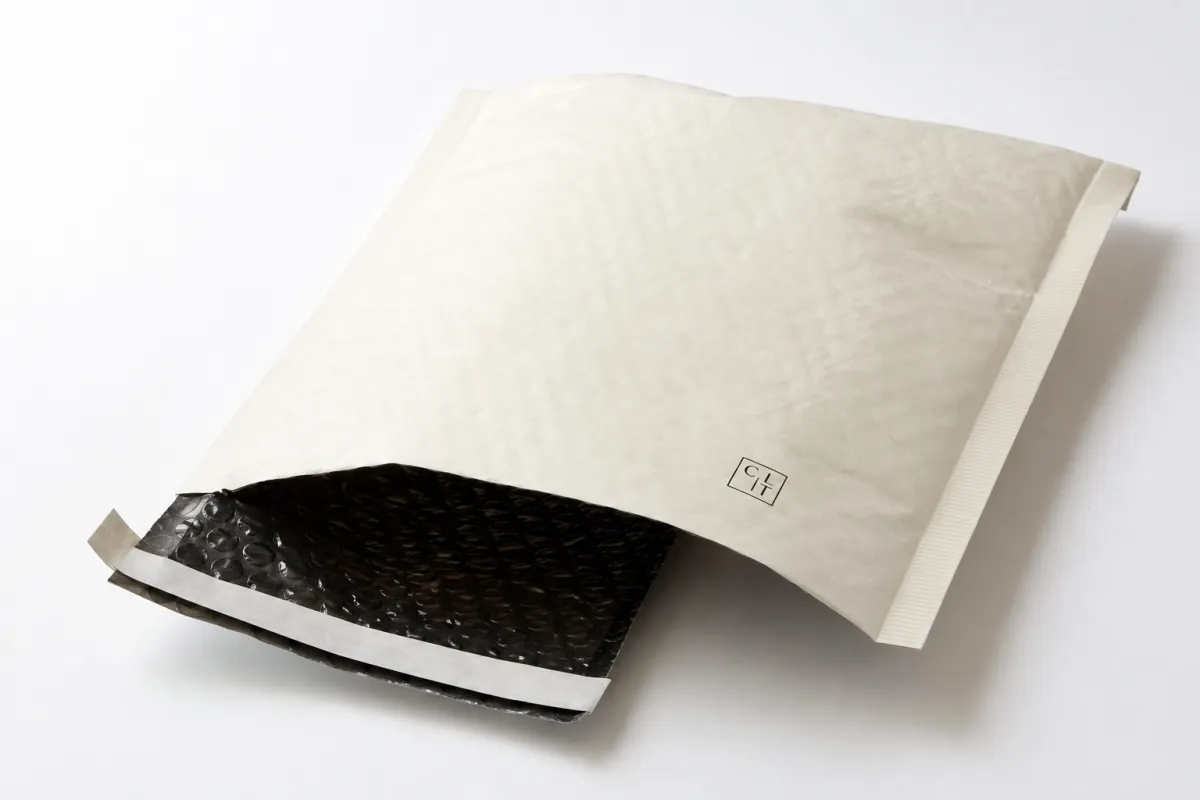
Many buyers begin with the wrong assumption: a compostable mailer must be weaker, harder to source, or awkward to use at scale. The reality is a bit more grounded. compostable mailer bags wholesale can be a disciplined shipping option when the film thickness, seal design, and bag size are matched to the product. The point is not to create a fancy outer package. The point is to remove avoidable friction from fulfillment, transit, and returns.
A retail box can create a polished first impression, but dimensional weight often pushes freight costs in the wrong direction. A flimsy mailer may save a few cents on the purchase order and then erase those savings with tears, customer complaints, or a second shipment. For many brands, compostable mailer bags wholesale lands in the useful middle: lighter than a box, cleaner than a plain poly bag, and easier for packers to handle during high-volume runs.
The best results usually show up in categories that are light, flexible, and sold in repeat volume. Apparel is the clearest example. Beauty and personal care follow close behind, especially when the products already sit inside cartons or molded trays and do not need rigid crush protection. Supplements, accessories, and small boxed goods can work the same way. In those channels, compostable mailer bags wholesale trims excess packaging while keeping the presentation sharp.
The sustainability story deserves a grounded explanation. Compostable packaging does not cancel out waste by itself. Disposal still depends on local infrastructure, the right certification, and the way the package is handled after delivery. The EPA’s guidance on sustainable materials management makes that point very clearly: outcomes depend on collection systems and sorting behavior, not on a label alone. The agency’s overview is here: EPA sustainable materials guidance. That reality check keeps compostable mailer bags wholesale tied to operations instead of marketing spin.
“A greener bag that fails in transit is not a sustainability win; it is a replacement cost.”
That line is blunt because the buying decision is blunt. A package only supports a lower footprint when it survives the route. The smarter comparison looks at the whole picture: material choice, freight weight, damage rate, repacking time, and customer experience. Measured that way, compostable mailer bags wholesale starts to look less like a niche purchase and more like a practical standard for high-volume soft goods.
Product Details: What Compostable Mailer Bags Wholesale Buyers Get
Not every mailer sold as compostable is built the same way, and that is where buyers need to slow down. A typical compostable mailer bags wholesale product includes a compostable film, heat-sealed edges, an adhesive closure flap, and a format that can be plain or custom printed. Some versions stay matte and understated. Others are designed for stronger brand visibility, with logo placement, disposal guidance, or recycling copy on the outside. The purpose is not decoration for its own sake. The purpose is clarity, consistency, and a better packing flow.
One of the first distinctions to verify is whether the mailer is home compostable or industrial compostable. The difference matters because the disposal path and the claim language are not interchangeable. Industrial compostable products are designed for controlled facilities with the right heat, moisture, and microbial conditions. Home compostable options are built for backyard-style composting conditions, which are much stricter in real use. If a supplier cannot explain the certification in plain language, that deserves a close look. A serious compostable mailer bags wholesale program should make the claim easy to defend.
Daily handling traits matter just as much. Opacity protects privacy. Tear resistance matters when packages are stacked, dropped, or compressed. Puncture resistance matters for boxed beauty products, sharp-edged accessories, and bundled garments with hardware or zippers. Moisture resistance matters on wet loading docks and during last-mile handling. For many brands, the best compostable mailer bags wholesale option is the one that behaves predictably under those conditions, not the one that looks nicest in a sample photo.
Size design is another area where small mistakes create large costs. Flat mailers work well for tees, socks, light accessories, and paperwork. Gusseted mailers are better when the packer needs extra volume for folded garments or small boxed items. Oversized mailers can prevent overstuffing, which often causes seal failures and wrinkled presentation. A well-sized compostable mailer bags wholesale order usually lowers labor friction because packers are not fighting the bag to make the product fit.
The next question is whether the mailer stands on its own or needs support. For soft goods, the answer is often yes, the mailer is enough. For fragile goods, a mailer may still work, but it may need an inner sleeve, paper cushioning, or a small rigid carton inside. That decision is not about being overly cautious. It is about choosing the right protection level so the sustainability story does not break down after transit damage. Good compostable mailer bags wholesale sourcing respects product fragility from the start.
The brand side matters too. A clean, minimal mailer can make a premium apparel label feel organized and current. A bold printed mailer can reinforce identity for direct-to-consumer brands that want recognition on social feeds and in the mailbox. That is why compostable mailer bags wholesale should be treated as both a shipping product and a brand surface. The package has a functional job, and it also speaks for the business before the customer opens it.
Specifications to Verify Before You Order
Strong sourcing starts with a spec sheet, not a price. Before approving compostable mailer bags wholesale, ask for the exact material composition, thickness, seal strength, print coverage, size tolerance, and storage guidance. Those details are not paperwork noise. They are the difference between a smooth production run and a messy one. Even a few millimeters of variation can change the way a mailer fits a folded garment or whether the adhesive strip closes correctly on the line.
Material thickness deserves special attention. Many buyers in light apparel work with films in the 50-70 micron range, while heavier loads may justify 80-100 microns or a similar range depending on construction. That is not a fixed rule; it depends on the item, the seal design, and the stress of the shipping lane. A supplier should still be able to explain why a given compostable mailer bags wholesale spec fits a particular use case instead of offering one thickness to every buyer.
Certification review should happen early. Ask for documentation that matches the claim you intend to use in the market where the bags will be sold. If the mailer is industrial compostable, the paperwork should support that statement. If it is home compostable, the evidence should be equally clear. For buyers who want a baseline on transit performance, packaging associations and testing bodies help frame the conversation; the ISTA testing standards are often referenced when buyers want to understand how packaging behaves under shipping stress. A well-documented compostable mailer bags wholesale order should not leave those questions open.
Color and finish matter more than many teams expect. A solid opaque film protects privacy and gives a more premium feel. A matte finish can look natural and modern, while a glossier surface may show scuffs more easily during transit. Print coverage also affects appearance and cost. Full-surface coverage can create a stronger visual result, but it can also add setup complexity. That is why compostable mailer bags wholesale requests should include the artwork plan from the beginning, not after the quote is already assembled.
Storage conditions are a real issue, especially for large purchase volumes. Heat, humidity, and long warehouse dwell times can affect adhesive behavior and package appearance. If the bags will sit for months before use, ask for shelf-life guidance and packaging format. Are they packed flat? Bundled in sleeves? Cartoned for dry storage? Those details help protect the order after delivery. A reliable compostable mailer bags wholesale supplier should be able to explain what happens to the product in a warehouse, not only how it looks in a sample image.
If a team is gonna approve the order based on a PDF alone, that is usually where trouble starts. A sample in hand tells you far more than a spec line ever will. You can feel the closure, watch the seal, and see whether the bag still looks composed after a few rough passes across a packing table.
- Material composition: confirm the film blend and the compostability standard tied to it.
- Thickness: request the gauge or micron range and match it to the product weight.
- Seal type: check adhesive strength and closure consistency across batches.
- Print spec: verify color count, coverage area, and proofing method.
- Storage notes: ask for temperature, humidity, and shelf-life guidance.
A sample pack is not optional. It is the cheapest way to find out whether the bag opens fast enough, seals cleanly, and fits the actual product flow on the table. In many compostable mailer bags wholesale projects, a small prototype run prevents a larger mistake later. The spec sheet tells you what the supplier promises. The sample tells you whether the promise survives real use.
Compostable Mailer Bags Wholesale Pricing, MOQ, and Quote Basics
Pricing for compostable mailer bags wholesale is driven by a handful of clear variables: material grade, bag size, print colors, certification requirements, packaging format, and freight method. Buyers sometimes focus only on the unit price, but the first order often includes more than the bag itself. Artwork setup, plate fees, sample shipping, and custom tooling can move the total cost more than expected. That is normal. It is also why a quote that looks cheap on paper can become expensive once the order is fully landed.
Minimum order quantity, or MOQ, should be read as a business signal rather than a penalty. Lower MOQs are useful for testing fit, color, and customer response. Higher MOQs usually improve the unit price and fit better for established SKUs. A smart compostable mailer bags wholesale buyer asks how the price changes at 1,000, 3,000, 5,000, and 10,000 pieces, because the cheapest first tier is not always the right long-term answer.
| Option | Typical MOQ | Indicative Unit Price | Best Fit |
|---|---|---|---|
| Plain compostable mailer bags wholesale | 1,000-3,000 pieces | $0.18-$0.28 | Pilot runs, basic fulfillment, low-print branding |
| One-color custom printed bags | 3,000-5,000 pieces | $0.22-$0.36 | Logo placement, disposal copy, simple identity work |
| Full-color custom printed bags | 5,000-10,000 pieces | $0.30-$0.55 | Premium unboxing, retail-ready presentation, stronger branding |
| Oversized or heavier-gauge bags | 3,000-8,000 pieces | $0.35-$0.65 | Footwear, thick knits, bundled products, higher transit stress |
Those ranges are practical ballparks, not promises. They vary by print coverage, market, and freight terms. A quote for compostable mailer bags wholesale should also state whether it is ex-works, FOB, or delivered, because freight can change the landed cost more than the bag price itself. If a supplier gives a neat unit number without stating the shipping basis, the comparison is incomplete.
The most useful quote checklist is short and specific. Provide exact dimensions, desired thickness, print file readiness, certification needs, packaging format, and target monthly usage. If possible, state whether you are replacing a box, a standard poly mailer, or another format. That context helps the factory recommend the right construction. In a healthy compostable mailer bags wholesale buying process, the quotation becomes a design conversation instead of a number on a page.
Short-run testing has its place. It protects cash flow, proves the fit, and reveals where the warehouse team slows down. Once the SKU is stable and the volume forecast is credible, the better play is often a larger compostable mailer bags wholesale order that lowers unit cost and removes repeated setup fees. The right choice depends on the sales channel, not on a generic rule.
That said, a bigger order only makes sense after the bag has earned its place. A buyer who skips sample testing to save a week usually ends up losing a month. I have seen that happen more than once, and it is always the same story: the first shipment looks fine on paper, then the adhesive behaves differently in a cold dock or the artwork shifts just enough to feel off in hand.
Process, Timeline, and Lead Time for Compostable Orders
A clean production schedule matters as much as the spec itself. The usual path for compostable mailer bags wholesale runs from inquiry to delivery in a series of steps: product brief, spec confirmation, sample review, artwork approval, production, quality check, and shipping. Any weak point in that chain can slow the whole order. The fastest projects are the ones where the buyer already knows the exact size, print direction, and disposal claim before the first quote arrives.
Lead time depends on more than factory speed. Print complexity can add time, especially if the job needs multiple colors or a heavy ink coverage area. Certification review can add time if the claim needs matching documents. International freight can add time if the order ships overseas and the port schedule is tight. For many compostable mailer bags wholesale buyers, the real timeline is not production alone; it is production, approval, testing, and transit combined.
A practical planning benchmark helps. Standard orders often move in roughly 12-15 business days after proof approval, while more complex printed runs may need 15-25 business days. Freight sits on top of that. Rush work is possible in some cases, but only when the artwork is final, the factory slot is open, and the shipping method is already set. A mature compostable mailer bags wholesale plan keeps stock from getting tight in the first place.
Speed is usually won or lost at the approval stage. If the buyer responds slowly to proofs, asks for major design changes late in the process, or changes specs after sampling, lead time expands immediately. Good communication is not bureaucracy; it is inventory protection. For compostable mailer bags wholesale orders, a tight feedback loop can save more time than any rush fee.
A useful forecasting habit separates smooth buyers from frantic ones: tie the next order to sales velocity, not to panic. If the brand ships 10,000 units a month, the packaging purchase should reflect that rhythm with a safety margin, not a guess. The brands that manage compostable mailer bags wholesale well treat replenishment like planned material demand rather than a one-time hunt.
- Inquiry: send the size, usage, print, and certification brief.
- Sample: test fit, closure, and tear performance in the warehouse.
- Proof: approve artwork only after checking placement and legibility.
- Production: confirm timing once the proof is final.
- Delivery: receive and inspect before releasing the bags into full production.
Why Choose Us for Compostable Mailer Bags Wholesale
Buyers do not stay with a supplier because of a single sample. They stay because the process keeps working. That is the real value behind compostable mailer bags wholesale: technical guidance, responsive communication, and stable supply reduce buying risk. A supplier should help translate the product brief into a workable spec instead of sending a quote and disappearing.
At Custom Logo Things, the goal is to match the mailer to the channel. A subscription apparel brand needs different sizing and print treatment than a beauty label shipping boxed sets. A small goods seller may care most about fast packing and low damage rates. A retailer with stronger visual standards may want more print coverage and a matte finish with a premium feel. Good compostable mailer bags wholesale support starts with that fit, because the best bag is the one that works in the actual workflow.
That is also where the broader packaging range helps. If a buyer wants to compare compostable formats with other options, the Wholesale Programs page gives a clearer view of volume support and ordering structure. If a brand needs a non-compostable benchmark for print, sizing, or closure performance, our Custom Poly Mailers are useful as a reference point. The goal is not to force one material into every job. The goal is to help the buyer Choose the Right package for the product and the margin target.
Wholesale buyers also care about documentation. They want to know what they are buying, how it was tested, and whether the result stays consistent from batch to batch. Documented testing and quality control are not decorative claims; they are the reasons a packaging line keeps moving. For compostable mailer bags wholesale, the strongest supplier relationship is the one with fewer surprises, clearer answers, and better follow-through on deadlines.
“What matters most is not whether a supplier says the bag is compostable. What matters is whether the spec, the proof, and the warehouse reality all line up.”
That buying discipline matters even more for brands built around eco-friendly packaging, zero waste messaging, or a broader circular economy story. A package should support that story with real use value, not bury it under claims. When compostable mailer bags wholesale is sourced well, the benefits are measurable: cleaner branding, fewer packing errors, and less rework at the table.
Next Steps: Sample, Test, and Place Your First Order
The most efficient path is simple. Choose the right size, request samples, confirm the certification path, estimate monthly volume, and ask for a written quote. Then ask one more question: how will this bag behave in our actual packing room? That question matters because compostable mailer bags wholesale succeeds or fails in real use, not in a product photo.
Test the bags with actual products, not dummy inserts. Use the same packers, the same labels, and the same workflow that the warehouse uses on busy days. Check whether the adhesive strip closes cleanly, whether the film handles corner pressure, and whether the bag still looks tidy after a short transit simulation. If the package survives a practical test, the order has a strong chance of working at scale. That is the discipline behind compostable mailer bags wholesale buying that saves money later.
A simple go-or-no-go rule helps remove guesswork. If fit is right, print is legible, seals stay closed, and the bag holds up after a short shipping test, move forward. If one of those points fails, adjust the spec before placing a larger order. Small corrections at this stage are cheap. Corrections after launch are not. Brands that handle compostable mailer bags wholesale well know that a pilot run is not a delay; it is insurance.
One final comparison is worth making. A cheaper package that raises returns is not cheap. A prettier package that slows the line is not efficient. The best answer is the one that protects product, supports brand, and keeps the warehouse moving. For many ecommerce teams, compostable mailer bags wholesale is the clearest route to measurable sustainability, reliable performance, and a clean first order. The practical takeaway is straightforward: sample first, test in the real packing flow, and scale only after the bag proves it can handle the work.
Frequently Asked Questions
What should I check before ordering compostable mailer bags wholesale?
Confirm the compostability standard, bag size, thickness, seal type, and whether the claim is home compostable or industrial compostable. Ask for samples and a spec sheet so you can test fit, tear resistance, and print quality in your own packing flow. Verify MOQ, lead time, and freight costs before approving the first compostable mailer bags wholesale order.
Are compostable mailer bags wholesale strong enough for ecommerce shipping?
Yes, for light to medium-weight products when the size and film spec match the item being shipped. They work best for apparel, accessories, beauty, and small boxed items that do not need rigid crush protection. For fragile goods, pair the mailer with inner protection or a secondary box. In the right use case, compostable mailer bags wholesale performs well and keeps the package light.
How do I compare pricing on compostable mailer bags wholesale quotes?
Compare like for like: same size, thickness, certification, print colors, and freight terms. Check the MOQ and the unit price at each volume tier so you can see the real cost curve. Ask whether setup fees, plates, or custom tooling are included in the quote. That is the only fair way to compare compostable mailer bags wholesale offers.
What lead time should I expect for compostable mailer bags wholesale orders?
Lead time depends on sample approval, artwork readiness, production queue, and shipping method. Standard orders move faster when specs are finalized before quoting. Rush timelines are possible in some cases, but only when the factory schedule and freight plan support it. For planning purposes, compostable mailer bags wholesale is best ordered before stock gets tight.
Can compostable mailer bags wholesale be custom printed?
Yes, most wholesale programs can add logos, brand colors, or disposal messaging. Print complexity can affect MOQ, Cost, and Production time, so final artwork should be ready before the quote is confirmed. Request a proof or sample print before full production. Custom printing is one of the reasons many buyers choose compostable mailer bags wholesale over plain stock packaging.
For brands that want a packaging decision with real operational value, compostable mailer bags wholesale remains a strong fit: it can reduce shipping friction, support green packaging goals, and keep the buying process measurable instead of vague. The cleanest orders are built on solid specs, honest testing, and clear volume planning, and that is exactly how compostable mailer bags wholesale should be approached from the start.

