Buyer Fit Snapshot
| Best fit | compostable retail paper bags for packaging buyers comparing material specs, print proof, MOQ, unit cost, freight, and repeat-order risk where brand print, material, artwork control, and repeat-order consistency matter. |
|---|---|
| Quote inputs | Share finished size, material target, print colors, finish, packing count, annual reorder estimate, and delivery region. |
| Proofing check | Approve dieline scale, logo placement, barcode or warning zones, color tolerance, and any recyclable or compostable wording before bulk production. |
| Main risk | Vague material claims, crowded artwork, or missing packing details can create delays even when the unit price looks attractive. |
Fast answer: Compostable Retail Paper Bags: What Makes Them Work should be specified like a repeatable production item. The safest quote includes material, print method, finish, artwork proof, carton packing, and reorder notes in one written spec.
What to confirm before approving the packaging proof
Check the product dimensions against the actual filled item, not only the sales mockup. Ask for tolerance on folds, seals, hang holes, label areas, and retail display edges. If the package carries a logo, QR code, warning copy, or legal claim, reserve that space before decorative graphics fill the panel.
How to compare quotes without losing quality
Compare board or film grade, print process, finish, sampling route, tooling charges, carton quantity, and freight assumptions side by side. A lower quote is only useful if the supplier can repeat the same color, closure quality, and packing count on the next order.
Compostable retail paper bags can fool the eye. On a display table, they look clean, responsible, and almost self-explanatory. Then the spec sheet lands on the desk and the story gets complicated fast. A coating that sounds harmless in sales language can block compostability. A laminate-style layer can undo the claim entirely. The wrong adhesive can do the same. Even ink coverage matters. The bag is never just a bag.
Brands often treat green packaging as a visual problem. That is a mistake. Compostable retail paper bags have to do three things at once: protect merchandise, carry the brand image, and break down in the right composting setting after use. Miss one of those jobs and the sustainability claim starts to wobble. Miss two and the whole thing becomes decorative optimism.
A bag that looks eco-friendly on a mockup is not automatically suitable for composting, retail handling, or real customers who overfill it on the way out the door.
Compostable Retail Paper Bags: What They Really Are
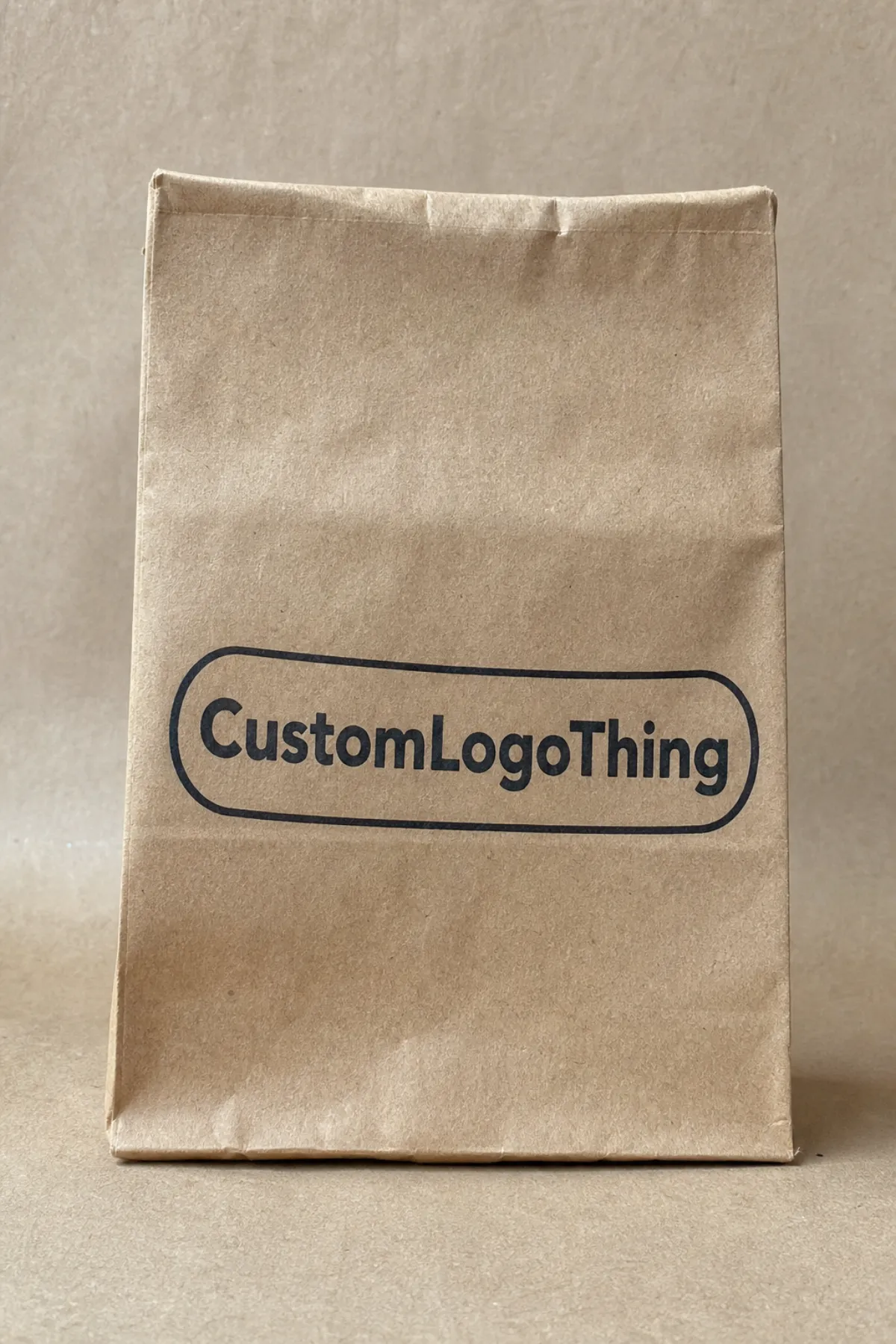
Plainly put, compostable retail paper bags are paper-based bags designed so the full structure can break down in a composting environment within a defined test standard. That sounds simple until you list the parts: fiber, ink, adhesive, coating, handle reinforcement, window film, and any extra layer added for strength or appearance. One weak link can shift the claim from defensible to dubious.
People mix up compostable, recyclable, recycled, and biodegradable all the time. The words are not interchangeable, no matter how often packaging marketing tries to blur them. A bag can be recyclable and not compostable. It can be compostable and contain no recycled content at all. “Biodegradable” is the slipperiest term of the group, which is why it shows up so often in copy and so rarely in clear sourcing conversations. Buyers should ask what the bag is made of, which standard it passed, and where it is supposed to go at end of life.
- Compostable: designed to break down under composting conditions within a tested timeframe.
- Recyclable: can enter a recycling stream if the local system accepts it and the material is clean enough.
- Recycled: made with recovered fiber or recovered content.
- Biodegradable: can break down biologically, but the claim may say very little about where, how fast, or into what.
Retailers use compostable retail paper bags in boutiques, gift shops, coffee bars, farm stores, wellness brands, and takeout operations that want a cleaner checkout story. A good bag can elevate the purchase moment without dragging in plastic windows, heavy laminates, or an awkward sustainability explanation. That matters more than it sounds. Customers remember friction.
Structure matters because a thin bag with weak handles creates problems at the register and on the sidewalk. A customer who drops a purchase in the parking lot will not be impressed by the compostability claim. On the other side, an overbuilt bag with unnecessary coatings can undermine the circular economy story entirely. Compostable retail paper bags live in the narrow space between presentation, cost, and disposal. That space is unforgiving.
For brands that care about eco-friendly packaging, the useful question is not “Does it sound sustainable?” The better question is “Does every layer of the build support the claim?” That is the difference between a thoughtful specification and a piece of green theater. Compostable retail paper bags earn trust only when the details line up.
I have seen teams sign off on bags because the front-of-pack language looked clean, then discover months later that a glossy coating or mixed-material handle had changed the end-of-life picture. That is not a rare failure. It happens because packaging decisions are often split between marketing, procurement, and operations, and each team sees only part of the product. The bag needs one owner for the spec, not three people guessing from different angles.
How Compostable Retail Paper Bags Work After Use
After use, compostable retail paper bags break down because microbes, moisture, oxygen, and heat work on the fiber structure. Paper fibers decompose faster when the bag is built from compatible materials and when the composting environment is active enough to do the job. A backyard pile filled with dry leaves is not the same thing as a controlled commercial compost system. That distinction changes the outcome more than most sellers admit.
Uncoated kraft behaves differently from a bag with dense print coverage, surface treatments, or a glossy finish. Two bags can both be sold as compostable retail paper bags and still decompose at very different speeds. Thick handles, reinforced bottoms, and heavier ink loads tend to slow the process. Simple kraft with water-based inks and minimal additives is usually easier to compost, assuming the rest of the structure stays clean.
Commercial composting is usually the more realistic route for compostable retail paper bags. Temperature, oxygen, and moisture are managed better, so the material stream is more predictable. Backyard compost is more variable, especially for larger retail bags or anything with multiple components. That does not make home compost irrelevant. It just means the claim needs to match the environment. A bag tested for one system should not be described as universal out of habit.
Performance during use matters just as much. A bag that collapses in transit or tears at the handle creates waste before it reaches any compost pile. Customers notice that immediately. They also notice the second bag they have to carry. If a shopper has to cradle the bottom like a bowl of soup, the packaging has already failed its basic job.
Three questions help keep the end-of-life story honest:
- What actually touches the product: paper fiber, coating, ink, adhesive, window film, or handle reinforcement?
- What composting environment was the bag tested for: industrial composting, home composting, or both?
- Will the bag survive the store floor long enough to matter?
For anyone digging into waste diversion and composting systems, the EPA’s composting resources are useful. If the fiber source matters to the brand story, the FSC framework is worth checking too, especially where forest management and chain-of-custody claims need backing. Those are separate questions, and buyers should keep them separate. Sustainable fiber sourcing does not automatically make a bag compostable, and compostable does not automatically mean responsibly sourced.
Key Factors That Decide Quality and Performance
Quality starts with the paper structure. Basis weight, fiber blend, and bag construction determine whether compostable retail paper bags feel sturdy or flimsy in the hand. A 120gsm kraft bag may suit a lightweight boutique item. A 150gsm to 180gsm build often makes more sense for heavier retail loads. That is not a rule carved into stone, but it is a sensible range to begin with.
Handle style changes the experience more than most buyers expect. Flat paper handles are cost-friendly and easy to keep simple. Twisted paper handles add grip and usually look more finished. Rope handles feel premium, yet they can complicate compostability unless the full build is designed with that in mind. Reinforcement patches improve strength, but they also introduce another material decision. Compostable retail paper bags do not get a free pass because the handle looks polished.
Barrier decisions are where a lot of buyers stumble. A light water-based coating can help with moisture resistance and still fit the spec. A plastic-like liner, foil-style layer, or non-compostable window film can sink the claim. Food service, humid storage, and transport durability sometimes call for extra protection, but the supplier needs to explain exactly what that layer is, how it was tested, and whether compostable retail paper bags still qualify after the change.
Printing is another quiet trap. High ink coverage, dark solids, metallic effects, and specialty finishes can affect compostability and recyclability. Premium retail often wants strong color, sharp contrast, and a tactile finish, yet every added layer should earn its place. If a design needs six embellishments to feel “eco,” the concept probably needs to be stripped back. Materials have limits. They do not negotiate.
Certification and claim language deserve a skeptical eye. Look for documentation tied to recognized test methods such as ASTM D6400, EN 13432, or ISO 17088, depending on the market and the bag construction. Ask for the actual scope of the certification or test report. A green icon on a sales sheet proves almost nothing without supporting paperwork. Compostable retail paper bags need evidence, not decoration. If the supplier says a bag is compostable but cannot identify the substrate, ink system, adhesive family, and barrier treatment, that is a sign to slow down.
The practical rule is simple: if the supplier cannot tell you what part of the bag is compostable, under which standard, and in what environment, keep looking. That applies even more to custom work. The more custom the bag, the more likely one “small” change will affect the final claim.
| Bag Type | Best For | Typical Unit Cost at 5,000 Units | Performance Notes |
|---|---|---|---|
| Plain kraft, no print | Simple retail carryout | $0.12-$0.22 | Lowest cost, easiest build, fewer compostability risks |
| Custom printed kraft | Boutiques, gift shops, branded retail | $0.18-$0.34 | Good brand impact, price rises with ink coverage and color count |
| Moisture-resistant paper bag | Food shops, takeout, mixed-use retail | $0.22-$0.42 | More useful in humid or greasy conditions, but barrier choice must be checked |
| Heavy-duty reinforced bag | Heavier merchandise, larger product sets | $0.28-$0.55 | Stronger and more premium, usually higher MOQ and more testing needed |
Those numbers are not universal quotes. They show the shape of the market. Size, print coverage, certification demands, and handle style all move the price. Compostable retail paper bags with cleaner builds usually cost less than layered, specialty, or highly branded versions, which is exactly what you would expect when fewer materials are doing less work.
One more factor deserves attention: if the bag supports a zero waste message, the disposal path has to exist in the buyer’s region. A compostable bag in a city with no compost collection is still better than a plastic-heavy alternative, but the story should stay accurate. Nobody benefits from presenting compostable retail paper bags as a cure-all. The packaging choice still has to fit local infrastructure, or the claim turns into wishful thinking.
Compostable Retail Paper Bags Cost, Pricing, and MOQ
Pricing follows a familiar pattern. Size, paper weight, handle style, print coverage, certification, and order quantity all move the number in predictable ways. The snag is that buyers often compare quotes without checking what each quote includes. Then the “cheap” option grows after artwork, plates, freight, or sample fees appear. Packaging budgets have a habit of doing that.
With compostable retail paper bags, minimum order quantity matters a great deal. Lower MOQs help smaller brands, seasonal launches, and pilot runs. The tradeoff is usually higher unit pricing and fewer custom options. Higher volume orders usually improve pricing, yet they also raise the risk of sitting on inventory if the size or design turns out wrong. There is no clean shortcut around that.
A plain stock-style bag is usually the cheapest route. A fully custom printed version costs more, but it may fit the brand better and reduce the need for extra inserts or secondary packaging. In practice, the right bag can save money by lowering damage, reducing returns, and preventing awkward store-floor fixes. Compostable retail paper bags are not just a unit-cost decision. They are part of the customer experience.
Ask suppliers to break pricing into clear buckets:
- Unit price: what each bag costs at the quoted quantity.
- Tooling or plate fees: one-time setup costs for custom print or size changes.
- Sample charges: especially relevant for new constructions or heavy print coverage.
- Shipping: ocean, air, or domestic freight, plus destination charges.
- Testing or certification costs: sometimes included, sometimes not.
If you are comparing compostable retail paper bags across two or three suppliers, make them quote the same structure. Same dimensions. Same paper weight. Same handle. Same print count. Same shipping basis. Otherwise, the lowest number is just the quote that left something out on purpose or by accident.
Use this frame before placing a bulk order for compostable retail paper bags:
- Do you need premium branding, or just a clean carry solution?
- Will the bag hold light apparel, boxed products, food, or mixed merchandise?
- Do you need compostability documentation for a retailer, distributor, or compliance team?
- Can your forecast support a higher MOQ if the per-unit cost improves?
Once those answers are clear, the decision gets easier. Not easy. Easier. That difference matters because a bad bag order tends to linger for months. Compostable retail paper bags are far cheaper to get right at the start than to explain away later.
Production Process, Timeline, and Lead Time
The production flow is usually straightforward, but details can slow it down quickly. A typical project begins with a brief, then spec selection, artwork review, sampling, approval, manufacturing, quality control, packing, and shipping. Simple designs move faster, especially if the supplier already has a suitable paper base. Custom sizes, special handles, or certification verification stretch the schedule.
Lead time is not only factory time. That mistake shows up constantly. Production might take 12 to 18 business days after approval, yet freight, customs, and warehouse receiving can add another layer. For imported compostable retail paper bags, the total door-to-door timeline can run much longer than the first estimate in a sales email.
Sample approval is one of the biggest delay points. A digital proof shows layout, not the feel of the paper in hand, the way the handle sits, or whether the print density makes the bag look heavier than intended. Physical samples matter, especially if the bag is part of a premium retail launch. Compostable retail paper bags are too visible to sign off lightly.
Artwork revisions, certification checks, and custom die changes can all slow the schedule. A small shift in gusset size or handle placement can affect production setup. Rushed approvals usually cost more than the buyer planned. Fast is nice. Correct is better.
For planning, I usually suggest a buffer of at least two extra weeks beyond the optimistic schedule, especially if the bags support a store opening, holiday season, product launch, or event. If the timeline is tight and the bag is central to the customer experience, build the order around the schedule you can actually live with, not the one in the cheerful sales note.
The packaging timeline should also sit inside the internal calendar. If marketing wants last-minute artwork changes while procurement is chasing freight dates, everybody pays for the delay. Compostable retail paper bags are a packaging purchase, yes, but they are also a project. Projects need dates, owners, and a paper trail.
From experience, the most avoidable delay is not manufacturing. It is indecision. Teams spend weeks arguing over print placement, then approve a sample with a rushed email and hope the rest sorts itself out. It rarely does. A firm sign-off process keeps the project from drifting into the kind of delay that gets blamed on the factory when the real problem started in the office.
Step-by-Step Guide to Choosing the Right Bags
Step one is defining the use case. Carry weight, product type, store environment, and brand position should decide the bag, not the other way around. A boutique selling scarves does not need the same structure as a takeout counter carrying warm containers. A paper bag for a light jewelry box can be elegant and spare. A bag for heavier merchandise needs more paper, stronger handles, and smarter reinforcement.
Step two is testing samples with real products. Put the actual item in the bag. Walk it around the store. Stack it. Hand it to someone. Ask them to carry it the way a customer would. Spec sheets help, but real use exposes weak spots much faster. With compostable retail paper bags, a 30-second field test can save a 30,000-unit mistake.
Step three is confirming the sustainability claim in writing. Ask which parts of the bag are compostable, which test standard was used, and whether the claim applies to industrial or home composting. If the bag uses barrier coating, printed graphics, or special reinforcement, get a clear explanation of how those elements were evaluated. Compostable retail paper bags should come with documentation a purchasing manager can file without translating it into guesses.
Step four is comparing suppliers on more than price. Look at quality consistency, response speed, production capacity, sample accuracy, and total landed cost. A supplier that answers clearly and ships on time is worth real money. A cheap quote that turns into a problem is not a bargain. It is just future paperwork.
Here is the short version buyers can use:
- Choose the right size for the product and fill weight.
- Pick a paper weight that survives handling without overbuilding the bag.
- Keep print effects clean and compatible with the compostability target.
- Ask for documentation before approving any order of compostable retail paper bags.
There is also a branding side to this. A good bag should fit the store’s visual language, not fight it. A calm, minimal brand looks awkward inside a busy printed bag. A premium, tactile store can feel cheap if the bag looks stripped down in the wrong way. Compostable retail paper bags can support the brand story beautifully, but only if the visual design and material spec are moving in the same direction.
Do not ignore the carbon footprint question either. Heavier paper, unnecessary coatings, and oversized bags all add material and freight burden. None of that means “never use a stronger bag.” It means Choose the Right one for the actual job. That is how buyers support a practical circular economy without pretending every inch of paper is free of tradeoffs.
One useful discipline is to decide the order around the real retail moment, not the idealized one. A bag that looks refined but fails on rainy sidewalks or during busy checkout hours will cost more in complaints than it saved in material. I have seen buyers fixate on finish and forget carry performance, then spend the next season searching for a replacement. The better approach is to treat aesthetics, structure, and disposal as one brief.
Common Mistakes and Expert Tips for Better Orders
The most common mistake is buying compostable retail paper bags because they sound sustainable, then discovering the coating, ink, or handle reinforcement breaks the claim. That is a spec problem, not a marketing problem, and it usually shows up after the order is already locked. Better to ask the annoying questions early.
Another frequent mistake is under-specifying strength. Retail bags do not live in a lab. They get dropped, overfilled, crumpled, carried in the rain, set on counters, and reused longer than anyone planned. If the bag is too thin, the customer notices. If the handle pulls out, the customer remembers. Compostable retail paper bags need enough durability to survive real use before they earn the right to break down later.
Expert tip: run a small pilot order before committing to a large production run, especially if the design uses custom printing, unusual sizing, or special handle styles. A pilot batch of 300 to 1,000 units can expose problems that a PDF will never reveal. Catching a handle issue on a small run is a lot cheaper than explaining a warehouse of unusable inventory to finance.
Expert tip number two: write an internal spec sheet for future reorders. Keep the exact size, paper weight, handle type, print details, approved sample reference, and documentation notes in one place. That sounds dull because it is. It is also how experienced teams avoid “we thought we ordered the same thing” disasters. Compostable retail paper bags are much easier to reorder when the spec lives in a real document instead of collective memory.
Expert tip number three: ask the supplier to label what is and is not compostable in plain language. If the bag includes any mixed-material feature, you want that spelled out clearly. No fog. No vague eco language. Just facts. Good suppliers earn trust there. Weak suppliers hide behind leaf icons and cheerful adjectives.
One more practical point: if the bags are part of a sustainability report or retailer compliance packet, keep the supporting paperwork together from the start. FSC paperwork, test reports, material declarations, and shipping records all help later. Nobody enjoys a last-minute compliance scramble. The point of compostable retail paper bags is to make the packaging story cleaner, not to create a new admin headache.
Brands trying to reduce waste should keep the bigger picture in view. A bag alone will not deliver zero waste. A well-designed, right-sized, compostable retail paper bag can reduce unnecessary plastic, improve customer perception, and support a more honest green packaging strategy. That is a real contribution, and it does not need to pretend to be more than it is.
Another mistake I see often is treating the supplier’s first recommendation as the final answer. Suppliers are valuable when they explain tradeoffs, not when they flatten them. If a quote promises compostability, moisture resistance, heavy branding, and a low price in one neat line, ask which of those claims is carrying the load. Usually, one is subsidizing the others.
FAQ
Are compostable retail paper bags better than recycled paper bags?
Better depends on the goal. Compostable retail paper bags make more sense when the end-of-life stream is composting and the bag is built for that path. Recycled Paper Bags may be easier to source, easier to recycle in more places, and cheaper at scale. For many retail brands, the right choice comes down to local waste systems, product weight, print needs, and whether the bag needs moisture resistance.
How long do compostable retail paper bags take to break down?
There is no single timeline. Commercial composting conditions are faster and more consistent than backyard piles, and bag thickness, coatings, inks, and moisture all change the result. A supplier should explain whether the bag was tested for industrial composting, home composting, or both. If they cannot do that, the claim is not ready for prime time.
What should I ask before ordering compostable retail paper bags in bulk?
Ask for material specs, compostability documentation, MOQ, sample availability, unit pricing at different quantities, and full lead time including shipping. Also ask what parts of the bag are actually compostable. One non-compostable layer can make the whole claim weak, and that is exactly the kind of detail that gets missed when a buyer only checks the front page of a quote.
Do compostable retail paper bags need special certifications?
Not every market requires the same certification, but buyers should still ask for test reports or recognized proof instead of generic marketing language. Certifications help confirm the claim, especially if the bag uses special coatings, custom print, or reinforced handles. Compostable retail paper bags are easier to defend internally when the paperwork is clean.
Can compostable retail paper bags handle heavy or greasy products?
Yes, but only if the structure is designed for it. Heavier items need stronger paper, better handle reinforcement, and the right size. Greasy products may need a barrier layer, and that layer has to be checked carefully so it still fits the compostability target. In practice, the bag should be designed around the load, not hoped into behaving like cardboard with feelings.
Can compostable retail paper bags still be branded heavily?
Yes, but the print system should be chosen with care. Strong branding is possible with controlled ink coverage, thoughtful color choices, and finishes that do not compromise the compostability target. The best results usually come from restraint: enough visual identity to feel distinct, not so much material treatment that the sustainability claim becomes harder to defend.
Compostable retail paper bags are worth doing, but only when the build, the claim, and the real use case line up. Get the specs right, check the documentation, test the samples, and compare the full landed cost instead of the prettiest quote. The practical takeaway is simple: approve the bag only after you have matched the paper construction, the composting standard, and the actual disposal path in the market where it will be used. That is how compostable retail paper bags hold up in stores, in transit, and after the customer leaves with the purchase.