Buyer Fit Snapshot
| Best fit | compostable stand up pouches wholesale for growing brands for packaging buyers comparing material specs, print proof, MOQ, unit cost, freight, and repeat-order risk where brand print, material, artwork control, and repeat-order consistency matter. |
|---|---|
| Quote inputs | Share finished size, material target, print colors, finish, packing count, annual reorder estimate, and delivery region. |
| Proofing check | Approve dieline scale, logo placement, barcode or warning zones, color tolerance, and any recyclable or compostable wording before bulk production. |
| Main risk | Vague material claims, crowded artwork, or missing packing details can create delays even when the unit price looks attractive. |
Fast answer: Compostable Stand Up Pouches Wholesale for Growing Brands should be specified like a repeatable production item. The safest quote includes material, print method, finish, artwork proof, carton packing, and reorder notes in one written spec.
What to confirm before approving the packaging proof
Check the product dimensions against the actual filled item, not only the sales mockup. Ask for tolerance on folds, seals, hang holes, label areas, and retail display edges. If the package carries a logo, QR code, warning copy, or legal claim, reserve that space before decorative graphics fill the panel.
How to compare quotes without losing quality
Compare board or film grade, print process, finish, sampling route, tooling charges, carton quantity, and freight assumptions side by side. A lower quote is only useful if the supplier can repeat the same color, closure quality, and packing count on the next order.
Compostable Stand Up Pouches Wholesale for Growing Brands usually enters the conversation as a sustainability decision, but that is only part of the story. The format can reduce freight weight, free up storage space, and create a cleaner shelf presentation without forcing a brand into rigid packaging that hogs room and slows handling. In practical buying terms, compostable Stand Up Pouches wholesale works best when the product, the filling method, and the disposal claim all line up cleanly.
That fit is the real test, and it is where a lot of projects either settle into a good rhythm or start drifting into trouble. If the pouch protects the contents, seals consistently, and supports the label language you plan to print, the order feels grounded in packaging logic instead of marketing theater. If even one piece is off, the job can turn into waste, rework, and a fair amount of frustration after the quote has already looked good on paper.
A pouch earns its keep only when it protects the product, seals cleanly, and survives the trip from filler to shelf without acting fussy.
The Packaging Surprise Brands Miss with Compostable Stand Up Pouches Wholesale
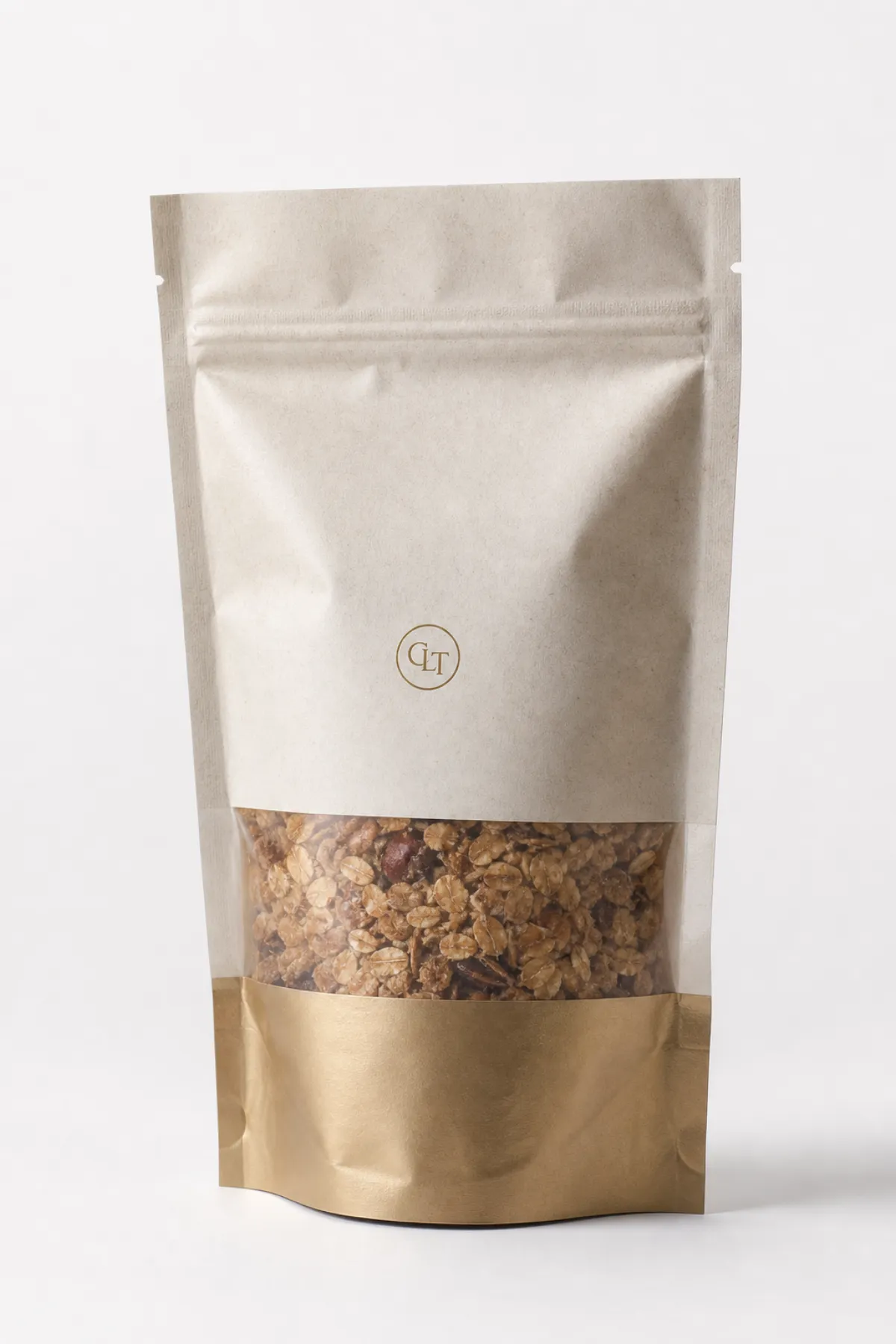
Brands usually start looking at compostable Stand Up Pouches wholesale because they want cleaner packaging language, a lighter footprint, or a better fit for a circular packaging story. Those are all reasonable motives, but operations often drive the decision just as hard as the environmental angle. A pouch that replaces a heavier jar, tin, or rigid tub can cut freight strain, move more easily through shipping, and make merchandising simpler for teams that want a neat block on the shelf.
That operational upside matters more than people expect. A pallet of rigid containers can chew through freight budget quickly, while compostable Stand Up Pouches wholesale often ships with far less dead weight. For brands juggling multiple SKUs, the cube savings can matter as much as the material savings, especially when warehouse space is tight and every case has to justify the footprint it takes. Buyers sometimes get fixated on the sustainability story and miss the fact that the best savings came from smarter cube use and easier handling.
The cleaner the package looks, the more it has to perform out of sight. A good pouch needs to support the fill process, keep seals steady, and hold up to shelf-life demands that are often less forgiving than the artwork suggests. Too little barrier can lead to oxidation, moisture pickup, aroma loss, or texture changes that trigger complaints before the pouch itself looks worn out. That is why compostable stand up pouches wholesale is not a slogan purchase; it is a packaging-specification purchase.
From a buyer’s point of view, the decision usually comes down to three checks. Does the pouch preserve the product? Does it run on the machine or hand-fill line without slowing production? Does the compostable claim match the actual structure, certification, and disposal language? If the answer is yes across the board, the format earns its place. If the answer is “probably,” the order needs a tighter spec review before artwork gets locked.
Serious compostable stand up pouches wholesale conversations tend to sound less like marketing and more like a working session between procurement, operations, and brand. The buyer is usually balancing shelf impact, storage, filling speed, and compliance in one pass. That is normal. A packaging project gets a lot easier when everyone admits it is a practical manufacturing decision first and a brand message second.
For broader sustainability context, the EPA has a useful overview of composting and food waste management at EPA composting guidance. It is not a packaging spec sheet, but it does help ground the language brands use when they talk about disposal and diversion.
Compostable Stand Up Pouches Wholesale: Materials and Product Details
The phrase compostable stand up pouches wholesale covers more than one material build, and that is where many buyers run into trouble. Some pouches use compostable film structures designed for dry goods and moderate barrier needs, while others use a stronger barrier build for product categories that need better protection from oxygen or moisture. The right choice depends on what is inside the pouch, how long it must stay stable, and whether the package will sit on retail shelves or travel through distribution first.
For shelf-stable products, the format is commonly used for tea, coffee, snack items, powders, pet treats, granola, dehydrated foods, and specialty dry goods. A matte finish can give the pouch a premium, soft look, while a clear window can help buyers see the product. That said, windows can affect barrier performance and are not always the right call for sensitive items. If the product is fragile, aromatic, or moisture-sensitive, the conversation should start with barrier performance, not decoration. That part can feel a little boring at first, but it saves headaches later.
Common features matter more than most people realize. Compostable stand up pouches wholesale orders often include resealable zippers, tear notches, heat-sealable tops, and bottom gussets that help the pouch stand upright on shelf. Depending on the product, you may also want a hang hole, rounded corners, or a wider base so the bag displays properly after filling. Those details sound minor, yet they often decide whether the pouch feels polished or awkward in a retail setting.
Certification language matters too. A pouch labeled compostable should match the actual material structure and the certification claim. In many programs, that means checking against standards such as ASTM D6400 or EN 13432, then making sure the disposal language is not broader than the material allows. If the pouch is industrially compostable only, say that clearly. If the product uses a paper outer carton or shipper, FSC can matter there as well, even if the pouch film itself is not paper-based. Honest labeling is part of trust, and trust is what keeps packaging claims from getting messy.
For buyers who want a quick rule of thumb, here is the honest version: the more barrier you need, the fewer material options you will have, and the more carefully you need to review the exact film structure. Compostable stand up pouches wholesale can work very well for branded retail goods, but only when the product’s real shelf-life needs are matched to the pouch’s real protection level. If the package is too light, the product may age poorly; if it is too heavy, you may pay for protection you do not need.
For packaging engineers or technical buyers who want transit context as well, ISTA offers widely used test method references for shipping performance at ISTA packaging test standards. That becomes especially useful when your pouch ships inside a larger carton and still has to survive vibration, compression, and handling.
Compostable Stand Up Pouches Wholesale Specifications to Confirm
Before you request pricing on compostable stand up pouches wholesale, get the core specifications pinned down. The first items are basic but critical: pouch width, height, gusset depth, fill weight, zipper style, seal width, and whether the pouch needs a clear window or a fully opaque body. If those numbers are vague, the quote will be vague too, and the worst surprises tend to show up after artwork has already been built around the wrong dieline.
Barrier requirements come next. Dry goods with low sensitivity can often live in a lighter barrier structure, while coffee, tea, powders, and aromatic products may need tighter control over oxygen, moisture, and sometimes light exposure. A brand selling snacks for quick turnover may accept one structure; a brand selling premium coffee with a longer shelf-life target may need another. Compostable stand up pouches wholesale is not one-size-fits-all, and it should never be treated that way.
Print details should get the same level of care. Ask how many colors the design uses, how much of the pouch is covered with ink, and whether the finish will be matte, gloss, or a specialty texture. Registration tolerance matters, especially on small type, fine linework, and barcode panels. If the artwork is too busy for the pouch size, the final package can look crowded or muddy, which defeats the point of a clean branded presentation.
Confirm whether the pouch will run by hand or through an automated filling line. A hand-fill SKU can tolerate a wider range of seal conditions and zipper styles, while a machine-fill SKU may need more specific temperature, dwell time, and film handling guidance. For compostable stand up pouches wholesale, the supplier should be able to explain the sealing range the structure prefers and where the practical limits sit. That kind of detail saves a lot of frustration once production starts.
Food-contact expectations belong in the same conversation. If the pouch touches edible product, ask for documentation, migration guidance where relevant, and any testing the supplier can provide. For new SKUs or higher-value products, a sample review before full production approval is a smart move. One sample can reveal zipper feel, seal appearance, stiffness, shelf stance, and how the graphics read under real light. That is a far cheaper lesson than finding a mismatch after a large run is finished.
One useful way to think about compostable stand up pouches wholesale is that the spec sheet is not paperwork; it is the working definition of the order. The more clearly you define the pouch, the less room there is for guesswork, and guesswork is where waste usually starts.
Compostable Stand Up Pouches Wholesale Pricing, MOQ, and Quote Factors
Pricing for compostable stand up pouches wholesale depends on more than the number of units in the cart. Material structure, pouch size, print coverage, zipper type, finish, and the number of SKUs all affect cost. A simple one-color design on a standard size will not price the same way as a full-coverage print on a custom dimension with a specialty barrier build. The more you customize, the more the production setup starts to shape the final number.
MOQ follows the same logic. Higher setup complexity usually means a higher minimum order quantity, because the print run, material conversion, and quality-control steps all have to be spread across more finished pouches. Standard sizes and simpler artwork generally price better, while unusual dimensions, heavy ink coverage, or multiple finishes can push the threshold up. That is not a penalty; it is the reality of pouch conversion and printing economics.
The most useful way to compare quotes is to ask what is included, not just what the unit price is. A serious quote for compostable stand up pouches wholesale should show the per-unit cost, setup or tooling charges, artwork help if needed, sample fees if any, freight assumptions, and the expected reprint policy if something changes. Without that detail, buyers often compare numbers that do not actually represent the same package.
| Option | Typical use | Indicative wholesale range at 5,000 pcs | What usually moves the price |
|---|---|---|---|
| Simple compostable pouch | Tea, powders, light dry goods | $0.18-$0.30 per unit | Size, seal style, zipper choice, print count |
| Custom printed matte pouch | Retail snacks, pet treats, specialty foods | $0.24-$0.45 per unit | Artwork coverage, finish, barcode placement, proof cycles |
| Higher barrier compostable pouch | Coffee, aroma-sensitive, longer shelf-life products | $0.35-$0.70 per unit | Barrier build, testing, structure complexity, conversion loss |
Those figures are directional, not a quote, but they keep buyers grounded. If one quote comes in far below the others, ask what was removed. Sometimes the low number means thinner barrier, less print coverage, or fewer quality checks. Sometimes it means the seller is assuming a packaging use case that does not match your product. Compostable stand up pouches wholesale should never be judged only by the cheapest number on the page.
There are smart ways to lower unit cost without weakening the package. Simplify the artwork where it does not affect brand recognition. Consolidate sizes if the product line allows it. Choose a structure that matches the real shelf-life target instead of overbuying barrier. Keep the print file clean so you avoid correction loops. These are ordinary procurement moves, but they can make a real difference on a wholesale order.
For growing brands, the strongest quote is the one that shows where the money goes. If the supplier can explain why one compostable stand up pouches wholesale option costs more than another, you are probably looking at a useful quote. If the numbers arrive without context, that is a sign to ask more questions before committing. A clean quote tends to reflect a clean process.
Compostable Stand Up Pouches Wholesale Process, Timeline, and Lead Time
The process for compostable stand up pouches wholesale should feel orderly. It usually starts with a spec review, then moves to a quote, artwork submission, proof approval, sample review if needed, production, and shipment. Each step sounds simple, but the timeline depends on how complete the information is when the order begins. A clean start is the fastest way to keep a packaging schedule on track.
Lead time changes with order size, print complexity, structure verification, and how quickly the artwork gets approved. A straightforward order with final specs and print-ready files can move much faster than one that still needs copy changes, barcode corrections, or sustainability language review. For many wholesale programs, a practical planning window is often around 12-20 business days after final approval, though complex jobs can take longer. That range is a planning reference, not a promise.
Most delays happen for familiar reasons. Dimensions arrive late. The brand changes color after proofing. Barcode data is missing. The disposal language is unclear. Or someone approves a design before confirming whether the pouch is industrially compostable, home compostable, or only compostable under a specific certification framework. Compostable stand up pouches wholesale runs best when those decisions are made early rather than during the last proof cycle.
If you want the schedule to stay sane, lock the pouch structure before final artwork begins. Confirm the fill weight, finish, zipper type, and any special handling notes first. Then send print-ready files in the correct format so the supplier can check bleed, safety margins, and barcode space without chasing basic information. That kind of preparation does more to shorten lead time than any promise about speed ever could.
The other timeline piece is transit. A pouch that looks ready on screen still has to survive shipping, warehousing, and any retail handling after it lands. For some buyers, the right next step is to review the outer carton spec and carton testing alongside the pouch itself. That is where packaging discipline matters: the package should arrive in condition, not just in theory.
Compostable stand up pouches wholesale becomes much easier to manage when the buyer treats the project like a production schedule rather than a guess. The timeline is not mysterious. It is simply the sum of each decision made before the first production run begins. That is the part people can actually control, so it deserves the most attention.
Why Buy Compostable Stand Up Pouches Wholesale from Us
At Custom Logo Things, the goal is to make compostable stand up pouches wholesale feel like a clear purchasing decision, not a packaging gamble. That means speaking plainly about structure, print, and performance instead of hiding behind broad eco-friendly packaging language. A buyer deserves to know what the pouch can do, where the tradeoffs are, and what should be verified before the order moves forward.
Wholesale buyers usually care about three things: the quote has to make sense, the spec has to be correct, and the pouch has to behave predictably on the production floor. That is where practical support matters. A supplier who spots a sizing mismatch early, notices a print issue before proof approval, or asks the right question about barrier can save a brand from a costly restart. Compostable stand up pouches wholesale should be handled with that kind of discipline from the beginning.
Another real advantage is repeatability. When a brand orders at wholesale volume across several SKUs, each pouch has to match the others in appearance and performance. The zipper feel should stay consistent. The seal should behave the same way across the run. The graphics should land in the same position every time. If your packaging looks a little different from one batch to the next, customers notice faster than most teams expect. Reliable packaging is not glamorous, but it is what keeps a line moving and a brand looking organized.
If you are still building out your packaging program, our Wholesale Programs page is a useful starting point for understanding how larger orders are handled, what information speeds up quoting, and how branded packaging projects are usually organized. For compostable stand up pouches wholesale, that structure matters because the order has to fit the product, the line, and the brand story at the same time.
Here is the practical view: compostable materials are valuable when they are matched to the right use case. Overbuild the barrier and you may spend more than needed. Underbuild it and the product may not hold. Print too much detail and the artwork can become muddy. Keep the spec aligned and the package works hard for the brand while still supporting a more responsible materials strategy. That balance is what most buyers are really after.
Honestly, the best wholesale supplier is the one that reduces uncertainty. If the answer to a technical question is “let’s verify that,” that is a good sign. It means the order is being treated like a real production job. Compostable stand up pouches wholesale deserves that level of care because the pouch is doing more than holding product; it is carrying the brand’s retail presence and its sustainability claim at the same time.
Next Steps for Your Compostable Stand Up Pouches Wholesale Order
If you are ready to price compostable stand up pouches wholesale, start with the details that determine the quote. Send the product type, fill weight, target dimensions, desired finish, artwork files, and any required certifications. If you have retail requirements, shipping constraints, or an existing filling line, include those too. The more complete the brief, the more useful the quote will be.
It also helps to request one or two backup structures. Maybe one option is lighter barrier and lower cost, while another gives you more protection for a premium SKU. That comparison can tell you whether the extra protection is worth the added price, or whether the simpler pouch already fits the product well enough. Compostable stand up pouches wholesale is easier to approve when the buyer can compare alternatives on the same brief.
Ask for a sample review or proof timeline before you give final signoff. If procurement, operations, and brand all need to approve the artwork, plan that review window early. Delays usually come from internal coordination, not from the pouch itself. When everyone knows the timing, the order moves more cleanly and the production calendar stays realistic.
Then confirm the first production run size and your reorder plan. If the SKU is likely to repeat, make sure the labeling language, layout notes, and pack-out details are documented now instead of reconstructed later. That is a small step with a big payoff. Compostable stand up pouches wholesale becomes a repeatable packaging purchase when the recordkeeping is done right the first time.
The strongest orders are not the ones with the flashiest claims. They are the ones where the product, the pouch, and the approval path all make sense together. Once the spec is clear, compostable stand up pouches wholesale stops being a speculative sustainability project and starts behaving like a straightforward wholesale packaging program.
Ready to move forward? Send your specs, compare one or two structure options, and lock the artwork early so the run can be quoted, approved, and produced without avoidable churn. For growing brands, compostable stand up pouches wholesale should feel like a practical packaging decision backed by real data, clear labeling, and dependable production planning.
What are compostable stand up pouches wholesale made from?
They are usually built from compostable film structures designed for a specific product and shelf-life need. The exact material mix depends on barrier goals, print method, and whether the pouch needs features like a zipper or window. Always confirm the certification and disposal language before placing a bulk order for compostable stand up pouches wholesale.
Are compostable stand up pouches wholesale suitable for food products?
Yes, many are used for dry food, tea, coffee, snacks, powders, and similar shelf-stable products. The pouch still has to match the product’s moisture, oxygen, and aroma protection needs. Food-contact compliance and sealing performance should be verified before production, especially on compostable stand up pouches wholesale orders for retail use.
What is the MOQ for compostable stand up pouches wholesale orders?
MOQ depends on pouch size, material structure, and print setup rather than a single universal number. Standard sizes and simpler artwork usually allow more efficient minimums. A quote should clearly show the MOQ alongside any setup or tooling charges for compostable stand up pouches wholesale.
How does pricing work for compostable stand up pouches wholesale?
Pricing is usually based on material build, pouch dimensions, print coverage, finishing details, and order quantity. Higher quantities generally reduce unit cost, while complex structures and premium features raise it. Ask for an itemized quote so you can compare total landed cost, not just the per-pouch number, when reviewing compostable stand up pouches wholesale options.
What is the typical lead time for compostable stand up pouches wholesale?
Lead time depends on art approval speed, order size, certification checks, and production scheduling. Simple orders move faster when artwork and specs are final at the start. The best way to shorten the timeline is to approve the dieline, copy, and packaging structure early for compostable stand up pouches wholesale orders.


