Buyer Fit Snapshot
| Best fit | Sustainable Stand Up Pouches Wholesale for Growing Brands projects where brand print, material claims, artwork control, MOQ, and repeat-order consistency need to be specified before quoting. |
|---|---|
| Quote inputs | Share finished size, material target, print colors, finish, packing count, annual reorder estimate, ship-to region, and any compliance wording. |
| Proofing check | Approve dieline scale, logo placement, barcode or warning zones, color tolerance, closure strength, and carton packing before bulk production. |
| Main risk | Vague material claims, crowded artwork, missing packing details, or unclear freight terms can make a low unit price expensive after revisions. |
Fast answer: Sustainable Stand Up Pouches Wholesale for Growing Brands should be specified like a repeatable production item. The safest quote records material, print method, finish, artwork proof, packing count, and reorder notes in one written spec.
Production checks before approval
Compare the actual filled-product size with the drawing, then confirm tolerance on folds, seals, hang holes, label areas, and retail display edges. Reserve space for logos, QR codes, warning copy, and material claims before decorative graphics fill the panel.
Quote comparison points
Review material grade, print process, finish, sampling route, tooling charges, carton quantity, and freight assumptions side by side. A quote is only useful when the supplier can repeat the same color, closure quality, and packing count on the next order.
Sustainable Stand Up Pouches Wholesale for Growing Brands
Sustainable Stand Up Pouches Wholesale is often the first packaging move that makes a growing brand feel more settled on the supply side. Cartons move more efficiently, transit damage tends to drop, and pallet layouts become easier to plan. A lot of buyers start by comparing print effects and surface finish, but the real savings usually begin with the structure itself: the film stack, the fill efficiency, and the way the pouch behaves once it reaches the line.
Sustainable Stand Up Pouches wholesale should be treated as a working package, not a slogan. A pouch that looks responsible but fails on oxygen barrier, seal integrity, or shelf stability will cost more over time than a cleaner build that actually fits the product, the filling method, and the end-of-life goal. For a packaging buyer, that difference is commercial first and visual second. I have seen teams get kinda dazzled by a nice mockup only to find out the seal window was too narrow for their fill line, and that lesson is never cheap.
For brands moving away from rigid jars, tubs, or overbuilt laminate packs, sustainable stand up pouches wholesale can shift the economics fast. Fewer broken containers in transit, lighter freight, strong shelf blocking, and a lower cost per filled unit are the kinds of results that matter when the reorder calendar is tight and margins are under pressure. The best wholesale choice is the one that holds up in production, shipping, and retail display without creating new headaches for the operations team.
Practical rule: start with the product's barrier need, then choose the pouch structure, and only after that decide on print finish, window style, or decorative upgrades.
That order of decisions keeps sustainable stand up pouches wholesale grounded in facts. It also helps buyers avoid paying for features that do not improve shelf life or line efficiency. A strong spec sheet should tell the supplier exactly what the product needs, what the fill line can handle, and what the wholesale order has to accomplish once it reaches the warehouse.
Sustainable Stand Up Pouches Wholesale: Why Buyers Reorder Faster
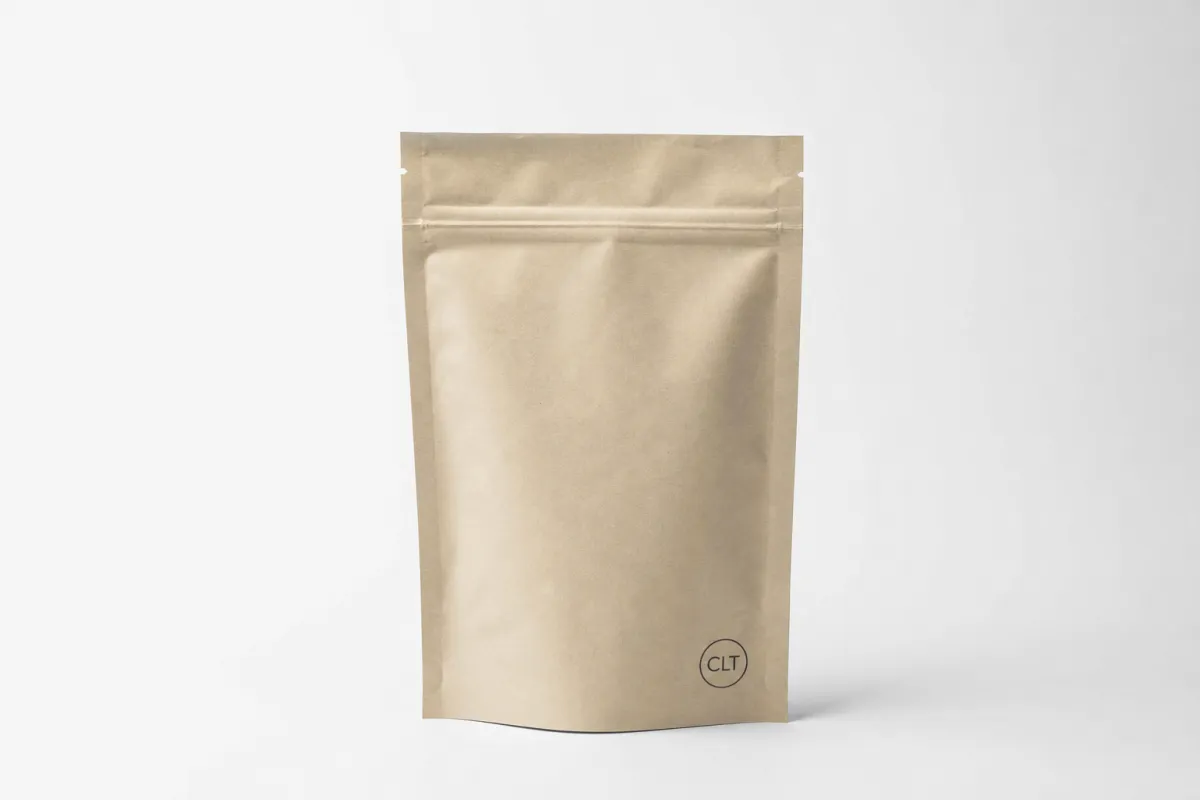
Sustainable stand up pouches wholesale suits brands that want a cleaner package without losing the upright display retailers prefer. Once a brand moves from rigid jars or thick tubs into a pouch format, the benefits show up in the ordinary places that carry real weight: tighter case packs, easier palletizing, lower freight weight, and less glass or brittle plastic to manage during transit. Those gains are not flashy, but they are real.
In many packaged goods categories, the structure and fill efficiency influence landed cost more than a metallic finish or a premium matte varnish ever will. That is why sustainable stand up pouches wholesale should start with the film build rather than the decoration. A buyer who chooses the right format early can usually improve both shelf presentation and warehouse handling without paying for extra complexity.
What "sustainable" means in this category depends on the product and the distribution chain. A recyclable mono PE or mono PP pouch can be the right answer for a dry snack, while a paper-forward pouch may suit a brand that wants a natural look and has a product that can work within the barrier limits. Compostable structures can work in some cases, but they are not universal, and they should never be chosen just because the wording sounds appealing in a sales meeting.
Sustainable stand up pouches wholesale should also be judged on business value. A pouch with a reseal zipper keeps product fresh after opening, the upright base improves shelf blocking, and a stable print surface makes SKU differentiation easier across a wholesale order. When those details are tuned properly, the format can remove packaging compromises instead of creating new ones.
From a buyer's point of view, that is the real advantage. Sustainable stand up pouches wholesale gives you a format that can carry clear branding, hold product shape, and move through wholesale ordering with fewer surprises. If the spec is sound, reorders become easier, and that usually means the packaging team spends less time explaining problems and more time placing the next run.
If you are still comparing formats, it helps to look at the full supply picture. Our Wholesale Programs are designed for repeat orders, and the value only shows up when the pouch structure matches the product from the start. Sustainable stand up pouches wholesale should feel like a controlled purchase, not a gamble.
Product Details: Materials, Barrier, and Print Options
Sustainable stand up pouches wholesale usually starts with the material family, because that choice shapes performance, appearance, and disposal intent. Mono PE is common when recyclability-focused programs matter, especially for dry goods and many snack applications. Mono PP is another strong option, often chosen for a cleaner look, good stiffness, and a recycle-friendly structure where local systems support it. Paper-forward builds can be appealing for brands that want a natural surface, but they still need a real inner barrier layer if the product is sensitive.
Barrier is where a lot of packaging claims get fuzzy, so it helps to speak plainly. Oxygen barrier protects flavor, aroma, and oxidation-sensitive ingredients. Moisture barrier keeps powders, snacks, and dry blends from clumping or going stale. Light protection matters for products that degrade in UV or visible light. In some cases, EVOH is used to improve oxygen resistance, while metalized film or coated structures can provide stronger light and moisture control. Sustainable stand up pouches wholesale only works well when the barrier matches the product's real shelf-life target.
Functional features matter just as much as the film choice. Buyers often want resealable zippers, tear notches, hang holes, transparent windows, and, for coffee or similar products, one-way degassing valves. Each feature changes the build in a small but meaningful way. A zipper adds convenience and reclosability, a valve supports fresh roast release, and a window helps shoppers see the product without opening the pack. Sustainable stand up pouches wholesale should include only the features that improve use, not just the ones that look good on a mockup.
Print location and finish also affect both the finished look and the pouch's real-world performance. Reverse print protects the artwork under a film layer and tends to hold up well in handling. Surface print can be useful for certain textures or short-run effects. Matte varnish delivers a softer, premium feel, while gloss often reads brighter under retail lights. On recycled or darker substrates, white ink can be essential for opacity control so brand colors do not disappear into the base film.
For the right categories, sustainable stand up pouches wholesale fits a wide range of products:
- Snacks: chips, dried fruit, granola, trail mix, and nut blends that need moisture control and shelf stability.
- Coffee: roast coffee and ground coffee that benefit from barrier, zipper access, and often a degassing valve.
- Protein and supplements: powders that need strong seals and good puncture resistance.
- Pet treats: products that need resealability and durable handling in shipping.
- Seeds and dry ingredients: items that store well in upright pouches and ship efficiently at wholesale volume.
There is no single material stack that wins every time. Honestly, that is the part many buyers get wrong. Sustainable stand up pouches wholesale should be specified by product chemistry, fill line behavior, and the distribution path, not by a generic label on a supplier website. If the pouch has to survive retail handling, case movement, and repeated opening, the details have to be right.
It also helps to understand the practical difference between appearance and function. A kraft-look paper surface may feel more natural, but if the product needs a strong oxygen barrier, the structure still has to do the heavy lifting. Sustainable stand up pouches wholesale should look aligned with the brand, but the real test is whether the pack keeps the product in spec through the end of shelf life.
For paper-based components, buyers sometimes want proof of sourcing. That is where certifications and chain-of-custody matter. If paper is part of the build, FSC claims can support responsible sourcing where the supply chain is documented correctly. For transit performance and distribution confidence, standards from ISTA are useful references when you want to think beyond the pouch itself and look at the package as a shipping unit.
Specifications for Sustainable Stand Up Pouches Wholesale Orders
Sustainable stand up pouches wholesale becomes much easier to quote and produce once the spec sheet is clear. Before asking for pricing, gather the pouch dimensions, fill weight, gusset depth, seal width, zipper style, and any special requirements for the filling line. A supplier can work from rough information, but a wholesale order moves faster when the buyer sends complete details on the first pass.
Thickness matters more than many people expect. Film gauge influences puncture resistance, seal performance, and the hand feel of the finished pouch. A lighter film can reduce material cost, but if it creates weak seals or gives the pack a flimsy feel in the customer's hand, the savings disappear quickly. Sustainable stand up pouches wholesale should have enough structure to travel, stack, and display without collapsing into a soft bag that looks underbuilt on shelf.
Artwork and prepress deserve their own checklist. The dieline should be reviewed before print files are finalized, with bleed, trim safety, barcode placement, and panel orientation all confirmed. Dark or recycled-looking substrates may need white ink underlayers to keep brand colors accurate. If the design uses rich blacks, soft gradients, or a lot of fine type, prepress checks become even more important because low-opacity structures can make those elements look muddy.
Compliance also belongs in the spec conversation. Food-contact suitability, migration concerns, and product-specific shelf-life testing should be addressed before a run begins. If the pouch is for food, the structure and inks must be suitable for that use case, and the final build should match the actual storage environment. A dry product in a climate-controlled warehouse has different demands than something that sits in humid distribution conditions or experiences temperature swings.
Order consistency is where a good specification pays for itself. Sustainable stand up pouches wholesale often turns into a recurring program, and repeatable specs reduce rework, color drift, and filling-line adjustments. Once the pouch dimensions, material stack, and print targets are locked, the next run is easier to approve, easier to receive, and easier to schedule. That matters a great deal for multi-SKU brands trying to keep production calendar pressure under control.
Here is a useful way to think about the core spec fields:
- Product type: dry, oily, aromatic, moisture-sensitive, or light-sensitive.
- Fill weight: the actual target content per pouch, not the marketing size.
- Pouch size: width, height, and gusset depth that fit the fill and shelf display needs.
- Closure: zipper, tear notch, heat seal only, or valve plus zipper.
- Surface: matte, gloss, soft-touch, paper-look, or clear window detail.
- Run conditions: manual fill, semi-automatic, or high-speed packaging line.
That list may look basic, but in practice it prevents a lot of avoidable mistakes. Sustainable stand up pouches wholesale works best when the buyer treats the pouch as a technical package, not just a print canvas.
Cost, Pricing, MOQ, and Quote Factors for Wholesale Buyers
Sustainable stand up pouches wholesale pricing comes from a handful of specific choices, and the fastest way to compare quotes is to understand those drivers before the numbers arrive. Material family, barrier level, pouch size, print coverage, zipper or valve additions, and total quantity all move the price. A simple mono PE pouch with straightforward artwork is usually far less expensive than a multilayer structure with a valve, custom finish, and heavy ink coverage.
MOQ exists because setup time, raw material planning, and print preparation have real costs. A production line cannot switch endlessly between tiny runs without paying for that changeover, and suppliers need enough volume to buy film efficiently. Sustainable stand up pouches wholesale becomes more economical as volume rises, but the price break often appears in steps rather than on a smooth curve. That means 5,000 pieces may price differently from 10,000 or 20,000 in a way that makes the larger run more efficient per unit.
Buyers should ask for the quote in pieces. Sample charges, plate or tooling costs if applicable, production cost, freight, and any special packaging or handling should be separated. That makes it easier to see what is actually driving the total. A low unit price can stop looking attractive if the freight, sample, and setup lines are tucked into the total. Sustainable stand up pouches wholesale should be compared on the full landed cost, not just the headline number.
For a practical reference point, standard printed pouches can land in very different bands depending on the build. At around 5,000 pieces, a simple printed mono PE pouch may fall roughly in the $0.18-$0.32 range per unit, while a higher-barrier or feature-rich build with a zipper or valve can move into the $0.28-$0.55 range or higher. Those are working ranges, not promises, and the final figure depends on print coverage, size, and the complexity of the structure.
To compare quotes fairly, make sure the following items match:
| Quote Item | What Must Match | Why It Matters |
|---|---|---|
| Size | Same width, height, and gusset depth | A small dimension change can alter film usage and fill behavior. |
| Material stack | Same recyclable, paper-forward, or barrier structure | Barrier and sustainability claims are tied to the stack, not the artwork. |
| Features | Same zipper, valve, window, and tear notch | Every added feature changes labor, materials, and lead time. |
| Print method | Same surface print or reverse print setup | Artwork quality and ink usage affect both cost and appearance. |
| Shipping terms | Same freight basis and delivery location | A lower factory number can disappear once shipping is added. |
There are several easy cost-saving levers. Standard sizes usually price better than odd shapes. Simplified print coverage often reduces setup and ink load. Consolidating multiple SKUs into one wholesale run can help if the artwork differences are manageable. Sustainable stand up pouches wholesale does not need to be expensive, but it does need to be specified intelligently so the savings are real rather than temporary.
When buyers ask for the "cheapest" option without sharing shelf-life needs, they often end up with packaging that costs more later. A package that fails in distribution, leaks at the seal, or underperforms on shelf can create waste, returns, and rework. The right buying question is not only "What is the unit price?" It is "What is the right cost for a pouch that protects the product and can be reordered cleanly?"
Process and Timeline: From Spec Sheet to Shipment
Sustainable stand up pouches wholesale usually moves through a familiar sequence, and the more organized the buyer is at the start, the smoother the rest of the schedule becomes. The first step is gathering the product details: fill weight, product type, shelf-life expectation, artwork files, and any sustainability requirements that matter to the brand. If the pouch must run on a particular machine, that detail should be included immediately. The supplier cannot recommend the right build if the filling method is a mystery.
Next comes proofing. The dieline should be reviewed for panel size, zipper placement, bottom gusset shape, and seal allowance. Once the artwork is aligned to the dieline, the buyer should confirm text, barcodes, color expectations, and any opacity concerns. Sample rounds or pre-production checks are worth the time when the product is sensitive, because a small file error can become an expensive print issue. Sustainable stand up pouches wholesale is much easier to manage when the proofing stage is treated as a real control point, not a formality.
The production flow generally follows a set order: material procurement, printing, lamination or coating if needed, pouch forming, finishing, inspection, and carton packing. Each stage has its own timing pressure. Film availability can shift lead time. Artwork complexity can affect setup. Extra features such as windows or valves can add additional handling. If the order requires special packaging for export or warehouse receiving, that should be specified before the run starts.
Lead time varies, but buyers can use a realistic planning framework. Simple reorders often move faster than first-time custom jobs because the spec is already locked. A straightforward repeat run may take around 12-15 business days after proof approval, while a first-time project with revisions or special sourcing can take longer. Shipping time then depends on distance, freight method, and customs clearance if the order is crossing borders. Sustainable stand up pouches wholesale should always be scheduled with the warehouse calendar in mind, not just the production calendar.
That point matters for brands launching a new SKU or relaunching a package. If product arrives late, the marketing timeline slips, the warehouse gets congested, and the sales team loses momentum. The safest path is to build a buffer into the schedule, then share the launch date early so the production plan can work backward from that deadline. In my experience, wholesale packaging delays rarely come from one huge failure; they come from several small timing assumptions that were never written down.
If your order has to pass distribution testing, ask for the relevant transit expectations up front. ISTA methods are useful when you want to think about vibration, drop, and compression as part of the package design, not just the label artwork. Sustainable stand up pouches wholesale should survive the route from factory to shelf, and testing helps prove that the package is ready for the trip.
A good order file keeps everyone aligned. It should include dimensions, quantities, material choice, closure choice, art files, shipping instructions, and a named contact for approvals. That one habit saves time, reduces the back-and-forth, and gives the production team what it needs to keep the wholesale order on schedule.
Why Choose Us for Sustainable Stand Up Pouches Wholesale
At Custom Logo Things, the value is in helping buyers match the pouch structure to the product instead of pushing a one-size-fits-all sustainability claim. Sustainable stand up pouches wholesale should be selected by barrier need, fill method, and brand position, and that is the lens we use when reviewing a new project. If a pouch does not perform, the environmental story does not matter much because the package has already failed its main job.
Our approach to sustainable stand up pouches wholesale is practical. If a product needs oxygen resistance, moisture protection, or light shielding, the recommendation should reflect that directly. If the line runs manually, the seal design and zipper choice should make sense for the operator. If the brand is trying to simplify repeat orders across multiple SKUs, the spec should be structured so the next run is predictable and easy to approve. Packaging should reduce friction, not add it.
Wholesale buyers also need consistency. That means repeatable specs, stable color management, and clear communication on MOQ, price breaks, and lead times. A good supplier does not disappear after the first approval. Sustainable stand up pouches wholesale is a recurring purchase for many brands, so the process has to support reorders without forcing the buyer to start from zero every time.
Here is where we keep the work grounded:
- Material guidance: choose mono PE, mono PP, paper-forward, or compostable structures only when the product and distribution path support them.
- Print support: confirm white ink needs, barcode placement, and color expectations before production starts.
- Wholesale planning: help buyers compare a few structure options so the final decision reflects barrier, appearance, and landed cost together.
- Repeatability: lock the spec so reorder timing, fill line behavior, and carton count stay consistent across runs.
- Real communication: give practical answers on MOQ and lead time instead of vague sales language.
That is the difference between a package that looks sustainable and a package that supports the brand. Sustainable stand up pouches wholesale should make the product easier to ship, easier to sell, and easier to reorder. If the structure does those three things well, the sustainability conversation becomes stronger because it is backed by performance.
One more point deserves attention: paper claims should be handled carefully. If a paper-forward pouch is part of your plan, the sourcing and chain-of-custody details should be clear, and the barrier layers still have to be appropriate for the product. A cleaner-looking surface is not enough on its own. Sustainable stand up pouches wholesale only earns trust when the package is honest about what it can do.
If you want a repeatable wholesale program, our wholesale packaging options are built around that kind of consistency. The goal is not to overcomplicate the order; the goal is to make the next reorder easier than the first one. That is especially valuable for brands with several flavors, formulas, or limited releases that need the same base structure.
Next Steps: Build a Quote-Ready Wholesale Order
The fastest way to move forward with sustainable stand up pouches wholesale is to send complete information in one message. Product type, fill weight, pouch size, target quantity, closure preference, artwork files, and shelf-life requirements all belong in the initial request. If your product has special handling needs or a filling line limitation, include that too. A good quote is only as good as the information behind it.
It also helps to compare two or three structure options side by side before you place the order. One pouch may be more recyclable. Another may deliver better barrier. A third may look slightly more premium but cost more per unit. Sustainable stand up pouches wholesale should be evaluated on barrier, recyclability, appearance, and landed cost together so the final decision reflects the whole business picture.
If the product is sensitive to oxygen, moisture, or light, ask for samples or a material recommendation before approving the run. That small step can prevent expensive reorder problems later. A few days spent evaluating the right structure can save weeks of frustration if the first build underperforms. In wholesale packaging, the cheapest mistake is the one you catch before the press starts.
Here is a simple action plan:
- Collect product details and target volume.
- Choose the pouch size and closure style.
- Share artwork and approval contacts.
- Ask for the recommended structure and price tier.
- Confirm the production timeline against your launch date.
That sequence keeps sustainable stand up pouches wholesale focused and easy to evaluate. Once the spec is clear, the supplier can quote accurately, the buyer can compare options fairly, and the reorder process becomes much more manageable.
For brands building a cleaner, more efficient package order, the strongest move is to document the product first and the packaging second. Send the fill weight, the product's sensitivity to oxygen, moisture, or light, the closure style, and the delivery window together, then use that response to lock the right structure, the right price band, and the right production schedule. If you do that, sustainable stand up pouches wholesale becomes a practical procurement decision instead of a guess.
FAQ
What materials are best for sustainable stand up pouches wholesale orders?
The best material depends on the product. Mono PE or mono PP often fits recyclability-focused programs, while paper-forward or compostable structures only work when the product and distribution conditions support them. Barrier requirements matter just as much as sustainability claims, so oxygen, moisture, and light protection should be matched to shelf-life targets before choosing a structure. If the product is dry and low-risk, simpler builds may be enough; if it is sensitive, a higher-barrier option is usually the smarter wholesale purchase.
What is a typical MOQ for sustainable stand up pouches wholesale?
MOQ varies by size, print complexity, and structure, because each of those factors affects setup efficiency and raw material planning. Standardized sizes and simpler builds usually support lower minimums than highly customized pouches with multiple features or special finishes. The most useful question is not only the minimum quantity, but the price break at each volume level so you can Choose the Best landed cost for sustainable stand up pouches wholesale.
How do you price sustainable stand up pouches wholesale orders?
Pricing is usually based on material stack, pouch size, barrier level, print coverage, closure features, and quantity. Setup or tooling costs may appear separately, along with sample charges, freight, and any special handling needs. The cleanest quote compares the same spec across suppliers so you are not trading away barrier performance or structure quality for a lower-looking unit price. That is the safest way to evaluate sustainable stand up pouches wholesale.
How long does production take for sustainable stand up pouches wholesale?
Production time depends on artwork approval, material availability, print complexity, and whether samples or revisions are needed before the run starts. Simple reorders generally move faster than first-time custom projects because the dieline and spec are already locked. If your launch date is fixed, share it early so the production schedule and freight plan can be built around it for sustainable stand up pouches wholesale.
Can sustainable stand up pouches wholesale include zippers, windows, or valves?
Yes, many wholesale pouch builds can include resealable zippers, transparent windows, hang holes, and degassing valves when the product needs them. Every added feature affects material choice, cost, and lead time, so each one should be approved based on function rather than appearance alone. For coffee, snacks, and specialty dry goods, the right feature set can improve shelf appeal and usability without sacrificing the packaging goal in sustainable stand up pouches wholesale.