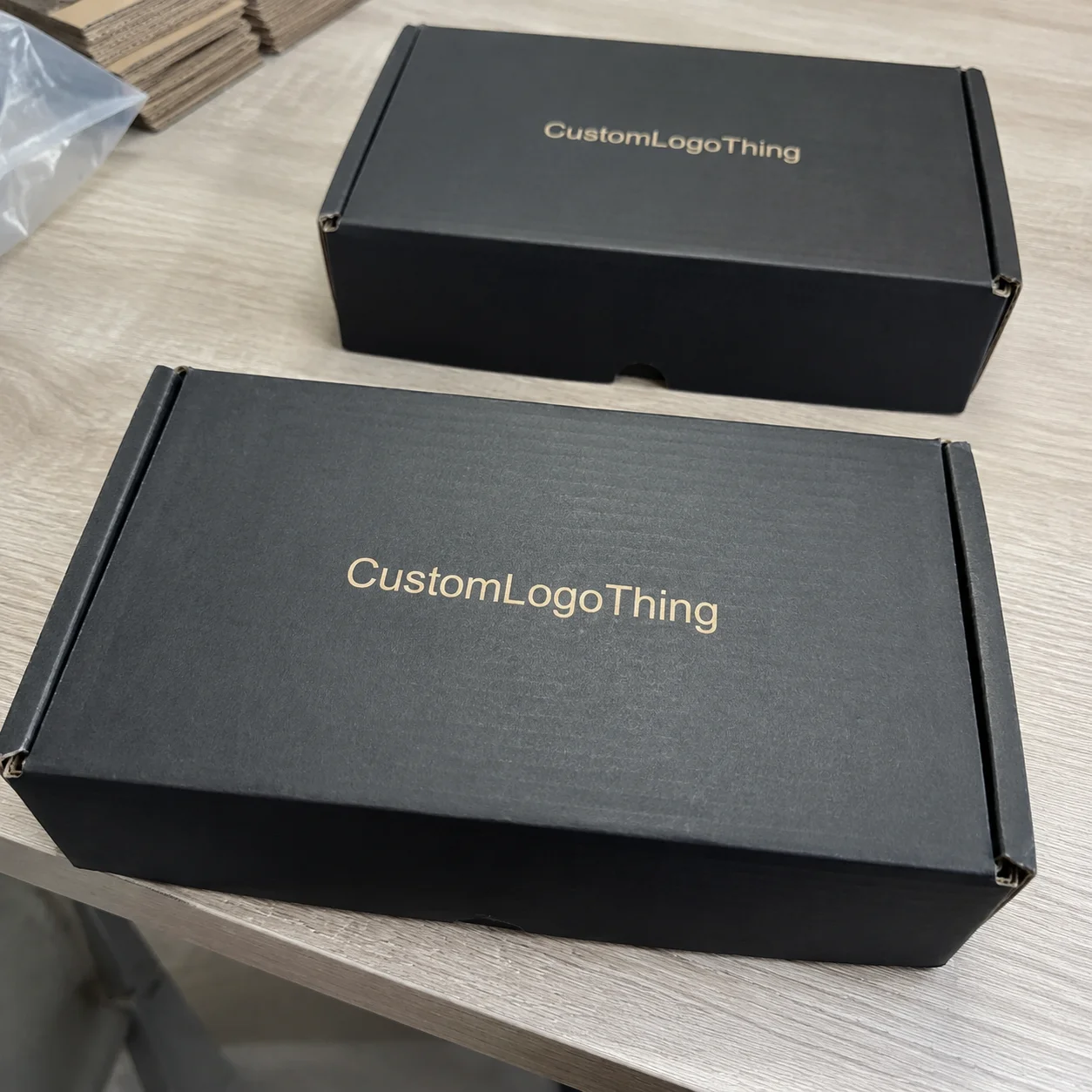
Why the mailer gets judged before the gift does
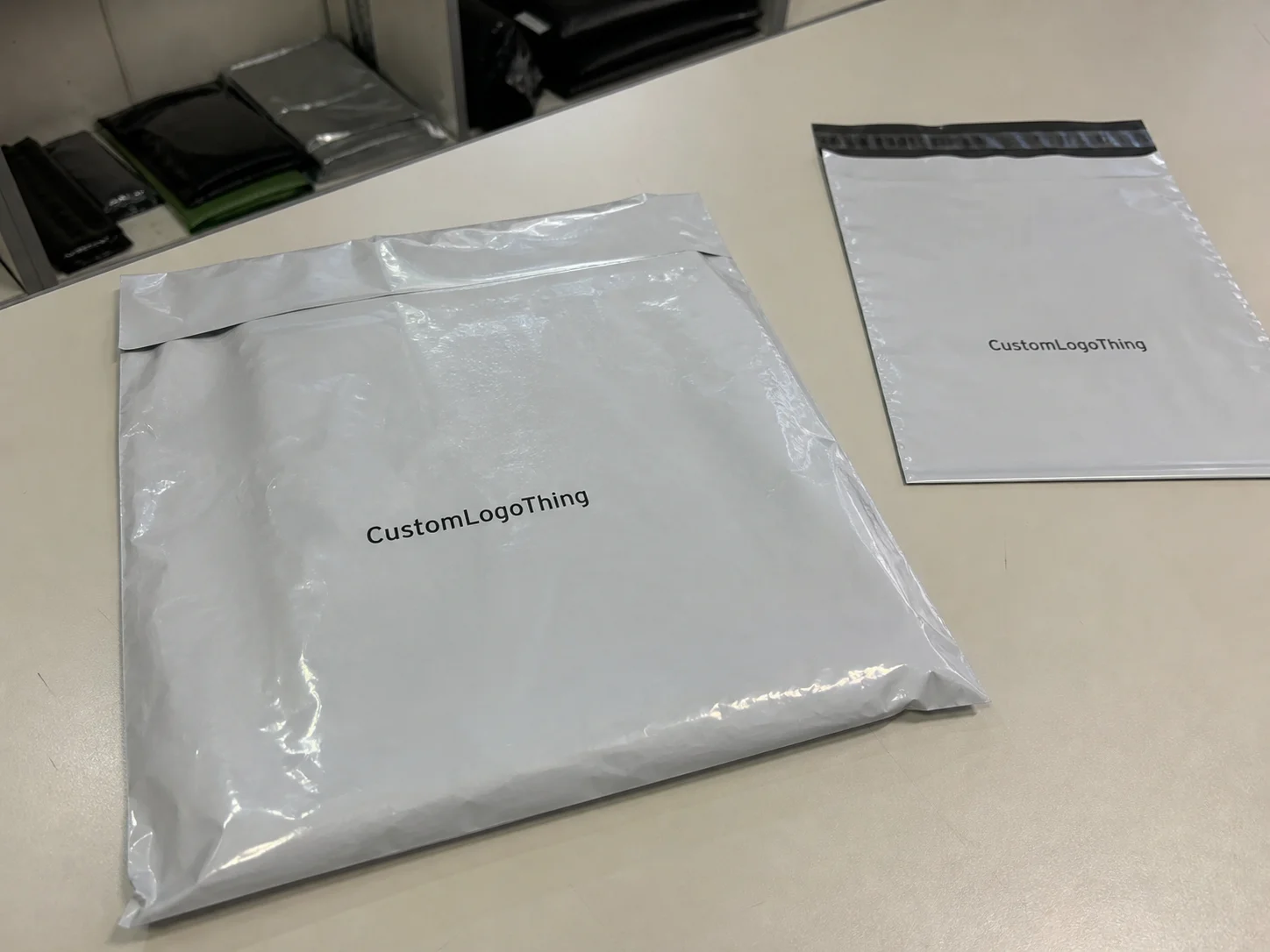
The outer mailer is often the first branded object a recipient sees, so it affects the perceived value of the entire gift. If the bag looks flimsy, oversized, or poorly printed, the package can feel less intentional even when the item inside is high quality.
That is why the corporate gifting Custom Poly Mailer Bags production quality checklist matters. It is not just a paperwork exercise; it helps buyers catch weak film, inconsistent print, poor seal integrity, and sizing problems before they become expensive shipment issues.
In corporate gifting, the mailer has three jobs at once: protect the contents, carry the logo, and survive transit without looking tired on arrival. Miss one of those and the experience slips. A good checklist also helps compare suppliers on the same basis instead of relying on broad claims like “premium” or “strong.”
The hidden cost is usually bigger than the bag itself. An oversized mailer can increase dimensional weight, a weak closure can trigger replacements, and a cloudy film can make a clean concept look cheap. That is why buyers should treat the approval process as a risk filter.
Corporate gifting custom poly mailer bags production quality checklist
At buyer level, the checklist should separate functional specs from cosmetic specs. Functional specs protect the contents: film gauge, seal strength, adhesive performance, and size tolerance. Cosmetic specs protect the brand image: print sharpness, color match, finish, and surface cleanliness.
Use a scorecard that forces the supplier to answer in specifics.
- Material: film type, opacity, recycled content if specified, and gauge in microns or mils.
- Dimensions: finished width, length, and usable gusset, with tolerance ranges.
- Seal construction: side seams, bottom seal, adhesive strip strength, and tamper evidence.
- Print quality: registration, sharpness, color accuracy, and edge bleed control.
- Finish: matte, gloss, metallic, or soft-touch effect where applicable.
- Packing: carton count, bundle count, labeling, and protection against scuffing.
Keep the pass/fail rules blunt: no visible print smudge at arm’s length, adhesive strip must close and remain sealed under normal handling, dimensional variance must stay within agreed tolerance, and no pinholes, tears, or seal splits in a random sample of cartons. Specific standards reduce disputes later.
One practical move is to create three approval gates: a dieline and artwork check, a pre-production sample or first-article review, and a carton-level receiving inspection. If a supplier cannot support those gates, the order carries avoidable risk, especially when the bags must arrive on a fixed gifting date.
Material, print, and seal specs that determine quality
Material is where many buyers under-specify and then wonder why the finished bag disappoints. A standard co-extruded poly mailer may work for basic shipping, but gifting runs often benefit from better opacity and a cleaner surface. If the bag is too thin, it can feel flimsy and show contents more than you want; if it is too thick, cost rises without much added value.
Many Custom Poly Mailers sit around 60 to 100 microns depending on load and presentation target. Heavier-use or premium presentation bags may go higher. Thickness alone is not a quality guarantee, though. Two bags with the same gauge can perform very differently if the film blend, seal, and print process are not controlled.
Print clarity is another place where production quality shows itself quickly. Spot color can deliver cleaner logos with fewer variables, while process color gives more flexibility for gradients and photography. If the artwork includes fine text, thin rules, or small icons, ask whether the print still reads clearly from normal receiving distance.
For the adhesive and seam system, ask how closure performance is tested. Does the adhesive strip hold under pressure and temperature swings? Is the side seam straight, clean, and fully bonded? Does the bottom seal resist burst during handling and carton compression? A good supplier should be able to explain how they validate seal integrity.
Finish matters more than many first-time buyers expect. Matte bags often feel more premium and reduce glare under office lighting. Gloss can make colors pop but can also amplify scuffs. Metallic effects can create a stronger first impression, though they raise the risk of print variation and cost. For darker artwork, a white underprint may be necessary so the logo does not disappear into the film.
“The quickest way to downgrade a gift is to let the outer mailer look like a generic commodity. People notice surface quality before they notice price tags.”
For external reference points, packaging buyers often look at industry bodies such as ISTA for transit testing logic and EPA guidance for sustainability and waste reduction context. If the program includes certified fiber components elsewhere in the gift set, FSC documentation may matter too.
| Option | Typical use | Cost impact | Quality tradeoff |
|---|---|---|---|
| Standard single-color poly mailer | Simple branded shipping | Lowest | Good for efficiency, weaker premium feel |
| Matte custom printed mailer with adhesive strip | Corporate gifting and internal kits | Moderate | Better visual texture and perceived value |
| Thicker premium mailer with multi-color print | Client-facing gifting campaigns | Higher | Stronger presentation, tighter print controls needed |
| Special finish mailer with white underprint | High-visibility brand launches | Highest | Best appearance, more setup sensitivity |
Production steps and lead time: from proof to delivery
Good production is a chain of small approvals: dieline confirmation, artwork proofing, pre-press sampling or digital proofing, production, curing, inspection, packing, and freight. If any step is rushed, the job becomes harder to control.
For first orders, lead time is usually longer because artwork may need bleed and safe-area adjustments, color correction, or changes after sampling. A sample can reveal seam placement or logo alignment issues that were not obvious in the file. Repeat orders move faster if the supplier preserves the approved spec.
From a planning point of view, a normal custom run often needs about 12 to 15 business days after proof approval, plus freight time. Complex print, special finish, or tighter inspection standards can extend that. If the bags are tied to a fixed gifting date, build in buffer.
Use status checkpoints to keep the job from drifting: after artwork lock, after sample approval, at production start, and before carton-out. Those checks help catch color drift, count errors, or label issues before the order is sealed and shipped.
For buyers working across Custom Poly Mailers and related Custom Packaging Products, standardizing the approval logic saves time on repeat jobs and reduces mistakes across packaging programs.
Cost, pricing, and MOQ: what changes your quote
Pricing on custom mailers is driven by size, film thickness, number of print colors, finish, closure style, and packing format. A larger mailer uses more material. A thicker mailer uses more resin. Multi-color print adds setup and more chances for waste. A premium finish increases complexity and reject sensitivity.
MOQ changes unit price because setup costs are spread across fewer pieces on small runs. A 1,000-piece order will usually cost more per unit than 5,000 or 10,000 pieces, even if the artwork is identical. Small pilots can still be smart when the campaign is new and the buyer is still validating size or presentation.
Hidden costs matter. Ask whether the quote includes plate charges, sampling, art revisions, freight, duties, carton labeling, and rush premiums. A low factory price can become expensive once landed cost is calculated. Compare like for like, not just one line item against another.
| Quote element | Why it matters | Buyer question to ask |
|---|---|---|
| Unit price | Main purchase cost | What spec is included? |
| Setup or plate charge | Can change small-run economics | Is it one-time or repeated? |
| Sample cost | Protects against full-run errors | Is it credited back on order? |
| Freight and duties | Often the biggest surprise | What is the landed cost? |
| Rush fee | Can erase savings quickly | How much extra for compressed timing? |
A useful comparison method is to put every supplier on the same worksheet and require identical inputs: dimensions, gauge, print colors, finish, closure, quantity, tolerance, packing format, and delivery terms. If one vendor’s quote is for a thinner film or looser tolerance, it is not a better price; it is a different product.
For many buyers, the best benchmark is landed cost per usable bag, not factory price per thousand. That figure captures waste allowance, freight, and the cost of making sure the bags arrive in time to be kitted.
Common mistakes that cause rejects, reprints, or delays
The most common failure is using a standard shipping spec for a gifting campaign. That is how buyers end up with thin, cloudy, undersized, or awkwardly printed bags that technically work but fail visually.
Another mistake is approving artwork only on screen. Screens can hide bleed problems, overprint issues, weak contrast, and edge loss. Fine text can disappear when the job is printed on film rather than paper. If the logo sits too close to the trim edge, it may shift in production and look off-center in the final bag.
Skipping sample tests is asking for trouble. Handle the sample, do not just admire it. Check seal failure by opening and resealing. Check scuffing by rubbing the print surface lightly. Check odor if the bags will sit near textiles or food-safe gift contents. Check adhesive residue because tacky closure strips can damage the receiving experience.
Then there are logistics errors. If carton counts are wrong, labels are missing, or the delivery window misses the kitting schedule, the packaging team absorbs the pain immediately. For multi-location sends, a late carton can ripple through an entire rollout. That is why the checklist should include packing format and shipment labeling, not just print and film specs.
Repeat orders can also go wrong if the previous run is treated as a perfect template without checking whether artwork files, ink batches, or setup details changed. A new order may technically match the old one while still looking different enough to trigger complaints.
Expert tips and next steps for a cleaner production run
Start with a one-page approval sheet. Keep it plain: target dimensions, film gauge, opacity, finish, print standard, seam requirement, closure type, carton count, and inspection tolerance. If the supplier cannot repeat the spec back correctly, the job is not ready to run.
Request a pre-production sample or at minimum a first-article photo set on the actual material. Document any changes in writing. Written approval protects both sides and keeps the production quality checklist usable on future orders.
Create a receiving checklist for incoming bags. Open random cartons. Look for crushed edges, dirt, surface scratches, print variation, and count errors. If the bags will be kitted, store them in a clean, dry area away from heat and sunlight.
A useful final question is whether the package still looks intentional after handling, stacking, and transit. That separates a design that only works in a studio from one that performs in the real delivery environment.
Use the corporate gifting Custom Poly Mailer Bags production quality checklist as the final approval gate before mass delivery. Confirm specs, sample, lead time, and pricing in writing, and keep the checklist attached to the order file so the next campaign starts from a better baseline.
Frequently asked questions
What should a corporate gifting custom poly mailer bags quality checklist include?
Core specs should cover material, thickness, dimensions, seal strength, print quality, and closure performance. Add tolerance ranges and sample approval rules so the supplier knows what fails inspection. If the bags will be kitted or shipped to multiple locations, include packing and labeling requirements too.
How do I check print quality before approving custom poly mailer bags for gifting?
Review color accuracy, edge alignment, sharpness, and whether the artwork stays readable from a normal viewing distance. Ask for a production-proof sample or high-resolution pre-production images on the actual material. Check dark artwork, metallic effects, and fine text under the same lighting used for receiving inspections.
What affects pricing most on corporate gifting mailer bag orders?
Size, film gauge, number of print colors, finish, and closure style usually move the price fastest. MOQ matters because setup costs are spread across fewer pieces on small runs. Freight, sampling, and rush timing can change the landed cost more than buyers expect.
How much lead time should I plan for custom poly mailer bags?
First orders usually take longer because artwork proofing, sampling, and setup add steps before production starts. Repeat orders can move faster if the artwork and specs are already locked. Build in extra time for color approval, revisions, and inbound freight if the bags must arrive by a fixed gifting date.
What is the best way to reduce defects in a custom poly mailer bag order?
Use a written checklist with pass/fail standards before production begins. Test the sample for seal strength, scuff resistance, and size accuracy under real handling conditions. Require documented approval before the supplier runs the full quantity.