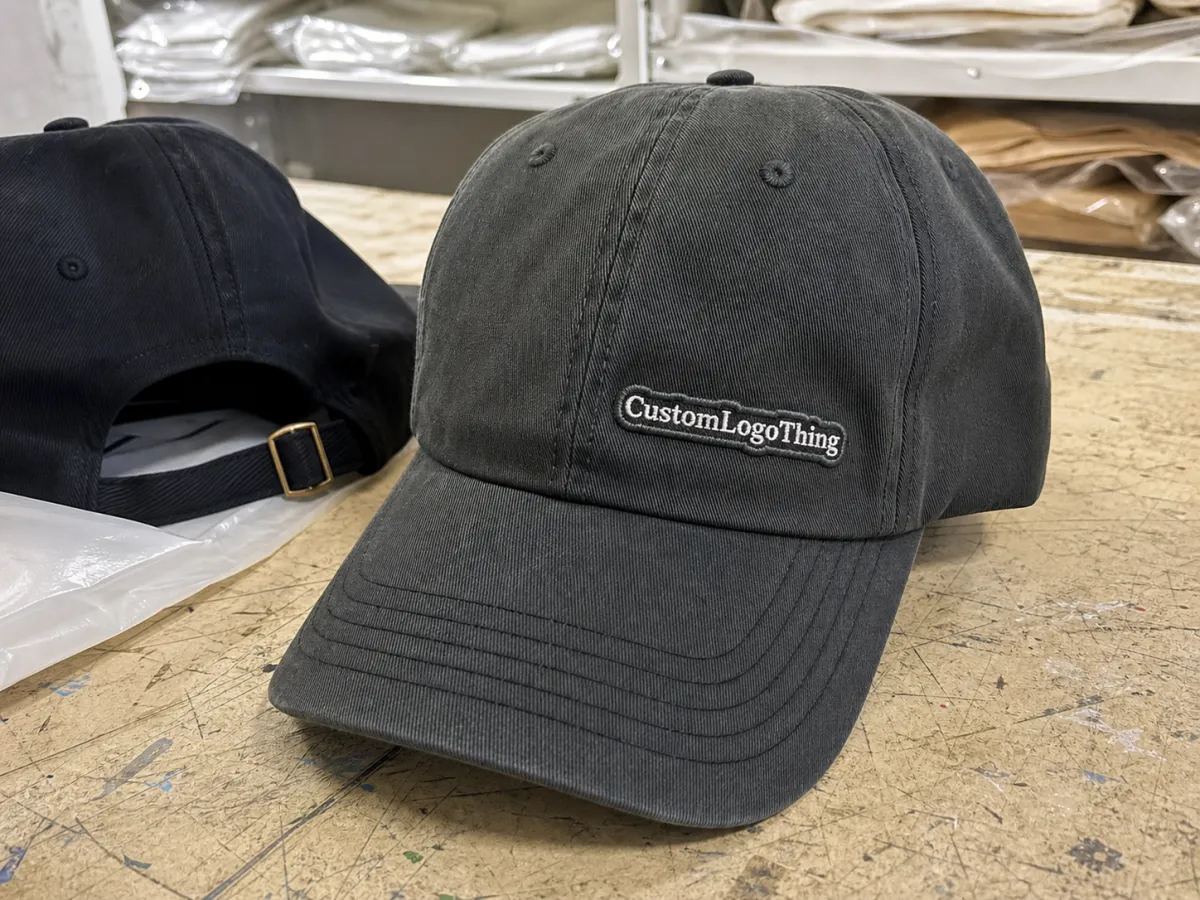
Corporate gifting embroidered baseball caps Bulk Order Planning looks straightforward until the quote starts absorbing every small decision. The cap itself is usually the least complicated part. Setup, proofing, packaging, shipping, and approval delays are what push a tidy budget off course. Buyers like embroidered caps because they are wearable, one-size-friendly, and easy to distribute without the sizing headaches that come with shirts or outerwear. That makes them useful for employee welcome kits, client gifts, conference handouts, and holiday programs that need to feel practical rather than disposable.
The fastest way to keep control is to lock the logo file, cap style, quantity split, and delivery date before you ask for pricing. If any of those are still open, the quote will be provisional at best. For teams sourcing multiple categories at once, the cap order should be treated like a production item, not a casual giveaway. One missed detail can turn a simple purchase into a rush fee, a split shipment, or a rework cycle that eats into the budget.
That is the real discipline behind this kind of order: use the gift date as a production constraint, not a hope. Once that shift happens, the process becomes measurable. You are not guessing anymore. You are matching decoration requirements to a calendar, a carton plan, and a landed cost target.
Corporate gifting embroidered baseball caps bulk order planning: where budgets usually slip
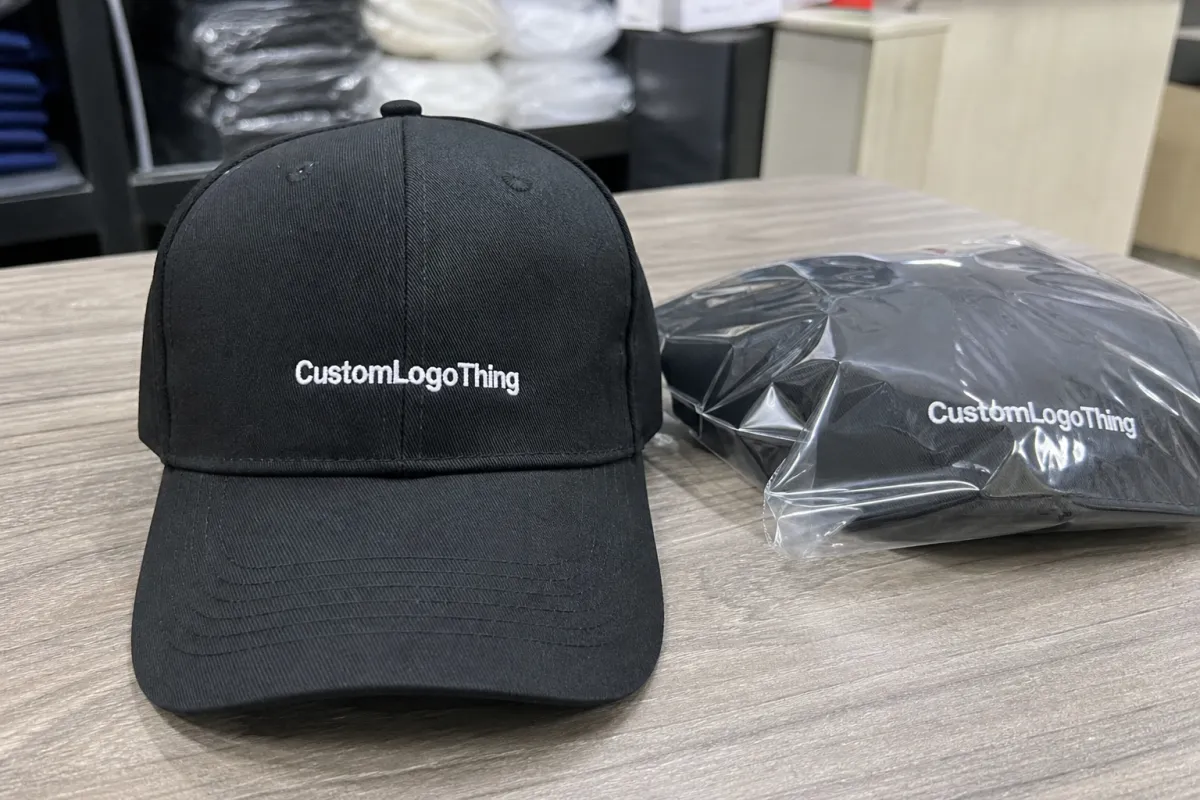
Most buyers begin with the unit price because it is the cleanest number on the page. That instinct is understandable, but it can be misleading. A cap quoted at $5.20 may end up cheaper than one quoted at $4.80 once digitizing, thread changes, packaging, and freight are included. A small order shipping to three offices can cost more overall than a larger order going to one dock. The headline number gets attention; the landed cost decides whether the program stays on budget.
Embroidered Baseball Caps work especially well for corporate gifting because the use cases are broad. They fit onboarding kits, sales meetings, trade show drops, team outings, and seasonal gifts. They also avoid the poor fit problem that makes many apparel gifts end up unused. That matters more than people admit. A gift that gets worn keeps the brand visible without feeling like leftover promo inventory.
Before requesting pricing, gather the pieces that affect the quote most:
- Artwork: vector logo preferred, ideally AI, EPS, or a clean PDF
- Cap style: structured or unstructured, five-panel or six-panel
- Quantity: total units plus any color or destination splits
- Delivery plan: one address, multiple offices, or direct-to-recipient shipping
- Deadline: event date, ship date, or internal approval cutoff
That list does more than save time. It forces the real decisions to happen early, before the quote is built on guesses. A supplier cannot give a clean price if one person wants a premium box, another wants a campaign insert, and nobody has settled on logo placement. The more complete the input, the less padding tends to show up later.
One other budgeting point gets missed often: rework costs are rarely visible until they happen. If a logo is too detailed for embroidery, the artwork may need to be simplified and re-approved. That is not a dramatic issue, but it can add days. Buyers who plan a small buffer for proof changes usually avoid the most frustrating surprises.
Choose the cap style and fabric that match the gift
Cap construction changes the feel more than many buyers expect. A structured six-panel cap holds its shape and usually reads as more polished. An unstructured cap sits softer and feels more casual. Five-panel caps offer a broader front panel, which can help a wide logo or a short wordmark breathe a little. Six-panel caps are more familiar and tend to fit a wider range of face and head shapes. Neither format is inherently better; each one sends a different signal.
Fabric choice matters just as much. Cotton twill is the familiar default and takes embroidery well. Brushed cotton has a softer hand and can feel a touch more premium. Polyester blends fit performance programs, outdoor teams, and warmer climates because they hold up well and dry quickly. Mesh-backed styles improve airflow, which is useful for field crews or event staff. A washed finish can look modern and relaxed, but it is not ideal if the gift needs to feel crisp or executive-level.
Closure style should be part of the brand decision, not an afterthought. Snapbacks are practical and familiar. Fabric strap-backs look cleaner. Metal buckles usually read as more finished. Velcro is functional, though it rarely feels premium. For senior client gifts, a strap-back or buckle tends to feel more intentional. For large event distributions, snapbacks are usually the safest bet because they are easy to size and easy to approve.
Thinking in terms of brand tone helps narrow the choice quickly:
- Premium: structured crown, cotton twill, restrained embroidery, minimal branding
- Casual: unstructured cap, washed finish, softer bill, relaxed color palette
- Athletic: polyester blend, mesh panels, lighter thread contrast, more technical look
- Field-ready: darker colors, durable closure, low-stain materials, practical finish
- Onboarding-friendly: classic shape, neutral colors, logo that reads quickly
Color is another useful filter. Black, navy, charcoal, and forest green hide wear well and suit conservative brands. Lighter colors can look clean and summery, but they show soil faster and may need more careful handling in shipping. If the caps are going into a kit with other branded items, the cap color should coordinate instead of competing for attention. A good gift set feels composed, not random.
Embroidery specs that control logo quality and approval risk
Embroidery starts long before the machine does. The first technical step is digitizing, which converts the artwork into stitch instructions. That setup is where many logos either become crisp and readable or turn into dense clutter. Clean vector art makes the process easier. Thin lines, tiny text, and soft gradients make it harder. Something that looks sharp on a screen can become fuzzy once stitches start stacking on the crown.
Stitch count is one of the biggest pricing variables. A simple one-color logo can be economical. A dense crest or a logo with multiple fills can increase machine time enough to change the quote noticeably. If readability matters more than decoration, simpler embroidery usually wins. For small text, ask whether the cap version should be simplified. That is not a downgrade; on a curved surface, it is often the only way to protect legibility.
Placement also changes the result. Center front remains the safest choice and usually gives the most balanced look. Side embroidery works well for secondary marks, department identifiers, or event branding. Back embroidery is useful if the front is already busy. Visor embroidery can look sharp, but it suits some brands better than others and should be approved with care.
If the logo cannot be read from a few feet away, it is probably too detailed for a cap.
Thread color deserves practical judgment. Exact Pantone matching is not realistic in embroidery. Thread behaves differently from ink. The goal is a visually close match, not a perfect swatch. High-contrast thread often reads better than a tone-on-tone choice that disappears from across a room. Metallic thread can work for higher-end gifting, but it should be used sparingly. Too much shine can make the piece feel louder than the brand intended.
Proofing is where buyers protect themselves. A digital proof should always be reviewed before production begins. For high-value client gifts or orders with a hard date, a stitched sample is worth considering if time allows. That extra approval step can reveal problems that are easy to miss on screen: logo scale, crown curvature, stitch density, and placement height. A logo that sits a few millimeters too low can still look wrong even if the artwork is technically correct.
One practical caveat: curved embroidery surfaces exaggerate small design problems. Thin type that looks acceptable on a flat mockup may fill in or lose clarity once stitched on the front panel. If the decoration needs detail, the cap may not be the right canvas without simplification.
Pricing, MOQ, and unit cost: what changes the quote
This part of the order needs discipline. Multiple small choices stack up fast, and that is where budgets get squeezed. Quantity tiers matter, but so do setup, number of logo locations, packaging, and freight. A 50-piece order rarely prices like a 500-piece order. The first tier break usually appears somewhere between small-run custom work and standard production volume, and the difference can be noticeable.
For planning purposes, the following ranges are realistic for standard embroidered caps. They are not guarantees. Construction, stitch complexity, and fulfillment method will move the numbers.
| Order Size | Typical Cap Type | Estimated Unit Range | Notes |
|---|---|---|---|
| 24-49 units | Standard structured cap | $6.50-$10.00 | Setup has a bigger impact; often used for small teams or executive gifts |
| 50-99 units | Structured or unstructured | $5.25-$8.50 | Often the first meaningful volume break |
| 100-249 units | Standard production cap | $4.25-$6.75 | Common sweet spot for corporate programs |
| 250+ units | Mixed or repeated styles | $3.75-$6.00 | Better pricing, though packaging and freight still need attention |
What drives the quote? Start with cap style, stitch count, logo locations, and thread changes. Then add the items that often get buried: digitizing, sampling, packaging level, carton configuration, and freight. Individual boxes, branded sleeves, or split deliveries all add labor. That does not mean they are bad choices. It just means they need to be priced as real work, not as decorative extras.
MOQ is not fixed across every supplier or decoration method. A straightforward embroidery program may begin at 24 pieces. A premium blank or a more complicated construction may need 48, 72, or 100 units before the economics make sense. Mixed colors can also change the threshold, especially if each color requires a separate production run. Mixed logo placements can do the same. The more a program fragments, the more the quote tends to rise.
Landedd cost deserves a separate line in the approval sheet. A cap that looks cheap on paper can become expensive after freight, receiving, and final-mile delivery. If the order is going to multiple offices, ask for split-ship pricing before approving production. That one step usually gives procurement a more accurate comparison than a flat per-unit number ever could.
Production steps and turnaround: from artwork to shipped cartons
A clean production flow keeps the order from stalling in email traffic. A standard program usually moves through artwork review, digitizing, proof approval, sampling if needed, embroidery, quality check, packing, and dispatch. If one step sits waiting for a response, the delivery date slips with it. The best protection is simple: the person who owns the logo should be available when the proof arrives, and the decision-maker should be identified before the supplier starts stitching.
Typical turnaround for standard embroidered cap orders is often 10-15 business days after proof approval. That window assumes the artwork is clean, the cap is in stock, and the order does not need repeated revisions. Rush service can shorten the schedule, but only if the blank product is available and the design is straightforward. Sampling adds time. Revised artwork adds time. Holiday gifting season adds pressure, because every supplier is working against the same calendar.
There are a few delays that show up again and again:
- Logo files arrive in the wrong format
- Brand colors are still under review internally
- The order quantity changes after quoting
- The shipping list is incomplete or unverified
- The program lands during peak seasonal demand
Transit planning matters more than many buyers expect. If the caps are going to a warehouse, retail back room, or cross-dock facility, ask how cartons will be labeled and whether pallets are required. Transit damage on a soft good can still create a receiving issue if the cartons are crushed or misidentified. For buyers who handle multiple promotional categories, basic packaging durability guidance from ISTA is useful because packaging failure is still a failure, even when the product inside is small.
Build extra time if the program involves direct-to-recipient shipping. Address cleansing, label generation, and split routing add complexity that is easy to underestimate. A single office delivery is one thing. Forty individual mail drops are another. The work is not impossible, but it should be priced and scheduled as fulfillment, not as an afterthought.
Lead time is part of the purchase decision. If the date matters, build the buffer before approval, not after.
Packaging, kitting, and supplier checks for polished corporate gifting
Packaging changes the feel of the gift more than a lot of buyers expect. Bulk carton packing is the least expensive option and works well for internal distribution. Individual polybags add protection and make warehouse handling cleaner. Gift boxes and branded sleeves raise the presentation level, especially for client gifts or executive kits, but they also add assembly time and cost. If the caps are part of a broader welcome box, the packaging should feel consistent with the rest of the kit instead of competing with it.
Kitting multiplies labor quickly. Once notebooks, inserts, apparel, or multiple branded items are added, the supplier has to assemble, verify, and count every unit. That means more handling and more opportunities for error if the process is rushed. The same is true for ship-to variety. One delivery address is simple. Thirty addresses require planning. If the order needs sustainable packaging or paper components, ask about FSC-certified materials and whether the documentation level matches what your procurement team expects. The FSC standard is a practical reference point, not just a label on a spec sheet.
A reliable supplier should be able to explain the tradeoffs without hand-waving. You want mockups, stitch guidance, itemized pricing, realistic dates, and a clear explanation of why one cap starts at a smaller MOQ while another needs more volume. If the answers stay vague, the order usually becomes your problem later. Good suppliers talk in production terms: stock availability, decoration limits, carton counts, and what will happen if the proof changes after approval.
Before release, ask for these quality checks:
- Thread consistency across the full run
- Logo placement measured against the approved proof
- Color accuracy against the agreed reference
- Carton labeling that matches the delivery plan
- Count verification for every destination
If the program includes multiple offices or departments, confirm whether the supplier can pack by destination and whether each destination should receive the same contents. That decision affects labor, carton count, and accuracy. It also affects how many chances there are for a receiving desk to misroute a box.
The best packaging choice is usually the one that matches the gift’s job. Internal team swag does not need luxury packaging. A client thank-you box probably does. That distinction keeps budgets honest and avoids spending presentation money where nobody will notice it.
Final approval checklist and next steps before you place the order
The clean path from quote to production is not complicated, but it does need order. Gather vector artwork. Confirm the cap style. Lock the quantity. Choose the embroidery location. Build the shipping list. Then ask for a quote that separates setup, unit cost, sampling, packaging, freight, and any rush charges. If everything is rolled into one vague number, the budget is already harder to control.
Internal approval should be centralized. One person should own final sign-off on spelling, color, and delivery details. Not three. Not a chain of replies spread across a week. That pattern is where mistakes multiply. Proof approval should happen before production starts, and any sample approval should be documented the same way. If the order is shipping to multiple destinations, verify the addresses before the packing stage begins.
A useful ordering sequence looks like this:
- Request a quote with artwork and quantities
- Review the digital proof and revise if needed
- Approve a sample if the job is high-stakes
- Confirm timeline, packaging, and delivery addresses
- Release production only after sign-off
That sequence keeps the order from turning into reactive problem-solving. Buyers who control the inputs early usually avoid the most expensive surprises later. If the logo, quantity, and delivery date are already set, the rest of the conversation becomes much clearer. The supplier can tell quickly whether the program fits the schedule and whether the cap style supports the budget.
There is a final caveat worth keeping in mind. The cheapest quote is not always the best fit if it depends on a fragile approval chain, limited stock, or a decoration method that cannot handle the logo cleanly. A slightly higher landed cost can still be the better choice if it protects the deadline and reduces rework risk.
FAQ
How far ahead should I plan bulk embroidered baseball cap gifting?
Standard orders usually need 2-4 weeks after proof approval. Clean artwork can shorten setup, while holiday programs, split shipping, and sample approvals can add time. If the delivery date is fixed, build the buffer before the proof goes out.
What MOQ should I expect for corporate cap orders?
Many embroidered cap programs start around 24 to 100 units, depending on the cap style, decoration method, and supplier setup. Mixed colors or mixed logo placements can push the order into a higher pricing tier or a larger MOQ.
What artwork works best for embroidered baseball caps in bulk?
Vector files are best because they digitize more cleanly and keep stitch edges sharp. Bold text, thicker lines, and simpler logos usually embroider better than gradients, tiny details, or thin scripts.
What drives the unit cost on embroidered corporate caps?
The main drivers are stitch count, number of logo locations, cap construction, and volume. Setup fees, sample charges, packaging, and freight also affect the final landed cost.
Can I split colors, packaging, or ship-to addresses in one bulk order?
Yes, but each split can affect pricing, pack-out labor, and turnaround time. Send the full address list early and confirm how each split changes the quote before approving production.
For buyers who want a practical, low-drama gift, embroidered caps remain one of the better options. Keep the specs tight, keep the approvals clean, and keep the landed cost visible. That is the difference between a well-run program and a budget that quietly dissolves in setup, shipping, and rework.