Corporate gifting embroidered Beanies Bulk Order Planning works best when the project is treated like a controlled production run rather than a casual merchandise order. A knit beanie gives you visible brand space, generous size flexibility, and useful cold-weather value, which is why it shows up so often in onboarding kits, holiday mailers, event drops, and client gifts.
The appeal is practical. A cuffed beanie usually fits most adults, avoids the sizing complexity of shirts or jackets, and photographs cleanly if the logo is scaled correctly. The catch is that knit texture is less forgiving than a flat garment panel. A mark that looks crisp on a screen can distort on ribbing, so the planning has to account for stitch count, placement, yarn thickness, and the amount of stretch in the blank.
That is why the strongest orders are built from the end backward: recipient, use case, decoration method, and ship date. The logo should not be the first decision. It should be the last thing you approve after the beanie style and production window are set.
Why corporate gifting embroidered beanies bulk order planning works
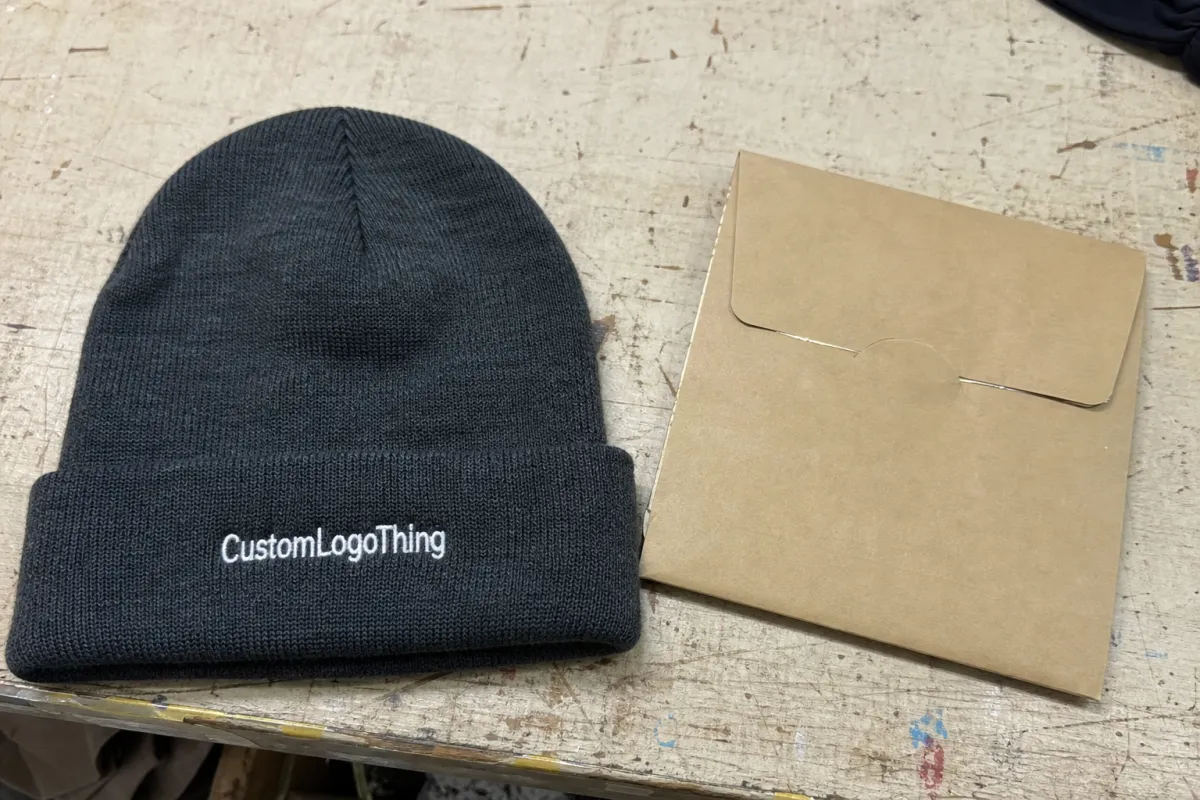
Beanies solve three recurring problems for corporate buyers. First, they keep size risk low. Second, they give a logo a visible, winter-appropriate stage. Third, they are easy to ship in quantity because a knit cap compresses better than most apparel gifts. That combination makes beanies unusually efficient for bulk programs, especially when the gift needs to move through several locations before it reaches the recipient.
There is also a perception advantage. A beanie feels more deliberate than a pen or a mug, but it does not carry the fit anxiety of a coat or polo. The result is a gift with decent utility and relatively low approval friction. People are more likely to wear it, which matters because branded headwear becomes a moving impression, not a desk object.
Embroidery is usually the right decoration method for that reason. Compared with print, embroidery holds up better on stretch knit and reads as more finished when the item is pulled on and off repeatedly. A simple, well-digitized logo usually outperforms an elaborate composition. Thin serifs, tiny taglines, and gradients often lose legibility once they are translated into thread.
A beanie is forgiving on fit, but not on logo scale. If the embroidery is too large, the knit puckers; if it is too small, the design disappears into the texture.
The most efficient buyers think in terms of use case. An internal winter welcome kit wants a different feel from a retail-style customer gift or a conference giveaway. That affects the blank quality, thread color, packaging, and even whether the logo should be centered, side placed, or kept intentionally small. If the order needs to be repeated later, or split across departments, the planning should also account for replenishment and color consistency across batches. For larger runs, the Wholesale Programs page is a useful reference point.
Packaging and transit deserve a mention because beanies can look better in a cart than in a carton. Compression, folded stacking, and loose packing can flatten the knit or leave a cuff crease in the wrong place. If the order will travel through multiple hubs, the packaging plan should protect both shape and embroidery. Industry packaging references such as the ISTA packaging test standards are useful when the shipment will face rough handling or long distances.
Decoration methods that keep logos clean on knit texture
Placement is the first technical decision. A front cuff gives the most stable embroidery zone because the fold creates a flatter surface and keeps the logo visible when the beanie is worn. Side cuff placement works well for understated branding, especially if the logo is small and the goal is everyday wear rather than promotional visibility. Center front embroidery can look sharp on the right blank, but it is less forgiving if the crown is shallow or the knit is especially elastic.
On rib-knit surfaces, the logo itself has to be simpler than many buyers expect. Fine linework, tiny text, and gradient shading are all vulnerable to distortion. A condensed wordmark, monogram, or stripped-down icon usually gives better results because the stitch paths can follow the fabric without breaking apart visually. If the brand lockup includes a tagline, the embroidery version often works better without it.
Digitizing is the hidden step that determines whether the logo looks tailored or messy. The file is converted into a stitch map, and that map controls how much thread is laid down, how tightly it is packed, and how the machine compensates for knit stretch. If the stitch density is too heavy, the beanie puckers around the mark. If it is too light, the logo looks open and unstable. Good digitizing balances underlay, pull compensation, and fill direction so the embroidery sits into the fabric instead of floating on top of it.
Thread choice matters too. Standard polyester embroidery thread is common because it is durable, color-consistent, and stands up to wear. For a softer visual effect, matte or blended threads can reduce shine, although not every supplier stocks those options in a wide range. Brand colors should be matched as closely as possible, but thread is not ink; the right target is a convincing visual match, not a laboratory-level match that ignores how thread reflects light.
Before a full run is released, the proofing chain should include a mockup, digitized approval, and a sew-out sample or photo of the sew-out. That sounds routine, but it is where a lot of avoidable mistakes are caught: a logo that is too wide for the cuff, text that needs to be removed, or a thread color that reads differently against the chosen yarn. If the beanie fabric is textured or melange, the logo may need a stronger contrast than the brand guide suggests.
Alternative decoration methods can work, but each has a tradeoff. Woven labels are good for low-profile branding on the hem. Patches can add texture and a premium feel, though they also add thickness and can make shipping more awkward. For most corporate gifting programs, direct embroidery remains the most practical choice because it combines durability, repeatability, and a clean enough finish for broad distribution.
Beanie styles, yarn weights, and fit choices to compare
Buyers often start with appearance, but the smarter sequence is performance first, then presentation. Cuffed beanies are still the standard because they offer a reliable embroidery zone and a familiar silhouette. Slouch styles feel more casual and can suit creative teams or lifestyle brands, but the extra fabric at the crown can make the logo placement less predictable. Fisherman styles sit higher on the head, which gives them a compact, modern profile and a cleaner front when the logo is kept small.
Material changes the economics and the wear. Acrylic is the workhorse: warm enough for most climates, easy to source at scale, and generally the least complicated blank to decorate. Acrylic-wool blends usually feel richer and insulate a bit better, which makes them a stronger fit for executive gifts or more polished client packages. Recycled yarns are increasingly common in sustainability-focused programs, though buyers should check for dye lot variation and hand feel before assuming they will behave exactly like standard acrylic.
Gauge and knit construction shape the final look. A tighter knit generally holds embroidery better, while a loose or lofty knit can make the logo sink or wobble slightly. Heavier yarn can feel premium, but it also raises the chance of a bulkier cuff and a higher unit price. Lightweight knits ship more efficiently, but they may not have the same winter presence or visual weight on camera.
Fit details are easy to overlook and then difficult to fix later. One-size stretch works for most corporate orders, but crown depth and cuff height affect both comfort and presentation. A shallow crown can make embroidery ride too close to the forehead. A taller cuff gives more room for a centered logo and often photographs better because the mark sits where viewers expect it. If a program includes team photos or social content, a sample on a head form is more useful than a flat lay alone.
Color selection is another quiet variable with visible consequences. Dark bases create strong contrast with bright thread, but they also make registration errors more obvious. Heathered yarn can soften the overall look and hide small inconsistencies, though the logo needs enough contrast to stay readable. Light colors feel clean and giftable, but they show transit marks and handling dirt more quickly if the packaging is not tight.
| Style | Typical use | Relative cost | Best fit for branding |
|---|---|---|---|
| Cuffed acrylic knit | Standard employee and client gifting | $ | Front cuff embroidery with clear logo visibility |
| Acrylic-wool blend | Premium gifting and executive kits | $$ | Sharper hand feel and a more elevated finish |
| Recycled yarn knit | Sustainability-forward campaigns | $$ | Works well with simple logos and strong contrast |
| Slouch or fashion knit | Lifestyle-led brand programs | $$ | Best with minimal marks and careful placement |
Two practical spec ranges help with comparison shopping. Most adult cuffed beanies land around 8 to 10 inches tall before stretching, with cuff heights often in the 2 to 3 inch range. That is not a universal rule, but it is a useful check when one supplier’s mockup looks dramatically different from another’s. If the cuff is too short, embroidery has less room. If the crown is too tall, the hat can feel slouchier than the program calls for.
Responsible sourcing claims deserve a careful read. If packaging matters, look at paper inserts, sleeves, and carton labels separately from the beanie itself. An FSC reference can support paper-based components, but it does not automatically describe the hat. Buyers who need environmental claims should separate product certification, packaging certification, and recycled content language instead of bundling them together loosely.
Cost, pricing, MOQ, and quote drivers you should check
Pricing is shaped by more than the blank hat. The key variables are style, material, quantity, embroidery stitch count, thread colors, decoration area, and packaging. A single-color wordmark on a standard cuffed acrylic beanie may land in a very different range from a multi-color mark on a premium knit with custom wrapping. The difference becomes more pronounced at lower quantities because setup costs are spread across fewer units.
Typical market ranges help buyers frame the conversation. A basic decorated beanie can fall in the rough $5 to $9 range at higher quantities, while a more premium program with thicker yarn, more complex embroidery, or custom packaging can move into the $10 to $18 range or higher. Very small runs can cost more per piece than expected because digitizing, setup, and packaging are being absorbed by fewer units. Those numbers are not universal, but they are realistic enough to prevent false expectations.
The quote should separate the pieces. Ask for blank cost, embroidery setup, decoration cost, packaging, and freight as line items. That makes it easier to compare suppliers without being fooled by a low front-end price that hides expensive shipping or packaging later. Landed cost matters more than headline cost because the gift only reaches the recipient after transit and handling are included.
MOQ, or minimum order quantity, is often tied to blank availability and production setup. Some styles are stocked broadly and can be ordered in smaller quantities. Others require enough units to justify knitting, dye lot management, or custom packaging runs. If you want several colors in one order, ask whether each color has to meet its own minimum. That detail can change the budget more than the decoration choice does.
For a clean quote request, send quantity by color, logo file, preferred placement, packaging preference, and ship-to ZIP code in the same message. If the order is split across offices or event sites, include that from the beginning. Otherwise, freight will be guessed in a way that usually costs time later. The best suppliers do not need a long back-and-forth to identify the obvious variables.
- Blank beanie: the core product cost, driven by knit type and material blend.
- Embroidery setup: digitizing and machine preparation, often charged once per logo.
- Stitch count: dense fills and larger artwork usually cost more than simple marks.
- Packaging: polybag, insert card, sleeve, or gift box can noticeably change the total.
- Freight: shipping method, destination, and carton count affect the landed price.
For programs that repeat through the year, it is worth asking whether the supplier keeps digitized files and approval notes on record. That does not change the first order, but it can reduce setup friction later. The real savings often come from avoiding remake work, not from shaving a few cents off the blank.
Process, timeline, and production steps from artwork to delivery
The production sequence is usually simple, but simple does not mean automatic. It starts with artwork review, moves to mockup creation and digitizing, then continues through proof approval, sample check, production, finishing, packing, and freight booking. The orders that stay on schedule are the ones where the artwork is clean, the approval chain is short, and the buyer knows the target delivery window before quoting begins.
Timing should be broken into two parts: approval time and manufacturing time. A supplier may be able to turn a mockup in a day or two, but if the logo file needs cleanup or internal review takes a week, the calendar stretches quickly. Once the proof is approved, many bulk beanie runs need roughly 12 to 15 business days for production. Freight is additional and depends on service level and destination. Air shipping can compress the schedule; ground shipping is cheaper but less flexible.
Rush jobs are possible, but the limits are real. The correct blank color has to be in stock, the embroidery file has to be ready, and any custom packaging has to be available. If the order needs special yarn, a specific thread shade, or branded inserts, those pieces can become the bottleneck even when the embroidery machine itself has capacity. That is why timeline promises should be tied to the slowest component, not the fastest one.
Holiday gifting and event drops need extra cushion. Working backward from the handoff date is the safest method. That leaves room for one revision to the proof, one inventory substitution if a color is unavailable, and one transit delay if shipping gets congested. Missing the event date by two days can make the whole project feel late, even if the product itself is fine.
Packaging should protect shape as well as appearance. Beanies folded too tightly can develop hard creases, and loosely packed cartons can shift enough to crush the cuff or rub the embroidery. A clean presentation also matters because the recipient sees the packaging before they feel the fabric. If the beanie is part of a gift box or mailer, the interior fit should keep the hat from looking like surplus stock.
How to judge a supplier beyond the first sample
The first sample tells you something, but not everything. A good supplier should keep the proof, stitch count, thread choices, size spec, and packing method documented so the order can be repeated later without guesswork. That record matters when a program needs a second run six months later and the buyer wants the same logo to land in the same place.
There is a meaningful difference between a vendor that merely processes orders and one that actively protects consistency. The better partner will tell you when a logo should be simplified, when a stitch direction will improve legibility, or when the blank itself is too loose for the mark you want. That kind of guidance matters because bulk gifting is sensitive to small defects. A single off-center logo may be tolerable. Thirty of them are not.
Communication is part of quality control. If thread availability changes, a blank color goes on backorder, or a carton count needs to be adjusted for freight, the supplier should say so early. Silence is usually more expensive than the problem itself. The strongest production teams explain substitutions plainly and give a credible timeline instead of waiting until the ship date is already tight.
Quality checks should cover stitch registration, edge finishing, cuff alignment, and carton presentation. If the order is shipping to several locations, ask how cartons are labeled and whether quantities are balanced across the drop points. A well-packed multi-site shipment saves time on the receiving end and reduces the chance that one office gets extras while another comes up short.
If you want a broader packaging benchmark, the Association for Packaging and Processing Technologies is a useful background resource for thinking about transit protection and display quality on larger branded kits. It is not a substitute for supplier specs, but it helps frame what good packing looks like when presentation matters.
Good signs in a supplier quote:
- Digitized proof supplied before production starts.
- Stitch count and placement described clearly.
- Delivery date split from freight instead of bundled vaguely.
- Fast disclosure if inventory or thread changes.
- Cartons packed to preserve shape and embroidery detail.
Next steps to lock quantity, artwork, and ship dates
The cleanest way to move a beanie order forward is to confirm quantity first, then style, then logo placement. After that, send the artwork in vector format if possible, along with thread color preferences, packaging needs, and the delivery ZIP code. That information is enough for a supplier to quote accurately and build a proof that reflects the actual product instead of a placeholder.
From there, set the delivery window and work backward. Mark the proof deadline, the production release point, and the shipping method. That reverse schedule keeps the process grounded and makes delays visible early. It is one of the most reliable habits in corporate gifting Embroidered Beanies Bulk Order Planning, especially for holiday programs, employee onboarding, or customer appreciation shipments.
When comparing quotes, separate the product from the freight. Compare blank cost, embroidery, setup, packaging, and shipping as distinct numbers. That is the only honest way to see where the money is going and to identify whether one supplier is actually cheaper or just quoting less detail upfront. In this category, landed cost beats sticker price almost every time.
The strongest beanie programs are the ones where the artwork, timing, and product spec are resolved together. When those pieces line up, the hats arrive looking intentional, the handoff feels polished, and the recipient gets something useful enough to wear instead of store away. For repeat orders or broader kit planning, the Wholesale Programs page and the ordering FAQ remain the most relevant references in the process.
How far ahead should I start a corporate gifting embroidered beanies bulk order?
Several weeks is the safest lead time because it leaves room for proofing, digitizing, production, and shipping. Add extra time if you need custom packaging, a holiday deadline, or a split shipment across multiple offices.
What affects pricing for embroidered beanies in bulk?
The main drivers are beanie style, material, embroidery stitch count, thread color count, quantity, packaging, and freight. Smaller orders usually have higher per-piece setup pressure, while larger orders spread those costs more efficiently.
What artwork do you need for a bulk beanie quote?
A vector file is best because it digitizes cleanly for embroidery. If vector art is not available, send the highest-resolution version you have and include any brand color references or logo usage rules.
Can one bulk run include multiple beanie colors?
Often yes, but the answer depends on stock, dye lot consistency, and minimum order rules. Mixed-color runs work best when the logo placement and thread colors stay consistent across every version.
What should I send to get a fast quote for corporate beanies?
Send quantity, target delivery date, logo file, preferred beanie style, color choices, packaging requirements, and ship-to ZIP code in one message. If the order is going to multiple locations, include the drop points at the same time.

