A digital proof for embroidered beanies looks simple on screen, which is exactly why it can be deceptive. A logo that appears centered on a flat mockup may shift once it sits on rib knit fabric, and the same artwork can read larger, smaller, or more crowded depending on cuff depth, stretch, and the way the hat is constructed. The gap between a tidy file and a finished beanie is usually where rushed approvals turn into expensive fixes.
That matters most in corporate gifting. These orders tend to be time-sensitive, brand-sensitive, and split across multiple stakeholders, which is a difficult combination if the proof is treated like a formality. Holiday programs, employee onboarding kits, sales incentives, and event giveaways all depend on the same basic thing: the decoration has to look right before production starts, not after the boxes are packed.
For buyers who review decorated headwear regularly, the proof is the last clean checkpoint before thread locks in the decision. Read it carefully, compare it against the order form and brand standards, and assume every vague point will become visible in the finished run. That mindset saves more orders than any clever workaround ever does.
Why a Beanie Proof Can Save the Whole Gift Run
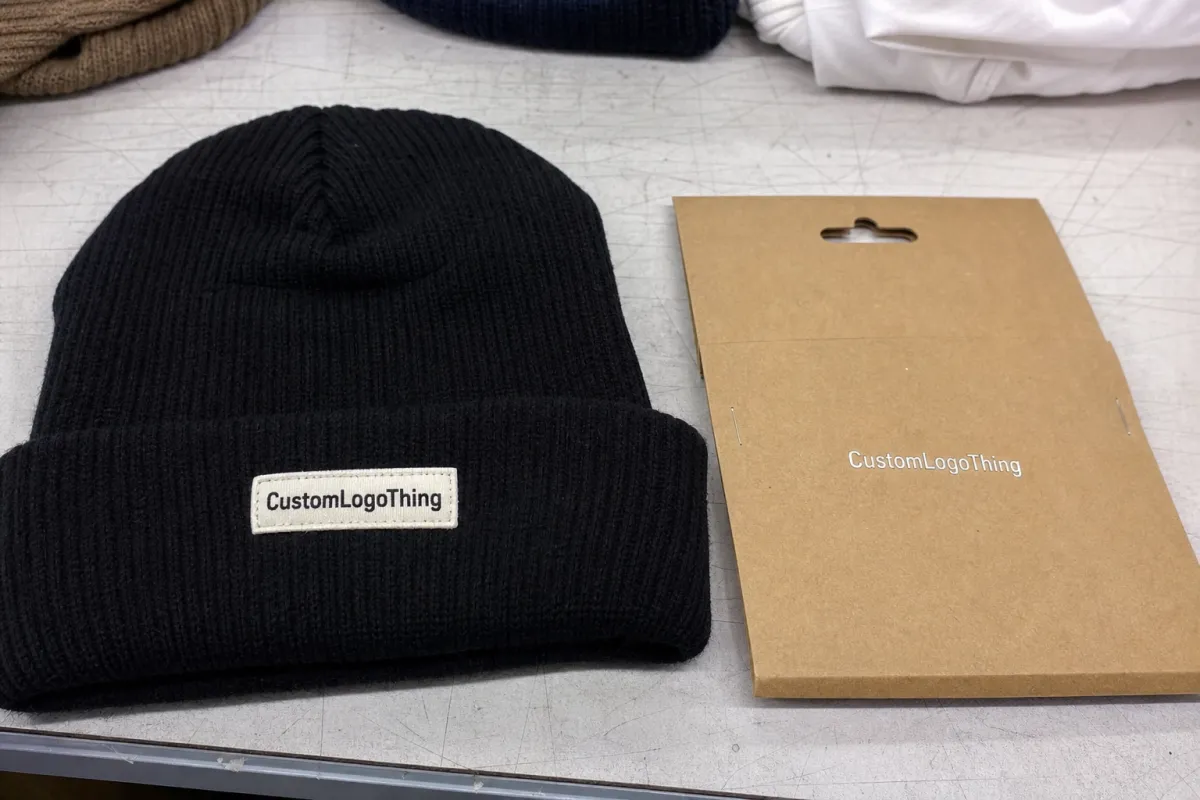
A beanie proof is not just a preview. It is the document that connects artwork, placement, thread selection, hat style, and production notes into one approval step. If any of those pieces drift, the final run can look off even if the mockup itself was polished. The screen image is only useful if it reflects the actual constraints of the knit cap.
The knit structure matters more than many first-time buyers expect. A cuffed acrylic beanie gives a more stable decoration area than a looser cuffless style. Wool blends behave differently from standard acrylic, and the front panel on rib knit fabric does not hold space the same way a flat garment does. A logo that feels balanced on a digital artboard may sit too high, sit too low, or lose clarity once it is translated into stitches.
That is why corrections are far less painful before approval. A thread color can be adjusted, a placement can move a fraction of an inch, or the stitch count can be reduced to protect legibility. After approval, those changes may mean a new setup, a delayed production slot, or extra charges. On a run of 500 or 5,000 units, the difference between pre-approval and post-approval correction is not minor.
Good proof habits reduce risk. They cut down on mismatched branding, avoidable revisions, and orders that technically ship on time but still miss the mark visually.
If you want a broader sense of how decorated headwear fits into production planning, the capabilities page at Manufacturing Capabilities gives a useful overview of what embroidery can and cannot do cleanly on apparel and accessories.
How Digital Proofs Move From Art File to Approval
Strong proofs start with final artwork. A shop cannot build a reliable approval file from a half-finished logo or a screenshot taken from a slide deck. The supplier usually receives a vector file, confirms the beanie style, and creates a mockup that shows where the decoration will sit. Thread color notes are added at this stage, often tied to brand standards or the closest embroidery thread match available rather than a perfect digital color chip.
The proof is part visual check and part production map. It should identify the placement, the approximate size, and any details that need simplification before they can be stitched. If the logo needs digitizing, the mockup may already reflect choices such as cleaner line weights, reduced detail, or a narrower lettering style that better survives the movement of knit fabric.
The sequence is usually predictable: artwork arrives, digitizing happens, a digital proof is built, notes are added, and the customer approves or requests revisions. Once the proof is signed off, the job moves into production and the room for casual changes shrinks fast. A new color, a spelling fix, a quantity change, or a different ship-to address can alter the schedule and sometimes the price.
That is the point where buyers should treat the proof like a contract rather than a rough sketch. If one document says the thread will be navy and another says black, the issue should be resolved before approval. If the proof shows a 3.5-inch logo but the brand guide calls for a tighter lockup, stop and reconcile it. Embroidery is physical work, and physical work is unforgiving of vague instructions.
Packaging deserves attention too, especially for internal distribution or event kits. Ask whether the beanies will be polybagged, carton-packed in a specific count, or shipped loose in bulk. If the order is traveling to a warehouse, trade show, or remote office, the receiving method can matter almost as much as the decoration itself. Buyers who keep sustainability in view often compare packaging inputs against guidance from the Forest Stewardship Council for paper-based materials.
What changes after approval
After approval, the art is usually digitized, the production queue is set, and material is reserved. That means even small edits can become expensive. A late spelling correction may force a re-run of setup. A changed logo position may require a new sew file. A different ship date can affect the order’s place in the line.
This is also why internal sign-off matters so much. Corporate gifting runs often involve marketing, HR, procurement, and leadership. If all four people weigh in by email, the proof can become a moving target. One final approver, one marked version, one clear decision. The process is not glamorous, but it keeps the order from turning into a chain of contradictory comments.
Artwork, Stitch Count, and Knit Structure: What Changes the Look
Embroidery on beanies favors simplicity. Thin outlines, small type, gradients, and tiny symbols often look fine on a screen and then collapse into visual noise once they are stitched into a flexible knit. A beanie is not a flat patch. The yarn moves, the fabric stretches, and the surface texture interrupts detail. The cleaner the art, the easier it is to keep the final result readable.
Stitch count changes both appearance and cost. A dense design usually takes longer to sew and creates a firmer hand feel. A lighter design may keep the beanie more flexible, but if the logo is too intricate, the reduced stitch count can blur the details that make the mark recognizable. More stitches are not automatically better; they are only better if the extra density serves the artwork.
Beanie construction changes the outcome too. A cuffed beanie offers a more controlled front panel and is usually the safer choice for centered logos. A cuffless style gives a different look, but the stretch can make placement harder to judge and the visual balance harder to maintain. Acrylic beanies are generally predictable in production. Wool blends can feel more substantial, though the knit behavior may vary a little more depending on the fabric weight and gauge.
Contrast deserves more respect than it usually gets. A navy thread on a charcoal beanie may satisfy a brand color chart and still disappear across a conference table. For corporate gifting, the hat is both an item of clothing and a moving brand signal. If the logo is too subtle, the gift starts to lose its purpose.
Any design with fine detail should be considered for a sew-out or physical sample. A digital proof can confirm size, placement, and thread callouts, but it cannot fully show how stitches will settle into the knit. A sample is slower and sometimes costs extra, yet it often prevents the most expensive kind of mistake: a full run that looks neat on paper and weak in reality.
Industry references are useful here as well. If the beanies are moving in bulk cartons or through a distribution center, transit guidance from ista.org can help teams think more carefully about packing and handling.
How a good digitizer helps
A digitizer is not simply tracing the logo. The job is to translate visual intent into something thread can execute cleanly. That means deciding how to preserve letter shapes, where to simplify an icon, and how to prevent fine details from collapsing in the stitch process. Good digitizing is part craft, part engineering.
If the supplier offers a thread chart, a stitch recommendation, or a sample sew-out, use it. Those tools provide a clearer picture than a mockup alone, especially when brand colors are close together or the logo depends on small shifts in contrast. On beanies, tiny differences can matter more than they do on flatter products.
Corporate Gifting Embroidered Beanies Digital Proof Checklist
Use this checklist before approving any corporate gifting embroidered Beanies Digital Proof Checklist file for production. A polished layout can hide plenty of problems, so read each item against the proof, the order form, and the brand guide rather than assuming the mockup tells the whole story.
- Artwork file: Confirm the logo is vector-based or has been cleaned up well enough to avoid jagged edges, broken lines, or distorted shapes.
- Spelling: Check every word, acronym, department name, and personalized field letter by letter.
- Punctuation: Verify apostrophes, periods, hyphens, and ampersands; tiny errors are easy to miss on a proof.
- Placement: Review the exact decoration location on the beanie, including front panel position, cuff placement, and any off-center lockup.
- Logo size: Confirm the embroidered dimensions fit the hat style and do not crowd a seam, fold, or edge.
- Thread colors: Compare the callouts to brand standards and ask for clarification if the proof uses a close-but-not-exact shade.
- Quantity: Match the proof against the purchase order so the run size is correct before production begins.
- Special notes: Look for backing, lining, personalization, folding, or packaging instructions that affect finishing.
- Shipping details: Double-check the destination, deadline, transit method, and any event receiving instructions.
- Final approver: Make sure one person owns the sign-off so edits do not scatter across multiple messages.
A second pass by another reader is usually worth the time. One person can compare the proof against the brand guide, another can compare it against the purchase order, and a third can check the delivery note. That split catches small mistakes before they become visible in production. Most problems are not dramatic; they are cumulative. A slightly off size, a slightly weak contrast choice, and one missed spelling error can make an otherwise good run feel careless.
“If the proof is unclear, it is not ready.” That rule is blunt, but it holds up. Ambiguity on a knit cap usually becomes a visible defect in the finished order.
| Proof / Order Type | Typical Complexity | Common Price Driver | Usual Risk Point |
|---|---|---|---|
| Simple logo, one thread color | Low | Basic stitch count and standard beanie style | Scale can still be too small on knit fabric |
| Multi-color corporate logo | Medium | Thread changes, digitizing time, and placement precision | Color contrast and text spacing |
| Fine-detail emblem or badge | High | Higher stitch count and cleanup revisions | Thin lines, tiny letters, and legibility |
| Personalized employee gift run | Variable | Names, proof revisions, and data checks | Spelling, list accuracy, and approval delays |
Common Mistakes That Slow Down Corporate Beanie Orders
Scale is the first mistake to check. A logo can look balanced on a laptop and still end up too small once it is stitched onto a folded cuff. On knit headwear, half an inch matters. That is not an exaggeration. It can be the difference between a clean brand mark and a design that looks like it was squeezed into the space as an afterthought.
Color contrast is the next trap. Buyers often try to stay close to brand colors and end up choosing thread and beanie shades that sit too near each other. Technically correct, visually weak. For gifting, that is a serious problem because the item needs to communicate the brand instantly, not after someone has examined it from six inches away.
Low-resolution artwork causes more slowdowns than most teams expect. If a digitizer has to guess where an outline ends or where a letter should close, the stitched version can drift from the original intent. That does not mean a raster file cannot be used. It means it may need cleanup before the proof should be approved.
Version control creates another layer of trouble. If three people send edits by email and none of them are clearly marked final, the supplier can end up with contradictory instructions. One proof version, one approver, one approval note. That may sound basic, but basic is often what keeps production from stalling.
Shipping instructions deserve the same care. If the beanies are headed for a trade show, employee kit, or retail-style distribution, the shop needs to know whether cartons should be labeled, items bagged individually, or freight sent through a standard receiving path. A well-executed embroidery run can still arrive late or awkwardly packed if the logistics are loose.
For teams that track broader packaging standards, the Institute of Packaging Professionals offers useful context on handling and protection. That matters more than many buyers realize once a decorated order leaves the production floor.
Cost and Pricing Drivers to Review Before You Order
Many buyers start with the blank beanie price and stop there. That is rarely the most useful way to compare quotes. Embroidery labor, stitch count, thread changes, digitizing work, and special handling often drive the final price more than the cap itself. A simple one-color logo on a standard cuffed beanie is a very different job from a detailed crest that needs multiple revisions and careful cleanup.
Quantity helps lower unit cost because setup is spread across more units. Smaller runs tend to carry a higher per-hat price, especially if the order includes revised artwork, a sample, or a rushed turnaround. If the timeline is tight, the shop has less room to absorb the job into a normal queue, and that can raise the cost as well as the stress level.
Extra proof rounds are another hidden line item. If a logo goes through several edits, the total cost can rise even when the blank hat itself is inexpensive. Buyers should ask whether the quote assumes one round of revisions or more. That is a small question with a large budget impact.
The cleanest comparison is to look at the full decoration load, not just the base product. Stitch count, thread color count, placement, sample needs, and ship date all belong in the same conversation. A low hat price paired with heavy setup and a late deadline may end up more expensive than a quote that looks higher at first glance.
Material and packing choices matter too. If the run is being bundled for internal distribution or mailer kits, ask how the cartons are packed and what protects the goods in transit. Plain packaging is fine if the receiving path is controlled; it is not fine if the order has to survive multiple handoffs.
Common pricing signals
The easiest way to judge whether a quote is fair is to line it up against complexity. A clean logo with limited stitch coverage should not be priced like a detailed badge with several thread changes and cleanup work. If the numbers do not reflect that difference, ask for a breakdown before you approve anything.
- Stitch count and logo size
- Thread color count
- Beanie style and fabric blend
- Decoration placement
- Revision count and sample needs
- Ship date and transit method
Production Process, Timeline, and Next Steps
The cleanest production path is usually the simplest one: gather the final vector art, review the digital proof, annotate any changes, approve the proof, then move into embroidery, finishing, and shipping. If a step gets skipped, the order usually slows down somewhere later, and the delay often shows up at the worst possible moment.
Timeline depends on a few practical variables. Proof turnaround can be quick for straightforward art, but detailed logos or multiple revisions extend the schedule. Digitizing needs, sample requests, current shop volume, and rush status all matter. If the beanies are tied to a holiday drop, conference, onboarding date, or incentive program, that deadline should be part of the first conversation, not the last.
There are a few habits that keep the job moving. Confirm the final vector file. Lock the quantity. Choose the thread colors. Set the delivery deadline. Assign one approver. Then read the proof again with fresh eyes. That last pass is often the one that catches the problem nobody noticed the first time.
The practical lesson is simple: treat the proof as the final real chance to fix anything without consequence. Once production starts, the room for error shrinks fast. That is the reason a careful corporate gifting embroidered beanies Digital Proof Checklist review pays for itself before the first hat is stitched.
What should a corporate beanie digital proof include?
It should show the hat style, decoration placement, logo size, and thread colors in one clear view. It should also note any special instructions such as cuff placement, backing, lining, or personalization details. If anything is unclear, ask for a revised proof before approving production.
How long does the proof stage usually take for embroidered beanies?
A simple proof may come back quickly, while more detailed artwork or multiple revisions can add time. The timeline depends on artwork readiness, digitizing needs, and the supplier's current production queue. If your event date is fixed, share it early so the proof schedule can be planned around it.
What affects the price of corporate gifting embroidered beanies?
Stitch count, thread colors, beanie style, and quantity are the biggest pricing drivers. Rush production, extra proof rounds, and physical samples can also increase the total cost. Simpler artwork usually keeps embroidery faster and the unit cost more predictable.
Do I need vector art for an embroidered beanie proof?
Vector art is strongly preferred because it gives the digitizer clean lines and scalable shapes. Low-resolution files can still be reviewed, but they often need cleanup before they are ready to embroider. If you only have a raster file, ask whether the artwork can be traced accurately before approval.
What is the best way to avoid mistakes before approving the proof?
Check spelling, logo size, thread color, and placement measurements line by line. Compare the proof against the purchase order, brand guidelines, and shipping details. Have one person give the final approval so edits do not get scattered across multiple messages.


