Corporate gifting trucker caps Bulk Order Planning works best when the cap spec is chosen with production, freight, and end use in mind. Trucker caps are popular for that reason: they are one-size-fits-most, ship efficiently, and avoid the sizing risk that comes with apparel. That makes them practical for onboarding kits, event handouts, field teams, and client gifts.
The real job is not finding a cap that looks good in a mockup. It is choosing a build that survives decoration, packing, transit, and actual wear. A weak spec creates dead stock. A good one gets worn, photographed, and reused.
There is also a logistics advantage. A trucker cap flat-packs well, and a standard snapback closure reduces the need for size runs. That simplicity matters because every extra decision can add delay, and delay is what usually drives orders over budget.
Why trucker caps beat generic swag for bulk gifting
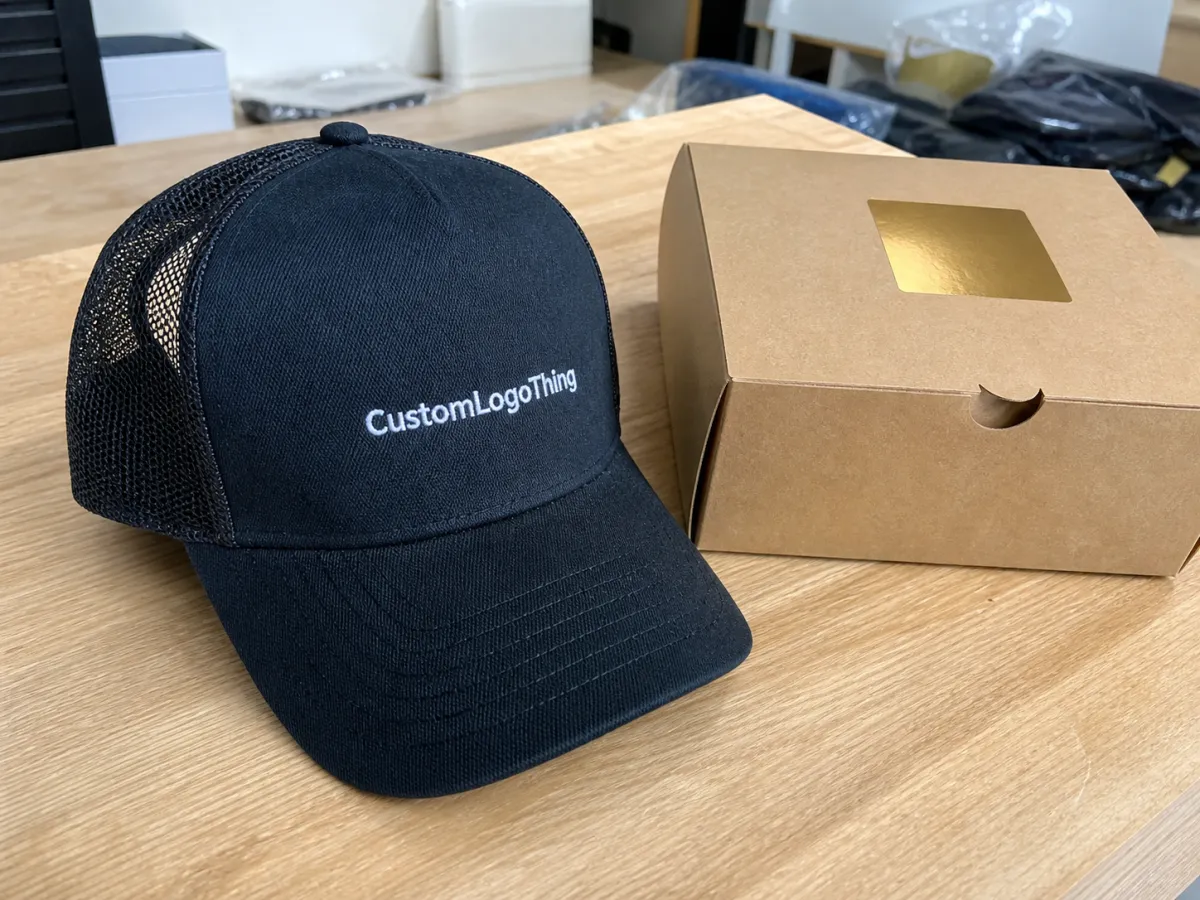
Trucker caps outperform many generic gifts because they sit in a useful middle ground: visible, wearable, and easy to order at scale. A mug stays on a desk. A cap moves through commutes, outdoor events, travel days, and weekends. That repeated exposure gives the brand more impressions without adding much complexity to the order.
The silhouette helps too. The front panel gives a clear branding zone, while the mesh back keeps the cap lightweight. Recipients already understand what the item is, which reduces the risk that it feels like leftover promo inventory. For corporate gifting, familiar is efficient.
Different programs use caps differently. New-hire kits need a product that feels complete without introducing sizing issues. Field teams need something that can be worn often without comfort complaints. Client mailers need enough perceived value to feel intentional, but not so much that the budget gets pulled into premium apparel territory.
The best results usually come from a restrained cap spec: a solid blank, one decoration method, and packing that protects the product instead of over-styling it. If the cap has to survive freight and sorting, the build matters more than the presentation deck.
Corporate gifting trucker caps bulk order planning basics
The first decision is the cap architecture. A 5-panel trucker gives a flatter front and a cleaner decoration area, which is useful for patches and bold logos. A 6-panel cap feels more traditional and can read closer to retail. Neither is always better; the logo and audience should drive the choice.
Structure is the next variable. Structured caps hold their shape and usually look more polished. Unstructured caps feel softer and more casual. Foam-front styles can create a retro look and offer a larger printable area, while cotton twill fronts usually produce a cleaner, more subdued finish. If the cap is for executives or clients, buyers often lean more structured. If it is for creative teams or field use, a softer build may fit better.
Closure choice affects both comfort and cost. Snapback is the safest default because it fits most people and is easy to source in volume. Fabric straps with metal or tuck buckles can feel more premium, but they usually raise cost and add a little more packing attention. Velcro is functional, though it is rarely the best choice for a corporate gift.
Materials matter more than many buyers expect. Most trucker caps combine a front panel made of foam, polyester, cotton twill, or a cotton-poly blend with mesh back panels in polyester. That blend affects hand feel and decoration results. A heavier front panel supports embroidery better. A soft front may need a patch or print to stay crisp. Sweatband quality also matters, especially for outdoor programs where comfort affects whether the cap gets worn.
Think in terms of recipient behavior, not just price. If the cap is going into onboarding kits, perceived value and presentation matter. If it is for a field crew, durability and comfort matter more. If it is being mailed, carton count, pack size, and transit protection become part of the spec. Those choices should be settled before the quote is finalized.
Decoration choices that keep logos readable
Decoration is where trucker cap orders either look sharp or fall apart. The front panel is curved, the mesh back cannot carry branding, and the cap shape limits how much detail the logo can hold. Artwork that looks fine on screen can become unreadable once it is translated into stitch or patch form.
Embroidery is the safest default because it is durable and widely accepted. It works well for simple marks and standard corporate branding. The tradeoff is detail: fine lines, small text, and shading do not always translate cleanly into thread. Good digitizing helps, but it cannot fix artwork that is too intricate for cap scale.
Woven patches are useful when the logo needs sharper detail than embroidery can support. They can handle tighter lettering and cleaner edges, especially on curved fronts. PVC patches create a bolder, more dimensional look and can work well for simple icons or geometric marks. Printed labels are a lower-cost option, but they usually read less premium than stitch or patch work.
For complex artwork, ask for a digital proof first and a sample if the logo has small text, unusual placement, or strict brand color requirements. Proofs are not just for confirming placement. They are for catching problems early: logo size that is too small, patch edges that crowd seams, thread colors that drift, or decoration that sits too low on the crown.
Quality control should go beyond the art file. Ask how the factory checks stitch consistency, patch alignment, and panel symmetry. On caps, small errors are obvious. A logo that is slightly off-center, a crown that sits unevenly, or a bill that curves differently from the sample can make the whole batch feel lower grade than it should. For larger orders, carton inspection and count verification matter as well.
Packaging affects perception and transit performance. If the order includes inserts, sleeves, or boxes, the shipping path should be part of the discussion. A carton that looks elegant in a mockup is not useful if the caps arrive crushed. If sustainability is a requirement, paper inserts or FSC-certified cartons can support that brief without changing the cap itself.
| Decoration method | Best use | Typical MOQ pressure | Typical unit cost range at 500 units | Tradeoff |
|---|---|---|---|---|
| Embroidery | Everyday branded caps, durable wear | Low to medium | $5.75-$8.50 | Durable and familiar, but fine detail can get lost |
| Woven patch | Sharper detail, premium look | Medium | $6.50-$9.50 | Cleaner read on curved fronts, slightly higher cost |
| PVC patch | Bold artwork, textured finish | Medium to high | $7.00-$10.50 | Strong visual impact, but not right for every brand tone |
| Printed label | Lower-cost front branding | Low | $4.75-$7.25 | Affordable, but usually less premium than patch or stitch |
Pricing, MOQ, and unit cost tradeoffs
Cap pricing comes from a few obvious variables: blank quality, decoration method, logo complexity, color count, and packaging. The less obvious costs are the ones that often surprise buyers: setup fees, digitizing, samples, split shipments, and rush production can push landed cost higher even when the per-unit quote looks fine.
For planning, it helps to think in tiers. At 100 units, decorated caps often land around $9.50-$13.00 each. At 250 units, pricing may move into the $7.25-$10.00 range. At 500 units, a straightforward program often sits around $5.75-$8.50. At 1,000 units, simple orders can fall to $4.75-$7.00. These are planning ranges, not promises.
MOQ exists because setup work has to be paid for somewhere. If the order uses basic embroidery, the factory can often stay flexible. If it uses a custom patch, a less common closure, or a packout that requires hand assembly, the minimum quantity or the unit cost will usually rise. That is not a red flag; it is the cost of spreading fixed work across fewer pieces.
Quantity jumps deserve attention. If moving from 250 to 500 units barely changes the total spend, it can make sense to buy the larger quantity and keep a buffer for replacements, future onboarding, or executive gifts. If the jump is steep, forcing the higher tier does not add value. It just ties up inventory.
Freight should be included early. A quote that looks good before shipping can change quickly once cartons, address splits, and expedited transport are added. Ask for the shipping assumption in writing, including carton count and destination count. If the order is going to multiple offices or event sites, that detail can move the landed cost more than the decoration method does.
If the cap is part of a repeat merch program, consistency becomes a cost control tool. One approved spec, one decoration path, and one packaging format make later reorders easier to price and less likely to drift from the first batch.
Process, timeline, and approval checkpoints
A clean order usually follows the same sequence: brief, quote, proof, sample, approval, production, packing, and shipping. The brief should include quantity, target date, logo files, recipient group, preferred cap colors, decoration preference, and budget ceiling. Without that information, the quote will be loose and the revisions will take longer.
Lead times vary by supplier and season, but a straightforward decorated cap order often takes 12-20 business days after proof approval. If a sample is needed before production, add a few more days. Freight time sits on top of that. Domestic shipment may add only a few business days, while multi-address delivery or a tight event calendar may require more coordination.
Artwork review is one of the most common delay points. A logo that looks simple on screen may need tracing for embroidery or patch production. Small text, thin strokes, and tight spacing are where orders slow down. This is why a photo approval or sample approval is worth the extra step when the deadline is fixed.
Rush production is possible in some cases, but it usually narrows the options. You may lose packaging choices, decoration flexibility, or the ability to revise the proof without affecting the ship date. Ask for the actual tradeoff, not just the faster timeline.
Payment timing can also affect the schedule. Late payment can stall material release, and stalled materials can push a production window into the next week. That is an operational issue, not just an accounting one. The cap is waiting behind other jobs, stock checks, and carton planning.
Bulk order mistakes that inflate the bill
The most expensive mistake is under-ordering because the quote looks safer. It is only safer until replacements, late additions, or future onboarding require a second setup fee and a second freight bill. For recurring programs, a small buffer is usually cheaper than a second small order.
Too many variations is the next problem. One cap body, one logo placement, and one decoration method is the cleanest route. Multiple colors, alternate placements, and mixed decoration styles make the order harder to produce, harder to pack, and harder to reconcile. Variety can be useful, but only when it serves a real audience difference.
Comfort gets underestimated as well. A heavy foam-front cap can be fine for a short event, but it may not be ideal as an everyday wearable in hot weather. A softer front with better mesh ventilation can get more use if the cap is intended for field staff or summer promotions. The best product is the one people actually reach for.
Another common miss is failing to budget for freight and overflow. The cap quote may be clean, but the total program cost changes once cartons, split delivery, and rush transport are added. Buyers Should Ask for the landed cost early, not after the order is approved.
Useful checklist:
- No buffer units for replacements, late additions, or VIP requests.
- No written approval trail for artwork, color, and placement.
- No shipping assumption for cartons, addresses, or transit timing.
- No plan for mixed recipients if sales, staff, and events need different quantities.
- No QC standard for symmetry, stitch quality, or packaging condition.
That last point matters more than many buyers expect. On a cap, defects are visible. Off-center logos, crooked patches, and inconsistent crown shape can make a batch feel cheaper than the invoice suggests. A good supplier should be able to explain how those issues are checked before packing.
Next steps for a clean corporate cap order
The strongest orders start with a short, specific brief. Quantity, target date, logo files, recipient group, preferred colors, and budget ceiling are the essentials. Then choose one decoration path and, if needed, one backup option that still fits the budget. That prevents quote drift and keeps suppliers comparing the same job instead of three different versions of it.
Ask for a mockup, a production timeline, the sample policy, and the shipping assumption in writing. If those details are missing, the order is not fully defined yet. For repeat buying, keep the spec stable. Stable specs create cleaner pricing, cleaner inventory, and fewer surprises on the next run.
Corporate gifting trucker caps work best when the logic is boring and the result is not. Pick a cap that fits the audience, decorate it in a way that survives the curve of the crown, and keep the production path simple enough to survive freight and deadlines. That is the difference between a gift that gets used and one that gets forgotten in storage.
FAQ
For corporate gifting trucker cap bulk orders, how many should I buy?
Use confirmed headcount as the base, then add a 5%-10% buffer for replacements, late additions, and VIP requests. If the next pricing tier lowers the unit cost enough, it can be worth rounding up. For recurring programs, keeping a handful of units back for future onboarding is often cheaper than placing a second small reorder.
What decoration method is best for trucker caps in bulk gifting?
Embroidery is usually the safest default because it is durable and widely accepted. Woven patches work well when the logo needs sharper detail or a more retail-like finish. PVC patches create a bolder, tactile look. The right choice depends on how simple the logo is, how premium the gift needs to feel, and how much detail the front panel can realistically support.
What drives MOQ and unit cost on trucker cap orders?
The main drivers are the blank cap style, decoration method, color count, setup work, and packaging. More custom work usually means a higher MOQ or a higher unit price at smaller quantities. Freight and rush production can also change the landed cost, so they should be included in the quote from the start.
How long does a corporate trucker cap bulk order usually take?
Most straightforward orders need time for proofing, approval, production, packing, and shipping. A common planning range is 12-20 business days after proof approval, though samples, artwork revisions, and stock shortages can extend that. Rush orders may be possible, but they usually narrow decoration and packaging options.
Can I mix colors or recipient groups in one bulk trucker cap order?
Yes, but every extra color or variation increases complexity and can raise cost. The cleanest approach is usually one core cap color with a secondary option only if there is a real audience reason for it. Mixed runs should be confirmed against minimums per color or SKU before approval, because the budget can move fast once the order is split.