Trade show embroidered beanies Bulk Order Planning sounds straightforward until a show date starts acting like a hard deadline instead of a calendar entry. A beanie is not a casual freebie. It sits on someone’s head in airports, hotel lobbies, shuttle lines, and cold convention halls, which means it carries your logo far beyond the booth itself.
That long afterlife is why beanies deserve the same treatment as a campaign asset, not a last-minute giveaway. The wrong knit can stretch the artwork out of shape, the wrong thread color can flatten the logo, and the wrong lead time can turn an otherwise good order into a rushed compromise. The buyers who do this well usually make the same four decisions early: style, decoration, quantity, and delivery window.
The trick is not finding the fanciest hat. It is choosing a version that survives production, reads clearly in person, and still looks good after a few wears. That is a much narrower target, which is useful. Narrow targets are easier to hit.
Why beanies keep working after the booth closes
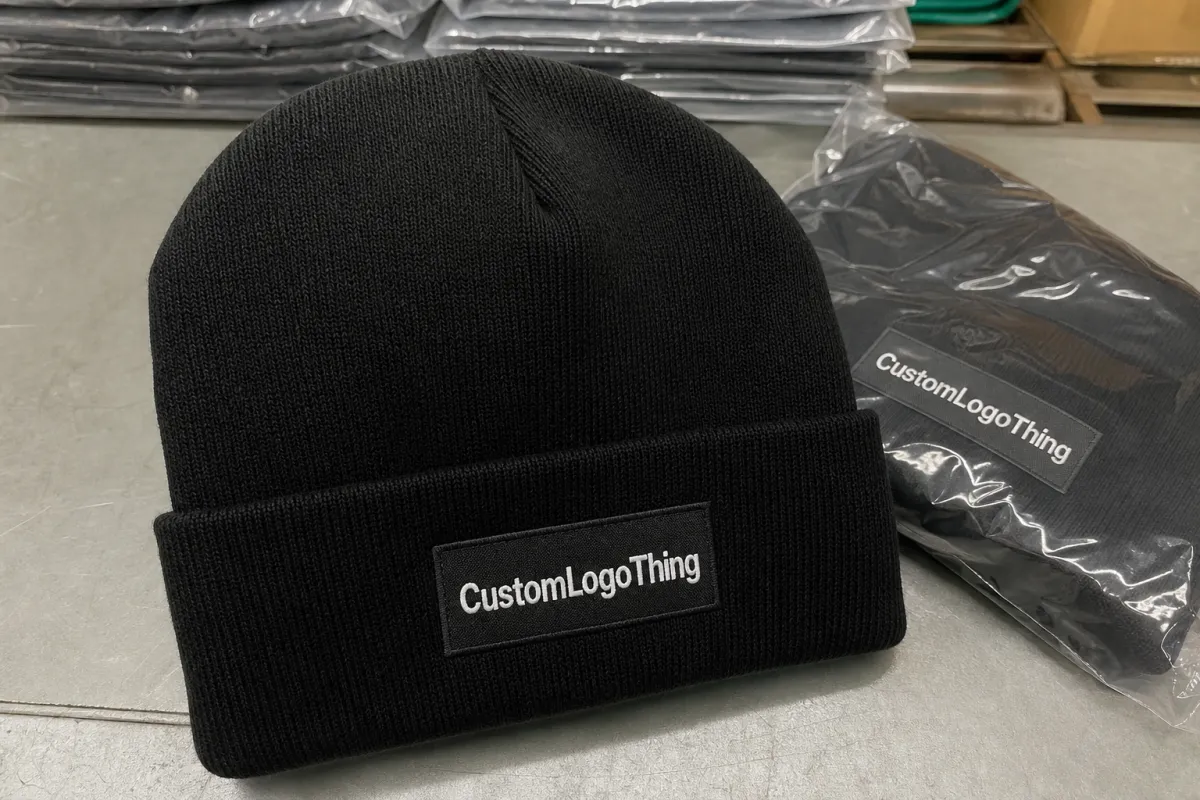
Trade show gear tends to split into two categories: items that are picked up, and items that are kept. Beanies fall into the second group more often than most people expect. A flyer gets glanced at once. A pen may vanish into a bag. A beanie can be worn repeatedly through the entire travel window that follows the event, and sometimes for the rest of the season.
That matters because wear time multiplies impressions. Even a modest number of repeat uses can outpace the exposure from a stack of paper handouts. The math is not complicated. A hat worn eight or ten times by one attendee often produces more brand visibility than a low-cost item that disappears in transit.
There is also a perception effect that marketers sometimes underestimate. Cold-weather apparel feels more useful than novelty swag, so the gift reads as practical rather than promotional. That can raise acceptance rates at the booth and improve how the brand is remembered afterward. A beanie that feels soft, balanced, and well made sends a stronger signal than one that looks like an afterthought.
Most successful orders assign the item a job before production starts. Staff wear is one use case. VIP gifts are another. Speaker rooms, sponsor kits, and executive lounge packages are different again. Once the audience is defined, the specification usually changes. The logo may get smaller, the color palette may get tighter, and packaging may become more deliberate.
A useful test: if the logo still reads at 8 to 10 feet, and the hat still feels comfortable after a full day of wear, the order is doing real work.
That is the connection many buyers miss. A beanie is both media and clothing. If one half fails, the whole item underperforms. A flashy design that is uncomfortable will be left behind. A comfortable hat with weak branding becomes anonymous. The best bulk orders avoid both problems.
Decoration choices and beanie styles that read well
The beanie style sets the boundary for what the decoration can do. Cuffed Knit Beanies are the easiest to work with because they provide a stable panel for embroidery. Slouch styles can look more fashion-forward, but the extra fabric makes placement less predictable and can shift the visual center of the logo. Ribbed acrylic is common in bulk orders because it has enough stretch to fit well and enough structure to support embroidery cleanly. Fleece or performance blends work too, though the handfeel and the finished look are different enough that they should not be treated as equivalent.
Embroidery remains the default choice for most trade show programs because it holds up, feels intentional, and gives the logo more dimension than a flat print on textured knit. Thread catches light in a way ink usually does not. That slight relief can make a simple mark feel more expensive without increasing complexity on the design side.
Placement deserves more attention than it gets. Centered cuff embroidery is the most common choice because it is easy to read and relatively forgiving. One-side placement can look cleaner for minimalist branding, but it risks shrinking the mark too much. Front-panel embroidery works well on some styles, while woven patches are often the better answer when the art contains thin lines, tiny type, or gradients that would turn messy in thread.
| Beanie style | Best use | Decoration read | Typical decorated bulk range | Buyer note |
|---|---|---|---|---|
| Cuffed knit | Most trade show giveaways and staff wear | Very strong | $4.50-$7.50 per unit at 250-500 pieces | Best balance of logo space and cost control |
| Slouch knit | VIP gifts and more style-driven programs | Good, but placement is trickier | $5.25-$8.25 per unit at 250-500 pieces | Needs tighter proofing so the logo does not drift |
| Ribbed acrylic | General booth handouts and winter events | Strong | $4.00-$6.75 per unit at 250-500 pieces | Often the safest value choice for large runs |
| Performance fleece | Outdoor shows and colder climates | Moderate to strong | $5.50-$9.00 per unit at 250-500 pieces | Comfort is high, but the look is less classic |
The artwork itself should decide whether embroidery is the right finish. If the logo is made of tiny letters, thin strokes, or detailed gradients, forcing every element into stitches usually creates clutter. A woven patch can preserve the shape more cleanly, although it adds a manufacturing step and may increase the price. That tradeoff is often worth it for marks that need precision more than texture.
Thread color contrast is easy to overlook on a screen and obvious in a real room. Navy on navy can look elegant in a mockup and disappear under convention lighting. White on black, gold on charcoal, or red on heather gray usually reads better. The goal is not maximal contrast for its own sake. It is enough contrast to keep the logo legible from a short distance.
One more practical observation: knit texture changes how small details behave. A design that looks crisp in vector art can lose sharpness once it is translated into thread and pulled across a curved surface. Buyers who reduce line weight and simplify type usually end up with a cleaner result than buyers who try to preserve every detail exactly as drawn.
Specs to confirm before you request samples
Good planning begins with the parts most people skip. Ask for yarn content, knit gauge, cuff height, crown depth, and stretch range. One-size-fits-most sounds convenient, but the fit changes a lot depending on the shape of the crown and how much stretch the knit actually has. A beanie that feels shallow can look cheap. One that stretches too far may lose structure after a few wears.
On the decoration side, confirm the maximum embroidery area, estimated stitch count, thread matching method, and whether the logo is going front-only or can wrap. A simple mark may land around 4,000 to 6,000 stitches. More detailed artwork can rise well beyond that. Each jump increases labor and can lengthen the production window, especially if the shop is working through a large seasonal order book.
Material details matter more than they sound. Acrylic is common because it is affordable, consistent, and easy to source in bulk. Polyester blends may feel softer or dry faster. Wool blends can bring a nicer handfeel, but they also add cost and may require more careful care instructions. For trade shows, the decision usually comes down to which attribute matters most: price, softness, warmth, or logo clarity.
Packaging is another lever with real consequences. Bulk-folded cartons keep costs lower. Individual polybags help if the beanies are going into attendee kits, speaker gifts, or premium sponsor boxes. Insert cards can improve presentation, but only if the message is sharp. A generic card adds weight without adding much value. If the shipment is traveling a long distance, ask how cartons are packed and whether the packaging has been checked for compression and transit handling. A damaged box can undo a careful presentation before the first hat is even touched.
Quality control should include more than a quick visual scan. Review color consistency, seam placement, embroidery tension, and pilling resistance. The hat should also be checked under normal handling, not just laid flat on a table. A sample that looks fine until it is stretched over a head tells you more than a pristine photo ever will.
For buyer confidence, ask for proof images at actual size rather than a logo floating in a generic digital template. Scale errors are common. A mark that looks properly centered on a screen can sit too high or too low once it is stitched. Measuring the distance from the cuff edge to the design center is a small step that prevents a surprising number of mistakes.
Pricing, MOQ, and quote math that changes unit cost
Price is rarely just the price of the hat. A bulk decorated beanie usually includes the blank, decoration setup, digitizing, thread, proofing, packaging, and freight. Rush timing can add another layer. The quote that looks best at a glance can become less attractive once those pieces are put back into the total.
MOQ is usually tied to the economics of setup. Embroidery digitizing, machine setup, and color changes cost money whether the run is 100 units or 500. At smaller quantities, those fixed costs weigh heavily on the unit price. Once the order climbs into higher volumes, the per-piece number generally drops. That is why a 250-piece order often looks better than two separate 125-piece orders, even if the design is identical.
Clear comparison usually means requesting several breaks, not one quote. A useful spread might be 100, 250, and 500 units. That lets you see where the cost drops are meaningful and where they are mostly cosmetic. It also reveals whether the supplier is padding the lower volume with a steep setup fee or offering a genuinely scaled price.
There is a difference between cheap and efficient. A beanie that costs one dollar less but pills after the first commute has a weak lifetime value. A slightly higher-priced piece that is soft, readable, and worn repeatedly may perform better per impression. Procurement teams sometimes resist that logic because it sounds subjective, but the usage pattern is what decides the outcome. Items people wear beat items people keep folded in a bag.
Three pricing details deserve extra attention:
- Digitizing: ask whether the fee is one-time or repeated for revisions.
- Freight: confirm whether shipping is included, partial, or charged separately by destination.
- Packaging: individual polybags, insert cards, and custom labels all add cost, even when the unit price looks stable.
Quantity also affects risk tolerance. If the order is for staff uniforms, the specification should be stricter because consistency matters. If the beanies are for attendee handouts, the main goal may be clean branding and fast fulfillment. A split order can be more efficient than forcing one style to do every job. Staff may need one color, VIPs another, and general booth traffic a simpler version. That kind of segmentation often improves perceived value without driving the whole project into a premium tier.
When comparing quotes, ask for the unit price and the all-in landed price. The first number is useful. The second is the one that gets the order approved or rejected. If the supplier cannot explain why a beanie is priced at $5.10 rather than $6.45, the quote is incomplete. Good procurement work depends on knowing where the difference comes from.
Production steps and lead times for event-ready delivery
Once artwork is submitted, the order usually moves through digitizing, proofing, approval, production, inspection, packing, and freight booking. That sequence looks orderly on paper. In practice, the timeline only stays intact if the proof is approved quickly and the artwork is settled before production starts.
Proofing is the first serious gate. If the logo needs cleanup, the thread colors need correction, or the placement is off, the clock starts slipping. One day lost in proofing can turn into several if the order needs another round of revisions. That risk is highest when the design is complex or the show date is already close.
For straightforward domestic orders, a realistic window is often 12 to 15 business days from proof approval. Complex artwork, peak season demand, and special packaging can stretch that further. If the order is shipping internationally, transit and customs should be treated as separate variables rather than assumed. Ocean freight, air freight, and domestic ground service all behave differently, and the cheapest option is not always the safest one when the deadline is fixed.
The smartest buyers work backward from the show date and create their own internal cutoff at least 10 to 14 days earlier. That buffer absorbs small surprises: a revised proof, a delayed carton count, a bad weather delay, or a repackaging request from the event team. Without buffer, every small issue becomes a crisis.
Three risks show up often:
- Peak trade show season or holiday shutdowns that slow the production line.
- Artwork revisions that trigger a second proof cycle.
- Freight delays caused by weather, dock congestion, or route changes.
Milestones are more useful than one final tracking number. Ask when digitizing will be complete, when production starts, when inspection happens, and when the cartons leave the facility. Those checkpoints let the buyer spot a delay before it turns into a missed show. A shipment can still arrive on time after a minor issue if the team knows about the issue early enough.
If the beanies are being packed into kits with brochures, cards, or other items, stage the receiving process before the shipment lands. Inventory that arrives on time but has nowhere to go can still miss the event. The logistics around the hat matter almost as much as the hat itself.
Supplier signals that reduce late-arrival risk
Reliable suppliers tend to show their work. They provide clear spec sheets, realistic timelines, readable proofs, and straight answers on stock. Those details may seem basic, but they are the difference between a calm order and one that keeps generating follow-up questions.
Ask whether the embroidery happens in-house or through a third party. Every handoff adds a little risk: color drift, scheduling friction, file confusion, or a missed note in the approval chain. None of that is catastrophic by itself. All of it becomes more relevant when the order is tied to a fixed event date.
Samples are useful signals too. A supplier that can provide blank samples, decorated samples, or alternate yarn options usually has a better handle on the product line. If the first color choice is unavailable, a competent team can usually point to a close replacement instead of restarting the process. That matters because the calendar rarely bends to accommodate a backorder.
Quality assurance should sound concrete, not theatrical. Ask how finished pieces are counted, how embroidery consistency is checked, and what happens if cartons arrive short or damaged. A simple inspection process is usually better than a dramatic promise. The job is not to impress the buyer with language. It is to reduce the chance of failure on delivery day.
If a supplier cannot explain the production path in plain language, the quote is probably hiding more risk than it reveals.
Communication speed matters more than many buyers admit. Fast replies let you catch a thread-color issue, correct a shipping address, or adjust a logo scale before the order leaves the building. A delayed answer can be just as damaging as a delayed truck. In time-sensitive merchandise, silence is not neutral.
It also helps when a supplier has a visible process for reorders. A good first run is useful. A repeatable second run is better. If the order is meant to support recurring winter events, simplify the artwork and document the exact thread, color, and placement details so the next round does not have to be rebuilt from scratch.
Final checklist before you approve the order
Before you sign off, slow the process down for one last pass. Confirm the artwork file, the cleanup required for embroidery, the exact thread colors, and the placement on the cuff or front panel. If the proof can be interpreted two ways, it will be interpreted two ways. That is where avoidable mistakes begin.
Next, lock the quantity, ship-to address, and needed-by date. Compare the supplier’s production window with the freight method being used. If the timeline is tight, ask what happens if a revision is needed after approval or if the cartons arrive a day late. That question is not pessimistic. It is how practical buyers protect the event.
Decide whether the order should be uniform or split by audience. A single color can be enough for general booth traffic, but staff hats, speaker gifts, and VIP pieces often benefit from small differences. Changing color, packaging, or logo treatment can create a meaningful value gap without forcing a separate production system.
Create a receiving checklist before the shipment lands. Count cartons, check packaging condition, pull sample units from multiple boxes, and verify the backup contact name and number. Those steps take minutes. They can prevent a visible failure in front of the booth team, which is a much more expensive outcome than a careful pre-check.
The most successful orders are boring at the finish line. That is the point. Trade show embroidered beanies Bulk Order Planning works best when the design is simplified, the quantities are set early, the proof is reviewed at actual size, and the lead time includes a buffer the production calendar can actually survive. The result is a beanie that arrives on time, reads clearly, and keeps earning impressions after the booth has been packed away.
How far ahead should I start planning a bulk embroidered beanie order for a trade show?
Start as soon as the event date is known, then work backward from the production and shipping windows. The safest schedule includes time for digitizing, proof approval, and at least one revision cycle. If the show falls near a holiday period or needs freight shipping, add more buffer than you think you need. The order is much easier to manage when the deadline is not already breathing down the team.
What changes the price most on embroidered beanies?
Material choice, stitch count, logo complexity, quantity, and packaging drive most of the price movement. Setup, digitizing, freight, and rush charges can change the total even if the unit price looks steady. Larger quantities usually reduce per-piece cost because fixed production steps are spread across more hats. That is why quote comparisons should always include a few volume breaks.
Can I approve a proof before production starts?
Yes, and for a custom-embroidered order, proof approval should be standard. Use the proof to confirm logo placement, thread colors, scale, and whether the artwork needs simplification. If the proof looks off at all, correct it before production starts. Fixing a file is far easier than fixing a finished run.
What MOQ is common for trade show beanies with embroidery?
MOQ varies by style, decoration method, and whether the supplier has stock available. There is no single number that fits every order. Custom embroidery often has a lower threshold than fully custom knit construction, but setup still matters. Ask for quotes at several quantities so you can see where the savings become meaningful.
How do I keep a small logo readable on a knit beanie?
Simplify the design, remove fine lines that may disappear in thread, and keep strong contrast between the beanie color and the embroidery thread. Ask for the maximum safe embroidery area and review the proof at actual size. Small logos usually improve when they are cleaned up for the medium rather than copied exactly from print artwork.
Are embroidered beanies better than printed beanies for trade shows?
For most winter-facing events, embroidery is the safer choice because it holds up better and usually looks more premium on knit fabric. Print can work on some styles, but it often struggles on textured surfaces and can feel flatter in person. If the item needs to communicate quality quickly, embroidery usually wins. If the artwork is too detailed for thread, a woven patch is often the better compromise.


