Buyer Fit Snapshot
| Best fit | Corrugated Box Cost With Logo projects where brand print, material claims, artwork control, MOQ, and repeat-order consistency need to be specified before quoting. |
|---|---|
| Quote inputs | Share finished size, material target, print colors, finish, packing count, annual reorder estimate, ship-to region, and any compliance wording. |
| Proofing check | Approve dieline scale, logo placement, barcode or warning zones, color tolerance, closure strength, and carton packing before bulk production. |
| Main risk | Vague material claims, crowded artwork, missing packing details, or unclear freight terms can make a low unit price expensive after revisions. |
Fast answer: Corrugated Box Cost With Logo: Pricing, Specs, MOQ should be specified like a repeatable production item. The safest quote records material, print method, finish, artwork proof, packing count, and reorder notes in one written spec.
Production checks before approval
Compare the actual filled-product size with the drawing, then confirm tolerance on folds, seals, hang holes, label areas, and retail display edges. Reserve space for logos, QR codes, warning copy, and material claims before decorative graphics fill the panel.
Quote comparison points
Review material grade, print process, finish, sampling route, tooling charges, carton quantity, and freight assumptions side by side. A quote is only useful when the supplier can repeat the same color, closure quality, and packing count on the next order.
Corrugated Box Cost With Logo: Pricing, Specs, MOQ - If you are trying to pin down corrugated box cost with logo, the first surprise is usually this: the logo is rarely the biggest price driver. Size, board grade, print coverage, and quantity move the number faster than most buyers expect, which is why a branded carton can be a modest upgrade in one program and a sharp jump in another.
Packaging quotes almost never behave like simple box prices. Material, print, tooling, setup, freight, and transit performance all sit in the same file, and the invoice reflects every one of them. That is why corrugated box cost with logo should be read as landed cost, not a single line item. If you need a benchmark for a shipping program, start with Custom Shipping Boxes that fit the product first, then decide where branding earns its keep.
I have watched buyers save a few cents on a box and then spend far more fixing damage, repacking returns, or shipping an oversized carton through the network. The math gets messy fast. A logo can be the cheapest part of the project, or it can be the thing that forces a different board spec, a new print process, and a larger minimum order. That is why the conversation needs more than a quote and a thumbs-up.
Corrugated Box Cost With Logo: Why Small Changes Move Price
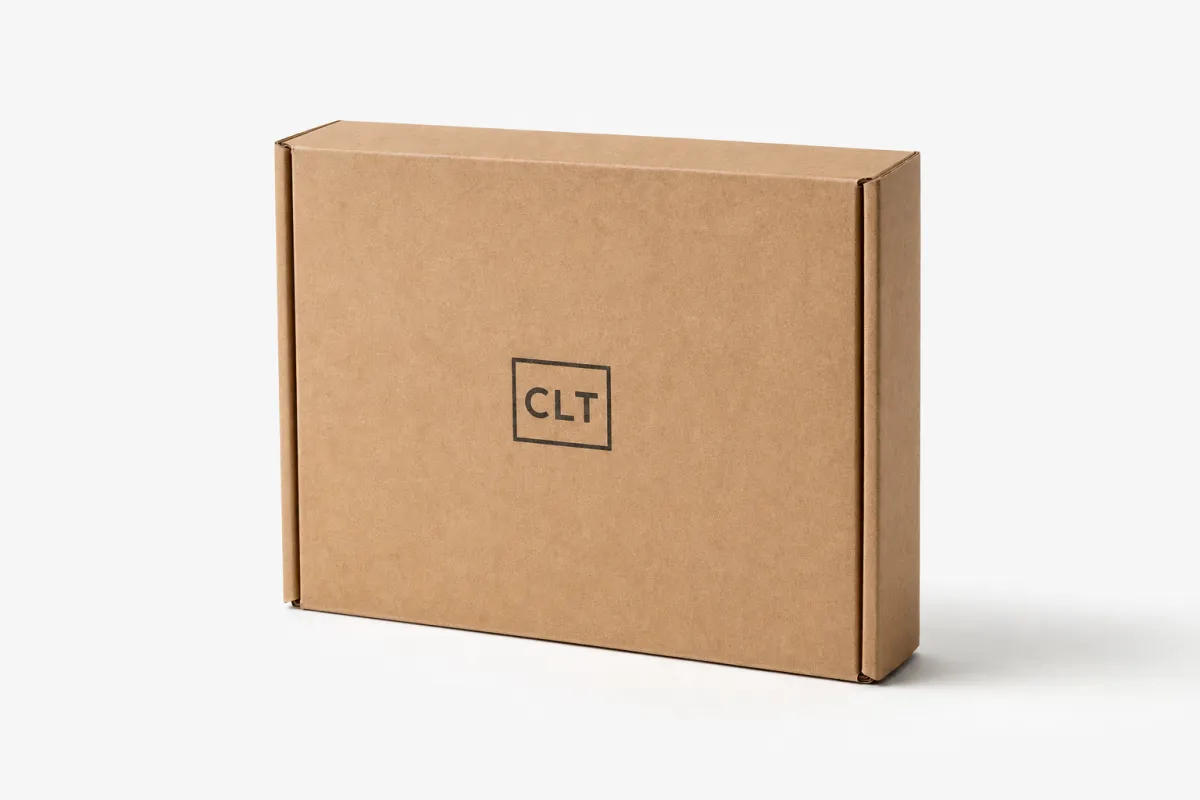
Two cartons can sit side by side on a pallet and still produce very different corrugated box cost with logo numbers. Shift the length by half an inch and the board usage changes across every panel. Move from B flute to C flute and the material profile changes with it. Even logo orientation can alter ink coverage and press setup. The box looks familiar on the dock. The quote does not.
A plain carton can look cheaper in a spreadsheet and still cost more in practice. Unprinted stock often pushes buyers toward extra labels, secondary cartons, or generic outer packaging just to make the shipment feel complete. A branded box can improve the arrival experience, strengthen recognition, and reduce the need for added packaging cues. The real comparison is rarely printed versus unprinted. It is total packaging spend versus the signal that package sends when the customer opens it.
Construction usually moves the number more than decoration. A carton built for rough transit lanes may need a heavier ECT rating, thicker board, or a different flute profile. That can outweigh the print premium by a wide margin. Dense products, fragile contents, and long shipping routes all push the spec upward before the logo is even discussed. Once the performance target changes, corrugated box cost with logo follows it.
The cleanest budget question is simple: what must this box survive in transit, what must it say on arrival, and how often will it be reordered? Once those answers are clear, corrugated box cost with logo becomes far easier to forecast.
Buying the cheapest carton on paper is often a false economy. Oversized boxes raise dimensional weight and waste freight dollars. Underspecified boxes crush, which brings damage claims, rework, and unhappy customers. The strongest buying decision usually sits in the middle: enough protection, enough presentation, and enough repeatability to keep the program stable. That balance is where corrugated box cost with logo starts to make sense commercially.
Price should be thought of as a range, not a single point. A simple e-commerce mailer may rise by only a few cents when branding is added. A heavy industrial shipper may move by much more because the structure has to carry the load. The best quote makes those trade-offs visible. That kind of clarity keeps corrugated box cost with logo under control when reorders begin.
Product Details: Box Styles, Print Methods, and Branding Options
Most sourcing teams begin with four corrugated formats. RSC shipping boxes remain the workhorse for distribution. Mailer-style cartons fit e-commerce well because they open cleanly and present neatly. Die-cut retail boxes matter when the unboxing moment carries real weight. Double-wall shippers step in for heavier loads, fragile goods, and long transit lanes. Each style affects corrugated box cost with logo because each one uses board and print differently.
Print method is the next major lever. Flexographic printing is the familiar choice for scale because it runs efficiently, especially when the artwork stays simple. Digital printing is useful for shorter runs, launch tests, and multiple SKUs because it avoids the same plate burden. Litho-label delivers a sharper face and a more premium finish, though it brings its own material and application cost. A one-color logo on kraft board may keep the premium modest. A full-bleed multi-color design with fine detail will push corrugated box cost with logo upward fast.
Logo placement matters more than many buyers expect. A small mark on one panel is straightforward. A larger graphic across multiple panels requires tighter alignment and more ink. Printing inside the box creates a nice surprise for subscription brands, but it still adds labor. Placing the logo near the opening flap often gives strong visibility the moment the customer lifts the lid. That kind of decision can improve the presentation without turning the carton into a complicated print job, which helps keep corrugated box cost with logo in check.
Finish choices change the commercial picture too. Kraft appearance gives a natural, restrained look and usually uses less ink. Matte coatings reduce glare and fit premium retail programs. Gloss can make graphics pop, though it does not fit every category. Spot colors, flood coats, and special inks add complexity. The smartest choice is often the one that supports the brand without inflating corrugated box cost with logo for cosmetic effect alone. A little restraint goes a long way here, honestly.
- Best for e-commerce: Mailer cartons with one- or two-color flexo or digital print.
- Best for subscription boxes: Die-cut cartons with controlled interior and exterior branding.
- Best for retail display: Litho-label or high-quality digital print with clean die-cut presentation.
- Best for heavier shipping: Double-wall RSCs with restrained artwork and strong board specs.
For teams comparing Custom Shipping Boxes with off-the-shelf packaging, the real question is not whether branding can be added. It is whether the format supports the product, the route, and the reorder plan. A box that reduces damage and cuts returns is part of the economics too, which is why corrugated box cost with logo cannot be judged by print alone.
Presentation and protection rarely travel in the same way. A carton built for shelf impact may use tighter graphics and a smoother face. A carton built for freight abuse may use stronger board and simpler coverage. Some programs manage both well, but they do not always do it with the same structure. That is why one logo can produce very different corrugated box cost with logo outcomes depending on the box family chosen.
On one plant visit, I watched a buyer reject a thin-wall mailer because the closure felt weak in hand, even though the printed sample looked great. The final choice ended up being a slightly heavier board with less ink coverage. It cost more on paper. It saved money once returns and repacks were folded in. Those are the moments that make packaging cost less tidy, but a lot more honest.
Specifications That Change Corrugated Box Cost With Logo
Before a supplier can quote with any accuracy, four specs need to be fixed: internal dimensions, board grade, flute profile, and strength requirement. Internal dimensions tell the converter how much board is needed. Board grade tells the buyer whether the carton is designed for light retail duty or heavier shipping duty. Flute profile affects both print surface and stacking performance. Strength requirement, usually expressed as ECT or burst, sets the performance floor. Without those details, corrugated box cost with logo is little more than a guess.
Artwork complexity is the other major variable. A one-color logo is easier than a four-color design with fine type and large solids. Big coverage areas can show mottling on kraft board. Tight registration between colors can add press setup time and spoilage. Brand color matching may require extra approval steps and sample work. The more the design asks of the press, the more corrugated box cost with logo tends to rise.
Inserts, partitions, tear strips, windows, and custom die-cuts can move the number even more than the logo itself. Those features add tooling and labor, and they can slow production if a new cutting form is needed. A printed box with a simple top flap is easier to price than a branded package with internal fitments and reveal panels. Buyers often focus on print, yet the hidden cost usually comes from the extra converting step. That is where corrugated box cost with logo can shift from manageable to expensive.
Freight math deserves its own line of thought. Oversized cartons take more pallet space. Large voids can increase dimensional weight. If the carton is taller or wider than the product really needs, shipping cost rises even when the unit price looks fair. Storage matters too. A box that nests poorly eats warehouse space and creates handling friction. The lowest invoice is not always the lowest total cost, and that is one reason corrugated box cost with logo should be reviewed as a system.
Industry standards help sharpen the decision. Transit testing often references ISTA methods, which matter when a box must survive vibration, drop, or compression. Sourcing teams concerned with fiber origin may look for FSC certification. Those standards do not set the price directly, yet they shape the spec. Once the spec is fixed, corrugated box cost with logo becomes much easier to compare across vendors.
A practical quote request should include enough detail to prevent back-and-forth. Here is the minimum list that keeps the pricing honest:
- Inside dimensions, not a guessed outside size.
- Box style, such as RSC, mailer, or die-cut.
- Board grade and flute if already decided.
- Print colors, coverage area, and logo file type.
- Quantity, ship-to ZIP code, and target delivery date.
That list looks basic for a reason. Complete specs let suppliers quote the same construction instead of filling gaps with assumptions. That is the only practical way to see the real spread in corrugated box cost with logo instead of comparing a stack of non-matching prices.
If the product is fragile, add one more detail: the failure point you are trying to avoid. Crush, abrasion, moisture, scuffing, and puncture all send the spec in different directions. A buyer who says “stronger” is giving a supplier very little to work with. A buyer who says “must survive a 36-inch drop and a two-day cross-country lane” is asking a real question, and the quote will be better for it.
Corrugated Box Cost With Logo: Pricing, MOQ, and Unit Economics
Three things usually drive the final number: quantity, print method, and construction. Quantity matters because setup costs are spread across more units as the run grows. Print method matters because flexo, digital, and litho-label behave very differently at short and long runs. Construction matters because board grade and style change material usage. Anyone trying to understand corrugated box cost with logo should start with those three levers.
MOQ is where the conversation becomes practical. Printed corrugated boxes often need a higher minimum than blank stock boxes because the run has to justify plates, make-ready, and scheduling time. Digital printing can support lower MOQ programs, which helps with launches and seasonal packaging. Flexographic jobs usually want larger quantities because the economics improve as the run expands. MOQ is not just a supplier rule. It is part of how corrugated box cost with logo reaches a usable unit cost.
Unit cost and cost per piece need to be read with context. A short run may look expensive per carton and still be the right call if the product is being tested, the artwork may change, or inventory risk needs to stay low. A larger run can unlock better bulk pricing, but only if the design is stable and the carton will be used long enough to justify the stock. corrugated box cost with logo is not one number. It is a curve that changes with quantity.
| Print Option | Typical MOQ | Illustrative Cost Per Piece | Setup / Tooling | Best Use Case |
|---|---|---|---|---|
| Blank kraft RSC | 500-1,000+ | $0.18-$0.52 | Low or none | Low-brand, freight-focused shipping |
| Digital printed mailer | 250-1,000 | $0.95-$2.40 | Modest setup charges | Short runs, multiple SKUs, launches |
| Flexo printed RSC | 2,000-5,000+ | $0.24-$0.68 | Plate costs and press setup | Repeat orders, simple logos, scale |
| Litho-label box | 500-2,000 | $0.85-$2.40 | Higher tooling fees | Premium retail look, strong graphics |
These ranges are for planning, not promises. A 10 x 8 x 4 mailer with one-color branding will not price the same way as a double-wall shipper carrying a heavy product. Freight destination matters too. A box moving across the country will not mirror the cost of a local delivery. Even with those variables, the pattern stays consistent: the cheapest option on paper is not always the lowest corrugated box cost with logo once setup charges and freight are added.
Hidden costs can bend the budget quickly. Plates, die charges, sample proofs, and freight all show up if the quote is not broken down clearly. A flexo job may look low on a per-piece basis and still require plate costs. A die-cut carton may need tooling before production can begin. Some suppliers quote only the box and add shipping later. Others bundle everything. If the quote is not line-by-line, corrugated box cost with logo can look cleaner than it really is.
Ask every vendor to quote the same box style, dimensions, print coverage, quantity, and delivery terms. If one quote excludes freight and another includes it, the comparison is not real. That is the fastest way to protect corrugated box cost with logo from false savings.
Flexo often wins at scale because the press is efficient and the artwork is repeatable. Digital often wins when speed, SKU variety, or smaller MOQ matter more than shaving the last few cents per unit. Litho-label can win when the carton is part of the brand story and the shelf presence justifies the higher spend. The right choice depends on the order profile, not a generic rule. Experienced buyers compare corrugated box cost with logo across at least two scenarios before signing off on a run.
A useful test is to compare a short-run digital quote against a larger-run flexo quote for the same carton. If the digital order is only a few hundred units, it may still be the smarter business move even with a higher unit price. If the design is locked and the box reorders every month, flexo may lower the cost per piece enough to justify the setup. Good planning is less about chasing the lowest price and more about matching the run to the demand pattern.
One comparison I keep coming back to is this: a 500-unit digital order can be the right answer for a launch, while a 5,000-unit flexo order can be the right answer for a stable SKU. The first protects cash and flexibility. The second protects unit economics. The logo is the same in both cases, but the business case is not. That is the part many spreadsheet models flatten out, and they really shouldn't.
Production Process and Timeline: From Quote to Delivery
A clean production flow keeps corrugated box cost with logo from drifting after approval. The process usually starts with quote review and spec confirmation. The supplier then checks artwork and dielines, confirms logo placement, and prepares a proof. Once the proof is approved, production can begin. After that come quality checks, packing, palletizing, and shipment booking. Each step is simple on its own, yet delays stack up fast when approvals drag.
Timeline depends on three things: print method, order size, and whether final art is already in hand. Digital jobs often move faster because the setup is lighter. Flexo jobs usually take longer because plates and press setup are part of the workflow. Litho-label projects can stretch further because the printed label has to be produced and applied cleanly. If the artwork is ready and the dieline is confirmed, corrugated box cost with logo may stay steady, but the delivery date can still move.
Revision loops create the biggest delays. A buyer may send art before confirming the final dimensions. The dieline changes, the print layout changes, and another proof is needed. That sequence can add days, sometimes more. The better path is to lock the box spec first, then lock the art, then approve the proof quickly. Faster approvals shorten the schedule and help keep corrugated box cost with logo aligned with the original quote.
Lead times vary in real life. Standard digital runs often land in roughly 8-12 business days after proof approval, depending on volume and material availability. Flexo jobs commonly sit around 12-18 business days once everything is approved. More complex die-cut or litho-label projects can run longer. Rush orders are possible in some cases, but only when the specs are simple, the art is final, and board stock is available. If any one of those elements is missing, rush service becomes harder to promise. That reality is part of corrugated box cost with logo planning, not a side issue.
Freight booking matters more than many teams expect. A finished pallet may be ready, but incomplete ship-to details can leave it sitting. Confirming the destination, receiving hours, and liftgate needs early avoids that problem. For brands that reorder on a schedule, a smoother approval cycle can matter as much as the print method itself. The less back-and-forth there is, the more predictable corrugated box cost with logo becomes across runs.
Teams comparing Custom Shipping Boxes for a launch should ask for a production calendar before artwork is approved. A good price is useless if the boxes arrive after launch. A supplier that can explain each step clearly is usually easier to work with on reorders, and that is where corrugated box cost with logo shows its value over time.
There is also a trust issue here that buyers do not always talk about openly. A supplier who answers questions directly about plate costs, spoilage, and freight is usually easier to manage than one who only talks about the lowest number. Transparent production planning does not eliminate surprises, but it makes them smaller. That matters more than people admit, because a bad packaging schedule can ripple into sales, warehouse labor, and customer service in a hurry.
Why Choose Us for Corrugated Box Cost With Logo Projects
We approach these projects as a pricing partner, not just a box supplier. That means we look for ways to reduce cost without weakening the final result. Sometimes the answer is a smaller print area. Sometimes it is a different flute. Sometimes it is a smarter box style that nests better and ships more efficiently. The aim is to make corrugated box cost with logo fit the job instead of forcing the job into a generic carton.
Manufacturing discipline matters because corrugated does not forgive spec drift. Consistent board selection, repeatable print quality, and controlled reorders reduce surprises. If the first run is clean, the second run should look the same. That consistency protects the brand and keeps the unit cost from creeping upward through corrections or avoidable waste.
Transparent quoting is another advantage. We separate box cost, print cost, tooling fees, setup charges, and freight so the buyer can see where the money goes. Some quotes look low until the extras appear. Once the quote is broken out, the comparison gets honest. For a packaging buyer, that kind of clarity is worth more than a headline number, especially when corrugated box cost with logo has to hold across multiple SKUs.
A quote that hides setup charges is not really a low quote. It is a quote with missing information, and missing information is expensive.
We also help clean up specs before production begins. If a dieline needs a small correction or the art file is not set up for the print method, it is better to catch that before the press is booked. Small corrections at the beginning can save days later. That matters even more for brands running several products, because one change can ripple through inventory planning. When the spec is clean, corrugated box cost with logo is easier to forecast and easier to explain internally.
Planning for reorders adds another advantage. A strong initial job creates a reference point for future work. Once the dimensions, board grade, and print coverage are approved, the next purchase moves faster. Reorder pricing can improve when the design is stable and the run is repeatable. That is how corrugated box cost with logo shifts from a one-time expense to a manageable packaging program.
Buyers return because they want fewer surprises. They want a carton that fits the product, a printed surface that looks intentional, and a quote that matches the invoice. They also want the shipment to arrive when promised. That combination is not flashy, but it is the practical standard for packaging that has to perform. For many teams, that is the real reason to keep sourcing corrugated box cost with logo through a supplier that understands the full picture.
The best packaging partners also say no when a spec is working against the business. A logo that is too large for a low-grade board will not magically print well. A fragile insert that adds labor without protecting the product is not a smart trade. The honest answer is sometimes the least exciting one, but it is usually the one that saves money over a full quarter instead of one purchase order.
Next Steps to Lock In an Accurate Corrugated Box Cost With Logo Quote
The fastest way to get a reliable quote is to send complete inputs. Start with box dimensions, style, quantity, artwork file type, shipping ZIP code, and target delivery date. If you already know the board grade or flute, include that too. A complete brief cuts revision cycles and helps the supplier return a quote that actually matches the job. That is the most practical way to control corrugated box cost with logo before production starts.
It helps to ask for at least two pricing scenarios. Compare a small-run digital option with a larger-run flexo option. That gives you a real view of where the breakpoint sits between flexibility and scale. If repeat orders are likely, ask for a ladder that shows how the cost per piece changes at 1,000, 3,000, and 5,000 units. The corrugated box cost with logo discussion then becomes a planning tool rather than a one-time quote.
If logo placement, color match, or box strength affects the buying decision, request a sample, dieline, or printed proof. The proof is where small problems become visible. A logo that looks fine on screen may need spacing changes on corrugated board. A color that works on coated paper may read differently on kraft. A sample can expose those differences before they become expensive. That is another reason corrugated box cost with logo should always be reviewed alongside physical proofing.
Before approving, confirm whether the quote includes freight, storage, inserts, or tooling. If a line item is missing, ask for it. Buyers run into trouble when they compare one all-in price against another quote that only covers the box. That is not a fair comparison, and it can distort the budget. Clear line items are the fastest way to keep corrugated box cost with logo honest across suppliers.
- Send the exact inside dimensions, not a rough estimate.
- Confirm the box style and print method before asking for final numbers.
- Ask for an all-in landed quote if freight affects your budget.
- Request a second scenario at a different MOQ to see where savings begin.
- Keep the approved quote for the next reorder so corrugated box cost with logo stays predictable.
When the spec is complete, the quote gets cleaner. When the quote is cleaner, the decision gets faster. When the decision gets faster, the packaging program gets easier to manage. That is the practical value of getting corrugated box cost with logo right the first time instead of trying to repair a vague brief after the press schedule is already locked.
How much does corrugated box cost with logo usually add to the base box price?
The increase depends on print method, color count, and order size. On short runs, the premium can be noticeable because setup charges are spread over fewer units. On larger runs, the logo may add only a modest amount per box. The best way to judge corrugated box cost with logo is to ask for an all-in unit quote on the same box construction, not a mix of blank and printed assumptions.
What is the minimum order quantity for branded corrugated boxes?
MOQ depends on the box style and the print method. Digital printing can support smaller test runs, while flexo and tooling-based jobs usually need larger quantities. If repeat orders are likely, ask for a pricing ladder so you can see how the MOQ affects future savings. That comparison often changes the final view of corrugated box cost with logo.
Which print method gives the lowest corrugated box cost with logo?
Flexographic printing often delivers the lowest unit cost on larger repeat runs with simple artwork. Digital printing usually makes more sense for short runs or multiple versions because it avoids heavier setup. Litho-label can cost more, but it may be worth it when shelf presentation matters. The low-price answer is not always the right answer for corrugated box cost with logo.
How long does it take to produce corrugated boxes with a logo?
Timeline starts with proof approval, so final art and confirmed dimensions matter a great deal. Standard digital orders are often faster than flexo or litho-label work, but board availability and order size still matter. If the delivery date is fixed, include transit time in the schedule. That keeps corrugated box cost with logo aligned with the actual launch or shipment plan.
What do I need to send for an accurate quote on logo corrugated boxes?
Send the box dimensions, style, quantity, shipping destination, and preferred board grade if you know it. Include the logo as a vector file or a high-resolution PDF, plus any Pantone or CMYK preferences. If you want an exact landed number, ask the supplier to include freight, tooling fees, and setup charges. That is the clearest path to a dependable corrugated box cost with logo quote, and it is the one most likely to hold up on reorder.
The takeaway is straightforward: lock the box size, style, board grade, print method, quantity, and freight terms before you compare vendors. Once those variables are fixed, corrugated box cost with logo stops behaving like a mystery surcharge and starts acting like a controllable packaging decision. That is the difference between a price that looks good and a program That Actually Works.

