Buyer Fit Snapshot
| Best fit | Custom Food Packaging Boxes Bulk projects where brand print, material claims, artwork control, MOQ, and repeat-order consistency need to be specified before quoting. |
|---|---|
| Quote inputs | Share finished size, material target, print colors, finish, packing count, annual reorder estimate, ship-to region, and any compliance wording. |
| Proofing check | Approve dieline scale, logo placement, barcode or warning zones, color tolerance, closure strength, and carton packing before bulk production. |
| Main risk | Vague material claims, crowded artwork, missing packing details, or unclear freight terms can make a low unit price expensive after revisions. |
Fast answer: Custom Food Packaging Boxes Bulk: Retail Fit, Compliance Space, Print, and Cost should be specified like a repeatable production item. The safest quote records material, print method, finish, artwork proof, packing count, and reorder notes in one written spec.
Production checks before approval
Compare the actual filled-product size with the drawing, then confirm tolerance on folds, seals, hang holes, label areas, and retail display edges. Reserve space for logos, QR codes, warning copy, and material claims before decorative graphics fill the panel.
Quote comparison points
Review material grade, print process, finish, sampling route, tooling charges, carton quantity, and freight assumptions side by side. A quote is only useful when the supplier can repeat the same color, closure quality, and packing count on the next order.
Custom food packaging boxes bulk is where margin gets protected or lost one carton at a time. A box that sags, prints unevenly, or fits the product poorly may not change the food itself, but it can still make the brand feel careless and quietly push up costs through damage, rework, and waste. That is usually the part people miss until the invoices start telling the story for them.
Bulk buying is not only a unit-price decision. It is a control decision. Custom food packaging boxes bulk keeps print quality, box sizing, and unboxing consistency steady across every reorder, every storefront, and every shipping lane. That matters for bakery items, meal kits, frozen snacks, gift assortments, and anything else that needs to arrive looking like it still belongs to the brand.
For repeat food sales, the practical move is often the calm one: lock the spec, buy enough quantity to stabilize cost, and stop paying rush premiums for small emergency runs. I’ve seen brands burn a surprising amount of money trying to save a little on a first order, then spending twice as much to fix the gaps later. Custom food packaging boxes bulk is the smarter play when the packaging needs to work week after week, not just look good in one sample photo.
Why custom food packaging boxes bulk makes sense for busy brands
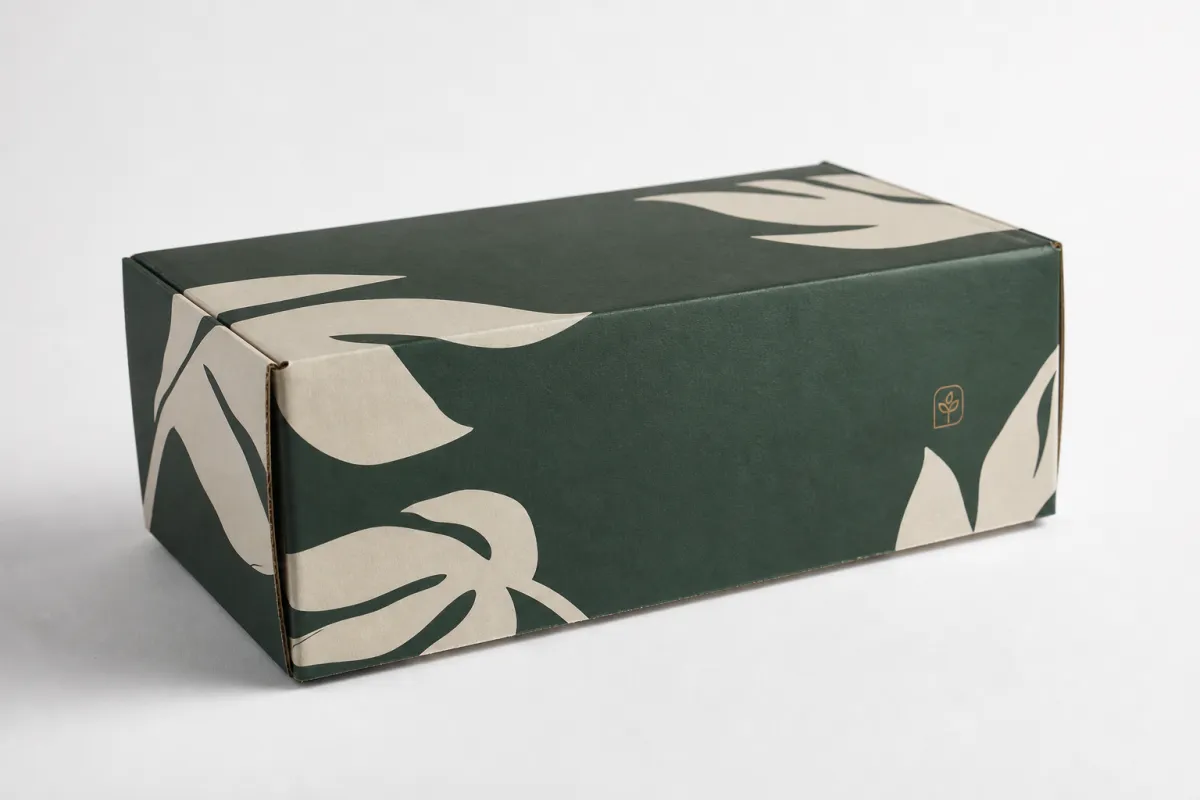
Custom food packaging boxes bulk works because food operations do not enjoy surprises. A brand might plan for dozens of orders a day, then discover that one weak carton slows packing, dents during transit, or makes the shelf presentation look cheap. The product inside may still be excellent, but the packaging becomes the bottleneck. That kind of failure is plain, expensive, and very avoidable.
Buying in bulk also makes standardization possible. Once the size, board grade, and print layout are approved, every reorder can match the last one instead of drifting a little each time. That consistency matters for branded packaging and package branding, especially for businesses selling through several stores, pop-ups, cafes, or fulfillment partners. Customers should not feel like the box changed because the order number changed.
Late packaging planning tends to get punished. A launch is six days away, boxes are not ready, and rush fees appear almost immediately. Small-run production looks convenient until the order becomes urgent, then lead times stretch, the price climbs, and the team starts settling for what is available instead of what is right. Custom food packaging boxes bulk cuts that cycle down because planning happens once, not every time the schedule gets tight.
From a margin perspective, bulk helps in three direct ways:
- Lower unit cost because setup is spread across more pieces.
- Fewer stockouts because reorder timing is less frantic.
- Better packing efficiency because the box is built around the product rather than guessed.
That is why custom food packaging boxes bulk is often the default for repeat menu items. Not because the phrase sounds polished. Because it keeps the business from stumbling over the same packaging problem month after month.
There is also the retail side. A good box does more than carry food. It supports retail packaging, product presentation, and shelf presence. If the customer can see the product clearly, open the package without wrestling with it, and trust what is inside, the box is doing its job. If not, it is just a costly shell around a problem.
In food packaging work, that last part matters more than people think. A box is not just a container; it is a handling tool, a storage unit, and a brand signal all at once. If it fails in any one of those jobs, the rest of the polish does not really matter.
What custom food packaging boxes bulk can be built for
Custom food packaging boxes bulk can serve a broader range of food applications than many buyers expect at first. The right structure depends on what is being sold, how it is handled, and how long it needs to stay presentable. A dry snack does not need the same build as a greasy fried item or a chilled dessert, and trying to force one structure to do every job usually leads to compromise.
Common box styles include takeaway cartons, bakery boxes, sandwich boxes, sleeve boxes, Rigid Gift Boxes, and corrugated shipping boxes. Each one solves a different problem. Bakery boxes need clean presentation and easy stacking. Sandwich boxes need fast handling and a reliable closure. Corrugated mailers need crush resistance. Premium gift boxes need stronger structure and a cleaner print finish. Custom food packaging boxes bulk should support the product, the packing line, and the customer experience, not just the artwork mockup on a screen.
Here is the basic matching logic:
- Dry snacks and baked goods work well with SBS paperboard or coated folding carton structures.
- Greasy foods need grease resistance and a surface that does not soak through or stain quickly.
- Chilled desserts need moisture control and enough stiffness to keep corners from softening.
- Frozen products need board and coatings that can handle condensation without breaking down early.
- Meal kits and heavier items usually need corrugated strength for stacking and transit.
Printing and branding matter too, but they should follow the structure, not fight it. Custom Printed Boxes can use logo-only layouts, full-color panels, inside printing, matte or gloss finishes, and window cutouts. Those choices are not decoration for its own sake. They affect shelf appeal, readability, and how quickly a packing team can move during a rush. Custom food packaging boxes bulk should still be easy to assemble and fast to fill.
Functional features deserve attention before anyone signs off on artwork. Handles help with carry-out orders. Inserts keep pastries or meal components from sliding around. Ventilation holes can matter for hot products. Tamper-evident closures help in delivery-heavy channels. Grease-resistant liners and barrier coatings protect both the box and the customer's hands. If custom food packaging boxes bulk is meant for repeat use, the small structural choices often matter more than a flashy graphic.
Storage also needs a practical look. A beautiful box that ships flat in a large carton may still become a headache if it eats shelf space in the back room. Good packaging design accounts for warehouse fit, carton count, and how the team pulls product during busy periods. That unglamorous part is often what keeps the line moving.
For buyers comparing styles, one question usually cuts through the noise: does this structure protect the food, speed up pack-out, and still support the brand? If the answer is no on any one of those, custom food packaging boxes bulk needs another round of planning before production starts.
Specifications that actually matter for food packaging
Spec sheets are not exciting, but they decide whether custom food packaging boxes bulk comes back usable or frustrating. The core fields should be clear from the start: dimensions, board type, thickness, coating, print coverage, quantity, and pack configuration. Skip one and the order drifts into quoting errors, artwork mistakes, or a box that looks right but behaves badly.
Dimensions should be finished size, not a rough guess. Include length, width, and height in the assembled form. If there is a flap, lock, or insert, say so. A millimeter or two sounds minor until the product no longer fits or the lid bulges. Custom food packaging boxes bulk should be built around the actual fill dimensions, not an estimate from someone holding a ruler in a hurry.
Board choice matters because food is never one-size-fits-all. Common options include SBS paperboard, kraft board, grease-resistant board, and corrugated board for heavier shipments. For food-safe packaging, buyers should confirm whether the material is suitable for indirect food contact and whether a liner or barrier layer is needed. If the product is hot, wet, or oily, that check should happen early.
Here are the spec decisions that most affect performance:
- Grease resistance for fried or oily foods.
- Moisture control for chilled or condensation-prone products.
- Compression strength for stackable or shipped items.
- Coating selection for scuff resistance, writeability, or a matte premium finish.
- Print sides for logo-only work versus full package branding.
Finish choice changes both appearance and handling. A gloss finish can sharpen color and improve wipe resistance. A matte or soft-touch finish can feel more premium, though it may show scuffs differently and can cost more. If custom food packaging boxes bulk is going to sit on a retail shelf, the finish should match the product price point. A $4 bakery item and a $40 gift box should not wear the same visual treatment.
Die lines and artwork setup deserve close attention. That is where many expensive mistakes begin. Bleed, safe zones, fold lines, and glue areas all need to be correct. If the logo sits too close to a crease, it can distort on the final box. If the artwork ignores locking tabs, the print can look awkward once the box is assembled. Custom food packaging boxes bulk should always be checked against a proof before anything goes to press.
For buyers who want a standards reference point, the Packaging School and packaging industry resources are useful for general material and structure education, while ISTA testing guidance gives a sensible benchmark for transit performance. No one needs to become a lab technician to buy packaging well. The real goal is simpler: know whether the box has enough structural margin to survive actual shipping conditions.
The best spec sheet is usually the dull one. It uses numbers instead of adjectives. It says what the box is, what it is made from, how it prints, and how many pieces are needed. That is how custom food packaging boxes bulk avoids rework.
| Box type | Typical use | Indicative unit cost | Common MOQ | Best fit |
|---|---|---|---|---|
| Folding carton | Bakery, dry snacks, small retail items | $0.18-$0.32 | 500-1,000 | Lightweight, full-color presentation |
| Window bakery box | Pastries, cookies, dessert assortments | $0.22-$0.40 | 500-1,000 | Display appeal with product visibility |
| Grease-resistant takeout carton | Fried foods, hot meals, carry-out | $0.24-$0.48 | 1,000+ | Better barrier performance and speed packing |
| Corrugated mailer | Meal kits, fragile shipments, gift sets | $0.55-$1.20 | 500+ | Transit strength and stacking protection |
Custom food packaging boxes bulk pricing, MOQ, and unit cost
Pricing for custom food packaging boxes bulk usually falls into two parts: setup and per-unit production. Setup covers artwork prep, plates or tooling if needed, and the time required to configure the run. Per-unit cost drops as quantity rises because production becomes more efficient. That is the entire point of bulk buying. You pay to start the system, then each box becomes cheaper as volume climbs.
The biggest cost drivers are easy to identify once the guesswork is gone. Size affects material use. Material grade affects board cost. Print coverage affects press time and ink usage. Finishes like matte lamination, soft-touch coating, foil, embossing, or spot UV add expense. Inserts, windows, handles, and special closures add complexity. A plain one-color tuck box and a premium retail package do not belong on the same pricing template.
MOQ, or minimum order quantity, exists because production runs become more efficient above a certain threshold. If the order is too small, setup costs get spread too thin and the unit price rises. If the buyer can stretch to a larger run, savings per box can be meaningful. That is why custom food packaging boxes bulk often makes sense even for smaller brands with repeat sales. A 1,000-piece order may land in a better cost bracket than a 500-piece order, even before freight is added.
Here is a practical way to think about quantity tiers:
- 500-1,000 units usually work for testing a launch or supporting a small store network.
- 2,000-5,000 units often improve unit cost enough to make reorders easier on margin.
- 10,000+ units are usually the best fit for stable menus, national rollouts, or repeated seasonal demand.
Do not stop at factory price. That is where bad comparisons begin. The real number is landed cost, which includes shipping, packaging of the boxes themselves, import charges if relevant, sample costs, and any rush fees. A quote that looks cheap but arrives late or damaged is not cheap. It is just a source of annoyance with paperwork attached.
Use this rule: compare at least two or three quantity tiers before deciding. Moving from 1,000 to 2,500 units may lower the per-box cost enough to justify the larger buy, especially if the box is used weekly. That is a business decision, not a design preference. Custom food packaging boxes bulk should be evaluated like inventory, not art.
A box that saves two cents and crushes in transit is an expensive box.
One more point buyers often miss: if the artwork may change, keep the structure stable and adjust the print layout carefully. Reworking a new dieline every time the menu shifts is how small packaging budgets get chewed up. If flexibility matters, ask for a platform-style approach that can be reused across product lines. That is much smarter than rebuilding custom food packaging boxes bulk every quarter.
If your team needs a broader range of formats, the Custom Packaging Products page is the cleanest place to review options without stitching together five separate vendor conversations. If replenishment is the real issue rather than a one-off purchase, Wholesale Programs are usually the better fit for repeat orders and scaling quantities.
Process, timeline, and production steps for bulk orders
The production path for custom food packaging boxes bulk should be clear enough that nobody has to guess what happens next. A reliable order usually moves through these steps: quote request, spec confirmation, artwork review, proof approval, production, quality check, and shipping. If a supplier cannot explain that sequence plainly, confusion usually shows up later.
Timing depends on structure and print complexity, but realistic ranges are not hard to give. Sampling often takes a few business days once the spec is clear. Bulk production commonly runs about 10 to 20 business days after proof approval. Shipping time is separate because transit is not part of the factory clock. Complex finishes, custom inserts, or very large quantities can stretch that longer. That is normal. Packaging does not get faster just because a launch date is close.
The most common delays are boring and predictable:
- Dimensions are vague or conflict with the product fill.
- Artwork files are missing bleed or use the wrong resolution.
- The buyer changes the spec after proofing starts.
- The finish or coating was not defined early enough.
- The ship-to address or delivery method changes late in the process.
That is why approval checkpoints matter. Before proof approval, there is usually still room to adjust size, copy placement, or finish. After approval, changes cost more and may reset the production queue. If custom food packaging boxes bulk is tied to a launch date, treat the proof like a lock point. Review it carefully, then stop adjusting unless you want to pay for avoidable errors.
Rush orders can still be worth it, but only when the timing or margin justifies the extra spend. If the product is seasonal, media-driven, or tied to a store opening, a rush fee may be cheaper than missing the window. If the order is late because planning was weak, that cost is self-inflicted. No need to dress it up.
If the box cannot survive packing, transit, and shelf display, the print budget was spent on the wrong thing.
For shipping-heavy brands, ask about carton counts, palletization, and test expectations. A box that looks perfect in a studio can behave very differently after stacking and temperature swings. That is where sensible transport testing matters. ISTA-style drop and compression thinking is not overkill; it is cheap insurance against damaged product and rejected deliveries.
On the operations side, the cleanest projects are the ones where the buyer sends one complete brief the first time. Product type, dimensions, quantity, finish, shipping destination, and artwork files all arrive together. That makes custom food packaging boxes bulk faster to quote and easier to produce. Every missing detail adds another email, and every extra round costs time.
Why choose us for custom food packaging boxes bulk
Buyers do not need packaging theater. They need boxes that fit, protect, and print cleanly. That is the standard. For custom food packaging boxes bulk, the real value comes from consistent quality, predictable lead times, and support that catches mistakes before they become expensive.
That starts with quoting. Clear material guidance, practical sizing help, and straightforward print checks make the difference between a box that works and a box that creates problems on the line. If your team does not have a packaging engineer sitting in the next chair, you should still be able to get a solid spec review without decoding jargon. Good service is not decorative. It is efficient.
It also shows up in proofing. A proper proof should make the final box easy to picture: dimensions, folds, print placement, and any special finishes should be obvious. If something looks off, it should be corrected before production. That kind of check is one of the easiest ways to save money on custom food packaging boxes bulk. A mistake caught early is manageable. A mistake after printing is not.
Communication matters more than many food brands admit. A packaging supplier that answers clearly and keeps the process moving reduces revisions, avoids surprise charges, and makes reorders less stressful. That matters whether you sell through one location or twenty. The best custom food packaging boxes bulk orders are the ones that do not force the operations team to babysit the project every day.
We also see the same pattern on repeat orders: brands that standardize on one or two box structures move faster, waste less, and get better pricing over time. That is where package branding starts to pay back. The box becomes part of the product system, not a one-off purchase every time marketing wants a new look.
If your food line includes multiple formats, keep the packaging family tight. One premium box for gift sets. One practical box for carry-out. One shipping style for delivery. That keeps inventory simpler and makes custom food packaging boxes bulk easier to reorder without rebuilding the whole packaging plan. Small systems age better than chaotic ones.
And yes, sustainability still matters. If recycled fiber, FSC sourcing, or reduced material use is part of your buyer criteria, say so early. FSC certification is worth asking about if the brand story includes responsible sourcing. Just do not use sustainability as a substitute for structure. A greener box that collapses is still a problem.
From a practical standpoint, a good partner should also be honest about tradeoffs. If a premium finish adds cost without improving the shelf result, that should be said plainly. If a lighter board saves money but creates crush risk, that should be said too. Honest feedback is part of trust, not a sign that someone is trying to talk you out of buying.
Next steps to order custom food packaging boxes bulk
If you want a clean quote for custom food packaging boxes bulk, start with the facts. Product type, box dimensions, target quantity, material preference, print needs, finish, and delivery deadline are the core inputs. Give those up front and the estimate gets much closer to reality. Leave them out and you get a vague number that wastes everybody's time.
Have your artwork files ready too. A dieline, logo files, and reference photos make the first round of quoting more useful. If you already have a sample or an older box, send that as well. It gives the supplier something concrete to measure instead of relying on half-remembered dimensions from someone in the office.
If the product is fragile, greasy, chilled, or sold at a premium price point, order a sample or prototype. That extra step is usually worth it. A quick test can reveal whether the closure works, whether the finish scuffs too easily, or whether the insert needs adjustment. Custom food packaging boxes bulk should not be guessed when the product is delicate.
Compare at least two or three quantity tiers before you approve the run. A higher quantity may lower your unit cost enough to justify holding a little more inventory. That tradeoff is often better than repeating small orders and paying more over time. Packaging is no different from other inventory: price matters only after you know the total cost.
Use this final checklist before you request a quote:
- Exact product dimensions and finished box size.
- Material type and thickness preference.
- Grease, moisture, or cold-chain requirements.
- Print coverage, finish, and any special features.
- Quantity target, reorder plan, and shipping destination.
Do that, and custom food packaging boxes bulk gets much easier to buy well. The quote will be clearer, the proof will be cleaner, and the production run will have fewer surprises. That is the whole point. If you are planning a reorder, lock the structure, set the quantity against real usage, and keep the spec stable long enough to make the packaging pay for itself instead of chasing a prettier version every season.
FAQ
What is the minimum order for custom food packaging boxes bulk?
MOQ depends on box size, print complexity, and material, but many custom food packaging boxes bulk runs start around 500 to 1,000 units. If you need a lower quantity, expect a higher unit cost because setup and press time are spread across fewer boxes. A larger order usually makes more sense if you have repeat menu items, seasonal products, or multiple store locations.
How do I get an accurate quote for custom food packaging boxes bulk?
Send exact dimensions, product type, quantity, material preference, print coverage, finish, and shipping destination. Include dielines or sample photos if you already have them, because vague dimensions create vague pricing. Ask for landed cost, not just factory price, so you can compare the real total before you approve custom food packaging boxes bulk.
Which materials are best for greasy or hot food packaging boxes bulk?
For greasy foods, use board with a grease-resistant coating or food-safe barrier layer. For heavier items, corrugated or sturdier paperboard helps prevent crush damage in transit. For hot or chilled foods, check moisture resistance and whether the structure holds up under condensation. That is the difference between a box that looks good and one that actually survives custom food packaging boxes bulk production.
How long does production take for custom food packaging boxes bulk orders?
Sampling often takes a few business days, depending on complexity and proof approvals. Bulk production commonly takes about 10 to 20 business days after artwork is approved. Shipping time is separate, so build in extra time if you have a launch date or store opening. For custom food packaging boxes bulk, timing gets tighter when finishes, inserts, or complex structures are added.
Can I change the size or artwork after ordering custom food packaging boxes bulk?
Small artwork edits may be possible before production starts, but they usually delay approval. A new box size typically requires a new dieline and can change tooling and pricing. If you expect frequent menu changes, plan a flexible packaging system instead of redoing the whole custom food packaging boxes bulk order every time.
Are custom food packaging boxes bulk good for retail shelves as well as delivery?
Yes, if the structure is chosen correctly. A retail-facing box needs clean print, stable stacking, and a finish that looks good under store lighting. Delivery packaging needs better compression and transit protection. The best custom food packaging boxes bulk setups balance both so the product looks right on shelf and still arrives intact.

