Buyer Fit Snapshot
| Best fit | Corrugated Box MOQ Supplier projects where brand print, material claims, artwork control, MOQ, and repeat-order consistency need to be specified before quoting. |
|---|---|
| Quote inputs | Share finished size, material target, print colors, finish, packing count, annual reorder estimate, ship-to region, and any compliance wording. |
| Proofing check | Approve dieline scale, logo placement, barcode or warning zones, color tolerance, closure strength, and carton packing before bulk production. |
| Main risk | Vague material claims, crowded artwork, missing packing details, or unclear freight terms can make a low unit price expensive after revisions. |
Fast answer: Corrugated Box MOQ Supplier: Pricing, Specs, Lead Time should be specified like a repeatable production item. The safest quote records material, print method, finish, artwork proof, packing count, and reorder notes in one written spec.
Production checks before approval
Compare the actual filled-product size with the drawing, then confirm tolerance on folds, seals, hang holes, label areas, and retail display edges. Reserve space for logos, QR codes, warning copy, and material claims before decorative graphics fill the panel.
Quote comparison points
Review material grade, print process, finish, sampling route, tooling charges, carton quantity, and freight assumptions side by side. A quote is only useful when the supplier can repeat the same color, closure quality, and packing count on the next order.
Corrugated Box MOQ Supplier: Pricing, Specs, Lead Time
A dependable Corrugated Box MOQ supplier protects margin in places buyers often miss at first glance: less inventory sitting idle, fewer cartons that miss the fit, fewer crushed corners, and less time spent chasing reorders for the wrong spec. The lowest quote rarely stays low once boxes start taking up storage space, slowing the packing line, or failing in transit and forcing a second round of shipping and replacement.
The right corrugated box MOQ supplier is not just selling cardboard. It is balancing fit, strength, branding, and production discipline in one package. For a growing brand, low MOQ is not a perk for the sales deck. It is the practical way to test sizes, confirm print quality, and keep cash from disappearing into dead stock while the packaging spec is still being refined.
From a packaging buyer's point of view, the decision should center on fit, strength, and consistency. Not the prettiest mockup. Not the cheapest sheet of cardboard. And not a large run of cartons that turn out to be half an inch too wide and swallow warehouse space like it is free.
A box that fails in shipping is not a bargain. It just moves the cost somewhere harder to see.
I have watched packaging teams get boxed in by the wrong assumptions more than once. A carton looks fine in a proof, the price looks manageable, and then the first pallet shows up with a stack that is awkward to build, awkward to store, and a little too flimsy for real handling. A good corrugated box MOQ supplier helps prevent that kind of slow-motion headache before it spreads across operations.
What a Corrugated Box MOQ Supplier Should Solve First
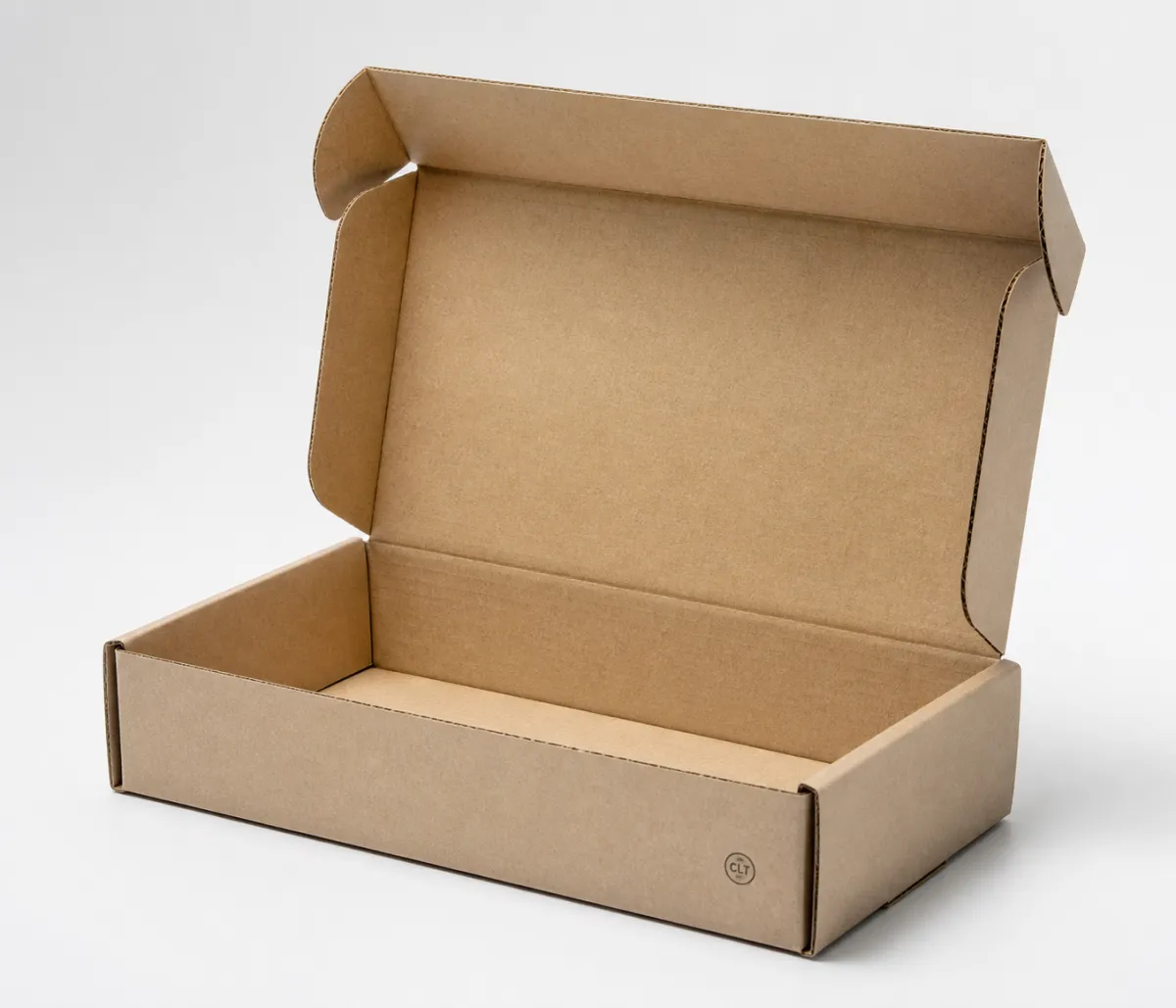
The first job of a corrugated box MOQ supplier is straightforward: keep you from buying the wrong carton in the wrong quantity. That sounds easy until you see how packaging projects actually get derailed. A brand measures from the retail carton instead of the item itself. Another approves a mockup that looks fine on screen, then discovers there is no room for an insert, a label, or normal dimensional tolerance. The first run arrives, and the packing table becomes the place where the problem finally shows up.
Low MOQ matters because packaging almost never lands perfectly on the first pass. New SKUs change, product packaging changes, carriers tighten their rules, and a carton that looked ideal in a proof can become a poor fit once production starts. A corrugated box MOQ supplier gives you room to test, adjust, and move forward without locking too much cash into one large order. That flexibility matters for launches, seasonal bundles, subscription programs, and e-commerce products with uncertain demand.
The real cost is not just inventory. It is margin erosion. A carton that costs a few cents less but forces more void fill, extra labor, or higher damage rates is not actually cheaper. A strong corrugated box MOQ supplier should help you think through the whole system: carton size, shipping method, stacking behavior, and how the box performs when people are opening, packing, and closing it all day long.
Good buying decisions usually start with a few simple questions:
- Does the box fit the product with enough tolerance for inserts or protective wrap?
- Will the board grade hold up under shipping and stacking?
- Is the MOQ low enough to test without bloating inventory?
- Does the supplier explain the tradeoffs instead of hiding behind a glossy quote?
If you need packaging options beyond corrugated construction, our Custom Shipping Boxes page gives a quick way to compare box styles. For common order questions in plain language, the FAQ is a helpful place to start.
A reliable corrugated box MOQ supplier also helps you avoid the classic mistake of choosing a carton that looks elegant on paper but performs poorly in real shipping conditions. A lightweight cosmetic kit may not need a heavy double-wall shipper. A dense candle set may need more than a thin mailer with nice print. The right answer depends on product weight, carrier handling, and how much abuse the package takes before it reaches the customer.
That is where experience matters more than a price sheet. The best supplier is usually the one that asks a few annoying questions early: how the box is packed, how it is stored, whether pallets are double-stacked, and whether the product can shift inside the carton. Those questions can feel fussy in the moment, but they save real money later. No one misses the extra minutes once a damage claim starts showing up.
Corrugated Box MOQ Supplier Product Options and Box Styles
A practical corrugated box MOQ supplier should walk you through the box styles that matter in actual use, not drop a catalog in front of you and call it guidance. Buyers usually compare five structures first: regular slotted cartons, mailer boxes, die-cut shippers, display-ready packs, and custom inserts. Each one solves a different problem, and each one comes with a different production profile.
Regular slotted cartons are the workhorse. They are fast to produce, usually easier on price, and well suited to bulk shipping where appearance matters less than efficiency. Mailer boxes are better for branded unboxing and e-commerce orders. They often look cleaner, close neatly, and can be printed inside and out. Die-cut shippers are the stronger choice when a custom fit, sharp closure, or premium presentation matters. Display-ready packs work when retail shelf visibility matters. Custom inserts hold the product in place, which matters because loose product is usually just damage waiting to happen.
The corrugated box MOQ supplier should also explain flute and board choices in practical terms. E-flute gives a smoother print surface and a tighter premium look, which is why it shows up so often in branded mailers. B-flute tends to give better stacking and crush resistance. BC double-wall construction is heavier and stronger, but more material is not automatically better. A light product does not need a carton built like it is crossing an ocean.
Print and finishing choices matter too. A good corrugated box MOQ supplier will help you choose between:
- One-color logo printing for lower unit cost
- Full-coverage graphics for stronger shelf impact
- Interior print for unboxing and brand lift
- Protective coatings to reduce rub-off and moisture sensitivity
A lot of buyers get this backward. They spend extra on a beautiful carton, then shipping cost rises because the box is oversized or too stiff to pack efficiently. Or they spec a heavy carton for a light item and pay for strength they never use. A good corrugated box MOQ supplier will say that out loud instead of smiling and taking the order.
| Box Style | Best For | Typical MOQ Feel | Typical Cost per Piece | Notes |
|---|---|---|---|---|
| Regular slotted carton | Bulk shipping, warehouse use | Lower | $0.25-$0.80 | Efficient and simple, but less premium |
| Mailer box | E-commerce, subscription, branded unboxing | Low to medium | $0.45-$1.50 | Good balance of print and cost |
| Die-cut shipper | Custom fit, premium presentation | Medium | $0.65-$2.20 | Tooling and setup charges are common |
| Display-ready pack | Retail shelf presentation | Higher | $0.90-$2.80 | More complex structure, more planning |
| Custom insert kit | Fragile or multi-item packs | Varies | $0.10-$0.75 add-on | Often worth it if damage rates are a concern |
A corrugated box MOQ supplier that understands branding will also tell you when a mailer box should be replaced with a simpler shipper, or when a die-cut insert is the most economical way to protect a product. That kind of advice may not sound glamorous, yet it saves money and avoids headaches later. It also keeps a packaging line from getting fussy for no good reason, which happens more often than people admit.
Corrugated Box MOQ Supplier Specifications That Affect Performance
Before asking any corrugated box MOQ supplier for pricing, lock the specs. Not loosely. Properly. Internal dimensions should come first, because the box has to fit the product and any inserts, padding, or labels. Outer dimensions do matter for freight and pallet planning, but they are not the main spec when the real goal is to avoid wobble, crushed corners, or a retail carton that looks sloppy on the shelf.
Here is the short list the corrugated box MOQ supplier should confirm before pricing:
- Internal dimensions in length, width, and height
- Board grade and flute type
- Target burst strength or ECT rating
- Print coverage and number of print colors
- Closure style and fold direction
- Whether inserts, windows, coatings, or labels are required
Dimensions matter more than most buyers think. A product that ships loose can survive in a larger carton, but it may fail in presentation or rattle itself into damage. A tight retail fit can look beautiful and still be a poor choice if the box is hard to assemble or too unforgiving for normal production tolerances. A good corrugated box MOQ supplier will ask for actual product dimensions, not just a marketing size lifted from a spec sheet.
Strength and stacking performance matter just as much. If cartons will be palletized, the corrugated box MOQ supplier should ask about stack height, warehouse storage, and transport conditions. For heavier items, a 32 ECT single-wall carton may be fine in one lane and completely wrong in another. For fragile or dense products, you may need a different ECT target or another flute profile. The answer is rarely "strongest possible." The better answer is "strong enough without wasting material."
Testing standards help here. Buyers who want more certainty often reference ISTA test profiles for distribution and handling. The packaging basics from ISTA are useful if you need a clear framework for drop, vibration, and compression testing. For broader packaging terminology and construction basics, packaging.org is a solid reference point.
Dielines and tolerances are another place where a corrugated box MOQ supplier earns its keep. If artwork crosses a fold line, the supplier should explain how much shift is normal in production. If a logo sits too close to a corner or closure flap, it may get clipped or misaligned. A clean dieline is not just a production file. It is the difference between a sharp run and a box that looks rushed because the layout was never really finished.
Operational details matter too. Barcode placement, recycling marks, and handling icons can affect retail compliance or warehouse scanning. If your channel mix includes wholesale, DTC, and retail, the corrugated box MOQ supplier should help you build a spec that avoids three separate packaging programs unless you truly need them. Fewer moving parts usually means fewer errors, and that is a nice thing to have when the season gets busy.
FSC certification can matter if your brand has sustainability commitments. A supplier that can support FSC chain-of-custody documentation gives you cleaner claims and fewer problems later. That is not a marketing flourish. It is the paperwork that keeps the message honest.
One practical caution: not every project needs a premium corrugated solution. Sometimes the right answer is a basic shipper with a better insert, or a simple carton with tighter dimensions. I have seen teams spend too much chasing a fancy structure when a cleaner spec would have done the job with less waste. The best corrugated box MOQ supplier is honest enough to say that.
Corrugated Box MOQ Supplier Pricing, MOQ, and Quote Rules
Pricing from a corrugated box MOQ supplier usually follows a simple pattern: lower quantities cost more per unit, and larger runs bring the unit cost down once setup charges and tooling fees are spread across more cartons. That is normal. What catches buyers off guard is how much the structure, print method, and artwork complexity can move the number.
A plain kraft carton may price very differently from a high-graphic die-cut mailer even if both are quoted at the same MOQ. The first may need minimal setup. The second may require a custom die, more print passes, and tighter registration. If the corrugated box MOQ supplier is being straight with you, the carton price and the one-time tooling fees will be shown separately so you can see where the money goes.
Comparing quotes by headline price alone leads to bad decisions. The only fair comparison is one based on identical specs. Otherwise the quote is just theater. A clean comparison from a corrugated box MOQ supplier should include:
- Exact internal dimensions
- Same board grade and flute
- Same print colors and ink coverage
- Same coating or finish
- Same inserts, if any
- Same shipping destination and freight terms
There are also quote traps. Freight can erase a low price fast. Sample charges may look small but still matter if you are testing several options. Custom dies, plates, and prepress setup can add real cost. Reprint fees can sting if artwork changes after approval. A careful corrugated box MOQ supplier lays all of this out in writing. A careless one gives you a tidy number and hopes you do not ask what is missing.
Most buyers end up using a practical pricing ladder like this:
- Simple RSC cartons often give the best bulk pricing with lower tooling risk.
- Mailer boxes usually cost more, but they bring stronger branding for DTC shipments.
- Die-cut packaging raises setup charges, yet it can lower damage rates and improve fit.
- Full-coverage print increases cost per piece, though one-color branding may be enough for some brands.
Expect a corrugated box MOQ supplier to quote differently at 500, 1,000, 3,000, and 5,000 units. That is where the economics start to shift. At a low MOQ, fixed costs are spread across fewer cartons, so the cost per piece can look stubborn. At higher volumes, the numbers usually move down, but only if the specs stay the same.
My honest view: do not chase the absolute lowest quote unless the box is a disposable transport carton. For branded packaging, the cheapest option often creates hidden costs in damage, labor, or customer perception. A strong corrugated box MOQ supplier should help you compare the real total, not just the sticker number. If they only want to talk about unit price and never mention setup, freight, or tolerances, that is a warning sign.
A little colloquial truth here: cheap packaging can get kinda expensive in a hurry. A few cents saved on the order line can disappear the first time a box splits, a corner crushes, or packing takes longer than expected. The math only works if the carton does its job every time.
Corrugated Box MOQ Supplier Process, Timeline, and Lead Time
The process with a corrugated box MOQ supplier should feel predictable. If it does not, the delays usually start with a vague brief. A clean workflow looks like this: product brief, dieline check, quote approval, artwork proof, sample or pre-production review, production, quality control, and shipping. Each step exists for a reason. Skip one, and the next step tends to become messy.
Delays usually show up in the same places. Dimensions are missing. Artwork is not ready. A buyer changes the carton structure after quoting. Or someone decides, after proof approval, that the logo should move 8 mm to the left because it "looks better." That kind of change can push a run back several days, sometimes longer, depending on the print method and the production queue.
A realistic corrugated box MOQ supplier timeline depends on complexity. Simple cartons can move faster than highly printed mailers or die-cut shippers with custom inserts. A practical framework looks like this:
- Specification and quote: 1-3 business days if the brief is clear
- Artwork proofing: 2-5 business days, longer if revisions stack up
- Sampling or prototype: 3-7 business days, depending on structure
- Production: often 8-15 business days for straightforward runs
- Freight and delivery: varies by destination and shipping method
Rush orders can happen. They also cost more, and they usually carry more risk. A corrugated box MOQ supplier that offers rush service should also tell you what gets compressed: proof time, QC time, or delivery margin. If everything gets squeezed, mistakes become more likely. Fast is useful. Fast and sloppy is just expensive with a shorter wait.
That is why timeline planning should tie back to the launch schedule. If you have a seasonal release, build in extra time for revisions and sample sign-off. If you are replenishing an active SKU, set reorder points early enough to absorb production lead time plus freight. A good corrugated box MOQ supplier will help you map the schedule instead of pretending every order is a one-day miracle.
For buyers who want tighter control over lead time, the smartest move is simple: lock the spec early, keep artwork final, and avoid structural changes after approval. The corrugated box MOQ supplier cannot print certainty into a messy brief.
There is also a trust side to timing. If a supplier promises a heroic turnaround without asking for artwork, dimensions, or freight destination, that promise is not very useful. It is just optimistic noise. A disciplined supplier will give a lead time range, explain the assumptions behind it, and tell you what would make the schedule slip.
Why Choose a Corrugated Box MOQ Supplier That Knows Branding
Branding is not just a logo on a carton. It is color consistency, panel layout, print sharpness, and the feel of the package when a customer opens it. A skilled corrugated box MOQ supplier understands that the box is part of the product experience, especially for e-commerce, subscription, and retail programs where the packaging is visible before the item is even touched.
The difference shows up quickly. A supplier who understands branding will catch ink issues before production. They will tell you if a dark background risks rub marks. They will suggest panel changes if your logo sits too close to a fold. They will also tell you when a premium look is possible without forcing an extreme MOQ. That kind of guidance saves time and prevents spec drift, which is what happens when a packaging plan slowly turns into a compromise by the third reorder.
A good corrugated box MOQ supplier also understands channel differences. Retail packaging needs shelf presence and clean face panels. Subscription packaging needs a good unboxing rhythm and repeatable closure. E-commerce packaging needs strength, pack speed, and enough visual polish to feel intentional. Those are different jobs. Treating them as one is how people end up paying for the wrong box.
Trust matters here. The best corrugated box MOQ supplier does not promise the moon. They tell you when a spec is too thin, when a print layout is risky, or when a low MOQ is possible but will carry a higher unit cost. That honesty is more useful than a cheerful sales pitch and a vague promise that "we can do anything." No, you cannot. Not at that price, not at that MOQ, and not with physics sitting in the room.
Brand consistency also depends on file control. A supplier who keeps dielines, approved artwork, and revision history organized makes repeat production much easier. That matters when you reorder three months later and need the exact same carton, not a near miss with a slightly different crease line or print shift. A reliable corrugated box MOQ supplier protects the spec so the packaging does not drift.
As a brand grows, that reliability becomes more valuable. Not because it is flashy. Because it prevents rework, gives clear answers, and keeps repeat orders boring. Boring is excellent in packaging. It means the process is doing what it should.
Next Steps: Get the Right Quote Fast
If you want a useful quote from a corrugated box MOQ supplier, send a complete brief. Half-formed specs waste time. A clear brief gets a real answer. At minimum, prepare your product dimensions, target quantity, board preference, print needs, shipping destination, and any insert or coating requirements. If the product is fragile, include the weight. If it stacks in a warehouse, say so. If it ships by parcel, mention that too.
Do not guess on carton size if fit is uncertain. Ask for a sample or prototype. One sample is cheaper than 1,000 wrong boxes. That sounds obvious, yet people skip it all the time. The result is usually the same: dead inventory, fresh quoting rounds, and another set of setup charges nobody wanted.
To compare quotes fairly, ask every corrugated box MOQ supplier for the same inputs and the same assumptions. That means identical dimensions, board grade, print count, freight terms, and turnaround time. If one quote includes tooling and another does not, the comparison is not real.
Use this checklist before you place the order:
- Internal dimensions verified against the product and any inserts
- Board grade and flute type confirmed
- MOQ and bulk pricing tier reviewed
- Setup charges and tooling fees listed separately
- Sample timing confirmed in writing
- Freight terms and delivery destination checked
- Artwork approved against the final dieline
If you need a straight answer, ask for one. A good corrugated box MOQ supplier should be able to tell you whether a low MOQ is realistic, where the unit cost will land, and what happens to lead time if you change the print or structure. That is the kind of clarity that keeps a project moving.
Send the spec sheet, request a written quote, and confirm sample timing before you commit. That is the fastest path to the right box and the least painful way to protect margin. The best corrugated box MOQ supplier is the one that gives you a clean brief, a realistic MOQ, and a quote you can actually use.
If you only remember one thing, make it this: send a finished spec, not a rough idea. A clear brief, a sample when needed, and an apples-to-apples quote comparison will tell you more than a low number ever will. That approach keeps the order honest and the packaging useful.
What is the minimum order quantity for a corrugated box MOQ supplier?
MOQ depends on the box style, board grade, and print complexity. Simple standard cartons can start lower than custom printed die-cut boxes. Once tooling, custom dies, or multiple print colors are part of the job, the MOQ usually rises. A good corrugated box MOQ supplier should quote several quantity breaks so you can see where the cost per piece begins to fall.
How do I compare corrugated box supplier quotes fairly?
Match the same internal dimensions, board grade, flute, print count, and finish across every quote. Then check whether freight, tooling, sample charges, and setup fees are included or billed separately. Compare lead time and reprint support too, not just the lowest unit price. A corrugated box MOQ supplier quote only becomes useful when the assumptions are the same.
Can I get branded corrugated boxes at a low MOQ?
Yes, though low MOQ usually means a higher unit price because setup costs are spread across fewer boxes. One-color branding or simpler print layouts usually keep low-MOQ pricing more manageable. If you need full coverage graphics, ask the corrugated box MOQ supplier for alternatives that keep the brand strong without pushing the budget too far.
How long does a custom corrugated box order usually take?
Timeline depends on proof approval, tooling, sample needs, and production queue. A straightforward order moves faster when artwork is ready and the specs are locked before quoting. If you need a launch date, build in time for revisions and sample sign-off. A corrugated box MOQ supplier can only move as fast as your approvals.
What specs matter most when choosing a corrugated box supplier?
Internal dimensions, board strength, flute type, and print area have the biggest impact on fit and performance. If the box ships, stacking strength and closure method matter just as much as how it looks. Give the corrugated box MOQ supplier your product weight and shipping method so they can recommend the right construction.


