Buyer Fit Snapshot
| Best fit | Custom Shipping Cartons Bulk projects where brand print, material claims, artwork control, MOQ, and repeat-order consistency need to be specified before quoting. |
|---|---|
| Quote inputs | Share finished size, material target, print colors, finish, packing count, annual reorder estimate, ship-to region, and any compliance wording. |
| Proofing check | Approve dieline scale, logo placement, barcode or warning zones, color tolerance, closure strength, and carton packing before bulk production. |
| Main risk | Vague material claims, crowded artwork, missing packing details, or unclear freight terms can make a low unit price expensive after revisions. |
Fast answer: Custom Shipping Cartons Bulk: Pricing, Specs, Lead Times should be specified like a repeatable production item. The safest quote records material, print method, finish, artwork proof, packing count, and reorder notes in one written spec.
Production checks before approval
Compare the actual filled-product size with the drawing, then confirm tolerance on folds, seals, hang holes, label areas, and retail display edges. Reserve space for logos, QR codes, warning copy, and material claims before decorative graphics fill the panel.
Quote comparison points
Review material grade, print process, finish, sampling route, tooling charges, carton quantity, and freight assumptions side by side. A quote is only useful when the supplier can repeat the same color, closure quality, and packing count on the next order.
Buy Custom Shipping Cartons bulk with the full bill in mind, not just the carton price. Returns, re-shipments, crushed corners, extra tape, and warehouse rework can erase a small savings faster than most buyers expect. I have seen teams shave a few cents from the unit cost, then lose that win the first time a load shifts in transit or a packing line slows down because the box fit was off. That kind of loss is sneaky because it shows up in labor, freight, and customer service instead of in one neat line item.
The better way to think about custom Shipping Cartons Bulk is straightforward. You are buying a shipping system, not a square of corrugated board. The right carton reduces damage, speeds up fulfillment, and gives branded packaging a finished look instead of an improvised one. That matters for subscription kits, heavier SKUs, and ecommerce orders that leave the dock every day, sometimes several times a day if the season gets busy.
From a packaging buyer's perspective, the strongest carton is the one that performs the same way across the full run. Consistent board grade, accurate dimensions, and repeatable print quality matter more than a polished sample that sits nicely on a table and fails in a stack. If you are sourcing Custom Shipping Cartons bulk for a repeat product, boring is a good outcome: fewer surprises, fewer stockouts, and fewer customer complaints. It is not glamorous, but it keeps the operation moving.
This piece stays practical: protection, price, and production reliability. Those three variables decide whether custom shipping cartons bulk is a clean purchase or a messy one, and if you have ever had to explain why a box change caused damage, you already know how fast a “small” packaging issue can become a real problem.
Why Custom Shipping Cartons Bulk Make Sense When Damage Costs More
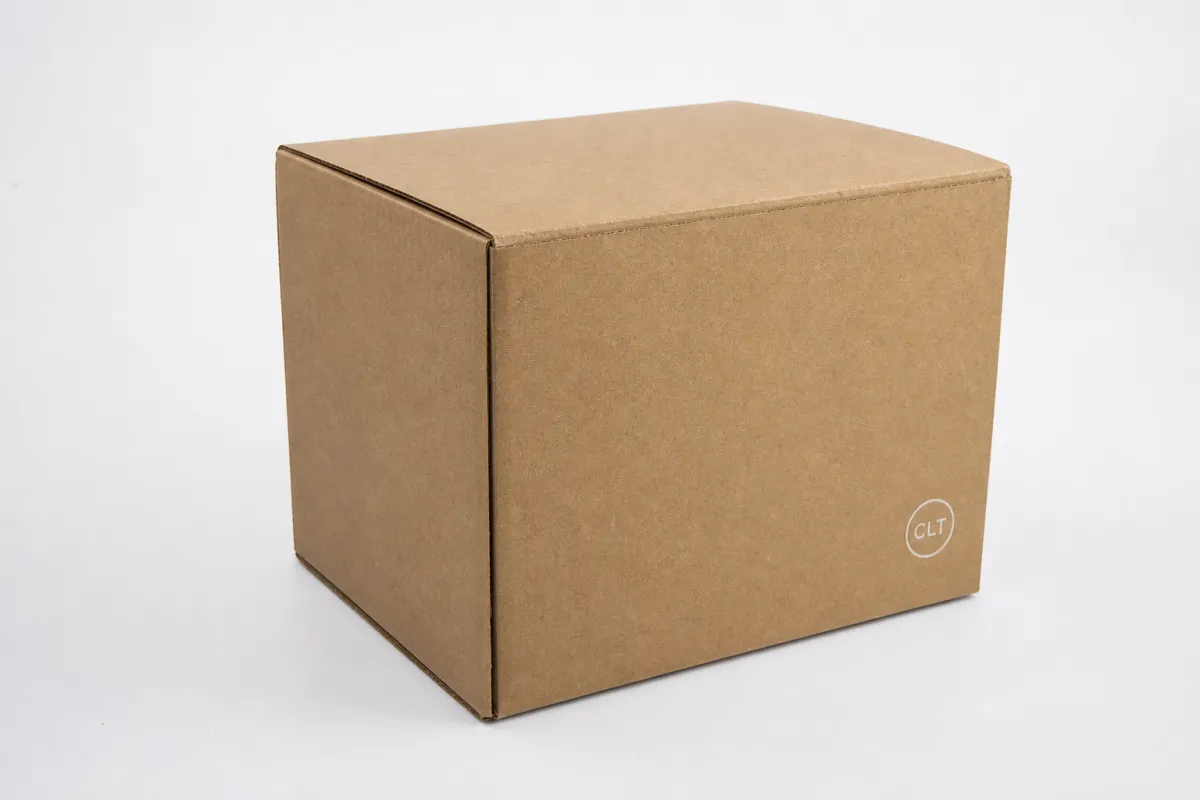
A weak carton can wipe out a month of savings faster than most buyers realize. One crushed shipment can trigger a replacement order, a second freight charge, and a support ticket, and the savings from a cheap box disappear before the week is over. That is why custom shipping cartons bulk often makes more sense than buying generic cartons and hoping the product behaves in transit. Hope is not a packaging spec, and it never really was.
Heavy SKUs make the case quickly. Subscription shipments, kits with inserts, and branded ecommerce programs that move every week benefit just as much. When the pack-out never changes, custom shipping cartons bulk gives you a stable fit, cleaner palletization, and less time spent fighting void fill. If your team is re-taping, double-boxing, or stuffing more filler than product into a carton, the spec is already too loose. I have watched fulfillment teams work around a bad box for months, and the hidden labor cost usually ends up being bigger than the box savings.
Bulk buying also improves consistency. Once the carton is approved, the same print placement, board grade, and fold geometry show up across the run. That helps package branding and warehouse speed alike. A line worker should not need a guess-and-check routine every time a box is folded. Strong operations use custom shipping cartons bulk to standardize across locations and fulfillment partners so the carton behaves the same no matter who packed it.
The real question is not, "Can I get a cheaper carton?" It is, "Am I paying for a box, or am I paying for predictable shipping performance, cleaner presentation, and fewer headaches at scale?" If the second answer fits, custom shipping cartons bulk is usually the better spend. Not always the lowest line on the quote, but often the lower-cost outcome once the dust settles.
Practical rule: if your damage rate is above 1% to 2% on a repeat shipment, the carton spec deserves a serious review. That small leak in performance tends to get expensive fast.
Another reason buyers move toward custom shipping cartons bulk is control. Generic stock boxes force your product to fit the box. Custom cartons let the box fit the product. That means better loading density, cleaner shelf-ready presentation for retail packaging programs, and fewer odd-sized cartons taking up space in your warehouse. If you already use Custom Packaging Products across multiple SKUs, this is usually the point where standardization starts paying back in labor.
Most people underestimate how much labor hides inside poor packaging design. A carton that is 10 mm too loose may sound harmless on paper, yet over 5,000 units it can slow packing speed and drag down freight efficiency every single day. Custom shipping cartons bulk turns that hidden cost into something you can measure. Once the cost is visible, it gets easier to fix, which is really the first step toward a cleaner packaging program.
Custom Shipping Cartons Bulk: Styles, Materials, and Print Options
The first decision is structural. Regular slotted cartons remain the workhorse for a reason: they are economical, stack well, and feel familiar to any fulfillment team. Die-cut mailers work better when presentation matters and the product needs a tighter, cleaner closure. Top-load boxes fit items packed from above, and custom inserts help hold products in place inside the shipper. For many programs, custom shipping cartons bulk starts with one of those four structures and then gets tuned to the product instead of forcing a generic shape. That usually saves more trouble than it creates.
Material choice is where buyers either get sensible or get burned by the lowest quote. Single-wall corrugated board usually works for lighter loads and shorter shipping routes. Double-wall construction makes more sense for heavier goods, fragile items, or stacks that spend time in a warehouse and on a truck before they reach the customer. In practice, the board grade matters as much as the style. A box that looks identical on screen can behave very differently once it carries 18 pounds and a few corners of abuse. That is why custom shipping cartons bulk needs a spec, not just a size.
Print is the next lever. A one-color logo on kraft board is the simplest and often the cleanest option. Full exterior branding creates a stronger retail packaging feel, while inside printing adds a useful unboxing detail if the budget allows it. Black ink on kraft keeps a natural, premium look without the cost of full coverage. White-board looks cleaner for sharp graphics, though it is not always the best choice if scuffing or moisture is a concern. For custom shipping cartons bulk, the smartest print choice usually supports the product story without turning the carton into an art project.
Add-ons can help, but they also change the price. Tear strips make opening easier. Adhesive closures save taping time. Ventilation holes help with certain products. Handle cutouts improve ergonomics for larger boxes. Protective coatings can help with abrasion or moisture exposure, although they are not magic armor. The more features you add, the more you need to ask whether the feature improves shipping performance or only looks good in the sample. That question keeps custom shipping cartons bulk from drifting into expensive nonsense.
- Regular slotted carton: best for straightforward shipping and lower unit cost.
- Die-cut mailer: better for presentation, tighter closure, and branded packaging.
- Double-wall box: better for heavier loads, stacking, and rougher transit.
- Custom insert system: better for fragile products and less movement inside the shipper.
If you need a broader mix of formats, the Custom Shipping Boxes category is usually the right place to compare structures before locking in a bulk order. When cartons sit alongside mailers and inserts in the same program, keep the packaging design consistent across the whole line. That is how branded packaging starts to look like a system instead of a stack of one-off purchases.
For buyers who care about material sourcing, a certified fiber chain can matter too. FSC-certified paperboard is a sensible option when your brand wants a cleaner sourcing story, and it is worth asking whether a carton spec can align with that requirement: Forest Stewardship Council. If your shipping program has a sustainability angle, that detail can support product packaging claims without turning the carton into marketing fluff.
Custom Shipping Cartons Bulk Specifications That Actually Matter
Dimensions come first, but not in the casual way most people approach them. Measure the product, then add the clearance needed for inserts, handling tolerance, and any void fill you actually plan to use. Do not guess. Box math punishes laziness. If you are buying custom shipping cartons bulk, the inside dimensions need to fit the product comfortably without leaving so much empty space that you end up shipping air all month.
After dimensions, ask for the board spec in plain language. Flute type, wall construction, burst strength, and ECT rating tell you more than vague claims about being "strong." An ECT 32 box and an ECT 44 box are not the same animal. A single-wall carton may be enough for a light, dense item, while a double-wall spec is safer for heavier goods or products that will be stacked on pallet. If your supplier cannot explain the board in numbers, that is not a good sign for custom shipping cartons bulk.
Tolerance matters more than buyers expect. A carton that is a little off on one run can become a packing-line problem, then a warehouse problem, then a customer complaint. In high-volume order fulfillment, small inconsistencies turn into labor waste quickly. The whole point of custom shipping cartons bulk is repeatability. The carton should fold the same way, close the same way, and load the same way every time. That consistency is what keeps the operation from getting weirdly noisy and inefficient.
Artwork files need the same discipline as the structure. Dielines, bleed, safe zones, color references, and file formats should be approved before production starts. If the artwork sits near folds, closures, or a logo that crosses a seam, the layout has to respect the carton geometry. Otherwise the print looks fine on screen and awkward on the finished box. That is a classic custom shipping cartons bulk problem: someone assumed the carton was just a canvas. It is not. It is a working object that gets folded, crushed, stacked, and handled by real people.
Testing is not optional if the shipment matters. Drop tests, compression checks, stack tests, and sample fit checks are worth doing before you commit to a full run. You do not need a huge lab for basic validation, but you do need enough evidence to know the box can survive the route. If your cartons are part of a sensitive product or a long-distance shipping lane, ask for a trial that simulates the roughest part of the trip, not just the prettiest sample. A pretty sample can fool you. A rough test usually cannot.
Industry standards help here. If you want a practical durability baseline, ISTA test methods are a good place to start: ISTA. They are not a substitute for common sense, but they give buyers and suppliers a shared language for testing shipping performance. That helps when custom shipping cartons bulk needs to be judged on more than guesswork.
For sustainability-sensitive programs, source reduction matters too. The EPA has useful guidance on reducing packaging waste and improving material efficiency, which is worth considering when you want the box to do its job with less excess material. Less wasted board can mean lower freight cost, cleaner storage, and a tighter product presentation. Better carton design usually helps more than a glossy slogan ever will.
Checklist for specs:
- Inside dimensions with exact tolerances.
- Board grade and flute type.
- ECT or burst strength target.
- Print location, ink color, and finish.
- Fit test against the actual product, not a mockup.
Custom Shipping Cartons Bulk Pricing, MOQ, and Unit Cost
Pricing breaks into a few simple drivers: carton size, board grade, print coverage, quantity, tooling, finishing, and shipping distance. If one of those changes, the quote changes. That is normal. What is not normal is expecting a 12 x 10 x 8 printed carton and a 20 x 14 x 10 double-wall shipper to price anywhere near each other. With custom shipping cartons bulk, size and spec matter more than the logo itself.
MOQ is where buyers need to be honest about their demand. Smaller quantities lower storage risk, but the unit cost usually climbs because setup gets spread across fewer cartons. Larger runs lower the cost per unit, but they demand more cash and more warehouse space. A lot of teams say they want the cheapest box, then realize they do not have the storage discipline to take 10,000 units at once. That is how custom shipping cartons bulk gets turned into a storage problem instead of a sourcing win.
A practical way to quote is to compare three quantities. The jump from 500 to 1,000 to 2,500 units often changes the economics more than a small artwork tweak. For repeat programs, that comparison is where the real decision gets made. If the per-unit drop is small, a lower MOQ may be worth it. If the drop is steep, the larger run starts looking smarter. The numbers tell the story better than the sales pitch, and they are usually less polite about it too.
Here is a realistic way buyers usually see the spread. These are broad market ranges for reference only, and freight is separate:
| Carton Type | Typical Spec | Approx. Unit Price at 500 Units | Approx. Unit Price at 1,000 Units | Approx. Unit Price at 2,500 Units | Best Fit |
|---|---|---|---|---|---|
| Plain kraft regular slotted carton | Single-wall, ECT 32 | $1.10-$1.70 | $0.88-$1.35 | $0.72-$1.10 | Lighter ecommerce shipping |
| Printed kraft mailer | Die-cut, single-color logo | $1.45-$2.20 | $1.10-$1.75 | $0.92-$1.45 | Branded packaging and subscriptions |
| Heavy-duty shipper | Double-wall, ECT 44+ | $2.10-$3.80 | $1.70-$3.10 | $1.45-$2.60 | Fragile or heavier SKUs |
| Custom printed box with insert | Structural insert, branded exterior | $2.80-$5.50 | $2.20-$4.40 | $1.85-$3.60 | Retail packaging and premium product packaging |
Those ranges are not fantasy numbers. They are the kind of spread you see once print coverage, board grade, and setup costs are applied. If you need a more accurate quote, ask for exact dimensions, product weight, print needs, delivery location, and whether you need samples or pre-production approval. The more detail you provide, the less guesswork sits inside the estimate for custom shipping cartons bulk.
One more thing: the cheapest quote is not always the cheapest outcome. If a lower-cost box causes extra damage, slower pack-out, or a second reorder because the spec was wrong, you did not save money. You just delayed the pain. I would rather see a buyer spend a little more on the right carton than spend months paying for the wrong one in returns, labor, and lost margin. That is the ugly side of custom shipping cartons bulk nobody likes to put on a slide deck, but it is real.
If you want to pair carton buying with broader procurement, a Wholesale Programs setup can help smooth repeat orders and keep spec changes from creeping in every time someone new takes over the account. That matters for teams that need stable pricing logic, especially if they are running multiple packaging formats across the same product line.
Budget rule: compare at least three quantities and one backup spec. If the savings from a bigger run are small, protect your cash. If the savings are meaningful, lock the spec and stop making the packaging team reinvent the wheel every quarter.
Custom Shipping Cartons Bulk Process and Lead Time
The process should be direct: inquiry, specification review, quote, dieline confirmation, sample or proof, production, quality check, and shipment. That is the ideal flow. If a supplier skips one of those steps, the odds of a headache go up. Custom shipping cartons bulk works best when the approvals are clean and the carton spec is frozen before print plates or tooling are committed. Once the die is made, changes get expensive in a hurry.
Delays usually happen for predictable reasons. Missing dimensions, unclear artwork files, approval bottlenecks, or late changes after setup has started. None of that is mysterious. It is just expensive. The fastest way to slow custom shipping cartons bulk down is to send half-finished files and then ask for "just one small change" after the carton has already been queued for production. That little change usually is not little by the time it hits the floor.
Lead time depends on the structure. Simple carton orders can move fairly quickly, while custom structures, special printing, and larger quantities take longer. A practical range for many jobs is about 10 to 15 business days after proof approval for straightforward runs, and 15 to 25 business days or more for complex specs. That is only the production window, not the full door-to-door timeline. Freight transit and receiving can add several more days, which is why custom shipping cartons bulk should be ordered before the line is desperate.
It also helps to separate sample time from production time. A sample can arrive quickly, but that does not mean the full bulk order is ready to ship. Buyers confuse those two all the time. A proof is useful because it catches layout errors, print issues, and structural problems before the full run starts. For custom shipping cartons bulk, a good proof can save an entire order, and that is not an exaggeration.
Here is the practical sequence I recommend:
- Measure the product and confirm the shipping method.
- Define the box style, board grade, and print goals.
- Request a quote with exact quantities and destination.
- Review the dieline and artwork placement.
- Approve a sample or proof before production.
- Build in freight time and warehouse receiving time.
Another timing issue buyers miss is reorder planning. If the carton is part of a launch, do not order just enough to get through the first month and hope the next run will be easy. That is how stockouts happen. A good custom shipping cartons bulk plan includes a reorder point, a safety buffer, and a clear note about whether the same board grade and print setup will be used again. That part is not exciting, but it keeps the program from wobbling later.
Most packaging delays are not production problems. They are communication problems. Clear specs, fast approvals, and a realistic calendar solve most of them. That sounds plain, but plain is what keeps the shipping floor moving. And when the floor is moving, nobody is complaining about the carton.
Why Choose Us for Custom Shipping Cartons Bulk
Reliability is the main reason buyers work with a packaging specialist. Anyone can talk about low pricing. Fewer people can deliver consistent specs, repeatable print quality, and cartons that behave the same on the first run and the fifth run. For custom shipping cartons bulk, that consistency matters more than a flashy quote that falls apart once the order becomes real.
Good support matters too. A solid packaging partner should help match carton construction to product weight, point out where board grade is too light, and warn you when an artwork idea will create unnecessary cost. That kind of advice saves money before the order is placed. It also keeps custom shipping cartons bulk from becoming a guessing game. If you need more than one format, you can often coordinate the carton with Custom Poly Mailers so the packaging system stays aligned across channels.
There is a real difference between domestic and offshore production, and buyers should be honest about it. Domestic runs are usually easier to coordinate and often faster. Offshore pricing may look lower, but it often needs tighter planning around transit time, customs, and reorder cycles. Neither route is automatically better. It depends on the launch schedule, the budget, and how much interruption your operation can tolerate. That is why custom shipping cartons bulk should be sourced with the full timeline in view, not only the line-item price.
Once the carton spec is locked, reorder consistency should be easy. The second and third runs should match the first one instead of forcing your team to relearn the pack-out. That is where the value shows up in daily work: fewer surprises, fewer packing errors, and less time explaining why the box changed. In plain terms, custom shipping cartons bulk should make operations calmer, not more chaotic. If it is doing the opposite, something in the spec or the process still needs attention.
If you are building a wider packaging program, it helps to keep product packaging, branded packaging, and shipping formats under one logic. That is where a supplier like Custom Logo Things fits well: practical carton choices, clear artwork handling, and a path to repeatable ordering instead of one-off fixes. For teams that need a broader account structure, the mix of carton runs and Custom Packaging Products can keep the sourcing stack simpler.
Price still matters. I am not saying pay anything for peace of mind. I am saying the best value is the carton that meets the shipping requirement, prints cleanly, and reorders without drama. That is usually cheaper over the life of the program than chasing the lowest bid every time. A lot cheaper, honestly, once the damage claims stop showing up.
Next Steps for Ordering Custom Shipping Cartons Bulk
Start with the product, not the box. Measure the item, note the weight, and decide how much clearance you need for inserts, void fill, or handling tolerance. Then choose the carton style that fits the route. Skip that step and custom shipping cartons bulk turns into guesswork, and guesswork is a poor sourcing strategy.
Next, gather the information that makes a quote useful: dimensions, weight, quantity, print idea, target board strength, and delivery zip code. If you have a sketch, send it. If you have artwork, send the vector files. If you know the carton needs tear strips, handles, or custom closures, say so up front. The cleanest custom shipping cartons bulk orders are the ones that do not make the supplier read your mind.
Always ask for a sample or proof before approving the full run, especially if the box carries branding, stack load, or a tight-fit product. A sample is not a luxury. It is insurance. One corrected die line is cheaper than one thousand cartons with the wrong fold or an off-center logo. That is the kind of mistake that makes a packaging buyer look careless, and nobody needs that kind of drama on a simple custom shipping cartons bulk order.
Plan storage and reorder points at the same time you plan production. A good bulk buy can still become a problem if the cartons arrive too late, sit in the wrong warehouse, or get buried behind older stock. The goal is to make the box part of your operating rhythm. When that happens, custom shipping cartons bulk stops being a project and becomes a routine purchase with predictable outcomes.
If you want the simplest path, keep the next order on the same spec, the same price logic, and the same delivery window. That is how you avoid recurring surprises and keep the packing line moving. If the current spec is not doing the job, fix it now rather than letting the same bad box keep charging you for the mistake. That is the honest value of custom shipping cartons bulk: less damage, less waste, and a packaging system you can trust. If I had to boil it down to one action, it would be this: measure the product, verify the board spec, and approve a sample before you commit the full run.
What is the typical MOQ for custom shipping cartons bulk?
MOQ usually starts around 500 to 1,000 units for many carton jobs, but the real number depends on size, board grade, and print complexity. Higher-spec cartons, custom tooling, or multiple print colors often push MOQ higher because setup costs need to be spread across more boxes. If you are testing a new product, ask for tiered pricing so you can compare 500, 1,000, and 2,500 units before you commit. That comparison usually makes the decision a lot clearer.
How do I choose the right board grade for custom shipping cartons bulk?
Start with product weight, stack height, and shipping method, then match those needs to single-wall or double-wall construction. Light to mid-weight products usually work with standard corrugated specs, while heavy, fragile, or long-distance shipments often need stronger board and better ECT values. If the product can be crushed, dented, or stacked in transit, ask for a sample test instead of choosing the cheapest board on paper. A box that looks fine in the quote can still fail once the line starts moving.
Can custom shipping cartons bulk be printed without driving up unit cost too much?
Yes, but print coverage matters. A simple one-color logo is far cheaper than full-coverage artwork or inside printing. The best way to control cost is to keep the design clean, use fewer ink colors, and print on the same size format across multiple SKUs if possible. If branding is important but budget is tight, ask for a quote with multiple print options so you can see the real price jump before approving artwork. That keeps the decision grounded instead of hopeful.
What files do you need for custom shipping cartons bulk artwork?
A dieline, vector logo files, color references, and final dimensions are the basics. Good suppliers also want notes on the product weight, print placement, and any folds, closures, or cutouts that affect the artwork layout. If your files are messy, ask for a preflight check before approval; fixing artwork after production starts is the expensive way to learn this lesson. Clean files save time, and they reduce the chance of a misprint that gets repeated across the full run.
How long does custom shipping cartons bulk production usually take?
Simple bulk carton runs can move fairly quickly, while custom structures, special printing, and larger quantities usually take longer. The biggest variable is approval speed: sample review, file changes, and sign-off delays often matter more than the actual production run. Build in extra time for freight transit and receiving, because a carton that leaves production on time can still arrive too late for your launch. That lead time cushion is usually what keeps the program from turning messy.

