Cosmetics folding cartons cost looks tidy on a quote sheet until a launch date slips, a glass vial arrives scuffed, or a finish that felt modest suddenly pushes the budget into awkward territory. I have sat through enough packaging reviews to know the pattern: two cartons can share the same footprint and still land in very different price bands once board grade, coatings, inserts, tooling, and freight assumptions are actually lined up. That spread matters because the carton is not just a shell. It is the first retail signal, the layer that takes the abuse of transit, and often the detail that decides whether a shopper gives the product a second look.
Packaging buyers usually start with unit price, then realize the unit price was only part of the story. A carton that trims breakage by a small percentage can pay for itself faster than a cheaper spec that looks fine on paper and underperforms in the warehouse. A carton that folds cleanly, holds color, and arrives when promised can protect a launch calendar that already has too many moving pieces. That is the right frame for cosmetics Folding Cartons Cost: not a standalone print quote, but a decision tied to total landed value.
Artwork gets attention first, and it is usually not the biggest lever. Structural choices tend to swing the quote harder. A window cut, an insert that holds a dropper upright, a stronger board for a heavy cream jar, or a switch from a plain tuck-end to a more engineered closure can change cost faster than a logo color tweak. Those decisions also shape MOQ, setup fees, and lead time, which is why the first quote often hides the real economics.
The cleanest way to request pricing is to define the product, the size, the finish level, and the launch date before asking for numbers. That simple discipline cuts down on back-and-forth and keeps surprises from piling up later. The sections below break down cosmetics folding cartons cost in practical terms so you can compare quotes without guessing at the hidden variables.
Why Cosmetics Folding Cartons Cost Less Than a Missed Launch
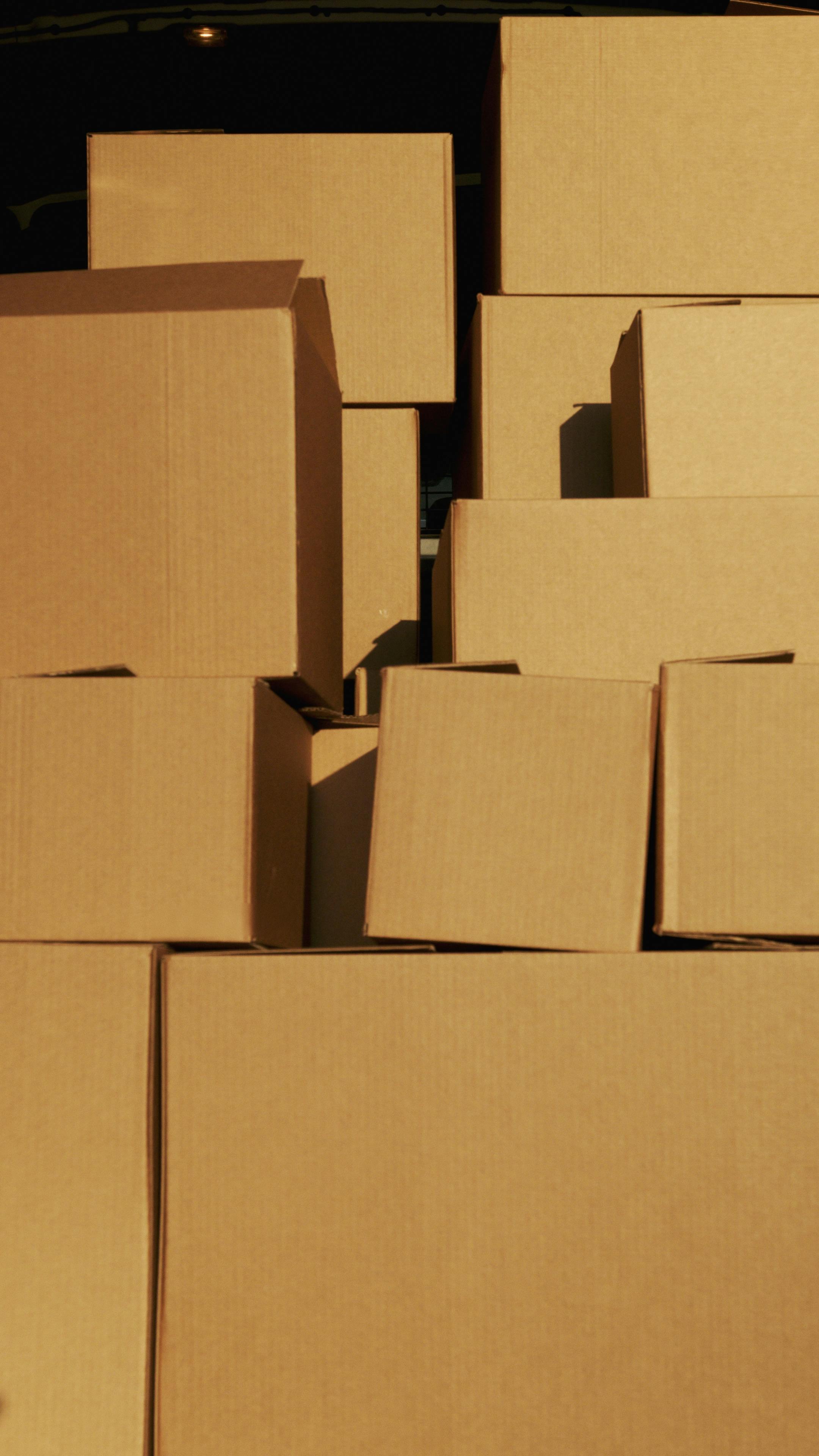
A carton that seems pricier on the quote sheet can be the cheaper decision once damage, rework, and freight waste are counted. Cosmetics folding cartons cost is never just paperboard, ink, and glue. It is control. Control over fit. Control over shelf presentation. Control over how many units survive vibration, stacking, and handling without scuffing. Control over how much time your team loses fixing avoidable defects.
Skincare, makeup, and fragrance-adjacent products depend on the carton more than many teams expect. It protects fragile components, creates room for regulatory text, carries barcode placement, and gives the brand a visual hierarchy that retail shelves punish if it is weak. A small product can look expensive or bargain-bin based on carton execution alone. The contrast is brutal in store: one package signals precision, the other signals compromise.
The smarter comparison is value, not sticker price. A slightly higher cosmetics folding cartons cost may be the better route if it reduces complaints, prevents crushed corners, or cuts proof revisions by a full cycle. A quote that looks low can become the expensive option once the project absorbs a second proof, a delayed ship date, or a reprint that eats both time and margin. On a 25,000-unit run, even a two-cent miss becomes $500 before freight or labor is counted. On a 100,000-unit run, that same two-cent miss becomes a four-figure problem. That is not theory; it is math.
Many teams misread packaging budgets because they fixate on print count and ignore structure. A board change can move cosmetics folding cartons cost more than swapping one PMS color. Carton geometry, closure style, stiffness, and finishing steps carry real weight. A carton built for a glass bottle or a precision dropper should be priced differently from one holding a light sample kit, and that difference should show up before anyone debates foil coverage. If the board is wrong, you're kinda paying twice.
The useful question is not, “What is the cheapest carton?” The useful question is, “Which spec gives the best shelf impact and the lowest launch risk for the money?” That shift in framing usually leads to better decisions, especially when cosmetics folding cartons cost has to be balanced against speed, MOQ, and retail deadlines.
Two references help keep the conversation grounded: the educational resources at packaging.org for broader packaging guidance, and ISTA for transit-testing standards. Neither source hands over a cosmetic price list, but both explain why performance matters as much as appearance.
Product Details: What Cosmetics Folding Cartons Include
Cosmetics folding cartons are paperboard packages built for skincare tubes, serums, lip color, compacts, fragrance accessories, and sample kits. They usually ship flat, print in volume, then convert and fold when needed. That flat-shipping approach is part of why cosmetics folding cartons cost can stay efficient at scale. You are not paying to move dead air across the country.
Common structures include tuck-end cartons, Reverse Tuck Cartons, auto-lock bottom styles, sleeve formats, and carton-with-insert designs. Each serves a different purpose. Tuck-end cartons suit lighter products and straightforward retail display. Auto-lock bottoms add strength for heavier items. Sleeves can deliver a premium appearance with less board. Inserts hold glass bottles, droppers, and compact kits in place when movement would be expensive.
Cosmetic cartons also have to carry more than branding. Ingredient declarations, batch codes, recycling marks, country-specific warnings, barcode zones, and tamper-evident cues often need space on the structure itself. In some markets, the carton becomes the only place where all of that information fits without crowding the label. That creates a real layout constraint, and layout pressure feeds directly into cosmetics folding cartons cost.
Printing and finishing shape the final perception. CMYK printing covers many projects. Spot colors keep brand tones consistent. Foil stamping can lift a logo or product name. Embossing and debossing add texture. Soft-touch lamination softens the visual read, while gloss or matte coatings change how the pack catches light. Every additional finish layer adds handling, time, and money.
Prestige brands often do better by subtracting rather than adding. A clean carton with one or two disciplined finishes usually delivers more impact than a crowded pack full of effects. That restraint can keep cosmetics folding cartons cost under control while still looking polished enough for a high-end shelf. A crisp fold and a strong material choice often outperform decorative clutter.
Thinking in use cases helps. A sample kit does not need the same board weight as a prestige cream jar. A direct-to-consumer serum may need more protection than a shelf-only box that never leaves controlled retail handling. The clearer the product definition, the easier it is to land on the right spec and avoid paying for features that do not help the product sell.
Specifications That Move Cosmetics Folding Cartons Cost
The fastest way to understand cosmetics folding cartons cost is to split the quote into four parts: material, structure, printing, and finishing. Change any one of those and the unit price moves. Change two or three at once and the variation becomes obvious, especially on smaller orders where setup charges weigh heavily.
Board grade and thickness
Board choice is one of the biggest price drivers. SBS is often selected for premium retail presentation because it prints cleanly and supports a polished result. Kraft board works well for natural or eco-leaning branding, especially in clean beauty. CCNB and folding box board are common in value-focused programs where print quality still matters but cost pressure is higher. Weight and caliper matter as much as board type. A thin carton may look acceptable on a screen, yet it can fail quickly if it must support a heavy cream jar or a glass dropper bottle.
That is why cosmetics folding cartons cost cannot be estimated from dimensions alone. A 30 ml serum in a tall narrow carton behaves differently from a wide compact in a shallow box. The board has to match the load. Buyers who miss that relationship sometimes secure a low quote and later spend more on damage claims or replacement stock than they saved upfront.
Dimensional accuracy and closure style
Size affects paper usage, die design, carton nesting efficiency, and freight density. Inner clearance matters as much as outer dimensions. If the carton is too tight, packing slows and the product can get crushed. If it is too loose, the item shifts and the shelf presentation weakens. Closure style also affects cosmetics folding cartons cost. A simple tuck-end is usually easier to produce than an auto-lock bottom or a custom locking format.
For quote accuracy, send the product dimensions, required clearance, carton style, closure method, and any insert requirement. That information helps a packaging supplier recommend a die line that minimizes waste. It also lowers the chance that the final box looks perfect in a PDF and fails the first time a packer tries to use it.
Artwork coverage and regulatory text
Full-bleed dark artwork tends to ask more of the press and can increase ink usage and setup attention. A simple two-color layout often costs less than a dense image with heavy coverage. Cosmetics packaging also needs room for compliance copy. That affects panel planning, barcode placement, and readability. If legal text has to be reworked several times to fit the art, the project absorbs time that would otherwise stay outside the budget.
That is one reason cosmetics folding cartons cost tends to rise when brands finalize art too late. The printer is not only laying down color. It is managing compliance, readability, and structural fit at the same time. Those details consume time, and time shows up as cost.
Compliance and functional details
Some products require suffocation warnings, recycling marks, country-of-origin copy, or references to testing standards. Others need tamper-evident features or a very specific opening sequence. These are not decorative extras. They are functional requirements. When they appear late, the project often needs a revised dieline or another proof cycle, both of which affect cosmetics folding cartons cost.
Brands with many SKUs should watch artwork versioning closely. A single carton family that changes by shade or scent is easier to manage than a set of cartons where each small variation demands a fresh setup. Cleaner file organization reduces prepress mistakes and repeat charges, both of which matter more than teams usually expect.
I have seen teams spend a week debating a foil accent while the real cost problem sat in the back panel copy. That is where packaging gets interesting, and a little annoying too. The art can look finished, but if the net contents line, ingredient list, and barcode area all fight for space, somebody is going to pay for the redraw.
Cosmetics Folding Cartons Cost: Pricing, MOQ, and Quote Drivers
This is the part most buyers want first, and for good reason. Cosmetics folding cartons cost is shaped by measurable inputs: size, material, print complexity, finishing, run length, tooling fees, and whether the design needs special construction. The quote looks simple. The economics behind it are not.
MOQ matters because setup charges do not disappear when the order gets smaller. If the press, cutting tools, and finishing line all need to be prepared for a custom spec, those fixed costs get spread across fewer cartons on a short run. That is why the cost per piece rises as the order shrinks. Larger runs usually improve pricing because the machine time is used more efficiently and waste gets diluted across more units.
For many cosmetics projects, a realistic MOQ starts around 3,000 to 5,000 units for a straightforward carton, then moves upward if the pack includes inserts, foil, embossing, or complex die cuts. Some factories quote lower. The unit price may climb enough that the headline savings evaporate. Buyers should always ask for tiered pricing so they can see where the real drop in unit cost begins.
Wrong comparisons create false winners. One vendor appears cheaper because one quote includes proofing, another excludes freight, and a third assumes a different board grade. The only fair comparison is apples-to-apples. Check stock, coating, prepress support, die cutting, assembly, packing method, and shipping assumptions. If those pieces do not match, cosmetics folding cartons cost cannot be judged accurately.
| Carton option | Typical use | Indicative cost per piece at 5,000 units | What usually drives the price |
|---|---|---|---|
| Simple tuck-end, 18pt C1S, 4-color print | Light skincare, sample kits, basic retail display | $0.14-$0.24 | Standard board, limited finishing, low tooling complexity |
| Reverse tuck with matte coating and spot UV | Mid-market cosmetics and personal care | $0.22-$0.36 | Extra coating pass, tighter register, moderate setup charges |
| Premium carton with foil, embossing, and soft-touch | Prestige skincare, fragrance accessories, gift sets | $0.32-$0.58 | Finishing steps, tooling fees, proofing complexity |
| Windowed carton with insert | Visible product presentation, fragile bottles, specialty kits | $0.38-$0.68 | Window patch, insert fabrication, extra assembly labor |
Important: those ranges are illustrative, not a fixed price list. Cosmetics folding cartons cost can shift quickly based on exact size, board grade, quantity tier, finish coverage, and whether the order ships flat or partially assembled. A quote that seems high may still be the cheaper choice once freight, waste, and damage reduction are counted.
Several quote drivers deserve special attention. Foil areas increase setup complexity. Window patches add a production step. Inserts add both material and labor. Unusual die cuts often need custom tooling. Multi-SKU artwork changes within one run add file handling time and proofing work. Each item can look minor alone, then combine into a quote that surprises the buyer. That is the quiet math behind cosmetics folding cartons cost.
A useful move is to ask for three scenarios: standard, premium, and lowest-cost. That gives the team a clear view of where the budget can flex without damaging the brand story. It also shows how much cosmetics folding cartons cost drops when quantity rises. That matters for launch planning and replenishment forecasting, especially when the product line is expected to scale.
Cosmetics Folding Cartons Cost: Process, Lead Time, and Turnaround
Production is where a quote becomes real. The usual path starts with the brief, moves to structural recommendation, then dieline confirmation, artwork prep, proofing, printing, finishing, die cutting, folding, and shipment. A stable project feels predictable. A project with shifting dimensions or unfinished regulatory copy tends to absorb time, and cosmetics folding cartons cost can rise when the schedule turns into rush handling.
Lead time is not a single number. Sample timing and production timing should be treated separately. A structural mockup or digital proof may arrive quickly, while full production after approval can take much longer. That distinction matters because sales teams often assume the sample timeline and the production timeline are the same. They are not, and the gap can wreck planning if nobody calls it out early.
A rerun with an established spec is usually faster because the board, dieline, and finishing path already exist. A first-time custom carton takes longer. Add a new insert, a special coating, or a nonstandard closure, and the job may need additional proof cycles. That is not a failure. It is the normal cost of getting the pack right.
Where delays usually happen
Artwork that is not press-ready is one of the most common delays. A carton dimension that changes after the quote is approved can be just as disruptive. Regulatory copy review can slow things down too, especially when legal and packaging teams work from different schedules. Each delay can trigger a reproof or push the order into a tighter production window, which affects cosmetics folding cartons cost through expedited handling or more expensive shipping arrangements.
Seasonal load changes the picture as well. Packaging plants do not operate in a vacuum. A simple job near peak demand may not behave like a simple job anymore. Buyers who plan early usually get better pricing and better slot availability. Buyers who wait often pay more for speed, and the premium for speed is rarely small.
How to keep the schedule realistic
Start with the critical date, then work backward. If the cartons must reach the filling line or retail warehouse before launch, the quote should reflect that window and include proof review, correction rounds, and freight. A quote that ignores those steps may look attractive while hiding the actual risk and the actual landed cost.
Clear sign-off milestones help more than people admit. They reduce the chance that a late change turns into a reprint. In cosmetics packaging, reprints are expensive because they consume board, press time, and attention that could have supported the first order. Clean approvals keep cosmetics folding cartons cost closer to the expected number.
For buyers comparing suppliers on performance rather than price alone, ISTA’s transit-testing guidance is useful. Fragile products need packages that perform in the real world, not just in a mockup photo. A carton that survives transit and shelf handling costs less than one that looks elegant and fails during use. That comparison sounds harsh because it is.
One practical habit saves money fast: ask the supplier to map the critical path in writing. Not a vague promise, but a dated sequence for art proof, sample sign-off, tool release, print, conversion, and dispatch. That little timeline exposes where the bottleneck lives, and it makes the final cosmetics folding cartons cost feel a lot less mysterious.
Why Choose Us for Cosmetics Folding Cartons
A packaging supplier should do more than return a number. The right partner helps reduce waste, protect timing, and choose a spec that fits the product instead of overselling a flashy build that inflates cosmetics folding cartons cost without adding much value. That standard should not be hard to ask for, and it should not be hard to meet.
At Custom Logo Things, the value starts with clarity. If a carton can be simplified without losing shelf appeal, that should be said plainly. If a heavier board is needed to support a glass bottle, that should be said just as plainly. A good quote is not only a price; it is a recommendation that explains why the spec works. That kind of support matters when the team is balancing brand presentation, MOQ, and unit cost under a deadline.
Quality control earns trust. Cosmetic cartons need accurate color, clean folds, reliable glue performance, and fit testing with real product samples whenever possible. A small dimensional miss can become a packing issue at scale. A weak glue line can cause cartons to open in transit. A color shift between reorders can make a shelf set look inconsistent. Those are tiny issues until they become claims, complaints, or another production run.
Prepress support matters more than many teams want to admit. Brands that launch often, refresh artwork, or manage multiple shades and scents need file handling that is disciplined and responsive. That lowers the odds of a costly reprint. It also helps keep cosmetics folding cartons cost more predictable across replenishment cycles, which is exactly what finance teams want to see.
“The cheapest carton is not always the cheapest packaging decision. The better question is which spec protects the product, the launch, and the brand margin at the same time.”
There is a quiet advantage to a supplier that understands cosmetics packaging deeply: fewer surprises. A partner who sees thousands of carton quotes knows which specs inflate tooling fees, which finishes create bottlenecks, and which die lines reduce waste. That experience is not promotional fluff. It is a practical way to keep cosmetics folding cartons cost steady while still giving the brand a credible retail presence.
If your team manages multiple SKUs, ask for a quoting approach that separates structural cost from decoration cost. That makes decisions cleaner. It also makes future replenishment easier because you can see exactly what changed between runs. For purchasing teams, that level of visibility is worth real money.
Next Steps to Lock in an Accurate Cosmetics Folding Cartons Cost
If you want a quote that is actually useful, send the details that shape the pack. Start with product dimensions, target quantity, carton style, artwork files, finish preferences, and any compliance copy that must appear on-pack. If the product is fragile, unusually shaped, or still in development, include photos or samples. Those inputs let a packaging supplier recommend a structure that fits the product without inflating cosmetics folding cartons cost unnecessarily.
It also helps to request two or three scenarios. A standard spec, a premium spec, and a lowest-cost version will show where the real tradeoffs sit. In many cases, the brand can keep the look it wants by trimming the wrong kind of complexity rather than downgrading the whole package. That may mean removing an unnecessary insert, reducing foil coverage, or choosing a cleaner carton style with better fold efficiency. Small moves can create real savings in bulk pricing and cost per piece.
Shipping should not be treated as an afterthought. A quote that leaves out ship-to location, freight assumptions, or replenishment timing is only half the picture. The real landed number matters more than the carton line item alone. If the order needs staggered delivery, a special pallet pattern, or rush handling, say so in the first round. It is much easier to price a realistic job upfront than to rebuild the quote after the schedule starts slipping.
For a buyer, the goal is not to win the lowest sticker price. It is to secure a spec that launches on time, looks right on shelf, and keeps reorders predictable. That is what makes cosmetics folding cartons cost worth managing carefully. The right carton protects the product, supports the brand, and gives the team fewer surprises between approval and arrival. If you are going to compare suppliers, ask for the same assumptions across every quote, then choose the spec that keeps risk low and the launch on schedule. That is the cleanest way to keep cosmetics folding cartons cost under control without sanding off the brand’s personality.
Frequently Asked Questions
What affects cosmetics folding cartons cost the most?
Board grade, carton size, and run length usually have the biggest impact on unit pricing. Finishes like foil, embossing, windows, and soft-touch coating can raise cosmetics folding cartons cost faster than simple print changes. Artwork complexity and compliance text placement can also increase setup time and proofing effort.
How does MOQ change cosmetics folding cartons cost per unit?
Lower quantities spread setup and make-ready costs across fewer cartons, so the per-unit price rises. Higher MOQ usually lowers unit cost because the press run and finishing steps are used more efficiently. The strongest quote compares several quantity tiers so buyers can see where savings begin.
Can I get a lower cosmetics folding cartons cost without downgrading the look?
Yes, by reducing coverage-heavy artwork, simplifying die cuts, or limiting premium finishes to one focal area. You can often keep a high-end look with smart structural choices and selective embellishment. A packaging partner should recommend cost-saving options that do not weaken shelf impact.
What is a realistic turnaround for custom cosmetics folding cartons?
Simple jobs move faster than highly finished cartons or projects that need custom inserts. Artwork approval, proofing, and regulatory text review often control the schedule more than printing itself. A supplier should confirm sample timing and production timing separately so launch dates stay realistic.
What should I send for the most accurate cosmetics folding cartons cost quote?
Provide product dimensions, carton style, quantity, print requirements, finish preferences, and required copy. Include target ship-to location and deadline so freight and turnaround are priced correctly. If the product is fragile or unusually shaped, send samples or photos so the dieline recommendation is accurate.
A complete brief turns cosmetics folding cartons cost from a guess into a number you can defend. Send the product details, quantity tier, finish goals, and delivery timing together, then compare quotes using the same assumptions. That is the fastest path to a carton that fits the product, the schedule, and the budget without unpleasant surprises.


