Buyer Fit Snapshot
| Best fit | Custom Reverse Tuck Cartons Pricing projects where brand print, material claims, artwork control, MOQ, and repeat-order consistency need to be specified before quoting. |
|---|---|
| Quote inputs | Share finished size, material target, print colors, finish, packing count, annual reorder estimate, ship-to region, and any compliance wording. |
| Proofing check | Approve dieline scale, logo placement, barcode or warning zones, color tolerance, closure strength, and carton packing before bulk production. |
| Main risk | Vague material claims, crowded artwork, missing packing details, or unclear freight terms can make a low unit price expensive after revisions. |
Fast answer: Custom Reverse Tuck Cartons Pricing: What Shapes Cost should be specified like a repeatable production item. The safest quote records material, print method, finish, artwork proof, packing count, and reorder notes in one written spec.
Production checks before approval
Compare the actual filled-product size with the drawing, then confirm tolerance on folds, seals, hang holes, label areas, and retail display edges. Reserve space for logos, QR codes, warning copy, and material claims before decorative graphics fill the panel.
Quote comparison points
Review material grade, print process, finish, sampling route, tooling charges, carton quantity, and freight assumptions side by side. A quote is only useful when the supplier can repeat the same color, closure quality, and packing count on the next order.
Custom Reverse Tuck Cartons pricing usually looks simple until the real spec sheet shows up. The format is familiar. The footprint is tidy. The shelf face is clean. Then the details arrive and the quote starts behaving like it has a personality: board grade, print coverage, coating, quantity, structural tolerances, freight, and setup. Packaging is funny that way. The shape looks basic. The cost rarely is.
Two cartons can share the same outer dimensions and still land in very different price bands. One might be a standard folding carton for a light cosmetic jar. The other might need heavier board, tighter scores, richer graphics, a scuff-resistant finish, or a layout that wastes less sheet stock on press. Buyers do not pay for a rectangle. They pay for a carton that fits the product, runs on the line, survives transit, and still looks like it belongs on a shelf.
If you are sourcing retail packaging, branded packaging, or Custom Printed Boxes for a launch, start with the product first. Dimensions, fill weight, shelf conditions, and packing method matter more than a rough box idea. Better input leads to better dielines, fewer redraws, and pricing that reflects the actual job instead of a hopeful estimate wearing a suit.
Why custom reverse tuck cartons pricing surprises buyers
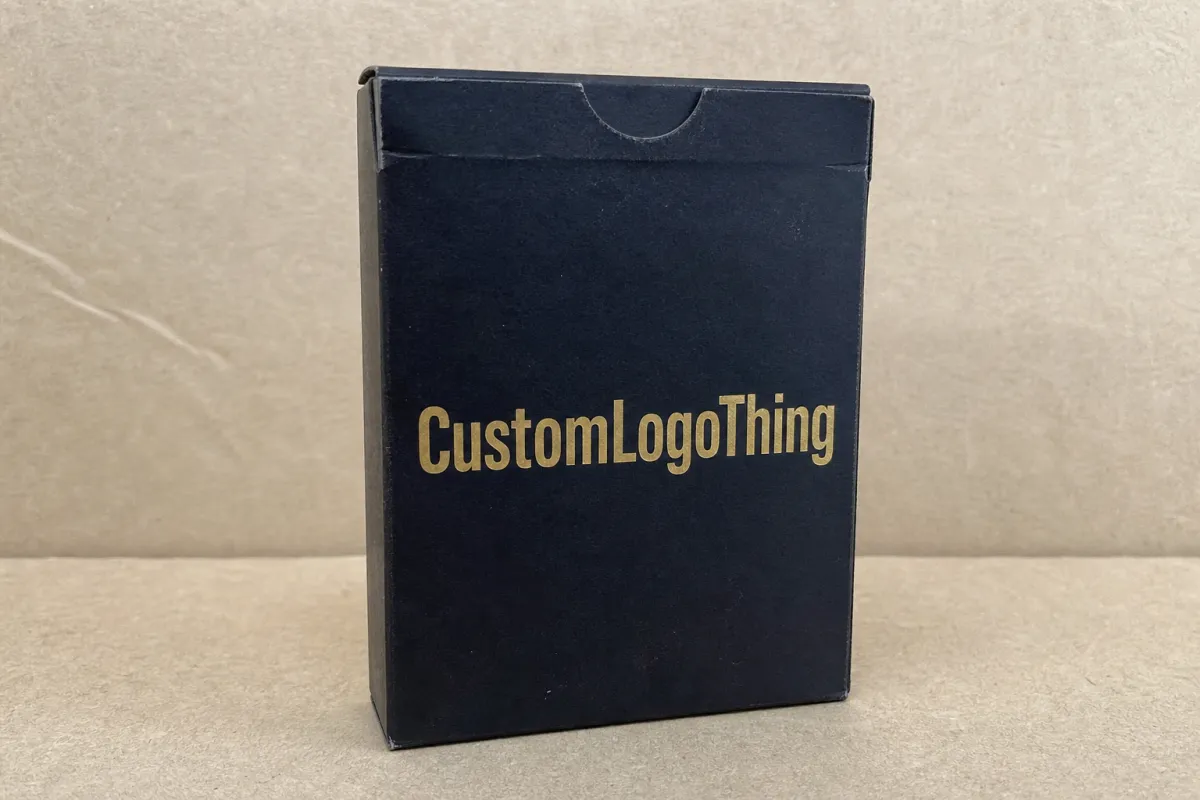
Reverse tuck cartons look straightforward on a screen. Rectangles always do. That is the trap. Buyers see a common folding carton style and assume the price will behave like a commodity. It does not. Once the carton is sized for the product, the artwork is mapped across the panels, and the finish is chosen for the shelf environment, the quote starts moving. A carton for a lightweight skincare tube is not in the same lane as one holding a dense bottle, a compact device, or a multipack that needs extra crush resistance.
Board choice is usually the first place the budget shifts. A basic carton may work on 14 pt or 16 pt paperboard. A more demanding application may need 18 pt SBS, CCNB, or another board spec that gives better stiffness and a cleaner print surface. That change affects more than material cost. It can alter how the carton scores, how it folds, and how much waste appears during setup. Change the substrate and the price follows. Simple. Annoying. True.
Small size changes create bigger headaches than most first-time buyers expect. A few millimeters in width or depth can change sheet utilization. That changes how many blanks fit on a press sheet or die-cut form. A layout that nests well keeps the per-unit cost in check. A slightly awkward one wastes paperboard and pushes the quote up. The manufacturing side cares a lot more about sheet efficiency than about how tidy the sketch looks in a presentation deck.
Smaller line items also pile up fast. Artwork prep. Dieline changes. Plate or tooling charges. Freight. A lighter board may appear cheaper until the design needs extra reinforcement or a different fold pattern. A premium finish may sound minor until the production schedule adds setup time, extra passes, and more inspection. For custom packaging products, the invisible costs matter just as much as the visible ones.
A carton can look plain and still be expensive to make if the board, layout, or finishing plan is sloppy. The quote tells the truth only after the structure is locked down.
Good pricing conversations start with product fit, realistic quantity, and the environment the carton has to survive. A shelf-ready carton for a dry, light product will not need the same build as a carton that has to handle repeated touch points, warehouse stacking, or a freight path that seems designed by someone who enjoys chaos. I have seen buyers lose days because the product was described as “small” and “light” when it was neither in the way the line actually needed. That kind of shorthand creates expensive assumptions.
How reverse tuck cartons work and why structure matters
A reverse tuck carton is a folding carton with top and bottom tuck flaps that close in opposite directions. That detail sounds minor. It is not. The opposite tuck pattern gives the carton a familiar closure and helps it move cleanly through folding and packing operations. That is a big reason this format shows up so often in product packaging for personal care, nutraceuticals, small hardware, electronics accessories, and retail items that need a neat shelf face.
The blank is usually die-cut, scored, and glued, then shipped flat so it takes up less room in transit and storage. At packing time, the carton is folded by hand or by machine depending on the line, the order size, and how fast the product needs to move. Flat-shipped packaging is practical. It reduces storage burden and keeps freight from ballooning for no good reason. Simple idea. Useful outcome.
The direction of the tuck flaps matters more than many first-time buyers expect. Reverse tuck cartons open and close in a specific sequence, and that affects product insertion, how the carton looks on shelf, and the way the closure behaves after repeated handling. Some products benefit from that tidy closure. Others need a straight tuck or a different folding carton style because they are heavier, taller, or opened more often by consumers who are not exactly gentle.
Board stiffness, score quality, and glue flap geometry all shape the final result. Too light, and the carton flexes or bows. Too tight, and the score can crack the printed face or make folding inconsistent. Too loose, and the seam bulges or loses strength. These are structural details, but they hit pricing directly because they change how the carton has to be engineered and how much material it needs to stay reliable.
From a buying standpoint, structure is not a design flourish. It is a cost decision tied to shelf life, handling, and customer experience. If the box must stay crisp after transit, support a heavier fill weight, or feed through an automatic cartoning line, the supplier may recommend more board, tighter tolerances, or a different carton style altogether. Those choices can improve performance. They also move the final unit cost, because physics still gets a vote.
For a practical look at supplier options, many buyers review the broader Custom Packaging Products range before choosing a structure. That makes it easier to compare carton styles, material options, and finishes against the product instead of forcing one box format to do a job it was never built for.
Custom reverse tuck cartons pricing: the cost drivers that matter
Several cost buckets shape the final quote. The main ones are board stock, print method, size and layout efficiency, finishing, quantity, and any setup or tooling charges. Logistics matters too. Carton volume changes pallet count, freight class, and the amount of space the finished goods take up in transit. A buyer who compares quotes without separating those items is usually comparing different products, not matching offers.
Board stock is often the biggest material driver. A white SBS face can support sharper graphics and cleaner color. A recycled or kraft-based board can create a different look and a different price profile. Heavier caliper adds stiffness, but it also adds cost, and not every product needs that extra thickness. A lightweight soap bar carton does not need the same board spec as a fragile glass vial or a product that will be stacked tightly in storage.
Print complexity matters almost as much. A simple one- or two-color design usually costs less to set up than a carton with full-bleed coverage, heavy solids, fine type, and multiple spot-color targets. Large dark backgrounds can take more attention during make-ready, and intricate artwork can increase spoilage during press setup. The printing method also changes the math, especially if the job needs a short digital run, a traditional offset run, or a process that becomes more economical at scale.
Finishing choices can move the quote fast. Aqueous coating is often used for a clean, practical finish and can help with scuff resistance. UV coating changes the surface feel and can add gloss. Soft-touch lamination adds a premium tactile effect, but it usually increases cost and can complicate converting. Foil stamping, embossing, and spot effects can help the brand stand out, yet each one adds direct finishing expense and more setup time. More passes, more money. The machine is never mysterious about that part.
Quantity is another major lever. A small pilot run carries a much higher share of setup cost per unit. A larger production run spreads those fixed expenses across more cartons. That is why MOQ discussions matter so much. A quote for 1,000 units is not a fair comparison against a quote for 10,000 units, even if the outer size is identical. The manufacturing economics are different, and pretending otherwise is how people end up annoyed in procurement meetings.
Logistics deserves its own line in the buyer's notes. Cartons ship flat, but a heavy board spec or a larger box footprint still raises pallet count, storage demands, and freight charges. If the cartons are moving across a long distance, or if they need special wrapping and palletization, the landed cost can shift more than the box price itself. Smart sourcing looks at the total number, not just the per-unit print cost. The cheapest quote on paper has a funny habit of getting expensive on the dock.
| Option | Typical price impact | Best fit | Tradeoff |
|---|---|---|---|
| Standard SBS board, simple print | Lower setup and material cost | Light products, clear branding, stable shelf conditions | Less forgiving if the product is heavy or the line is rough |
| Heavier board, moderate print coverage | Mid-range unit cost | Retail packaging that needs better stiffness and presentation | More board cost and sometimes more freight volume |
| Premium finish with foil or soft-touch | Higher unit cost and more setup time | High-visibility branded packaging | Greater risk of waste, longer production window |
| Large format with low sheet efficiency | Often the highest cost per unit | Oversized product packaging or unusual product geometry | Material waste can outweigh printing savings |
Planning ranges help buyers think clearly, even though they are never a substitute for a Real Supplier Quote. A simple reverse tuck carton in a mid-volume run may land in a lower cost band than a premium carton with specialty finishing. A small run can also cost more per unit than a larger run even when the artwork is straightforward. The price structure is layered. Board, print, finish, waste, setup, and freight each pull in their own direction.
If sustainability goals are part of the brief, ask whether the board can be sourced responsibly and whether the coating plan fits recycling expectations in your market. For chain-of-custody and responsible forest sourcing, the Forest Stewardship Council is one of the better-known references. If distribution performance matters, especially for fragile or high-value goods, the ISTA test methods are worth reviewing because they help define how a carton should behave under handling and transit stress. Those references do not replace a supplier quote, but they do keep the discussion grounded.
Process and timeline: from brief to shipment
The quote-to-delivery flow is usually straightforward. The catch is that each step depends on the one before it. Start with the product brief: dimensions, weight, target quantity, desired carton style, print coverage, coating preferences, and launch date. Once that information is in hand, the supplier can tell whether the carton fits the product cleanly or whether the structure needs a tweak before artwork gets final approval.
After the brief comes the dieline. It gets confirmed or adjusted. That step is one of the most important in packaging design because the artwork layout depends on the exact fold pattern, glue flap placement, and panel size. If the dieline changes after the graphics are nearly finished, someone has to move text, shift regulatory copy, or rebalance the visual layout across the panels. That usually means a new proof cycle and a schedule that suddenly has less breathing room.
Sampling can take more than one form. Some projects need only a print-ready layout check. Others need a structural prototype or a plain sample that confirms fit before full production starts. If the carton will be packed by machine, a test run becomes even more useful because machine-fed products have tighter tolerances than hand-packed cartons. A good supplier separates design time, sampling time, and manufacturing time so the buyer can see where the schedule is likely to move.
Artwork proofing is another place where time disappears. Missing barcodes, late ingredient text, and approval delays from legal, regulatory, and brand teams can hold up the entire order. A clean proof cycle is usually faster than people think. The slow part is usually the internal approval chain, especially when three departments all believe they are the final authority. They are not. The deadline still wins.
Special finishes and production windows can stretch the timeline. A plain matte or aqueous finish may move through the plant more easily than a carton with foil, spot UV, or multiple decorative passes. If the production schedule is already packed, even a simple run may have to wait for a slot that fits the die-cut and finishing sequence. That is why a straightforward job can still take longer than expected when the line is full or when the carton needs a rare board spec.
For many buyers, the clearest way to manage risk is to ask for lead time in separate pieces: proof approval, sampling, production, and transit. That breaks out the real manufacturing window from the administrative delay that often gets lumped into one vague “turnaround” number. It also shows whether the date can move if decisions come faster, or whether the schedule is tied to process capacity and cannot be wished into existence.
Common mistakes that inflate box quotes
The biggest quote killer is vague information. A supplier cannot price a carton accurately without dimensions, product weight, carton style, board preference, print details, and an order quantity estimate. Leave out any of those pieces and the quote gets padded to cover risk. That is not the supplier being dramatic. It is the cost of missing facts.
Comparing quotes that are not truly equivalent is another classic mistake. Two numbers may look close, but one may include a heavier board, a better coating, and freight while the other excludes those items entirely. If the buyer does not confirm board grade, finish level, tooling, and MOQ, the comparison is misleading. The lower quote can become the more expensive one once the missing items are added back in. Funny how that works.
Approving artwork before the dieline is final causes a lot of pain. Even small layout changes can force reproofing, delay plate creation, or push the job back into queue. That is especially true for custom printed boxes that need precise copy placement, barcodes, or panel-specific legal text. The safer sequence is structure first, artwork second, final proof third.
Overengineering is another quiet budget drain. Buyers sometimes choose heavier board or premium finishing because it feels safer or more impressive, even when the product does not need it. That can waste money if the product is light, the retail environment is controlled, and the carton only needs to look polished rather than rugged. Good product packaging balances visual appeal with real performance demands.
The freight trap deserves special attention. Many teams focus on unit price and ignore landed cost until the cartons are ready to ship. Flat-packed cartons still occupy space, and larger cartons take more pallet volume. If the production site and distribution center are far apart, or if the project moves in multiple shipments, freight can become a meaningful part of the total spend. Smart buyers ask for the delivered number early, not after the order is already rolling.
One more mistake shows up often in product launches: assuming the carton spec that worked for a sample product will work for the full order without adjustment. A pilot run packed by hand may tolerate a loose score or slightly oversized panel. A production run packed by machine will not be as forgiving. The sample tells you something useful, but it is not the same as a finished line speed under pressure. That distinction matters.
- Give exact dimensions, not estimates rounded by eye.
- Share product weight and whether the carton must carry stacking loads.
- State the desired quantity range instead of a single guess.
- Confirm whether the carton is for shelf display, shipping support, or both.
- Ask for all tooling and freight assumptions in writing.
Expert tips for smarter sourcing and better unit cost
Standardizing carton dimensions across product lines is one of the easiest ways to improve pricing. A shared dieline can cut setup time, simplify procurement, and improve material yield. That does not mean every product should wear the same box. It means unnecessary variation should stop freeloading on the budget. In practice, fewer dielines usually mean fewer surprises in cost and scheduling.
Ask suppliers for an itemized quote. A clean breakdown that shows board, print, finishing, tooling, sample cost, and freight gives you a much better basis for comparison than one rolled-up number with vague promises attached. It also shows where the money is actually going. If one supplier is expensive because of the board and another because of finishing, those are different strategic choices, not the same problem in a different jacket.
Start with a modest finish strategy unless the product truly needs more decoration. A sharp matte coat, a well-controlled aqueous finish, or a clean uncoated look can deliver strong shelf appeal without pushing the carton into premium territory. For many brands, disciplined packaging design feels more credible than a surface loaded with effects that do not support the product story. More glitter does not fix a weak idea.
Think about carton fit and case packing efficiency together. A slightly different carton footprint may let more units fit into a master shipper, which can improve shipping density and lower the total cost of moving the product. That kind of optimization is easy to miss if the focus stays only on the individual box. Buyers who look at the full pack-out sequence usually make better long-term decisions for retail packaging programs.
Request a sample or dummy carton early. Even a simple plain sample can show whether the fold lines behave correctly, whether the product slides in cleanly, and whether the closure feels right in hand. That small step often prevents expensive corrections after artwork has been approved and material has been ordered. It is not glamorous. It just saves money.
If you are comparing suppliers, the broader custom packaging products catalog can also help because it shows how one carton style relates to another. Sometimes a reverse tuck format is still the best choice. Other times a different folding carton style or an alternate board spec will lower total cost without hurting shelf presentation.
For buyers building branded packaging programs, think beyond the single run. A carton that prints consistently, performs well, and keeps freight under control usually serves the brand better over multiple launches than a bargain quote that creates rework or inconsistent shelf appearance. The strongest sourcing decisions protect unit economics and product presentation at the same time. Convenient, yes. Rare, also yes.
Actionable next steps for your next packaging quote
If you want a cleaner quote for your next carton order, gather the core details before you contact a supplier. Confirm the product dimensions, estimated order quantity, board preference, print coverage, coating choice, and target launch date. If the product has unusual edges, a fragile finish, or a heavy fill weight, say that up front so the structural recommendation is based on reality instead of wishful thinking.
A reference sample helps more than most people expect. A photo of the product beside a ruler can speed things up, and an existing box or mockup can make the fit discussion concrete. Suppliers can work from drawings, but a physical reference or a clear image usually cuts down on back-and-forth and helps the design team estimate how much headroom belongs inside the carton.
Ask for pricing that breaks out setup charges, per-unit cost, sample cost, and freight separately. That makes proposals easier to compare and gives you a better view of what changes if the quantity moves. It also shows which part of the order is fixed and which part scales with volume. For procurement planning, that difference matters a lot.
Check the structural requirements before you approve the build. Does the carton need to survive stacking in storage? Will it be packed by hand or by machine? Does it need to stand upright on shelf, or does it only need to protect the product during transit? Those answers shape board choice, score quality, and closure behavior, which then shape the final cost.
Keep the focus on fit and use case rather than the lowest sticker price. A well-made carton that protects the product, presents the brand cleanly, and ships efficiently is usually the better buy. That holds true for retail packaging, for custom printed boxes, and for any program where package branding is part of the customer experience. The best custom reverse tuck cartons pricing comes from matching the spec to the real job, not from squeezing every quote until the structure stops making sense. If you leave the supplier with one clear brief, make it this: product, quantity, finish, freight, and deadline, all locked before artwork gets too far ahead.
What affects custom reverse tuck cartons pricing the most?
The biggest drivers are board stock, carton size, print coverage, finish level, and quantity. Setup costs matter more on small runs, while material efficiency matters more on larger runs. Freight and packaging density can also move the landed cost more than buyers expect.
Are reverse tuck carton prices lower at higher MOQ?
Usually yes, because fixed setup costs are spread across more units. Higher quantities may also unlock better board and print rates if the run fits production efficiently. The best comparison is unit cost plus freight, not unit cost alone.
How long does a custom reverse tuck carton order usually take?
Timeline depends on artwork readiness, dieline approval, sampling, and production load. Straightforward jobs move faster than projects needing new structure development or specialty finishes. A clean approval cycle is often the biggest factor in keeping turnaround on schedule.
What should I send to get an accurate carton quote?
Provide product dimensions, weight, desired quantity, and whether the carton is for retail display or shipping support. Include print details, coating preferences, and any special features like windows or foil. If possible, send a sample or reference photo so the supplier can verify fit and construction.
Are custom reverse tuck cartons cheaper than other folding carton styles?
They can be, especially when the structure matches the product well and the dieline is efficient. A different carton style may be cheaper if it yields better sheet usage or requires less finishing. The right choice depends on product fit, shelf goals, and total landed cost.

