If you are sourcing flexible refill packs, the cosmetics Refill Plastic Bags Carton packing guide matters more than most buyers expect. A pouch can look flawless on the line and still arrive scuffed, dented, or leaking after it has moved through packing, palletizing, freight, and warehouse handling. The bag, the carton, and the packing pattern have to work together, especially for liquid, gel, cream, and powder formulas that behave differently under pressure.
From a packaging buyer’s point of view, the job is not just moving units from one point to another. It is protecting seal integrity, preserving shelf appearance, keeping the warehouse moving, and avoiding the hidden cost of rework, claims, and wasted freight. That is where the right carton spec starts paying for itself.
Why refill pouches fail in cartons before they reach shelves
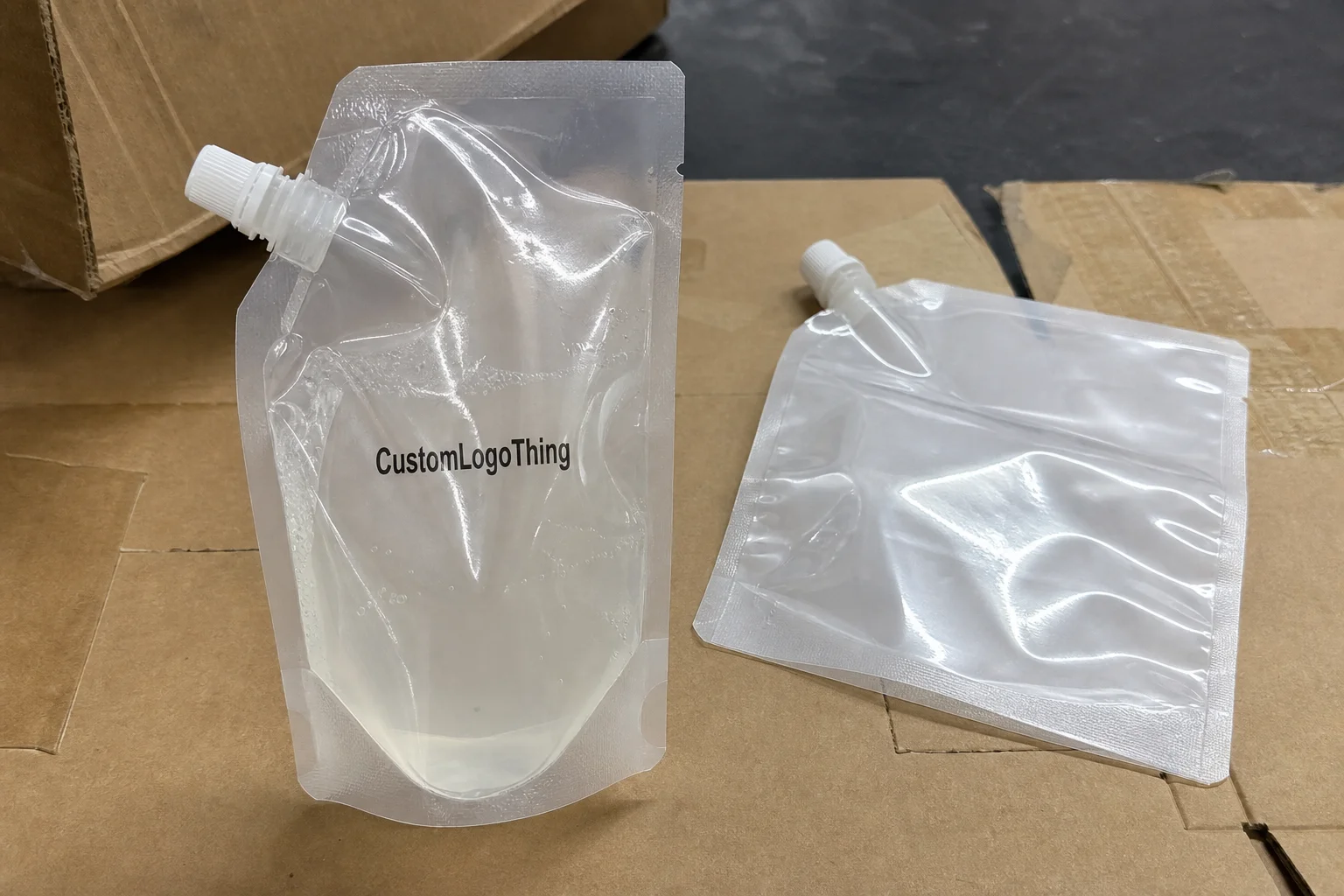
Flexible refill bags behave very differently from bottles or jars. A rigid container holds its shape and shares load in a fairly predictable way, while a pouch can shift, bow, or compress depending on fill weight, headspace, closure design, and film thickness. A lightweight refill bag may look fine when packed loose, then abrade against a carton wall or press into another pouch during vibration. Too much empty space in the case makes that worse.
Cosmetics refill plastic bags are flexible product bags used for skincare, haircare, body wash, or similar cosmetic formulas, then grouped into a carton for shipping or retail handling. The pouch is doing two jobs at once: it contains the product and carries the printed surface. That creates more risk than buyers sometimes expect, because a small handling issue can become either a leak or a visible appearance defect.
The carton is carrying several responsibilities too. It stabilizes the load, protects against puncture and compression, and keeps units organized for counting, picking, and palletizing. If the carton is too weak, the stack crushes. If the pack count is too high, seals can be stressed. If the count is too low, freight efficiency drops and unit cost rises. The packing guide is really a spec-and-process problem, not a boxing exercise.
“A refill pouch is not fragile in the same way as glass, but it is far less forgiving than buyers assume once it starts moving inside a carton.”
Good carton packing also improves throughput. Fewer damaged units mean fewer inspections, fewer exceptions, and fewer labor interruptions. In higher-volume refill programs, those gains matter over repeated runs. A one-percent issue rate sounds small until it is repeated across cartons, pallets, and multiple reorders.
How carton packing works for cosmetics refill bags
The packing sequence starts before the carton is opened. Filled pouches should be inspected for seal quality, wiped clean if there is residue on the exterior, and checked for weight consistency. Then comes count verification, grouping, insertion into the carton, and closure. If there is a leak or a slightly open seal, catching it here is far better than discovering it after pallets have already moved into transit.
Common carton formats include corrugated shipper cartons, printed inner cartons, partitioned cartons, and poly-bagged bundles inside a master case. A corrugated shipper is the workhorse choice because it stacks well and protects against transit abuse. A printed display carton makes more sense if the secondary pack is part of the retail presentation. Partitioned cartons are useful when closures, corners, or glossy surfaces need separation.
Orientation matters more than many teams realize. Some refill bags travel best upright, especially if the closure is sensitive to pressure or the formula is viscous enough to settle awkwardly when laid flat. Others pack better flat, which can improve pallet density and reduce top-load stress. The right answer depends on pouch shape, cap or spout location, and how much internal headspace remains after filling.
Surface finish also affects carton behavior. Glossy, matte, soft-touch, and laminated pouch surfaces react differently to friction. A soft-touch finish feels premium, but it can show rub marks if packed tightly against other printed surfaces without a protective layer. That is one reason buyers sometimes add a slip sheet, sleeve, or partition even when the bag itself seems strong enough.
In a stable line, the operator follows a repeatable pattern: verify, group, insert, close, label. The fewer surprises in that sequence, the more consistent the output. Stability is the point. A pack format that works on Monday but slows the line on Thursday is not a good format.
Spec factors that shape protection, presentation, and unit cost
Material selection starts with the pouch itself. PE structures are flexible and cost-effective, while multilayer laminates add barrier protection and seal performance for products that need more oxygen or moisture resistance. Barrier films can improve shelf life, but they also influence stiffness, puncture resistance, and how much pressure the filled bag can tolerate inside a carton.
The carton spec matters just as much. Flute type, board grade, burst strength, and edge crush resistance all affect how well the box handles stacking and freight vibration. For many refill programs, a standard corrugated shipper is enough. Once the carton is carrying heavier fill weights or multiple units per layer, stronger board can reduce crush and corner damage.
Pack count is another major cost driver. A larger pouch may mean fewer cartons per pallet, but if the fit is too tight, seams can be stressed and the closure area can be squeezed. A smaller pouch may let you pack more efficiently, yet the carton can end up with too much headspace unless you add dividers or a tighter case size. Either way, the empty volume has to be controlled.
Insert choice affects both protection and cost. Corrugated partitions are simple and familiar. Molded pulp can be attractive when a brand wants recycled fiber content and a more premium unboxing feel. Protective wraps and sleeves can solve scuffing problems, but they should be used with intent, not as a reflex. Extra material only makes sense if it prevents a measurable defect or handling issue.
Retail requirements can change the economics quickly. If the carton doubles as a shelf-ready shipper, then print coverage, tear strips, opening style, and label placement become part of the spec. That can add tooling or print cost, but it may reduce secondary handling later. For packaging buyers, the better question is not which carton is cheapest, but which carton survives the route and supports the warehouse flow.
| Carton / insert option | Typical use | Protection level | Relative cost impact |
|---|---|---|---|
| Standard corrugated shipper | General freight, palletized transit | Moderate | Low |
| Printed shelf-ready carton | Retail-facing refill programs | Moderate to high | Medium |
| Partitioned carton | Glossy pouches, exposed closures, mixed orientations | High | Medium to high |
| Molded pulp or specialty insert | Premium presentation, extra movement control | High | Higher |
For standards and transport testing, it helps to align your spec with recognized methods such as ISTA and ASTM if you want repeatable drop and compression validation. Packaging resources from ISTA and sustainability guidance from the EPA are useful when balancing protection with material reduction.
Cost, MOQ, and quote inputs buyers should collect first
Accurate quoting starts with complete data. At minimum, you need pouch dimensions, fill volume, film structure, closure type, ink coverage, carton size, and the intended pack count per carton. If any of those are vague, the quote will be vague too, and the hidden costs usually appear later in tooling revisions or repacking labor.
MOQ can sit at different points for different components. A printed pouch may have one threshold, the carton another, and any custom insert a third. Buyers often get tripped up because they assume the entire package has one shared minimum, when each part may have its own economic floor. Asking where each threshold sits can prevent avoidable confusion.
Here are the most common cost levers in a cosmetics refill program:
- Print complexity — more colors, larger coverage, and special finishes all add setup and press time.
- Barrier structure — better moisture or oxygen protection usually costs more than a simple PE build.
- Carton strength — heavier board or better compression performance changes board cost.
- Custom inserts — partitions, sleeves, or die-cut retainers add material and assembly time.
- Freight efficiency — oversized cartons can raise landed cost even if the unit pack looks cheap on paper.
That last point gets missed often. A carton that uses the right amount of board but wastes pallet space can cost more than a slightly stronger, better-sized box. Once warehousing and freight are added, the cheapest quote on paper may not be the cheapest quote in reality.
For a working cost reference, many refill pouch projects fall into these rough bands: plain or lightly printed pouches might sit around $0.18-$0.28 per unit for 5,000 pieces, while more complex barrier films, custom cartons, and inserts can move higher. That range is only a reference. Fill volume, print coverage, carton configuration, and local labor rates can shift the number in either direction.
Production steps and lead time from artwork to packed cartons
The production flow usually begins with artwork approval, then moves into material sourcing, printing, lamination, pouch conversion, carton fabrication, and final pack-out. If the filling operation happens in a separate facility, scheduling has to account for both the pouch run and the carton packout window. The calendar tightens fast when one step slips.
The longest steps are usually proofing, print setup, barrier-film sourcing, and any custom carton tooling. Standard cartons move faster because the structure already exists. Once you need a special insert, a unique opening style, or a bespoke shelf-ready format, the timeline expands. Faster lead times usually mean fewer structural variables.
Quality checkpoints should be built into the run, not added as an afterthought. Seal testing confirms containment. Drop testing checks handling resilience. Carton compression tests show whether the box can support stacking load. Label verification catches orientation mistakes and SKU mix-ups before shipment leaves the building. If you are validating a new format, testing against ISTA-style transit conditions is a practical way to reduce surprises.
Lead time often lands around 12-15 business days from proof approval for a standard run, but that can stretch when materials are special-order or when the pack format is highly customized. The proof approval step is where many schedules slip first, because a small artwork change can trigger plate, film, and carton revisions.
Packaging and filling are often managed by different teams or facilities. That means the real schedule is not just how long the pouch takes, but how quickly the whole pack system can be coordinated. The best projects are the ones where that handoff is planned early.
Common packing mistakes that cause leaks, dents, and wasted freight
Underpacking is probably the most common error. When loose bags slide around, the printed surface wears against the carton wall, and closures can rub against neighboring units. A pack that seems gentle during hand loading may still fail after vibration, because transportation introduces repeated micro-movement that a static bench test will not show fully.
Overpacking is just as troublesome. Too many units in one carton can stress the seams, bulge the panels, and push pressure into the seal area. With flexible products, that pressure does not always show up as an obvious crush; sometimes it appears later as a slow leak or a deformed cap.
Poor carton sizing is another frequent culprit. Too much headspace lets the pouches shift. Too tight a fit pinches closures or forces the board to bow. Both situations reduce protection. The best carton supports the pouch without pinning it in place like a vice.
Labeling mistakes create their own problems. If handling marks are unclear, cartons may be stacked upside down, stored in the wrong orientation, or sorted incorrectly by the warehouse team. Simple things like orientation arrows, batch labels, and carton quantity marks can prevent a lot of handling confusion.
Then there is the skipped test shipment. A pack format may look perfect in the packing room, but freight vibration, humidity swings, and longer dwell times can reveal weaknesses that the warehouse never exposed. One pilot shipment is cheaper than a full pallet of returns.
- Underpacking increases abrasion and movement.
- Overpacking raises seal stress and corner crush risk.
- Poor sizing creates headspace or pinched closures.
- Weak labels cause handling errors in storage and transit.
- No transit test leaves hidden defects undiscovered.
Practical packing tips to improve shelf readiness and shipping efficiency
Always test with filled samples, not empty pouches. A bag behaves differently once it contains actual product, especially if the formula is viscous, heavy, or settles unevenly. Plenty of specs look fine flat on a table and then change completely once the pouch is filled and sealed.
If the pouch finish is delicate, or if the cap and spout area is exposed, use partitions or sleeve protection. That small amount of added material can prevent the kind of scuffing that turns an acceptable shipment into a quality complaint. The trick is to use protection where it solves a known risk, not where it merely feels safer.
Align carton dimensions to pallet patterns whenever possible. A better pallet pattern usually means less void space, better compression performance, and lower freight waste. It also makes warehouse handling simpler, because the team can stack more predictably and avoid odd overhangs that invite damage.
Handling marks matter more than many brands realize. Clear orientation arrows, batch labels, and quantity callouts help warehouse teams move fast without guessing. The smoother the internal instructions, the fewer exceptions show up later.
A small pilot run is worth the effort. It lets you validate seal strength, carton fit, line speed, and pallet behavior before you lock a full production order. That is usually where experienced buyers find the least expensive fixes. A small change in insert size or carton depth often solves what would otherwise become a recurring complaint.
For brands that want more visibility into responsible materials, FSC certification can be a useful reference when carton board sourcing is part of the brief.
How to source a reliable refill bag and carton spec
Start by documenting the product, not the packaging. List the fill type, viscosity, bag dimensions, closure style, target shelf life, and desired pack count per carton. Once those basics are clear, the pack format becomes much easier to solve because the spec is built around the product’s real behavior.
Then ask for a carton layout drawing or sample pack plan. A simple diagram can show whether the fit is too loose, too tight, or awkward for palletization. It also reveals whether the carton opens in a way that suits your fulfillment team or your retail customer. That detail matters more than it sounds, because a poor opening style can add labor every time the case is handled.
Get quotes that separate the pouch, carton, insert, and freight. That separation gives you a true unit basis for comparison, which is essential when one supplier quotes a plain shipper and another quotes a printed shelf-ready case with partitions. The prices may look close until the hidden parts are lined up side by side.
Run a sample pack test with your own team. Check that the carton opens cleanly, stacks well, and survives handling without leaks, scuffs, or crushed corners. If your warehouse can process it without friction, the spec is usually in good shape.
Before production approval, confirm final artwork, label placement, and pack orientation. Lock the spec in writing so reorders stay consistent. That is the practical value of a cosmetics refill plastic Bags Carton Packing guide: not just to pack one order well, but to make the next order easier, faster, and more predictable.
How many cosmetics refill plastic bags should go in one carton?
The right count depends on bag size, fill weight, and carton strength, not just the number that fits physically. A safe carton count should avoid seal pressure, panel bulging, and excessive movement during transit. A sample pack test is the best way to confirm the correct quantity per carton.
What carton type is best for cosmetics refill plastic bags?
A corrugated shipper is the most common choice because it protects flexible bags and stacks well in freight. If the product is retail-facing, a shelf-ready or printed display carton may be better. For delicate finishes or exposed closures, partitions or inserts can improve protection.
What affects the price of carton packing the most?
Carton board grade, print coverage, insert requirements, and custom sizing are major cost drivers. Pack count and freight efficiency also matter because they change labor and shipping costs per unit. Barrier film and closure complexity can raise the total packed unit cost even if the carton itself is standard.
How long does production usually take for custom packed refill bags?
Lead time depends on artwork approval, material availability, printing, pouch conversion, carton fabrication, and packout scheduling. Standard cartons usually move faster than custom structural packaging or specialty inserts. Proof approval delays are one of the most common reasons timelines slip.
What should I check before approving a new carton pack format?
Check fit, seal protection, carton strength, pallet pattern, and label clarity. Confirm that the packed units survive handling without leaks, scuffs, or crushed corners. Make sure the final spec matches your warehouse process so reorders stay consistent.


