Streetwear packaging is never just packaging. A mailer reaches the customer before the garment does, and that first contact shapes the whole order. A crisp hoodie in a flimsy bag feels off. A basic tee in a well-made mailer feels more considered. That is why brands asking for a courier mailer Bags for Streetwear labels cost breakdown need numbers that reflect how packaging behaves in the real world, not vague “premium” language that hides margin loss.
The economics are fairly predictable once you know the variables. Size, film thickness, print coverage, minimum order quantity, and freight usually decide most of the final price. Once you add seal style, opacity, and finish, the quote starts to make sense. Ignore those inputs and the unit price looks tidy until the bags arrive and do not suit the product.
Why streetwear labels use mailers to protect margins and image
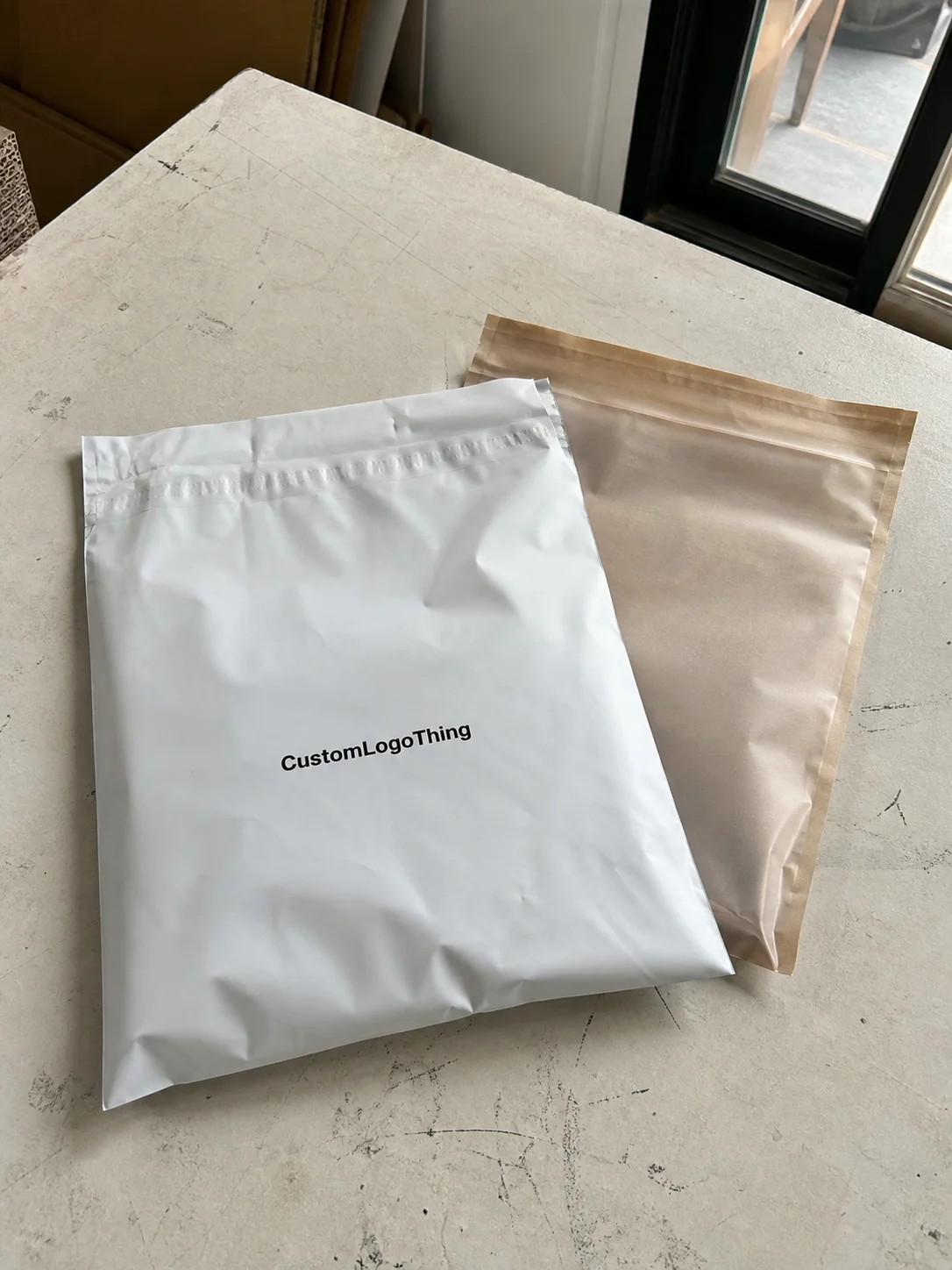
For streetwear labels, a mailer has to do three jobs at once. It protects the item in transit, supports brand presentation, and keeps fulfillment efficient. That is a narrow brief, but it is the right one. Streetwear buyers notice packaging, especially when they pay a premium for the garment itself.
A mailer that feels weak can drag down perceived value quickly. Nobody wants a $90 hoodie arriving in a thin, creased bag that looks like it came from a generic office supply aisle. The opposite mistake is quieter and more expensive: over-specifying the packaging and spending extra on thickness, finish, and print effects that do not add enough value to justify the cost. The right choice is fit-for-purpose, not flashy for its own sake.
Different sales models need different mailer strategies. Limited drops with collectible artwork may justify a more refined printed bag. Evergreen tees, replenishment runs, and accessory orders usually need tighter cost control and a faster reorder cycle. If one packaging format has to serve tees, hoodies, and bundle orders, the spec should be based on the heaviest regular shipment, not the lightest item in the line. That single decision often separates an efficient packaging system from a wasteful one.
A lower unit price does not always mean a lower total cost. Claims, re-shipments, and packing delays can erase the savings very quickly.
That is the practical frame for a courier mailer Bags for Streetwear labels cost breakdown: look at protection, presentation, and labor together. The bag price matters, but so does how often the bag causes problems.
Courier mailer bag construction, print options, and finish choices
Most apparel mailers are made from LDPE or co-extruded polyethylene film. In simple terms, that means lightweight plastic layers engineered to resist tearing, keep out moisture, and hold a reliable seal. Better film structure usually gives better puncture resistance and a more consistent seal line. That matters more than many first-time buyers expect, especially once the bags are handled by multiple touchpoints in a warehouse.
Print method changes both the look and the cost. A one-color logo on a white or grey base is usually the most economical custom option. Add full-surface artwork, tight brand color matching, or several print colors, and the job becomes more complex. Dark base films can look sharp, but they often need more ink coverage to keep logos visible. Matte finishes generally read as more premium than gloss, though they also behave differently under scuffs and handling. If the package is going to move through sortation, van loading, and retail-style unboxing, that handling profile should influence the finish choice.
Some extra features are genuinely useful. Dual adhesive strips help with returns. Tamper-evident closures improve customer confidence and reduce disputes about opened parcels. Soft-touch finishes can elevate a launch drop, although they are rarely essential for a standard tee run. Compostable and biodegradable options exist, but they usually cost more and may not perform as consistently as conventional polyethylene in strength, print quality, and shelf stability. Eco claims are only useful if the bag survives transport and matches the operational reality of the brand.
Oversized mailers are common for hoodies and multi-item bundles, but a bag that is too large creates hidden costs. You pay for more film, and in some fulfillment setups you also lose packing efficiency. Empty space is not harmless. It can make the parcel harder to stack, awkward to store, and more expensive to move. In packaging, air is rarely free.
Courier mailer bag specs that change price and performance
If you want a usable quote, you need the specifications that actually move cost and performance. The main ones are thickness in microns, bag dimensions, seal strength, opacity, puncture resistance, and the amount of print coverage. Miss any of those and a quote can look attractive right up until the bag fails a packing test.
Streetwear usually falls into three practical size bands: small for socks, caps, and accessories; medium for tees and light tops; large for hoodies and bundle orders. A bag that is too big wastes material and can weaken presentation. A bag that is too small forces awkward folds, slows packing, and increases the chance of damaged seals. Both errors create extra work for fulfillment teams, and one of them also creates returns.
Thickness is often misunderstood. Thinner mailers are cheaper and can be fine for light items. Thicker film, often in the 60–100 micron range depending on construction, improves tear resistance and is better suited to heavier garments. If a brand ships hoodies, fleece, or mixed bundles, the additional cost often pays for itself in fewer damages and less rework. If the parcel only ever contains folded tees, a heavier spec may be more packaging theatre than practical need.
Opacity also deserves attention. A proper opaque mailer prevents the contents from showing through under warehouse lights or during handling. That sounds minor until a customer receives a transparent-looking bag that reveals the item shape or color. It is a simple quality issue, but simple issues are the ones that generate the most avoidable complaints.
For brands building a coordinated packaging system, it helps if mailers sit alongside Custom Labels & Tags or Custom Poly Mailers with the same visual language. Consistency does more for perceived value than random upgrades added one by one.
Simple spec match-up
| Product type | Suggested mailer spec | Typical use case | Cost impact |
|---|---|---|---|
| Accessories / small items | 40–60 micron, small format, 1-color print | Socks, caps, small add-ons | Lowest cost per piece |
| Tees / light tops | 50–70 micron, medium format, 1–2 colors | Most DTC apparel orders | Moderate unit cost |
| Hoodies / bundles | 70–100 micron, large format, stronger seal | Heavier garments, multi-item orders | Higher cost but less damage risk |
Courier mailer bags for streetwear labels cost breakdown: unit price, setup, and MOQ
This is the part buyers ask about first, and for good reason. The real courier mailer Bags for Streetwear labels cost breakdown includes unit price, setup charges, freight, and the cost of getting the spec wrong. The bag itself is only one line on the quote sheet.
For Custom Printed Mailers, the market usually falls into a few broad pricing bands:
- Lower MOQ runs: around $0.18–$0.45 per unit depending on size, thickness, and print coverage.
- Mid-volume orders: around $0.10–$0.28 per unit once bulk pricing starts improving.
- Higher-volume orders: around $0.06–$0.18 per unit for simpler specs and repeat production.
Those ranges are realistic for custom print with standard streetwear dimensions and decent film quality. Full-surface artwork, metallic ink, soft-touch finishes, dark film with heavy ink coverage, or dual adhesive strips will push the price upward. A small order of a highly finished bag can cost more per piece than a larger run of a simpler spec. That is not a markup trick. It is the direct result of setup time and material use.
Setup fees vary by supplier and print method. Some charges cover artwork prep, plate tooling, or color matching. For straightforward production, setup may be modest or bundled into the quote. For more complex graphics, one-time prep charges are common and can range from a few dozen to a few hundred dollars depending on the size of the run and the number of print colors. If the quote looks strangely low, check whether setup has been hidden elsewhere.
MOQ changes the math fast. A 1,000-piece run can look expensive next to a 10,000-piece run because the factory still has to load film, prepare the press, and manage the job. The same applies to sampling and proofing. Smaller runs are useful for testing a capsule collection or verifying a new size, but the unit cost almost always rises as order size falls. Manufacturing overhead does not disappear because the quantity is smaller.
Freight is another line that gets underestimated. Mailers are light, but they are bulky, so carton count and stacking efficiency matter. Air freight can be justified for urgent launch dates, but repeat orders are usually better on sea freight or consolidated shipping. The smartest comparison is landed cost per piece: unit price, setup, freight, and handling combined. A cheap factory quote that turns into expensive shipping is not actually cheap.
What usually moves the quote the most
- Quantity — the strongest lever on unit cost.
- Size — more film area means more material.
- Thickness — heavier construction uses more raw material.
- Print colors — each extra color increases complexity.
- Finish and extras — matte, dual strip, and special effects add cost.
For planning, a streetwear brand shipping basic tees in a custom medium mailer can often keep costs in a manageable range. Hoodies, dark film, full print, and premium finish all move the quote upward. That is expected. The mistake is assuming every mailer should behave like a stock bag with a logo stamped on it. It is better to price the packaging against the actual garment mix than against a single best-case item.
Production steps, lead time, and reorder timeline
A reliable order process should be straightforward. If it becomes chaotic, the problem is usually missing information, not manufacturing itself. A typical custom mailer order moves through quote request, artwork confirmation, sample approval, production, quality check, packing, and shipment. Most delays happen before production starts, not during it.
Lead time depends on the complexity of the job. A simple custom run with one or two colors and no special finish will usually move faster than a fully custom print with multiple colors, opaque dark film, and special closure options. After proof approval, production often takes about 12–20 business days, though larger orders or more complex specifications can take longer. Shipping time comes on top of that. If a launch date is fixed, packaging should be ordered earlier than many teams expect.
The delays are usually predictable. Late artwork files. Unclear dimensions. Color changes after proofing. A last-minute request to make the bag “feel a bit more premium.” Each of those sounds small in isolation, but together they can push a run back by days or weeks. Fulfillment teams feel that delay first, and the launch calendar rarely gives them extra time to recover.
For reorder planning, do not wait until the final carton is open. Keep the approved artwork file, final size spec, and finish notes in one place. Reorder while there is still cushion in inventory. Streetwear drops often run on hard dates, and packaging shortages can back up the whole warehouse. That is not an edge case. It is a common failure point.
For quality control, buyers often reference transport and packaging testing standards such as ISTA methods, especially when the shipment needs to survive sorting, stacking, and repeated handling. For paper-based components or environmental claims, packaging teams may also look at guidance from the International Safe Transit Association, the U.S. Environmental Protection Agency, and FSC where relevant. Standards are not interchangeable, so the test or certification should match the actual material and claim.
How we quote streetwear mailers without guesswork
A useful quote starts with useful inputs. For streetwear mailers, the minimum details are bag size, quantity, thickness, print sides, number of colors, finish, and delivery destination. If those are missing, the quote will be approximate. That is fine for a first pass, but not for budgeting a launch.
Artwork quality matters as much as the specs. Vector files are easier to print cleanly than compressed images. Brand colors should be confirmed early if the packaging has to match swing tags, labels, or other printed materials. If the order will later expand from tees to hoodies, say so at the start. Quoting the heaviest likely item is safer than discovering too late that the bag is too small for the next release.
There are a few common traps. A matte finish can make a quote climb faster than people expect on small runs. Changing the bag size after sampling can trigger fresh setup costs. Underestimating freight makes the quote look better than it is. Reseller pricing can also blur the real cost structure by adding margin between the buyer and the factory. For repeat packaging orders, direct sourcing is usually easier to evaluate because the pricing logic is clearer.
Compare quotes on landed cost. Unit price plus setup, freight, and any handling charges gives a more honest picture than the factory number alone. If one quote is cheaper on paper but more expensive once shipping and setup are added, it is the wrong quote.
Next steps to lock specs and place an order
Start with the heaviest item you ship. Not the smallest tee. Not the best-looking sample. The heaviest item. That choice determines whether the mailer should be a standard apparel bag or a thicker format for hoodies and bundled orders. From there, choose the snugest size that still allows efficient packing. Too loose looks wasteful. Too tight causes damage and slows the line.
It helps to request two quotes: one for the target quantity and another for the next price break. That second number often shows whether it is worth increasing the run slightly to unlock a better unit rate. Sometimes the gap is modest. Sometimes the savings are enough to justify a higher order and improve the spec at the same time.
Keep the artwork in vector format, confirm brand colors early, and ask for a sample if finish, seal strength, or bag size affects the launch. Ask for a spec sheet that lists film thickness, print method, closure type, and the approval process. Those details should be locked before production starts. If they are not, the order can drift.
If the goal is a practical Courier Mailer Bags for streetwear Labels Cost Breakdown, the decision tree is simple: match the mailer to the garment weight, compare landed cost rather than sticker Price, and Order early enough to protect the drop date. Quantity, print coverage, and finish drive the final number more than most buyers expect, and each of those choices has a production consequence.
FAQ
What affects courier mailer bags for streetwear labels cost the most?
Quantity is usually the biggest lever on unit cost. After that, size, thickness, and print complexity have the strongest impact. Finish options and extras like dual adhesive strips also raise the price.
What is the usual MOQ for custom courier mailer bags?
MOQ varies by supplier and print method. Lower MOQ runs are possible, but the unit price is usually higher because setup costs are spread across fewer pieces. Larger runs generally unlock better pricing and more flexibility.
Are thicker mailer bags worth it for apparel brands?
Yes, if you ship heavier items like hoodies or multi-item orders. Thicker film improves puncture resistance and reduces transit damage. For lightweight tees, over-specifying thickness can waste money.
How long does production usually take for custom mailers?
Simple custom runs can move faster than full-surface printed bags or premium finishes. After proof approval, production often takes about 12–20 business days, with shipping added on top. Late artwork changes are the most common cause of delays.
Can I get a sample before placing a full order?
Yes, and it is worth doing when the print, size, or finish matters to the launch. A sample helps verify color, seal strength, and overall feel. Catching a problem on one sample is far cheaper than correcting a full run.


