For buyers comparing a PVC Garment Bags for sports clubs wholesale pricing guide, the question is never only price. A cheap bag that splits at the zipper, clouds up in storage, or smells harsh enough to clear a locker room is not cheap for long. The real calculation is whether the bag can survive wet kits, muddy boots, repeated travel, and the kind of handling that comes with weekly use.
Sports clubs usually need bags that are easy to identify, easy to wipe down, and tough enough to move between home storage, team transport, and match-day distribution. PVC is popular because it does all three without adding much complexity. That said, not every PVC garment bag performs the same way, and a quote that looks attractive on paper can hide a thinner film, weak stitching, or a zipper that fails under load.
Why PVC garment bags solve muddy match-day storage
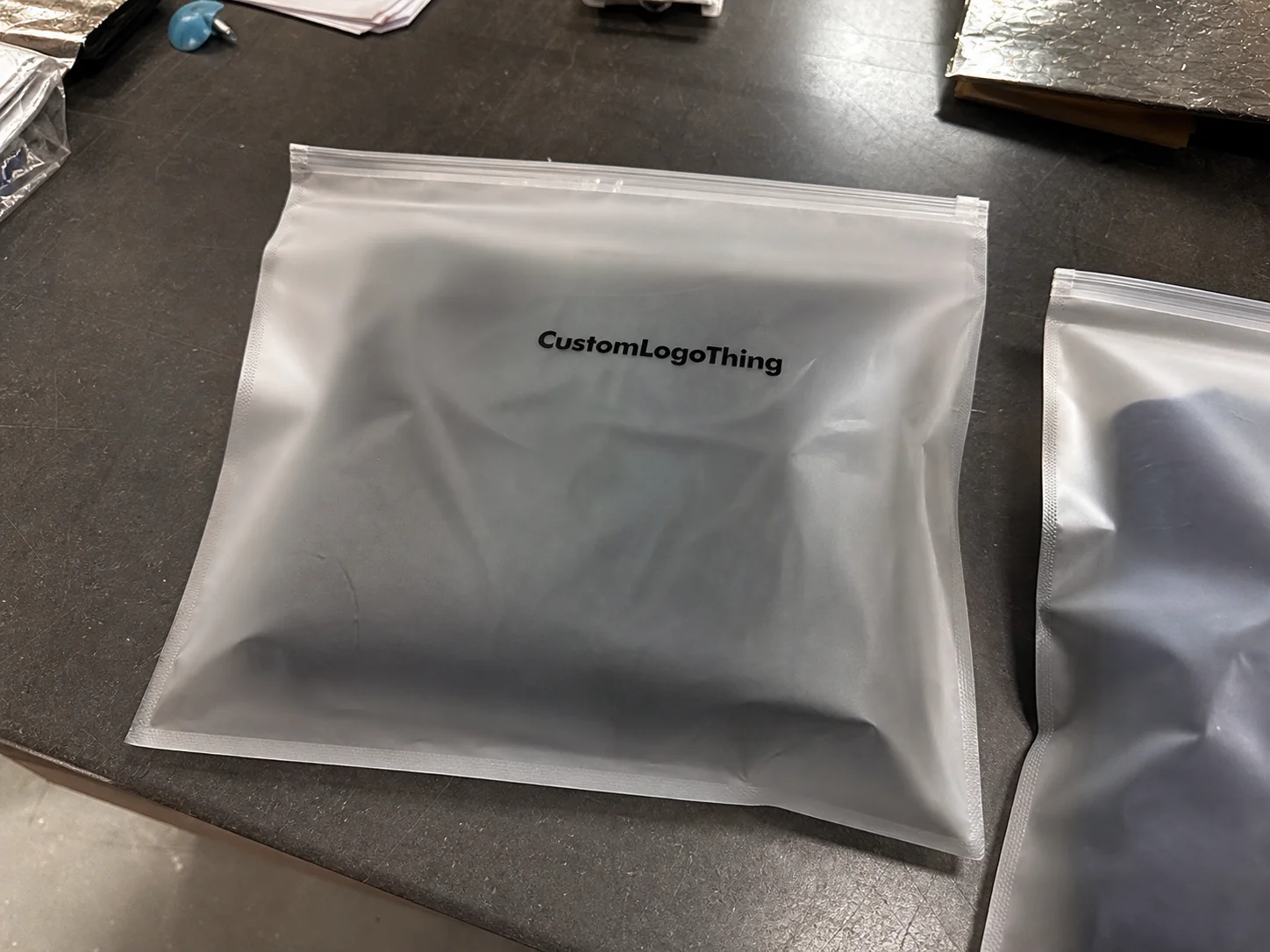
PVC earns its place in club kit management because it handles a messy reality cleanly. Transparent storage makes uniforms easy to identify in packed changing rooms, and wipe-clean surfaces matter when bags sit near damp socks, grass stains, and post-match rain. For clubs, that practicality is more useful than decorative packaging or retail-style styling.
These bags are commonly used for match kits, tracksuits, referee uniforms, academy gear, and travel wear. A soft dust cover works for closet storage, but it is a poor fit for bus trips, shared racks, and locker-room handling. PVC Garment Bags are built for movement, not just hanging still.
There is also a presentation side to this. Clubs use garment bags to make kit handouts feel ordered instead of improvised. That matters for sponsors, parents, and players who want the club to look organized. A clean, well-sized bag can lift the whole impression of a kit issue, even if the budget stays modest.
- Match kits: helps players grab the right set quickly.
- Staff uniforms: keeps coaching and admin gear separate.
- Travel wear: gives away fixtures and events a cleaner look.
- Presentation stock: useful for sponsor handouts and kit launches.
For most club buyers, the better way to think about PVC Garment Bags is as a transport product first and a storage product second. That viewpoint keeps the quote realistic and prevents overpaying for features that do not improve day-to-day use.
What changes the bag's durability, clarity, and feel
Film thickness is the first variable to check. Light-use bags often sit around 0.16-0.20 mm, standard club orders usually fall around 0.20-0.25 mm, and heavier builds can move into 0.28-0.40 mm depending on size and closure style. Thicker film raises the cost, but it also improves resistance to tearing at stress points, especially around zippers and handles.
Closure style matters more than many buyers expect. A basic zipper keeps the price down. A reinforced zipper track with better pull tabs improves everyday use. Snap closures and hook systems can work in some formats, but they affect both packing speed and total cost. For sports clubs, speed matters. Nobody wants kit prep to turn into a small project before an away day.
Reinforced seams, welded edges, and bar-tacked handles reduce failure points when bags carry damp jackets or heavier layers. If the club travels in cold weather, ask about brittleness resistance. Lower-grade PVC can stiffen and split faster in low temperatures, and that sort of failure usually appears after the order has already been signed off.
Clarity is another real decision. Fully clear PVC gives the fastest visibility. Frosted material looks more premium and hides clutter. Tinted PVC can work well for branded club programs, but it can reduce visibility unless the print layout is planned carefully. For a PVC Garment Bags for sports clubs wholesale pricing guide, these are not cosmetic details; they affect both unit price and user experience.
One detail buyers often overlook is odor and surface feel. Lower-grade PVC can arrive with a stronger plastic smell, and a sticky finish does not age well in hot storage rooms. Ask for material samples if the bags will spend time in a clubhouse, van, or locker area. A sample that looks fine in an office can behave differently in heat.
Specifications to lock before you request quotes
Start with size. Measure the longest garment first, then add clearance for hangers and bulk. Standard club garment bags often sit around 60 x 100 cm for regular uniforms, while longer coats or padded jackets may need 60 x 120 cm or more. If the bag has to hold layered kit, do not guess. Guessing is how buyers end up paying twice.
Then lock the rest of the spec: thickness, zipper style, hanger opening, bottom gusset, handle reinforcement, and whether the bag folds over or closes fully at the top. If branding is required, define print size, placement, and number of colors before asking for a price. A one-color logo on clear PVC is a different cost structure from multi-color branding or a printed panel.
Ask every supplier for the same spec-sheet format. The sheet should show exact dimensions, tolerance, material grade, carton count, and packing method. That is the only reliable way to compare quotes. Without it, you are comparing three different products that happen to share a category name.
“If two quotes are far apart, the difference is usually hiding in thickness, zipper quality, carton packing, or print coverage. The unit price is not the whole story.”
If your club needs separate sizes for players and staff, define them as separate line items. Mixed sizing can work inside one order, but only if the factory knows exactly how each size is counted and packed. That detail saves confusion later, especially when replenishment starts.
Surface finish should be approved before production begins. Glossy PVC shows fingerprints more easily. Matte or frosted film hides marks better, but it can soften the appearance of the logo. That sounds minor until a full box arrives and the club decides the finish looks cheaper than expected. Most problems of that kind come from assumptions, not manufacturing defects.
Wholesale pricing and MOQ for club garment bags
A useful pvc garment Bags for Sports clubs wholesale pricing guide should show ranges rather than pretend every order lands in one neat bracket. For custom club orders, MOQ often starts around 500-1000 pieces. Printed orders and special sizes usually need 1000 pieces or more to stay efficient. Smaller runs are possible, but the unit price rises quickly because setup costs get spread across fewer bags.
Here is a practical comparison for club buyers. These are typical wholesale ranges, not a promise. Final pricing depends on bag size, film thickness, zipper grade, print coverage, carton packing, and shipping terms.
| Build | Typical MOQ | Typical Unit Price | Best For |
|---|---|---|---|
| Plain clear PVC, light weight | 500-1000 | $1.15-$1.85 | Basic club storage, lower-budget orders |
| Custom printed PVC, standard weight | 1000+ | $1.65-$2.80 | Team branding, regular seasonal use |
| Heavy-duty PVC with reinforced build | 1000-2000 | $2.40-$4.10 | Frequent travel, padded jackets, premium presentation |
Those figures can move quickly if you add thicker film, more logo colors, better zippers, custom hangers, or retail-style packaging. Even Incoterms matter. EXW, FOB, and DDP can look similar in a quote sheet and still land very differently once freight, duties, and destination handling are included.
If a supplier cannot explain why one quote is lower, ask for the build breakdown. A lower number is not a win if it means thin film, weak stitching, or poor packing. The cheapest option sometimes becomes the most expensive once replacements, damage claims, and late reorders enter the picture.
For clubs, a better approach is to ask for three pricing bands: economy, standard, and premium. Economy covers basic function. Standard is usually the safest balance. Premium makes sense when the bags are part of visible sponsor or academy presentation. That comparison is easier to approve than one unexplained number floating in a spreadsheet.
Production steps, approval, and lead time
A clean order usually moves through artwork review, sample confirmation, mass production, final inspection, packing, and shipment. That sounds standard because it is standard. The problem is that buyers often skip one step and then act surprised when the bulk run repeats the mistake.
Typical lead time after approval often runs 15-25 days for standard wholesale orders. Samples usually take a few days longer. New tooling, unusual colors, and peak-season demand can stretch the schedule. Shipping is separate. Sea freight and air freight solve different problems, so they should never be priced or planned as if they were interchangeable.
A pre-production sample is worth the time. It catches zipper placement, print alignment, handle position, and sizing issues before the bulk run starts. If the bags have to arrive before a tournament or season launch, build in a buffer. One delayed approval can push delivery off schedule faster than most buyers expect.
For outer cartons, ask whether the supplier can align with ISTA shipping test practices and whether carton materials can be sourced with FSC-certified paperboard where relevant. That does not make the garment bag itself more glamorous. It just reduces the chance of crushed cartons and inconsistent delivery.
If the order is seasonal, work backward from the event date. Approval, production, loading, transit, customs, and local delivery all need space. Buyers who wait until the week before a tournament usually end up paying for the delay somehow, usually through rush freight or reduced options.
How to compare suppliers beyond the unit price
A lower quote means very little if the supplier cannot hold film thickness, print consistency, and zipper quality across the full run. That is the trap. Buyers see a cheaper number and assume they found efficiency. More often, they found hidden compromises.
Ask whether you are dealing with a factory or a trading company. The answer affects traceability, communication speed, pricing structure, and who owns the problem if the order goes sideways. A factory can be stronger on production control. A trading company can sometimes move faster on coordination. Neither is automatically better.
Also ask how samples, revisions, and claims are handled. Good suppliers share inspection photos, carton counts, and stage updates without being chased. Weak ones hide behind vague messages and blame the warehouse after delivery. That is not process control; it is confusion with paperwork.
Use outside references too. The Institute of Packaging Professionals is a useful source for packaging terminology, while ISTA gives buyers a practical framework for shipment testing. Those references do not replace due diligence, but they help you ask questions that surface weak points earlier.
If a vendor cannot explain reorders, color matching, or carton packing in plain language, the low price is probably doing all the talking. That is usually a warning sign. Wholesale buying rewards clarity more than charm.
Color control deserves attention on repeat orders. PVC can vary slightly by resin batch, and printed logos can drift if proof approval is treated casually. A “same order” that comes back with a slightly different finish may pass in a photo, but it is harder to defend in a club store or on a team rack.
What a dependable wholesale partner should include
A serious supplier gives you one clear spec sheet, one quote structure, and one approved sample. That sounds simple because it is simple. Yet a surprising number of orders still get split across vague emails, half-confirmed artwork, and “we understood differently” conversations.
Look for a team that confirms material source, print method, packaging format, and defect tolerance before production starts. A repeat club order should not change the bag feel, logo placement, or carton count just because the reorder landed in a new month.
Strong partners also help balance cost and presentation. They should be able to give you a value option, a mid-tier option, and a premium build without turning every request into a custom research project. If you want a starting point for that process, review our Wholesale Programs and compare the packaging structure against the club’s actual use.
Packing details matter more than many buyers expect. Do the bags arrive flat, folded, or individually polybagged? Are hangers included? Are cartons printed or plain? Those choices affect storage efficiency, shelf presentation, and freight costs. Small admin detail, large invoice difference.
The best wholesale relationship is boring in the right ways. The quote is clear, the sample matches, the cartons arrive as promised, and nobody has to decode a mystery spreadsheet to find the final cost.
Next steps for a fast club quote and clean reorder
If you want a fast quote, send everything in one message. Size, quantity split, logo file, print colors, closure style, material thickness, delivery destination, and deadline. The fewer back-and-forth questions, the faster the pricing lands on something usable.
- Ask for two or three options: economy, standard, and premium.
- Request a digital proof or sample before approval.
- Confirm packing, carton markings, and shipping method in writing.
- Keep a reorder record with approved spec, material, and landed cost.
That record matters more than people think. The next order becomes faster, cleaner, and less dependent on memory. For clubs that reorder every season, that is where the real efficiency shows up.
For a final comparison, use a pvc garment bags for sports clubs wholesale pricing guide to check whether the quote balances film thickness, logo quality, and freight terms instead of chasing the lowest number and hoping it behaves later.
What is the usual MOQ for PVC garment bags for sports clubs?
Custom runs often start around 500 to 1000 pieces, while printed or special-size bags may need higher volumes. Stock or unprinted styles can sometimes go lower, but the unit price usually rises when the order gets too small. Ask whether mixed sizes can count toward one MOQ, because that can help clubs split player and staff bags without losing volume pricing.
How thick should club PVC garment bags be for regular team travel?
Light-use bags can work in thinner film, but regular travel usually benefits from a thicker build that resists tearing and corner wear. Heavier jackets, wet kits, and frequent packing justify stronger film and reinforced seams. If the club travels in colder weather, ask for a material that stays flexible instead of going brittle.
Can we print a club logo on clear PVC garment bags?
Yes, most clubs can add one-color or multi-color branding, but the print method should match the bag finish and budget. Clear, frosted, and tinted PVC each change how the logo reads, so approve the artwork on the exact material first. Fewer surprises before production usually means fewer rejected bags on arrival.
How long does wholesale production usually take for PVC garment bags?
Typical production after approval is often 15 to 25 days for standard orders. Samples usually take a few days longer, and custom tooling or busy seasons can add more time. Shipping time is separate, so buyers should plan for the full door-to-door schedule, not only the factory lead time.
What should I send to get the fastest quote for sports club garment bags?
Send size, quantity, logo file, print colors, closure style, material thickness, and delivery destination. Add your deadline and whether you want economy, standard, or premium pricing so the supplier quotes the right build. If you already know the target budget, include it. That avoids getting a quote that looks neat but misses the mark.


