Cuffed Knit Beanies vs Embroidered Caps: Buyer's Guide
Sorting through Cuffed Knit Beanies vs embroidered caps for a branded order usually reveals a truth that catches first-time buyers off guard: knit beanies tend to absorb small decoration imperfections a little more kindly, while caps put every stitch decision under a brighter spotlight. That difference affects how the item looks in person, how it photographs, and how much room there is for error once artwork gets translated into thread.
For a packaging buyer, cuffed knit beanies vs embroidered caps is never just a style debate. Warmth, visibility, perceived value, production risk, and post-purchase wear rate all sit in the same row. A headwear program has to earn attention for the brand, but it also has to fit the season, the audience, and the budget without making the decoration fight the material. I have seen orders where the “prettier” piece was the one people ignored, and that still stings a little when the cartons land.
My read is simple. If warmth, cuff branding, and a winter-first feel matter most, cuffed knit beanies vs embroidered caps usually leans toward the beanie. If year-round wear, front-facing logo visibility, and a cleaner structured silhouette matter more, the embroidered cap usually takes it. Neither item is the universal answer. The better pick depends on the weather, the wearer, the art, and how far the logo needs to travel before it is seen.
The sections below focus on the parts that actually move a purchase order: decoration surface, fit, logo clarity, unit cost, minimum order quantity, turnaround, and the brand signal each item sends. If you are comparing cuffed knit beanies vs embroidered caps for a team uniform, a retail drop, or a giveaway, the answer should feel practical instead of generic.
Quick Answer: Cuffed Knit Beanies vs Embroidered Caps
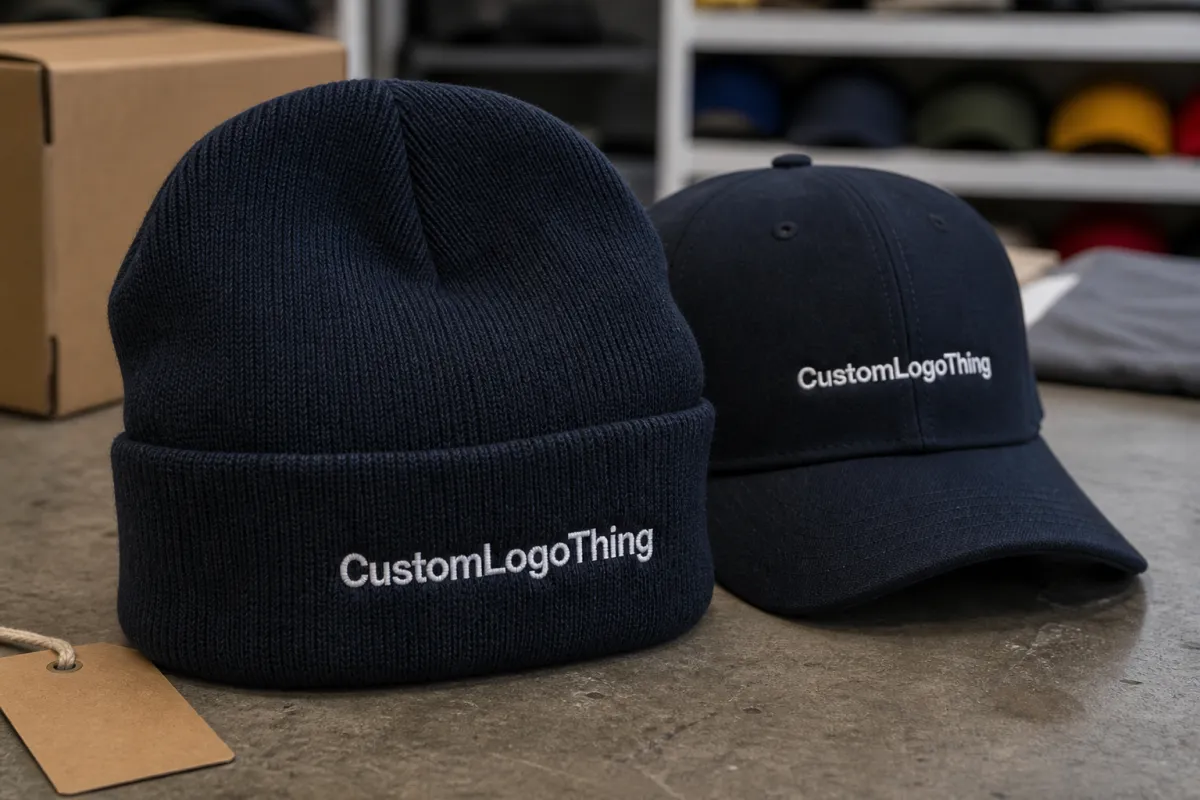
Here is the short version. Choose the beanie side of cuffed knit beanies vs embroidered caps if the order is about warmth, winter appeal, and a cuff that keeps the logo centered and tidy. Choose the cap side if the goal is broader seasonality, stronger front-facing visibility, and a product people can wear in mild weather, outdoors, or indoors without feeling overdressed.
The practical surprise is how forgiving cuffed knit beanies can be during decoration. Rib knit has texture, movement, and stretch, so a tiny shift in placement or thread tension does not always ruin the piece. Caps are more rigid and more literal. If the logo lands too large, too low, or too dense, the issue shows quickly on the front panel. That is one reason buyers comparing cuffed knit beanies vs embroidered caps often assume the cap will be easier, then discover the opposite at the decoration stage.
From a buyer's seat, the decision usually comes down to a few clear factors:
- Logo clarity: caps usually handle small front logos better, especially on a structured crown.
- Comfort: beanies feel warmer and softer, while caps feel lighter and more universal.
- Perceived value: a strong beanie can feel premium in colder months; a cap often feels practical and everyday.
- Order size: minimums and pricing shift with blank stock, patch work, and stitch count.
- Production tolerance: knit fabric can hide tiny issues; cap fronts can expose them fast.
If the order is meant for a cold commute, a mountain town, or a holiday gift box, cuffed knit beanies vs embroidered caps often tilts toward beanies. If the order is for staff uniforms, summer events, club merch, or a setting where the logo should read from across a room, the cap usually earns the slot.
That does not make one option the default winner. It means the item has to match the context. A beanie that never gets worn because the audience runs hot is wasted budget. A cap that feels stiff, overly sporty, or too small for the logo can miss just as hard. The best cuffed knit beanies vs embroidered caps choice is the one that keeps the wearer comfortable enough to keep the item in rotation.
Think of cuffed knit beanies vs embroidered caps as a comparison of surface, season, and message. Decoration method matters, but emotional read matters too. Beanies usually say cozy, casual, and seasonal. Caps usually say active, clean, and visible. That subtle shift changes how the same logo behaves on two different products.
Top Options Compared: Cuffed Knit Beanies vs Embroidered Caps
In a side-by-side review of cuffed knit beanies vs embroidered caps, the first thing I inspect is the decoration surface. A beanie gives you a textured knit canvas with a cuff that naturally becomes a branding band. A cap offers a shaped front panel, often structured, with a defined space for embroidery, patches, or appliques. The difference sounds small until the first proof arrives, because the same logo can feel completely different once it is stitched onto stretchy yarn instead of molded crown fabric.
Cuffed knit beanies vs embroidered caps also differs in the way each item reads before anyone touches it. A beanie signals cold-weather comfort, retail friendliness, and a more relaxed brand personality. A cap usually reads as more athletic, more promotional, or more corporate, depending on crown shape and finish. If the goal is a softer emotional tone, the beanie usually gets there with little effort. If the goal is a sharper silhouette and a logo that can be read at a distance, the cap tends to do better.
Logo style matters more than many buyers expect. Small marks with tight linework often behave better on caps, especially when the front panel is structured and stitch count stays controlled. Beanies prefer bolder artwork, thicker outlines, and simpler shapes. A tiny logo can disappear into the knit texture. That is why cuffed knit beanies vs embroidered caps is not merely about placement; it is about how much visual weight the artwork can carry on the fabric.
Seasonality is another clean divider. Beanies belong in fall and winter, plus colder retail assortments, ski programs, and holiday bundles. Caps work across more months and more settings, especially for outdoor crews, sports-adjacent promotions, and everyday uniforms. If the order needs to feel evergreen, caps often edge ahead. If the order is tied to cold weather or a gift moment, beanies often feel more intentional. That seasonal fit is one of the biggest reasons cuffed knit beanies vs embroidered caps lands differently from one campaign to the next.
The simplest frame is this: beanies are often more forgiving and cozy, caps are often more visible and structured. A beanie can smooth over small imperfections because the rib knit breaks up the eye. A cap can present the logo with more authority because the front panel is flatter and more controlled. In cuffed knit beanies vs embroidered caps, the better choice is the one that matches the brand story and the wearing environment.
Packaging matters too. Beanies fold smaller, compress well, and usually ship with less shape risk. Caps need more care around crowns, brims, and cartons so the front panel keeps its form. A cap that arrives bent or crushed can look cheap immediately, even if the embroidery is excellent. The product choice in cuffed knit beanies vs embroidered caps should include packing method, not just decoration method.
- Beanies: best for warmth, cuff branding, winter campaigns, and a softer feel.
- Caps: best for visibility, structure, year-round wear, and easy front-facing logo reading.
- Patches: a strong middle ground on both items when artwork is detailed or needs a cleaner finish.
- Simple embroidery: usually strongest when the design is bold, compact, and easy to digitize.
For buyers comparing cuffed knit beanies vs embroidered caps, the central question is not which item is better in a vacuum. It is which one gets worn more often by the target audience. A beanie that sits in a drawer after the first cold snap is weak spend. A cap that feels too seasonal or too stiff for the audience is weak spend too. The item should feel easy to wear, easy to keep, and easy to recognize as part of the brand.
Detailed Reviews: Cuffed Knit Beanies
On the beanie side of cuffed knit beanies vs embroidered caps, construction matters more than buyers often realize. A cuffed beanie usually uses rib knit that stretches, recovers, and hugs the head without needing a rigid frame. Common yarn blends include acrylic, acrylic-wool blends, and sometimes recycled fibers, depending on price point and supplier. The cuff adds a flat decoration zone, which is one reason beanies remain a dependable choice for simple branded headwear.
The cuff is the asset. It creates a clear band where embroidery, a woven label, or a small patch can sit without fighting the whole hat. That matters in cuffed knit beanies vs embroidered caps because the beanie does not need a huge artwork footprint to feel branded. A logo about 2.25 to 3 inches wide usually looks balanced on the cuff, while oversized art can overwhelm the knit and make the piece feel crowded. In practice, a clean mark usually beats a crowded one.
The greatest strength of a beanie is the softer brand impression it creates. If the goal is warmth, comfort, and a little seasonal generosity, the beanie does that almost automatically. I still remember a winter order for a regional outdoor nonprofit: the beanies disappeared from the booth in one afternoon, while a very similar cap sat in a box until spring. That was not luck. People grab the item that fits the temperature, and honestly, the decision made itself.
There are real frustrations, though. Knit fabric is not a flat board. It moves, stretches, and compresses, which means tiny script, hairline details, or thin negative spaces can disappear once the logo is stitched. Thread tension can also pucker the knit if the digitizing is too aggressive. If stitch density is too high, the decoration may pull the fabric and leave a rippled look around the logo. That is one of the main lessons buyers learn the hard way in cuffed knit beanies vs embroidered caps: simple art usually wins.
Fit deserves a serious look too. A cuffed knit beanie is generally forgiving, but not every head wants the same amount of stretch. A looser beanie can feel relaxed and retail-friendly; a tighter beanie can feel warmer but less comfortable for long wear. One size fits most is common, yet that does not mean one style fits all. In cuffed knit beanies vs embroidered caps, the beanie is the more adaptable item for cold weather, but it is still worth checking crown depth, cuff height, and rib recovery before placing a larger order.
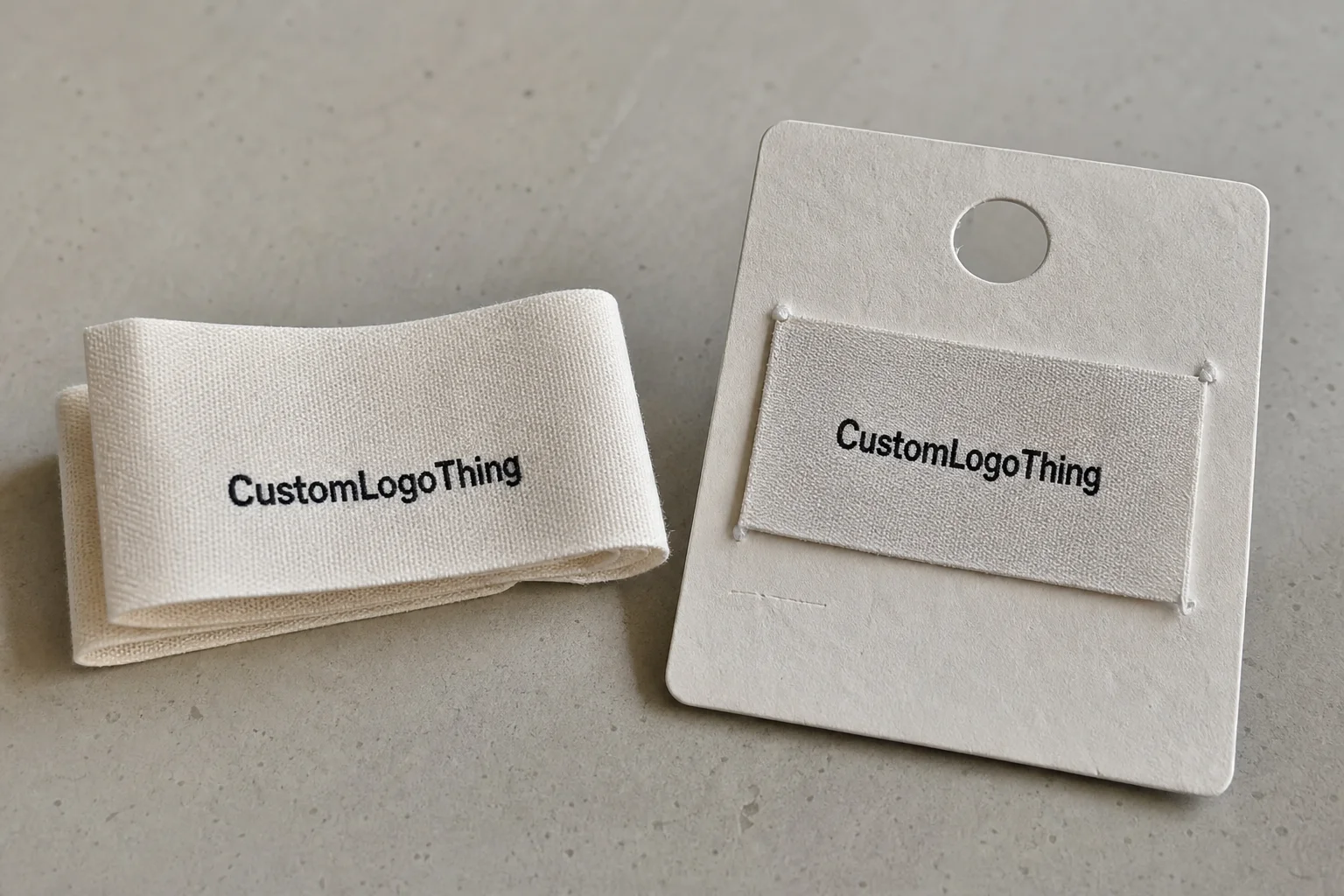
Decoration options matter as well. Direct embroidery is the most common route, but woven labels and small patch applications can be smart alternatives when the logo has thin lines or tiny text. A woven label gives a cleaner graphic look, while a patch can create a more premium retail impression. Buyers comparing cuffed knit beanies vs embroidered caps should not assume thread is the only answer. Sometimes a small woven patch on the cuff produces a better result than embroidery that tries too hard to reproduce detail the knit cannot hold.
A clean beanie logo usually beats a complicated one. On cuffed knit beanies, bold shapes and controlled stitch counts age better than artwork that tries to carry every fine line from the source file.
My practical advice is to request a stitch-out sample whenever the logo is more than a simple wordmark. That gives you a real view of how the knit reacts, how the thread sits on the cuff, and whether the logo needs to be scaled up. If the cuff placement is slightly off-center on the proof, do not ignore it. On a beanie, that small shift stays visible every time the item is worn. In cuffed knit beanies vs embroidered caps, centerline placement matters more than many buyers expect because the beanie front does not hide asymmetry as easily as people assume.
The feel of a good beanie is easy to recognize once it is in hand. Soft yarn, even knit tension, a cuff that holds shape, and a logo that reads cleanly all create a piece that feels giftable rather than purely promotional. A poor beanie, by contrast, looks thin, loose, or scratchy almost immediately. That is why cuffed knit beanies vs embroidered caps should never be judged on decoration alone. Material quality and yarn hand feel belong in the value equation.
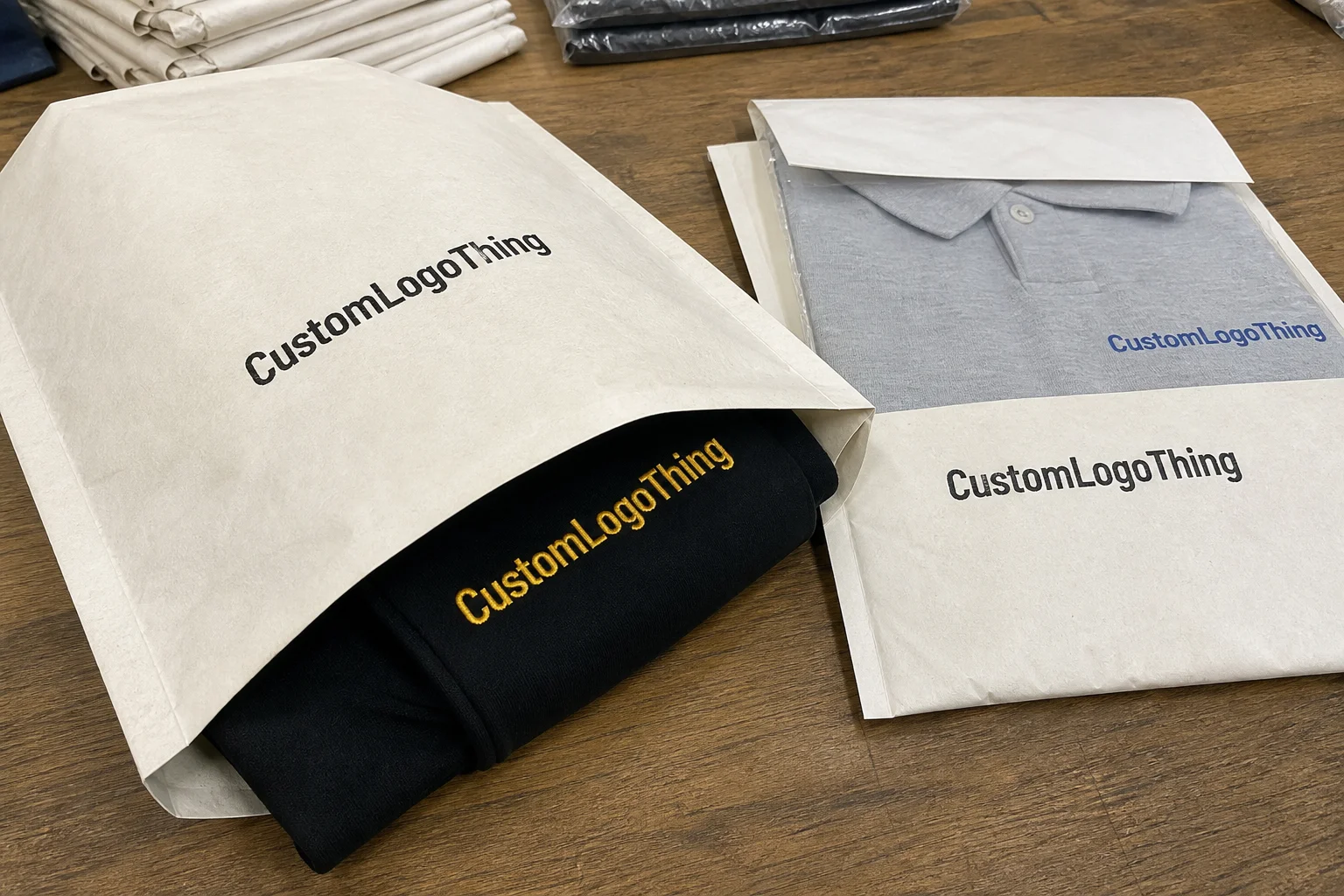
For buyers building a winter merch program, the beanie can also be easier to bundle. It packs flat, works well with folded inserts, and takes up less room in distribution than a structured hat. That matters if the order is shipping in polybags, retail cartons, or mailer boxes with a tight dimensional target. In those cases, cuffed knit beanies vs embroidered caps often becomes a logistics question as much as a design question.
Detailed Reviews: Embroidered Caps
On the cap side of cuffed knit beanies vs embroidered caps, structure tells the story. A cap can be structured, semi-structured, or unstructured, and each version changes how the logo lands. A structured front has more backing support and holds its shape better. A semi-structured cap feels softer but still keeps enough form for strong branding. An unstructured cap can look more casual, yet it also gives embroidery more room to show every small decision in placement and stitch count.
The front panel is the hero area. It is usually the cleanest branding zone, and it is one of the main reasons caps often win on visibility in cuffed knit beanies vs embroidered caps. A logo on the front of a cap reads faster from a distance than a logo on a folded cuffed beanie, especially if the cap has a mid- to high-profile crown. That makes caps useful for team uniforms, outdoor staff, trade show giveaways, and any brand that wants the logo to stay in the viewer's line of sight.
Cap shapes shift the outcome more than some buyers expect. A low-profile cap sits closer to the head and can feel modern, but it leaves less room for larger artwork. A higher crown gives the logo more visual space. Brim shape matters too. A pre-curved brim looks sporty and ready to wear, while a flat brim leans streetwear and can feel more fashion-forward. Those details all influence how cuffed knit beanies vs embroidered caps plays out on the final sample.
Embroidery methods vary as well. Standard flat embroidery is the safest and most readable option for many brands. 3D puff embroidery can create a raised, premium effect on bold letters or simple marks, but it does not suit intricate art. Applique and patch decoration can add texture and a more retail-oriented finish, especially when the cap needs a cleaner surface than thread alone can offer. Buyers comparing cuffed knit beanies vs embroidered caps should ask not only whether embroidery is possible, but which version of embroidery actually supports the art.
Caps are strong at visibility, but they are less forgiving than beanies. Too much thread density on a thin front panel can cause puckering. A logo that crosses a seam can distort. A design that is too wide for a low-profile crown can look squeezed. These are not minor issues; they shape how polished the item feels. That is one of the clearest contrasts in cuffed knit beanies vs embroidered caps. The cap shows the exact quality of the digitizing work, for better or worse.
Comfort is another piece of the puzzle. Caps are lighter and usually more suitable for longer wear in mild weather, which is why they work well for broader audience reach. They can also suit recipients who do not want a warm hat but still need something branded for sun, travel, or casual outdoor use. In cuffed knit beanies vs embroidered caps, the cap often wins on universal wear because it is less seasonal and less temperature-specific.
Fit still matters. Crown height, closure type, and sweatband quality all change how the cap behaves on the head. Snapbacks, strapbacks, and fitted caps each carry a different fit expectation, and that expectation matters. A cap with a nice logo but an awkward brim angle or a stiff closure often ends up in the back of a closet. That is another reason buyers should compare cuffed knit beanies vs embroidered caps by wear experience, not just by artwork placement.
One useful buying rule: if the logo depends on fine detail, choose the cap only after confirming the embroidery size and stitch path. If the art is simple, a cap can look crisp and premium very quickly. If the art is crowded, consider a patch or a simplified mark. In cuffed knit beanies vs embroidered caps, the cap usually rewards disciplined artwork more than decorative complexity.
Photography matters too. Caps usually photograph with a cleaner product silhouette because the brim and crown create a recognizable shape even when the logo is small. That can help ecommerce listings, catalog pages, and social content. A beanie can still look strong, but the cap tends to communicate the brand more immediately in a product shot. For cuffed knit beanies vs embroidered caps, that visual speed matters if the order supports marketing content as well as wearability.
Cost, Pricing, MOQ, and Quote Math
Price is where a lot of cuffed knit beanies vs embroidered caps discussions get flattened too quickly. Buyers often look at the blank item cost and assume that is the full story, but the finished unit price is shaped by digitizing, stitch count, decoration method, patch applications, color changes, labeling, packaging, and freight. Two orders can start with similar blank costs and end several dollars apart once the production details are locked in.
For simple runs, a cuffed knit beanie might land around $2.10-$4.50 per blank unit depending on yarn, gauge, and country of origin, while a decorated version can often fall in the $4.50-$8.50 range at moderate quantities. Embroidered caps frequently start around $2.75-$5.25 as blanks, with decorated versions often landing in the $5.25-$9.50 range depending on crown structure, embroidery size, and whether a patch or 3D puff effect is involved. Those are typical working ranges, not fixed quotes, and cuffed knit beanies vs embroidered caps can move up or down fast based on artwork and quantity.
The MOQ story matters just as much. Many suppliers will quote different minimums for beanies and caps because stock availability, decoration method, and production setup are not identical. A simple cuffed beanie with one-color embroidery might accept a lower minimum than a custom cap with a shaped patch, while a premium cap program may need a larger minimum if the supplier is producing a special closure or colorway. Buyers comparing cuffed knit beanies vs embroidered caps should ask whether the minimum is tied to the blank, the decoration, or the full finished item.
| Quote Factor | Cuffed Knit Beanies | Embroidered Caps |
|---|---|---|
| Typical blank price | $2.10-$4.50 | $2.75-$5.25 |
| Typical decorated price | $4.50-$8.50 | $5.25-$9.50 |
| Common decoration choices | Embroidery, woven label, small patch | Flat embroidery, 3D puff, applique, patch |
| Risk of setup issues | Moderate if art is detailed | Moderate to high if art crosses seams or is oversized |
| Best value use case | Winter gifts, retail bundles, seasonal merch | Uniforms, giveaways, outdoor wear, year-round merch |
| Packaging sensitivity | Lower, because the knit compresses well | Higher, because crown shape and brim need protection |
The table helps, but it still does not replace a line-by-line quote comparison. Ask each supplier to match the exact same artwork size, placement, thread colors, and packaging method before comparing prices. If one quote assumes a folded polybag with a size sticker and the other assumes bulk pack, the comparison is not fair. That kind of hidden difference can change the apparent winner in cuffed knit beanies vs embroidered caps by more than the blank cost ever will.
Hidden budget items deserve a hard look. Sample charges, digitizing fees, freight, relabeling, individual hang tags, barcode stickers, retail insert cards, and carton upgrades can all shift the final landed cost. In some orders, packaging and freight end up mattering more than a fifty-cent difference in the blank. That is true for cuffed knit beanies vs embroidered caps because the decoration method and packing style often differ enough to alter both labor and shipping weight.
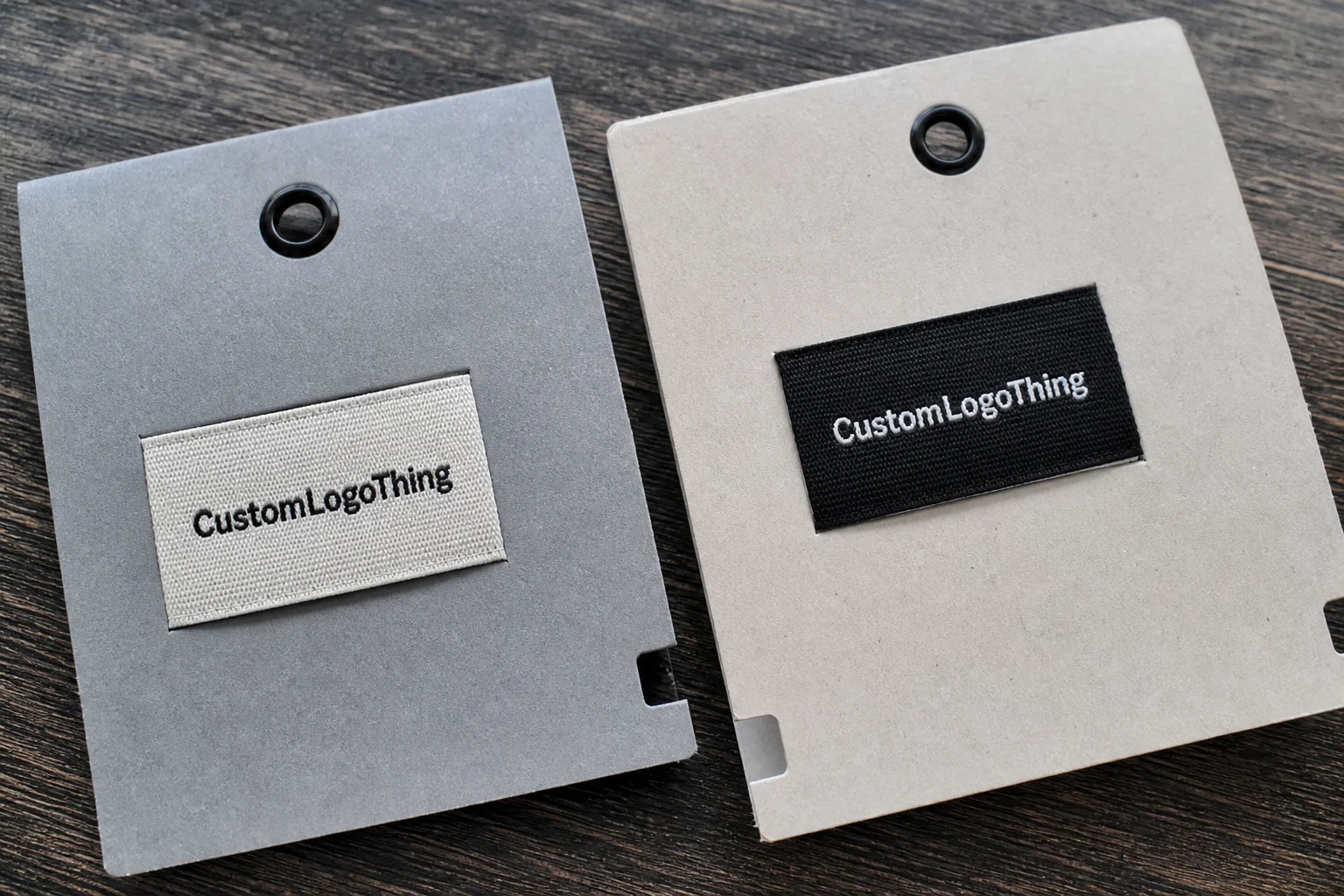
If you are building a retail program, ask about ticketing and secondary packaging early. A folded insert card or FSC-certified paper hang tag can improve the finished presentation, and if printed paper components are part of the plan, responsible sourcing can matter. The FSC standard is one useful reference point for paper-based pieces that accompany the apparel.
Freight tilts the equation too. Caps usually need more care. They hold shape best when packed correctly, and that can mean more room in cartons or more handling time. Beanies compress more easily, which can improve carton density and sometimes reduce shipping cost. That difference is one of the overlooked parts of cuffed knit beanies vs embroidered caps. The item with the lower blank price is not always the item with the lower landed cost.
If your supplier offers pre-shipment testing or stress checks for packaging, ask what standard they follow. For shipped goods that need to survive rough handling, the ISTA library is a useful benchmark for pack-out expectations, especially if the headwear is traveling with other retail pieces or being distributed through ecommerce channels. That is not about making a beanie or cap overengineered; it is about making sure the order arrives in sellable condition.
Process, Timeline, and Production Steps
The production path for cuffed knit beanies vs embroidered caps looks similar on paper, but the details move differently. It usually starts with artwork intake, then digitizing, then proofing, then sample approval, then bulk production, then quality control, and finally packing. Each step sounds standard, yet the timeline can stretch or shrink depending on how clean the artwork is and how much decoration complexity the garment needs.
Beanies can move faster when the decoration is straightforward. A simple logo on the cuff, using a controlled stitch count and a stable thread color set, is often easier to approve than a cap with a front-panel patch or multiple embroidery positions. That said, cuffed knit beanies vs embroidered caps is not a fixed speed contest. A beanie with complex artwork can slow down just as fast as a cap, especially if the knit tension or logo proportions need revision.
The most common delay is artwork cleanup. Buyers send a logo that looks fine in a PDF and then discover that the tiny lines collapse once the digitizing file is created. That is especially true for cuffed knit beanies vs embroidered caps, because both items reward bold shapes and punish ultra-fine detail. If the supplier has to redraw the mark, adjust spacing, or reduce the number of thread changes, the proofing cycle takes longer. That is not a red flag; it is a normal part of getting decoration right.
Sample revision can also consume time. If the beanie logo sits too high on the cuff or the cap logo is too wide for the crown, the buyer should ask for a second proof. Rushing past that step is how orders end up looking slightly wrong in bulk. In cuffed knit beanies vs embroidered caps, placement is not a cosmetic detail; it is the difference between a polished item and one that feels off-center in every product photo.
A realistic turnaround discussion should include four things: whether the supplier is using stock blanks, whether the logo needs digitizing, whether a physical sample is required, and whether the quoted lead time includes transit. Many buyers miss the transit piece and assume production time equals delivery time. That mistake matters with cuffed knit beanies vs embroidered caps because the apparent winner can change once shipping is added, especially if the caps need extra protective packaging or if the beanies are being packed with hang tags and retail inserts.
Most good suppliers should be able to talk in business days, not vague promises. If the artwork is ready and the blank items are in stock, a simple decorated order may land in roughly 10-15 business days after proof approval. More involved cap programs, especially those involving custom patches, extra placements, or special packaging, may take 15-20 business days or more. The timeline is still manageable, but it should never be treated as automatic. Cuffed knit beanies vs embroidered caps is one of those product choices where the faster route is often the one with less decoration complexity.
Quality control is worth discussing before production starts, not after. Ask how the supplier checks logo centering, thread color, crown shape, and carton counts. A beanie can leave a warehouse with the cuff slightly twisted and still be wearable, but a cap with a tilted logo or dented brim is much easier to notice. That is another practical difference in cuffed knit beanies vs embroidered caps: caps need more shape protection, while beanies need more attention to stitching consistency and logo placement.
For buyers with a hard launch date, finalizing the artwork early is the cleanest way to protect the schedule. If the design is still changing, the timeline is not locked. You can compare cuffed knit beanies vs embroidered caps all day, yet the order only moves once the file is approved, the placement is approved, and the production details stop shifting.
How to Choose Between Cuffed Knit Beanies and Caps
The cleanest decision rule for cuffed knit beanies vs embroidered caps starts with climate. If the item is going out in cold weather, or the brand wants a cozy, seasonal feel, the beanie should usually move to the top of the list. If the item needs to be worn across more months of the year, especially in outdoor or casual settings, the cap usually has the broader utility.
Audience matters just as much. Some groups naturally reach for beanies because the item feels comfortable, casual, and giftable. Others prefer caps because they already wear them often and know how to fit them into everyday wardrobes. In cuffed knit beanies vs embroidered caps, that audience fit often outweighs a difference of a dollar or two per unit. A slightly more expensive item that actually gets worn is better value than a cheaper item that stays boxed.
Logo complexity is the next filter. If the mark has tiny text, thin rules, or a long horizontal shape, a cap with a stable front panel may be the safer choice. If the mark is bold, compact, and visually simple, a cuffed beanie can carry it well. The same goes for patch work: if a cleaner presentation or a defined edge would help the artwork, both products can support patches, but the cap often feels more natural for that style. Buyers comparing cuffed knit beanies vs embroidered caps should always ask whether the artwork was designed for thread or merely happens to be printable.
Budget and delivery date should be checked together, not separately. A cheaper beanie may seem attractive, but if the decoration is more complex or the packing requirements are different, the landed price may tighten quickly. A cap may cost more as a blank, but if it is a stock shape with a simple front logo, the overall order might still be efficient. That is the reality of cuffed knit beanies vs embroidered caps: the finished decision comes from the full quote, not one line item.
Some campaign calendars call for both. A winter launch might use beanies as the primary giveaway and caps as the warm-weather retail companion. A staff program might use caps in spring and summer, then switch to beanies for colder months. In those cases, cuffed knit beanies vs embroidered caps stops being an either-or decision and becomes a merch calendar decision.
Ask three simple questions Before You Order:
- Which item will the recipient wear more often?
- Which one matches the brand personality better?
- Which product handles the logo with the least compromise?
If the answer leans toward warmth, softness, and cuff branding, the beanie wins. If the answer leans toward visibility, structure, and broad casual wear, the cap wins. That is the most practical way to think about cuffed knit beanies vs embroidered caps without getting trapped in style preferences that do not affect actual use.
I use one final test often: picture the item six weeks after delivery. Is it still likely to be worn, or will it sit in a drawer? If the item is comfortable, easy to style, and easy to recognize as part of the brand, it has a better chance of staying in rotation. That is why the best cuffed knit beanies vs embroidered caps choice is usually the one that fits the recipient's real life, not the buyer's assumption about what looks good on the table.
Our Recommendation and Next Steps
Here is the recommendation I would give most buyers comparing cuffed knit beanies vs embroidered caps: choose the beanie if warmth, seasonal comfort, and a softer branded impression are the priorities; choose the cap if visibility, year-round wear, and a more structured front-facing logo matter more. That rule holds up well across employee gifts, retail drops, and most promotional programs.
The safest next step is to request one sample of each using the same artwork. Do not change the logo between samples. Keep the art size, placement, and thread colors identical so the comparison is fair. Once you hold both pieces, the differences in texture, stitch quality, and brand tone become obvious quickly. That hands-on comparison is often the fastest way to settle cuffed knit beanies vs embroidered caps without second-guessing the choice later.
A logo can look perfect on a screen and still feel wrong on the garment if the material does not support it. The proof tells you whether the thread, fabric, and placement actually work together.
Ask for a side-by-side quote with the same assumptions on art size, placement, packaging, and shipping. If one supplier quotes a flat embroidery cap with bulk packing and another quotes a beanie with folded individual polybags, you are not comparing the same order. Clear quote math matters more than a flashy unit price. That is especially true in cuffed knit beanies vs embroidered caps, where small setup differences can move the landed cost enough to alter the decision.
Before you approve the order, confirm these four points:
- MOQ: what quantity is required for each item and decoration method?
- Proofing: will you see a digital proof, stitch-out sample, or both?
- Production time: how many business days after approval, and does that include shipping?
- Decoration method: is embroidery, patch work, or another finish the best fit for the material?
If your brand wants something warm, approachable, and easy to gift, beanies usually feel like the better spend. If your brand needs a clean, visible, and more universal accessory, caps usually feel like the stronger play. In other words, cuffed knit beanies vs embroidered caps is not about declaring one product superior; it is about matching the decoration, the season, and the audience so the item actually earns its keep.
For Custom Logo Things, that is the standard I would use every time. Keep the artwork simple where it needs to be simple, insist on a real proof, and choose the product that your audience is most likely to wear instead of admire once and forget. That is how cuffed knit beanies vs embroidered caps turns from a guess into a practical buying decision.
FAQ
Are cuffed knit beanies vs embroidered caps better for small logos?
Embroidered caps usually handle tiny logos more cleanly because the front panel is more stable and less stretchy. In cuffed knit beanies vs embroidered caps, the beanie works best when the logo is simple, bold, and large enough to stay readable against the ribbed texture. If the mark depends on thin lines or small text, the cap is usually the safer choice.
Which is usually cheaper: cuffed knit beanies vs embroidered caps?
Simple beanies can be cheaper on straightforward runs, but the final price depends on yarn, decoration method, stitch count, and quantity. Caps can become more expensive when structure, 3D puff, or patch work is added. For cuffed knit beanies vs embroidered caps, the real answer comes from the full quote, not the blank item alone.
What MOQ should I expect for cuffed knit beanies vs embroidered caps?
MOQ varies by supplier, but both items often have different minimums based on stock availability and decoration complexity. A simple embroidered cap may have a lower minimum than a custom cap with special patch work, while a beanie order might move faster if the blank is already in stock. Ask whether mixed colors are allowed, whether samples count toward the minimum, and whether your artwork changes the required quantity for cuffed knit beanies vs embroidered caps.
Which lasts longer after repeated wear and washing?
Both can last well if the decoration is digitized properly and the stitching is dense enough for the fabric. Beanies need gentler washing because knit fabric stretches, while caps keep their shape better but can show wear on seams, sweatbands, and high-touch areas. In cuffed knit beanies vs embroidered caps, good materials and proper stitch setup matter more than the product category alone.
Should I choose cuffed knit beanies vs embroidered caps for retail or giveaways?
Choose beanies for cold-weather gifts, bundled merch drops, and any campaign that benefits from a warm, cozy feel. Choose caps for year-round retail, outdoor events, and giveaways where you want the logo seen often and from farther away. For cuffed knit beanies vs embroidered caps, the best fit is the one that matches the season, the audience, and the way the item will actually be worn.