Buyer Fit Snapshot
| Best fit | Custom Adhesive Labels Bulk projects where brand print, material claims, artwork control, MOQ, and repeat-order consistency need to be specified before quoting. |
|---|---|
| Quote inputs | Share finished size, material target, print colors, finish, packing count, annual reorder estimate, ship-to region, and any compliance wording. |
| Proofing check | Approve dieline scale, logo placement, barcode or warning zones, color tolerance, closure strength, and carton packing before bulk production. |
| Main risk | Vague material claims, crowded artwork, missing packing details, or unclear freight terms can make a low unit price expensive after revisions. |
Fast answer: Custom Adhesive Labels Bulk: Pricing, Specs, and Orders should be specified like a repeatable production item. The safest quote records material, print method, finish, artwork proof, packing count, and reorder notes in one written spec.
Production checks before approval
Compare the actual filled-product size with the drawing, then confirm tolerance on folds, seals, hang holes, label areas, and retail display edges. Reserve space for logos, QR codes, warning copy, and material claims before decorative graphics fill the panel.
Quote comparison points
Review material grade, print process, finish, sampling route, tooling charges, carton quantity, and freight assumptions side by side. A quote is only useful when the supplier can repeat the same color, closure quality, and packing count on the next order.
Custom Adhesive Labels bulk can lower packaging costs, speed up line work, and keep a product looking consistent from the first carton to the last pallet, provided the order is built around the real environment instead of the cheapest sticker with a polished mockup. That difference becomes obvious once setup fees, reprints, freight, and failed labels start showing up in the same budget conversation.
At Custom Logo Things, the strongest orders usually start with the product itself: where it sits, how it is stored, how often it gets touched, and what kind of abuse it meets between filling and final shipment. That order of priorities may feel backward to a marketing team, but packaging buyers already know the lesson. A label that stays put through condensation, abrasion, and warehouse handling is worth far more than one that looks good in a proof and peels away in the field.
I have seen Labels That Looked great in a clean, climate-controlled office fail after one cold morning in a loading bay. That kind of miss is expensive, and it is also avoidable if the spec is built from the actual use case instead of a guess.
If you are comparing custom adhesive labels bulk quotes, the real question is not which number is lowest. It is which supplier can deliver usable labels on schedule, with the fewest production surprises and the least cleanup work after the fact. Unit price matters, but it is only one piece of the decision.
Why custom adhesive labels bulk cut real packaging costs
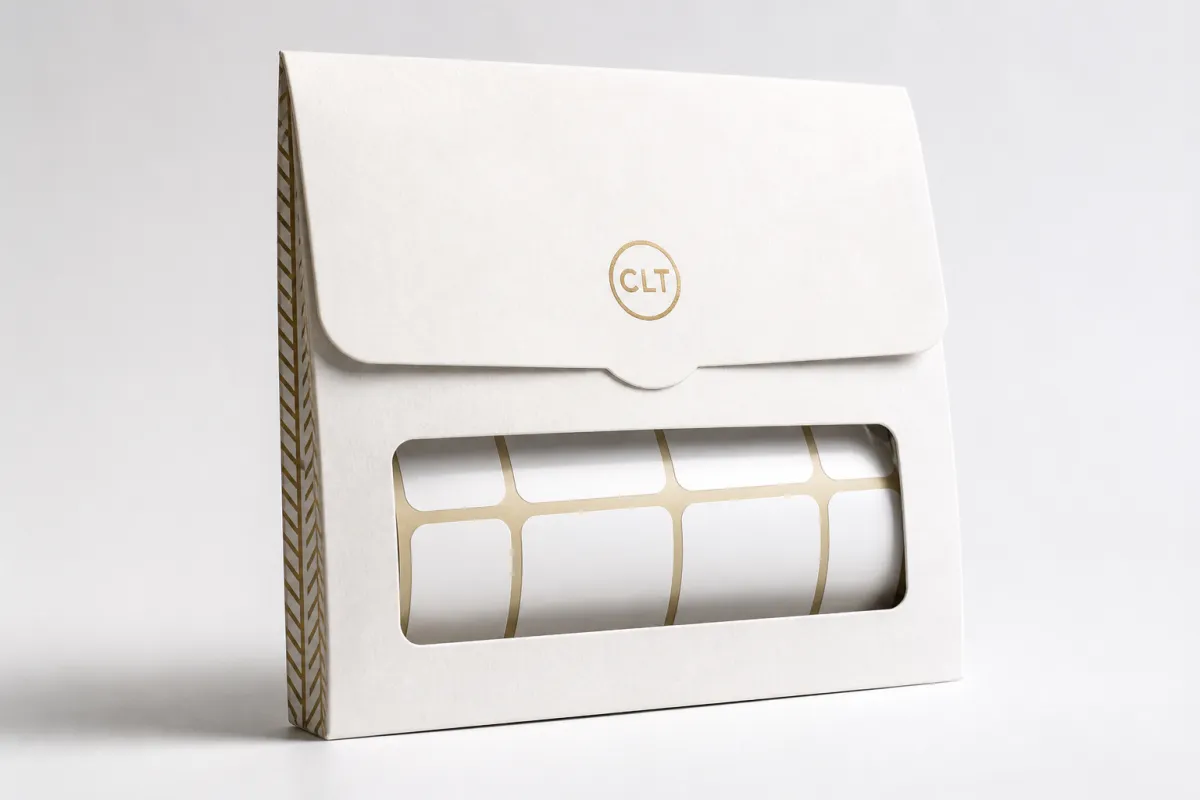
Custom adhesive labels bulk orders reduce more than the line item on the invoice. They remove the hidden costs that quietly drain margin: repeated setup charges, proof revisions, rush freight, emergency reorders, and the awkward scramble that happens when the last carton is labeled and the next production run was never scheduled.
Take a brand that ships the same 12 oz bottle every month. Small reorders often bring fresh setup work, extra approval cycles, and more chances for color shifts or trim variation. A custom adhesive labels bulk purchase steadies the whole process. The team gets one reliable spec, a more predictable price band, and far fewer late-day messages asking where the label inventory went.
The penalty for short runs is rarely limited to the print cost. Smaller orders tend to absorb overhead more heavily, which makes the unit cost rise. Freight also becomes less efficient when it is spread across fewer labels. Artwork drift creeps in. Proofing takes more time. Reorders become one more thing the operations team has to remember while juggling everything else.
- Repeated press setup and calibration time
- Higher per-unit pricing because fixed costs are spread across fewer labels
- More freight cost per label
- Artwork changes that slip in between reorders
- Mixed batches that make retail packaging look inconsistent
Consistency matters in package branding. A label is part of the package, not a separate accessory. If the same SKU ships with slightly different whites, two trim sizes, or a batch that wrinkles because the adhesive does not suit the container, the shelf will reveal it immediately. Retail buyers see it. Customers see it. So do the people on the packing line, usually after the shipment has already left.
Bulk buying also makes inventory planning easier. A clean forecast on custom adhesive labels bulk lets a brand line up labels with bottles, jars, cartons, or mailers instead of treating labels as something to sort out later. That matters even more when a launch depends on several coordinated pieces, including Custom Labels & Tags, Custom Packaging Products, and ship-ready cartons. When one item stalls, the rest of the line waits.
Shipping and distribution conditions deserve attention too. Labels face vibration, compression, temperature swings, and repeated handling once a product leaves the plant. ISTA publishes useful guidance for that kind of transit testing, and it is worth comparing your label spec against the realities of the route, not just the artwork file. For reference, see ISTA.
Bulk labels are not the place to guess your way through a purchase. Guessing gets expensive fast.
Buyers often spend a lot of time on carton strength and then act surprised when label inventory turns into the bottleneck. Short-run buying can feel flexible, yet it often creates more waste than it saves. Custom adhesive labels bulk is the steadier path, and it usually wins on cost for the simple reason that fewer surprises tend to cost less.
Custom adhesive labels bulk: materials, finishes, and use cases
Material choice decides whether custom adhesive labels bulk works in the real world or just on a render. Paper, BOPP, polypropylene, and specialty films each carry different strengths. The right move is to match the substrate to the product environment, not to force the product to behave around the label.
Paper labels are the economical choice for dry, indoor applications. They suit shelf-stable cartons, shipping inserts, and products that do not spend time near water, condensation, or greasy hands. A dry storage room and a stable shelf can make paper a perfectly sensible answer. A chilled case or a damp warehouse floor changes the story quickly.
BOPP and polypropylene are often the safer pick for moisture resistance. They hold up better on bottles, jars, and products that get handled, chilled, or wiped down. That is why so many custom adhesive labels bulk orders for food, supplements, and cosmetics land here. The material gives the label more forgiveness, and packaging teams appreciate anything that forgives a little abuse.
Specialty films are built for tougher conditions, including abrasion, oil, and repeated handling. They are not necessary for every application, but they make good sense when the label has to survive warehouse movement, shipping, and retail shelf life without looking tired after a few days.
Finish changes the feel and the visual read of the label. It is not just decoration. It affects how the label catches light, how it wears in the hand, and how well it resists scuffing.
- Matte gives a softer look and hides fingerprints well.
- Gloss increases color pop and makes artwork look brighter on shelf.
- Soft-touch creates a more premium tactile feel for upscale packaging.
- Textured finishes can support natural, artisan, or craft positioning.
Brand promise and finish should match. A minimalist skincare line usually benefits from a controlled matte surface. A beverage brand may want gloss to sharpen color contrast. A supplement label might need clarity and clean legibility before anything else. Good packaging choices follow the product story, not the other way around.
Adhesive selection deserves the same level of care. For custom adhesive labels bulk, the adhesive can matter just as much as the print face.
- Permanent adhesive for long-term use on bottles, cartons, and jars
- Removable adhesive for temporary promotions, warehouse use, or reusable containers
- Freezer-grade adhesive for cold chain products and condensation-heavy environments
- High-tack adhesive for rough or difficult surfaces such as some kraft cartons
Bulk buying becomes especially useful when a brand runs multiple SKUs that share one visual system. A label family can cover flavor changes, scent variations, or size differences without forcing tiny production runs for every version. That keeps the retail packaging consistent while still allowing product-level variation. It also keeps reorder planning from becoming a daily chore.
For premium programs, especially where sustainability claims matter, paper sourcing should be documented with care. Chain-of-custody options through the Forest Stewardship Council can matter more than buyers expect, particularly when retailers ask for proof of responsible sourcing. Customers may never ask for the paperwork, but retail buyers often do, and they tend to ask at the least convenient moment.
For custom adhesive labels bulk, the practical rule stays simple: dry product, paper may be enough; moisture or handling, move to film; cold storage or rough treatment, be specific about adhesive and test the spec before placing the full order. That is how you avoid paying for the same mistake twice.
Specifications that matter: size, adhesive, roll format, and durability
Specs decide whether custom adhesive labels bulk projects work or fail. A beautiful design with the wrong dimensions is just expensive paper with ambition. Width, height, corner style, roll direction, core size, and label count per roll all need to be locked down before pricing begins. Loose specs produce loose quotes, and loose quotes make budgets drift.
Buyers should confirm the following before requesting pricing for custom adhesive labels bulk:
- Exact dimensions in inches or millimeters, including bleed if needed
- Corner style, such as square, rounded, or custom die-cut
- Substrate the label will stick to: glass, PET, kraft, coated carton, or metal
- Application method: hand-applied, semi-automatic, or machine-applied
- Roll details: core size, outside diameter, and roll direction
- Quantity by SKU if multiple versions are involved
Adhesive choice is not a minor technical detail. It determines whether the label stays on the bottle or leaves during the first cold rinse. Permanent adhesive is common for retail packaging. Removable adhesive makes sense when the label needs to peel away cleanly. Freezer adhesive is built to tolerate low temperatures and condensation. High-tack adhesive helps on difficult or rough surfaces. Ask the wrong thing of the adhesive and it will answer with a failure.
Durability is the next filter. Not every label needs heavy-duty performance, but some labels need enough resilience to survive a real supply chain.
- Water resistance for bathrooms, kitchens, and refrigerated products
- Oil resistance for cosmetics, balms, and food products with greasy contact
- Abrasion resistance for shipping, shelving, and warehouse handling
- UV resistance for displays near windows or in bright retail environments
- Temperature performance for freezer, chilled, or heat-exposed products
The list sounds straightforward until someone orders a paper label for a bottle that cycles in and out of cold storage all day. Then the label curls, the edges lift, and everyone acts surprised. The problem was never the price. It was the spec.
Roll format matters a great deal if the line uses applicators. Rolls move faster through production and fit more naturally into semi-automatic or automatic application systems. Sheets can still work for hand application, short runs, or promotional kits. For custom adhesive labels bulk, rolls usually make more operational sense because they reduce labor and keep application consistent.
Before approving a run, ask for proof details that reflect the actual use case. A label that wraps around a bottle should be checked for curved-surface behavior. A carton label should be checked for initial grab. A freezer label should be reviewed for performance under temperature change. A supplier who cannot answer those questions is not helping you buy; they are just taking the order and hoping for the best.
Packaging and shipping tests can be aligned with ASTM methods or supplier-backed validation, which gives the buyer enough data to avoid blind guessing without turning the project into a lab exercise. That is the point of custom adhesive labels bulk: consistent output, not decorative chaos.
Custom adhesive labels bulk pricing, MOQ, and quote basics
Custom adhesive labels bulk pricing comes from a handful of clear variables. Material choice, size, shape, finish, color count, adhesive type, and whether the order ships on rolls or sheets all affect cost. Quantity matters too, because setup costs need enough volume behind them to make the run efficient.
Minimum order quantities exist because printing is not a zero-cost exercise. Press setup, die cutting, calibration, and proofing all consume time. A small run has to absorb those costs over fewer labels, which is why the unit price can look unreasonable on very small orders. As quantity grows, the per-label price usually falls into a range that is actually useful for the buyer. That is not marketing magic. It is production math.
For practical quote comparisons on custom adhesive labels bulk, ask for stepped pricing. The clearest tiers are often 1,000, 5,000, 10,000, and 25,000 pieces. Those levels make the unit-cost drop visible instead of leaving you to infer it from a single number that may not reflect the order you actually need.
| Order tier | Typical unit price range | Best fit | What to watch |
|---|---|---|---|
| 1,000 pieces | $0.12-$0.28 each | Launch tests, short promotions, low-risk pilots | Setup cost is spread thin; compare proofing and freight carefully |
| 5,000 pieces | $0.05-$0.14 each | Most standard retail packaging orders | Usually the sweet spot for repeat custom adhesive labels bulk buying |
| 10,000 pieces | $0.03-$0.10 each | Steady SKUs, multi-shift packing, growing brands | Great unit economics if artwork is stable |
| 25,000 pieces | $0.02-$0.07 each | High-volume products, national rollout, warehouse replenishment | Storage and SKU control matter more at this size |
Those ranges move with coverage, material, and finish. A full-bleed label with several spot colors and a premium laminate costs more than a simple one-color paper label. That is normal. The mistake is comparing a gloss BOPP quote to a paper quote as though they are the same product. They are not.
Good bulk pricing is not only cheaper per label. It is cheaper per usable, on-time, application-ready label. That distinction matters because a quote that leaves out shipping, proofing, or revision work is not really lower. It is merely incomplete, and incomplete pricing tends to become expensive at the worst moment.
When reviewing custom adhesive labels bulk quotes, ask these questions:
- Is the price based on the exact size and shape I need?
- Does it include one proof or multiple proof rounds?
- Is freight included or separate?
- Are finishing steps such as lamination or special die cutting included?
- What happens if I need a reorder with the same spec?
For brands building repeatable package branding, reorder simplicity often matters more than shaving a penny off a run that will never repeat. A buyer usually gets more value by locking in a reliable spec at a slightly higher tier than by chasing the cheapest quote and cleaning up the fallout later.
Process, timeline, and turnaround for bulk label orders
The process for custom adhesive labels bulk should feel boring in the best possible way. Request specs. Receive quote. Approve artwork. Review proof. Produce. Package. Ship. If a supplier turns that into a mystery, keep moving. Printing labels is not a scavenger hunt.
Timing breaks into three parts. The first stage is quote and proof, which depends on how complete the buyer’s information is. The second stage is production, which depends on material availability, print method, and order size. The third stage is shipping, which has its own transit clock. Buyers who ask only “How fast can you make it?” are skipping most of the timeline.
For custom adhesive labels bulk, the most common delays are human, not mechanical:
- Artwork arrives without a dieline
- Fonts are not outlined and the proof has to go back
- Color changes are requested after approval
- The buyer waits on sign-off because several people need to weigh in
- Order specs shift after production has already been quoted
That is why early planning matters for seasonal launches, rebrands, and regulatory changes. When a product has a hard launch date, labels should never be the last item on the list. The mistake is common, yet it still causes production delays. A launch schedule can survive a lot, but a label delay can still stop the whole line.
Here is a practical timeline for many custom adhesive labels bulk orders once artwork is clean and specs are settled:
- Proofing: 1-3 business days
- Production: often 7-15 business days depending on volume and material
- Shipping: separate transit time based on destination and service level
Those windows are realistic planning ranges, not promises. A straightforward reprint may move faster. A specialty film order with heavy coverage and finishing can take longer. When a supplier claims every order is fast, the claim usually hides the parts of the job that actually drive turnaround.
Clear status updates help more than vague reassurance ever will. Buyers should not have to chase every detail. When a team is balancing custom adhesive labels bulk, packaging components, and internal approvals, one direct point of contact can save more time than a long chain of follow-up messages.
Some projects also need coordination with broader product packaging or custom printed boxes so the label system and outer packaging stay aligned visually and operationally. If the bottle label and the carton label use different finishes or color targets, the brand can start to look inconsistent even when both files are technically correct. That kind of mismatch is easy to miss until a buyer points to it.
One more practical detail: if the order is tied to a regulated product, leave enough room for compliance review. That is not a sales trick, it is just a reality of packaging work. A label that is pretty but illegal is still a bad label.
Why choose us for custom adhesive labels bulk
Buyers choose a label supplier for three reasons: consistency, clarity, and speed. Fancy sales language does not print labels. Process does. At Custom Logo Things, the point of custom adhesive labels bulk is to give brands a practical way to reorder the same spec without rebuilding the job every time.
Consistency matters because a label that looks right in the first batch should look right in the fifth. That means controlled color, accurate die cutting, and materials that actually match the approved sample. For brands with multiple SKUs, that consistency is part of retail packaging and branded packaging strategy, not just production housekeeping.
Clarity matters because quote confusion wastes time and money. When a supplier can explain why freezer adhesive costs more, why a laminate is needed, or why a label should move from sheet to roll format, the buyer gets a better result. A supplier who hides behind generic answers is asking the customer to do the technical work for them.
Here is what buyers should expect from a practical custom adhesive labels bulk partner:
- Realistic pricing tied to actual specs, not vague ranges
- Support for different adhesives, finishes, and roll configurations
- Proof review that catches issues before production starts
- Quality checks that reduce the chance of reprints
- Fast answers on repeat orders and reorders
Flexibility matters too. Some brands need one size across a product family. Others need variations for flavor, language, region, or regulatory content. A good bulk label process should handle both without forcing a clumsy workaround. That matters even more when labels sit inside a larger packaging system alongside Custom Labels & Tags or a broader set of Custom Packaging Products.
Quality control saves money, even though it never feels dramatic while it is happening. A careful proof review can keep a typo from turning into 20,000 bad labels. Color checks can stop drift before a second batch prints. Material confirmation can keep an order from failing in cold storage. When buyers spend on custom adhesive labels bulk, they are buying print, but they are also buying risk reduction.
Responsiveness matters in the same practical way. A buyer should be able to get a direct answer on adhesive performance, roll direction, or whether a spec will work on a curved bottle without waiting through a long chain of vague replies. The best supplier is the one that answers technical questions plainly and quickly.
For brands that reorder often, repeatability is where the money lives. A stable custom adhesive labels bulk setup reduces surprises, keeps inventory cleaner, and helps operations plan around packaging instead of reacting to it. That kind of predictability is not flashy, but it pays back every month.
We also try to be honest about limits. If a requested material is likely to fail in a wet or frozen environment, we will say so, even if that means recommending a different build. That kind of straight answer is better for the order and better for the brand.
Next steps to order custom adhesive labels bulk without delays
If you want custom adhesive labels bulk to move smoothly, send the details that matter before asking for a quote. Start with label dimensions, product surface, quantity breakpoints, artwork files, finish preference, and application method. That is the minimum useful set. Everything beyond that makes the quote sharper.
The best buying sequence is simple:
- Choose the product environment first: dry, chilled, frozen, oily, or high-handling.
- Match the adhesive to that environment.
- Choose the material based on moisture, durability, and brand position.
- Pick the finish after the practical requirements are settled.
- Compare tiered pricing once the spec is locked.
That order prevents a lot of mistakes. Too many buyers start with finish because it is the part they can picture. Then they end up with a beautiful label that behaves badly. A nice-looking failure is still a failure.
Request samples or swatches before you commit if the application is sensitive. That is especially smart for freezer products, condensation-heavy environments, or premium retail packaging where tactile feel matters. A sample reveals more in ten seconds than a spec sheet can explain in ten pages.
Before approving the final proof for custom adhesive labels bulk, check the details line by line:
- Spelling and punctuation
- Color references and brand matches
- Dieline placement and trim
- Roll direction and label count per roll
- Core size and outside diameter
- Any required regulatory text or barcode placement
That final review is not busywork. It is what keeps a batch from becoming costly scrap. The price of one careful proof is tiny compared with the cost of reprinting thousands of labels because a barcode landed in the wrong zone or the wrong artwork version got approved.
If you are building a long-term supplier relationship, ask about reorder flow and wholesale support. Some buyers start with a single SKU and expand into a full family of products, then into broader programs through Wholesale Programs. That is where stable label specs begin paying back month after month.
The short version is simple: custom adhesive labels bulk works best when the buyer gives enough detail to quote accurately and produce cleanly the first time. That is how you keep costs down, keep schedules intact, and avoid the very familiar disaster of opening a box of labels that were never right for the job.
If you are placing the first order, the most useful move is to send a finished dieline, the container material, the storage temperature range, and the application method in one packet. That gives the printer enough context to recommend the right adhesive and format instead of guessing, which is usually where the trouble starts.
Frequently asked questions
How many bulk custom adhesive labels do I need to get better pricing?
Most price breaks begin at common volume tiers such as 1,000, 5,000, and 10,000 units. Ask for stepped quotes so you can see the real unit cost drop instead of guessing from a single number. If you reorder often, a slightly higher MOQ can be cheaper than repeated small runs. That pattern shows up often with custom adhesive labels bulk on stable SKUs.
What material is best for custom adhesive labels bulk on bottles?
BOPP or polypropylene is usually the safer choice for moisture, handling, and refrigeration. Paper can work for dry products, but it is less forgiving around condensation and abrasion. If the bottle gets wet or refrigerated, ask for a waterproof finish or laminate. For custom adhesive labels bulk, bottle use usually points toward film instead of paper.
What is the typical turnaround for custom adhesive labels bulk orders?
Proofing usually happens first and can add a day or two if artwork needs edits. Production time depends on size, finish, and volume, but bulk orders generally take longer than short runs. Shipping time is separate, so build the full timeline from proof approval to delivery. That keeps custom adhesive labels bulk planning realistic instead of optimistic.
Can I order custom adhesive labels bulk in multiple sizes or versions?
Yes, though each size or version may count as a separate SKU with its own setup requirements. If the design is shared across versions, ask whether you can reduce costs by keeping materials and finishes consistent. Multiple versions are common for flavor, scent, language, or regulatory differences. Custom adhesive labels bulk can handle that, but each variation should be priced separately.
What files do you need for custom adhesive labels bulk artwork?
A vector file such as AI or PDF is best for clean print quality. Use outlined fonts, correct bleed, and high-resolution images if raster elements are included. If you do not have a dieline, ask for one before you finalize the layout. Clean files make custom adhesive labels bulk faster to proof and less likely to need fixes.
Do I need a laminate on every label order?
No. Laminate helps when the label needs extra abrasion resistance, moisture protection, or a premium finish, but it is not required for every job. A dry, short-life carton label may do fine without it, while a chilled bottle or a product handled all day usually benefits from that extra layer. If you are unsure, test the sample in the same conditions the product will face.

