Buyer Fit Snapshot
| Best fit | Custom Apparel Mailer Bags projects where brand print, material claims, artwork control, MOQ, and repeat-order consistency need to be specified before quoting. |
|---|---|
| Quote inputs | Share finished size, material target, print colors, finish, packing count, annual reorder estimate, ship-to region, and any compliance wording. |
| Proofing check | Approve dieline scale, logo placement, barcode or warning zones, color tolerance, closure strength, and carton packing before bulk production. |
| Main risk | Vague material claims, crowded artwork, missing packing details, or unclear freight terms can make a low unit price expensive after revisions. |
Fast answer: Custom Apparel Mailer Bags: Branding, Cost, and Fit should be specified like a repeatable production item. The safest quote records material, print method, finish, artwork proof, packing count, and reorder notes in one written spec.
Production checks before approval
Compare the actual filled-product size with the drawing, then confirm tolerance on folds, seals, hang holes, label areas, and retail display edges. Reserve space for logos, QR codes, warning copy, and material claims before decorative graphics fill the panel.
Quote comparison points
Review material grade, print process, finish, sampling route, tooling charges, carton quantity, and freight assumptions side by side. A quote is only useful when the supplier can repeat the same color, closure quality, and packing count on the next order.
Custom Apparel Mailer Bags: Branding, Cost, and Fit
Custom apparel mailer bags do more than carry folded garments from packing table to doorstep. They shape the first physical impression of a brand, and that impression tends to hang around. Before someone opens a hoodie, a tee, or a pair of joggers, they have already felt the thickness of the bag, seen the print, and registered whether the shipment looks cared for or thrown together.
That is why custom apparel mailer bags sit at the intersection of branded packaging, product packaging, and fulfillment efficiency. A mailer can stay plain and practical, or it can carry color, finish, and a more polished opening experience. Small choices decide which way it goes: film texture, seal quality, artwork placement, opacity, and how the bag feels once it lands on a counter or desk.
Custom Apparel Mailer Bags: Why They Matter More Than You Think
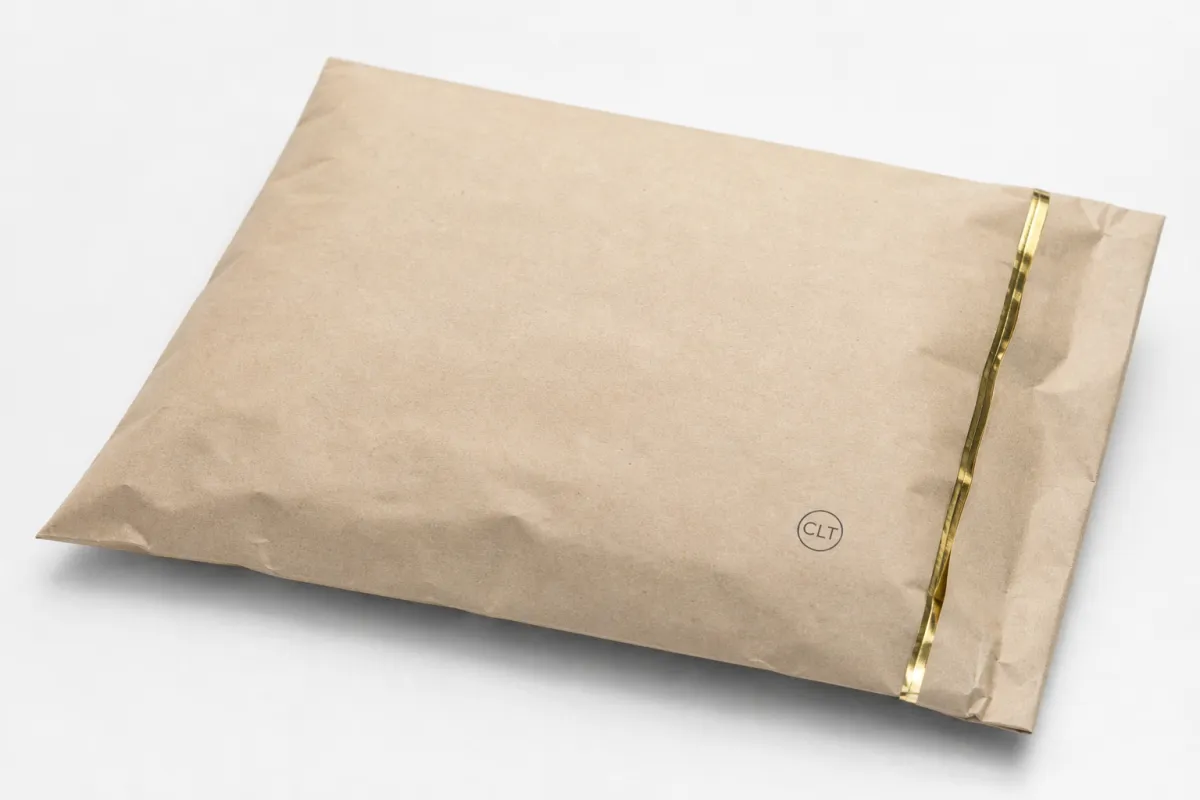
In day-to-day use, custom apparel mailer bags are Printed Shipping Bags built for folded clothing, ecommerce orders, and direct-to-home delivery. Their job is straightforward: stay light, protect soft goods, and move quickly through the packing line. Most apparel brands choose them for items that do not need a rigid box, which is why they show up so often in fulfillment operations.
One detail gets overlooked constantly. Two identical hoodies can feel like different products once the outer packaging changes. Put one in a plain gray mailer and the other in a tightly printed custom apparel mailer bag, and the second shipment usually feels more intentional. The garment is the same, yet the perceived value shifts right away.
That shift comes from packaging design, not decoration alone. Color, surface finish, logo scale, and the amount of negative space around the folded product all influence how premium the shipment feels. Strong package branding does not need to shout. It just needs to look deliberate, measured, and appropriate to the product.
For a packaging buyer, the decision usually comes down to three questions: does the bag protect the product, does it keep freight-friendly dimensions, and does it support the brand story without slowing the operation down? Custom apparel mailer bags work especially well when the product is soft, the shipment needs to stay light, and the brand wants a cleaner presentation than a plain mailer can offer.
A plain mailer protects a hoodie. A well-specified mailer can also protect margin by raising perceived value without adding the cost of a rigid box.
That distinction matters because many apparel brands reach for custom printed boxes on every launch, then realize boxes are overbuilt for tees and sweatshirts. Others pick stock mailers and save a little up front, but lose a clean chance to reinforce retail packaging standards in the home-delivery channel. Custom apparel mailer bags sit between those extremes. They are less formal than a box, yet far more expressive than a blank poly bag.
Thinking in tiers usually leads to better packaging decisions. Core basics may only need simple custom apparel mailer bags. Higher-value bundles may deserve layered presentation. Limited releases may call for inserts, tissue, or rigid outer packaging. That structure keeps spend under control while still giving the important products more room to stand out.
How Custom Apparel Mailer Bags Work in Shipping and Unboxing
The path from warehouse to customer looks simple on paper, but every step affects how the package performs. A garment is folded, inserted, sealed, labeled, moved through transit, and opened by the customer. If the bag is too small, packing slows down. If it is too large, the product shifts around and the shipment looks loose. If the seal is weak, the result can be damage or returns. Each stage matters.
Construction details matter more than many buyers expect. Film thickness, tear resistance, and seal strength all change how custom apparel mailer bags behave in real shipping conditions. A thinner film may reduce cost up front, but it can split on a hanger edge, a packing knife, or a rough conveyor corner. A stronger structure costs more, yet it can reduce claims and keep customer service from getting buried.
Branding usually comes through flexographic printing, digital printing, or a simpler spot-color layout. Flexo tends to fit larger runs because setup becomes efficient once the plates are made. Digital printing makes more sense for shorter runs, frequent artwork updates, or designs with many colors. Spot-color graphics often look crisp and calm, especially for brands that want custom apparel mailer bags to feel minimal rather than busy.
The opening moment deserves as much attention as the shipping stage. Easy-open strips, resealable closures, and interior printing all shape how customers read quality. A tear strip signals convenience; a resealable double-seal supports returns; printed interiors make the package feel considered instead of purely functional. That is one reason custom apparel mailer bags can carry more branding weight than their size suggests.
Different garment types call for different structures:
- Lightweight tees: often fit well in slimmer custom apparel mailer bags with moderate film thickness.
- Bulkier sweatshirts: usually need extra depth and a stronger seal so the fold does not strain the closure.
- Subscription drops: benefit from bold graphics because repeat customers notice consistency quickly.
- Gift-ready apparel: may call for a cleaner opening behavior and a more refined print finish.
- Retail returns: work better with a double-seal or reseal feature that supports reverse logistics.
For brands comparing formats, it helps to look at the role each package plays in the system. Custom Packaging Products cover the wider range, while Custom Poly Mailers are often the closest comparison when you are deciding whether the order needs a printed bag, a box, or a mix of the two.
Transit testing should stay in the conversation from the start. A supplier can describe a bag as shipping ready without testing it under your actual use pattern. If orders move through a rough parcel network, ask whether the structure has been checked against ISTA-style transit methods or against internal drop and vibration tests. That question is basic quality control, not overengineering.
Custom Apparel Mailer Bags Design Factors That Affect Performance
Size comes first. The right dimensions reduce wasted space, lower shipping inefficiency, and keep garments from sliding around inside custom apparel mailer bags. Too tight, and the fulfillment team fights the package. Too loose, and the shipment reads as less premium than it should. Good fit usually comes from testing the top three SKUs, not from guessing off a spec sheet.
Material choice carries just as much weight. Recycled poly can suit brands that want lower material use and a familiar shipping feel. Virgin poly may deliver more consistency in strength and seal reliability. Compostable blends can support a sustainability story, but they are not a shortcut; disposal claims still need to match real conditions. Paper-based alternatives can also work, though they need careful review for moisture resistance and compatibility with recycling systems.
If sustainability is part of the message, verify the claim before printing it on the bag. FSC-certified paper structures are worth considering when the brand wants a fiber-based option, yet certification alone does not mean every local bin will accept the package. For disposal guidance, check the EPA's recycling resources and local municipal rules rather than assuming every market handles packaging in the same way. Clear claims travel better than vague ones.
Print design has limits of its own. Safe zones matter, especially near seams and closure edges. Dense artwork can look sharp in a mockup and muddy in production if the bag is stacked in a bin, bent during packing, or viewed under warehouse lighting. Logos need contrast. Typography needs room to breathe. Without that balance, the branding disappears at the exact point where it should be doing the work.
Functional details should guide the artwork, not the other way around. Peel-and-seal closures speed packing. Double-seal options support returns. Tear strips simplify opening. Opaque finishes help protect contents. Gussets add room for thicker apparel. These choices are not decorative extras. They shape the performance profile of custom apparel mailer bags.
Audience behavior matters too. A premium fashion label usually wants custom apparel mailer bags to feel quiet, elevated, and precise. A basics brand may care more about speed, cost, and protection. A subscription brand may want repeat recognition more than dramatic graphics. The right answer depends on how often the customer sees the package and how much the outer layer needs to do.
Packaging strategy deserves its own look. Not every item needs the same treatment. The strongest programs often mix custom apparel mailer bags with other formats, such as custom printed boxes for hero products, gifting moments, or bundled launches. That mixed approach keeps the system grounded in real use rather than presentation for its own sake.
Custom Apparel Mailer Bags Cost, Pricing, and MOQ Considerations
Cost usually comes down to five variables: material type, print complexity, bag size, closure style, and order volume. Add custom dimensions or specialty finishes, and the price climbs again. That is normal. Custom apparel mailer bags cost far less than rigid packaging, yet they are still manufactured goods with setup, printing, and freight built into the final number.
MOQ, or minimum order quantity, shapes the level of risk. Lower minimums help with testing, seasonal launches, and influencer drops. Higher volumes often bring the unit cost down, but they also raise inventory exposure if the artwork changes or the fit misses the mark. A brand moving quickly may choose a smaller run of custom apparel mailer bags even if the per-unit price is a little higher.
Below is a practical way to think about cost tiers for custom apparel mailer bags at a mid-sized order level. These are directional ranges, not quotes, because artwork coverage, resin choice, and freight all move the final number.
| Option | Typical Use | Approx. Unit Cost at 5,000 Pieces | Notes |
|---|---|---|---|
| Plain stock-size poly mailer | Basics, back-of-house shipping, low-visibility programs | $0.10-$0.18 | Lowest upfront spend, limited brand impact |
| One-color custom apparel mailer bags | DTC apparel, logo-led branding, moderate volume | $0.18-$0.28 | Good balance of print clarity and cost control |
| Full-coverage printed mailers | Fashion launches, giftable products, stronger package branding | $0.30-$0.55 | More visual impact, higher setup and print costs |
| Specialty or paper-based mailers | Sustainability-led programs, premium presentation | $0.40-$0.75 | Needs careful validation for strength and disposal claims |
Those numbers only tell part of the story. Setup fees, plate charges, proof rounds, sample runs, freight, and warehousing can all change the real spend. Brands often focus on the unit price and ignore the costs that land before the first bag ever ships. A low quote can turn expensive if the supplier charges for every revision or if inventory has to sit in storage for months.
A lower unit price is not the same as a lower packaging cost if the bag splits, slows packing, or weakens the brand experience.
One simple rule keeps the decision grounded: if a slightly better bag reduces returns, speeds fulfillment, or lifts perceived value, it may cost less overall than the lowest-priced option. That is especially true for custom apparel mailer bags, where the package is visible, handled, and remembered.
For buyer teams comparing options, it helps to weigh custom apparel mailer bags against other fulfillment tools. A brand shipping premium sets may prefer a printed box, while a label-heavy basics line may stay with mailers. The right call depends on product price, margin, and how much package branding the brand needs to justify the ticket.
Production Steps, Lead Time, and Turnaround for Custom Apparel Mailer Bags
Most production runs follow a familiar sequence: brief, dieline approval, artwork prep, proofing, sampling, manufacturing, quality control, packing, and shipping. If any of those steps get rushed, the final product can drift away from the original intent. Custom apparel mailer bags may look simple, yet they still need disciplined prepress work and careful approval.
Delay usually begins with artwork. Late file changes, poor resolution, or repeated color matching revisions can push the schedule without warning. Material shortages can do the same thing, especially if the order calls for an uncommon film or a specialty finish. Approval bottlenecks are another frequent cause. A bag can sit idle because marketing wants one more logo adjustment while operations is waiting on a final proof.
Simple jobs move faster. Single-color logos on a stock size often turn around more quickly than multi-color artwork, custom dimensions, or specialty materials. A realistic planning window for custom apparel mailer bags is usually measured in business days rather than calendar optimism. A safer schedule includes proof approval, sample review, production, and freight as separate blocks of time.
Apparel launches depend on the calendar more than most teams admit. Holiday peaks, influencer drops, back-to-school campaigns, and event-driven releases all create pressure on packaging timelines. If custom apparel mailer bags are tied to a specific launch date, build buffer time before the launch, not after it. That buffer matters even more when the bags need to coordinate with inserts, tissue, or a wider retail packaging system.
Packaging standards help here because they force a more serious approach to testing. A supplier may promise cosmetic quality, but transit quality is a different question. If you want to check the claim, ask for samples under real conditions, then inspect seal integrity, label adhesion, and print durability after folding and a short simulated transit cycle. Standards bodies such as ISTA exist for a reason: packages that look good on a desk do not always behave well in parcel handling.
Turnaround planning also benefits from a direct look at inventory. A brand launching limited capsule collections may not want to hold large quantities of custom apparel mailer bags in storage. A line that stays steady year after year can justify larger orders. The better answer depends on forecast confidence, not just the quote sheet.
Common Mistakes When Ordering Custom Apparel Mailer Bags
The most common mistake is sizing error. Bags that are too small slow the fulfillment line because staff have to force garments into them. Bags that are too large waste material and can make products look less premium. The best fit usually comes from testing folded dimensions, not from assuming all tees or sweatshirts behave the same way.
Design overreach is the next trap. Busy artwork, weak contrast, and tiny logos can make custom apparel mailer bags look cluttered instead of branded. A mailer has limited visual space. If the print tries to carry too many ideas at once, the result often feels cheaper than a simpler layout would have felt.
Performance mistakes can cost just as much. Thin films puncture. Weak seals open in transit. Poor closure selection slows packing or complicates returns. These are not abstract concerns. They become customer complaints, support tickets, replacement shipments, and extra time on the warehouse floor.
The sustainability trap deserves a clear warning. A brand may want to say a package is recyclable or compostable, but that claim has to match the actual structure and disposal pathway. If the package combines materials or coatings that local programs do not accept, the message gets confusing fast. Honest labeling matters more than marketing language. Use FSC-backed paper sources where relevant, and check recovery guidance instead of assuming the market will read the claim the way the brand intends.
Operational mistakes are often the easiest to prevent. Some teams order custom apparel mailer bags before validating the sample. Others ignore line speed and later discover the bag is awkward to open or seal at volume. A small test run can prevent a much larger headache. So can asking the fulfillment team to weigh in before final approval.
Another mistake is treating every product the same. A premium knit, a kids' tee, and a heavyweight hoodie do not need identical packaging logic. The outer package should match the fold, the weight, and the customer expectation. That becomes even more important if the same brand also uses custom printed boxes for gift sets or higher-margin bundles.
Expert Tips for Smarter Custom Apparel Mailer Bags
Use a packaging hierarchy. Keep the most premium finishes for hero products, launch moments, or higher-margin collections, and keep everyday SKUs streamlined. That approach is usually more realistic than trying to make every shipment feel like a special edition. Custom apparel mailer bags work best when they support a clear tiering strategy.
Test one variable at a time. If size, material, print coverage, and closure style all change at once, it becomes hard to tell what improved the result and what made it worse. A clean test might compare two sizes first, then two materials, then two graphics. That kind of discipline shows which change actually helped fit, speed, or appearance.
Ask for samples that reflect real use, not only a polished proof. Fold the actual garments. Apply the shipping label. Shake the bag. Set it aside for a day and open it again. If the seal feels stiff, if the label wrinkles, or if the package looks awkward after handling, that information is worth keeping. Custom apparel mailer bags should make the work easier, not add friction.
Think about consistency across channels. Ecommerce mailers, PR kits, retail carryout, and return packaging should feel like pieces of one system. The graphics do not need to match exactly, but the brand language should still be recognizable. That is where package branding becomes more than a logo. It becomes a repeatable visual code.
Use outside standards to support the decision. Transit stress, material claims, and sustainability language become stronger when they connect to a reference point outside the brand. For shipping performance, ask whether the package can survive handling aligned with ISTA methods. For paper choices, verify sourcing claims against FSC documentation. The goal is not to collect acronyms. The goal is to make the packaging decision harder to question later.
There is also a branding lesson many apparel teams miss. The strongest custom apparel mailer bags do not merely look good in a photo. They support repeatability by making fulfillment faster, damage lower, and customer perception stronger. That outcome carries more value than novelty ever will.
Honestly, the smartest brands treat custom apparel mailer bags as a controlled experiment. They start with a narrow use case, measure the result, then expand only after the data shows the format is earning its place. That is a healthier approach than ordering the flashiest option and hoping it works everywhere.
Next Steps for Ordering Custom Apparel Mailer Bags
Start with a packaging audit. List your top apparel SKUs, their folded dimensions, and the shipping experience each one needs. Which items are basics, which are premium, and which are likely to be giftable? Once that is clear, custom apparel mailer bags become easier to specify because the package starts from the product instead of from a generic bag size.
Then request a short comparison set from suppliers. Ask for material options, sample bags, dielines, and pricing at two or three volume tiers. That comparison should show more than unit cost. It should also show seal type, print method, expected lead time, and any setup charges. If a supplier cannot explain those pieces clearly, the quote is not ready for a decision.
Build a decision matrix. Cost matters, but so do print quality, sustainability claims, fulfillment speed, and customer experience. A simple scorecard can help the team compare custom apparel mailer bags against other formats like custom printed boxes or standard shipping mailers. That side-by-side view usually makes the right answer easier to see.
Pilot one bag design with a small product run before scaling it across the full catalog. A pilot catches mistakes that a spec sheet will never reveal. It also shows whether the bag actually improves the unboxing experience or only looks good in a mockup. Good packaging has to survive contact with operations.
For brands that want to expand the packaging mix, Custom Packaging Products can support a wider strategy that includes ecommerce mailers, retail packaging, and presentation pieces. If the apparel line depends heavily on soft goods, custom apparel mailer bags are often the easiest place to begin because they balance cost, fit, and brand impact so cleanly.
Choose custom apparel mailer bags that fit the product, the timeline, and the brand story. Then refine the program from real customer feedback, not assumptions. That is how custom apparel mailer bags move from shipping supplies to a brand asset. If the first sample feels off in hand, trust that signal and adjust before you commit to a full run; printing good bags is easy, but printing the wrong ones gets expensive fast.
What are custom apparel mailer bags used for?
They are used to ship folded clothing items such as tees, sweatshirts, activewear, and accessories without needing a bulky box. They also help brands add visual identity to the shipping experience while keeping packing faster and more efficient.
How do I choose the right size for custom apparel mailer bags?
Measure the folded product, then add just enough room for insertion, sealing, and label placement. Test your top SKU in a sample bag first, because fit problems usually show up during real packing, not on a spec sheet.
Are custom apparel mailer bags more expensive than plain mailers?
Usually yes, because printing, custom sizing, and material upgrades raise the unit price. They can still pay off if they reduce damage, improve brand recall, or support higher perceived product value.
What affects turnaround time for custom apparel mailer bags?
Artwork approvals, print method, order volume, and material availability all affect production speed. Sampling, freight timing, and last-minute design revisions are common reasons orders take longer than expected.
Do custom apparel mailer bags need extra protection for clothing?
Most soft goods do not need extra cushioning, but thicker garments, premium orders, or long-distance shipping may benefit from a stronger bag or inner wrap. The right answer depends on product weight, transit conditions, and how polished you want the unboxing to feel.

