Buyer Fit Snapshot
| Best fit | Custom Apparel Paper Bags projects where brand print, material claims, artwork control, MOQ, and repeat-order consistency need to be specified before quoting. |
|---|---|
| Quote inputs | Share finished size, material target, print colors, finish, packing count, annual reorder estimate, ship-to region, and any compliance wording. |
| Proofing check | Approve dieline scale, logo placement, barcode or warning zones, color tolerance, closure strength, and carton packing before bulk production. |
| Main risk | Vague material claims, crowded artwork, missing packing details, or unclear freight terms can make a low unit price expensive after revisions. |
Fast answer: Custom Apparel Paper Bags: Design, Cost, and Process should be specified like a repeatable production item. The safest quote records material, print method, finish, artwork proof, packing count, and reorder notes in one written spec.
Production checks before approval
Compare the actual filled-product size with the drawing, then confirm tolerance on folds, seals, hang holes, label areas, and retail display edges. Reserve space for logos, QR codes, warning copy, and material claims before decorative graphics fill the panel.
Quote comparison points
Review material grade, print process, finish, sampling route, tooling charges, carton quantity, and freight assumptions side by side. A quote is only useful when the supplier can repeat the same color, closure quality, and packing count on the next order.
Custom apparel paper bags: why they feel premium right away
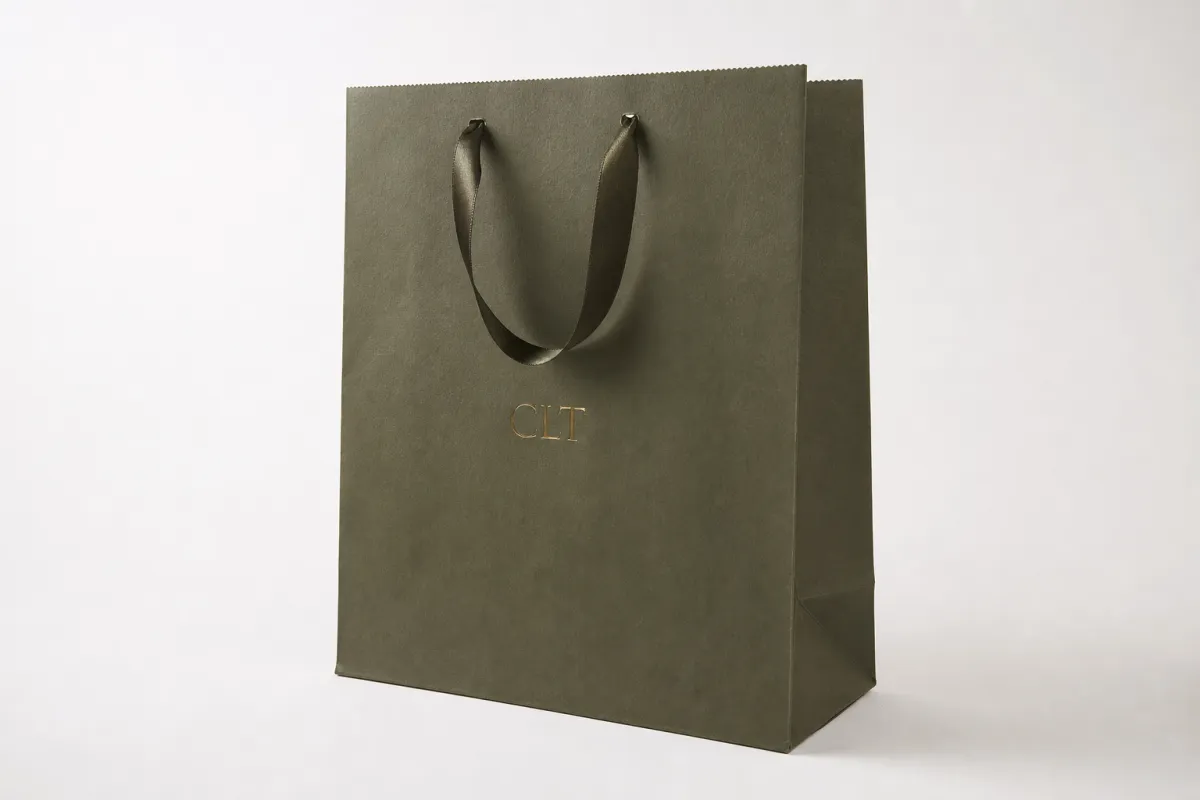
Custom apparel paper bags start shaping the customer experience before the garment is even in view. A hand reaches for the handle, the paper gives a little texture back, the bag keeps its shape instead of slumping, and that small physical exchange sets the tone for the purchase. People read those details quickly. A tidy bag with good structure signals care, and that is a big reason custom apparel paper bags show up so often in boutiques, pop-up shops, mall retail, and gift-with-purchase programs. Packaging is not only about containment; it is part of how the brand is understood.
From a buyer's perspective, the bag is carrying more than product. It needs to protect the apparel, support package branding, and leave the customer with the sense that the purchase was considered from start to finish. Folded tees, premium denim, branded outerwear, and gift sets all benefit from that extra layer of presentation. A weak bag gives the whole transaction a cheaper edge. A bag that feels crisp, balanced, and properly built changes the mood the second it is lifted, and that really matters when the sale needs to feel worth the money.
The tactile choices do more work than many brands expect. A heavier board gives the bag a firmer stance on the counter. Matte paper creates a quieter, more restrained finish, while gloss pushes color forward and makes graphics visible from across the room. Rope handles, ribbon handles, twisted paper handles, and die-cut grips all create different experiences in the hand, and each one changes how custom apparel paper bags are used in real retail settings. A reinforced top edge and a secure handle patch often help the bag hold up to reuse, which matters for branded packaging that may stay in circulation after the original sale. If a customer is gonna carry the bag around town, it better feel solid in the hand.
These bags fit in more places than people sometimes assume. A small boutique may want an elegant compact bag with tissue and a hangtag. A pop-up may need a flatter option that stacks neatly and keeps the checkout line moving. A retailer offering in-store pickup can use a bag sized for folded apparel and an insert card. Brands that already use Custom Packaging Products for seasonal launches can keep the same visual language across boxes, tissue, and bags without making the presentation feel repetitive.
The practical way to think about custom apparel paper bags is simple: they are tied to branding, structure, and budget all at once. A richer finish affects cost, a heavier paper changes load performance, and a larger format changes freight and storage. Once those tradeoffs are clear, ordering becomes much easier to manage, because the decision is based on use instead of guesswork. That kind of clarity saves time later, especially when a launch is already moving fast.
How custom apparel paper bags are made and printed
Custom apparel paper bags usually begin with one of three material families: kraft paper, coated paper, or specialty board. Kraft has broad appeal because it looks natural, takes ink well for many retail graphics, and often supports recycled content without feeling underfinished. Coated paper or SBS-style board gives sharper detail and smoother color, which suits fashion brands that want clean logos and strong contrast. Specialty board can bring texture, a soft-touch surface, or a more substantial hand, though it usually raises cost and can affect recyclability depending on the final treatment. None of those choices is automatically better; the right one depends on how the bag will actually be used.
Paper weight matters just as much as paper type. Smaller folded apparel bags may use stock around 120-150 gsm, while stronger retail bags often move into the 180-250 gsm range, especially if the bag needs to carry denim, shoes, or boxed accessories. For premium custom apparel paper bags, buyers often choose reinforced top edges and bottom inserts so the bag stands upright instead of collapsing under the load. That stiffness is not just a visual choice; it protects the garment and makes the bag easier to carry, which is a small but very real part of the customer experience.
Printing method shapes both appearance and pricing. Digital printing works well for short runs, variable artwork, or projects with tight turnaround, since setup is lower and proofs move quickly. Offset printing is usually better for larger volumes and tighter control over brand color, especially on jobs with multiple tones, photos, or exact Pantone targets. Flexographic printing can fit simpler graphics on kraft or utility-style bags, particularly when the artwork is bold and the quantity is high. For custom apparel paper bags, the right method depends on order size, print coverage, and how closely the brand wants the final color to match approved artwork.
The converting stage is where the flat sheet becomes a usable retail item. After printing, the board is die cut, folded, glued, and shaped into the finished structure. Handles are inserted or attached, bottom panels are secured, and reinforcement pieces are added where the design calls for them. Alignment, corner strength, and handle attachment are checked before packing. This is also where embossing, spot UV, matte lamination, aqueous coating, or hot stamping may be added. Each finish changes the bag in a different way. Matte lamination softens glare and gives the bag a more understated look. Spot UV brings forward a logo or pattern. Hot stamping adds metallic detail that can suit higher-end retail packaging. The trick is not to pile on every effect just because it is available.
Material choice deserves the same care as visual design for brands that think seriously about sustainability. The FSC system helps identify paper sourced from responsible forest management, and water-based inks or simpler coatings can support a cleaner specification. A fully coated or heavily laminated bag may look premium, yet in some local recycling systems it can be harder to recover. The better question is not which finish looks the most expensive, but which finish supports the use case, the budget, and the end-of-life plan for these custom apparel paper bags. A supplier who gives a straight answer about that tradeoff is usually worth listening to.
Process and timeline: from quote to delivery
The quickest path to an accurate quote for custom apparel paper bags is to share the production details that actually affect cost and timing. A supplier needs the finished dimensions, quantity, paper stock or target weight, handle style, number of print colors, finish, and ship-to location. If the bag will hold a boxed garment, a heavy knit, or several folded items, say so early. That one detail can change the construction, the glue pattern, and the internal reinforcement. Leaving it out usually means somebody has to guess, and guessing is where delays begin.
Once those details are in hand, proofing begins. A project usually moves through dieline review, a digital mockup, and a color check against brand files. For many custom apparel paper bags, a digital proof is enough when the artwork is straightforward and the schedule is tight. A physical sample earns its place for premium launches, seasonal campaigns, or any bag that has to fit a product precisely. Plenty of projects are improved by a sample run, since it exposes size problems, handle placement issues, and color shifts before full production starts. That extra step can feel a little fussy, but it often saves the whole order from a costly correction.
After approval, production moves through a familiar sequence: printing, coating or finishing, cutting, gluing, handle insertion, quality checks, packing, and freight booking. None of those steps feels glamorous, though each one affects the schedule and the quality of the final bag. A large offset job may sit behind another press run. Specialty ribbon handles can carry a separate lead time. Custom inserts or reinforcement pieces add assembly time. That is why custom apparel paper bags rarely behave like a simple off-the-shelf item once they move onto the shop floor.
Turnaround time depends on complexity and response speed. A simple run using stock materials and fast proof approval might be ready in roughly 12-15 business days after sign-off. A more involved order with specialty finishes, custom handles, or tight color matching can run longer, especially if freight adds a few days or the production calendar is already crowded. The timeline usually comes down to three things: print schedule, material availability, and how quickly the buyer responds to proofs. Slow approvals can create more delay than the manufacturing itself, which is why a clean review process matters just as much as the print spec.
Shipping deserves the same planning as the production run. The ISTA standards are a useful mindset even when the bag itself is not being tested as a consumer package. If bags are carton-packed, palletized, and moved across a long distance, the outer cartons still need to arrive without crushing the goods inside. A clean production job can still become a frustrating delivery if freight is not planned carefully. Experienced buyers ask about carton counts, pallet patterns, and receiving instructions before the order leaves the dock. With custom apparel paper bags, that kind of planning prevents expensive surprises later.
Custom apparel paper bags cost and pricing factors
Custom apparel paper bags price out according to a handful of predictable variables, and once those are understood, supplier quotes become much easier to compare. The main drivers are paper grade, bag size, print coverage, number of colors, handle style, and whether reinforcement is needed. A small kraft bag with a one-color print and twisted paper handles usually lands far below a large laminated fashion bag with cotton rope handles, foil stamping, and a reinforced mouth. That difference is not just a branding premium; it reflects real material and labor cost.
Minimum order quantity has a major effect on unit price. Setup costs for printing, die cutting, and finishing are spread across the order, so the per-piece cost drops as volume rises. A 1,000-piece run of custom apparel paper bags can look expensive per unit because the press setup and cutting tools are divided across fewer bags. A 5,000-piece run is often more efficient, and a 10,000-piece run can offer better economics if storage and cash flow allow it. Buyers sometimes chase the lowest quote without checking the MOQ, which can create a mismatch between the budget and the actual need.
Finishing changes the cost curve too. Simple branding with one or two ink colors is usually easier to price. Add matte lamination, spot UV, embossing, or hot stamping, and both labor and material costs rise. That does not make premium finishes a bad choice. It means they should be used with intention. For custom apparel paper bags, a single embossed logo on a solid-color bag can feel more refined than a design crowded with multiple effects. Restraint often leads to a cleaner result and a more manageable quote.
Freight, packaging, and storage should be treated as real budget items. A low manufacturing price can become an expensive order once cartons are palletized, shipped long distance, and stored at the receiving site. Oversized bags can drive freight up quickly because of dimensional weight. Fragile finishes packed in smaller carton counts can push packaging cost higher. Smart buyers compare total landed cost, not only ex-factory price. A fair comparison requires the same dimensions, paper weight, print method, handle style, and delivery terms across every quote. If one supplier prices a glossy bag and another prices a matte one, those are not the same order, even if the line item looks close.
| Bag Type | Typical Use | Common Specs | Relative Unit Cost | Notes |
|---|---|---|---|---|
| Simple kraft retail bag | Pop-ups, folded tees, casual apparel | 120-150 gsm kraft, twisted paper handles, 1-color print | Low | Good for volume and quick turnaround |
| Printed coated paper bag | Boutiques, multi-item apparel purchases | 180-250 gsm board, rope handles, full-color offset print | Medium | Stronger visual impact and cleaner artwork |
| Premium laminated bag | Luxury retail, gift programs, launches | Thicker board, matte or gloss lamination, foil or embossing | High | Best for strong package branding and repeat use |
As a rough market range, many buyers see simple custom apparel paper bags land somewhere around $0.18-$0.45 per unit at higher volumes, while more premium retail versions can move into the $0.60-$1.50 range or higher depending on size, finish, and handle type. Smaller quantities cost more per bag because the setup burden is heavier. Those figures are not a promise; they are a practical reference point. The real quote depends on the exact spec, the print coverage, the supplier's material sourcing, and the shipment terms.
If you already source items like tissue, inserts, or Custom Packaging Products, ask whether they can be bundled into one coordinated program. A bundled approach can simplify packaging design and keep colors, materials, and delivery timing aligned. That is especially useful for brands that want consistent retail packaging across stores and promotions. It also makes it easier to catch mismatches before they reach the floor.
Step-by-step guide to ordering the right bag
The strongest way to order custom apparel paper bags is to begin with the use case, not the artwork. A folded tee wrapped in tissue needs a different structure than a boxed hoodie, a silk blouse, or a denim bundle. If the customer may carry multiple items, the bag needs more depth, stronger handles, and a firmer bottom. If the garment is light and compact, the bag can be slimmer and less expensive. Starting with the use case keeps the packaging design practical from the start, instead of forcing the product to fit a bag that was chosen for looks alone.
Next, choose dimensions based on the actual product stack. Many buyers size the bag to the garment alone and forget about tissue, inserts, hangtags, or a folded box. The result looks fine on paper but pinches at the top once the product is packed. For custom apparel paper bags, a little extra room is usually better than a tight fit, because the package opens and closes more cleanly and the handle stress stays lower. A bag that is slightly too large can still feel polished; a bag that is too small looks strained and tends to wear out sooner.
Branding deserves a clear hierarchy. Keep the front panel readable at arm's length, especially in retail lighting where glare and movement can make artwork harder to read. If the logo is the main identity signal, let it breathe. If secondary copy such as sustainability language, a web address, or a seasonal line name belongs on the bag, place it where it supports the logo instead of competing with it. Good package branding usually turns out to be simpler than people expect. The strongest bags often rely on one clear visual idea instead of several competing ones.
Before full production, request a sample or at least a detailed mockup, then test the bag in real conditions. Fill it with the actual folded garment, lift it by the handle, set it on a counter, and see whether the bottom stays flat. Check handle comfort, paper creasing, and how the bag folds for storage. If store staff need to assemble bags quickly, that matters too. The smoothest custom apparel paper bags are not only attractive; they are easy for retail teams to use dozens of times a day. That is the part people usually forget until the first busy shift.
Finish by confirming the specs, delivery date, and receiving instructions in writing. Make sure the buyer and supplier agree on carton counts, pallet height, shipping address, and responsibility for freight damage if it occurs. That is not paperwork for its own sake. It is the step that keeps a good job from turning into a confusing one. A clear spec sheet for custom apparel paper bags should always include size, stock, print colors, finish, handle style, quantity, and destination before production begins.
Expert tips for better custom apparel paper bags
One of the most common mistakes is overbuilding the bag for the product. Not every garment needs the heaviest board available. Lightweight tees, scarves, and accessories can sit comfortably in lighter custom apparel paper bags, while denim, footwear, and layered outerwear need more structure. If paper weight is chosen only by feel in the hand, overspending becomes easy. If the choice is made only on price, the bag may fail in use. The better answer sits between those two extremes, and a good supplier should be willing to talk through that tradeoff instead of pushing the most expensive option.
Artwork discipline matters more than many teams realize. A crowded front panel can make even a premium bag feel less confident. Keep the logo strong, use brand color with intention, and leave enough open space for the eye to land. That holds true for retail packaging, but it also applies to the bag that carries the sale out the door. A restrained design usually photographs better, stacks more cleanly in-store, and supports branded packaging across tissue, inserts, and related materials. Brands that also use Custom Packaging Products usually benefit from one coordinated visual system instead of a separate look for every item.
Reinforcement deserves careful attention because it is where many bags fail first. The top edge and handle attachment area take repeated stress, especially when a customer lifts the bag with one hand or swings it from a car seat. A modest top patch, a stronger glue line, or a better handle anchor can make a real difference in durability. With custom apparel paper bags, that small construction choice can separate a bag that gets through a busy retail day from one that tears after a hard carry. Once a customer has a bad experience there, they remember it.
Storage and assembly on the sales floor matter too. Flat-packed bags that stack neatly and open cleanly save time every day. If the bags spring apart awkwardly, stick together, or resist folding, the problem may never appear in a proof, but it will show up in store operations. The best custom apparel paper bags are efficient behind the counter. Good retail packaging has to work for the team, not only for the customer.
Sustainability claims should stay grounded in the materials actually used. Recycled content, FSC-certified paper, water-based inks, and uncoated kraft all help tell a more responsible story, but not every eco feature fits every brand. Heavy lamination can complicate recyclability. Specialty finishes can add waste if they are used only for visual effect. The EPA offers practical guidance on recycling behavior and material recovery at epa.gov/recycle, which can help a buyer make a defensible material choice instead of following a trend. The best custom apparel paper bags balance durability, appearance, and end-of-life handling.
“A good bag should disappear into the experience until the customer notices how solid it feels.” That is the kind of quiet quality most retail teams want from custom apparel paper bags.
Think of the bag as part of a larger packaging system. It should support the garment, match the shelf presentation, and work alongside tissue, labels, inserts, and any outer shipper or custom printed boxes already used for online orders or gift programs. When those pieces line up, the whole package feels deliberate. That is the real value of thoughtful packaging design: fewer weak links, fewer surprises, and a better experience from checkout to carry-out.
Next steps for ordering custom apparel paper bags
If you are ready to source custom apparel paper bags, begin with a clear spec sheet before asking for quotes. List the dimensions, quantity, budget range, paper stock preferences, print colors, finish, handle style, and destination. That preparation saves a lot of back-and-forth and usually leads to more accurate pricing on the first pass. If the bags are for a launch, gift-with-purchase program, or seasonal retail rollout, say so. The use case can shape construction and lead time more than many buyers realize.
Request at least two apples-to-apples quotes so you can compare custom apparel paper bags on the same stock, same construction, and same delivery terms. A quote that looks cheaper may be based on a thinner board, a smaller bag, fewer print colors, or a different freight assumption. Ask each supplier to spell out the dieline, handle type, finish, and whether packaging is included in the quoted price. A bid that leaves out a detail is not a fair comparison yet, and it can mislead the whole decision.
Before approving full production, review the proof carefully and ask for a sample if the bag will carry a premium garment or a high-visibility retail promotion. This is where the size, print position, color accuracy, and handle feel get confirmed. For custom apparel paper bags, a sample can be worth the extra day or two because it shows the real-world result instead of a flat screen version. You can see whether the bag stands properly, whether the logo sits at the right height, and whether the finish reflects light the way you expected.
Build a timeline with an approval buffer, production time, transit time, and a small safety margin for seasonal launches or store openings. That buffer protects a project when a proof needs another round or freight gets delayed. It also helps to define the receiving plan in advance: where the cartons go, who checks the count, how the bags will be stored, and how staff will fold or distribute them. The strongest custom apparel paper bags strategy is not only about the bag itself; it is about the process around it.
If you want a broader packaging program, use the bag order as a chance to align with other branded materials. Many buyers pair bags with inserts, tissue, labels, or Custom Packaging Products so the presentation feels unified. That coordinated approach is especially useful for fashion brands that care about retail packaging, product packaging, and package branding at the same time. When the materials, colors, and delivery dates line up, the result feels sharper and the operation runs cleaner.
Custom apparel paper bags work best when they are treated as a practical branding tool, not a throwaway accessory. Choose the Right structure, keep the artwork disciplined, compare quotes carefully, and confirm the real-world handling details Before You Buy. Do that, and your custom apparel paper bags will carry more than garments; they will carry the right first impression and a cleaner retail experience for everyone involved.
What paper weight works best for custom apparel paper bags?
Light tees and accessories can use a lighter stock, while heavier garments need a thicker board or reinforced construction. If the bag will carry boxed items or multiple pieces, ask for extra top reinforcement and a stronger handle attachment. The best choice balances feel, print quality, and load strength rather than choosing the heaviest sheet automatically. A bag that is too heavy for the product can feel overdone and drive up cost for no real benefit.
How long does it take to produce custom apparel paper bags?
Timing depends on proof approval, stock availability, print method, finishing, and shipping distance. Simple runs with fast approvals move much quicker than orders that need special coatings, custom handles, or physical sampling. Build in extra time for retail launches and seasonal promotions so one delayed approval does not push the whole job. If the bag has to arrive with other packaging components, align the timelines early so nothing lands out of sequence.
Are custom apparel paper bags recyclable?
Many paper bags are recyclable when they are clean and not heavily laminated. Handles, coatings, and specialty finishes can affect local recycling rules, so it is smart to check the materials list. Choosing recycled content and keeping the design simple can improve both sustainability and end-of-life recovery. If your market has stricter recycling rules, ask the supplier how the selected finish will be handled in practice, not just in theory.
What affects the price of custom apparel paper bags the most?
The main drivers are paper stock, size, print coverage, finishing, handle style, and order quantity. Freight and packaging can also change the final cost, especially on larger or heavier orders. To compare suppliers fairly, make sure every quote uses the same specifications. Otherwise, the lowest number can hide a thinner board, smaller dimensions, or a different production method that changes the final result.
Can I order custom apparel paper bags in smaller quantities?
Yes, but the unit cost is usually higher because setup costs are spread across fewer bags. Digital printing can help lower minimums for some designs, while offset and specialty finishing often require larger runs. If you need a smaller order, simplify the artwork and finish to keep pricing and turnaround more manageable. A simpler spec is often the difference between a workable short run and one that gets bogged down in extra setup.

