Buyer Fit Snapshot
| Best fit | Custom Bakery Box Sleeves for Sustainable Packaging projects where brand print, material claims, artwork control, MOQ, and repeat-order consistency need to be specified before quoting. |
|---|---|
| Quote inputs | Share finished size, material target, print colors, finish, packing count, annual reorder estimate, ship-to region, and any compliance wording. |
| Proofing check | Approve dieline scale, logo placement, barcode or warning zones, color tolerance, closure strength, and carton packing before bulk production. |
| Main risk | Vague material claims, crowded artwork, missing packing details, or unclear freight terms can make a low unit price expensive after revisions. |
Fast answer: Custom Bakery Box Sleeves for Sustainable Packaging should be specified like a repeatable production item. The safest quote records material, print method, finish, artwork proof, packing count, and reorder notes in one written spec.
Production checks before approval
Compare the actual filled-product size with the drawing, then confirm tolerance on folds, seals, hang holes, label areas, and retail display edges. Reserve space for logos, QR codes, warning copy, and material claims before decorative graphics fill the panel.
Quote comparison points
Review material grade, print process, finish, sampling route, tooling charges, carton quantity, and freight assumptions side by side. A quote is only useful when the supplier can repeat the same color, closure quality, and packing count on the next order.
Custom bakery box sleeves can turn an ordinary pastry carton into something that feels ready for a gift counter, a display case, or a special-order pickup. They do it with less board than a fully printed box, which matters when a bakery wants presentation without paying for decoration it does not need. For brands that care about shelf appeal, sustainability, and the realities of rotating flavors, custom bakery box sleeves function as a practical layer of packaging design, retail packaging, and brand messaging all at once.
That mix matters because customers usually notice the package before they taste a crumb. A sleeve can carry the logo, flavor name, seasonal note, and handling details while the base carton keeps the product protected. In day-to-day operations, custom bakery box sleeves give a bakery a way to keep its look current without rebuilding the whole box every time the menu shifts.
I have seen this play out in small bakeries and larger production kitchens alike: the carton is often fine, but the branding needs to move faster than the structure. One pastry shop I worked with changed flavors weekly but kept the same cake box all quarter. A sleeve solved the mismatch. It gave them a fresh look for each launch, and it spared them the storage headache of carrying separate custom boxes for every product line.
What Are Custom Bakery Box Sleeves?
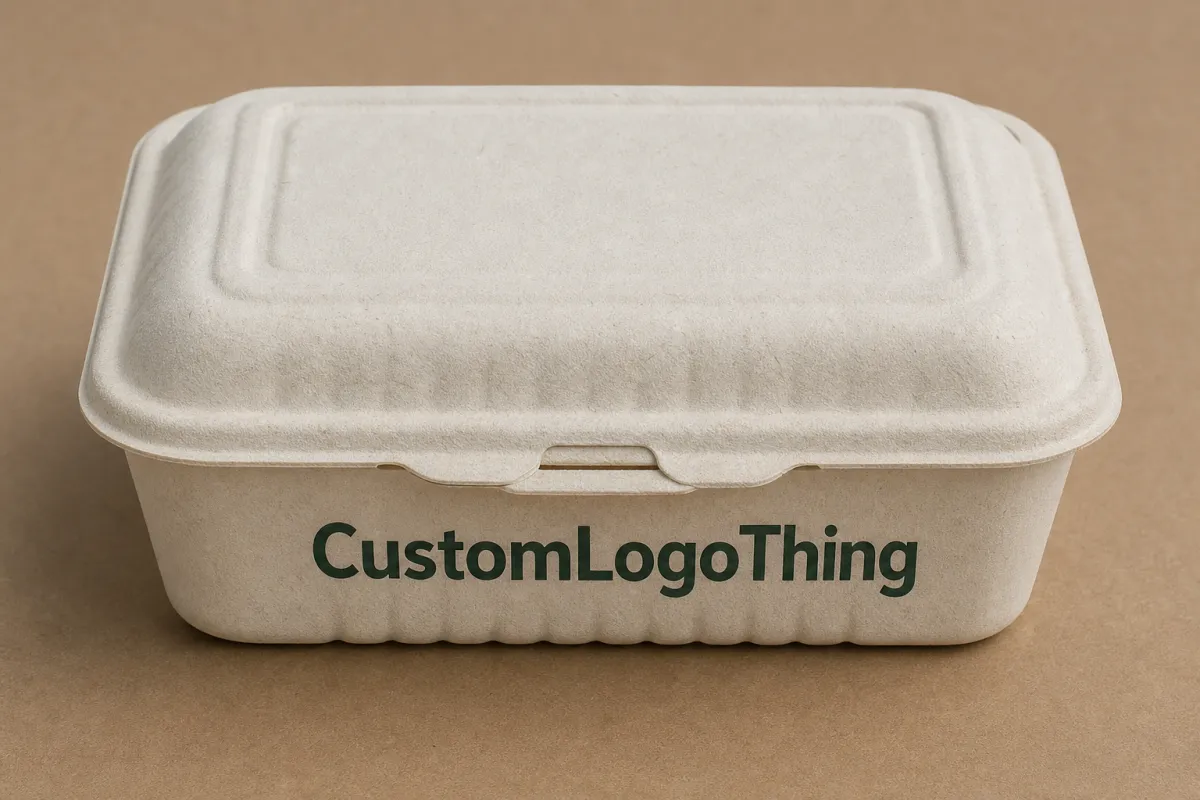
At its core, custom bakery box sleeves are printed paperboard wraps, bands, or partial jackets that fit around an existing bakery box. Some are full wraps with an overlap seam. Others are belly bands that cross the front and sides. Top-lock versions frame the lid area and leave more of the carton visible. The idea is simple: keep the base carton, then add a printed surface that communicates the brand story, the product identity, and a cleaner visual finish.
That format gives bakeries room to move. One stock box can hold cupcakes in the morning, cookie assortments later in the day, and holiday gift sets at the end of the week, each with different sleeve artwork. For shops that sell multiple flavors or small-batch launches, custom bakery box sleeves are often easier to manage than storing separate Custom Printed Boxes for every SKU. The same footprint can carry different pricing cues, different seasonal graphics, and different ingredient notes without creating a storage problem.
The customer experience also changes in a subtle but important way. A sleeve is often the first surface a shopper sees on the shelf or at the register, and it can make a simple box feel deliberate instead of generic. In retail packaging, that matters because the sleeve helps the package read like a finished product rather than a plain container. A well-planned band can create a stronger front-facing panel, direct attention to the logo, and make the box feel giftable before anyone opens it.
One reason custom bakery box sleeves work so well is that they let a bakery change the look of the package without changing the structure every time. If the base box already fits the product and stacks neatly, the sleeve can carry the visual lift. That is often a smarter place to spend budget than paying for a fully decorated box when only the outer message needs to change.
From a packaging design perspective, the format also helps organize product families. A chocolate line can use one sleeve color, a fruit tart line another, and the seasonal line a third. The customer gets a clearer read on flavor and value, while the bakery gets a more orderly shelf presentation. That is why custom bakery box sleeves appear so often in gift boxes, pastry assortments, and limited-release bakery promotions.
How Custom Bakery Box Sleeves Support Sustainable Packaging
The sustainability story begins with material efficiency. If the base box already does its job, custom bakery box sleeves can add branding and information without replacing an entire carton. Fewer printed surfaces, less board coverage, and often less ink than a fully decorated package follow from that choice. For a bakery trying to reduce waste without sacrificing presentation, that is a concrete advantage rather than a slogan.
Inventory efficiency is part of the picture too. One stock box with several sleeves can support many products, which reduces the number of carton SKUs a bakery has to buy, store, and eventually throw out. That can cut the risk of obsolete packaging sitting on a shelf after a menu change. In actual operations, waste reduction like that matters as much as recycled content, because a package that never gets used is still waste.
Material choice still counts. The best custom bakery box sleeves usually start with paperboard that is easier to recycle than heavily laminated or mixed-material packaging. Kraft stocks can signal a natural, lower-ink look. White SBS can deliver brighter color and sharper detail. Both can support sustainable packaging goals when the finish is chosen carefully and the design does not introduce unnecessary barriers for recovery.
In practical terms, the cleanest sustainability story usually comes from fiber-based board, modest ink coverage, and coatings that do not complicate recycling. The EPA recycling guidance is a useful reminder that local rules vary, and that contamination, coatings, and adhesives all affect whether a package belongs in the bin. For a fiber sourcing signal that customers can recognize, the FSC framework remains one of the clearest ways to communicate responsible forestry choices.
A sleeve should earn its board: if it does not add shelf impact, information, or operational flexibility, it is probably asking too much from the package.
There is a communication benefit here that often gets missed. Custom bakery box sleeves can carry composting instructions, ingredient callouts, reuse guidance, or simple recycling language right where the customer is already looking. That placement matters because people are more likely to read disposal or reuse information when it is printed on the package in their hand, not hidden on a website or a separate sign.
For bakeries that want a cleaner sustainability story without turning the box into a science project, the sleeve is usually the right middle ground. It gives the package a branded face, supports a lighter material profile than some full Custom Printed Boxes, and still leaves room for practical information. That combination makes custom bakery box sleeves a very workable packaging choice.
Materials, Cost, and Pricing for Custom Bakery Box Sleeves
Material selection shapes almost everything about custom bakery box sleeves: appearance, feel, fold quality, scuff resistance, and price. Common board choices include SBS, kraft, recycled paperboard, and premium textured stock. Each one creates a different look at the counter, and each one behaves a little differently in print and finishing. A bakery selling premium cupcakes may want bright white contrast and crisp typography. A rustic cookie line may look better on kraft with restrained color usage.
Pricing usually follows a few predictable drivers: board weight, print coverage, quantity, die-cut complexity, and finishing. A simple single-color sleeve on standard stock board can cost far less than a full-bleed, soft-touch, foil-stamped sleeve with a window cutout. In planning terms, custom bakery box sleeves often land in a useful middle zone. They are more branded than plain stock packaging, but they do not always carry the full cost of replacing the base carton.
| Material | Look and Print Quality | Common Use | Typical Price Impact at 5,000 Units |
|---|---|---|---|
| 18 pt SBS | Bright white, sharp color, clean folds | Premium cupcakes, cookie assortments, gift packaging | $0.10-$0.18 per sleeve before heavy finishing |
| Kraft paperboard | Natural, earthy, softer color contrast | Artisan breads, rustic pastries, eco-focused branding | $0.09-$0.16 per sleeve |
| Recycled uncoated board | Muted, tactile, lower gloss | Simple bakery lines, sustainability-led retail packaging | $0.08-$0.15 per sleeve |
| Premium textured board | Upscale feel, stronger shelf presence | Seasonal gifts, dessert samplers, specialty launches | $0.14-$0.24 per sleeve |
Finishing can shift cost in a noticeable way. A matte aqueous coating or light varnish usually keeps the surface practical without making the package feel overworked. Soft-touch lamination, foil stamping, spot UV, or embossing can lift the look, but they also push the price upward and may make recycling harder. That is why many bakeries reserve premium finishes for holiday runs or high-margin gift items instead of applying them to every sleeve in the line.
Quantity matters just as much as material. Small runs are possible, but the unit price usually improves as order size rises because setup costs spread across more pieces. For many bakeries, the most efficient orders land at 1,000, 2,500, or 5,000 pieces, though that depends on seasonal demand and storage space. Custom bakery box sleeves are especially useful here because a bakery can keep the base box consistent and vary only the sleeve art, which makes quantity planning easier than it would be with separate custom printed boxes for every product family.
If you are comparing sleeve specs with other formats, our Custom Packaging Products page is a useful starting point for understanding how a sleeve fits into the broader packaging mix. From a buyer's point of view, the real question is not just "What is the lowest unit price?" It is "What package gives me the best mix of shelf appeal, material efficiency, and inventory control?" That is where custom bakery box sleeves often justify themselves.
One practical rule holds up across categories: if a bakery sells many flavors from the same carton size, the sleeve can be a budget-smart upgrade. If every SKU needs its own board, insert, window, and structural variation, a fully custom box may be worth the extra spend. The right answer depends on volume, rotation speed, and how often the artwork changes. There is no universal winner, but there is usually a clear fit once the numbers are laid out.
Production Process and Timeline for Custom Bakery Box Sleeves
The production path for custom bakery box sleeves is straightforward when the specs are clear. It usually starts with dimensions and dieline confirmation, then moves into artwork setup, proofing, print, finishing, cutting, and packing. Each step sounds simple, yet small mistakes early on can create larger problems later, especially if the sleeve needs to fit tightly around an existing carton or coordinate with barcode placement and nutrition copy.
Artwork approval is one of the most common scheduling pressure points. If the copy is not finalized, if the logo file is not clean enough for print, or if the product details are still changing, the order can stall before production begins. For custom bakery box sleeves, a missing ingredient line or a late flavor change can be enough to push the whole schedule back by several days. The cleanest projects lock dimensions and content early, then leave only minor proof corrections for the final pass.
On press checks matter too. A sleeve can look perfect on a screen and still fail in production if the ink density, seam placement, or score depth is not balanced. In one bakery rollout I reviewed, the first sample bowed slightly because the fold scores were too shallow for the board weight. The fix was small, but it saved the line from producing a stack of sleeves that would have opened unevenly at the counter. Details like that are easy to miss until you handle the sample in person.
- Confirm the carton size. Measure the actual folded box, not just the nominal spec from the carton drawing.
- Approve the dieline. Check overlap, seam placement, and any tuck or lock details before artwork is placed.
- Review the proof. Read all copy, inspect colors, and verify that barcodes and legal text are clear.
- Run the print job. Standard printing usually moves faster than specialty finishes or multi-step decoration.
- Cut and finish. The sleeve is trimmed, scored, coated if needed, and packed flat for shipment.
- Fit-check the sample run. A physical test confirms that the sleeve sits correctly on the box and does not buckle or gap.
Timeline expectations should stay realistic. Simple custom bakery box sleeves on standard materials often move through production in about 12-15 business days after proof approval, while more complex jobs with specialty coatings, multiple inks, or custom windows can take closer to 15-25 business days. If the order needs freight coordination or split shipments, add extra time for delivery. The print schedule is only part of the calendar; the boxes need to arrive when the bakery actually needs them.
For items that travel through distribution or sit inside larger shippers, it pays to think about performance, not just appearance. If the sleeve is part of a broader shipping solution, testing methods aligned with ISTA 3A or ASTM D4169 can help confirm that the pack survives normal handling without scuffing, crushing, or slipping apart. That kind of thinking matters for custom bakery box sleeves because a beautiful sleeve is useless if it fails as soon as the boxes are stacked, shipped, or opened at the retail counter.
The operational lesson is simple: plan backward from launch day. Holiday drops, wedding season, and limited flavor releases all create fixed in-store dates. A bakery that waits until the menu is final and the shelves are empty is usually paying for rush corrections. A bakery that starts with the box size, the sleeve message, and the proof schedule usually gets a cleaner result.
How to Choose the Right Size, Structure, and MOQ for Custom Bakery Box Sleeves
The right fit starts with the actual folded carton. Measure the width, depth, and height after the box is assembled, then check how the board thickness affects the outside dimensions. A sleeve that looks perfect on paper can feel loose in hand if the box caliper was ignored, or too tight if the overlap was trimmed too aggressively. For custom bakery box sleeves, a sample fit check is usually worth more than a dozen emails because a few millimeters can change the way the whole package feels.
Structure comes next. A full wrap gives the most graphic area and creates a strong billboard effect. A belly band is usually lighter and easier to apply, which can matter for fast-moving bakery counters. A half-wrap or top-label style can highlight the lid while leaving more of the base box visible. Each option changes presentation and cost, so the choice should follow the product rather than the other way around. Cupcakes, cookies, pastries, and cake slices rarely need the same sleeve geometry.
Here is a practical way to think about the common formats for custom bakery box sleeves:
- Full wrap: Best for large branding panels, seasonal graphics, and product information.
- Belly band: Good for lighter coverage, fast assembly, and a cleaner natural-box look.
- Top-label sleeve: Useful when the lid carries the main message or a window needs framing.
- Partial jacket: A middle-ground option for premium presentation without full surface coverage.
MOQ, or minimum order quantity, is not just a supplier term. It is a planning tool. If a bakery sells a holiday line for six weeks, a larger MOQ may be smart because the artwork will stay relevant long enough to use the inventory. If the flavor changes every month, a smaller MOQ may be safer even if the unit cost rises a little. That is why custom bakery box sleeves work best when the design system is built around sales velocity, not just the appeal of a low per-piece price.
In many cases, the sweet spot is to keep one or two core sleeve sizes and vary the artwork by season, flavor family, or promotion. That reduces dieline work, speeds reorders, and makes storage easier. It also gives the bakery a more disciplined packaging design system, which helps the brand look consistent even as the menu changes. Strong custom bakery box sleeves support that kind of system very well because they can be refreshed without touching the base carton.
A physical prototype remains the safest decision aid. Even a simple mockup can reveal whether the sleeve slides too easily, grips too tightly, or hides too much of the box graphics underneath. That is especially useful if the box is being stacked for pickup, if the product is sold in a refrigerated case, or if the package will be handled repeatedly by staff. The cost of a sample is small compared with the cost of reprinting the wrong size.
Common Mistakes When Ordering Custom Bakery Box Sleeves
One of the biggest mistakes is measuring only one sample box and assuming every carton will match it exactly. In production, board caliper, folding variation, and glue tolerances can shift the finished size just enough to matter. For custom bakery box sleeves, that means the fit should be based on real assembled dimensions, not a flat spec sheet alone. A sleeve that is half a millimeter off can still seem fine on screen and feel wrong in the hand.
Another frequent problem is artwork that looks good in a mockup but fails in a real retail environment. Tiny legal copy, pale type on kraft, ingredient panels with too much information, and barcodes placed too close to a fold all create headaches. A sleeve has limited real estate, so every line has to earn its place. That is especially true for custom bakery box sleeves used on retail packaging where customers may only glance at the box for a second or two before choosing one product over another.
Durability mistakes are easy to overlook as well. A finish that looks elegant under soft studio lighting can scuff quickly on a bakery counter or show fingerprints after a few handoffs. Soft-touch lamination, heavy gloss, or dense ink coverage may make the sleeve feel premium, but not every finish belongs in a busy food-service environment. If the package will be stacked, chilled, or handled several times a day, the finish needs to suit that reality.
There is also a sustainability mistake that happens often: mixing recyclable fiber with non-recyclable decoration and then treating the whole package as eco-friendly. If the sleeve uses heavy plastic film, unsupported metallic effects, or a difficult adhesive system, the environmental story gets weaker. That does not mean finishes are forbidden, only that they should be used deliberately. For custom bakery box sleeves, a simpler finish often tells a more honest story than a flashy one.
Inventory mistakes can be just as costly as print errors. Ordering too many seasonal sleeves can tie up cash and storage space, while ordering too few can force a bakery to reuse old artwork long after the promotion is over. A smarter plan is to separate core sleeves from seasonal sleeves, then match quantities to actual sales velocity. That keeps the packaging fresh without creating a pile of obsolete boxes in the back room.
One more point gets missed often: do not assume the sleeve can fix a poor base box. If the carton itself is weak, awkward to assemble, or the wrong size for the dessert, the sleeve only hides the problem for so long. Good custom bakery box sleeves support a sound package; they do not rescue a badly chosen one.
Expert Tips and Next Steps for Custom Bakery Box Sleeves
If you want the best result, design the base box first and let the sleeve add the personality. That order sounds simple, but it saves a lot of trouble. A box that already stacks, ships, and protects the dessert well gives the sleeve a stable foundation. Then the sleeve can handle product differentiation, holiday artwork, and brand messaging without trying to fix a structural problem. That kind of packaging discipline makes custom bakery box sleeves pay off over time.
I also recommend building a small system instead of designing every sleeve from scratch. One or two core sizes, paired with seasonal artwork changes, can support a wide range of flavors and promotions. That keeps reorder planning cleaner, lowers the chance of dieline mistakes, and gives the brand a more consistent visual language. For bakeries that move quickly, that kind of repeatable structure is often better than chasing novelty with every order of custom bakery box sleeves.
Before you approve a run, ask for three things: a proof, a substrate sample, and a fold test. The proof checks color and copy. The substrate sample tells you how the board feels and whether the finish suits the product. The fold test confirms that the sleeve sits correctly on the box without bowing, tearing, or leaving awkward gaps. If the package will be used for premium gift sets, that extra step is even more valuable because customer expectations are higher.
It also helps to build a simple launch checklist. Confirm the final box dimensions, the sleeve size, the artwork, the barcode location, the material choice, the quantity, and the delivery date before production starts. If you are comparing sleeve programs with other formats, the team at Custom Packaging Products can help frame the decision against the broader mix of branded packaging options. The best custom bakery box sleeves usually come from clear specs, not from trying to correct things after the print run has already begun.
Here is the practical bottom line: a well-designed sleeve should make the box easier to sell, easier to organize, and easier to explain to the customer. If it also supports lighter material use and a more coherent sustainability story, even better. For bakeries that want shelf presence without overbuilding the package, custom bakery box sleeves remain one of the most efficient ways to combine branding, presentation, and restraint. Start with the carton dimensions, choose the simplest structure that supports the product, and verify the fit with a physical sample before you place the order.
Are custom bakery box sleeves better than fully printed boxes?
They are often a better fit when the base carton already works well and you want to add branding without redesigning the whole package. They can reduce material use, simplify inventory, and let one box size support several flavors or seasonal looks. Fully printed boxes still make sense when the structure and the decoration need to be built as one complete package from the start.
What material works best for custom bakery box sleeves?
Paperboard is usually the most common choice because it prints cleanly, folds well, and can be selected to match different sustainability goals. Kraft gives a natural, earthy look, while white SBS usually delivers brighter color and sharper detail. The best option depends on shelf appearance, recycling goals, and how much scuff resistance the sleeve needs.
How do I figure out the right size for bakery box sleeves?
Measure the actual folded box, not just the nominal carton size. Then account for board thickness, overlap, and whether the sleeve should slide on easily or fit snugly for presentation. A sample or dieline proof is the safest way to confirm the fit before a larger production run.
What affects the price of custom bakery box sleeves the most?
The biggest cost drivers are quantity, board choice, print coverage, finishing, and die-cut complexity. A simple sleeve with limited inks usually costs less than a sleeve with full-bleed art, specialty coatings, or a custom window. Unit cost generally improves as the order grows, so the right quantity depends on sales volume and storage space.
How long does production usually take for custom bakery box sleeves?
Timing depends on artwork approval, proofing, material availability, and finishing complexity. Straightforward designs on standard materials usually move faster than highly customized runs. The most reliable way to stay on schedule is to lock dimensions and artwork early, then plan backward from the in-store launch date.

