Custom baseball Caps Wholesale Pricing for golf brands is driven less by the cap itself than by the decisions around it. Small runs carry setup, proofing, and sampling costs that do not shrink much even when quantity drops. Bigger runs spread those fixed costs across more units, which is why the price curve often looks sharper than buyers expect.
For golf brands, the right cap has to sell in a pro shop, survive event use, and still look polished in photos, sponsor kits, or member boxes. The cheapest quote is not always the best value if it creates rework, slows approval, or leaves you with a product that does not match the first sample.
Why Golf Brands See Big Price Gaps Between Small and Bulk Runs
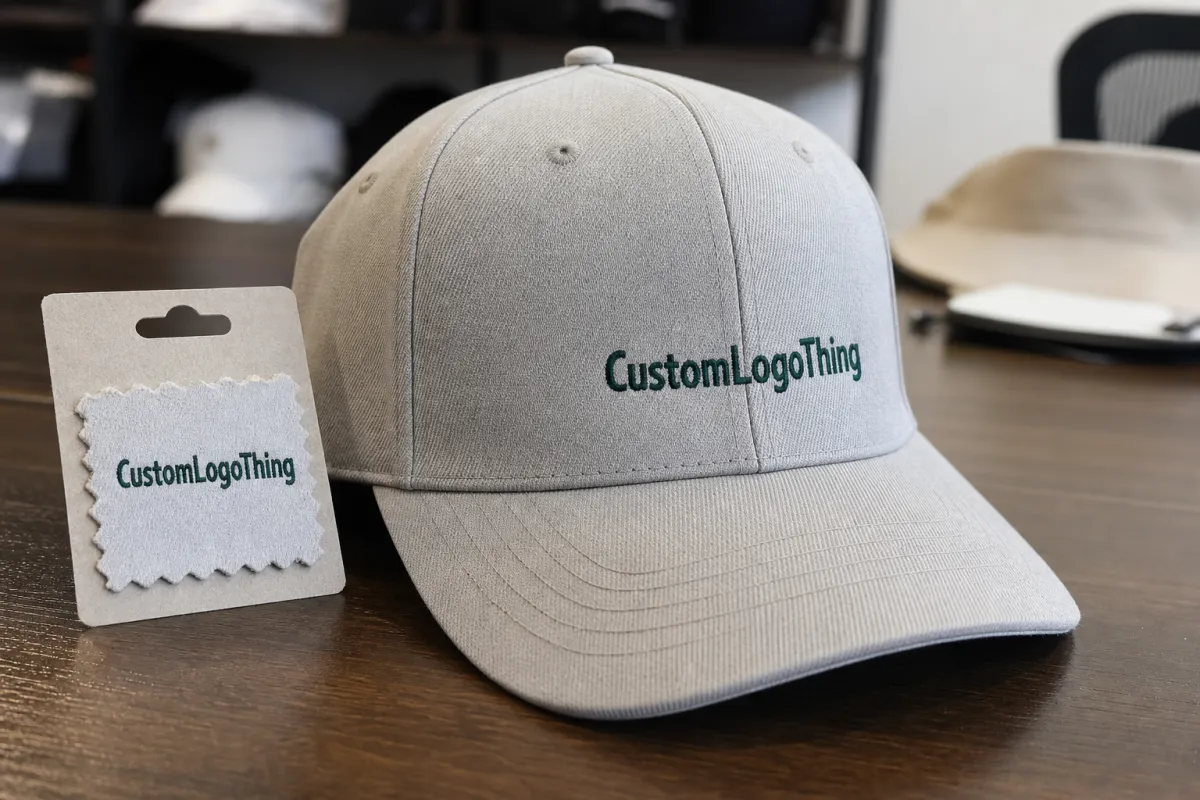
Most of the early cost sits in setup rather than sewing. Artwork cleanup, logo digitizing, stitch planning, placement confirmation, and proof review can take more time than the actual production on a small order. Add custom packaging, hang tags, or a specialty closure, and the quote moves before the first cap is sewn.
Golf buyers usually face that pricing in three ways: club retail, tournament merchandise, and sponsor or member gifting. A pro shop order needs shelf appeal and consistent presentation. A tournament order usually needs a tighter budget and a faster turnaround. A sponsor piece has to carry brand value, so finish and packaging matter more than on a basic giveaway.
A cap is only inexpensive if it sells cleanly, ships on time, and can be reordered without surprises.
That is why comparing Custom Baseball Caps Wholesale Pricing for golf brands should start with use case. Retail stock needs structure and repeatability. Staff caps need comfort and sizing consistency. Premium member sets can justify a higher landed cost if the decoration and packaging support the brand story.
Ask for the cap as a full landed package, not just a unit number. Fabric, decoration, trim, labeling, packaging, freight, and sampling all affect the total. Buyers who separate those items early usually compare vendors more accurately and avoid hidden adjustments later.
Cap Styles, Crown Shapes, and Closures That Sell in Golf Retail
Golf retail tends to favor familiar silhouettes that are easy to wear. Structured six-panel caps are still the safest choice because they keep a clean front panel and handle embroidery well. Low-profile dad caps create a softer lifestyle look, while rope caps add a premium detail without moving into novelty territory.
Closures affect both price and sell-through. Snapbacks and strapbacks are flexible and work across a wide customer base. Hook-and-loop closures can suit event use, but they usually read as less premium. Fitted caps can work in a tighter retail line, though they require closer size planning and can create inventory risk if demand is uneven.
| Style | Best Use | Price Pressure | Buyer Note |
|---|---|---|---|
| Structured six-panel | Core retail, staff, sponsor merchandise | Moderate | Strong front panel for logos and dependable shape |
| Low-profile dad cap | Lifestyle-led golf collections | Moderate to low | Softer silhouette, good for casual branding |
| Rope cap | Premium golf retail and pro shop displays | Higher | Trim detail can support a higher shelf price |
| Performance mesh-back | Summer tournaments and active wear | Low to moderate | Breathability matters more than a rigid profile |
Neutral colors usually move fastest: black, white, navy, stone, and heather gray. Two-tone builds, contrast underbills, tonal embroidery, and rope accents can lift perceived value without making the cap feel overdesigned. In golf retail, a refined silhouette often sells better than a louder decoration package.
Decoration, Fabric, and Fit Specs to Lock Before Quoting
Decoration is one of the biggest drivers in custom Baseball Caps Wholesale Pricing for golf brands. Flat embroidery is usually the most economical and durable choice. Three-dimensional puff embroidery adds texture and presence, but it takes more stitch time and works best with simpler logos. Woven patches, rubber patches, and printed appliques each solve a different design problem, and each carries a different cost and wear profile.
Fabric choice changes both price and customer perception. Brushed cotton feels familiar and can read as premium in a retail setting. Polyester blends dry faster and suit tournament use better. Performance fabrics make more sense for summer events, where buyers expect lighter weight and better heat control. If the cap is going into a club shop, a fabric that holds color and structure after display is usually safer than a softer fabric that loses shape in transit.
Fit specs prevent avoidable rework. Crown height changes the profile. Brim curve changes the look on shelf and on head. Sweatband style affects comfort. Panel structure affects how the front logo sits. Even the back opening matters, because a strapback and a snapback do not present the same way to the customer.
Before proof approval, lock the basics in writing:
- PMS color targets for fabric and thread
- Logo size and exact placement
- Brim style and crown height
- Closure type and size range
- Inside label or branding requirements
Decide early whether the caps need branded packaging, insert cards, or retail carton labeling. Those items are easy to overlook until late in the process, and they can slow production or raise the unit cost. Packaging should be quoted with the cap, not treated as an afterthought.
Wholesale Pricing, MOQ, and Unit Cost Drivers Buyers Should Expect
For custom Baseball Caps Wholesale Pricing for golf brands, the key variables are quantity, decoration complexity, cap construction, packaging, and destination shipping. Those five inputs usually explain most of the spread between a clean quote and one that needs revision after proofing.
At low quantities, setup dominates the price. At higher quantities, that same setup gets diluted across more units. Multiple logo locations, special trims, underbill printing, and premium closures all push the unit cost up. Packaging does the same. A standard polybag is one thing; a retail box, labeled carton, or custom insert is another.
| Run Size | Typical Unit Range | What Drives the Cost | Best Fit |
|---|---|---|---|
| 50 pieces | $4.50-$8.00 | Setup spread across very few caps | Sample market tests, small club orders |
| 300 pieces | $2.80-$4.20 | Better setup absorption, still manageable | Pro shop launches, tournament merch |
| 1,000 pieces | $1.90-$3.25 | Higher efficiency, fewer per-unit surprises | Repeat retail programs, seasonal replenishment |
MOQ matters because a low minimum order quantity helps test a design, but it rarely gives the sharpest pricing. Golf brands that expect repeat retail or event replenishment should ask for pricing at several tiers, not just one number. That comparison usually shows where the real margin sits and where the quote gets more efficient.
Ask every supplier to separate sample charges, digitizing or plate fees, bulk price tiers, and freight assumptions. If those costs are bundled, comparison gets messy fast. A quote can look lower while hiding an expensive sample policy or a shipping assumption that changes later.
Production Timeline, Lead Time, and Approval Steps for Bulk Orders
Most cap orders follow the same sequence: artwork review, digital proof, sample approval if needed, production, quality check, packing, and shipment. The path is predictable, but the schedule changes quickly once a brand adds patch decoration, special labels, or strict color matching.
Simple embroidery-only orders are usually faster than patch-heavy builds. In practice, a standard run often lands in the 12-15 business day range after proof approval, while more complex orders may need 18-25 business days before shipping. Freight time is separate. For a tournament date or retail reset, that transit window matters just as much as the sewing window.
Delays usually start with unclear artwork, slow proof approvals, vague Pantone references, or late packaging changes. A buyer who keeps the spec sheet tight can save days, sometimes a full week.
For transit risk, ask how cartons are packed and tested. ISTA publishes test methods that help reduce damage from drops, vibration, and compression. That matters most for palletized cap orders or shipments heading to multiple retail locations, where carton integrity affects receiving speed and product condition.
Quality Checks That Keep Repeat Orders and Reorders Consistent
Golf brands reorder the same cap often. Club shops need continuity. Resorts want a consistent staff look. Annual tournaments want an item that feels familiar from one season to the next. That makes quality control a repeat-sales tool, not just a production step.
Before release, check stitch density, logo placement, panel symmetry, brim shape, and color tolerance. These are the details buyers notice in person, and they are the details that determine whether a reorder feels safe. Even a small shift in crown shape or thread tone can make a new batch look mismatched beside old stock.
Packaging matters too. Carton labeling, size segregation, master case counts, and polybag consistency reduce receiving errors. A retail team does not want mixed cartons or unlabeled piles. If the cap is part of a gift kit, disciplined packing also protects presentation and saves fulfillment labor.
For insert cards and hang tags, FSC-certified board can support a cleaner paper sourcing story. If that matters to your brand, ask whether the supplier can source those components through FSC-certified channels. It is a small detail, but small details shape confidence in retail packaging.
Request a pre-production sample when the order is tied to a retail launch, sponsor activation, or premium member box. For simpler repeat orders, a strong digital proof may be enough if the supplier has stable processes. The risk is lower on a restock; it is much higher on a first run.
How to Compare Suppliers Before You Approve the Run
The difference between a reliable partner and a cheap quote usually shows up in how the supplier answers questions. Clear pricing, specific proof notes, realistic lead times, and a written sample policy matter more than a one-line discount. That is true across apparel, and it is especially true for golf caps where the finish has to support both retail and brand presentation.
Ask whether the supplier can match colors, hold decoration consistency across repeat batches, and keep packaging stable from one run to the next. Those are the quiet parts of the order, but they decide whether a reorder feels easy or risky. The first run can hide a lot. The second run reveals the system.
Communication quality is a strong signal. If the supplier answers quickly and specifically on artwork, MOQ, shipping, and decoration limits, they usually know how production works. If the answers stay vague, the order tends to get more expensive later. A buyer should be cautious when a quote looks precise until questions start.
Proof helps. Close-up photos of previous caps, decoration samples, and retail-ready packaging examples are more useful than broad marketing claims. That is how brands compare vendors without guessing. If you need a broader supplier benchmark, review the Wholesale Programs page and compare it against your internal buying checklist.
The best suppliers make the math visible. They separate setup from unit price, explain where the numbers change, and do not pretend a premium finish should cost the same as a basic event cap. That clarity is what golf brands can actually build margin around.
Next Steps: Build a Quote-Ready Spec Sheet for Your Golf Cap Order
If you want faster and cleaner pricing, send one spec sheet instead of a trail of emails. For Custom Baseball Caps Wholesale Pricing for golf brands, the clearest quotes usually come from the clearest inputs.
Gather quantity by color, target delivery date, logo files, preferred cap style, closure type, decoration method, and any retail or tournament packaging requirements. If you already know the crown height, brim curve, and label preferences, include those too. The more complete the brief, the fewer revisions you will need.
A short approval checklist keeps the project moving:
- Confirm cap silhouette and closure
- Lock logo size and placement
- Approve fabric and thread colors
- Decide on sample versus digital proof
- Set shipping destination and delivery window
That approach shortens the sales cycle because it removes guesswork. It also protects margin. Quotes built from one clean brief are easier to compare than quotes built from scattered messages, and they usually lead to fewer changes once production begins.
For golf brands, the real test is not finding the lowest line item. It is comparing unit cost, sample policy, lead time, and consistency, then choosing the run that balances margin with reliability.
What drives custom baseball caps wholesale pricing for golf brands?
Quantity, decoration method, and cap construction are the biggest price drivers. Special packaging, multiple logo locations, and color matching can raise unit Cost, and Shipping plus sample fees should be reviewed separately from the bulk quote.
What MOQ should golf brands expect for wholesale cap orders?
MOQ depends on style and decoration, but lower-volume test runs usually cost more per unit. Higher quantities improve pricing because setup costs are spread across more caps, so it helps to ask for price breaks at several tiers before you commit.
How long is the lead time for custom golf caps in bulk?
Lead time usually includes proofing, production, quality checks, and shipping. Embroidery-only caps are often faster than patch-heavy or fully custom builds, and artwork delays plus late approvals are the most common reason schedules slip.
Can you match golf brand colors on embroidered caps?
Yes, but the supplier should confirm the closest thread or fabric match before production. Pantone references and physical color samples improve accuracy, and a pre-production sample helps verify the final match before bulk manufacturing.
Should golf brands order a sample before bulk production?
Yes, especially for retail launches, sponsor kits, or high-value member merchandise. A sample reduces the risk of logo placement, fit, or color issues in the full run, and for simpler repeat orders a digital proof may be enough if the supplier has strong consistency.

