Custom Beanies Corporate Gifting Quote for Bulk Orders
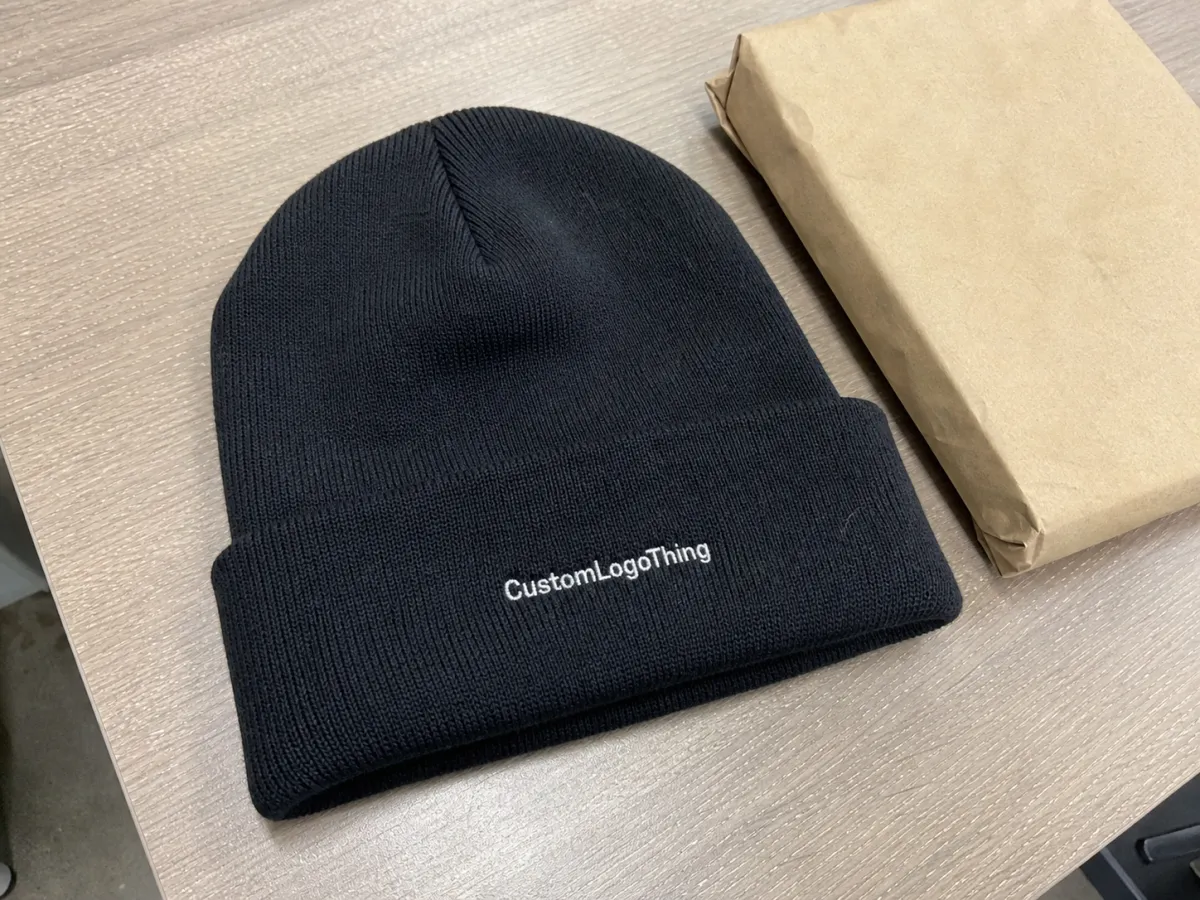
Need a custom beanies corporate gifting quote that a finance lead can approve without back-and-forth? Start with the product as a business object, not a seasonal extra. A good beanie gets worn repeatedly, which means the logo keeps showing up in places a brochure never reaches: commuting platforms, warehouse floors, pickup lines, conference halls, and weekend errands. That repetition is why this item often outperforms flashier gifts on cost per impression.
Custom beanies also sit in a useful middle ground. They feel more substantial than a pen or tote, but they rarely strain the budget the way a full apparel kit can. A hoodie may look better in a mockup. A beanie is usually easier to approve, easier to ship, and easier to size. For corporate gifting, that combination matters more than visual drama.
Five details make the first quote useful: quantity, artwork file, color direction, delivery date, and the purpose of the order. Onboarding gifts, holiday packages, and event giveaways may all use the same base hat, but the order logic changes. An onboarding run might need presentation packaging and split shipping to offices. A holiday order may need more time for proofing and kit assembly. A trade show order may prioritize speed and carton efficiency over premium finishes.
The cleanest quote requests remove avoidable uncertainty before production starts, which is usually faster and cheaper than fixing assumptions later.
For teams that also need branded presentation materials, pairing the order with Custom Packaging Products can make the finished gift feel planned rather than pieced together.
What buyers need from a beanie quote
Beanies stay popular because they solve several buying problems at once. One size fits most. Decoration space is visible without being oversized. The item feels useful in cold weather, but it is still light enough to ship in volume. That matters for procurement because the decision is rarely about the hat alone. It is about fit, presentation, deadline risk, and how much approval friction the item creates internally.
Most buyers are comparing four variables: hand feel, logo appearance, production speed, and arrival condition. An embroidered acrylic cuffed beanie is usually the simplest path for broad corporate use. A softer knit with a woven patch reads more premium and works well for client-facing programs. A fully custom jacquard beanie can be the right choice if the hat itself needs to carry brand identity, but it usually comes with higher setup demands and a less forgiving timeline.
Clear intent improves the quote. A holiday employee gift can justify better yarn and presentation packaging. A sales incentive may need a cleaner, more premium finish. A recruiting event may need lower unit Cost and Faster fulfillment. If the use case is vague, suppliers fill in the blanks differently, and that is where quotes drift apart.
Good requests also include the shipping plan. Multiple offices, home delivery, or hybrid fulfillment changes freight and carton planning. A quote that ignores delivery complexity is not a full quote. It is a partial number that looks better than it should.
Beanie styles, materials, and logo decoration options
Style choice usually comes first. Cuffed Knit Beanies, slouch fits, ribbed knits, pom styles, and lightweight versions all serve slightly different programs. Cuffed beanies are the safest corporate option because the cuff gives the logo a stable, flat zone and tends to hold shape after repeated wear. Slouch fits feel more relaxed, but the branding area is less predictable and can shift once the hat is on. Pom styles work for seasonal campaigns and more playful brand personalities, though they are less versatile for formal gifting.
Material changes perception fast. Standard acrylic remains the most common because it balances cost, warmth, color consistency, and decoration reliability. Acrylic-wool blends feel softer and often look richer, but they usually raise price and can extend production. Recycled yarns are showing up more often in corporate programs, especially where sustainability messaging is part of the brief. If recycled content matters, ask whether the yarn content is documented and whether the packaging can also support lower-waste goals. For paper components, the FSC standard at fsc.org is a useful reference point.
Decoration method changes both durability and visual tone. Embroidery is still the workhorse because it is easy to read at a distance and stands up to regular wear. Woven patches handle small text and detailed marks better than direct stitching on some knits. Leather-like patches and woven labels create a quieter, more restrained finish, which is often a better fit for executive gifts or premium client kits. Jacquard knitting, where the design is built into the hat itself, gives the strongest integrated look but requires more planning and usually more time.
The packaging layer matters more than many teams expect. A beanie in a clear polybag is functional. The same beanie placed in a branded sleeve or a presentation box reads as a gift. That difference is not cosmetic; it affects how recipients perceive the budget behind the program. For internal recognition gifts, presentation can be as important as decoration because the recipient sees the item before they ever wear it.
Common style and decoration pairings
- Cuffed acrylic knit + embroidery: the most straightforward option for clean logo visibility, moderate cost, and broad internal approval.
- Ribbed knit + woven patch: useful when the brand needs texture and sharper edge detail without moving into fully custom knit territory.
- Slouch fit + sewn label: better for casual teams or lifestyle-oriented brands than for conservative gifting programs.
- Premium blend + low-profile patch: a practical choice for executive gifts where restraint and hand feel matter more than large decoration.
If the beanie is part of a welcome kit or event mailer, think of it as one element in the broader product packaging experience. The hat, insert card, tissue, and outer mailer should feel like they belong to the same program. Two quotes with the same unit price can still produce very different reactions if one includes presentation planning and the other does not.
Specs that affect fit, branding, and wear rate
Beanies look simple from a distance, but sample review usually exposes how many small details affect wear. Knit gauge changes the hand feel. Crown depth changes how the hat sits on the head. Stretch affects whether the beanie feels snug or loose. Cuff height controls how much space is available for decoration. These are not minor production notes. They affect whether people actually wear the item after the event is over.
A useful quote should list knit gauge, cuff depth, decoration area, thread or patch color, and whether the design is one-size-fits-most or shaped more structurally. A tighter knit usually supports cleaner logo edges, especially for wordmarks. A looser knit can feel warmer and more casual, but it may distort fine details. Typical embroidered logo zones are often around 2.5 to 4 inches wide, depending on cuff width and placement. That is enough for a wordmark or simple icon, but not always enough for a complex seal, fine text, or multiple lines of copy.
Placement deserves the same attention as decoration method. A cuff logo is easy to read and usually the safest choice for corporate programs. A body logo can look subtler, but the knit may curve around the mark and reduce visibility from a distance. Stitch density also matters. Too light, and the logo can look thin or unfinished. Too dense, and the knit may pucker or feel stiff in the decorated zone. Either problem can make a beanie less likely to get worn.
Function should match the climate and the use case. A cold-weather field team needs warmth and a deeper crown. A mild-climate office gift may work better with a lighter knit that feels comfortable indoors and in transit. This is one of the more common mismatches in corporate gifting: a product is approved because it looks good in the mockup, then underused because it is too heavy, too shallow, or too casual for the audience.
Packaging also affects perceived quality in a way buyers can actually measure. A folded beanie in a clear bag is efficient. A beanie with a branded insert or sleeve feels more deliberate. For shipping durability and carton design, the ISTA testing framework is a useful benchmark if the order needs to survive parcel handling without crushed corners, creased presentation, or damaged labels.
Pricing, MOQ, and unit cost drivers
Beanie pricing usually comes down to five variables: blank garment cost, decoration method, setup, quantity tier, and freight. That is the real shape of the quote. Anything that leaves one of those out is incomplete. Procurement teams should compare the landed total, not just the unit price, because packaging, sampling, and shipping can move the final number enough to change the approval decision.
These are common bulk-order ranges. They shift with artwork complexity, inventory position, quantity, and destination.
| Style / Decoration | Typical MOQ | Unit Price Range | Best Use | Notes |
|---|---|---|---|---|
| Cuffed acrylic + embroidery | 100-250 | $4.25-$7.50 | Employee gifts, onboarding, general promos | Clean logo placement, straightforward approval path |
| Ribbed knit + woven patch | 150-300 | $5.10-$8.90 | Client gifts, sales programs | Sharper detail, slightly more premium look |
| Slouch fit + label or patch | 200-300 | $5.50-$9.25 | Lifestyle brands, casual teams | Style-forward, less formal branding |
| Premium blend + embroidery | 100-250 | $7.25-$13.50 | Executive gifting, holiday kits | Better hand feel, higher perceived value |
| Fully custom knit / jacquard | 300-1000 | $6.50-$11.00 | Brand campaigns, retail-style programs | More setup, stronger identity, longer lead time |
MOQ varies with structure. A standard embroidered beanie can often run lower because the base item is already in production-ready form. A fully custom knit program needs more setup, more color management, and more sample work, so the minimum is usually higher. That is one reason the cheapest quote is not automatically the best quote. A low unit price can hide a separate setup fee, a rush charge, or a freight bill that appears later.
To compare quotes properly, ask whether setup is included, whether one proof round is included, whether packaging is priced separately, and whether the sample can be credited against the order. If a reorder is likely, ask for tiered pricing. A 250-unit run may be the most expensive order per unit, while a 500-unit reorder can shift the economics significantly. Buyers who skip that question often miss easy savings.
For presentation-driven programs, packaging should be treated as its own line item. A beanie does not need retail-level packaging to work, but the quote should separate product cost from presentation cost so the budget discussion stays honest.
Process, timeline, and turnaround from proof to delivery
A reliable order flow usually follows the same sequence: quote request, artwork review, digital proof, sample approval if needed, production, quality check, and shipment. The important distinction is that production lead time normally starts after proof approval, not after the first email. That detail matters when the order is tied to a holiday event, onboarding date, or campaign launch.
Standard embroidered beanies often take around 12-15 business days after proof approval, assuming inventory is available and the decoration is straightforward. Some rush paths exist, but they depend on stock, artwork readiness, and production capacity. Fully custom knit orders take longer because yarn sourcing, sample development, color matching, and machine setup add time. If the deadline is fixed, the supplier needs the hard date and the flexible date. That gives room to quote honestly instead of optimistically.
Delays usually come from the same places. Artwork is not production-ready. Color matching takes longer than expected. Shipping addresses are still being collected. These are boring problems, but they are the ones that move delivery by days. A logo submitted in low resolution may add time. A brand color that needs to be matched against an existing standard can slow approval. Split shipments also create friction because carton planning and address verification take longer than one consolidated delivery.
Freight choice changes the whole schedule. Ground shipping may save money and still miss the date if the order is needed soon. Air freight can rescue a deadline, but it changes the landed cost. A proper quote should say whether the delivery estimate includes transit. That sounds basic; many quotes still blur the line between production time and arrival time.
For internal approvals, ask for the proofing timeline in writing. If revisions restart the proof clock, that should be clear from the beginning. Small process gaps turn into deadline risk. A precise timeline is usually more valuable than a slightly lower price.
What a dependable supplier should show in the quote
The best quote is the one that can be read without a separate translation step. Buyers should be able to compare options on the same terms: base product, decoration, packaging, sample cost, freight, and ship-to locations. If those pieces are mixed into one opaque number, the order becomes harder to approve and harder to defend internally.
A useful supplier response should also show what is not included. If rush service costs extra, say so. If a second proof round costs more, say so. If packaging is optional, show the difference. Hidden uncertainty slows everything down, especially for HR, procurement, and marketing teams that need to justify the spend to more than one stakeholder.
Quality control should show up in the conversation before production starts, not after a problem appears. Good checks include thread color confirmation, logo placement confirmation, stitch density review, and packaging inspection before shipment. For custom knit programs, sample approval matters even more because knit alignment and scale are harder to correct once production begins. For embroidered orders, a digital proof may be enough for simpler marks, but complex logos often deserve a physical sample or at least a tighter proof review.
Consistency matters on reorders too. A second run should match the first closely enough that the program does not look like it came from a different source. That requires controlled color, repeatable placement, and packaging that stays aligned across batches. For larger gifting programs, consistency is part of the brand message, not a backstage detail.
One practical test: if the quote can be summarized in one internal email without extra clarification, it is probably usable. If it triggers questions about size, freight, setup, or packaging, the quote is still unfinished. That is usually the difference between fast approval and a stalled project.
Next steps to get an accurate quote
If you want the cleanest possible custom beanies corporate gifting quote, send a short brief with the details that actually change production. Quantity, logo file, preferred style, target budget, delivery address, deadline, and packaging needs are the essentials. If the order is for onboarding, say that. If it is for a client holiday package, say that too. Purpose changes material choices, presentation, and even the acceptable shipping method.
The fastest path to a usable quote is to narrow the choices early. Pick one decoration method. Limit the colorway options to one or two. Decide whether the packaging is functional or presentation-focused. Too many open variables make the request feel flexible, but they also make the final number harder to trust. Specificity usually improves the quote faster than broad comparisons.
Ask for three things together: proof timing, sample policy, and ship date. That lets you compare vendors on the same basis: what arrives, by when, and at what landed cost. If you need help turning a rough idea into a quote-ready brief, Contact Us with the quantity, artwork, and deadline, and keep the request focused on the facts that affect production.
The right outcome is not simply the lowest price. It is a beanie that fits the recipients, carries the logo clearly, ships on schedule, and arrives in packaging that supports the brand story. If those pieces line up, the order works as a gift instead of just another line item.
How do I request a custom beanies corporate gifting quote for a team order?
Send quantity, logo artwork, preferred beanie style, and your delivery deadline in the first message. Include shipping locations and any packaging needs so the quote reflects the true landed cost.
What changes the price most on a corporate beanie quote?
Decoration method, order quantity, and material choice usually move the price most. Rush production, custom packaging, and split shipments can add cost after the base unit price.
What MOQ should I expect for custom corporate beanies?
MOQ depends on style and decoration method, with embroidered blank beanies often allowing smaller runs than fully custom knit programs. Ask for tiered pricing if you may reorder, because a higher first order can lower unit cost.
How long does production usually take after artwork approval?
Typical turnaround starts after proof approval, not after the first inquiry. Lead time changes with sample requests, decoration complexity, and freight method.
Can I review a sample before approving a large beanie order?
Yes, buyers can usually review a digital proof and, when needed, a physical sample before production starts. Samples help verify logo size, thread color, and fit before committing to the full run.

