Why Ceramic Studios Buy Kraft Bags Before the First Sale
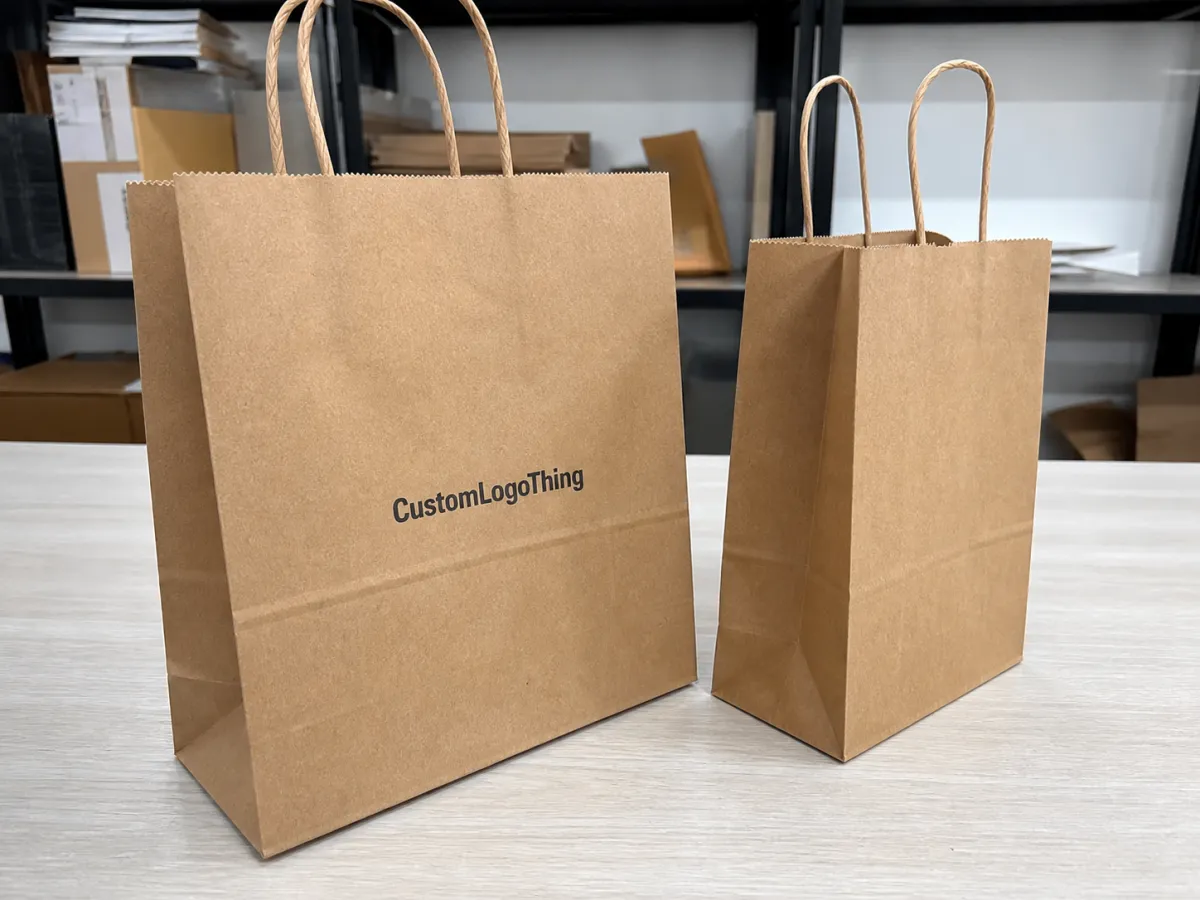
Ceramic studio Kraft Paper Bags cost less than a damaged customer experience, which is why many studios treat packaging as part of the product, not an afterthought. A ceramic piece can be beautiful and still awkward to carry. A mug needs room for tissue or a small wrap. A bowl can shift. A vase is top-heavy. Even a solid glaze job loses some of its charm if the bag tears at the register.
The first bag a studio orders has to solve a practical problem. It needs to hold weight, protect the item, and make the handoff feel complete. If a handle pulls loose or the bottom sags while a customer is walking out of a market, the packaging cost no longer looks small. The repair cost is larger, and the brand impression is worse.
That is why ceramic studios shop for Kraft Paper Bags differently than grocery or convenience buyers. They are trying to match a carry bag to mugs, bowls, planters, wrapped workshop kits, gift sets, and boxed ceramics. The bag is a functional retail tool, but it also has to support the studio's visual identity. A good spec turns into quiet credibility. A poor one becomes an avoidable complaint.
Saving a few cents on a bag means very little if the bag fails before the customer gets home.
The real question is not whether kraft bags are cheap or expensive in the abstract. It is what the final price looks like for the size, load, print coverage, and quantity a studio actually needs. That number changes quickly when the paper is too light, the bag is too large, or the artwork spec is more elaborate than the product line requires.
Bag Styles and Sizes That Fit Ceramics Without Waste
Bag style affects both performance and price. Twisted-handle bags are the most common starting point because they hold up well, stack neatly, and print cleanly. Flat-handle bags can work for lighter studio items or event giveaways where cost matters more than finish. Reinforced-bottom styles are better for heavier pieces, and wide-gusset bags are the safer choice for boxed ceramics or layered gift sets.
Size selection should follow the product, not the other way around. A single mug often fits in a bag around 8 x 4 x 10 inches or 10 x 5 x 13 inches, depending on shape and whether tissue or a small insert is inside. Shallow bowls usually need more width than height. Two-mug sets, cards, and shredded paper filler usually need a flatter, wider base so the contents sit level instead of pressing into the sides.
Oversizing is expensive in ways that do not always show up on the quote. Larger bags use more paper, increase shipping volume, and create dead space around the item. That also affects the customer's perception. A product rattling around inside a bag looks less considered even if the ceramic itself is safe.
If the ceramic is already boxed in corrugated cardboard, size the bag around the box instead of the item. That seems obvious, yet it gets missed regularly. For fragile pieces, a slightly smaller bag with a stronger bottom is usually a better answer than moving to a huge format and filling the void with tissue.
There are a few simple buying rules that help narrow the field:
- Single item: choose a narrow bag with enough gusset for a wrapped mug or compact bowl.
- Gift set: choose a wider base so the load sits flat and does not lean.
- Boxed ceramic: match the bag to the outer box dimensions, not the pottery alone.
- Market checkout: pick a style that is quick to hand over and difficult to tear.
Paper Weight, Handles, and Print Specs That Affect Performance
Paper weight is where a bag starts to feel dependable. For light retail use, kraft stock around 120gsm to 150gsm can work. Ceramic studios usually do better at 150gsm to 200gsm, and sometimes higher if the bag carries boxed mugs, stacked bowls, or heavier gift bundles. Thicker stock costs more, but it also improves hand feel and reduces the chance of a bottom sagging under weight.
Handles matter more than many buyers expect. Twisted paper handles are popular because they are durable and print-friendly. Flat handles can reduce unit cost, though the look is less premium. Reinforced handles are worth considering when the bag will carry planters, serving pieces, or sets with a higher weight profile. The handle is not decoration. It is part of the load path.
Print requirements also shape the final cost. Kraft paper works best with simple artwork, strong outlines, and one-color logos. Dark ink reads well against the brown surface. Fine lines and pale colors need careful proofing because the paper grain absorbs detail and softens contrast. Full-bleed artwork is possible, but it can flatten the texture that makes kraft feel natural in the first place.
There is one practical test that matters more than the mockup: the bag should hold the heaviest planned item without handle pull, seam failure, or bottom sag. Packaging organizations such as ISTA publish transport test methods, and the same thinking applies even when the bag is only one piece of a retail packout.
Biodegradable packaging gets used loosely in sales copy, but not every brown bag deserves that label by default. Paper may be recyclable and include recycled content, including post-consumer waste, yet coatings, liners, and inks change the picture. If FSC certified paper matters to the studio, ask for it at the quoting stage. Do not assume the lowest quote has the cleanest material story.
One more production detail affects real-world performance: glue quality. If the handle patch is weak or the bottom fold is inconsistent, even a decent paper weight will not save the bag. Good-looking samples can hide weak adhesion, so buyers should ask how the run is checked before packing.
Ceramic Studio Kraft Paper Bags Cost, MOQ, and Unit Cost
Ceramic Studio Kraft Paper Bags cost is usually determined by five variables: size, paper weight, handle style, print coverage, and quantity. That is the clean version. In real quoting, setup, proofing, packaging format, carton count, and freight also matter, especially on smaller runs where fixed costs are spread across fewer units.
For a basic custom kraft bag with a simple one-color logo, a realistic unit cost may sit around $0.18-$0.30 per bag at 5,000 pieces, depending on the exact size and handle type. Heavier paper, reinforced bottoms, or broader print coverage can move the range to $0.28-$0.55 per bag. Smaller orders almost always cost more per bag because the same setup work is divided across fewer units.
MOQ is where buyers get caught off guard. A simple bag may begin at 1,000 to 2,000 pieces. Larger formats, heavier stock, or multiple print colors can push the minimum higher. That is not a trick. It is how production works. If a quote looks unusually cheap, check whether it is for a stock-style order, a partially custom run, or a sample batch with hidden assumptions.
| Option | Typical MOQ | Unit Cost Range | Best For |
|---|---|---|---|
| Light custom kraft bag, 1-color print | 1,000-2,000 | $0.18-$0.32 | Single mugs, small retail sales, simple studio branding |
| Midweight bag, twisted handle, reinforced bottom | 2,000-3,000 | $0.28-$0.45 | Bowls, gift sets, workshop kits, steady market use |
| Premium heavy kraft bag, stronger handles, larger print area | 3,000-5,000 | $0.40-$0.55+ | Heavier ceramics, boutique retail, branded gifting |
Freight can shift the landed price quickly. Kraft bags are bulky, and heavier paper or reinforced handles increase carton volume. On a small order, shipping can add 15% to 30% to the landed figure if the destination is far from the production point. That is why a useful quote should separate unit price, packaging, and shipping instead of bundling everything into one number that hides the real cost.
Sustainability requirements can also change the quote. Recycled content, FSC certification, or a higher post-consumer waste percentage may add cost, or they may not, depending on the supplier's material sourcing. Ask for the actual delta. Terms like eco-friendly or recyclable are too loose to guide a budget on their own.
Artwork, Logo Placement, and Finish Choices for Studio Branding
Ceramic studios usually do best with clean logo placement and a restrained layout. Centered front print is the safest choice. A small corner mark can feel more understated. Repeated patterns work if the brand wants a more decorative look, and side-panel branding is useful when the bag sits on a counter or shelf before the customer leaves.
Kraft paper is forgiving in the right ways, but it exposes weak design quickly. Fine text can blur. Light colors may disappear. Overly detailed marks often look crowded once they hit the paper grain. That is why proofing should focus on contrast and legibility, not just on whether the logo is technically centered.
Finish choices should support the packaging, not compete with it. Many ceramic studios are better served by an uncoated, matte look that keeps the paper honest and the print readable. A strong ink choice usually does more for shelf impact than glossy treatment or extra effects. Fancy coating is not a substitute for a clear layout.
If the message starts to read like promotional collateral, the bag is probably carrying too much copy. A retail bag should be readable from a short distance and recognizable after a customer walks away with it. That is enough. The pottery should remain the focal point.
If the logo needs explanation to be noticed, it is too small for the bag.
For studios that want a more complete packaging system, the bag, tissue, sticker, and ceramic insert should work together visually and physically. Paper choices can support a cleaner presentation, but only if the entire spec is consistent. Mixed finishes and mismatched tones make even a good bag feel improvised.
One practical caution: dark kraft shades and very light inks can look handsome on screen yet underperform in print. Always judge final approval by contrast against the actual paper color, not the mockup alone.
Order Process, Proofing, and Production Lead Time
The order process should stay simple. Confirm the bag size. Lock the handle style and paper weight. Send artwork. Review the proof. Approve production. Pack and ship. That is the sequence a ceramic studio should expect before any deposit or purchase order moves forward.
Most timeline problems come from avoidable changes: artwork revisions, size changes, print position edits, and late sample requests. A straightforward order with ready artwork can move much faster than a custom bag that keeps changing every other message. The more the spec drifts, the more likely the timeline slips.
For planning, a realistic production window is often 12-18 business days after proof approval for a standard custom run. More complex jobs, special finishes, or higher volumes can take longer. If the bags need to arrive for a market date or seasonal release, work backward from the event and leave enough room for shipping plus a correction buffer.
Good suppliers inspect the run before packing. Useful checks include handle attachment, bottom glue, print alignment, and carton count. If the bags are shipping alongside ceramics or boxed sets, ask how the order is packed and whether the cartons are treated as load-bearing or just outer protection. Even a simple inspection routine reduces avoidable problems later.
Buyers should also ask what happens if the proof is approved from a screen but the paper stock prints differently in practice. Kraft materials vary more than many people expect. Natural fiber content, moisture, and ink absorption can shift the final appearance, which is another reason proof approval should be taken seriously rather than treated as a formality.
The best orders feel locked before the first sheet is cut. Once the spec is fixed, production moves. Once it keeps changing, the schedule starts to wobble.
Why Ceramic Studios Keep Reordering the Same Bag Spec
Consistency beats novelty here. Reordering the same size and print spec reduces mistakes, shortens approval cycles, and keeps inventory planning workable across retail, markets, and workshops. If a studio runs several locations or sells through multiple channels, that consistency saves real money and real time.
That is one reason ceramic studio Kraft Paper Bags cost less over time than buyers first expect. The first order carries setup, proofing, and learning. The second, third, and fourth are smoother. Fewer surprises. Less rework. Better forecasting. A repeatable spec also makes reorder communication much easier, which matters when staff turnover or seasonal rushes complicate the front end of operations.
Stable quality is usually more valuable than flashy extras. Repeatable color. Reliable handles. Predictable load performance. Those are the traits a studio notices after the first few weeks of use. A fancy finish can help a sample win approval, but the real test is whether the bag behaves the same way six months later.
From the buyer's side, a supplier adds value when size guidance, artwork checks, and reorder continuity are handled well. Promises are easy. Repeatability is harder. If the same spec can be produced with the same result on a later run, the packaging is doing its job.
There is also a branding benefit. Customers start to recognize the bag shape, the paper tone, and the logo placement. That familiarity builds memory without making the studio spend more on ornament. Quiet repetition is often stronger than a one-time flourish.
One more practical advantage: a stable bag spec helps staff pack quickly and reduces the odds of using the wrong size at checkout. That small operational win becomes visible during busy weekend sales, when mistakes tend to happen because everyone is moving too fast.
Next Steps to Get the Right Quote and Start Production
Before asking for a quote, gather three basics: product dimensions, target quantity, and logo files. If the ceramic is unusually fragile or awkwardly shaped, send a photo of the actual piece or gift set. That helps size the bag against reality instead of a dimension guessed in a spreadsheet.
If you are undecided between two sizes, request a sample or mockup. That is a better move than choosing the larger bag just to feel safe. Oversizing usually adds paper, freight, and waste without adding much practical value. A sample can reveal whether the handle height, gusset, or bottom width needs adjustment before the order is locked.
It also helps to define the use case clearly. Retail checkout, event handoff, and bundled gifting are different jobs. A bag that works well for a studio market booth may not be the best answer for an upscale shelf display. Mention whether the bag needs to hold a corrugated box, tissue wrap, or a full gift set so the quote reflects the real packout.
If the order needs a fast answer, send the measurements, quantity, handle preference, print count, and artwork together. A complete brief produces a better quote on ceramic studio Kraft Paper Bags cost than a stream of partial requests. The more the supplier sees at once, the less likely the estimate will miss the target.
What size ceramic studio kraft paper bags do I need for mugs and bowls?
Single mugs usually fit best in a narrower bag with enough gusset for tissue or a small insert. Bowls and bundled gift sets need a wider base and deeper gusset so the load sits flat instead of tipping. If the item already ships in corrugated cardboard, size the bag to the box.
How much do ceramic studio kraft paper bags cost per unit?
Unit cost depends on size, paper weight, handle type, print coverage, and order quantity. Smaller runs cost more per bag because setup and proofing are spread across fewer units. For many custom studio orders, a practical range is about $0.18-$0.55 per bag, depending on spec and volume.
What is a normal MOQ for custom ceramic studio kraft bags?
MOQ usually depends on print method and bag size, so there is no single universal number. Expect lower MOQs for simple builds and higher minimums when you add heavier paper, custom handles, or more print colors. If a quote shows a very low MOQ for a complex spec, read the fine print carefully.
How long does production take after artwork approval?
Lead time depends on paper sourcing, print complexity, and whether the proof is approved on the first round. If the artwork is ready and the spec is locked, production is much faster than an order that keeps changing size or print detail. A typical range is often 12-18 business days after approval, plus shipping.
Can kraft paper bags handle fragile ceramic items safely?
Yes, if the bag size, paper weight, and bottom reinforcement are matched to the packaged item. For fragile pieces, use inserts, wrapping, or boxed products inside the bag instead of relying on the bag alone. That is the difference between a sensible packout and a cheap guess when evaluating ceramic studio kraft paper bags cost.

