custom beverage labels do more than carry a logo and flavor name. They have to survive refrigeration, condensation, handling, shipping, and display while still making the product easy to identify and buy.
From a packaging buyer’s perspective, the label has three jobs: support the brand, communicate the required information, and stay attached in the real conditions the product will face. That means the right construction depends on the container, the filling line, and the storage environment, not just the artwork.
What custom beverage labels actually do on the shelf
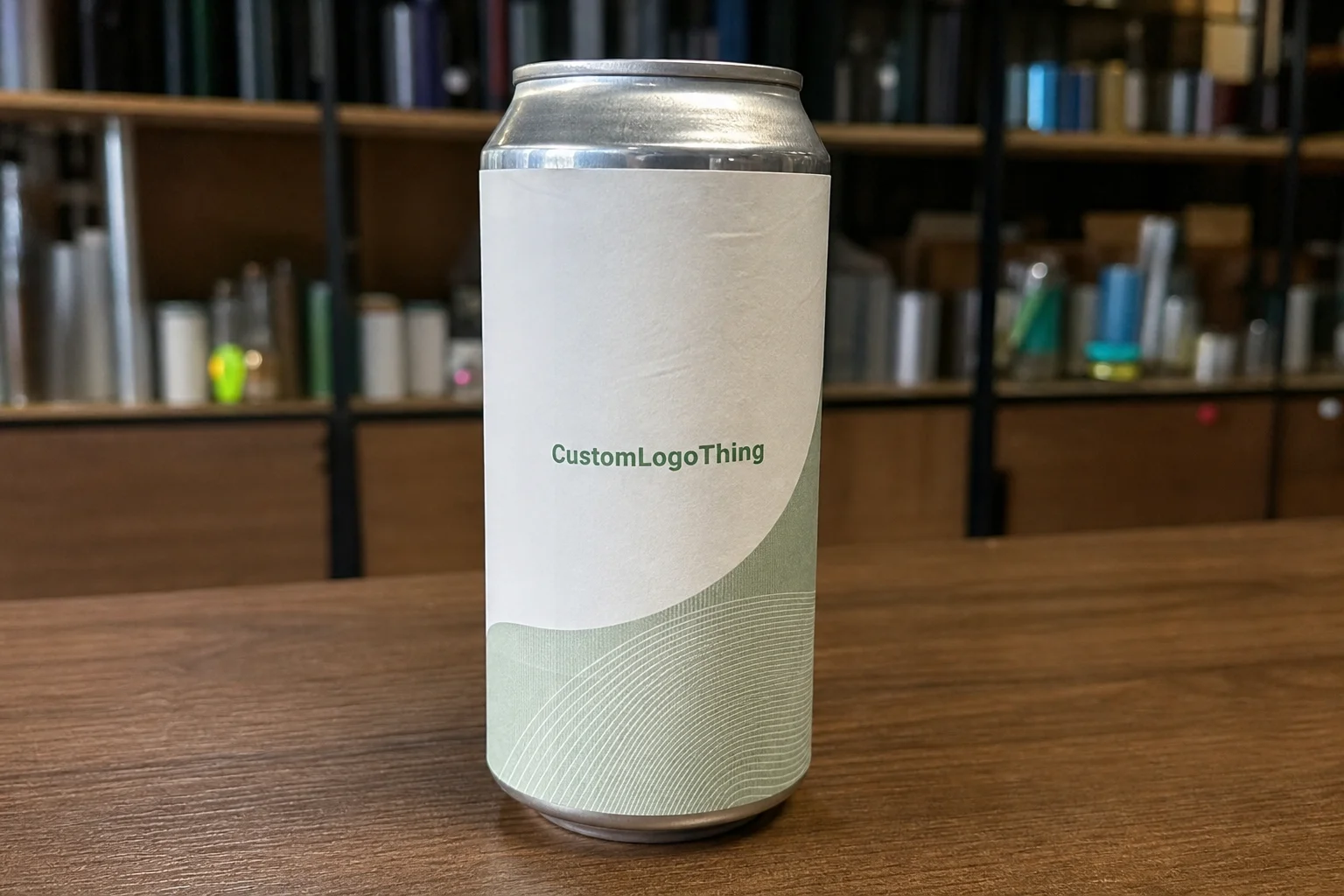
In a beverage aisle, a label has only a few seconds to work. It has to identify the flavor, carry branding, present barcode or compliance information when needed, and still look clean after chilling, handling, and restocking. That is why labels for water, juice, craft soda, cold brew, energy drinks, kombucha, and promotional beverages need to be chosen for performance, not just appearance.
A functional beverage label starts with the right structure:
- Face stock - paper, BOPP, clear film, or textured stock.
- Adhesive - the bond that keeps the label on through cold or moisture.
- Print method - digital or flexographic, depending on quantity and complexity.
- Finish - gloss, matte, soft-touch, or specialty coating.
- Liner - the backing that supports roll handling and application.
That combination matters more than a mockup on screen. A label on a curved glass bottle, squeezable plastic container, or slim can has to conform without wrinkling, lifting, or covering required copy. For brands coordinating Custom Labels & Tags with broader product packaging or package branding, consistency in print quality and visual tone matters as much as durability.
"A beverage label should look right, run right, and stay right through filling, chilling, shipping, and display."
That is the practical standard: fit the container, fit the process, and protect the brand image from the first case packed to the last bottle sold.
How beverage label production works from file to finished roll
The process starts with artwork setup and dieline confirmation. The printer needs the exact dimensions, bleed, safe area, and cut line before production can begin. If the label includes barcodes, small text, or regulatory copy, proofing becomes even more important because layout problems are easier to catch before the job is printed.
After proof approval, production usually follows one of two routes. Digital printing is typically better for shorter runs, fast changes, or variable artwork. Flexographic printing is often better for larger quantities where unit cost improves with volume. The right choice depends on quantity, budget, and timeline rather than print method alone.
Format also matters. Roll labels are the usual choice for hand application at scale or for automatic applicators. Sheet labels can work for smaller hand-applied projects, but they are not the same as pressure-sensitive labels, which describe the adhesive-backed format itself. If labels will run through equipment, roll direction, core size, and unwind orientation need to match the machine.
Adhesive selection is one of the most important production decisions. Chilled beverages, curved containers, and wet environments often need a moisture-resistant or freezer-grade adhesive. A standard adhesive may work on dry products, but it can fail quickly once condensation or ice exposure begins. That is how a label that looked fine during proofing turns into lifted corners or bubbling in the cooler.
Proofing also helps protect color accuracy, barcode readability, and layout fit. A digital proof will not perfectly match final press output, but it can still reveal die-line problems, copy errors, and roll spec issues before anything is committed to stock. That is far less expensive than reprinting thousands of labels because the trim or panel size was wrong.
For buyers coordinating multiple pieces of the package, it helps to keep the label process aligned with the broader Custom Packaging Products plan. When labels, cartons, and inserts are set up with consistent artwork and specifications, the final package feels deliberate instead of patched together.
Material, finish, and durability factors that change performance
Material choice has a direct effect on durability. Paper still works for some dry, short-life uses, but once refrigeration, condensation, or repeated handling enters the picture, film-based materials are usually the safer option. BOPP is common because it resists moisture and tearing, while clear film creates a clean, no-label look that suits premium drinks. Textured stocks and specialty synthetics are used when brands want a more tactile feel or stronger shelf presence.
Finish affects both appearance and performance. Gloss can make colors stand out and usually helps with scuff resistance. Matte reduces glare and creates a quieter look. Soft-touch can signal premium positioning, but it is not ideal for every beverage because some coatings mark more easily with heavy handling. Spot UV can highlight a logo or flavor cue, though it increases production complexity and cost.
Cold storage is where weak constructions fail. Bottles pulled from refrigeration or set in ice buckets develop condensation fast, and that moisture can attack the adhesive and face stock if the materials were chosen too cheaply. A label that looks good at room temperature may start lifting within hours in a cooler if the construction is wrong.
Container shape matters too. Small-diameter bottles, squeeze bottles, and lightly curved cans need enough flexibility to conform without bridging or wrinkling. A label that is too stiff may lift at the edges; one that is too thin may distort during application. Size, substrate, and applicator behavior should be evaluated together.
If your beverage needs ingredient panels, nutrition facts, warning statements, or distributor copy, leave room for those elements before you finalize the shape. Compliance text is a layout constraint, not an afterthought. For sustainability goals, materials such as FSC-certified paper can support a brand story, and organizations like FSC and EPA provide useful reference points for responsible packaging decisions.
For shipping and distribution concerns, testing guidance from ISTA can help when the product will move through warehouses, pallets, or e-commerce channels.
Custom beverage labels pricing: what drives cost and MOQ
Pricing is driven by quantity, material, size, shape complexity, finish, and print method. A simple rectangular paper label in a standard size will usually cost less than a clear BOPP label with a custom die cut and specialty coating. That spread is normal and usually reflects production complexity, not pricing inconsistency.
Higher quantities usually reduce unit cost because setup is spread across more labels. But total spend can still rise if the job requires tighter color matching, specialty stock, or a more complex finish. Minimum order quantities also vary by material and process. Digital paper orders may allow lower MOQs, while premium films or unusual shapes often need higher volume to stay efficient.
Use planning ranges rather than expecting a single price point. These are only rough estimates, because final quotes depend on dimensions, coverage, and timing.
| Label type | Typical quantity | Common unit range | Notes |
|---|---|---|---|
| Standard paper roll label | 1,000-5,000 | $0.12-$0.22 | Best for dry or short-life applications |
| BOPP pressure-sensitive label | 2,500-10,000 | $0.18-$0.35 | Better for chilled drinks and handling |
| Clear film with specialty finish | 5,000+ | $0.24-$0.48 | Premium look, higher setup cost |
| Custom die-cut label with premium coating | 5,000+ | $0.30-$0.60 | Shape and finish complexity drive price |
The best way to compare quotes is to request pricing at several quantities, such as 1,000, 5,000, and 10,000 pieces. Compare the unit cost, not just the total. A quote that looks higher at one tier can become better value at the next tier once setup is spread across more labels.
Also check whether the quote includes the adhesive performance you actually need. A cheaper label that fails in refrigerated storage costs more than a slightly higher-priced construction that works from the start. For buying decisions, the lowest number is not always the lowest true cost.
MOQs are where budget and practicality meet. Small launches often benefit from digital production, while regular distribution may justify larger flexo runs. Compare like with like: same size, same material, same finish, same application format.
Production timeline and turnaround: from proof approval to delivery
Timeline is usually affected more by prepress than by printing. Proof approval is the first gate, then material availability, queue time, finishing, slitting, and shipping determine the delivery date. A straightforward digital order can move quickly, but only if the artwork is ready.
Artwork revisions are a common source of delay. If the nutrition facts panel changes, a barcode needs replacement, or legal copy must be updated, the project pauses even if production is ready to go. It is better to finish regulatory text before requesting a quote, or at least have a clean file that can be updated without rebuilding the layout.
Rush orders are possible in some cases, but they limit options. Specialty finishes, custom tooling, and extended proof cycles may not fit into a compressed schedule. If timing matters, ask separately for proof time, production time, and transit time so the real bottleneck is clear.
For seasonal launches and reorder planning, lead time matters as much as price. A label that arrives after fill dates or promotion windows can disrupt the entire retail packaging plan. Building in a small buffer is usually cheaper than paying for a scramble order later.
Step-by-step guide to ordering custom beverage labels
Ordering is easier when the process is broken into practical steps. The goal is not just to buy labels, but to buy Labels That Fit the container, the storage environment, and the application method without causing problems on the line.
- Define the beverage and conditions. Decide whether the product will be refrigerated, stored dry, or placed in ice, and note how often it will be handled.
- Measure the container. Capture label panel width, height, curvature, and any seams or embossing that affect placement.
- Select material and adhesive. Choose based on moisture, handling, and shelf life, not just appearance.
- Prepare artwork. Use the correct bleed, safe margins, resolution, barcode contrast, and mandatory copy.
- Review the proof. Check color, spelling, die-line fit, roll direction, and core specs before approval.
- Confirm production details. Make sure the format matches hand application or equipment, then plan the fill schedule around delivery.
If labels will be machine-applied, send applicator specifications early. Roll direction, core size, unwind position, and gap spacing can all affect whether the labels run correctly. A label can be perfectly printed and still fail on the line if the roll setup does not match the equipment.
For broader packaging design programs, keep the beverage label aligned with cartons and shipper graphics. A coordinated look across labels, inserts, and Custom Printed Boxes helps the line feel complete, which matters in crowded retail spaces where packaging has only a few seconds to make an impression.
Common mistakes that cause label failures or reprints
The most common failure is still the simplest: paper on a cold or wet beverage. Once condensation appears, paper can wrinkle, stain, or peel, and the package loses the clean look the brand paid for. Another common mistake is choosing a finish that looks good in a mockup but becomes hard to read when the bottle is chilled and handled.
Size errors create just as many problems. A label that is too large can buckle on the curve of the container, while one that is too small may not leave enough room for required information. Artwork errors are equally common: missing bleed, text too close to the edge, low barcode contrast, or a file sent without the proper dieline.
Equipment compatibility is another risk. If roll direction, core size, or gap spacing does not match the applicator, production can slow down immediately. The print may be correct, but the roll still will not run properly on your line.
- Paper on chilled drinks that sweat.
- Artwork with no bleed or safe margin.
- Wrong roll specs for applicators.
- Finish choices that scuff or glare badly.
- Missing legal copy or barcode errors.
Skipping proof review is the fastest path to a reprint. Even a small copy issue, like an incorrect ingredient line or misplaced QR code, can force a costly do-over. That is an avoidable problem, and one most brands only want to make once.
Expert tips and next steps before you request a quote
Start with the container, not the artwork. That is the most reliable way to choose a label that performs in the real world. Once you know the bottle, can, or jar dimensions and the storage conditions, the material and adhesive choice becomes much clearer.
If possible, request samples of similar labels. A printed swatch or material sample tells you more than a screen image, especially with gloss, matte, clear film, or soft-touch finishes. You can test adhesion in the fridge, check readability under bright light, and see whether the label feels right on the package.
Keep one file set for design and another for regulatory updates. If nutrition facts or barcodes change later, you can update the needed details without rebuilding the entire layout. That saves time on reorders and seasonal changes.
Before requesting a quote, gather these details:
- Container measurements and label placement area
- Estimated quantity and reorder expectations
- Storage conditions, including refrigeration or ice exposure
- Application method: hand-applied or machine-applied
- Artwork files, target colors, and mandatory copy
- Preferred finish and any durability concerns
Compare quote options by material, quantity, and production method instead of chasing the lowest number. That gives you a more accurate view of value and helps avoid paying twice for a label that was never right for the job. Done well, custom beverage labels support the brand, survive the environment, and make the drink easier to trust before the first sip.
FAQ
What materials work best for custom beverage labels on cold drinks?
BOPP or other film-based materials usually perform better than paper when condensation is expected. A moisture-resistant adhesive helps the label stay attached on chilled bottles and cans, and the finish should be chosen with handling and refrigeration in mind.
How much do custom beverage labels cost per label?
Unit cost depends on quantity, label size, material, print method, and finish. Larger runs usually lower the per-label price, while specialty materials and custom die cuts raise it. The best comparison is pricing at several quantities so you can see where the unit cost drops.
What is the normal turnaround for custom beverage labels?
Turnaround depends on proof approval, material availability, printing method, and shipping distance. Simple digital jobs are usually faster than orders that need custom tooling or specialty coatings, and artwork delays often affect timing more than the production run itself.
Do custom beverage labels need to be waterproof?
Not every label needs full waterproof performance, but many cold drinks benefit from water-resistant materials. If the container will sweat, sit in ice, or move through a refrigerated case, moisture resistance becomes much more important, and the adhesive and finish should be selected together.
What should I send when requesting a quote for custom beverage labels?
Send container measurements, label dimensions, quantity, artwork files, and details about storage conditions. Include whether the labels will be applied by hand or with equipment, since roll specs may matter, and mention any target colors, finish preferences, or deadline constraints so the quote is accurate.