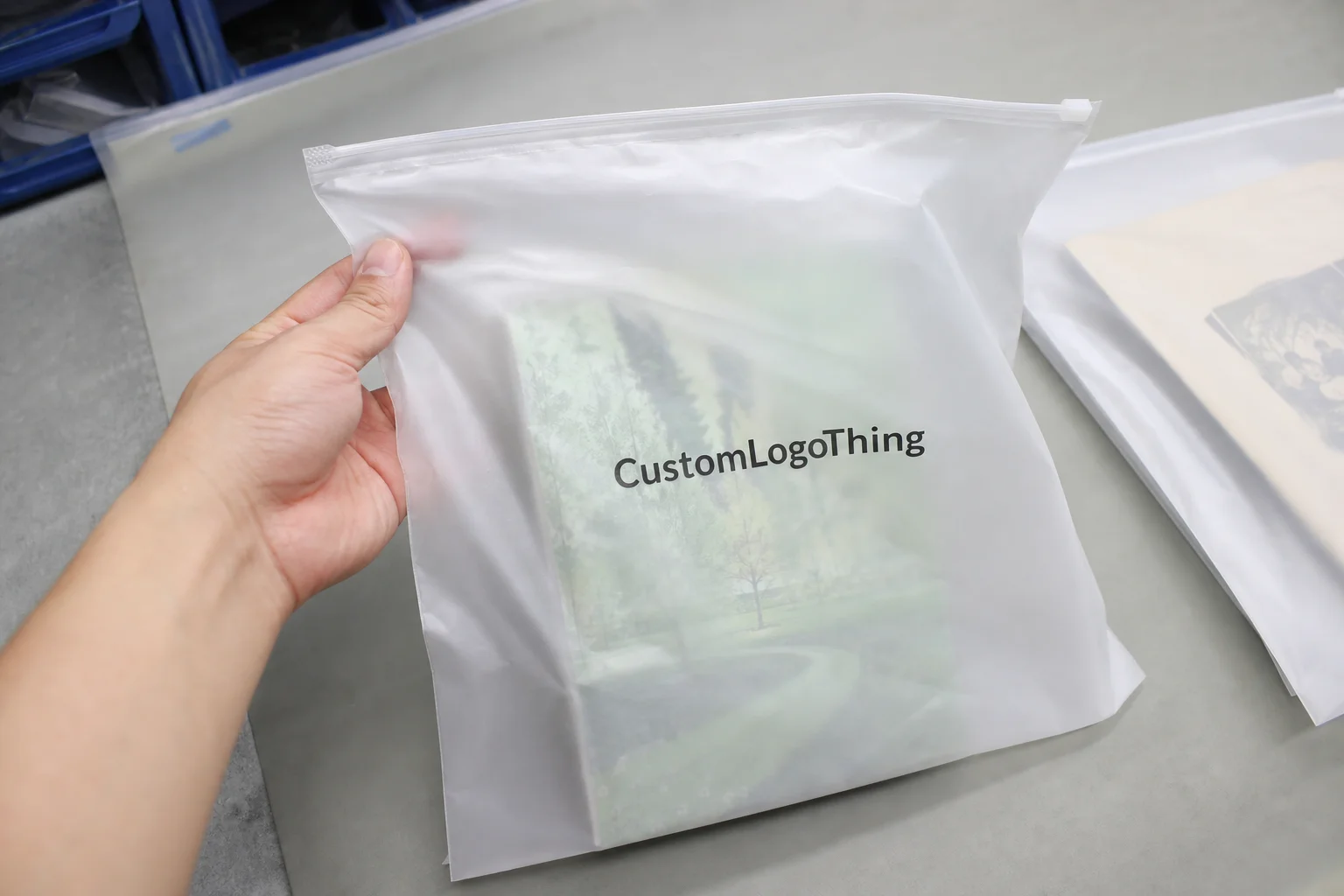
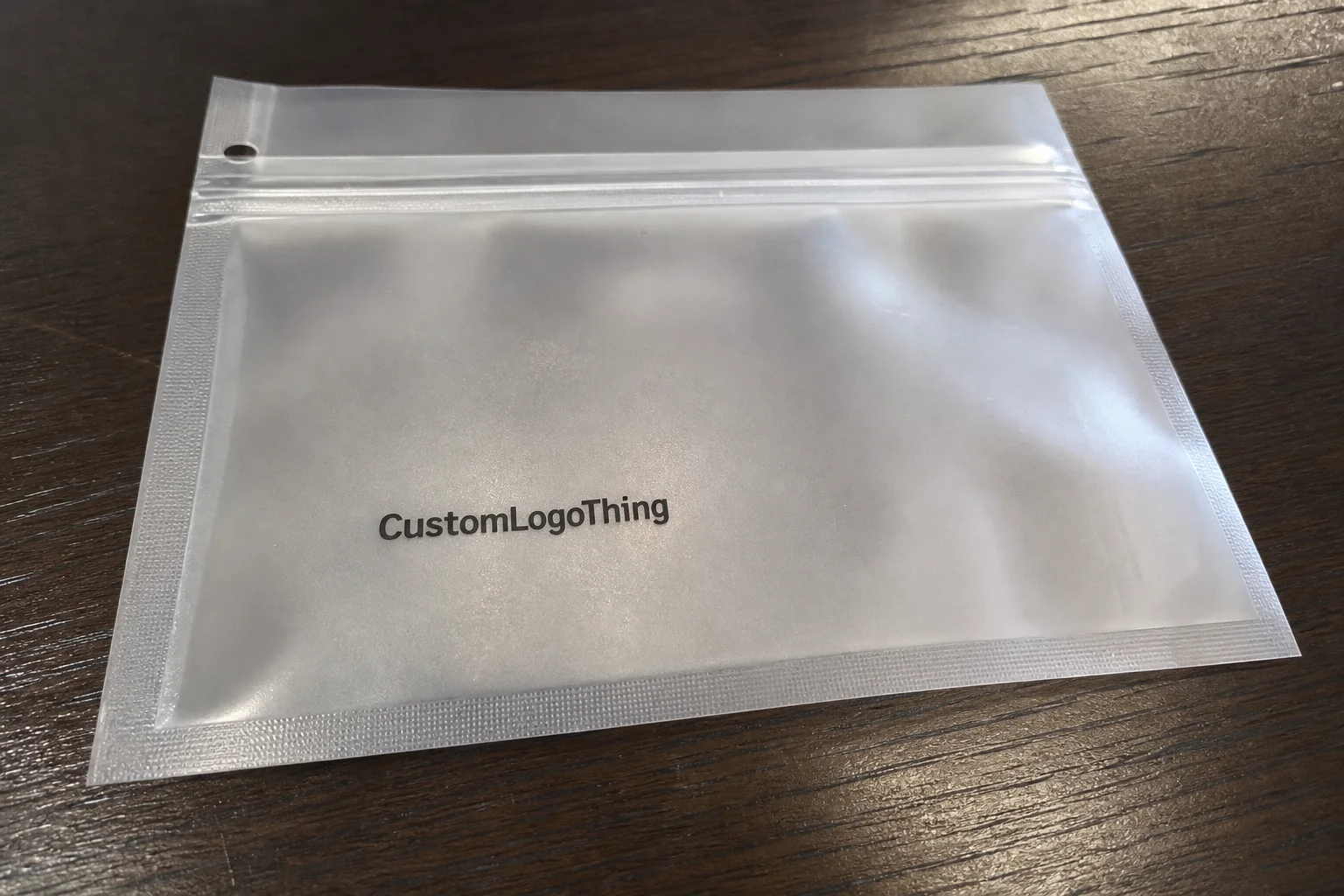
Custom Biodegradable Bags for Bulk Packaging Orders
Custom biodegradable bags are packaging, not a promise. The material behaves according to its resin blend, film gauge, seal design, storage conditions, and the disposal environment it eventually ends up in. That sounds technical because it is technical. A bag can look ordinary on a sample sheet and still perform very differently once it is filled, stacked, shipped, and stored.
Buyers usually run into trouble when they start with the claim instead of the product. A bag for apparel inserts has a different job than one for dry food, sample kits, or e-commerce accessories. If you are sourcing alongside custom packaging products, the useful question is not whether the bag sounds sustainable. The useful question is whether the material, print, and disposal language all match the actual use case.
What buyers usually miss about biodegradable bag performance
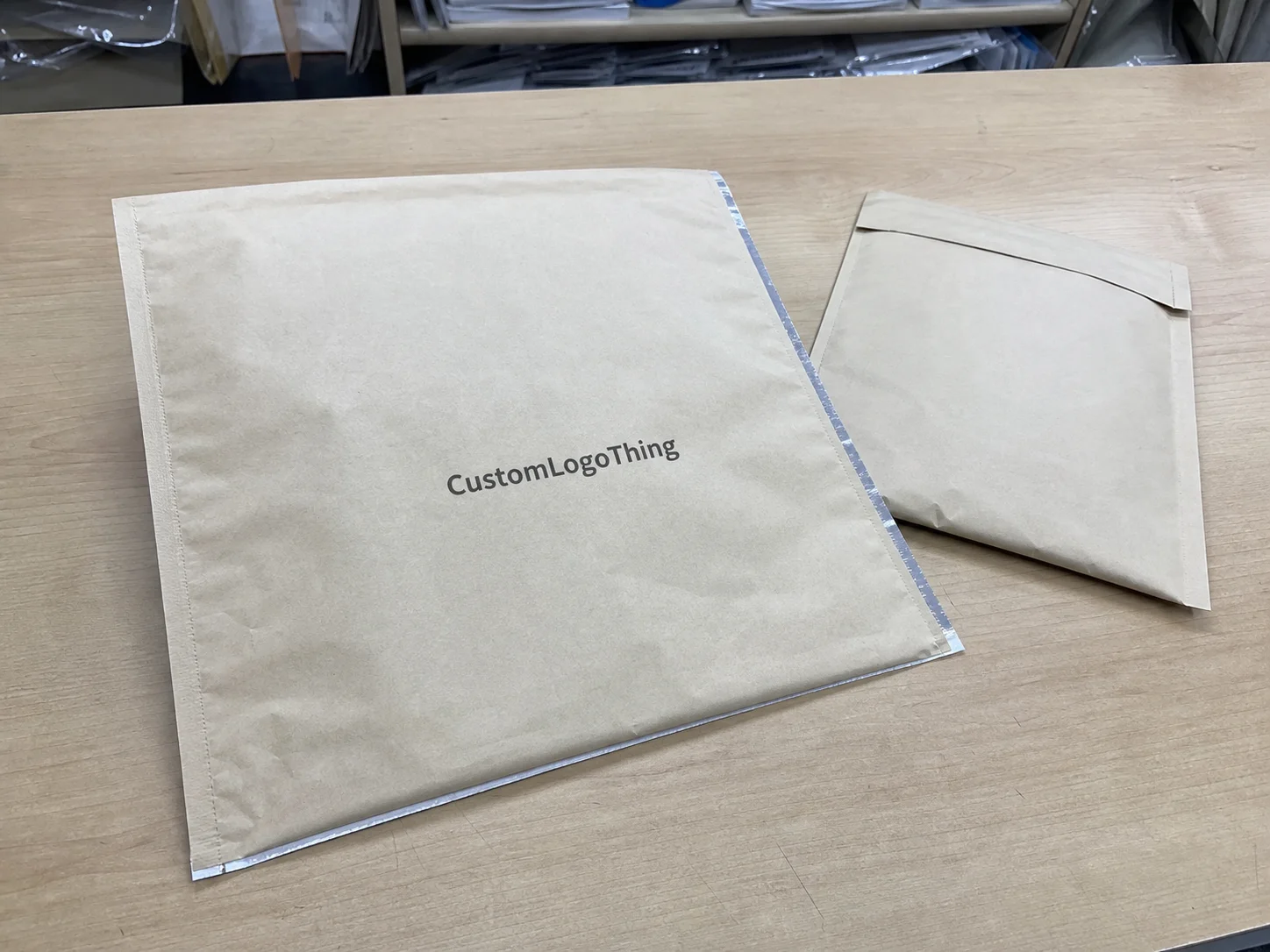
The first mistake is treating biodegradable, compostable, and plant-based as interchangeable. They are not. Biodegradable means the material can break down over time through biological activity. Compostable means it has been tested against a defined standard and is intended to break down in a controlled composting environment. Plant-based only describes where part of the feedstock came from. It says nothing by itself about end-of-life behavior.
That distinction matters because the bag can still feel familiar. It may be clear, soft, heat-sealable, and printable like standard poly packaging. Under the surface, though, the chemistry is different. The service life, disposal path, and certification status can all change. Buyers often miss that gap because the finished bag does not always look specialized.
In practice, these bags fit best in applications where the package is part of the customer experience and the disposal claim needs to be defensible: retail apparel, accessory kits, dry goods, subscription inserts, secondary wrapping, and light branded shipping packaging. They are not a universal replacement for every format. Oily products, sharp edges, heavy point loads, and long hot transit cycles all raise the risk of failure.
A nice-looking bag with the wrong claim is not a branding win. It is a problem that shows up later, after the order ships.
The supplier should be able to state whether the material is certified, which standard applies, and which market the claim is meant for. If that answer is vague, the quote is not ready yet.
How the material breaks down in real-world conditions
Breakdown depends on heat, moisture, oxygen, microbes, and time. Those conditions are not equal across disposal routes. Industrial composting is warm and controlled, which speeds the process. Home compost can work, but it is slower and less predictable. Landfill conditions are usually too dry and oxygen-poor for the same result, and open-air exposure creates a different pattern again.
That is why the label alone does not tell the whole story. A supplier may describe a film as biodegradable, but that does not mean it will disappear in a warehouse, a truck, or a backyard bin. Buyers Should Ask where the claim is intended to apply, how the material was tested, and whether the certification covers the exact construction being ordered. For compostable packaging, the relevant references are formal standards and controlled facility testing, not assumptions.
The material blend changes behavior too. Additives can improve flexibility, processing stability, and sealability, but they can also alter clarity, shelf life, and puncture resistance. Gauge matters just as much. A thinner film saves resin, but it gives up some toughness and can be easier to stress-crack if the contents have edges or uneven weight. A thicker film gives you more handling confidence, but it increases cost and can take away some of the light, crisp feel buyers want.
Storage is part of the equation and people skip over it too often. Heat and UV exposure can age the film before it reaches the customer. If rolls or finished bags sit near a loading dock in summer, or in a humid stockroom for too long, the usable life can shrink. That is not a flaw in the material concept. It is a reminder to treat the substrate like a real packaging material instead of a generic pouch.
For transit-heavy programs, I also look at whether the package has been considered with shipping stress in mind, not just shelf appearance. References such as ISTA are useful because the damage that happens in distribution rarely matches what people picture during spec review.
Film thickness, seals, and print factors that change results
Gauge choice is one of the clearest tradeoffs in bag buying. Lighter films reduce material use and can lower cost, but they leave less margin for bulky, irregular, or sharp-edged contents. For many retail and secondary packaging jobs, the practical range often falls around 30 to 60 microns. Heavier or more protective formats can go beyond that depending on the resin system and the closure style.
Seal construction matters just as much. Side seals and bottom seals are common because they are efficient and consistent. Gussets help the bag open around product volume. Zippers and tack seals add convenience, but they introduce another variable in closing consistency and line performance. If the product is light and dry, a simple construction may be enough. If the pack needs repeated opening or a cleaner shelf appearance, closure design starts to matter more.
Print is another place where quotes drift. Flexographic printing is often the practical choice for larger bulk orders because it handles repeat production well. Digital can make sense for shorter runs or frequent artwork changes. Dense solids, metallic effects, and very fine type all increase the difficulty level. They can also affect ink adhesion and color stability on biodegradable films, so a layout that looks fine on screen may still need a production proof before release.
The rule is simple: if the art depends on tight registration, heavy coverage, or small legal text, ask for a production-like sample, not just a blank material swatch. That is the point where printing and packaging design either hold together or start drifting.
Storage and handling matter here too. A finished bag that prints well can still age poorly if it is exposed to heat, humidity, or direct light before use. The more sensitive the film, the more you need clear warehouse instructions and carton packing discipline.
Cost, pricing, and MOQ factors that move the quote
Material formulation usually costs more than standard polyethylene, and the premium rises when you ask for stronger performance, special print coverage, or a specific certification path. That does not make the project expensive by default. It means the pricing has more moving parts than a plain stock bag.
Size and gauge drive raw material usage. Print colors drive plate or setup cost. Closure style changes fabrication time. Finish choices, such as matte treatment or a softer hand feel, can move the quote again. Two bags that look nearly identical on a sample sheet can come back with very different numbers because one needs more film, more print work, or a more complex conversion line.
MOQ is usually a function of setup effort, resin sourcing, and print complexity. A simple unprinted bag may allow a lower minimum. A fully custom, printed, specialty-built format usually needs more units to spread setup cost over the run. For bulk buyers, that is not a surprise if the spec sheet is honest. For rushed buyers, it feels like a penalty.
| Option | Typical spec | What moves the price | Rough unit cost at 5,000 pcs |
|---|---|---|---|
| Simple unprinted bag | Flat bag, 30 to 40 micron, no zipper | Size and resin blend | $0.08 to $0.16 |
| One-color printed retail bag | Flat or gusseted, 1 print color, basic closure | Print setup, coverage, and thickness | $0.14 to $0.28 |
| Multi-color branded bag | Gusset or zipper style, fuller artwork coverage | Print complexity and conversion time | $0.24 to $0.48 |
| Certified compostable build | Custom size, documentation, tighter QA | Certification, resin sourcing, testing | $0.30 to $0.60 |
There are also costs buyers forget to count: sampling, tooling, plates, freight, and any verification testing. A sample pack may be modest; a custom plate set for multiple colors is not. If the bag needs formal documentation or exact disposal language, that can add time and admin work as well. I have seen projects where the unit price looked fine until freight and proofing were added in.
If the bag is part of a larger branded packaging program, compare the whole package, not just one line item. Pairing the bag with the rest of the shipping and retail pack often changes how the order is built and where the cost lands.
Production process and lead time from spec sheet to shipment
The cleanest orders start with a proper specification sheet. Before quoting, the supplier should know the bag dimensions, film thickness, product weight, closure type, print coverage, and the disposal claim you expect to make. If that information is missing, the quote is a guess. If it is wrong, the proof stage becomes a correction stage.
After the initial quote, the next checkpoint is proof and sample approval. That is where the buyer confirms feel, clarity, seal appearance, print layout, and overall structure. For some projects, a simple virtual proof is enough. For others, especially if the film needs to support retail packaging claims or repeated handling, a physical sample is worth the time.
Production then moves through artwork finalization, material scheduling, fabrication, inspection, packing, and shipment. Each step can add delay if the order is waiting on signoff or if a specialty resin has a longer sourcing cycle. A bulk run with straightforward artwork may move in roughly 12 to 18 business days after proof approval. More complex custom work, or orders that need a special material path, can take longer.
Transit time is separate from manufacturing time, and that distinction matters. Domestic freight may add only a few days. An import shipment can add much more. Buyers planning a launch date should work backward from the date the product must be on hand, not from the date the purchase order is issued.
For durability-sensitive shipments, ask how packed cartons are handled. Box strength, pallet pattern, and warehouse exposure are part of the lead-time story because a perfectly made bag that arrives crushed or heat-aged is still a failed delivery.
For broader sustainability guidance, the U.S. EPA's composting resources at EPA composting resources are a useful reference point. The goal is simple: keep the claim aligned with the disposal route buyers can actually support.
How to spec custom biodegradable bags before you request quotes
If you want accurate pricing, build a one-page spec sheet first. Include dimensions, target fill weight, bag style, closure type, print colors, finish preference, and any required compliance language. That lets every supplier quote the same job instead of guessing at the details and padding for uncertainty.
Then match the construction to the application. Dry goods, apparel, insert packs, and light retail packaging do not need the same seal strategy. Sharp-edged contents, dense product bundles, and longer shipping routes usually justify a thicker film or a stronger closure. That is where practical packaging thinking matters more than a sales pitch.
Decide what the real goal is. If the goal is compostability, ask for the exact certification and test basis. If the goal is reduced plastic content, say that directly. If the goal is stronger package branding with a cleaner sustainability story, the print and finish need to support that story without overstating the disposal claim. Too many buyers mix those goals together and end up buying the wrong material.
A good quote request should also ask for test data that is actually usable: seal strength, drop resistance, storage guidance, shelf-life expectations, and whether the bag has been evaluated against a transit framework such as ISTA when shipping performance matters. Those details turn a sales quote into an order spec.
For teams that already order custom printed boxes or other retail packaging components, the bag should fit the rest of the system. The visual language, print tone, and disposal message should be consistent across the kit. That consistency matters more than people think.
Common ordering mistakes that create weak bags or bad claims
First mistake: assuming every biodegradable bag is compostable. Those claims are not interchangeable, and they should not be written casually on the artwork or outer carton. If the certification is missing, or the market requires a specific standard, the claim needs to stop there.
Second mistake: underspecifying the gauge. Thin film can be fine for a light insert, but it is a poor choice for products with sharp corners, heavy fill, or long handling chains. The bag may pass a quick in-house check and still fail once it gets stacked, bent, or dragged across another carton.
Third mistake: ignoring storage and print conditions. A bag can look excellent at approval and still weaken if it sits too long in heat or humidity. Some buyers assume the material is stable in every warehouse condition. It is not. That applies to many films, but biodegradable and compostable structures can be more sensitive to storage discipline.
Fourth mistake: writing the sustainability claim before checking the documentation. The final artwork should reflect the actual certificate, the actual material, and the destination market's rules. If the claim is too broad, it creates compliance risk. If it is too narrow, it undercuts the value of the program.
The cheapest quote is often the one that left out the most important detail. Packaging rarely stays cheap once the project reaches production.
These mistakes are easy to avoid if you slow the order down at the spec stage. That usually saves more money than squeezing a few cents out of the unit price.
Expert tips for cleaner sourcing and the next quote request
Ask for a sample pack and test it with your actual product before you commit to a full run. Lab data matters, but real handling is where weak seals, static issues, and fit problems show up. If the bag is going into a retail kit, let the packaging team load it the way fulfillment will actually use it.
Compare quotes only after the spec sheet is identical. A lower number may simply mean a thinner film, a smaller bag, fewer print colors, or a simpler closure. Apples-to-apples comparison is the only fair one. Anything else is a pricing illusion.
Get written confirmation of MOQ, lead time, certification documents, and any setup fees. That is especially useful on bulk orders, where freight and proof changes can move the schedule. It also protects the buyer, the artwork team, and the warehouse from last-minute assumptions.
If you are building a broader branded packaging program, keep the look and the claim aligned across every component. Bags, cartons, inserts, and outer shipping materials should tell one consistent story, not four different ones. That is where package branding feels deliberate instead of patched together.
For the next quote request, gather the dimensions, fill weight, print file, performance needs, and disposal target in one place. If you do that, custom biodegradable bags stop being a guessing exercise and become a normal procurement decision. The order is more likely to land on spec, on time, and with the right sustainability language attached.
Are custom biodegradable bags the same as compostable bags?
No. Biodegradable means the material can break down over time, while compostable means it meets a specific standard in a controlled composting environment. Ask the supplier for the exact certification or test standard before you print any disposal claim on the bag or on the outer carton.
What details do I need to quote custom biodegradable bags accurately?
Provide the bag dimensions, film thickness, closure style, print colors, quantity, and the approximate weight or type of product the bag will hold. Also share any certification needs, target market, and whether you need sample approval before production.
How long does production usually take for biodegradable bag orders?
Lead time depends on whether the material is stock or custom, how many print colors are involved, and whether you need a sample or proof stage first. Add separate time for freight, since shipping can matter as much as manufacturing when you are planning a launch date.
Can biodegradable bags be printed with full-color branding?
Yes, most can be printed, but ink system, film surface, and coverage level affect cost, color consistency, and adhesion. Designs with large solids or very fine type should be proofed carefully before the full run starts.
What is a typical MOQ for custom biodegradable bags?
MOQ varies by supplier and by how complex the bag is, so a simple size may have a lower threshold than a fully printed, specialty-built format. If you need a lower MOQ, ask whether the supplier can use existing tooling or a stock construction to reduce setup requirements.