Personalized string bags work because people actually reuse them. That matters more than the initial handoff. If a bag gets carried to campus, events, errands, or a retail pickup, the logo keeps earning impressions long after the giveaway ends.
The best orders are usually practical, not flashy. A useful size, a durable enough material, and clean artwork matter more than extra decoration. String bags are easy to ship, easy to stack in bulk, and easy to hand out, which is why they show up in event kits, school packs, and retail bundles. The spec just needs to fit the job.
Why personalized string bags get noticed faster than plain giveaway bags
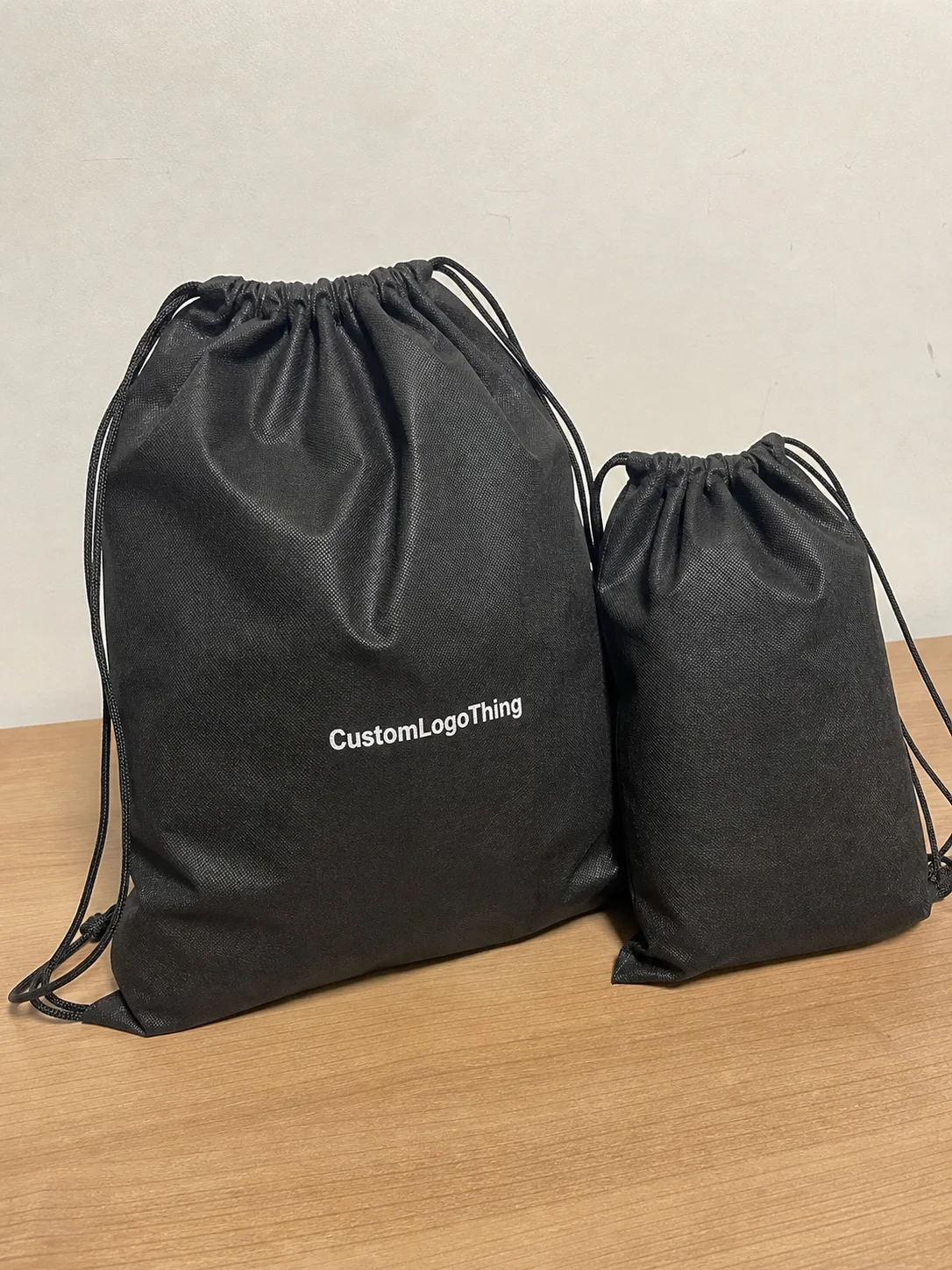
A plain giveaway bag is disposable. A well-made drawstring bag gets reused, and that changes the value of the imprint. Personalized string bags are useful first and promotional second, which is why they stay in circulation longer than most one-time handouts.
They fit a wide range of use cases without requiring much explanation. Event kits, orientation packs, retail bundles, sports teams, staff onboarding, and promo drops all work with the same basic format. The bag travels with the user, gets filled and emptied, and continues to expose the logo in normal daily use.
They also make logistics simpler. Compared with bulky totes or boxed kits, string bags compress well, ship efficiently, and take up less storage space. For buyers watching freight and warehousing costs, that can be a real advantage.
Visibility is another reason they perform well. A logo on a drawstring bag moves, folds, and swings into view from different angles. That means the design has to stay readable in motion, not just look good in a mockup. If the print only works on a white background, the spec needs revision.
A bag does not need to look perfect in a render. It needs to survive loading, folding, and repeated use without making the brand look careless.
How personalized string bags are made and printed
The base material drives the feel, durability, and much of the price. Common options include woven polypropylene, polyester, cotton blends, mesh, and nonwoven styles. Woven polypropylene is usually the budget standard. Polyester tends to feel cleaner and hold up better. Cotton blends give a softer, more retail-friendly finish. Mesh helps when breathability matters. Nonwoven is often the lowest-cost route for mass giveaways, though it usually feels less premium.
Fabric weight matters just as much as material type. Lighter bags are fine for brochures, a T-shirt, or a small merch item. If the contents include books, bottled drinks, or heavier daily loads, a stronger weave and reinforced stitching are worth paying for. A bag that tears at the cord attachment is not economical.
Print method matters too. Screen printing is usually the default for simple logos because it is clean, durable, and cost-effective at scale. Heat transfer works better when the artwork needs more detail or more colors. Digital printing can handle complex graphics, but it depends on the fabric and the budget. The best method is the one that suits the material and the artwork, not the one that sounds most advanced.
Most buyers underestimate the print area. Seams, cords, folds, and fabric texture reduce what stays visible in real use. A larger logo is not always a better logo if it wraps awkwardly or sits too close to an edge. One-sided branding is usually cleaner and cheaper. Two-sided branding makes sense when visibility matters more than saving a few cents.
Color choice changes the result quickly. A dark bag can make a bright logo stand out, but only if the ink has enough opacity. A lighter bag offers more flexibility, though it can show wear sooner. The strongest results usually come from bold shapes, high contrast, and enough negative space for the artwork to survive folding and movement.
For buyers who want to sanity-check broader packaging expectations, transit performance and drop testing often follow the logic used by ISTA. If the order includes certified paper content in hang tags, inserts, or outer packaging, FSC guidance is worth checking. Trade references like packaging.org are useful when you need to pressure-test a spec instead of guessing.
Cost, pricing, MOQ, and what changes your quote
Pricing starts with the basics: quantity, bag material, size, number of print colors, and whether the artwork needs setup. Those inputs explain most quote differences. A 500-piece order with a detailed multicolor logo is not comparable to a 10,000-piece order with a single-color imprint on a standard bag.
MOQ behavior is predictable. Smaller runs cost more per unit because setup gets spread over fewer pieces. Larger runs usually improve faster than buyers expect once the press is running and the labor is already committed. That is why the jump from 500 to 1,000 can matter more than the jump from 3,000 to 5,000.
| Option | Typical use | Approx. unit price range | What you get |
|---|---|---|---|
| Nonwoven drawstring bag | Large giveaways, events, low-cost kits | $0.45-$1.10 at 1,000-5,000 pieces | Lowest entry price, lightweight feel, simple branding |
| Woven polypropylene bag | Retail bundles, campus use, repeated carry | $0.70-$1.60 at 1,000-5,000 pieces | Better structure, improved durability, cleaner print response |
| Polyester or cotton blend bag | Premium promos, resale, employee kits | $1.20-$3.20 at 500-3,000 pieces | Better hand feel, stronger perceived value, more retail-friendly finish |
The hidden cost levers are where buyers get surprised. Rush production adds cost. Expedited freight adds cost. Sample revisions add cost if the changes are not minor. Custom color matching can add cost if the supplier has to source or calibrate to a specific tone. Even small artwork changes can affect setup time, and setup time is money.
If budget is tight, simplify the design before trying to shave pennies off the material. Use a standard size. Stick to one or two print colors. Order enough volume to move below the awkward middle tier where the quote is neither cheap nor efficient. That is often the best value for personalized string bags used in Events and Retail bundles.
Freight assumptions also change the real total. A low unit price can disappear once packaging, carton count, and shipping are added. Buyers who compare only the bag price are usually comparing the wrong number.
Process and turnaround: from artwork to delivery
The standard sequence is simple: Request a Quote, confirm specs, submit artwork, review a proof, approve the sample or mockup, then move into production. Proof approval is where most delays start. No factory can print what has not been approved, and waiting on a PDF is still waiting.
Lead time is more than press time. It includes proofing, material allocation, production, finishing, carton packing, and freight booking. Delays usually come from artwork revision, not the press itself. If the file needs cleanup, the logo is in the wrong format, or the brand team cannot settle on a color target, the schedule slips.
Quality control should focus on the things that affect use: logo placement, centering, color contrast, seam integrity, cord attachment, and carton packing. A good print with weak stitching is still a bad bag. A good bag with crooked branding is still a bad order.
Standard production is usually manageable when the artwork is clean and materials are in stock. Rush orders can work, but they narrow options, raise freight cost, and reduce the margin for error. If the bags support a launch, trade show, or school distribution, that risk matters.
Typical timelines depend on stock and print complexity, but a clean order often moves in 7 to 15 business days for production, plus shipping. Orders that need custom colors, special packing, or multiple revisions can take longer. If the delivery date is fixed, build in slack. Shipping delays are common enough that they should be part of the plan.
Spec choices that matter: size, fabric, and load capacity
Size should follow the contents. If the bag is too small, it bulges and stresses the seams. If it is too large, it wastes material and looks floppy. The right size is the one that fits the kit with a little room to spare, not a dimension copied from a different order.
Fabric choice should follow use, not habit. Lightweight options are fine for handouts that only need to carry a brochure or a small merch item. If the bag will hold books, water bottles, or repeated daily loads, step up to a stronger weave and look for reinforcement where the cords meet the body. That detail often decides whether the bag gets reused.
Load capacity is less about a lab number and more about real behavior. People overfill bags. They add a notebook, a charger, a sweatshirt, then one more item. The bag has to survive that kind of use without the cords cutting into the fabric or the bottom distorting so much that the logo disappears into folds.
Comfort matters too. Cord length, shoulder drop, and closure style change how the bag feels in motion. If the bag is uncomfortable, it will not get reused, and the branding loses the repetition it was supposed to earn.
The practical rule is simple: choose a better fabric if the bag will be carried more than once, choose a simpler print if visibility matters more than decoration, and choose a size that fits the actual kit instead of the idealized version someone drew in a meeting.
Step-by-step: ordering personalized string bags without delays
Start with the use case. Event giveaway, retail resale, employee kit, and campus promo are not the same order, and they should not share the same spec. The use case determines the material, size, print method, and expected price range. Skip that step and both the quote and the finished bag will be off target.
Then gather the right files. Vector artwork is the cleanest starting point. If you have Pantone references, include them. If you know your target delivery date, include that too. Quantity, destination, and any packaging requirements should go into the first request. Specific inputs reduce back-and-forth later.
Review the proof like it costs money, because it does. Check spelling, logo size, placement, color contrast, and whether the artwork still reads at the actual imprint size. A design that looks crisp on a monitor can collapse when it is reduced for a small print area.
- Define the end use.
- Choose bag size and fabric.
- Prepare vector artwork and color references.
- Request a quote with quantity and timeline.
- Approve the proof only when the spec matches the job.
Once production starts, changes get expensive quickly. Even a small artwork correction can affect schedule and cost. The best buyers treat the spec sheet like a contract. If the spec is right, the order tends to be boring in the best way.
Common mistakes that waste budget and slow production
The first mistake is low-resolution artwork. A fuzzy file does not become a sharp logo because the deadline is close. It prints soft, muddy, or uneven. Use vector art whenever possible. If the logo only exists as a screenshot, fix that before requesting pricing.
The second mistake is choosing the wrong material for the job. A cheap bag that fails in daily use is not cheap. If the bag is for a one-day handout, a lighter option can be fine. If it needs to survive real reuse, spend enough to avoid complaints later.
The third mistake is overdesigning a small format. Thin lines, tiny text, gradients, and busy artwork can look good on a screen and bad on a drawstring bag. In most cases, the stronger choice is a bold logo, one or two colors, and a layout that survives motion, folding, and imperfect lighting.
The fourth mistake is slow internal approval. If the proof sits in someone’s inbox for three days, the turnaround just got three days longer. Manufacturing responds to approval timing, payment timing, and file readiness, not the calendar on your side.
Another common issue is ordering too few pieces to get a sane unit price, then acting surprised when the quote looks awkward. Bulk pricing only works in bulk. If the goal is a better rate on personalized string bags, the order has to behave like a bulk order.
Expert tips and next steps for a cleaner order
Keep the logo bold and the message short. String bags are moving billboards, not brochures. The design has to read quickly, survive folding, and still make sense when the bag is half full.
Ask for a physical sample or a close production reference when the order matters. Color on a screen lies. Texture lies. Fabric sheen lies. A sample shows how the bag actually feels and how the print sits on the material.
Build a buffer into the schedule if the bags support a launch, trade show, or school distribution. Freight delays happen. Approval delays happen. Cartons get held. A little slack is not luxury. It is basic buying discipline.
From a packaging buyer’s point of view, the order gets easier once the job is clear. Pick the use case, lock the size and material, prepare clean vector art, confirm quantity and timeline, then send the spec for quote review. That is how personalized string bags end up matching the job instead of just matching the spreadsheet.
If the order needs to hit a deadline, the safest path is usually the boring one: standard material, one or two print colors, clean artwork, and a realistic shipping window. Reliable is better than complicated.
FAQ
What is the best material for personalized string bags?
For lightweight giveaways, woven polypropylene or nonwoven styles usually keep cost down. For better reuse and a more premium feel, polyester or cotton blend options are often stronger choices. The right material depends on load, budget, and how often the bag is expected to be carried.
How much do personalized string bags usually cost per unit?
Unit cost depends on quantity, print colors, and material grade. Small orders usually cost more per bag because setup is spread across fewer units. If you want a better price, simplify the design and raise the quantity where possible.
What is the usual turnaround for personalized string bags?
Turnaround depends on proof approval, production load, and shipping method. A clean, ready-to-print file usually moves faster than artwork that needs corrections. Rush orders are possible, but they often cost more and leave less room for revisions.
Can I print a detailed logo on personalized string bags?
Yes, but the print method matters a lot. Simple logos usually print cleaner than thin lines, gradients, or tiny text. If the artwork is detailed, ask for a proof that shows how it will hold up at the actual imprint size.
What should I send when requesting a quote for personalized string bags?
Send quantity, bag size, material preference, logo file, print colors, and target delivery date. If you have a preferred budget, include that too. The more specific the request, the more accurate the Pricing and Turnaround estimate will be.