Buyer Fit Snapshot
| Best fit | Custom Book Mailers Supplier Quote projects where brand print, material claims, artwork control, MOQ, and repeat-order consistency need to be specified before quoting. |
|---|---|
| Quote inputs | Share finished size, material target, print colors, finish, packing count, annual reorder estimate, ship-to region, and any compliance wording. |
| Proofing check | Approve dieline scale, logo placement, barcode or warning zones, color tolerance, closure strength, and carton packing before bulk production. |
| Main risk | Vague material claims, crowded artwork, missing packing details, or unclear freight terms can make a low unit price expensive after revisions. |
Fast answer: Custom Book Mailers Supplier Quote: Pricing & Specs should be specified like a repeatable production item. The safest quote records material, print method, finish, artwork proof, packing count, and reorder notes in one written spec.
Production checks before approval
Compare the actual filled-product size with the drawing, then confirm tolerance on folds, seals, hang holes, label areas, and retail display edges. Reserve space for logos, QR codes, warning copy, and material claims before decorative graphics fill the panel.
Quote comparison points
Review material grade, print process, finish, sampling route, tooling charges, carton quantity, and freight assumptions side by side. A quote is only useful when the supplier can repeat the same color, closure quality, and packing count on the next order.
A custom book mailers supplier quote should tell you more than a unit price. It should show whether the mailer will protect the book, hold its shape in transit, and still look like part of your brand instead of a tired piece of cardboard that arrived with the corners already losing the fight.
Most buyers get burned by comparing the lowest number and skipping the structure behind it. A cheap quote can hide weak board, loose tolerances, thin print coverage, or freight that was left out on purpose. That is not savings. That is a delayed expense with a nice font.
If a quote does not state the finished size, board grade, print method, and shipping terms, it is not a real quote. It is a guess wearing a blazer.
For publishers, subscription sellers, journal brands, and anyone shipping books as part of product packaging, the job stays the same: protect the contents and keep the unboxing clean. Good packaging design does both. Weak packaging does neither, no matter how polished the mockup looked on a screen.
Why the Cheapest Book Mailer Quote Usually Costs More
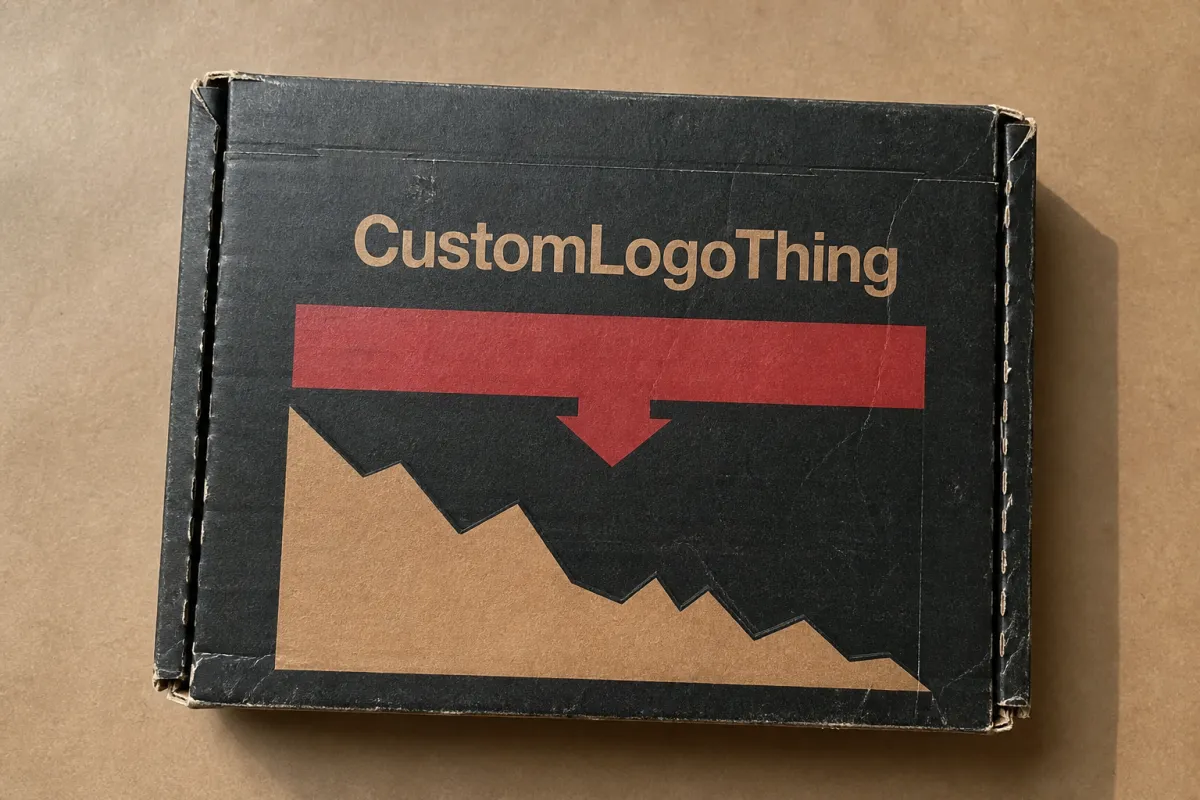
The lowest number on the page is often the most expensive mistake in the order. I see it all the time: a buyer picks the thin option because it trims a few cents off the quote, then pays for crushed corners, replacement units, and a support inbox full of angry customers. The spreadsheet looks neat. The warehouse does not.
A weak mailer can fail in a few familiar ways. It can flex at the spine, split on the fold, or leave too much movement inside the shipper. Books hate movement. Corners take the first hit, covers scuff next, and the customer blames the brand, not the box. The supplier saved paper. You paid for the cleanup.
The better question is not, "What is the cheapest book mailer?" It is, "What build will keep damage rates low at my shipping volume?" That is a different job. A quote should reflect transit risk, order quantity, and how much presentation matters to the sale. A collector's edition needs different treatment from a warehouse replenishment pack.
There is also the hidden cost of reprint and rework. If the first production run arrives with loose tolerances or poor closure strength, the fix is rarely free. You either reorder, patch the issue with inserts or tape, or accept the damage. None of those choices feel smart after the fact. Cheap board is very efficient at creating extra work.
That is why I push buyers to start with the end use. Is the pack moving through parcel networks, postal sorting, or direct-to-consumer shipping? Is it a single paperback, a hardback, or a boxed set? The answers change the board, the style, and the quote. Skip those details and the supplier will still quote you. The number just will not mean much.
What You Are Really Buying: Materials, Style, and Fit
A book mailer is not just a box. It is a structure, a closure system, and a branding surface. That sounds obvious until someone asks for "a nice mailer" and expects the factory to read minds. The useful way to think about it is to split the build into three parts: the material, the style, and the fit.
Material decides how the mailer resists crush and flex. Style decides how the pack assembles, closes, and opens. Fit decides whether the book stays put or rattles around like loose hardware in a shipping carton. All three show up in the quote.
Common formats include rigid paperboard mailers, corrugated book mailers, fold-over mailers, and self-locking designs. Rigid board can feel premium and print well, which is useful for retail packaging and subscription programs. Corrugated designs usually handle shipping abuse better. Fold-over styles are efficient for flat books and journals. Self-locking options can speed packing lines and cut tape, which matters when labor costs more than hero shots.
Board grade matters more than most buyers think. A 12pt to 18pt paperboard may be enough for presentation, but a 1.5mm to 3mm corrugated structure generally gives better crush resistance for parcel shipping. For heavier books or bundled sets, E-flute and B-flute corrugated are common choices. E-flute usually gives a smoother print surface and tighter profile. B-flute is thicker and more forgiving under stack pressure. If you are shipping in volume, that difference is not cosmetic.
| Mailer style | Typical material | Best use case | Typical unit price at 5,000 pcs | Main tradeoff |
|---|---|---|---|---|
| Rigid paperboard mailer | 16pt-24pt board, printed or wrapped | Premium books, journals, branded kits | $0.55-$1.20 | Looks sharp, but less crush protection than corrugate |
| Corrugated fold-over mailer | E-flute or B-flute | Single books, direct-to-consumer shipping | $0.35-$0.85 | Strong and efficient, but bulkier than board |
| Self-locking mailer | Corrugated or heavy paperboard | High-volume packing lines, repeat shipments | $0.45-$0.95 | Fast to assemble, but needs tighter dieline control |
| Premium presentation mailer | Rigid board, insert, print, special finish | Launch kits, limited editions, subscription drops | $0.90-$2.00+ | Best on presentation, highest cost and setup effort |
That table is a starting point, not a promise. Size, print coverage, and freight can move the number fast. Still, it helps buyers see the pattern: the prettier the pack and the more custom the build, the more the quote climbs. The real decision is where the spend creates value. On some programs, a better finish supports package branding and repeat sales. On others, that money belongs in stronger board and a tighter fit.
If you are shipping books alongside other merchandise, it helps to compare a mailer against other Custom Packaging Products rather than forcing every product into one structure. A book mailer is excellent for flat, protected items. It is not a magic answer for every SKU in a catalog. Wishful thinking tends to create ugly packing slips and irritated customers.
For reference, parcel testing standards such as ISTA help buyers think about distribution risk in a more disciplined way. That does not mean every pack needs formal testing, but it does mean the mailer should be judged as a shipping system, not as artwork with flaps.
Specifications That Change the Quote: Size, Board, Print, Finish
Most quote problems begin with vague specifications. A supplier can only price what you describe. If you ask for "book mailers" and do not provide the finished dimensions, the book weight, or the print coverage, the resulting number is mostly theater. Good RFQs are plain, complete, and boring in the right way.
The first big driver is finished size. Internal size, external size, and unfolded dieline size are not interchangeable. If you quote the internal footprint but forget the spine thickness, hinge allowance, or wrap needed for an inserted book, the mailer may fit on paper and fail in reality. Small changes can also hurt board utilization. A shift of a few millimeters can change how many blanks fit on a sheet or how efficiently the die-cut runs.
Board thickness is the next lever. A lighter board may look fine in a sample but collapse under stack pressure, especially if the packs are palletized or shipped through multiple handling points. A heavier board raises material cost and sometimes tooling wear, but it can cut down on deformation and returns. There is no single right answer. A DTC publisher shipping one book at a time may choose a different caliper than a luxury stationery brand shipping a hardcover and insert together.
Print details matter as well. A one-color exterior is cheaper than full-coverage print. Printing both sides raises press time and often changes the setup. Heavy ink coverage, rich blacks, metallics, soft-touch lamination, aqueous coatings, spot UV, embossing, and debossing all add cost and can extend lead time. Some of those upgrades help with branding packaging because they create a better tactile feel. Some are vanity spend. Buyers Should Know the difference.
Artwork complexity is another sneaky cost driver. Clean vector art with a few solid areas is easier to produce than layered gradients, tiny linework, or print-to-edge graphics that require tighter registration. If the supplier has to slow the line or run extra checks, the quote reflects it. That is normal. What is not normal is pretending a fully decorated mailer should cost the same as a plain kraft structure.
Here is a practical RFQ checklist that keeps the quote honest:
- Finished dimensions, including thickness allowance for the book or set
- Book weight and whether the product is single, bundled, or boxed
- Board grade or material preference, such as E-flute, B-flute, or rigid paperboard
- Print sides, number of colors, and whether you need special finishes
- Closure style, insert requirements, tear strip, or adhesive strip
- Quantity, target ship date, and destination country or warehouse
If the pack will ship through rough distribution channels, ask whether the sample or prototype was evaluated against an appropriate test method, such as an ISTA procedure or a comparable corrugated performance check. You do not need to turn every project into a certification project. You do need to know whether the build can survive the trip. That is just sane buying.
Sustainability can be part of the spec too, but it should be defined clearly. If you want recycled content or FSC-certified board, say so early. FSC standards are documented at FSC-certified fiber sourcing, and broader recycling guidance is available through the EPA recycling overview. Those details matter to brand teams, and they can affect the quote because certified stock and certain coatings carry different supply costs.
Pricing, MOQ, and Custom Book Mailers Supplier Quote Basics
Now for the part everyone checks first: price. Fine. I would too. But price only works if the comparison is clean. A real custom book mailers supplier quote should separate the value of the material from the value of the setup, and it should tell you what is included. If it does not, the supplier is making you do the math blind.
At scale, unit cost usually drops as quantity rises. That part is predictable. Setup, tooling, and press time get spread across more pieces. What is less obvious is that freight, packing method, and duty terms can erase the savings if you are not careful. A low ex-factory number can turn into a high landed cost fast. That is why buyers should ask for the quote in the same terms every time. EXW versus FOB versus DDP is not a tiny detail. It changes the final bill.
Typical MOQ ranges vary by style and print method. A simple corrugated mailer may start around 1,000 to 3,000 units if the build is straightforward. Custom printed rigid structures often sit closer to 3,000 to 5,000 units, sometimes higher if the finish is complex. If someone offers a very low MOQ with heavy customization, ask what they are optimizing for. Sometimes it is real. Sometimes it is a watered-down spec that looks custom but is not.
A proper quote should normally include these lines:
- Material grade and sheet size
- Printing method and color count
- Die-cut or tooling charge, if any
- Sample or prototype cost
- Packing style, carton count, and palletizing
- Freight terms and destination
That list sounds basic because it is basic. Yet a surprising number of buyers still compare only the unit price. That is how a quote that looks $0.10 cheaper turns into a higher total spend after freight, samples, and waste are added back in. A supplier who hides delivery terms is not doing you a favor. They are moving the goalposts.
Compare landed cost, not just ex-factory cost. A quote that includes freight, cartons, and pallet loading can be easier to trust than a lower number that leaves half the bill for later.
There is also a practical balance between MOQ and inventory risk. If your book program is stable and reorders are likely, a larger first run can reduce unit cost and simplify packing schedules. If the design is new or seasonal, a lower MOQ may be smarter even if the unit price is higher. The wrong decision is ordering too much of a structure you have not tested. Packaging inventory is not magical. It just sits there burning cash.
For buyers comparing packaging categories, it can help to look at adjacent formats like Custom Poly Mailers. They are not a replacement for a proper book mailer, but they give a useful benchmark for how much print, branding, and freight structure can move the number. Sometimes the right answer is a hybrid pack, not a pure one-material solution.
If you want a simple rule, use this: for repeat SKUs and stable shipping volumes, spend more time on the structure and less time chasing the cheapest quote. For pilot runs, ask for a sample-friendly path and keep the first run tight. A slightly higher MOQ is acceptable if it brings better board utilization, cleaner assembly, or fewer transit failures. A low MOQ is useful when the design is still moving. Both can be right. The wrong answer is pretending one number fits every use case.
Process, Timeline, and Lead Time From Quote to Delivery
Good sourcing is a sequence, not a single email. The path from inquiry to delivery usually runs through brief, quote, sample, artwork approval, production, packing, and shipping. Buyers who skip steps tend to lose time later. That is not bureaucracy. That is cause and effect.
Quote turnaround is usually faster than sample turnaround. A basic estimate may come back in 24 to 72 hours if the specs are complete. A physical prototype or pre-production sample often takes 5 to 10 business days, sometimes longer if the design needs tooling or if the material has to be sourced. Production after approval commonly runs 12 to 20 business days for straightforward work, but print complexity and factory load can stretch that. Seasonal peaks can add more time. Packaging does not care about your launch calendar.
The biggest delays are usually self-inflicted. Missing dimensions. Late artwork revisions. Unclear print files. A buyer who sends a sketch and asks for a precise quote is basically asking the supplier to invent the product. Better to send a dieline, reference photos, and target ship date upfront. The fewer assumptions in the brief, the fewer surprises in production.
Here is a clean scheduling framework that works for most book packaging programs:
- Week 1: Send the full RFQ and compare quote options.
- Week 2: Review sample or prototype and confirm fit.
- Week 3: Approve artwork and finalize order quantity.
- Weeks 4-6: Production, packing, and export preparation.
- Week 6+: Freight transit, customs if applicable, and warehouse receiving.
That timeline is not universal, but it is realistic enough to plan around. If your launch date is fixed, build in a buffer. Air freight can save a campaign, but it can also blow up the budget. Ocean freight is cheaper, but only if the schedule can tolerate it. Buyers do not need optimism here. They need a calendar that matches reality.
One more point: ask the supplier to separate sample timing from mass production timing. A sample that arrives in six days does not mean 10,000 units will ship in six days. It just means the sample was fast. Those are different tasks. Confusing them leads to disappointed marketing teams and everyone pretending the missing cartons are somehow a surprise.
What a Good Book Mailer Supplier Should Prove
People usually say they want a supplier who is "easy to work with." Fair enough. Nobody wants a long chain of confusing emails. But ease is not the real prize. Accuracy is. A supplier who catches spec errors before production is worth more than one who agrees with everything and fixes nothing.
The practical test is simple. Can the supplier explain why a given board grade is enough, or not enough, for your ship route? Can they show how the closure works under repeated handling? Can they tell you where the price shifts if you change print coverage, insert depth, or freight term? If they can answer those questions plainly, you are talking to someone who understands the build, not just the sales pitch.
That matters in Custom Printed Boxes and other branded packaging too. A good packaging program is built on consistency. If the mailer, the insert, the shipper, and the printed graphics all tell the same story, the whole package feels intentional. If one piece is off, the customer notices. They may not know why, but they notice.
We also treat sampling seriously. A prototype is not just a formality. It shows whether the book slides too much, whether the closure needs a tighter lock, and whether the print area actually works around the folds. That kind of check saves money before anyone commits to a full run. It is far cheaper to adjust a sample than to correct a pallet of finished cartons.
Another sign of a strong supplier is direct communication around shipping and packing details. If a buyer needs cartons palletized a certain way, wants labels in a specific place, or needs an export pack for a warehouse on the other side of the country, those details should be built into the quote early. Not patched on later. Later is how costs multiply.
If you are comparing suppliers, ask each one to price the same spec two ways: one standard build and one stronger option. That is the fastest way to see whether the low quote is actually the better value or just the softest structure in the room. A lower number is fine if the design still survives transit. If it does not, the quote was never cheap.
Next Steps to Request a Better Custom Book Mailers Supplier Quote
If you want a quote that you can actually compare, send complete specs the first time. That cuts back-and-forth, speeds up the estimate, and makes the pricing more believable. A sloppy brief gets a sloppy number. Packaging buyers should expect that. Factories are not mind readers.
Use this checklist before you request pricing:
- Finished size of the book or set, with thickness included
- Book weight and whether the contents are fragile, premium, or standard
- Target quantity, with any reorder plans if applicable
- Print needs, including color count, inside print, and special finishes
- Closure type, insert needs, or tear-strip requirement
- Sample request, destination, and target delivery date
Two quote options are usually better than one. Ask for a standard build and a stronger or more premium version. That gives you a real comparison. Sometimes the stronger option only adds a small amount per unit and saves more than that in damage reduction. Other times the basic option is perfectly fine. You will not know until you see both.
If you already have a dieline, send it. If you have reference photos, send those too. A good drawing cuts confusion fast. A vague email does not. The more specific the brief, the more useful the custom book mailers supplier quote will be.
From there, confirm MOQ, review samples, lock artwork, and set the production calendar before you approve the order. That sequence keeps the job clean. It also makes it much easier to protect your budget. The fastest way to get a usable custom book mailers supplier quote is to send complete specs upfront, not a guess and a deadline.
How do I request a custom book mailers supplier quote?
Send finished dimensions, book weight, quantity, print details, destination, and your target delivery date. Add sample photos or a dieline if you already have them. That reduces back-and-forth and improves quote accuracy.
What affects a book mailers quote the most?
Material grade, finished size, print coverage, and order volume usually drive the biggest price swings. Tooling, special coatings, and freight terms can also move the final number more than buyers expect.
What MOQ should I expect for custom book mailers?
MOQ varies by style, print method, and tooling, but it is usually tied to production efficiency rather than an arbitrary rule. If you need a lower first run, ask for a sample-friendly option and compare that against a standard production MOQ.
How long does production take after I approve the quote?
Lead time depends on sample approval, artwork signoff, material availability, and current factory load. Ask for a separate sample timeline and mass production timeline so delivery expectations stay realistic.
Can I get samples before placing a full order for custom book mailers?
Yes, and you should if the order is new, size-sensitive, or intended for premium books that need better protection. Samples help confirm fit, board strength, closure style, and print quality before you commit to a larger run.
Takeaway: If you are requesting a custom book mailers supplier quote this week, send one complete brief with exact size, board grade, closure style, print coverage, quantity, and freight term. Then ask for a standard build and a stronger build side by side. That is the fastest way to separate a real quote from a guess and choose the structure that actually survives shipping.

