Buyer Fit Snapshot
| Best fit | Custom Box Inserts Wholesale projects where brand print, material claims, artwork control, MOQ, and repeat-order consistency need to be specified before quoting. |
|---|---|
| Quote inputs | Share finished size, material target, print colors, finish, packing count, annual reorder estimate, ship-to region, and any compliance wording. |
| Proofing check | Approve dieline scale, logo placement, barcode or warning zones, color tolerance, closure strength, and carton packing before bulk production. |
| Main risk | Vague material claims, crowded artwork, missing packing details, or unclear freight terms can make a low unit price expensive after revisions. |
Fast answer: Custom Box Inserts Wholesale: Specs, Pricing, Lead Times should be specified like a repeatable production item. The safest quote records material, print method, finish, artwork proof, packing count, and reorder notes in one written spec.
Production checks before approval
Compare the actual filled-product size with the drawing, then confirm tolerance on folds, seals, hang holes, label areas, and retail display edges. Reserve space for logos, QR codes, warning copy, and material claims before decorative graphics fill the panel.
Quote comparison points
Review material grade, print process, finish, sampling route, tooling charges, carton quantity, and freight assumptions side by side. A quote is only useful when the supplier can repeat the same color, closure quality, and packing count on the next order.
One loose product can turn a profitable shipment into a return, a reshipment, and a customer complaint you did not budget for. That is why Custom Box Inserts wholesale is not decoration. It protects margin, keeps the product in place, and makes the unboxing experience feel deliberate instead of slapped together.
From a packaging buyer's point of view, the math is not hard. If an insert cuts breakage, keeps the pack line moving, and supports cleaner product packaging, it pays back faster than most teams expect. If it misses the fit, it becomes expensive cardboard theater. Nobody needs that kind of help.
Brands building branded packaging or planning repeat retail runs get another advantage. Custom Box Inserts wholesale changes unit economics because the same structure can be reused across subscription kits, e-commerce bundles, sample sets, and gift packaging. That is where wholesale pricing starts to matter for real.
Here is the practical version: what to choose, what to measure, what it costs, and how long it takes. No fluff. Just the parts that help you order custom box inserts wholesale without wasting cartons, time, or budget.
Custom Box Inserts Wholesale: Why damage costs more than the insert
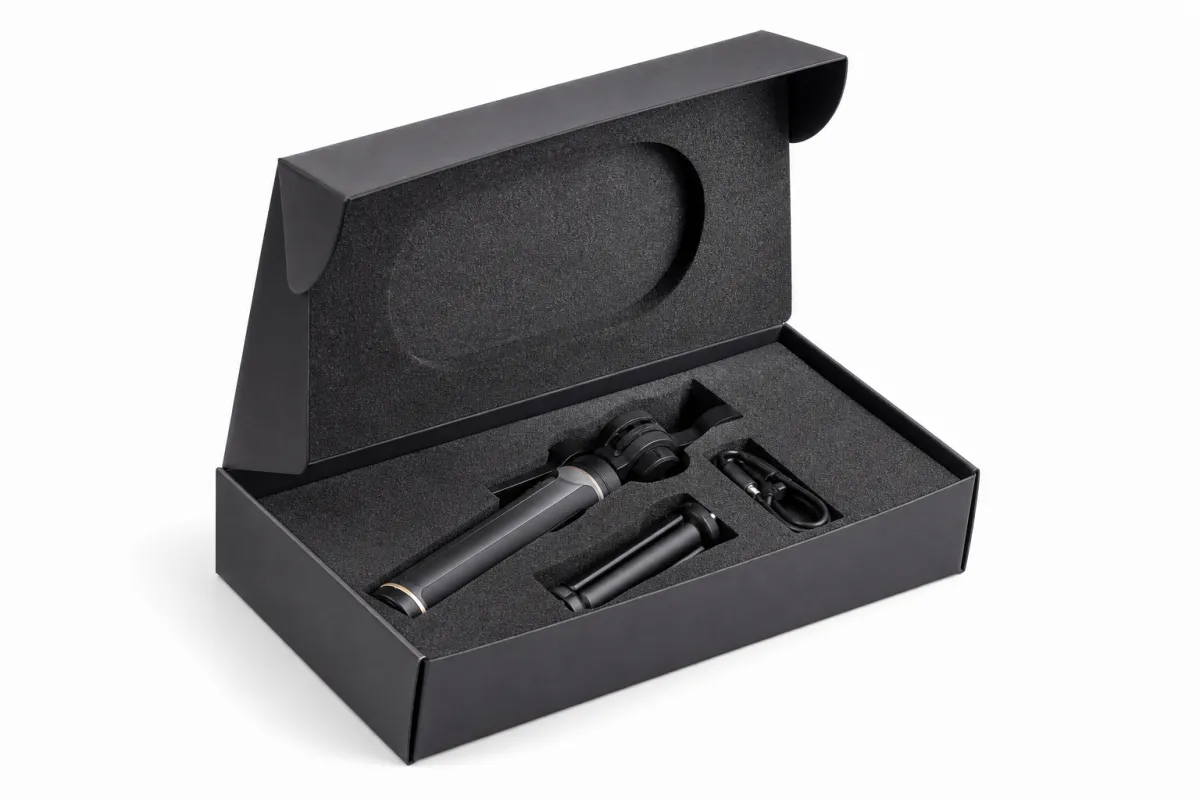
Here is the part many teams learn the hard way. A $0.20 insert that prevents one shattered bottle is cheaper than a replacement order, a freight claim, and the customer service time that comes with both. The insert is not filler. It is a control point. In custom box inserts wholesale, that control point matters even more because a repeatable structure protects every unit across a larger run.
I see this most often with glass bottles, cosmetics, candles, electronics, and premium gift sets. Those products do not need heroic packaging. They need fit. Too much empty space lets the product shift. Too little strength lets corners crush. Too soft a board and the insert looks fine on a desk, then fails in transit. Pretty is not a performance metric.
The real value of custom box inserts wholesale is consistency. Once the die line is set and the fit is verified, the same insert can be produced again with fewer surprises. That matters for subscription programs and retail replenishment because your packing team stops improvising. Faster packing means lower labor. Fewer damages mean the quote starts making sense in a hurry.
Wholesale also changes how you buy. Instead of treating inserts as a one-off accessory, you can treat them like a repeat production component. That opens the door to better pricing at 500, 1,000, and 5,000 units, especially for simple structures. The buyer who plans ahead usually gets the better outcome. The buyer who orders three days before launch usually gets the invoice and the headache.
Products that benefit most from custom box inserts wholesale include:
- Glass bottles, jars, and droppers
- Candles and wax-based products
- Skincare, fragrance, and cosmetic sets
- Small electronics and accessories
- Sample kits and PR mailers
- Premium retail packaging and gift sets
For brands that care about package branding, the insert can also shape presentation. A clean cavity, a printed surface, or a neat layered reveal tells the customer the box was designed with intent. That matters in retail packaging because the first impression is often built before the product is even touched.
The cheapest insert is not the one with the lowest quote. It is the one that does not trigger a replacement shipment.
If you are comparing options, start with your damage cost, not just the insert cost. A case of 2% breakage can erase a lot of savings. In custom box inserts wholesale, protecting margin is the job. Everything else is decoration.
Custom Box Inserts Wholesale Materials and Insert Styles
Material choice drives most of the performance. People love arguing about looks first, but the product does not care what looked good in a mockup. In custom box inserts wholesale, the right material usually matches weight, fragility, and how the box is handled in transit.
Paperboard is the usual starting point for lighter retail products, kits, and presentation-focused packaging. It is easy to die-cut, easy to print, and usually the most efficient option when the product is not heavy. Corrugated board brings more strength and crush resistance, which makes it useful for larger items, bottle sets, and parcels that will see more handling. Foam gives cushioning and a tighter premium fit for fragile items, though it can cost more and may not fit every brand's sustainability goals. Molded pulp works well for eco-minded programs and can handle protection well, especially when the product geometry is simple. Hybrid structures combine paperboard with corrugated or pulp for a more tailored result.
Insert style matters just as much. A die-cut tray gives a neat cavity for a product that needs presentation. Slot inserts and folded partitions work well for bottles, tubes, and grouped items because they create separated channels. Cradle-style supports are useful when the product needs to sit in one position instead of floating around. Layered inserts are better for kits where one item sits above another or where the unboxing sequence is part of the branding.
In custom box inserts wholesale, style is not about taste. It is about how the product loads, how the insert holds tension, and whether the packing team can work at a reasonable speed. A beautiful insert that takes twice as long to pack is a weak business decision. A plain insert that reduces damage and cuts labor is a smart one.
Print also has a purpose. Some buyers want the insert left natural because it stays hidden. Others want printed branding, a clean white face, or a coated finish for presentation. The right answer depends on visibility. If the insert is inside a tightly packed shipper, unprinted board may be enough. If it is part of a gift set or retail reveal, finish and print become part of the experience. That is where custom printed boxes and inserts start working together as one package system instead of two separate parts.
| Material | Typical use | Approx. wholesale range | Best fit | Tradeoff |
|---|---|---|---|---|
| Paperboard | Light retail kits, cosmetics, samples | $0.12-$0.35 per unit at larger runs | Presentation, print quality, low weight | Less crush resistance for heavy items |
| Corrugated board | Bottle sets, e-commerce shipments, mixed kits | $0.18-$0.45 per unit | Protection, stiffness, pack efficiency | Bulkier than paperboard |
| Foam | Fragile, precision-fit, premium product packaging | $0.40-$1.20 per unit | Cushioning, tight hold, premium feel | Higher cost; sustainability concerns for some brands |
| Molded pulp | Eco-forward retail packaging, appliance parts, inserts with simple geometry | $0.30-$0.90 per unit | Fiber-based protection, recycled appeal | Tooling can raise the entry cost |
| Hybrid build | Mixed product sets, heavier retail packaging | $0.45-$1.50 per unit | Balanced strength and presentation | More parts, more setup time |
For buyers who want a wider view of packaging formats, our Custom Packaging Products page is a useful starting point, and our Wholesale Programs page explains how repeat orders are handled. That matters because custom box inserts wholesale usually works best when the insert and the outer box are planned together.
When a product needs shipping test confirmation, use common industry standards instead of guessing. For parcel distribution, the ISTA test programs are a practical reference point. For fiber sourcing, FSC certification is worth asking about if sustainability claims are part of the sales story. In custom box inserts wholesale, those details are not marketing garnish. They help keep the claim stack honest.
Specifications: Sizing, Tolerances, and Fit Requirements
Good insert design starts with measurable information. If a buyer sends only "small bottle" or "gift kit," the quote will be vague, the fit will be guessed, and the sample cycle will drag. In custom box inserts wholesale, a clean spec sheet saves time on both sides. It also lowers the odds of getting an insert that looks right but performs poorly.
At minimum, send the product dimensions, product weight, quantity per box, outer box size, and whether the item ships assembled or flat. If there are caps, pumps, handles, or fragile edges, say so. A bottle with a tall neck needs different clearance than a squat jar. A device with sharp corners needs a different cavity than a rounded cosmetic jar. That sounds obvious until someone forgets and then acts surprised when the insert does not solve physics.
Tolerances matter more than many first-time buyers expect. A few millimeters too loose and the product shifts during transit. A few millimeters too tight and the packing line slows down while workers fight the insert. In custom box inserts wholesale, fit is not just about protection. It is about speed. The best insert should let the product drop in cleanly and stay put without force.
Thickness is another real-world decision. Light paperboard can be enough for sample kits and small retail items. Heavier bottles, accessories, or multi-piece sets may need corrugated structure, deeper walls, or a lock-tab design. If the insert is carrying weight instead of just guiding the product, the board grade should be strong enough to avoid flexing. Otherwise you get a nice-looking failure.
Think through construction details before you approve a quote:
- Cavity depth for product height and lid clearance
- Wall thickness for crush resistance and hold strength
- Locking tabs to keep the insert seated inside the box
- Die line complexity and how many folds or cuts are required
- Label space if barcodes, warnings, or SKU marks must remain visible
- Closure clearance so flaps, magnets, or tuck ends do not interfere
If the product is fragile or expensive, ask for a test fit before mass production. Real samples catch problems that a drawing will miss. I have seen inserts that looked fine on screen but pinched a pump top, rubbed a label, or made the box impossible to close without bending the lid. I have also watched a board spec look perfectly acceptable until the first transit test showed a corner collapse. That is the kind of mistake that turns custom box inserts wholesale into a cleanup project.
The best practice is simple: send real product samples if you can, approve the proof after checking the sample, and do not sign off on a structure just because the math looks tidy. Good packaging design is measured by fit, speed, and damage rate, not by how confident the presentation sounds in a meeting.
A good specification does not make the insert fancy. It makes the insert predictable.
Custom Box Inserts Wholesale Pricing and MOQ
Pricing is where people try to wish away the details. That never works. In custom box inserts wholesale, cost comes from material, size, cavity count, print coverage, finishing, and whether tooling is needed. If you want a useful quote, you need to give the supplier enough information to stop guessing.
For simple paperboard inserts, smaller wholesale runs can be practical, sometimes starting around 250 to 500 pieces depending on the structure. Corrugated structures often sit in a similar range, though the design complexity can move the minimum. Molded pulp and specialty structures usually ask for higher volumes because tooling and setup have to be spread across more units. That is not the vendor being difficult. That is how production math works.
Here is the part buyers actually care about: unit price tends to improve in visible steps at 500, 1,000, and 5,000 units. If the insert is simple, the drop can be meaningful. If the insert is highly customized, the savings show up more slowly. In custom box inserts wholesale, a slightly larger order can sometimes reduce the per-unit cost enough to offset the extra inventory. That only helps if the sell-through is there. Ordering 10,000 inserts for a product that moves at a crawl is not saving money. It is storage with a bill attached.
Typical wholesale ranges, in plain English:
- Paperboard inserts: about $0.12-$0.35 per unit for efficient runs
- Corrugated inserts: about $0.18-$0.45 per unit, depending on thickness and cavity count
- Foam inserts: about $0.40-$1.20 per unit, often higher for custom cuts
- Molded pulp: about $0.30-$0.90 per unit, with tooling affecting the entry point
- Hybrid builds: about $0.45-$1.50 per unit when the structure combines multiple components
Those are working ranges, not a promise. A small insert with two cavities will cost less than a large five-piece presentation tray. Heavy print coverage, coating, foil, or specialty finishing can push the price higher. So can unusual cavity depth, tight tolerances, or repeated hand assembly. In custom box inserts wholesale, the cheapest quote is not always the smartest quote.
Do not ignore the total landed cost. A better insert can reduce breakage, lower rework, and speed up packing. Those savings often matter more than a few cents on the unit cost. If the insert cuts damage from 3% to 0.5%, the payoff is obvious. If it shaves 8 seconds from each pack, your labor team will notice long before finance does. That is why custom box inserts wholesale should be evaluated as a system, not a single line item.
When you request a quote, include these details so pricing is accurate:
- Product dimensions and weight
- Outer box size and style
- Quantity per shipment and total order quantity
- Material preference, if any
- Print, coating, or natural finish preference
- Delivery location and deadline
- Whether samples or prototype approval are required
The cleaner the brief, the fewer surprises. That is true for custom box inserts wholesale and, frankly, for nearly every packaging buy I have seen go sideways.
Custom Box Inserts Wholesale Process and Timeline
The process should be straightforward, and if it is not, someone is overcomplicating it. A sensible custom box inserts wholesale workflow starts with an inquiry, moves into spec review, then shifts to structure recommendation, proofing, sample approval, production, and shipment. That sequence sounds basic because it is basic. Basic is good. Basic is cheaper than chaos.
Fast quotes are possible, often within one or two business days once the product details are clear. Sample work takes longer, because a good sample is meant to prove fit rather than just look pretty. For a simple insert, sample turnaround can be a few business days after the spec is confirmed. More complex structures take longer because every fold, cavity, and locking point has to be checked. In custom box inserts wholesale, the quote may be quick, but the approval should not be rushed.
The delays usually come from missing information. No product sample. No weight. No finished box size. No clarity on whether the product ships assembled or in pieces. Sometimes the artwork is still in revision while the insert is already being discussed, which creates a mess because the whole system has to match. If you want the project to move, give the production team enough information to stop asking the same questions three times.
Here is a realistic timing model:
- Simple structural inserts: quote in 1-2 business days, sample in roughly 3-7 business days, production in about 10-15 business days after approval
- Printed or coated inserts: allow extra time for proofing and finish confirmation, often 12-18 business days after approval
- Complex multi-part inserts: plan on more review, especially if several cavities or fold points need to align
- Freight: separate the shipping window from production so the warehouse schedule is honest
That last point gets ignored constantly. A production schedule without freight is a half-schedule. If the box insert leaves the plant on time but sits in transit for five days, the warehouse still missed its receiving window. In custom box inserts wholesale, schedule the order around arrival, not just completion.
One more practical point: if the insert is going into custom printed boxes, build in time for structure proofing and pack-out testing. The printed box and the insert have to work as one system. A tight insert can interfere with flap closure or lid alignment. A loose insert can kill the presentation. A little patience upfront avoids a much larger correction later.
For transit-sensitive products, ask whether the structure has been checked against a recognized test approach such as ISTA or ASTM-style distribution logic. Not every program needs a formal lab test, but the thinking should be the same: vibration, drop, compression, and repeated handling all matter. In custom box inserts wholesale, good process is mostly about refusing to guess.
Why Choose Us for Custom Box Inserts Wholesale
Most buyers are not looking for drama. They want clear specs, honest timing, and inserts that fit the product the first time. That is the practical side of custom box inserts wholesale, and it is the side that matters. Good packaging partners make the decision easy. Bad ones create a trail of emails and revisions that eats half the week.
The biggest reason to work with a supplier that knows this category is consistency. Wholesale orders are only useful if the repeat run matches the approved sample. Fit, finish, cavity depth, and print alignment should stay stable from one order to the next. If the first shipment is right and the reorder drifts, you do not have a supply chain. You have a mystery.
Design support matters too. Buyers should not have to guess between paperboard and corrugated or invent their own cavity layout from scratch. A good packaging team can recommend structure based on weight, fragility, presentation, and packing speed. That saves time and keeps the project grounded in real use instead of a vague mood board. Custom box inserts wholesale works best when structure advice is specific, not theatrical.
Quality control is non-negotiable. Inserts should be checked for cut accuracy, fold integrity, board grade, and the kind of fit that keeps the product from shifting in transit. If the insert also supports branded packaging or retail display, consistency becomes even more important because appearance and function both matter. A tray that looks premium but fails in shipping is not premium. It is expensive.
We also keep the process practical for repeat buyers. That means fewer surprises during quoting, proofing, and reorder planning. It means the order history is useful the next time you need a similar insert, whether the job is a subscription kit, a seasonal gift set, or a retail launch. For teams that need one supplier to handle product packaging details without resetting the whole project every time, that kind of structure is worth a lot. It is not glamorous. It is efficient. Those are not the same thing.
Our Wholesale Programs are built around that approach, and our Custom Packaging Products catalog gives buyers a practical way to match inserts with cartons, mailers, and display packaging. That is the point of custom box inserts wholesale: less guesswork, fewer reworks, and a cleaner result when the box reaches the customer.
If sustainability is part of your brief, we can also discuss paper-based or fiber-forward structures that align with FSC sourcing preferences and your internal packaging goals. The right insert should protect the product and fit the brand story without creating a pile of contradictions. That is a low bar, but plenty of packaging still misses it.
In short, custom box inserts wholesale should feel like a controlled production decision, not a gamble. If the specs are clear and the process is disciplined, the result is usually better than expected. If the specs are fuzzy, the result is usually exactly what fuzzy specs buy you.
Next Steps for Custom Box Inserts Wholesale Orders
If you want a quote that is actually useful, start with the product dimensions, product weight, outer box size, and target quantity. Those four details remove most of the guesswork from custom box inserts wholesale. Add product photos, and if you already have an existing insert or box, send that too. Visual context saves time and usually leads to a better recommendation.
It also helps to decide what matters most before you ask for pricing. Are you prioritizing the lowest cost, the best presentation, or the strongest protection? Pick one primary goal. Maybe two, if they are compatible. But if you want all three at the absolute minimum price, that is not a brief. That is a wish list.
From there, the approval path should stay simple:
- Review the quote and confirm the material
- Approve the dieline or structure recommendation
- Check the sample or proof against the real product
- Release production only after the fit is confirmed
- Track freight separately so receiving is ready
That process sounds ordinary because ordinary is the point. The best custom box inserts wholesale programs are not flashy. They are repeatable. They keep damage down, they keep the pack line moving, and they make reorders painless instead of annoying. In the packaging business, that is what good actually looks like.
One more thing: if you already know the product shape but not the insert structure, start with a real sample and a finished outer box before you start shopping on price alone. That one step catches most of the expensive mistakes. It also keeps the project from drifting into a series of opinions, which is where packaging timelines go to die.
If you are planning a new launch, a subscription kit, or a retail refresh, the cleanest move is to treat the insert as part of the production line, not an accessory. Send the specs, test the fit, lock the structure, then build the order around the actual transit window. For custom box inserts wholesale, that sequence is the difference between a tidy rollout and a lot of unnecessary drama.
What is the usual MOQ for custom box inserts wholesale?
MOQ depends on material and structure. Simple paperboard or corrugated inserts are often available in lower runs than molded or specialty builds. For planning purposes, buyers usually see better pricing at 500, 1,000, and 5,000 units, even if the starting minimum is lower. The fastest way to avoid a bad quote is to send product dimensions, quantity, and box style up front.
How much do custom box inserts wholesale cost per unit?
Unit cost is driven by size, material, number of cavities, print, and how much die-cutting or assembly is required. Complex inserts cost more upfront, but they can reduce damage and packing labor, which matters more at scale. A real quote should always be compared against damage rate, labor time, and freight efficiency, not just the sticker price.
Which material is best for fragile products in custom box inserts wholesale?
Fragile products usually need a material that balances cushioning, rigidity, and fit, not just the cheapest board on the quote. Paperboard and corrugated work well for many retail items; foam or molded pulp can make more sense for heavier or highly breakable products. The right choice depends on product weight, transit distance, and how premium the unboxing experience needs to feel.
How long does custom box inserts wholesale production usually take?
Simple jobs can move quickly after approval, but the real timeline depends on proofing, sample approval, and production complexity. Expect more time for printed, multi-part, or precision-fit inserts than for basic structural inserts. Freight time should be counted separately so the order arrives when the warehouse actually needs it.
Can I get a sample before placing a wholesale order?
Yes, and you should ask for one if the product is fragile, expensive, or unusually shaped. A sample or proof helps confirm fit, insert strength, and packing speed before you commit to bulk production. If you already have a product sample, send it with the quote request so the insert can be checked against the real item.
The cleanest takeaway is simple: if you can measure the product, define the box, and test the fit before production, custom box inserts wholesale stops being a gamble and starts acting like a repeatable part of your packaging system.

