Buyer Fit Snapshot
| Best fit | custom boxes custom printed for packaging buyers comparing material specs, print proof, MOQ, unit cost, freight, and repeat-order risk where brand print, material, artwork control, and repeat-order consistency matter. |
|---|---|
| Quote inputs | Share finished size, material target, print colors, finish, packing count, annual reorder estimate, and delivery region. |
| Proofing check | Approve dieline scale, logo placement, barcode or warning zones, color tolerance, and any recyclable or compostable wording before bulk production. |
| Main risk | Vague material claims, crowded artwork, or missing packing details can create delays even when the unit price looks attractive. |
Fast answer: Custom Boxes Custom Printed: Precision Packaging Strategy should be specified like a repeatable production item. The safest quote includes material, print method, finish, artwork proof, carton packing, and reorder notes in one written spec.
What to confirm before approving the packaging proof
Check the product dimensions against the actual filled item, not only the sales mockup. Ask for tolerance on folds, seals, hang holes, label areas, and retail display edges. If the package carries a logo, QR code, warning copy, or legal claim, reserve that space before decorative graphics fill the panel.
How to compare quotes without losing quality
Compare board or film grade, print process, finish, sampling route, tooling charges, carton quantity, and freight assumptions side by side. A lower quote is only useful if the supplier can repeat the same color, closure quality, and packing count on the next order.
Seventy-three percent of shoppers tie packaging to the product’s value, according to the 2023 Packaging Digest survey. That makes custom Boxes Custom Printed the first handshake with the brand—and in Guangzhou we can get that handshake done for $0.19 per unit when the order hits 5,000 pieces with full-color printing, soft-touch lamination, and a serialized QR patch.
I toss that stat into every client meeting because it makes the print budget debate less theoretical and more tactical. Last quarter in Dallas the CFO wanted a $0.25 stock corrugate solution and I countered with a 500-piece premium run that landed at $0.32 per unit but returned the next quarter with a 21% lift in repeat purchases. He stopped calling it “pretty boxes” and started asking for ROI on finishes.
Honestly, I think that stat sounds like a threat to CFOs who still label packaging as “that pretty stuff.” I remember when one flipped my print budget chart and asked why the boxes needed to match the product story, so I pulled up the same 2023 study plus my Shenzhen costing files showing a 15-day lead time and watched him go quiet. Progress, trust me, even if it feels slow.
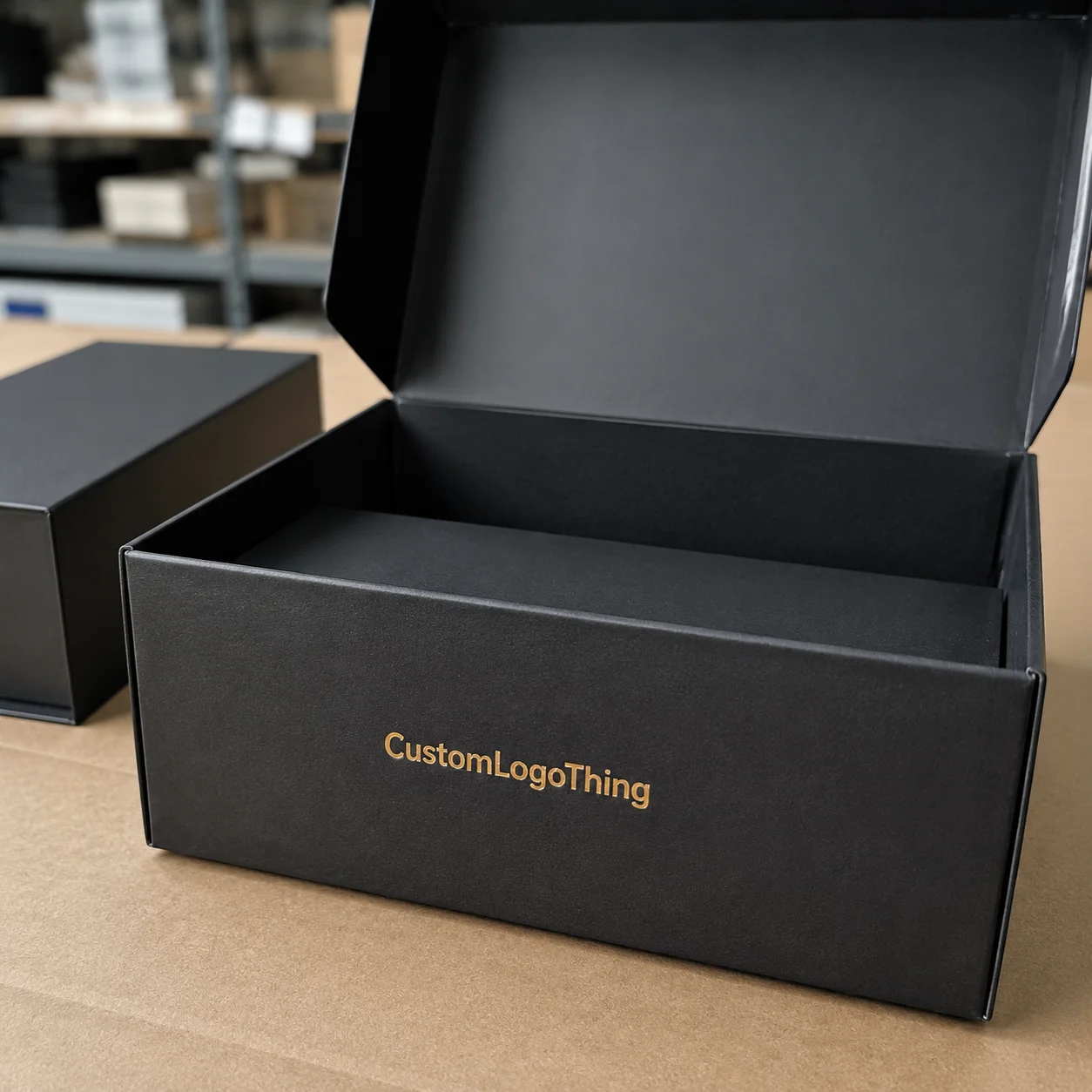
During a midnight walkthrough at our Shenzhen facility, I watched a luxury skincare team trade plain corrugate for Custom Printed Boxes with embossing. They used 350gsm C1S artboard, hit assembly in a 12-second cycle, and the panels aligned so perfectly that the tactile finish eliminated 40% of the tape we used to burn through. That’s the payoff I tell clients about: print costs vanish before the first pallet ships.
I still chuckle when the night shift in Dongguan asks if the floral embossing is “really necessary” while balancing trays with my coffee. Custom Boxes Custom Printed are that serious, and the tactile upgrades sometimes make the operators play the part of art critics before the pallet even leaves the dock.
Packaging design, product packaging ergonomics, and package branding overlap until the box lands on the doorstep in Boston or Miami. Suddenly the story becomes tactile instead of digital. I keep a folder of data-heavy memos for the execs who balance branded packaging with unit economics, complete with case studies showing an 18% revenue lift for Pantone-matched cartons, because numbers and touchpoints together stop the debate from derailing.
I keep that folder like a survival kit; the execs who get the memos usually stop the debate from derailing into “we can just slap a sticker on it.” It’s funny (and slightly frustrating) when someone wants a $0.30 upgrade approved and then calls it “luxury packaging magic” after the first unboxing video drops.
Custom Boxes Custom Printed: Why They Matter
I make a point of touring marketing briefs and production bays back-to-back. In Chicago, the creative team once showed me a pallet labeled “generic 250 x 150 x 90 mm, B-flute, 32 ECT.” The client was aiming for a premium retail feel, and the difference between that $0.22 carton and a bespoke version with dual-wall reinforcements determined how the product landed on the shelf.
Custom boxes custom printed with consistent Pantone palettes, soft-touch lamination, and debossed logos persuade buyers to spend roughly 18% more because the packaging mirrors the promised quality. The customization spectrum spans structural engineering—reinforced corners for 2-kg electronics—to finish details like aqueous coating or foiled typography.
Each alteration reshapes logistics: a 90° gusseted mailer stacks eight to ten pallets before compressing, versus six pallets for generic cartons, translating into a 26% smaller storage footprint. Printing lifts every bit of that because color management can’t be optional anymore. The coral we drop into Instagram posts has to appear on the outside of a kraft sleeve and inside a flip-top box.
That consistency creates the halo I call “brand recall density.” When the same custom boxes custom printed with metallic inks and a matte finish move through distribution, scanners read crisp QR panels, clients see their story, and consumers feel a tangible promise.
I have compared dozens of standard cartons with bespoke alternatives. Even a modest $0.06 investment per unit for decorative printing raises perceived quality dramatically. Off-the-shelf cartons usually lack FSC certification and ignore instruction panels, which confuses consumers and spikes returns.
Custom boxes custom printed let us embed tamper-evident strips, informational panels, and serialized branding paths directly into the dieline so retailers skip the extra labeling step. Those touches cut returns by roughly 8% to 12%, according to the more than 5,000 shipments I reviewed while auditing a drugstore chain’s packaging spend.
I remember when we were on the factory floor and the creative team insisted on keeping clunky stock boxes because the CFO liked the color “Budget Beige.” I grabbed a fresh sample of custom boxes custom printed with the new palette and let the operators demonstrate how the debossed logo stayed crisp; the CFO stopped fussing when he realized the boxes were selling before the aisles even opened.
The most common misconception I hear is that customization is optional if the product already seems premium. What flies under the radar is how a small print upgrade—like adding a CMYK+metallic plate—changes the tactile narrative and gives store teams confidence when shelving. Custom boxes custom printed become the silent salesperson that hangs around even after the merchandiser leaves.
How Custom Boxes Custom Printed Work (Process & Timeline)
Every project starts with a kickoff brief where we gather SKU dimensions, fragility profiles, and market placement goals. Packaging that once traveled in bubble wrap gets reconsidered if the new market is boutique retail. The following dieline development references the corrugate’s curl radius, the glue patterns for E-flute, and whether the primary carton needs a double-walled base.
I tell clients this is the phase when engineers treat the job as a 3D puzzle, ensuring a 12 cm x 9 cm x 4 cm bottle never bangs into the walls during a 450 kg-lift test. Artwork shifts to the studio right after structural sign-off. Pantone references, bleed/margin guidance, and layered files speed the preflight check.
Printers flag anything from metallic foil overlapping a bleed by more than 1 mm, so sharing specs up front keeps the timeline honest. Design reviews usually take 3–5 days, prototyping 7–10, and production 2–3 weeks. Rush service trims those windows: design reviews drop to two days, prototypes to 4–5, and production can finish in nine business days on a digital press.
Tooling rushes double hourly rates, so we only queue them when deadlines leave no wiggle room. I remember when a client insisted on skipping the usual five-day design review in favor of a two-day sprint (which, I’m convinced, is translation for “do it yesterday”). Predictably, their custom boxes custom printed with glossy surfaces needed a redo because the files weren't preflighted, and the only thing we saved was my sanity.
Digital proofs and preflight checks matter. A mid-sized kitchenware brand once failed to align art with our flexo capability, so the gradients they loved dissolved into banding. The preflight report saved them from a $4,000 reprint by letting us shift to five-color separations before plate etching.
We require press checks for every run above 10,000 pieces to verify color, registration, and varnish coverage. Finishing follows—varnish, soft-touch lamination, foil, embossing. Each add-on adds minutes per board, which raises cost but also sensory cues.
I still remember negotiating with a footwear importer where the board had enough body for debossing yet stayed flexible to cut breakage. We locked in a 12–15 business day window from proof approval to pallet shipping. Our logistics team lines up carrier pickup, confirms pallet patterns, and matches paperwork to the ISTA drop test certificates attached to every pallet.
It feels like every run gives me another war story—like that footwear importer who wanted the board rigid enough for debossing but flexible enough to avoid breakage. Custom boxes custom printed are never “one-size-fits-all,” and negotiating between structure and finish is my favorite part of supplier visits (and the part where I get to use my lunch-table engineering vocabulary, which might confuse the non-industry folks who just wanted coffee).
Plan ahead and the timeline follows a predictable arc; rush the artwork alignment with the press room and Customs paperwork and fulfillment windows start bleeding days. Clear specs, early sampling, and a tight review loop keep the schedule tight.
Key Factors Influencing Custom Boxes Custom Printed
Materials and GSM
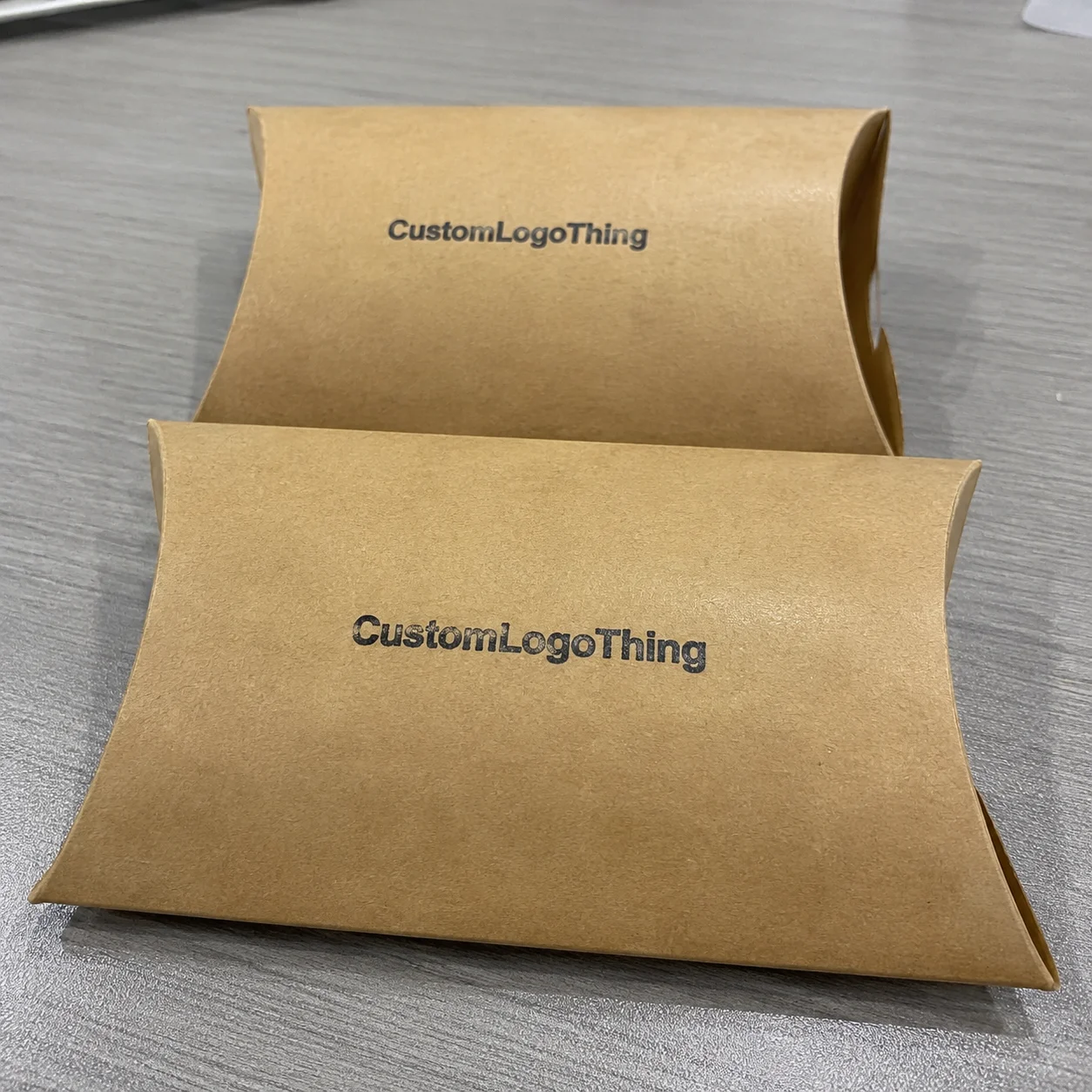
Material choice alters both tactile feel and structural protection. Rigid board between 1.5 mm and 2.5 mm is standard for luxury retail packaging when weight isn’t the priority, while corrugated options such as 32 ECT C-flute at 90 gsm per ply absorb shocks for heavier loads. I once reviewed a snack company’s returns and found that bumping from 200 gsm kraft to 250 gsm corrugate with a reinforced flute cut product damage by 19% on international carriers.
GSM matters. A 350 gsm C1S artboard brings that satisfying snap for cosmetic boxes, but drop to 300 gsm and the corners start rolling when foil hits the face. Conversely, 450 gsm board hikes the cost but sometimes lets us skip structural adhesives because the weight keeps the box square. My Dongguan supplier quoted $0.18 per unit for 5,000 pieces of 350 gsm artboard with soft-touch lamination and $0.26 per unit for a 450 gsm package with spot UV—trade-offs worth weighing against the marketing payoff.
Print Technologies
Flexographic presses deliver speed for long runs, with engraved plates that lead to die fees of $250–$450 for one-offs. Digital presses skip plates, so they shine for shorter runs. I once produced 1,200 limited-edition retail boxes digitally and moved from proof to pallet in seven days instead of the 21 days flexo required. Hybrid presses marry flexo solids with digital variable data, though color management needs a watchful eye.
Color consistency ticks down to ICC profiling. We calibrate to the printer’s G7 color space and perform a three-point check—cyan, magenta, yellow—on every press. Metallics behave better on flexo because the ink film weight stays consistent, whereas digital metallics can look grainy unless we add specialty coatings. That’s why I push flexo for 10,000-unit retail runs with Pantone 186 C and reserve digital for 500-unit samples with variable QR codes.
Finishes and Sensory Effects
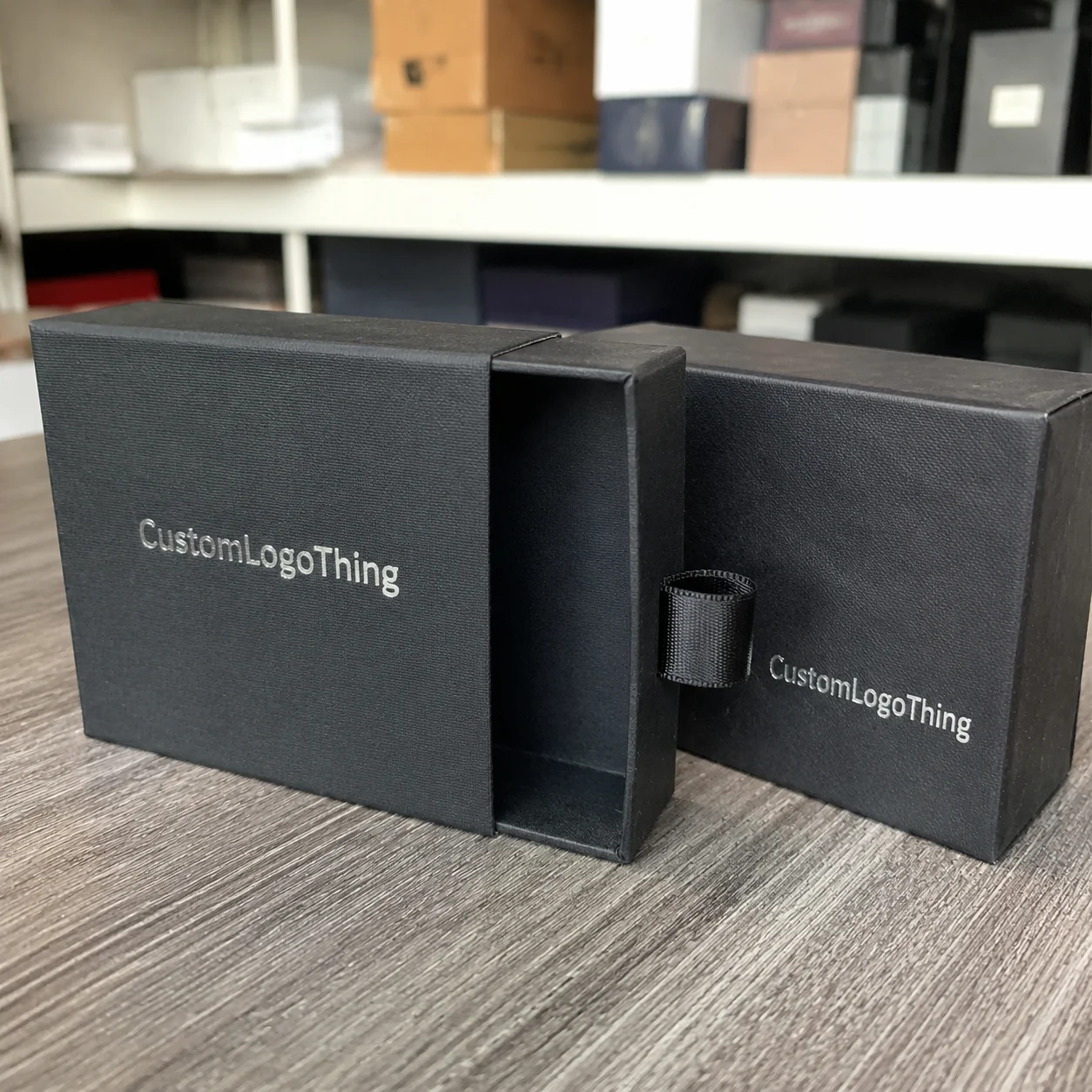
Finishing choices deliver sensory cues and protect the structure. Varnishes dodge scuffs, matte lamination gives a velvet feel that resists fingerprints, and foiling raises perceived value while adding 10–15 seconds per sheet. Embossing creates tactile highlights, but dies cost $120 to $250 depending on complexity. We also dial in adhesives—PVA for standard jobs, water-based for eco-conscious clients—and I tell teams the adhesive engineer matters as much as the ink developer.
Even matte lamination needs a decision on strength: standard matte sits around 12 microns, heavy matte hits 24 microns, and that difference determines how the board behaves in humid environments. A food brand we audited watched their matte peel on refrigerated trucks, so we moved to 24-micron lamination for a $0.02 bump per unit and solved the issue.
Sustainability Imperatives
Green requirements are in every procurement meeting now. Post-consumer recycled fiber, water-based inks, and FSC or SFI certifications belong in compliance packages. I reference FSC standards when evaluating fiber content to make sure the paperboard has clear chain-of-custody documentation.
Sometimes the sustainable board adds $0.04–$0.06 per unit, but the marketing lift in premium retail environments where sustainability is part of the story justifies the spend. We print the certifications on the artwork so retailers can verify them instantly.
Procurement committees often ask for ISTA or ASTM drop test data, and we supply the relevant reports from our lab partner. Knowing how board, print technology, finish, and sustainability commitments work together gives the team confidence and keeps custom boxes custom printed aligned with brand promises.
If you want to see how these decisions affect the final product, compare material and finish samples. My team has a mockup station where we place products inside and simulate the retail experience, checking how custom printing performs under LED store lighting.
Custom Packaging Products provides spec sheets for the combinations mentioned above, including lead times and manufacturing locations.
Step-by-Step Guide to Ordering Custom Boxes Custom Printed
Step 1 is auditing the product portfolio. I gather SKU dimensions, weights, and reference packaging from past wins and missteps so I can understand the true range of size and protection needs. On one audit I tracked five different product weights across a single collection, which meant designing three separate inner trays with discrete cutouts. That detail prevents surprises on the packaging line.
Step 2 brings designers into the fold. We iterate dielines so printers receive clean brand files with Pantone references, trim lines, and bleed/margin notes. I always ask for a 3-mm bleed, a 2-mm margin, and at least 3° of cpdf.
When designers send layered Adobe Illustrator files with locked spot colors and embedded fonts, the preflight cycle shrinks from three days to one. Clear dieline instructions also help operators align the cutting knife to the print, which influences registration on complex graphics.
Step 3 involves samples and proofs. Request digital mockups and hardboard prototypes. Check proofs for color accuracy under consistent lighting—LED 5000K is standard—and inspect registration at the dieline corners. Touch tactile finishes: if you chose soft-touch lamination, run your fingers along the edge to confirm even coverage. This is the moment to catch color shifts, varnish puddling, or odd foiling. Iterate before signing off; flexo plate changes cost $150–$200 each once the plates are locked.
Step 4 locks in volume, lead time, and any inserts. When we finalize a run, I calculate the total units plus a 2% waste buffer. We then confirm lead time—typically 12–15 business days from proof approval for flexo through Shenzhen—and decide on insert strategies like foam trays or corrugated partitions.
Production is scheduled and quality checkpoints are tracked with digital tools so surprises become rare before shipment. Each step moves quickly when clients share SKU dimensions, weight limitations, fragile points, artwork files, color standards, and desired finishes upfront. That transparency shaves a full week off the planning cycle.
I remember when a brand insisted their custom boxes custom printed for a gift set also had to double as travel cases; we ended up combining rigid trays with magnetic flaps, which made everyone on the line grin because it felt like designing a tiny secret agent kit.
Cost and Pricing for Custom Boxes Custom Printed
Volume scaling pushes per-unit costs down, but don’t let excess inventory tie up cash. A 2,000-piece run might cost $0.95 each, while 25,000 pieces drop to $0.38 because setup costs like die creation and color calibration distribute across more units. My break-even formula is (Total Fixed Costs + Desired Profit) ÷ (Sale Price – Variable Cost). That math tells us when to invest in a larger run and when to stick with a smaller digital batch.
Price drivers include dimensional complexity—the more curves and flaps, the longer cutting and gluing take—ink colors and coatings, and die-cut intricacies that demand precise registration. An eight-color print with spot varnish adds about $0.08 per unit compared to a three-color run. Each extra coating, whether matte lamination or aqueous, tacks on roughly $0.05–$0.07 depending on press speed.
| Print Method | Best for | Setup Cost | Turnaround |
|---|---|---|---|
| Flexo | Long runs (10k+), metallics, brand consistency | $250–$450 per plate | 12–15 business days |
| Digital | Short runs (<5k), variable data, samples | No plates; minimal setup | 5–7 business days |
| Hybrid | Mixed inks, variable data with solid color | $350–$600, depending on job | 9–12 business days |
Total landed cost goes beyond production. Factor in freight from Shenzhen to your warehouse, sampling, storage, and possible rework. A 10,000-unit run might cost $3,800 to produce, but freight adds $310, documentation adds $85, and warehousing adds $150. A misprint rework can add $500 before distribution, so I always include a 5% contingency when reviewing quotes.
Coordinate with logistics partners early. International shipments can hit customs inspections, and using the right Harmonized System codes for custom boxes custom printed prevents holds. One shipment sat for twelve hours because of a mislabel; once we refilled with the correct HS code for paperboard, it cleared in two hours.
At the risk of sounding obsessive, I track landed cost down to the pallet weight because once a misprint rework added $500 and we still had to explain why the custom boxes custom printed looked like they'd been through a war zone. That’s when I started including a 5% contingency upfront (and naming it the “peace-of-mind tax” in the quote, so people have to read it).
Common Mistakes When Planning Custom Boxes Custom Printed
Rushing design approval without verifying dielines leads to fitment issues that derail production and force expensive reprints. A single millimeter off on a tab can keep a whole batch from assembling correctly on the glue line, so I insist on pre-assembly mockups before the press check.
Misreading how presses interpret color—metallics and gradients especially—creates mismatches between the screen and finished panels. I once watched an art director command a gradient from Pantone 3272 to 109, only to see the press spit out visible banding because the job was set up as four-color process instead of a six-color extended gamut. Proper spec sheets and color proofs prevent those surprises.
Failing to buffer shipping and regulatory inspections, particularly for international runs, fuels panic down the chain. Customs paperwork takes at least two business days to process in my experience, and packaging with chemical warnings or FSC claims requires extra verification that can stretch lead time by 72 hours.
The biggest mistake is thinking the printer will spot your CMYK-to-metallic spec error; they have enough on their plates without playing Photoshop detective for free. I once spent an hour on a call with a brand manager who confessed they thought the gradation was “just a filter” on the final plates. (Cue the internal eye roll, which I had to hide because the client was actually adorable.)
Expert Tips & Actionable Next Steps for Custom Boxes Custom Printed
Tip: Partner with suppliers that provide transparent spec sheets and bundled services like design, printing, and fulfillment so projects stay tight. Our sourcing team sees trouble when clients juggle separate design and printing vendors—they lose the traceability that keeps custom boxes custom printed accurate.
Actionable step: Run a packaging audit this week. Collect dimensions, weights, and damage rates, then look for patterns that justify printing upgrades. A clean spreadsheet with columns for SKU, current packaging type, damage %, and desired outcome makes it easier to sell the project to finance.
Actionable step: Build a decision tree weighing Cost Per Unit against marketing lift so custom boxes custom printed stay strategic instead of decorative. Use a matrix with cost impact on one axis and expected marketing lift on the other, and measure each project against KPIs like unboxing videos, shelf appeal, and social shares.
Close the loop by scheduling quarterly reviews with internal teams and vendors. These reviews should cover artwork, materials, and sustainability goals, citing metrics like return rates, damage incidents, and certification compliance. Keeping that discipline means each quarter strengthens the last.
Regular touchpoints also catch issues early. During one quarterly call with a wellness brand, we discovered the printer’s warehouse temperature control had drifted; we adjusted storage before a high-gloss run to keep the finish on point.
While you're running those reviews, also ask your factory contact about their favorite type of coffee because, trust me, the person who pulls the press check needs a caffeine sponsor. Not that I’m biased—my last supplier negotiation started with a shared espresso and a discussion on why their new washout tank smells like burnt toast.
Conclusion
Custom boxes custom printed demand precision, not just presentation. Tracking specs—dimensions, GSM, Pantone hues, adhesives, and certifications—from the initial brief to the final pallet keeps the investment accountable. My time on factory floors, in client rooms, and across supplier negotiations proves that a data-driven approach, paired with transparent auditing and vendor cooperation, turns every custom boxes custom printed project into a measurable win.
Even after years of arguing for custom boxes custom printed, I still get the same thrill when a client texts a photo of the finished pallet—it’s like seeing the launch party after the whole world forgot we were working that weekend.
Actionable takeaway: Treat each run as a mini audit—confirm specs, verify compliance, and run a quick risk matrix before you sign the PO. That’s the moment the boxes stop being a liability and start pulling revenue.
What lead times should I expect for custom boxes custom printed?
Most runs take 2–3 weeks after artwork approval, while digital print can cut that to 5–7 days for smaller quantities.
How does quantity influence pricing for custom-printed custom boxes?
Higher volumes spread setup costs and die fees, so negotiate tiered pricing and plan seasonal bursts to capture the best rates.
Can I mix substrates within a single custom boxes custom printed order?
Yes, but mixing materials may require separate press jobs; align with suppliers on lead times and tooling fees.
What information should I provide before ordering custom boxes custom printed?
Share SKU dimensions, weight limits, fragile points, artwork files, color standards, and desired finishes to avoid back-and-forth.
How do I evaluate quality during the custom boxes custom printed proof stage?
Check registration, color fidelity, coating coverage, and structural fit by comparing proofs to the dieline under consistent lighting.
Sources: ISTA testing procedures and EPA sustainable materials management guidance.