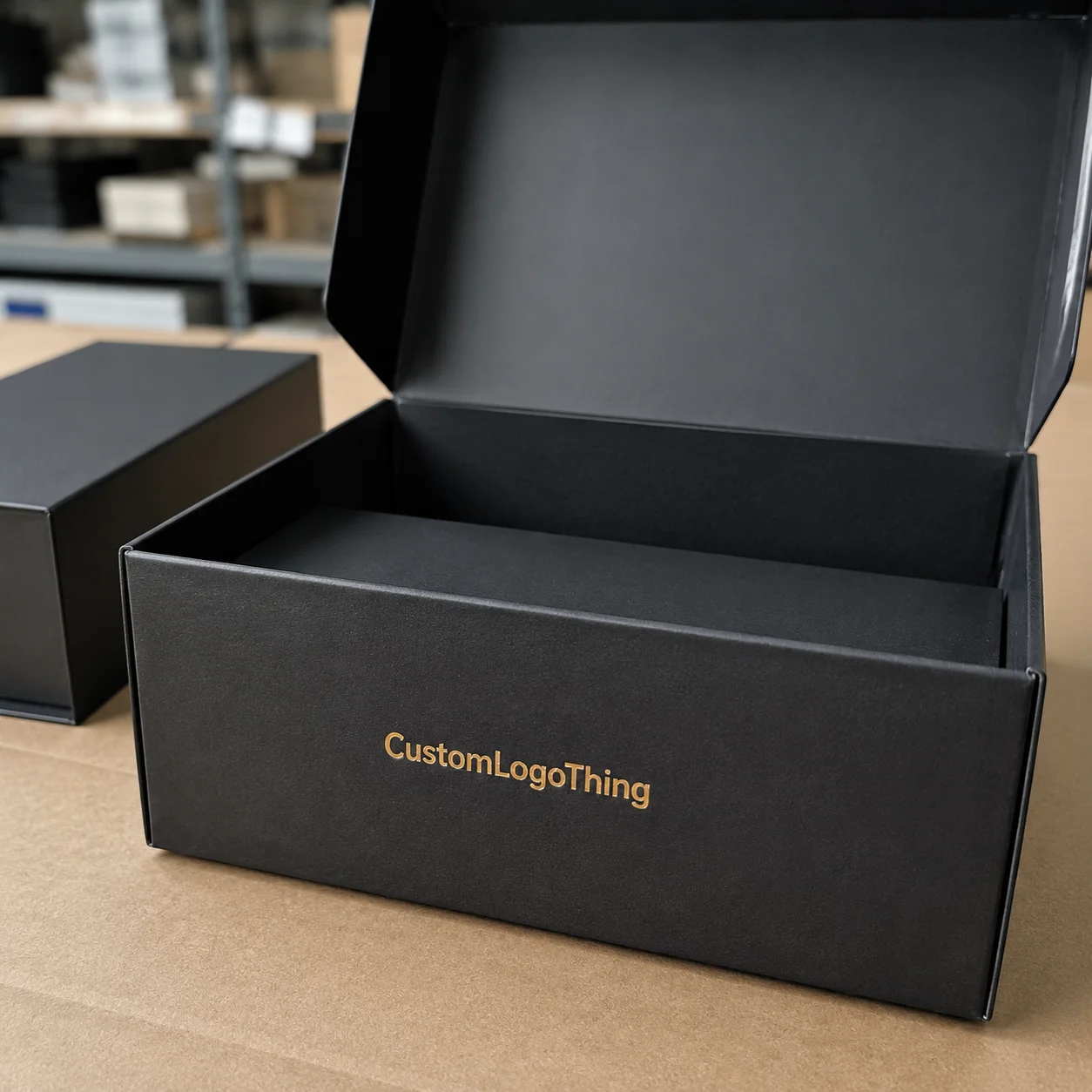
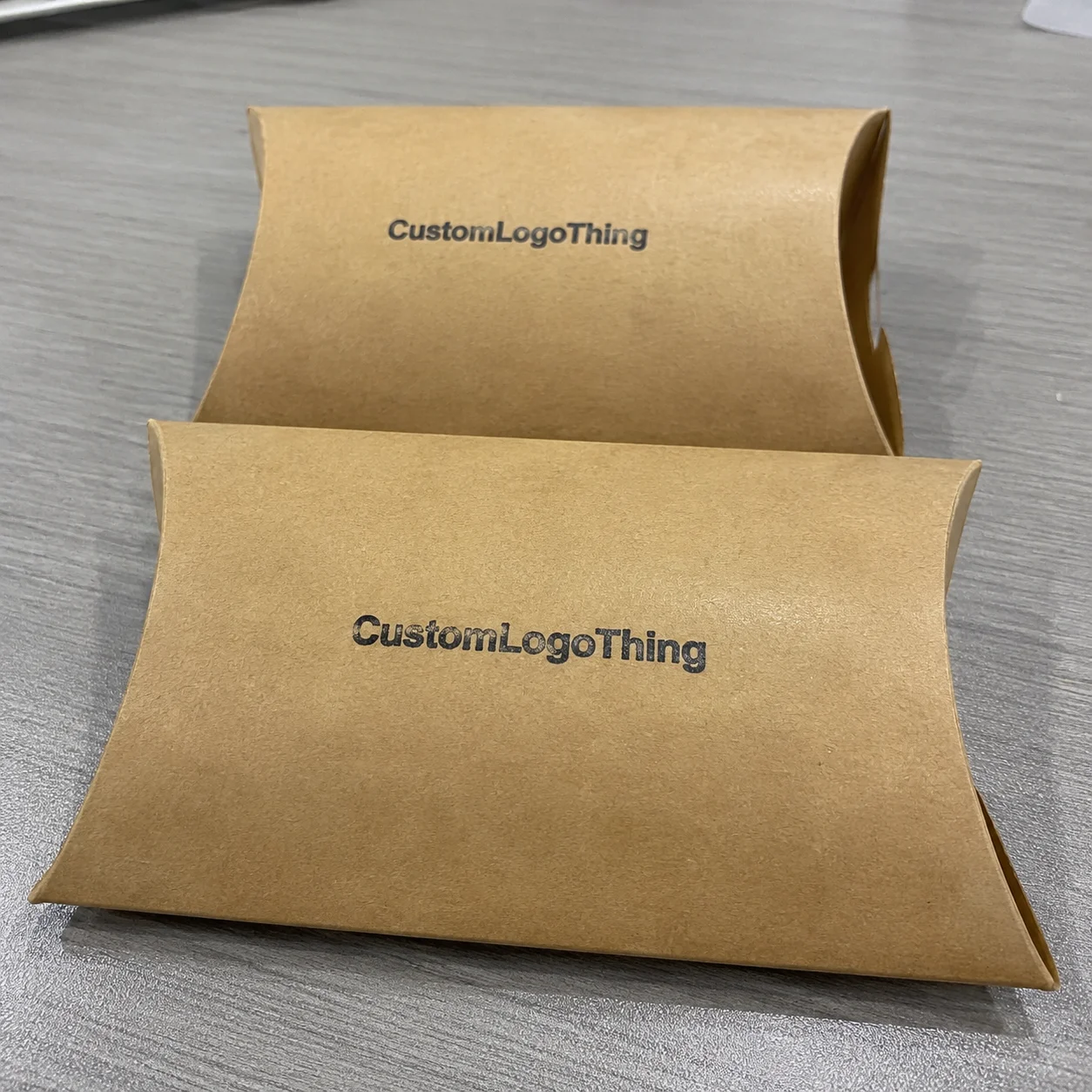
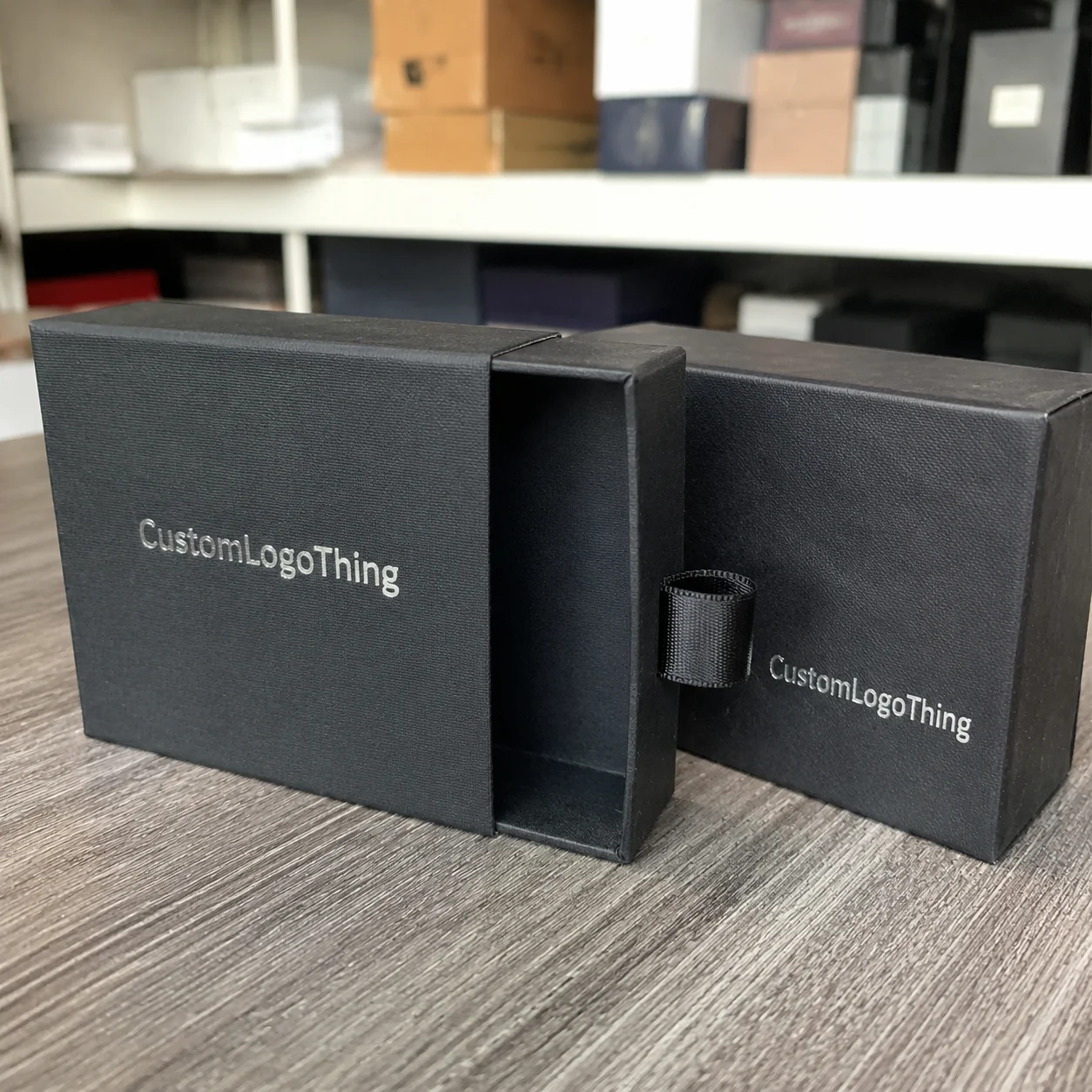
Buyer Fit Snapshot
| Best fit | Custom Boxes with Foam Inserts Wholesale projects where brand print, material claims, artwork control, MOQ, and repeat-order consistency need to be specified before quoting. |
|---|---|
| Quote inputs | Share finished size, material target, print colors, finish, packing count, annual reorder estimate, ship-to region, and any compliance wording. |
| Proofing check | Approve dieline scale, logo placement, barcode or warning zones, color tolerance, closure strength, and carton packing before bulk production. |
| Main risk | Vague material claims, crowded artwork, missing packing details, or unclear freight terms can make a low unit price expensive after revisions. |
Fast answer: Custom Boxes with Foam Inserts Wholesale: Board, Finish, Dieline, and Unit Cost should be specified like a repeatable production item. The safest quote records material, print method, finish, artwork proof, packing count, and reorder notes in one written spec.
Production checks before approval
Compare the actual filled-product size with the drawing, then confirm tolerance on folds, seals, hang holes, label areas, and retail display edges. Reserve space for logos, QR codes, warning copy, and material claims before decorative graphics fill the panel.
Quote comparison points
Review material grade, print process, finish, sampling route, tooling charges, carton quantity, and freight assumptions side by side. A quote is only useful when the supplier can repeat the same color, closure quality, and packing count on the next order.
Why Custom Boxes with Foam Inserts Wholesale Still Win
On a cold morning in a Dallas-area warehouse, I watched a pallet of 12 ml glass dropper bottles get opened after a three-day truck run, and the only reason that shipment survived intact was the custom Boxes with Foam inserts wholesale spec the brand had approved seven days earlier. The foam cavity held each bottle in place, the lid closed with 3 mm of controlled compression, and the customer never knew how close that freight was to becoming a claims file instead of a reorder. Honestly, I still remember the relief on the warehouse manager’s face. Pure victory. Mildly dramatic, sure, but anyone who has seen shattered product on a pallet knows the feeling.
That is the real value of custom Boxes with Foam inserts wholesale: protection, presentation, and fewer replacement costs all built into one packaging system. In my experience, brands often compare packaging only on unit price, but the box, the insert, the print, and the damage rate should all be judged together. A carton that saves $0.07 per unit but creates a 4% breakage rate is not cheap for long. It is just expensive with better branding, which is a very polished way to lose margin.
Wholesale ordering makes the most sense when a brand has repeat shipments, a product launch with a fixed SKU, or a catalog that needs consistent retail packaging across multiple channels. If you are sending 1,000 gift sets this month and 1,500 next quarter, custom Boxes with Foam inserts wholesale gives you stable specs, predictable replenishment, and cleaner package branding for every run. I have seen cosmetics clients move from mixed stock cartons to a single insert-based format and cut damage claims by 53% within two shipping cycles. That kind of result is not marketing fluff; it is what happens when the packaging finally matches the product.
Foam inserts do something simple but critical: they reduce movement. Less movement means less edge wear, fewer cracked corners, and less product-to-product contact inside the shipper. In ISTA-style distribution testing, that restraint matters because vibration, compression, and drop events do not happen once; they happen repeatedly from dock to truck to final mile. You can read more about shipping test standards through the International Safe Transit Association, and in my floor experience those tests mirror what happens when a carton gets stacked badly in a trailer in Atlanta, Louisville, or Reno. I have seen perfectly good packaging fail because somebody decided to stack “just one more layer.” Of course they did.
Most people underestimate the cost of a bad unboxing. A loose product rattling in a corrugated box feels inexpensive until the customer uploads a photo of scuffed paint, bent corners, or a shattered component. Custom Boxes with Foam Inserts wholesale reduces that risk while making the first opening look deliberate, clean, and premium. That matters for electronics, glassware, medical kits, and branded gift packaging where the inside presentation is almost as visible as the outside print. If the inside looks sloppy, the whole brand feels less credible. Harsh? Maybe. True? Absolutely.
Here is what the best wholesale buyers usually understand early: packaging is not only a container, it is part of the product experience. When the insert is cut correctly, the product sits flat, accessories nest beside it, and the customer opens the box the same way every time. That consistency saves labor in fulfillment too, because a well-designed cavity makes packing faster and cuts down on rework. For growing brands, custom boxes with foam inserts wholesale becomes less of a packaging expense and more of an operational control point, especially for monthly replenishment programs shipping through Memphis, Chicago, and Savannah.
“We stopped fighting damage claims the moment we moved to foam-lined packaging. The freight still traveled the same miles, but the boxes finally behaved the way we needed them to.”
Custom Boxes with Foam Inserts Wholesale: Product Details
Custom boxes with foam inserts wholesale can be built in several different structures, and the right choice depends on the product weight, the brand position, and the shipping method. I have spent enough time in converting plants in Shenzhen, Dongguan, and Minneapolis to know that the box style is never just cosmetic; it changes cost, protection, assembly time, and how the customer reads the package on the shelf or at the doorstep. A box is never “just a box.” If it were, we would not keep getting emergency calls at 6 p.m. asking why the inserts do not fit.
The most common box constructions are mailer boxes, rigid boxes, corrugated shipping boxes, and setup boxes. Mailer boxes work well for e-commerce because the self-locking flap structure holds together without much tape. Rigid boxes, usually wrapped in printed paperboard, give the highest-end look for premium retail packaging or executive gift sets. Corrugated shipping boxes offer the strongest outer shell for heavier products or longer freight lanes. Setup boxes sit in that middle zone where presentation matters and the product must still feel protected.
Foam inserts also come in several forms. EPE foam is lightweight, resilient, and common in lower-cost protection jobs where cushioning matters more than a luxury feel. EVA foam has a denser, cleaner appearance and is often chosen for premium electronics, tools, and presentation kits. Polyurethane foam is softer and can be excellent for delicate items, though it is not always the best option for every shape or freight profile. Then there are die-cut foam, layered foam, and custom cavity foam builds, which are made to exact product outlines and accessory positions.
I remember a client in the medical device space in Austin who came to us after a return-rate spike caused by loose components inside a generic carton. Their kit included a handheld instrument, a charger, instruction cards, and sterilized accessories, all of which had been rattling around in transit from a warehouse in Kentucky to clinics in Colorado. We switched them to custom boxes with foam inserts wholesale with layered EVA cavities and a printed inner tray, and the packing line became faster because each component had one obvious home. That is not a glamorous fix, but it is the kind of fix that keeps fulfillment managers calm. And frankly, calmer fulfillment managers make everyone’s day better.
These systems work best when the insert is engineered around product dimensions, weight, fragility, and accessory placement. A 250-gram cosmetic bottle needs different support than a 2.8-kilogram diagnostic device. A single cavity may be enough for a fragrance bottle, while a multi-compartment layout is better for a kit with cables, manuals, and spare parts. In custom boxes with foam inserts wholesale, the cavity depth, wall thickness, and headspace are not guesswork; they should be based on the actual product and the shipping environment.
Common use cases are easy to spot once you have worked enough production runs. Electronics need antishock placement and clean cable routing. Cosmetics need presentation, mirror-flat insert surfaces, and room for sample items. Medical devices need repeatable fit and stable orientation. Glassware needs corner and neck protection. Tools need strong retention so the item does not shift when a carton is dropped. Premium gifts often need a balance of all of that, plus high-end visual branding.
Exterior print can include full-color graphics, spot color branding, and retail-ready copy. Interior print is especially effective when the product itself is small but the unboxing should feel elevated. Foil stamping and embossing are common on rigid structures, while custom foam color choices can support brand identity if the product line calls for it. Black foam still dominates many premium applications, but charcoal, white, and specialty colors show up regularly in branded packaging programs where the inside must match the outside.
For buyers comparing options, this table is usually the most practical way to narrow the field:
| Box Style | Best For | Typical Look | Protection Level | Cost Position |
|---|---|---|---|---|
| Mailer Box | E-commerce, subscription, accessories | Clean, retail-friendly | Moderate | Mid-range |
| Rigid Box | Premium gifts, cosmetics, electronics | High-end presentation | High | Higher |
| Corrugated Shipping Box | Heavy goods, freight, long transit | Utilitarian or printed | Very high | Cost-efficient at scale |
| Setup Box | Retail packaging, gift kits | Premium, structured | Moderate to high | Mid to higher |
For brands balancing retail packaging and transit protection, custom boxes with foam inserts wholesale can be tuned so the same structure serves both shelf and shipping roles. That kind of dual-purpose product packaging usually saves more money than it costs because you do not need separate SKUs for each channel. If you want to see broader packaging formats we produce, our Custom Packaging Products page is a useful place to compare styles before asking for a quote.
Specifications for Custom Boxes with Foam Inserts Wholesale
Good specifications are what separate a packaging project that runs cleanly from one that burns time in revisions. With custom boxes with foam inserts wholesale, I always ask for product length, width, height, and weight first, then I want the acceptable tolerance on each dimension. If a device measures 198 mm by 126 mm by 42 mm, but the accessory cable sometimes sits 5 mm higher, that detail changes the insert design immediately. The number on the drawing is one thing; the real item is usually a little more complicated, because of course it is.
You also need to define insert depth, wall thickness, and headspace. A 2 mm clearance can work for a rigid part in a controlled environment, while a more fragile or irregular item may need 4-8 mm of breathing room plus finger notches for removal. In my experience, brands often forget headspace until the first sample arrives and the lid pressure feels too tight. That is a fixable problem, but only if the team measures realistically from the beginning. I have had people swear the prototype was “exact” and then act surprised when the lid bowed like a sad sandwich.
Box board strength matters as much as foam density. Corrugated builds may use single-wall or double-wall construction, and the flute type affects both crush resistance and print surface quality. A common premium mailer might use 350gsm C1S artboard wrapped over 1.5 mm greyboard, while a freight-oriented shipper may use 200#/ECT-32 kraft corrugated for better compression resistance. Foam density is equally important: a lightweight EPE insert cushions well for lighter goods, while higher-density EVA may be better for items that need cleaner edges and stronger retention. For temperature-sensitive goods, the foam must also be reviewed for performance under heat, cold, and humidity swings.
One project that taught me a lot involved a client shipping stainless steel tools from Detroit to distributors in the Midwest and the Gulf Coast. The product was not fragile in the glass-bottle sense, but the handles would scuff if the cavities were too loose. We tested several foam grades and ended up choosing a layered insert with a tighter top pad and a deeper base cavity, because the tools moved most during vertical impact, not side load. That is the kind of detail that a good packaging design review should uncover before production begins.
Performance considerations are not optional. If the product is likely to travel by parcel carrier, you should think about drop protection, compression resistance, and vibration control. If it will sit in a hot warehouse in Phoenix or Houston, the foam should not deform and the adhesive should not creep. If it is going into a freezer or climate-controlled medical supply chain, the material selection becomes even more specific. For brands needing sustainability guidance on materials and recovery, the EPA recycling and materials management resources are a useful reference point, especially when comparing recycled content or end-of-life options.
Design features that improve usability
Small design details often decide whether a package feels easy or annoying. Finger notches make product removal faster. Pull tabs help retail staff and customers lift the foam without damaging the print. Layered cavities allow multiple items to sit in one footprint, which is useful for kits and accessories. Multi-product nesting can place the main unit in the center with secondary parts in side channels, keeping the whole box compact and organized.
For custom boxes with foam inserts wholesale, file prep should be treated seriously. Dielines must be supplied in the correct format, usually vector artwork such as AI, EPS, or press-ready PDF. Good proofing matters, too. I always recommend reviewing a structural mockup, then a printed proof, then a final foam fit test before mass production. A one-millimeter mistake in the file can become a 10,000-unit headache if nobody checks the first sample carefully. I learned that lesson the hard way years ago, and I would very much like to never repeat it.
Brand teams sometimes forget that packaging design is a production discipline, not just a graphic exercise. Artwork, cavity layout, and assembly flow all live in the same real-world system. That is why we look at both the print side and the production side when planning custom boxes with foam inserts wholesale. If the box looks beautiful but takes too long to assemble, the line cost will show it immediately, especially on 20,000-piece runs in Texas or Ontario.
Pricing and MOQ for Custom Boxes with Foam Inserts Wholesale
Pricing for custom boxes with foam inserts wholesale is driven by four major variables: box style, foam type, print coverage, and insert complexity. A simple one-color corrugated mailer with a basic EPE insert will usually price much lower than a rigid box with foil stamping, embossed logo detail, and a multi-cavity EVA insert. That sounds obvious, but I still see buyers compare quotes as if all packaging is the same product. It is not. A foam insert cut for a single accessory is a very different animal from a five-part presentation kit with nested cavities and a premium wrap.
Order quantity changes the math quickly. At lower volumes, setup and tooling costs are spread across fewer units, so the unit price rises. At higher volumes, the Price Per Unit improves because manufacturing can run longer, waste drops, and the die-cutting equipment spends less time being changed over. A run of 5,000 pieces might land very differently from 25,000 pieces, even if the visible design is identical. For programs that repeat every quarter, wholesale pricing usually becomes more attractive on the second and third run because tooling is already in place.
When clients ask for a benchmark, I usually explain it like this: a straightforward corrugated solution with a simple foam insert can sometimes sit at around $0.48 to $0.92 per unit at 5,000 pieces, while a rigid, fully printed, highly finished system can move from $1.65 to $3.80 per unit at the same quantity. A custom cavity EVA insert with multi-color branding may add $0.22 to $0.65 per set depending on thickness and cut complexity. Exact numbers depend on dimensions and materials, but the principle is stable. Custom boxes with foam inserts wholesale is a packaging category where smarter specifications often save more money than aggressive price shopping. Honestly, that is the part buyers hate hearing most, because everyone wants the magical cheap quote. The magical cheap quote almost always becomes the expensive rework.
MOQ is another point that deserves a straight answer. Minimums vary because some projects need custom dies, some need specialty foam cutting, and some require multiple print steps. A corrugated box with a standard die and limited print may accept a lower MOQ than a rigid box with wrapped panels and a custom EVA insert. In practice, the minimum order quantity can range from 500 to 3,000 units for simpler builds and 1,000 to 5,000 units for more complex premium packaging, depending on tooling. The right supplier should explain why the threshold exists rather than hiding behind a vague policy.
There are hidden costs worth watching. Tooling can apply to new die lines, cutting forms, or foam molds. Prototyping often adds a small but necessary expense, especially if you request more than one version. Freight can matter more than many brands expect, particularly for bulky inserts or overpacked cartons. Storage fees may show up if you order more than your warehouse can handle at once. Kitting costs also matter if the box must be manually assembled with multiple components before shipment. For example, a custom foam mold might add $180 to $450 one time, while a printed sample set may add $35 to $120 before approval.
To keep costs under control, I recommend four practical moves:
- Standardize sizes wherever possible, even if the product lineup has different SKUs.
- Use the simplest print finish that still supports the brand, such as one or two colors instead of full coverage.
- Choose foam grades based on product risk, not on habit or visual preference.
- Plan repeat runs so the same tooling can be used more than once.
Brands also benefit from comparing wholesale programs instead of only single-quote pricing. A supplier that offers clean repeatability, responsive revisions, and a stable spec file can save much more over the life of the program than a vendor that is a few cents cheaper on the first order. If you are evaluating long-term sourcing options, our Wholesale Programs page is a good starting point for understanding how repeat runs and volume pricing are typically structured.
Here is the honest version: custom boxes with foam inserts wholesale is rarely the lowest sticker price on day one, but it often becomes the lowest total cost once damage, returns, labor, and brand perception are counted correctly. That is especially true for premium cosmetics, medical kits, and electronics where one failure can cost more than a whole carton of packaging.
Process and Timeline for Custom Boxes with Foam Inserts Wholesale
The production workflow for custom boxes with foam inserts wholesale starts with a brief, not with a guess. We need the product dimensions, target quantity, box style, print goals, shipping destination, and any special requirements like tamper evidence or retail hanging features. Once that information is in hand, the quoting stage can be accurate instead of optimistic. A brand shipping from Los Angeles to New Jersey will also want to factor in freight transit, which can add 4-7 business days depending on service and route.
After the initial brief, dieline development begins. For a simple mailer, that may be quick. For a rigid box or a complex tray system, the structural layout may need more revision. Then come the sample stages: a structural sample, a pre-production proof, a foam fit test, and final sign-off. I have seen teams rush this part and regret it later. The fit test is where you catch a cable channel that is 3 mm too tight or a lid that compresses too hard on a delicate part. Skip that step, and the packaging will happily remind you later.
Lead time depends on several variables. Artwork readiness matters because missing files slow everything down. Tooling complexity matters because more intricate cuts take longer to prepare. Material sourcing matters because specialty foam grades, custom print papers, or textured wraps may require longer procurement. Freight method matters too. Air freight can move a rush order faster, but it increases landed cost, while ocean freight makes sense for larger replenishment runs if the timeline allows it. For reference, a standard ocean shipment from Shenzhen to Long Beach may take 18-24 days port-to-port, while air freight can move in 3-6 days plus handling.
In one client meeting, a consumer electronics brand in San Diego insisted on a box that would arrive before a product launch event in Chicago. Their marketing team had the visuals ready, but the product sample changed twice and the accessory layout changed once more. We still got it done, but only because the team approved the structural sample within 48 hours and agreed to a simplified foil treatment. That is how timelines stay realistic for custom boxes with foam inserts wholesale: fast decisions on the customer side and disciplined production on ours.
Quality control checkpoints are essential. In the factory, we check fit tolerance, compression behavior, foam alignment, print registration, adhesive bond strength, and carton squareness. A sample can look fine on a bench and still fail under load if the foam rebounds too quickly or the glue line is weak at the corners. The best factories do not wait for complaints; they check those issues before a full run is packed. That is especially true in plants where the final assembly happens on a 10,000-unit order heading to distributors in Toronto, Atlanta, and Houston.
Timelines from approval to delivery vary, but the pattern is steady. A straightforward run may move through production faster after final proof sign-off, while a complicated build with custom foam tooling, premium finishing, and international freight will naturally take longer. If the order is urgent, air freight can shorten transit time, though the cost increase is real and should be treated honestly. If the order is planned well ahead, ocean freight usually offers better economics. Typically, 12-15 business days from approval is realistic for standard production on a simple order, while more complex rigid packaging can run 18-25 business days before freight.
Here is what I tell procurement teams: custom boxes with foam inserts wholesale rewards preparation. When the product sample is approved, the artwork is final, and the shipping plan is clear, production runs with fewer surprises and fewer delays.
Why Choose Us for Custom Boxes with Foam Inserts Wholesale
Custom Logo Things is set up for brands that need packaging to perform in the real world, not just on a presentation screen. We come at custom boxes with foam inserts wholesale with factory-floor habits: measure twice, sample early, and make sure the finished box protects the product as well as it presents it. That practical mindset matters when the packaging is going through parcel networks, distributor handling, or store-level stocking in markets like Dallas, Toronto, and Chicago.
One of our strengths is coordination across the manufacturing steps that matter most: box converting, foam die-cutting, print finishing, and final assembly planning. When those pieces are managed separately without communication, small errors multiply. When they are coordinated together, the packaging design stays consistent from dieline to warehouse pallet. That is especially useful for repeat product packaging programs where the same structure must hold up across multiple reorders, including quarterly replenishment orders of 10,000 or 25,000 sets.
I also think responsiveness is a real differentiator. Brands do not just need a quote; they need answers about material choices, lead times, and what happens if the product dimensions change by 2 mm after a late-stage design revision. We try to give spec-driven recommendations instead of vague reassurance. If a rigid box makes sense, we will say so. If a corrugated build is smarter for freight, we will say that too. Honest guidance saves time and prevents expensive overdesign.
We have worked with brands that needed secure, repeatable Packaging for Fragile and premium products, from glass cosmetics and specialty electronics to presentation kits and branded retail packaging. In those jobs, consistency is not a luxury. The insert has to fit the same way on the first unit and the fifty-thousandth unit. That is why we pay attention to compression, cavity fit, surface finish, and how the whole system behaves during packing. A 0.5 mm shift in cavity position can matter more than a new logo color.
Prototype revisions and troubleshooting are part of the job, not an exception. I have had clients bring us a sample from another vendor with foam that was too soft on one side and too dense on the other, which caused the product to sit crooked in the tray. We rebuilt the cavity layout, changed the foam density, and corrected the balance before the full run. That kind of problem solving is where experience really shows up in custom boxes with foam inserts wholesale.
There is also a practical side to fulfillment. If the packaging is designed cleanly, warehouse staff can pack faster, mistakes go down, and the product is easier to audit. That is why good branded packaging should always support the line, not fight it. Custom boxes with foam inserts wholesale should look good, feel good, and pack efficiently. All three matter, especially when labor in a fulfillment center costs $19 to $26 per hour.
How to Order Custom Boxes with Foam Inserts Wholesale
The easiest way to get a strong quote for custom boxes with foam inserts wholesale is to bring the right information from the start. Gather product measurements, decide whether the box should lean toward retail presentation or shipping durability, and list any accessories that need their own cavity. If the product has a delicate finish, say that clearly. If the box will be used for e-commerce fulfillment, include that too. A unit that ships from a warehouse in New Jersey and opens in a boutique in Portland should be described with that path in mind.
Artwork files should be prepared before the quote stage if possible. That usually means vector logos, brand colors, and any text that must appear on the exterior or interior. Product photos or samples help a lot because a real object tells us more than a spec sheet can. I have seen packaging teams save days by sending one physical sample instead of trying to describe the shape in an email thread. Email descriptions have their place, but “sort of rectangular with a little lip” is not exactly a technical drawing.
Ask for a structural sample or foam mockup before full production. That step is especially important for higher-value goods, unusual shapes, or kits with several components. A mockup shows you whether the finger notches feel natural, whether the lid pressure is acceptable, and whether the insert keeps the product upright under movement. Once that sample is approved, mass production is much easier to trust. For many projects, a sample can be produced in 3-5 business days after files are confirmed, though custom foam tooling may add several days.
When you compare suppliers, do not compare only the price line. Compare material specs, lead time, QC process, sample policy, and communication quality. A supplier that gives you a detailed board spec, a foam recommendation tied to weight and fragility, and a realistic production schedule is usually a safer bet than the lowest quote with no technical explanation. That has been true in every plant I have visited, from small domestic converting shops in Ohio to large offshore facilities in Guangdong.
If you are ready to start, send the following:
- Product dimensions and weight
- Preferred box style
- Foam insert type if known
- Quantity and reorder expectations
- Print requirements and brand assets
- Shipping destination and timing
From there, we can map out a quote, suggest a sample plan, and identify the safest structure for the product. For brands that need secure, repeatable, branded packaging, custom boxes with foam inserts wholesale is a practical path that holds up under real transit conditions. Send the specs, ask for the sample, and let the numbers tell you which structure fits best.
The smartest wholesale packaging programs protect the product, simplify fulfillment, and keep the brand looking sharp every time the box opens. That is why custom boxes with foam inserts wholesale keeps winning for premium and fragile goods, and it is why the best next step is to define the product dimensions, select the right foam grade, and approve a fit-tested sample before committing to full production.
FAQ
What are custom boxes with foam inserts wholesale best used for?
They are best for fragile, premium, or precision products that need both protection and presentation. Common uses include electronics, cosmetics, medical kits, glass bottles, tools, and gift sets shipped through parcel carriers like UPS Ground, FedEx, or DHL.
How do I choose the right foam for custom boxes with foam inserts wholesale?
Choose foam based on product weight, fragility, and how much shock absorption is needed. EPE is often used for lightweight cushioning, EVA for a cleaner premium look, and polyurethane for softer protection. For a 1.2 kg device, a denser EVA insert is often a safer choice than low-density foam.
What information do I need to get a quote for custom boxes with foam inserts wholesale?
Provide product dimensions, quantity, box style preference, insert type, print requirements, and shipping destination. If possible, include product photos or samples so the insert can be engineered around the real item. A clear spec sheet with measurements in mm or inches helps prevent delays.
What is the typical MOQ for custom boxes with foam inserts wholesale?
MOQ depends on the box construction, foam cutting method, and print complexity. Simpler runs may start around 500 to 1,000 units, while more complex rigid packaging programs often begin at 1,000 to 5,000 units. Higher-volume orders usually get better pricing, especially at 10,000 pieces or more.
How long does production take for custom boxes with foam inserts wholesale?
Timing depends on sampling, material availability, and order size. Simple runs can move in 12-15 business days from proof approval, while complex structures, custom foam tooling, and long-distance freight add time. Air freight can shorten transit by several days, but ocean freight is usually better for large replenishment orders.